

Signs a Predator Attacked Your Ducks (And What to Do Immediately)

To keep our research-backed guides free, this site uses ads and affiliate links (earning a small commission at no cost to you). Everything here is created by a duck mom and PhD scientist, combining academic rigor with hands-on experience to provide practical, trustworthy advice for duck keepers everywhere. 🦆 Learn more
Imagine walking outside one morning to find feathers scattered across your yard, a damaged section of fencing, or one of your ducks hiding silently under a bush. Another duck refuses to stand, while the rest of the flock seems unusually quiet and frightened. In moments like these, it’s natural to wonder: Did a predator attack my ducks?
Unfortunately, predator attacks are one of the biggest risks faced by backyard duck owners. Raccoons, foxes, coyotes, dogs, hawks, owls, and other predators can strike quickly, often leaving behind injuries that aren’t immediately obvious. Because ducks instinctively hide pain and illness, even a duck that appears fine may have serious puncture wounds, internal injuries, or be developing shock.
The good news is that recognizing the signs of a predator attack early and acting quickly can save your duck’s life. Prompt first aid, appropriate wound care, and timely veterinary treatment give injured ducks the best chance of making a full recovery.
In this guide, you’ll learn how to recognize the signs a predator attacked your ducks, what different injuries may indicate, the critical first aid steps to take immediately, when to contact an avian veterinarian, and how to better protect your flock from future attacks.
Whether you’re facing an emergency right now or preparing for the unexpected, this guide will help you respond with confidence and give your ducks the best possible care when they need it most.
Quick Answer: How Can You Tell if a Predator Attacked Your Duck?
If your duck has been attacked by a predator, you may notice one or more of the following signs:
- Large piles of scattered feathers
- Bite marks or small puncture wounds hidden beneath the feathers
- Torn skin or deep lacerations
- Limping or difficulty walking
- Bleeding or blood around the coop or run
- Signs of shock, such as weakness, cold feet, or rapid breathing
- A duck that is suddenly missing
- Unusual panic or fear throughout the flock
- Damage to the coop, fencing, or signs of digging
If you suspect a predator attack, treat it as a veterinary emergency. Even small puncture wounds can hide serious internal injuries or become infected. Move your duck to a quiet, safe location, perform a careful head-to-toe examination, and contact an avian veterinarian as soon as possible.
Quick Navigation: Jump to a Section
[hide]
- Why Fast Action Matters
- Common Signs a Predator Attacked Your Duck
- What Different Predators Usually Leave Behind
- What to Do Immediately After a Predator Attack
- What Not to Do After a Predator Attack
- Can Ducks Recover From Predator Attacks?
- How to Help Prevent Future Predator Attacks
- FAQ About Predator Attacks in Ducks
- Protecting Your Flock Starts Before an Emergency
- Further Reading & Resources
Part of the Duck Health & Anatomy Hub, Evidence-based medical resources and anatomical research.
Why Fast Action Matters
A predator attack is always an emergency, even if your duck looks surprisingly normal at first.
As prey animals, ducks instinctively hide pain and weakness. In the wild, showing signs of injury makes them an easy target for predators, so they often continue walking, eating, or staying with the flock despite having serious injuries. By the time obvious symptoms appear, they may already be in shock or developing life-threatening complications.
One of the biggest dangers after a predator attack is that the injuries you can see are often only part of the problem. A small puncture wound hidden beneath the feathers may not look alarming, but it can extend deep into the muscles or body cavity. Bite wounds are also heavily contaminated with bacteria from the predator’s mouth, putting ducks at high risk of severe infections if they are not treated promptly.
Internal injuries are another concern. A duck that appears to be standing normally could have bruised organs, internal bleeding, fractured bones, or damage to the air sacs. These injuries are impossible to diagnose by appearance alone and require evaluation by an avian veterinarian.
Stress itself can also become life-threatening. After a traumatic event, ducks may go into shock, a condition in which the body’s circulation can no longer adequately supply oxygen to vital organs. A duck in shock may become quiet, weak, cold, or unresponsive, and without supportive care, shock can quickly become fatal.
Every Minute Counts
If you suspect that a predator attacked one of your ducks:
- Remove the duck from danger immediately.
- Perform a careful head-to-toe examination.
- Keep the duck warm and calm.
- Contact an avian veterinarian as soon as possible.
Even if you cannot find any obvious wounds, continue monitoring your duck closely over the next 24 to 48 hours. Some injuries, including internal bleeding, swelling, or infection, may not become apparent until several hours after the attack.
Duck Mom Tip: One lesson I’ve learned from caring for my own flock is never to judge an injury by the amount of blood you see. Ducks can hide surprisingly serious wounds beneath dense feathers. Whenever one of my ducks has had a close encounter with a predator, I part the feathers carefully over the entire body, feeling for swelling, puncture wounds, or areas that seem painful. That thorough exam has helped me find injuries I would have otherwise missed.
Common Signs a Predator Attacked Your Duck
Not every predator attack looks the same. Some ducks are left with obvious injuries, while others may only show subtle changes in behavior. Learning to recognize these warning signs can help you act quickly and get your duck the care it needs.
Below are the most common signs I look for after a suspected predator encounter.
Feathers Scattered Everywhere
Finding a few loose feathers around the coop is completely normal. Ducks lose feathers during their annual molt, and breeding drakes may pull feathers from hens while mating.
A predator attack looks very different.
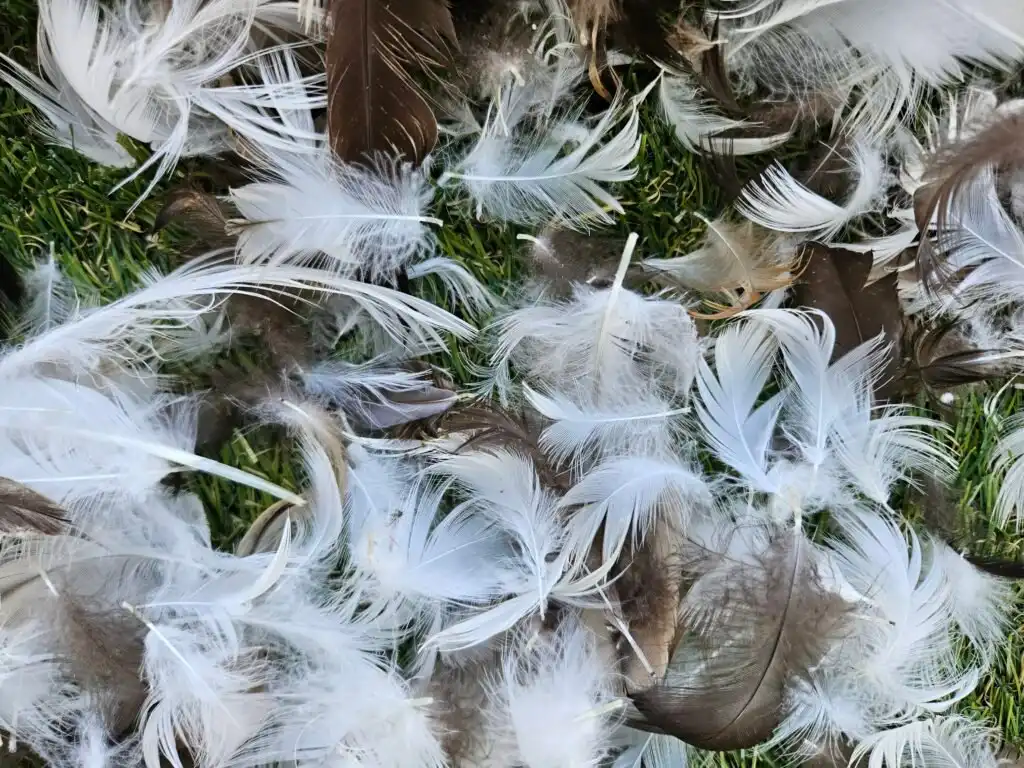
Instead of a handful of feathers, you may find large piles or trails of feathers scattered across the yard, around the coop, or leading toward a fence or hiding place.
If you find a large amount of freshly pulled feathers along with signs of panic or an injured duck, assume a predator was involved until proven otherwise.
Duck Mom Tip: If you are unsure whether you’re seeing a normal molt or evidence of an attack, look closely at the feathers. Molted feathers usually include the entire feather shaft and are found over days or weeks. Feathers pulled out during an attack often appear in a concentrated pile and may have bits of skin or blood attached to the quill.
Bite Marks or Small Puncture Wounds
One of the most dangerous predator injuries is also one of the easiest to overlook.
Predators often leave small puncture wounds from their teeth or talons that are almost completely hidden beneath a duck’s thick feathers. At first glance, your duck may appear unharmed, but once you gently part the feathers, you may discover tiny holes in the skin.
Common locations include:
- Neck
- Back
- Shoulders
- Chest
- Wings
- Legs
Although these wounds may only be a few millimeters wide, they can penetrate deep into the muscles or body cavity. Bite wounds also introduce bacteria into the tissue, making infection a major concern.
Never assume a small puncture wound is a minor injury. Any bite from a mammal, such as a raccoon, fox, coyote, or dog, should be evaluated by an avian veterinarian as soon as possible.
Torn Skin or Missing Tissue
Some predators cause more extensive injuries than others.
Instead of small punctures, you may find large skin tears, missing feathers, exposed muscle, or even missing tissue. These injuries are particularly common after attacks by dogs, raccoons, or larger predators that grab and shake their prey.
Severe wounds often bleed surprisingly little at first because feathers absorb blood and the skin may temporarily seal over. However, they are extremely painful and carry a high risk of infection.
If you see exposed tissue, deep lacerations, or muscle, cover the wound with a clean, nonstick dressing if possible, keep your duck warm, and seek emergency veterinary care immediately.
Limping or Difficulty Walking
Not every predator attacks the neck or body. Some grab a duck by the legs or wings while the duck struggles to escape.
After an attack, your duck may:
- Limp
- Refuse to put weight on one leg
- Hold a wing lower than the other
- Struggle to stand
- Be unable to walk normally
These signs could indicate fractures, sprains, tendon injuries, nerve damage, or painful bite wounds.
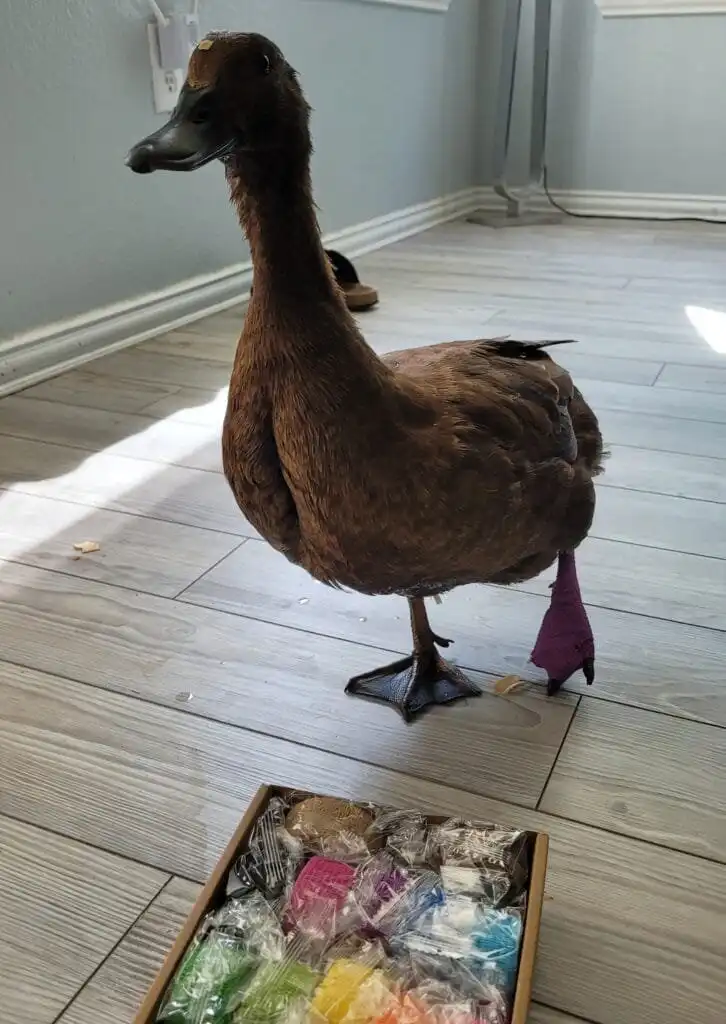
Even if the limp seems mild, your duck should be examined. Birds often continue walking despite significant orthopedic injuries.
Changes in Behavior
Sometimes the first sign isn’t a visible injury at all.
A duck that has survived a predator attack may suddenly become:
- Unusually quiet
- Hiding away from the flock
- Reluctant to walk
- Less interested in food or treats
- Nervous when you approach
- More easily startled
Because ducks instinctively hide weakness, these subtle behavioral changes may be your earliest clue that something is wrong.
Duck Is in Shock
A duck doesn’t have to be bleeding heavily to be in danger. In fact, one of the most life-threatening consequences of a predator attack is shock.
Shock occurs when the body can no longer deliver enough oxygen and nutrients to vital organs. It can result from severe stress, blood loss, pain, or internal injuries, and it requires immediate supportive care and veterinary attention.
Signs of shock may include:
- Sitting or lying down without wanting to move
- Eyes partially closed or appearing dull
- Weakness or inability to stand
- Rapid or shallow breathing
- Cold feet or bill
- Pale mouth tissues
- Little or no response to people or the flock
A duck in shock may seem unusually calm, but this is not a good sign. They are conserving energy because their body is struggling to cope with the trauma.
If you suspect shock, move your duck to a quiet, warm location immediately, minimize handling, and contact an avian veterinarian as soon as possible.
Duck Mom Tip: Don’t mistake quietness for recovery. After a frightening event, I always watch for the duck that suddenly becomes too still. A normally alert duck that stops reacting to its surroundings may need emergency care, even if I can’t immediately find a serious wound.
Bleeding
Some predator attacks cause dramatic bleeding, while others leave only a few drops of blood despite serious injuries hidden beneath the feathers.
Carefully examine your duck from head to toe, gently parting the feathers to look for active bleeding or wounds.
Minor bleeding from broken blood feathers or small skin abrasions may stop with gentle pressure. However, continuous bleeding, blood pooling on the ground, or blood that quickly soaks through a bandage is an emergency.
Apply steady pressure with clean gauze or a towel while arranging immediate veterinary care.
Remember that internal bleeding cannot be seen from the outside. A duck that appears weak, pale, or collapses after an attack may be bleeding internally even if you don’t see much blood.
A Missing Duck
Sometimes the most obvious sign of a predator attack is that one of your ducks simply isn’t there.
Foxes, coyotes, bobcats, and large birds of prey may carry a duck away, especially if the victim is small or lightweight. However, don’t assume the worst immediately.
An injured duck will often hide remarkably well after an attack. Look carefully:
- Under bushes
- Behind sheds
- Under decks or porches
- In tall grass
- Along fence lines
- Near water sources
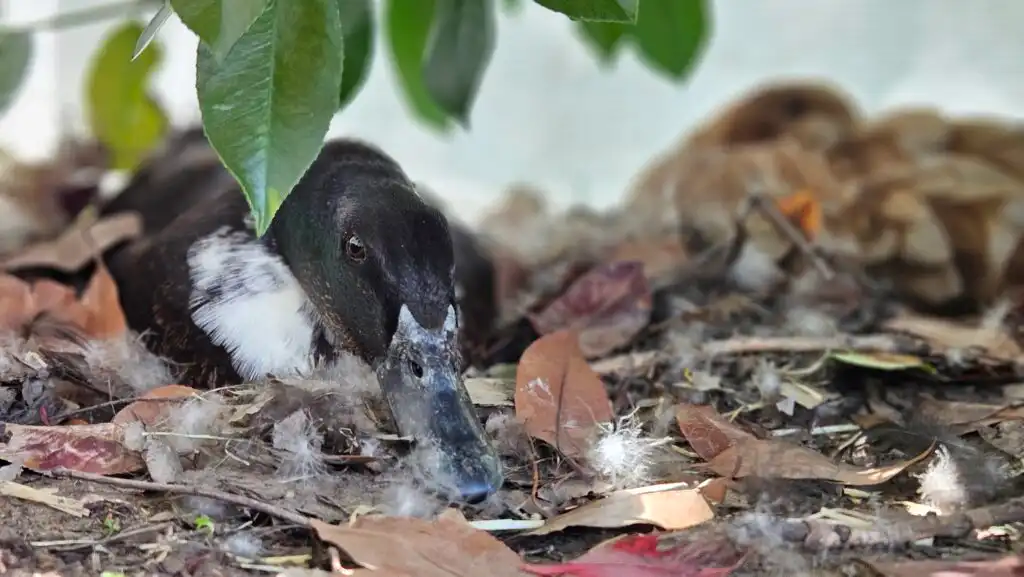
Call softly and listen for quiet quacks or movement. Ducks in shock often remain silent, so search thoroughly before concluding your duck has been taken.
The Rest of the Flock Is Acting Differently
Sometimes your healthy ducks will tell you that something happened before you notice any injuries.
After a predator encounter, the flock may:
- Refuse to leave the coop
- Stay unusually close together
- Give repeated alarm calls
- Avoid one part of the yard
- Become unusually quiet
- Seem nervous or easily startled
These behaviors can persist for several days, especially after nighttime attacks.
I’ve noticed that after stressful events, my own flock often stays much closer together than usual. Even once the immediate danger has passed, they remain more alert and hesitant until they feel safe again. Watching the flock as a whole can be just as important as examining the injured duck.
What Different Predators Usually Leave Behind
One of the first questions many duck owners ask after an attack is, “What attacked my duck?”
While it’s natural to want an answer, identifying the exact predator isn’t always possible. Several predators can leave similar injuries, and weather, scavengers, or additional animal activity may quickly erase important clues.
Instead of focusing on a single piece of evidence, look at the whole picture: the time of day, the injuries, missing feathers, damage to the coop, tracks, and the behavior of the rest of the flock.
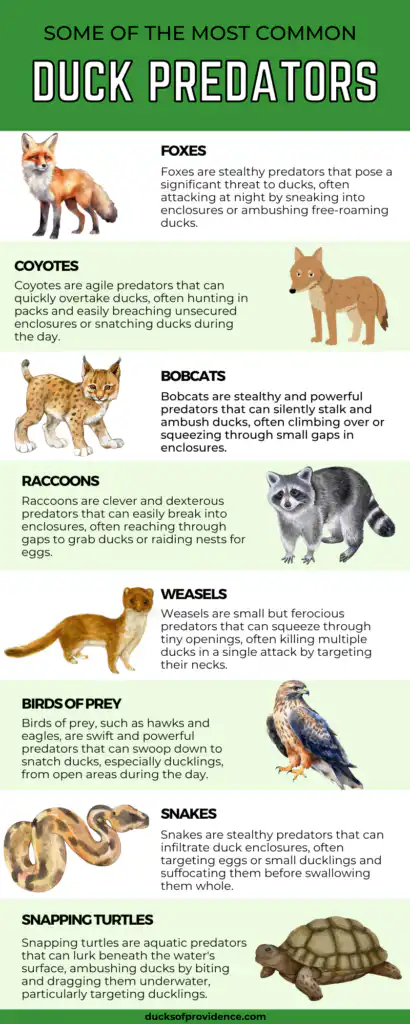
The table below summarizes some of the most common predators that target backyard ducks in North America.
| Predator | Typical Signs | Most Active |
|---|---|---|
| Raccoon | Torn fencing, broken latches, multiple ducks injured, bite wounds to the head or neck, birds left behind | Night |
| Fox | Large piles of feathers, missing duck, drag marks, little remaining evidence | Dawn, dusk, night |
| Coyote | Missing duck, scattered feathers, little blood, may carry prey long distances | Dawn, dusk, night |
| Domestic Dog | Multiple injured ducks, crushing wounds, broken bones, chasing injuries, birds often left behind | Any time |
| Bobcat | Neck bite, missing duck, minimal disturbance, prey often carried away | Dawn, dusk, night |
| Hawk | Daytime attack, feathers scattered in one area, puncture wounds from talons, injuries to the back or shoulders | Day |
| Owl | Night attack, puncture wounds from talons, head and neck injuries, smaller ducks or ducklings at greatest risk | Night |
| Snake | Missing eggs or ducklings, little or no external evidence | Day or night, depending on species |
Mammalian Predators Often Leave Bite Wounds
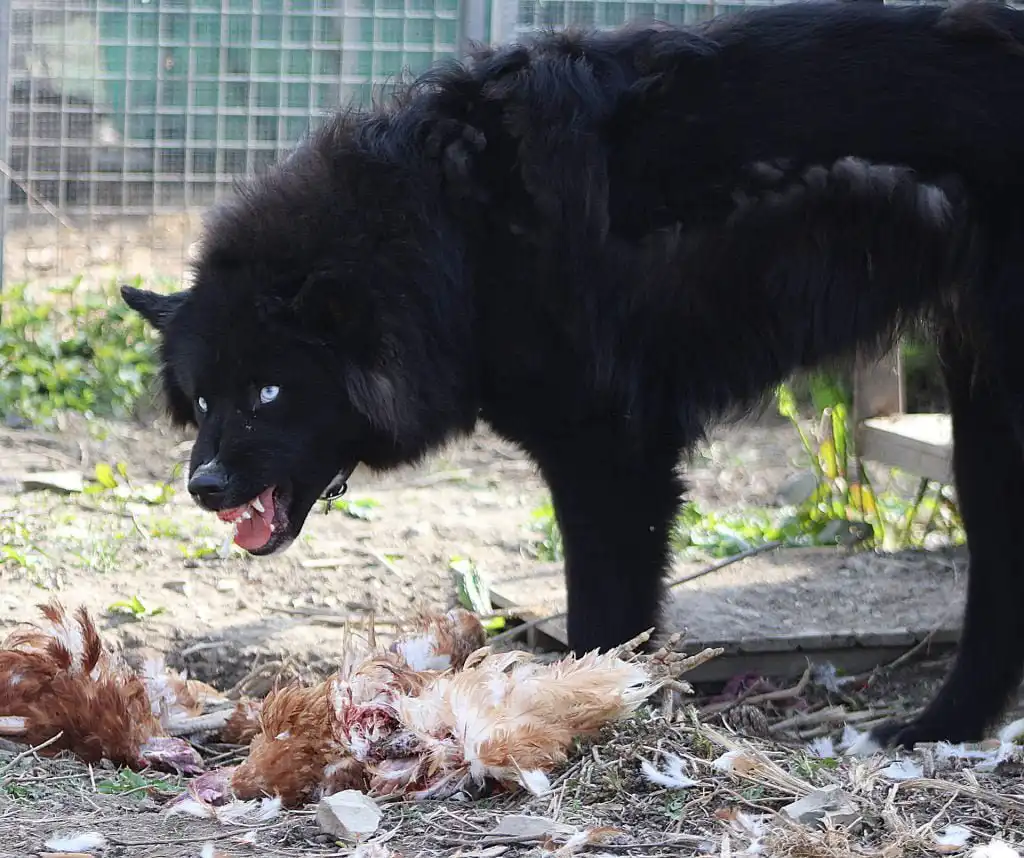
Raccoons, foxes, coyotes, dogs, and bobcats all attack using their teeth. Even if the bite marks appear small, these wounds should be treated as medical emergencies because they can introduce bacteria deep into the tissue.
Many mammalian predators also shake their prey, which can cause severe bruising, fractures, and internal injuries that aren’t immediately visible.
Birds of Prey Leave Different Clues
Hawks and owls hunt with powerful talons rather than teeth. Surviving ducks may have deep puncture wounds, torn skin, or injuries across the back, shoulders, or neck where the bird grabbed them.
Large piles of feathers are common because ducks often escape by shedding feathers during the struggle.
Dogs Don’t Always Kill
Unfortunately, neighborhood dogs are responsible for many backyard duck injuries.
Unlike wild predators that hunt for food, dogs may chase or attack out of excitement or instinct. This often results in multiple injured ducks, crushed bones, severe skin tears, or internal trauma, even if no ducks are taken away.
Don’t Spend Too Much Time Playing Detective
Knowing which predator was responsible can help you improve your coop security, but your injured duck always comes first.
If your duck is alive, don’t delay treatment while searching for tracks or setting up cameras. Stabilize your duck, contact an avian veterinarian, and secure the rest of your flock. Once everyone is safe, you can investigate what happened and make changes to help prevent another attack.
Duck Mom Tip: After any suspected predator visit, I inspect my entire setup before nightfall, even if I can’t identify the culprit. I check every latch, fence panel, piece of hardware cloth, and gate. Sometimes the only clue is a tiny gap or loose staple that I would have otherwise overlooked.
What to Do Immediately After a Predator Attack
Seeing an injured duck is frightening, but the first few minutes after an attack can make a significant difference. Your goal is to keep your duck alive, reduce stress, and get professional veterinary care as quickly as possible.
Take a deep breath and work through these steps one at a time.
1. Make Sure the Predator Is Gone
Before helping your duck, make sure the area is safe.
Some predators, especially raccoons and dogs, may still be nearby. If the threat remains, move the rest of your flock to a secure location before attempting to catch the injured duck.
If possible, ask another person to help. One person can secure the flock while the other retrieves the injured bird.
2. Move Your Duck to a Quiet, Safe Space
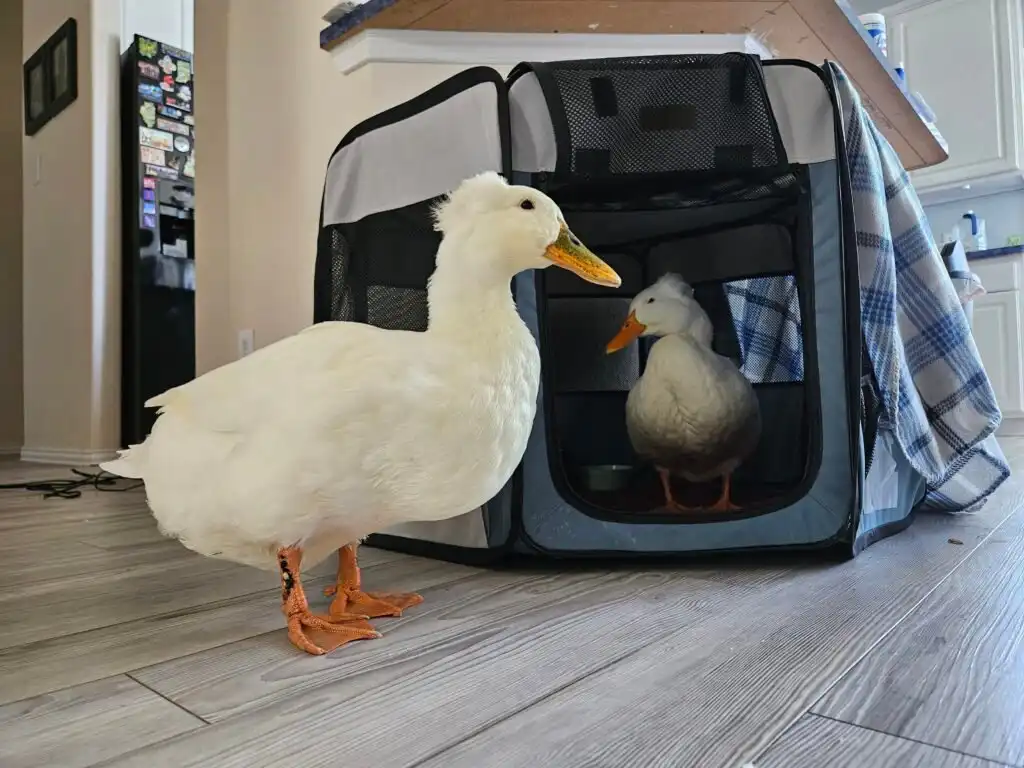
Carefully place your duck in a secure carrier, dog crate, or small enclosure lined with clean towels, puppy pads, or bedding.
Keep the environment:
- Quiet
- Warm
- Dry
- Dimly lit
Reducing noise and activity helps lower stress and conserves your duck’s energy. Avoid allowing other ducks to crowd around or peck at the injured bird.
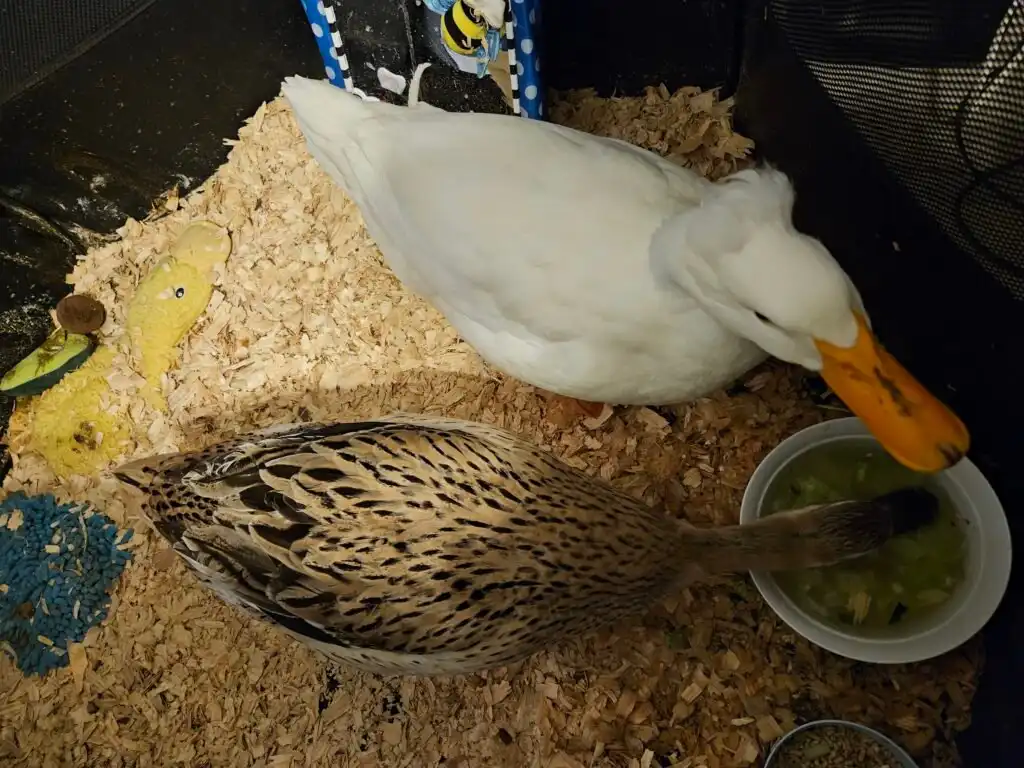
Duck Mom Tip: One of my favorite recovery setups is a soft-sided pet playpen. They’re lightweight, easy to clean, and provide plenty of space for a duck to rest comfortably without trying to wander around too much. I line ours with puppy pads topped with clean towels or soft bedding for traction and comfort, and I can easily place food, water, and a heating pad (under half of the playpen) nearby. We’ve used ours for everything from predator injuries to post-surgical recovery and even broody ducks, making it one of the most useful pieces of equipment I own.
3. Perform a Gentle Head to Toe Examination
Once your duck is calm, carefully examine the entire body.
Part the feathers slowly and look for:
- Puncture wounds
- Bleeding
- Torn skin
- Swelling
- Broken feathers
- Injured wings
- Limping or painful legs
Don’t forget to check under the wings, around the vent, and beneath the thick feathers on the back and neck, where injuries are easily hidden.
Handle your duck gently. If they resist or seem to be in severe pain, stop the examination and focus on getting veterinary care.
4. Control Bleeding and Gently Clean the Wound
If your duck is actively bleeding, your first priority is to control the bleeding.
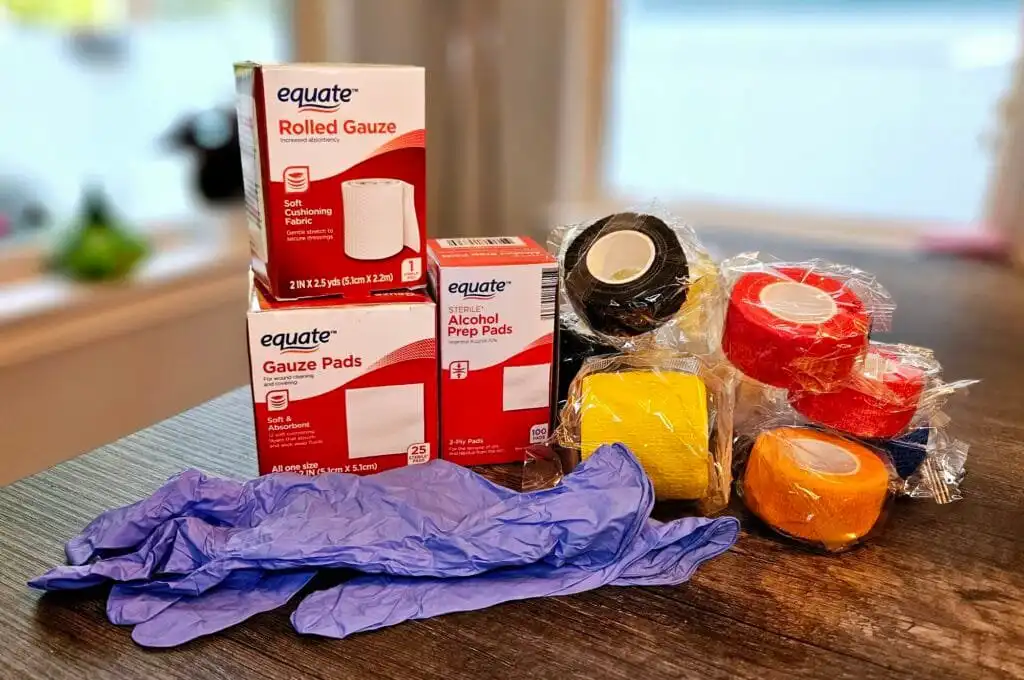
- Apply firm, steady pressure with clean gauze or a clean towel.
- Hold continuous pressure for several minutes.
- Avoid repeatedly lifting the dressing to check the wound, as this can disturb clot formation.
Once the bleeding is under control, gently clean the wound to help remove dirt, feathers, and bacteria.
You can use:
- Sterile saline to flush away debris.
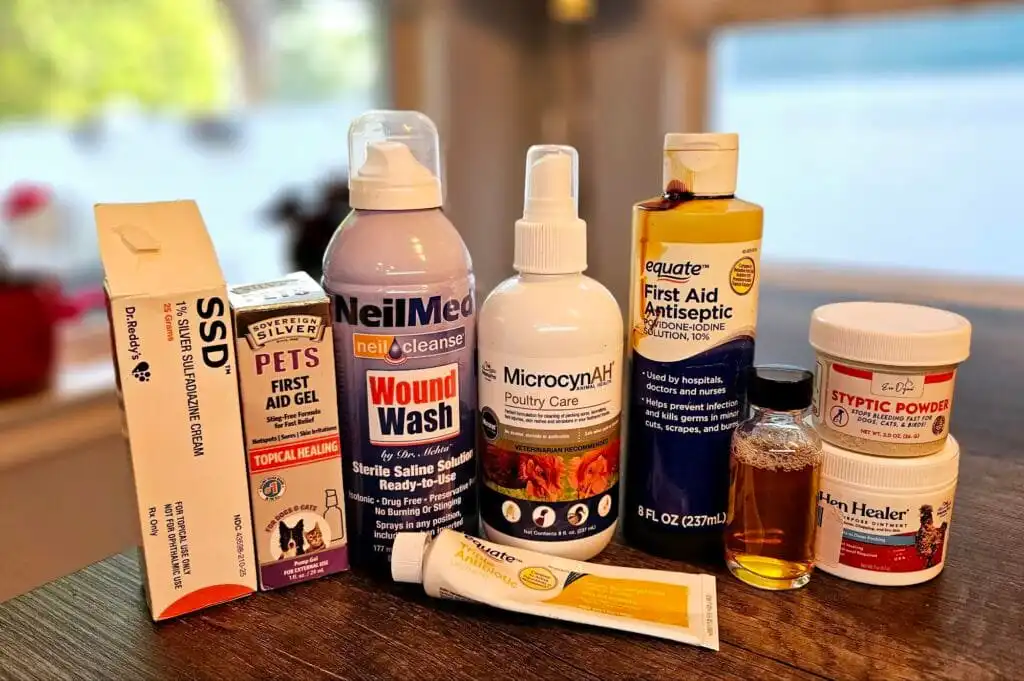
- Diluted povidone-iodine (Betadine®) solution until it is the color of weak tea for gentle wound cleansing.
- A hypochlorous acid wound spray, such as Vetericyn®, which is safe for birds and can help clean the wound without stinging.
Avoid scrubbing the tissue or trying to remove anything deeply embedded in the wound, as this can cause additional damage.
Do not use hydrogen peroxide, rubbing alcohol, or Blue-Kote®. Hydrogen peroxide and alcohol can damage healthy tissue and delay healing, while Blue-Kote is generally not recommended for ducks because they can ingest it during preening. In addition, its deep purple dye can make it difficult to monitor the wound and for your veterinarian to assess the injury.
If the wound is deep, heavily contaminated, continues bleeding despite several minutes of firm pressure, or exposes muscle or bone, seek emergency veterinary care immediately.
Duck Mom Tip: I always keep sterile saline, diluted Betadine, and Vetericyn in my duck first aid kit. They’re excellent for initial wound care while I’m arranging a veterinary visit, but I never rely on them as a substitute for professional treatment after a predator attack. Mammal bites, in particular, have a high risk of infection and often require antibiotics and pain medication.
5. Keep Your Duck Warm
Injured ducks lose body heat quickly, especially if they are wet or in shock.
Place your duck indoors or in another warm, draft-free location. You can provide gentle supplemental warmth by placing a heating pad on the lowest setting underneath half of the carrier, allowing your duck to move away if it becomes too warm.
Never place a heating pad directly against your duck, and avoid overheating. The goal is gentle support, not high temperatures.
6. Offer Water, But Don’t Force Food
Once your duck is calm and alert, offer fresh water.
If your duck isn’t interested in eating right away, that’s okay. Stress and pain often reduce appetite for several hours.
Never force feed or force water into an injured duck, as this can increase the risk of aspiration.
7. Contact an Avian Veterinarian Immediately
Even if your duck seems stable, predator attacks almost always require professional medical care.
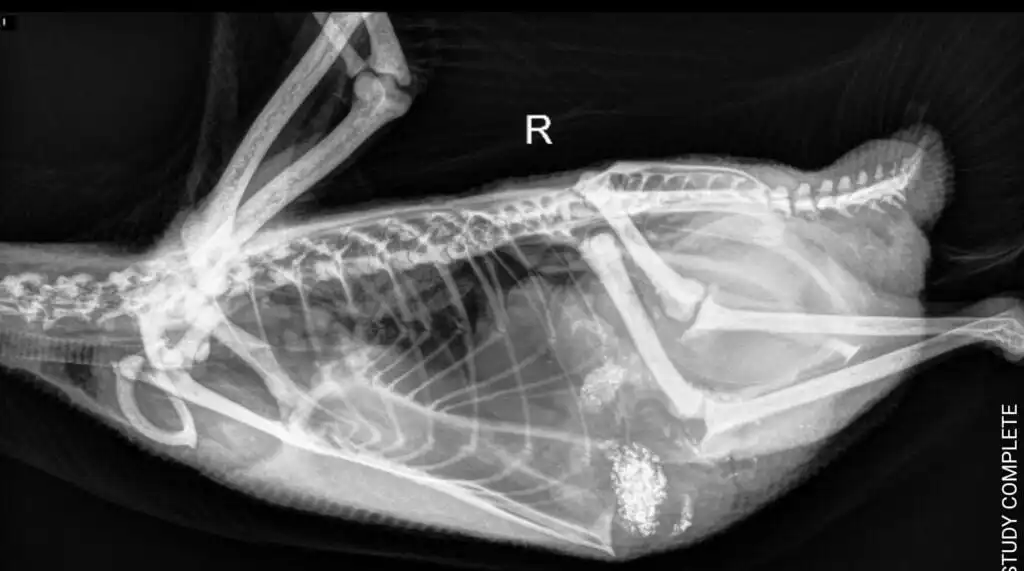
Your veterinarian may recommend:
- Cleaning and flushing wounds
- Antibiotics
- Pain medication
- Sutures or surgical repair
- X-rays to check for fractures
- Treatment for shock
- Ongoing wound care
Early treatment greatly reduces the risk of infection and improves the chances of a full recovery.
Duck Mom Tip: One of the best decisions I ever made was locating an avian veterinarian before I needed one. During an emergency, you don’t want to spend valuable time searching for a clinic that treats ducks. Keep your veterinarian’s phone number somewhere easy to find, and know the location of the nearest emergency clinic just in case.
8. Monitor Closely Over the Next Several Days
Recovery doesn’t end once the bleeding stops.
Over the next week, watch carefully for signs of complications, including:
- Swelling around the wound
- Redness or heat
- Pus or a foul odor
- Loss of appetite
- Lethargy
- Difficulty walking
- Fever or worsening condition
Many infections don’t appear immediately and can develop several days after the attack.
Emergency Warning
Seek immediate veterinary care if your duck has:
- Difficulty breathing
- Heavy or uncontrolled bleeding
- Deep puncture wounds from a mammal
- Exposed muscle or bone
- Broken bones
- Severe weakness or collapse
- Signs of shock
- Inability to stand
- Any injury near the eye, head, or neck
When in doubt, err on the side of caution. Ducks are remarkably resilient, but they also hide pain exceptionally well. A duck that appears “okay” can still have life-threatening injuries beneath its feathers.
What Not to Do After a Predator Attack
When one of your ducks has been attacked, it’s natural to want to do something immediately. However, some well-intentioned actions can actually make injuries worse or delay healing.
Here are some of the most common mistakes to avoid.
Don’t Assume Your Duck Is Fine Because It Can Walk
One of the biggest mistakes is thinking that a duck is okay simply because it’s standing or walking.
Ducks are prey animals and instinctively hide pain. They may continue eating, walking, or staying with the flock despite having deep puncture wounds, broken bones, or internal injuries.
Even if your duck appears normal, perform a thorough examination and contact your avian veterinarian if you suspect a predator attack.
Don’t Ignore Small Puncture Wounds
Tiny holes in the skin can hide surprisingly serious injuries.
Predator bites often penetrate deep beneath the feathers, introducing bacteria into the muscles and surrounding tissues. Left untreated, these wounds can develop severe infections or abscesses.
Every mammalian bite should be taken seriously, no matter how small it looks.
Don’t Use Hydrogen Peroxide or Alcohol Repeatedly
Hydrogen peroxide and rubbing alcohol are common household disinfectants, but they are not ideal for ongoing wound care.
While a veterinarian may occasionally recommend hydrogen peroxide for cleaning a heavily contaminated wound initially, repeated use damages healthy tissue and slows healing. Alcohol can also be painful and irritating.
For most first aid situations, gently flushing the wound with sterile saline is a much better option until your duck can be examined by a veterinarian.
Don’t Use Blue-Kote® on Ducks
Blue-Kote® is a popular wound spray for livestock and chickens, but it is generally not recommended for ducks.
Unlike chickens, ducks spend much of their day preening their feathers to maintain their waterproofing. During this process, they can ingest topical products that have been sprayed onto their skin or feathers. Because Blue-Kote is not labeled for use in ducks and has not been established as safe for ingestion through normal preening behavior, it is best avoided.
Blue-Kote also has several practical disadvantages after a predator attack:
- It stains the skin and feathers a deep purple, making it difficult to monitor wounds for redness, swelling, bruising, or discharge.
- It can interfere with your veterinarian’s ability to accurately assess the extent of an injury.
- It does not adequately clean contaminated bite wounds or replace the need for antibiotics when indicated.
Instead, gently flush fresh wounds with sterile saline, keep your duck warm and calm, and seek prompt veterinary care. Your veterinarian can recommend wound care products and medications that are appropriate and safe for ducks.
Duck Mom Tip: My duck first aid kit doesn’t include Blue-Kote. Instead, I keep sterile saline, nonstick dressings, gauze, vet wrap, and clean towels on hand. Those supplies allow me to stabilize an injured duck without applying products that could be harmful if ingested during preening.
Don’t Give Human Pain Medications
Never give your duck medications intended for people unless specifically instructed by an avian veterinarian.
Common drugs such as:
- Ibuprofen (Advil®)
- Naproxen (Aleve®)
- Acetaminophen (Tylenol®)
- Aspirin
can be toxic or difficult to dose safely in birds.
If your duck needs pain relief, your veterinarian can prescribe medications, such as meloxicam, at an appropriate dose.
Don’t Close or Glue the Wound Yourself
Deep wounds should not be closed at home with super glue, skin adhesive, or homemade stitches.
Predator bites are contaminated with bacteria. Closing the skin without properly cleaning the wound can trap bacteria inside, greatly increasing the risk of infection and abscess formation.
Your veterinarian will determine whether a wound should be left open to drain or surgically repaired.
Don’t Return Your Duck to the Flock Too Soon
Even if your duck seems brighter after a few hours, recovery takes time.
An injured duck may be:
- Weak
- Painful
- Vulnerable to pecking
- Unable to compete for food and water
Keep your duck separated in a clean, quiet recovery area until your veterinarian recommends returning it to the flock.
When reintroducing your duck, monitor flock behavior closely to ensure the others don’t bully or harass the recovering bird.
Don’t Forget to Secure the Coop
Once your duck is safe, don’t overlook the cause of the attack.
A predator that succeeded once is likely to return.
Before nightfall:
- Repair damaged fencing.
- Replace broken latches.
- Cover gaps with hardware cloth.
- Check automatic coop doors are functioning properly.
- Look for digging around the perimeter.
Preventing a second attack is just as important as treating the first.
Duck Mom Tip: After an emergency, it’s tempting to focus all of your attention on the injured duck. I always make a point to check every member of the flock before the day is over. Sometimes another duck has a hidden puncture wound or is showing early signs of shock that weren’t obvious during the initial chaos.

Can Ducks Recover From Predator Attacks?
The answer is yes, many ducks do recover from predator attacks, especially when they receive prompt veterinary care and supportive treatment. Ducks are remarkably resilient animals, and I’ve been amazed by how determined they are to heal after serious injuries.
That said, every attack is different. A duck’s prognosis depends on several factors, including the severity of the injuries, how quickly treatment begins, the type of predator involved, and the duck’s overall health.
Factors That Affect Recovery
Some ducks recover within a few weeks from relatively minor wounds, while others require months of rehabilitation or long-term management.
Recovery is generally more favorable when:
- Injuries are recognized and treated quickly.
- Wounds are thoroughly cleaned before infection develops.
- Antibiotics and pain medication are started when appropriate.
- The duck continues eating and drinking.
- The duck is kept in a clean, quiet recovery environment.
Unfortunately, severe internal injuries, extensive tissue damage, or overwhelming infection can make recovery much more difficult, even with excellent care.
Recovery Takes Time
It’s important to remember that healing doesn’t end once the wound closes.
During recovery, your duck may need:
- Daily wound checks and bandage changes
- Medications as prescribed by your veterinarian
- Limited activity to allow injuries to heal
- A separate recovery pen to prevent bullying
- Regular weight checks to ensure they’re eating enough
Even after physical wounds have healed, some ducks remain more cautious or easily startled for a while after a traumatic event. With patience and a stable routine, most gradually regain their confidence.
Watch for Complications
Continue monitoring your duck closely during the days and weeks after the attack.
Contact your veterinarian if you notice:
- Loss of appetite
- Increasing swelling or redness
- Pus or a foul odor
- Worsening lameness
- Difficulty breathing
- New lethargy or weakness
- A wound that isn’t healing
Catching complications early often leads to a much better outcome.
How to Help Prevent Future Predator Attacks
No coop or backyard can ever be completely predator-proof. Wild animals are incredibly resourceful, and even the best setups require regular maintenance. However, most predator attacks are preventable, and taking a few proactive steps can dramatically reduce the risk to your flock.
Over the years, I’ve learned that predator prevention isn’t about a single product or trick. It’s about creating multiple layers of protection so that if one barrier fails, another is there to keep your ducks safe.
Build a Secure Coop and Run
Your ducks’ coop is their first line of defense, especially at night when many predators are most active.
A predator-resistant coop should:
- Be built with sturdy materials.
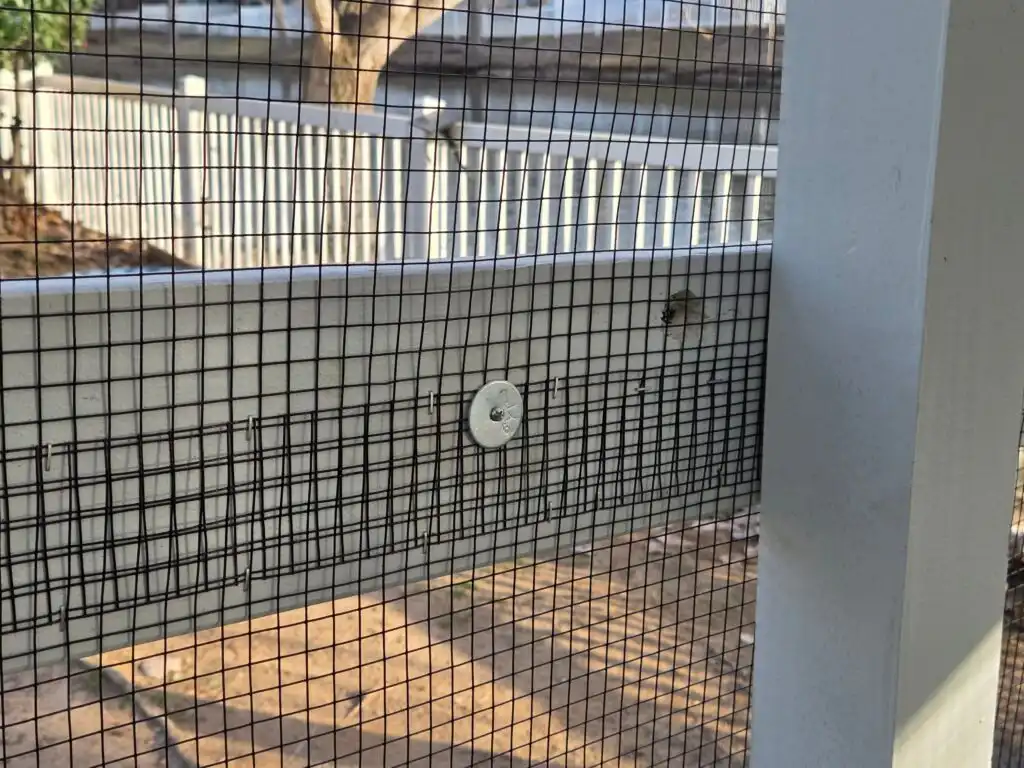
- Use hardware cloth instead of chicken wire, which can easily be torn or pulled apart by predators.
- Have no gaps larger than ½ inch (1.3 cm).
- Include a secure roof to prevent climbing predators and birds of prey from gaining access.
- Be inspected regularly for loose boards, damaged wire, or signs of digging.
Don’t forget the run. Even if your ducks spend most of the day supervised, predators can strike in seconds.
Related reading: How to Build a Predator-Proof Duck Coop and Duck Run Design Ideas.
Lock Your Ducks Up Every Night
One of the most effective ways to protect your flock is to secure them inside a predator-resistant coop every night.
Unlike chickens, most ducks won’t reliably put themselves to bed at dusk. While some flocks learn a routine over time, many ducks prefer to stay outside until well after dark unless you manually guide them into their coop. If left out overnight, they become easy targets for nocturnal predators such as raccoons, foxes, coyotes, and owls.
Making it part of your evening routine to check that every duck is safely inside before locking the coop door is one of the simplest and most important predator prevention habits you can develop.
From Our Flock: Every evening, I do a head count before closing the coop. It gives me a chance to make sure everyone is present, healthy, and safely tucked in for the night. While I still lock the ducks up manually, I love having a Run Chicken automatic coop door (use providence15 to save 15%) for the morning. It opens on schedule at sunrise, so the ducks can head out to the run even if I’m not outside right away. It’s one of those upgrades that has made our daily routine much more convenient.

Check Every Latch
Many predators are stronger and smarter than we give them credit for.
Raccoons, in particular, have remarkably dexterous front paws and can manipulate simple slide bolts, hooks, and loose latches.
Walk around your coop regularly and check that:
- Doors close tightly.
- Hinges are secure.
- Latches cannot be opened by pulling or twisting.
- Hardware hasn’t loosened over time.
Sometimes a loose screw or warped door is all it takes for a predator to find its way inside.
Protect Against Digging Predators
Foxes, coyotes, and dogs often try to dig underneath fences rather than climb over them.
Installing a hardware cloth apron around the perimeter of your run can discourage digging by forcing predators to start much farther away from the fence. Some keepers also use buried fencing or concrete pavers in areas where digging is common.
After heavy rain or storms, inspect the perimeter for fresh holes or disturbed soil.
Remove Anything That Attracts Predators
Food doesn’t just attract ducks. It attracts wildlife as well.
To reduce unwanted visitors:
- Store feed in rodent-proof containers.
- Clean up spilled feed promptly.
- Remove leftover treats before nightfall.
- Secure trash cans.
- Keep grass and vegetation trimmed around the coop to eliminate hiding places.
Reducing food sources makes your property much less appealing to predators.
Install Cameras
Outdoor cameras can provide valuable information before and after a predator encounter.
Motion-activated cameras with night vision can help you:
- Identify which predator is visiting.
- Learn when predators are most active.
- Monitor your ducks overnight.
- Check on recovering ducks without disturbing them.
Even if you never experience an attack, cameras offer peace of mind and can help you spot unusual behavior before it becomes a serious problem.

Perform Regular Health Checks
Not every predator encounter results in dramatic injuries.
Sometimes a duck escapes with only a tiny puncture wound hidden beneath its feathers. That’s why I recommend performing a thorough health check whenever you suspect your flock has had a close call.
A simple head-to-toe examination can help you detect injuries before they become serious infections.
Related reading: Duck Health Check: How to Examine Your Duck at Home.
Be Prepared Before an Emergency Happens
Emergencies are stressful enough without having to search for supplies.
I recommend keeping a dedicated duck first aid kit stocked with essentials such as:
- Sterile saline
- Gauze pads
- Nonstick dressings
- Vet wrap
- Clean towels
- Disposable gloves
- A flashlight
- A secure carrier for transport
Just as importantly, know where your nearest avian veterinarian is located before you ever need one. Having that information readily available can save valuable time during an emergency.
Duck Mom’s Predator Emergency Kit
No duck owner ever wants to use an emergency kit, but if a predator attack happens, you’ll be glad you already have one prepared.
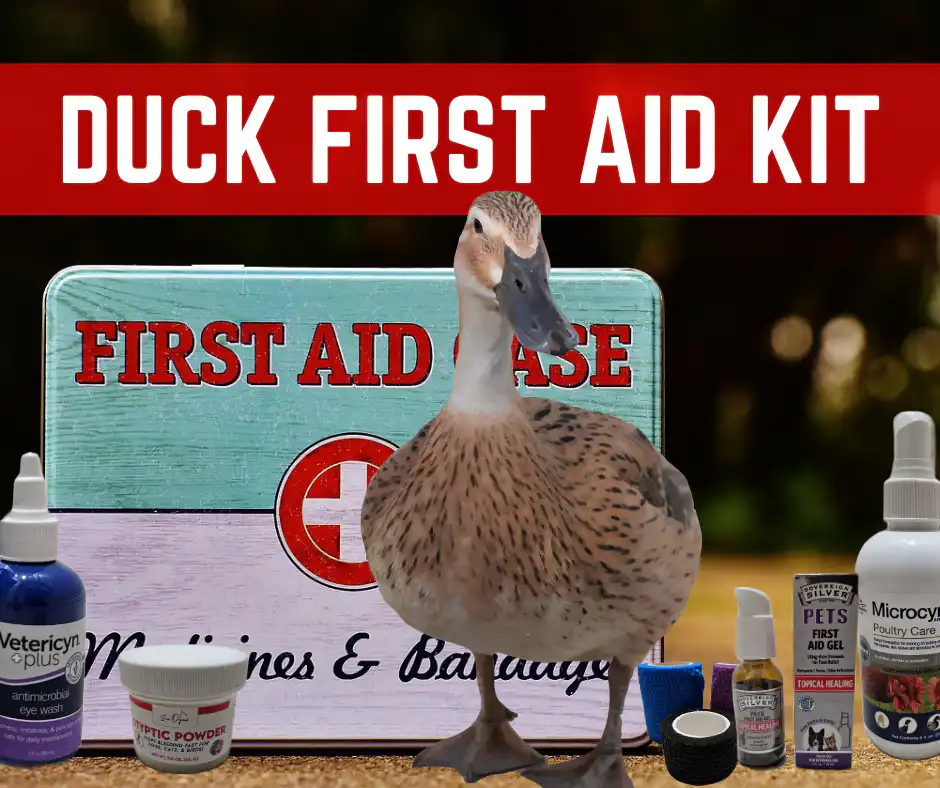
Over the years, I’ve learned that emergencies rarely happen at a convenient time. They seem to happen late at night, on weekends, or when stores are closed. Having basic first aid supplies ready means I can stabilize an injured duck while arranging transportation to my avian veterinarian.
Here’s what I always keep in my duck predator emergency kit:
| Item | Why It’s Important |
|---|---|
| Sterile saline | Flushes dirt and debris from wounds without damaging healthy tissue. |
| Nonstick wound dressings | Protects wounds without sticking to healing tissue. |
| Sterile gauze pads and rolls | Helps control bleeding and cover injuries. |
| Vet wrap | Secures bandages without adhesive touching feathers. |
| Clean towels | Safely restrains ducks, provides warmth, and lines carriers. |
| Disposable gloves | Keeps wounds cleaner and protects both you and your duck. |
| Blunt-tipped scissors | Cuts gauze, vet wrap, and feathers around wounds if directed by your veterinarian. |
| Digital gram or baby scale | Monitors weight during recovery, as weight loss is often one of the earliest signs a duck isn’t improving. |
| Flashlight or headlamp | Makes it much easier to examine wounds during nighttime emergencies. |
| Pet carrier or dog crate | Provides a secure, quiet space for transport and recovery. |
| Heating pad | Helps support ducks that are cold or in shock. Always place it under only half of the carrier on the lowest setting. |
| Avian veterinarian contact information | Saves valuable time when every minute matters. |
The goal of an emergency kit isn’t to replace veterinary care. It’s to give you the supplies you need to safely stabilize your duck and buy precious time until they can receive professional treatment.
Prevention Is Always Easier Than Treatment
Predator attacks are one of the most heartbreaking experiences a duck owner can face, but they also remind us how important prevention is.
Regular coop inspections, secure housing, thoughtful daily routines, and routine health checks all work together to keep your flock safe. While no setup can guarantee complete protection, every improvement you make reduces the chances of another attack and gives your ducks the safest home possible.
FAQ About Predator Attacks in Ducks
How can I tell if a predator attacked my duck?
Common signs include scattered feathers, bite marks, puncture wounds, torn skin, limping, bleeding, missing ducks, or unusual behavior such as hiding or refusing to eat. Sometimes the only clue is a frightened flock or a duck that suddenly seems quiet and withdrawn.
Should I isolate an injured duck?
Yes. Injured ducks should be moved to a quiet, clean, and secure area away from the rest of the flock. This reduces stress, prevents other ducks from pecking at wounds, and allows you to closely monitor eating, drinking, and recovery.
Do all predator bites need antibiotics?
Most bites from mammals, such as raccoons, foxes, coyotes, dogs, and cats, carry a high risk of bacterial infection. Your veterinarian will determine whether antibiotics are needed based on the type and severity of the injury.
Can I give my duck ibuprofen, Tylenol®, or aspirin?
No. Never give human pain medications unless specifically directed by an avian veterinarian. Many medications that are safe for people can be dangerous or toxic to birds. If your duck needs pain relief, your veterinarian can prescribe an appropriate medication, such as meloxicam.
How do I know if my duck is going into shock?
Signs of shock include weakness, sitting or lying down without wanting to move, rapid breathing, cold feet or bill, dull or half-closed eyes, and decreased responsiveness. Shock is a medical emergency and requires immediate veterinary attention.
What should I do if one of my ducks is missing after a predator attack?
Before assuming the worst, search your property carefully. Injured ducks often hide under bushes, decks, sheds, or in tall vegetation. If you cannot find your duck, secure the rest of the flock immediately and inspect your coop and fencing for signs of how the predator gained access.
Will a predator come back after one attack?
Unfortunately, yes. Once a predator discovers a reliable food source, it may return repeatedly. After an attack, inspect your coop and run for weaknesses, repair any damage immediately, and consider additional security measures such as hardware cloth, improved latches, automatic coop doors, or motion-activated cameras.
Protecting Your Flock Starts Before an Emergency
Predator attacks are one of the most difficult experiences any duck owner can face. They happen suddenly, often without warning, and can leave you feeling frightened and helpless. But while you can’t control every wild animal that passes through your yard, you can control how prepared you are to respond.
Knowing the warning signs, having a well-stocked emergency kit, and acting quickly can make all the difference. Ducks are incredibly resilient animals, and with prompt veterinary care, pain management, and supportive nursing, many go on to make remarkable recoveries.
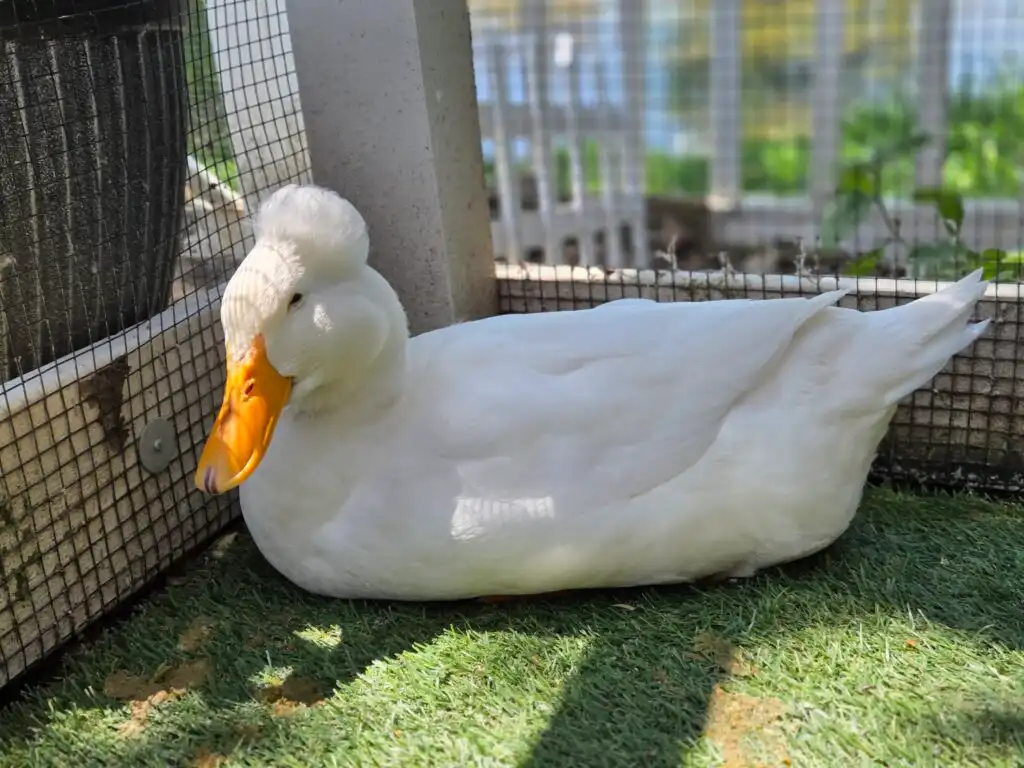
Just as importantly, every predator encounter is an opportunity to strengthen your flock’s defenses. Take the time to inspect your coop, reinforce weak spots, and review your daily routine. Small improvements, whether it’s upgrading a latch, adding hardware cloth, or performing regular health checks, can help prevent another attack and give you greater peace of mind.
At Ducks of Providence, we’ve experienced our share of emergencies, and if there’s one lesson our ducks have taught me, it’s that preparation is one of the greatest acts of love we can show them. We hope you never have to use the advice in this guide, but if you do, you’ll be ready to give your duck the best possible chance at recovery.
Further Reading & Resources
- Duck Health Check: A Head-to-Toe Guide
- How to Build a Predator-Proof Duck Coop
- First Aid after Predator Attack
- Duck Run Design Ideas Duck
- First Aid Kit Essentials
- How to Find a Duck-Savvy Veterinarian
- Why Ducks Suddenly Panic
- Signs Your Duck Is in Pain
Deepen your understanding of avian wellness. Explore the full Duck Health & Anatomy Library for more specialized care guides.