Ducks vs Chickens: Why Ducks Are Not Just Chickens With Bills

If you are comparing ducks vs chickens, you are probably asking a very practical question. Can ducks be cared for the same way as chickens?
On the surface, it seems logical. Both are poultry. Both lay eggs. Both need a secure coop, balanced nutrition, and protection from predators. Because chickens are more common, most backyard poultry advice is written with chickens in mind. Then the word chicken is simply replaced with duck.
That shortcut is where problems begin.
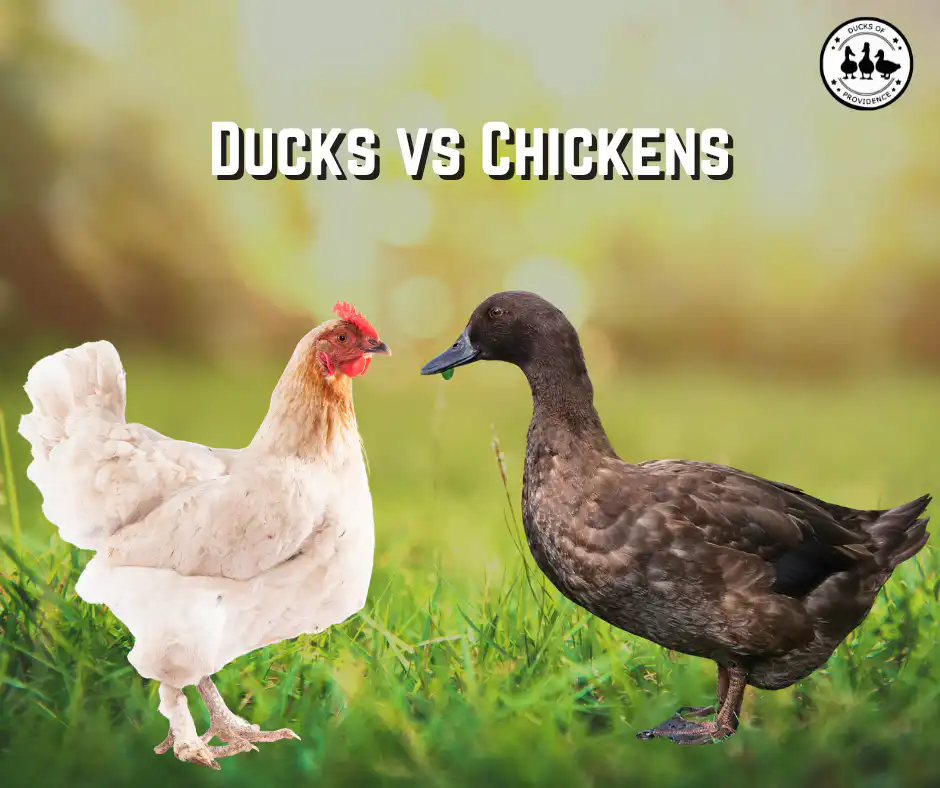
Ducks are not just chickens with bills. They are waterfowl with a different evolutionary history, different anatomy, and different physiological needs. As someone who studies biology professionally and also lives with a flock of ducks every single day here in North Texas, I can tell you that those differences are not cosmetic. They influence feeding practices, housing design, flooring choices, health risks, and even daily routines.
When chicken-based advice is applied directly to ducks, it can lead to subtle but significant welfare issues. Ducks rely on water during feeding in a way chickens do not. Ducks do not perch, so elevated roost bars are unnecessary and sometimes risky. Ducks have webbed feet that respond very differently to certain substrates than the scaled feet of chickens. Even their laying patterns and environmental tolerances differ in meaningful ways.
There are certainly similarities between the two species. Basic biosecurity principles overlap. Predator protection strategies are comparable. But the details matter. And in animal care, details determine outcomes.
In this guide, we will take a closer look at the biological and husbandry differences between ducks and chickens, and why understanding those distinctions is essential if you want your birds not just to survive, but to truly thrive.
Ducks of Providence is free, thanks to reader support! Ads and affiliate links help us cover costs—if you shop through our links, we may earn a small commission at no extra cost to you. Thanks for helping keep our content free and our ducks happy! 🦆 Learn more
Part of the Duck Health & Anatomy Hub, Evidence-based medical resources and anatomical research.
Quick Navigation: Jump to a Section
[hide]
- Evolutionary Background and Species Origins
- Ducks vs Chickens: At-a-Glance Comparison
- Bill vs Beak: Sensory and Functional Anatomy
- Digestive System Differences
- Water Requirements and Environmental Needs
- Feet, Flooring, and Housing Design
- Egg Laying Patterns and Reproductive Differences
- Behavior and Social Structure
- General Health Considerations: Species-Specific Disease Patterns
- Parasites: Internal and External Risk in Ducks vs Chickens
- Feeding and Nutritional Differences
- Where Advice Overlaps
- Why Duck-Specific Education Matters
- Related Articles
- References
Evolutionary Background and Species Origins
To understand why ducks are not just chickens with bills, we have to start with their evolutionary story. Anatomy does not exist in isolation. It reflects adaptation to a specific ecological niche over thousands of years.
Chickens: Ground-Dwelling Jungle Birds
Domestic chickens descend from the Red Junglefowl of Southeast Asia. These birds evolved in forested environments where survival depended on scratching through leaf litter, pecking seeds and insects from the ground, and flying short distances to perch in trees at night.
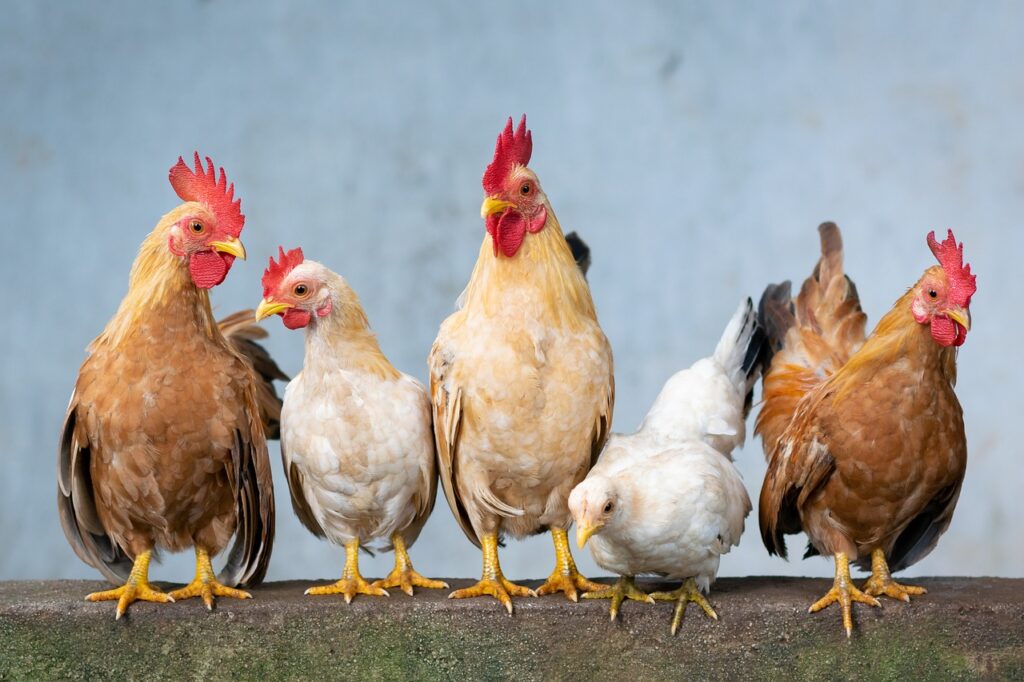
That evolutionary history shaped their bodies in very specific ways. Chickens have strong claws for digging and scratching. Their beaks are designed for pecking and tearing. They instinctively seek elevated roosting spots for safety. Their center of gravity supports quick bursts of movement on land rather than sustained swimming.
Even today, when we build coops with roosting bars, we are responding to that jungle ancestry.
Ducks: True Waterfowl
Most domestic ducks descend from the Mallard, a species adapted to wetlands, lakes, and marsh ecosystems. The major exception is the Muscovy, which is a separate species entirely and not derived from Mallards. That distinction alone highlights how different ducks are from chickens at a biological level.
Ducks belong to the order Anseriformes. Chickens belong to Galliformes. These are not minor classifications. They represent deep evolutionary divergence.
Waterfowl evolution shaped ducks to forage in water, not scratch dry soil. Their bills are equipped with lamellae that allow filtering of small food particles. Their feathers are structured for waterproofing. Their legs sit farther back on their bodies to optimize swimming propulsion rather than land agility.
When I watch wild Mallards on the pond behind our home in North Texas, I see this design in action. They tip forward, submerge their heads, and filter through water and mud. They are not pecking and scratching like chickens. Their feeding behavior is tactile, aquatic, and methodical.
Why Evolution Still Matters in Your Backyard
It is easy to assume that domestication erased these differences. It did not.
Selective breeding changed body size, egg production, and coloration. It did not fundamentally rewrite evolutionary programming. Ducks still require water for proper feeding behavior. Chickens still seek elevated roosts. Ducks still sleep on the ground. Chickens still prefer dry substrates for dust bathing.
When we ignore the evolutionary background, we design care systems that fight against instinct. When we respect it, husbandry becomes easier, and birds are healthier.
Understanding this foundation makes every other difference in this article more logical. Ducks evolved for water-centered living. Chickens evolved for dry, terrestrial foraging. Their bodies still reflect those origins today.
Ducks vs Chickens: At-a-Glance Comparison
| Category | Ducks | Chickens |
|---|---|---|
| Evolutionary origin | Waterfowl descended primarily from Mallards; adapted to aquatic environments | Descended from Red Junglefowl; adapted to terrestrial forest environments |
| Taxonomic order | Anseriformes | Galliformes |
| Bill / Beak structure | Broad bill with lamellae; highly tactile, filtering feeding style | Pointed beak; visual pecking and scratching feeding style |
| Water needs | Must submerge head to flush eyes and nostrils; water integral to feeding | Require clean drinking water; no head submersion requirement |
| Crop | Functional dilation of esophagus; minimal storage | Well-developed storage crop; visible neck bulge after feeding |
| Droppings | Higher moisture content; frequent; also produce cecal droppings | Drier baseline droppings; distinct cecal droppings |
| Roosting behavior | Sleep on ground; do not perch | Strong instinct to perch and roost elevated |
| Coop design | Prefer ground-level housing; wide, gradual ramps; dislike heights | Often use elevated coops with steeper ramps successfully |
| Foot anatomy | Webbed feet; sensitive to abrasive substrates | Clawed feet; adapted for scratching and gripping perches |
| Niacin requirement | Significantly higher, especially in ducklings | Lower; standard poultry feed meets needs |
| Starter feed | Non-medicated 18–20% protein with added niacin | Medicated or non-medicated chick starter acceptable |
| Egg laying timing | Typically very early morning before release | Throughout the day |
| Incubation period | ~28 days (Mallard-derived); ~35 days (Muscovy) | ~21 days |
| Egg composition | Larger yolk ratio; higher fat and some micronutrients | Balanced yolk-white ratio; slightly lower fat |
| Immune response to influenza | Possess RIG-I; often mount controlled antiviral response; may show milder signs depending on strain | Lack RIG-I; more prone to severe clinical disease with HPAI |
| Parasite management | Often symptom-based deworming; water access may reduce some external load | More commonly routine deworming in confined dry runs |
| Environmental tolerance | Generally more tolerant of wet and cold conditions | Prefer drier housing; more sensitive to moisture buildup |
Bill vs Beak: Sensory and Functional Anatomy
At first glance, the difference seems obvious. Ducks have broad bills. Chickens have pointed beaks.
But this is far more than a cosmetic distinction. The structure of the bill versus the beak reflects completely different feeding strategies, sensory systems, and environmental needs.
The Duck Bill: A Tactile, Filtering Organ
A duck’s bill is not simply a flattened beak. It is a highly specialized sensory and filtering tool.
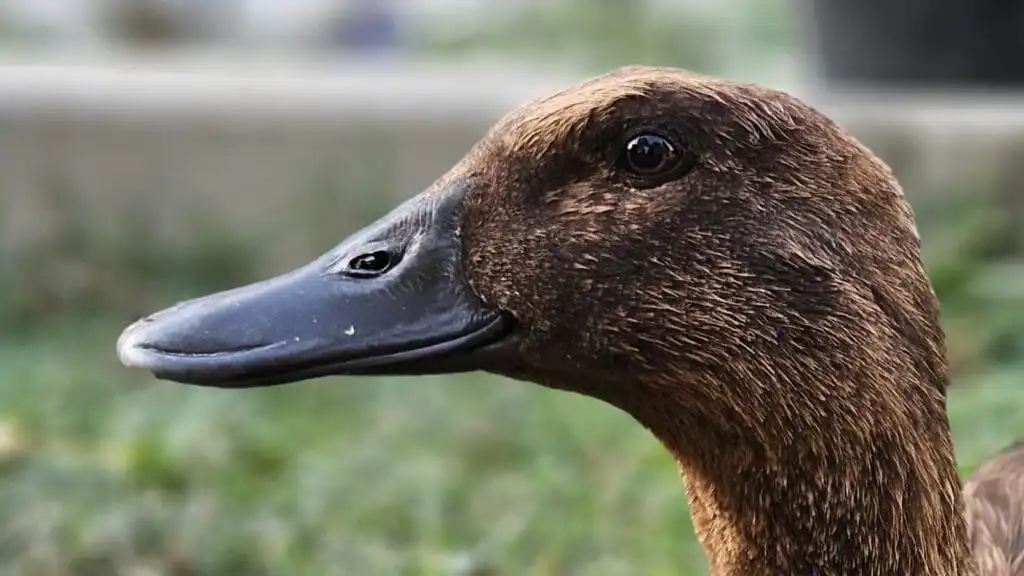
Along the edges of the bill are lamellae, fine comb-like structures that function as a sieve. When ducks dabble in water or mud, these lamellae help strain edible material from debris. But even more remarkable is the sensory density within the bill.
Duck bills contain a high concentration of mechanoreceptors that allow them to detect pressure changes and subtle textures. In practical terms, ducks can “feel” their food in murky water. They do not rely on vision alone. They rely on touch.
This is why ducks repeatedly open and close their bills while foraging. They are processing tactile information, not just grabbing visible items.
When I watch my own ducks in their water bowls or at the pond, I see constant probing and filtering behavior. They are not pecking at isolated targets. They are searching through water.
The Chicken Beak: Precision Pecking
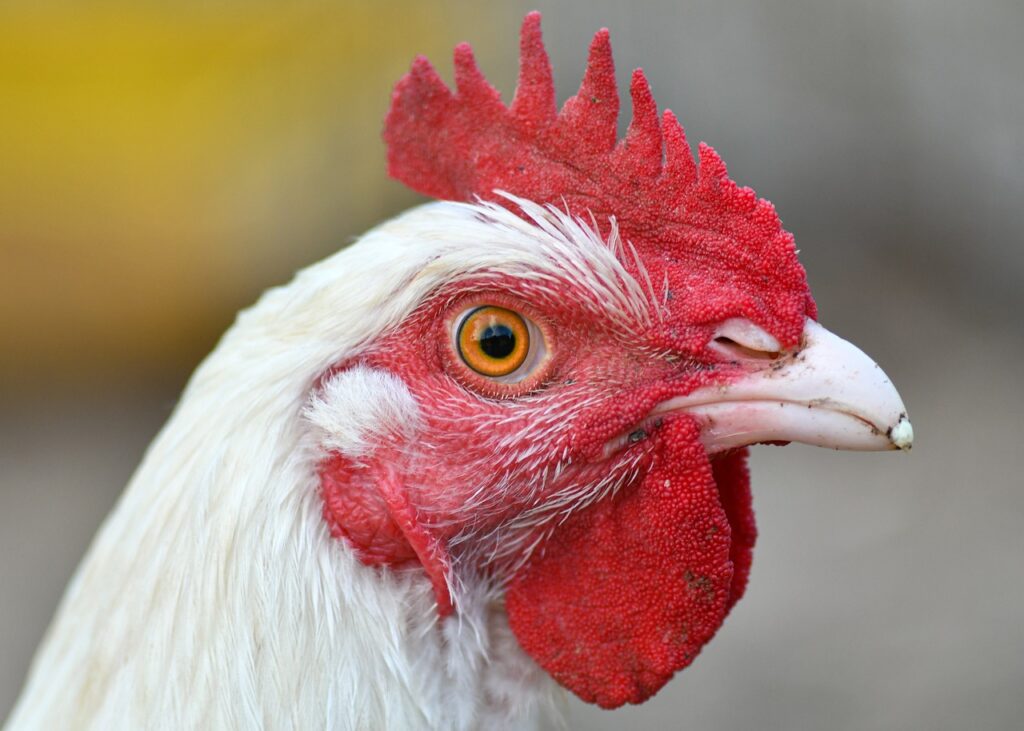
Chickens have a rigid, pointed beak designed for pecking, tearing, and scratching-driven feeding. Their foraging is primarily visual and terrestrial. They identify a target and strike it.
Chickens scratch the ground to uncover food and then peck selectively. Their beak structure supports that behavior. It does not support aquatic filtering.
This difference explains why chickens can comfortably eat dry feed from elevated feeders without needing water directly beside it. Their feeding mechanics do not require simultaneous water intake.
Why This Difference Changes Husbandry
Because ducks filter and manipulate feed inside their bills, they require water during feeding. Water is not just for drinking. It is part of the mechanical process of swallowing and clearing their nasal passages.
Without water access while eating, ducks are at increased risk for choking or impacted feed. Chickens do not share that same requirement.
Feeder design also matters. Deep narrow feeders that work well for chickens can restrict natural dabbling behavior in ducks. Ducks prefer feed setups that allow some degree of scooping and rinsing.
This anatomical difference is one of the most common areas where chicken advice is misapplied to ducks. A feeding system that is perfectly appropriate for chickens can be physiologically stressful for ducks.
When we understand the bill as a tactile aquatic organ rather than just a flat beak, feeding practices begin to make much more sense.
Digestive System Differences
On paper, the digestive systems of ducks and chickens look very similar. Both species have an esophagus, crop, proventriculus, gizzard, small intestine, ceca, and cloaca. If you glance at a labeled diagram, you might assume they function identically.
They do not.
The differences are subtle, but they matter in daily care.
The Functional Crop in Ducks
Chickens have a well-developed crop that serves as a temporary storage pouch. After a chicken eats, you can often see and feel a noticeable bulge in the neck. Food remains there for a period of time before gradually moving into the rest of the digestive tract.
Ducks also have a crop, but it is anatomically different in function and prominence. In ducks, the crop is essentially an expansion of the esophagus rather than a large, distinct storage pouch. It is best described as a functional dilation of the esophagus rather than a true holding reservoir.
Because of this, food does not remain in the duck’s crop for extended periods the way it does in chickens. It moves along more quickly into the proventriculus and gizzard.
This faster passage aligns with their evolutionary feeding strategy. Ducks evolved to forage continuously while dabbling, taking in small amounts of food mixed with water rather than consuming large, dry meals that require temporary storage.
This distinction becomes very important when discussing feed texture and water access. Ducks rely heavily on water during feeding to lubricate and transport food efficiently through the esophagus. Chickens certainly need water, but they can tolerate longer intervals between feed intake and water intake without the same level of risk.
Understanding that the duck’s crop is essentially a functional part of the esophagus helps explain why feeding practices designed for chickens do not always translate safely to ducks.
Water as Part of Digestion
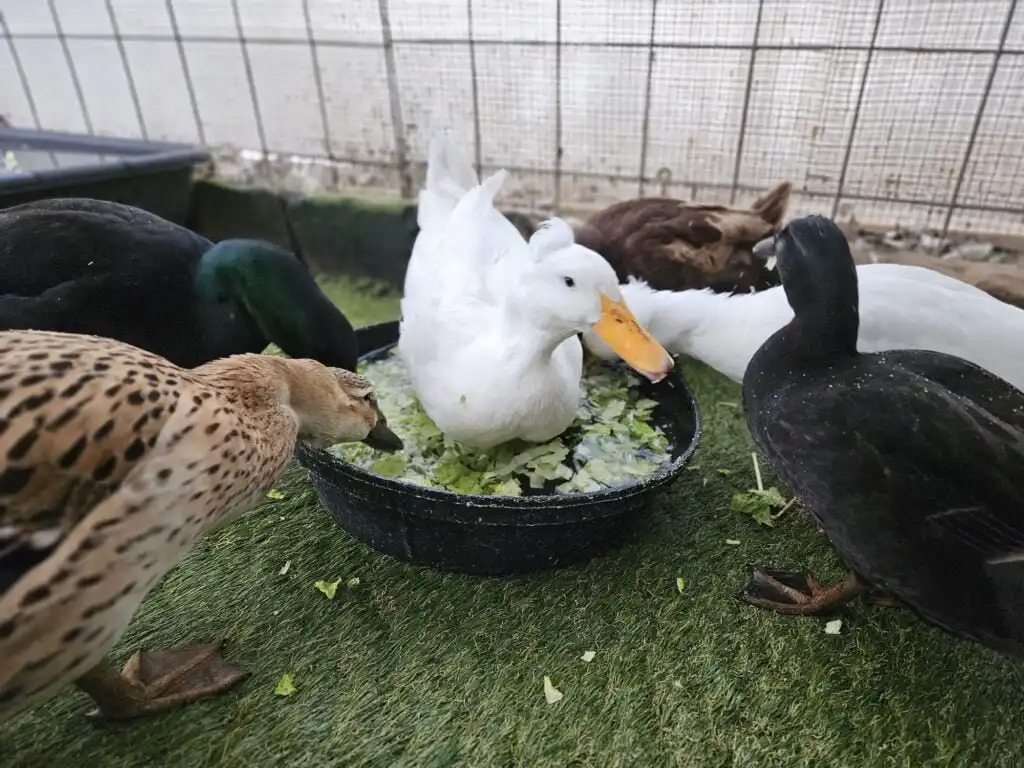
For ducks, water is integrated into the mechanical process of eating. They scoop feed, rinse it, swallow, and clear their nostrils repeatedly. Water assists in lubricating and moving feed down the esophagus.
If ducks consume dry feed without access to water, the risk of impaction or choking increases. This is one of the most common examples of chicken-based advice being misapplied to ducks.
Chickens certainly need water, but they do not require it in the same synchronized manner during feeding.
Gizzard Function and Grit Use
Both ducks and chickens use a muscular gizzard to grind food. Both require access to grit if they are not consuming feed that already contains adequate insoluble particles.
However, because ducks often consume wetter feed and softer plant material in natural settings, their feeding rhythm differs from the scratch-and-peck pattern of chickens. In backyard environments, grit recommendations may overlap, but the feeding context is not identical.
Digestive Transit and Monitoring
In practice, I notice that ducks tend to process food quickly and produce frequent droppings with a higher water content. That is normal physiology for a waterfowl species.
Chicken droppings are typically more formed and drier, reflecting their terrestrial lifestyle.
This difference also influences bedding management, moisture levels in housing, and even how new keepers interpret “normal” droppings. What looks overly wet compared to chicken standards may be entirely appropriate for ducks.
Understanding these digestive nuances helps prevent unnecessary panic and prevents inappropriate adjustments based on chicken norms.
Structurally, ducks and chickens share the same digestive roadmap. Functionally, they travel it differently.
Water Requirements and Environmental Needs
If there is one area where duck care diverges most clearly from chicken care, it is water.
Chickens need clean drinking water. Ducks need water as an integrated part of daily biological function.
That distinction shapes everything from coop design to daily chores.
Head Submersion Is Not Optional
Ducks must have access to water deep enough to fully submerge their heads. This is not enrichment. It is basic hygiene and respiratory maintenance.
When ducks dip their heads, they are flushing their eyes and nostrils. Their nares sit on the upper surface of the bill, and water helps clear feed particles and debris. Without the ability to rinse, buildup can occur, increasing the risk of irritation or infection.
Chickens do not share this requirement. A narrow nipple drinker works well for chickens. For ducks, that same system can be insufficient as a sole water source.
This is one of the most common examples of chicken infrastructure being applied to ducks without modification.
Waterproofing and Feather Health
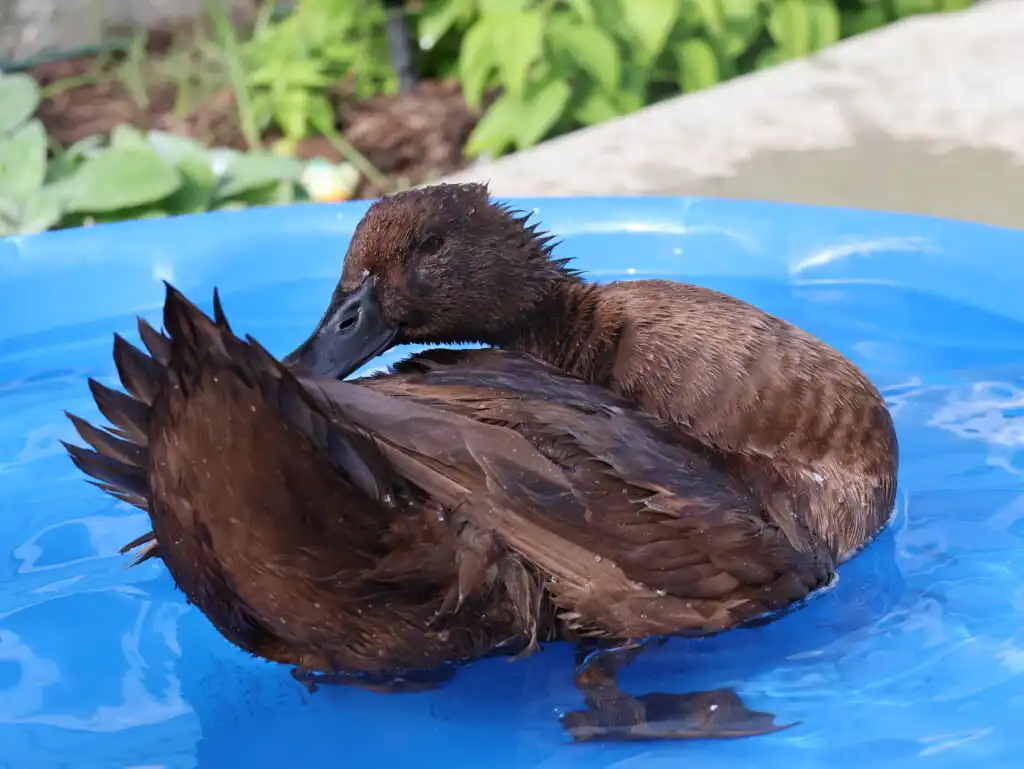
Ducks rely on a specialized preening gland at the base of the tail, called the uropygial gland, to maintain waterproof feathers. Proper preening requires access to water.
When ducks bathe, they are not simply playing. They are working oil through their feathers to maintain insulation and buoyancy. Without adequate water access, feather condition declines over time.
Chickens dust bathe to maintain feather health. Ducks bathe in water.
That difference reflects evolutionary design and must be respected in backyard setups.
Moisture Tolerance and Ventilation
Chicken housing is often designed around dryness. Excess moisture is associated with ammonia buildup and respiratory stress. While ventilation is absolutely critical for ducks as well, their tolerance for environmental moisture differs.
Ducks naturally create wetter environments. Their droppings contain more water. Their bathing habits increase splashing. Their bedding may require more frequent maintenance.
The goal is not to eliminate moisture entirely. The goal is to manage it intelligently through drainage, ventilation, and appropriate substrate.
Trying to keep ducks in a hyper-dry, chicken-style system often creates frustration for keepers and discomfort for the birds.
Sleeping and Roosting Behavior
Chickens instinctively seek elevated roosts at night. Ducks do not.
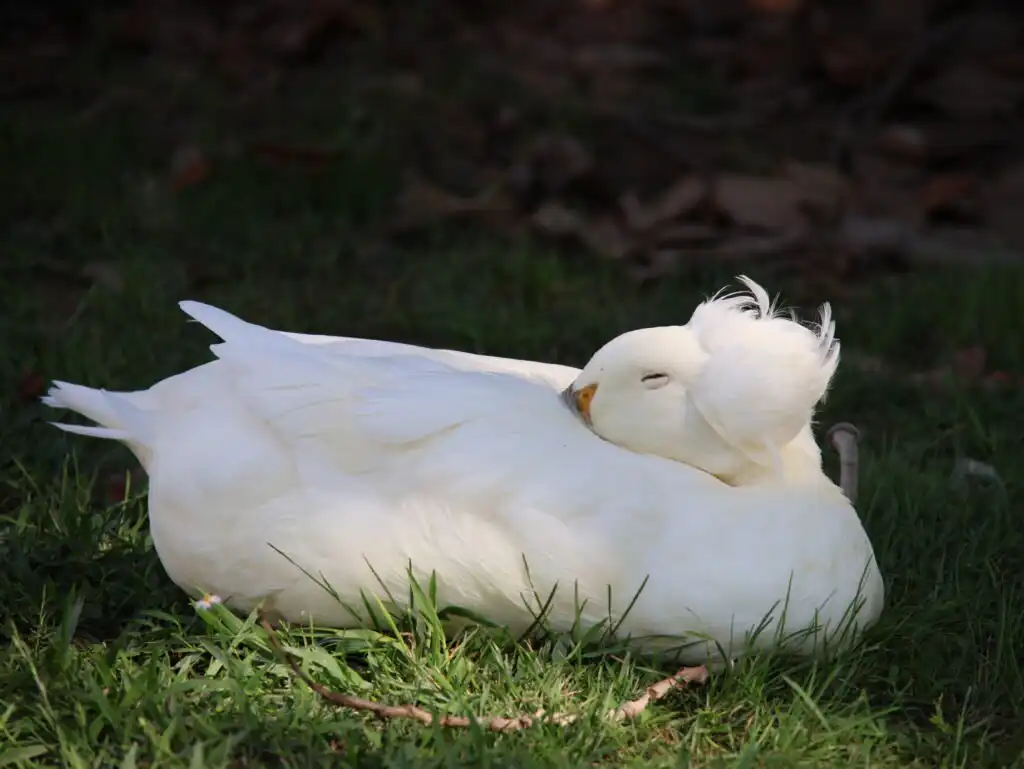
Ducks sleep on the ground. Their body structure, with legs positioned farther back for swimming propulsion, makes perching awkward and unnecessary.
Installing high roost bars for ducks because they are standard in chicken coops misunderstands species behavior. Ducks prefer flat, stable resting areas with appropriate bedding.
Again, evolutionary history explains the difference.
Water is not a minor accessory in duck care. It is a defining biological requirement. When we understand that ducks are waterfowl first and poultry second, their environmental needs become much clearer.
Feet, Flooring, and Housing Design
At first glance, a coop is a coop. Four walls, a roof, a door. But once you look at how ducks and chickens are built from the ground up, housing design starts to look very different.
Webbed Feet vs Scratching Claws
Chickens have strong, scaled feet with defined claws designed for scratching soil and gripping perches. Their anatomy supports jumping, balancing, and roosting off the ground.
Ducks have webbed feet designed for swimming propulsion. The skin between the toes distributes pressure differently than the segmented toes of a chicken. That webbing is efficient in water but more vulnerable to abrasion on sharp or uneven surfaces.
Substrates that work well for chickens can cause problems for ducks. Rough gravel, wire flooring, and hard edges increase the risk of foot irritation and bumblefoot in waterfowl. Ducks do best on stable, forgiving surfaces that support their full foot pad evenly.
Because ducks spend their nights on the ground rather than on perches, flooring comfort matters even more.
Roost Bars and Elevated Sleeping Areas
Chickens instinctively seek elevated roosts for safety. Installing roost bars inside a chicken coop is appropriate and biologically aligned.
Ducks do not share that instinct. Their center of gravity and leg placement make balancing on narrow bars awkward. They naturally sleep on flat surfaces.
Adding elevated roost bars to a duck coop is unnecessary and can even create injury risk if ducks attempt to use them.
Elevated Coops and Steep Ramps
This is where chicken design most commonly fails ducks.
Many chicken coops are elevated off the ground with steep, narrow ramps leading to the entrance. Chickens manage these ramps well. They are comfortable with height and agile enough to navigate incline angles.
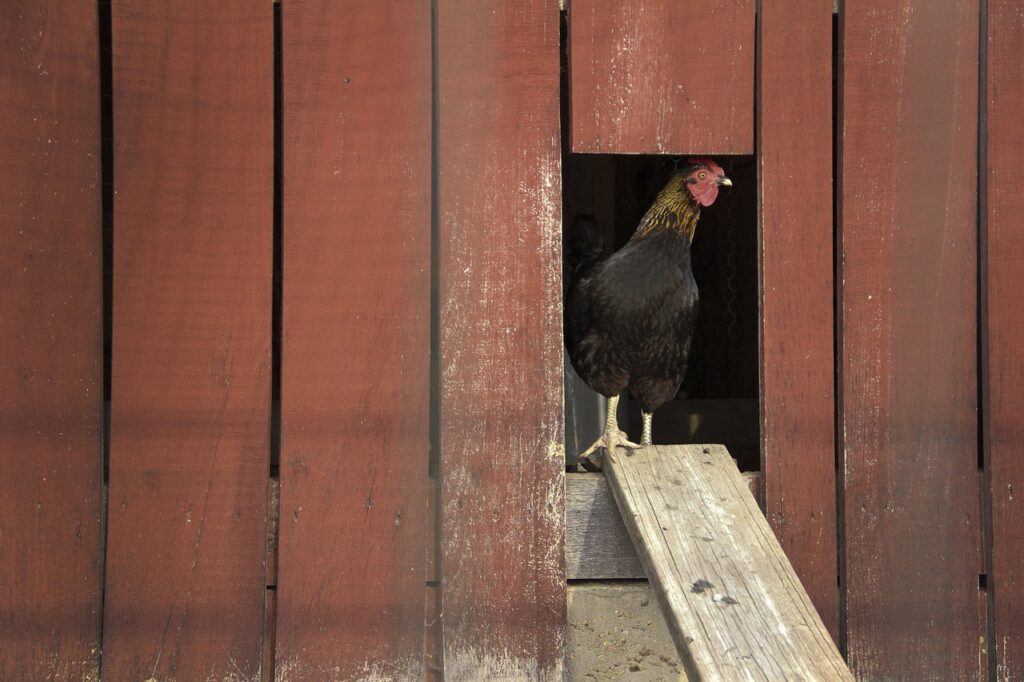
Ducks are different. Most domestic ducks are heavy-bodied and not strong flyers. Many breeds cannot fly at all. They do not like heights. They are not built for climbing steep, narrow ramps.
When ducks use elevated coops with steep access ramps, there is a real risk of slipping or falling. Falls from height can result in sprains, fractures, or wing injuries. I have seen more than one case where a heavy duck misstepped and suffered serious trauma.
If a coop is elevated for drainage or predator protection, the ramp must be wide, gradual, and stable. Ideally, duck housing is ground-level with secure predator-proof construction rather than relying on height for safety.
Designing housing around chicken agility instead of duck body mechanics is one of the fastest ways to create preventable injuries.
Weight Distribution and Body Structure
Chickens are generally lighter relative to body size and more vertically balanced. Ducks carry more weight forward and have legs positioned farther back, which supports swimming but reduces climbing efficiency.
That difference explains why ducks prefer wide, stable entrances and flat resting areas. It also explains why narrow platforms and high perches are inappropriate for most breeds.
When I redesigned our own run and housing, I prioritized ground-level access, wide door openings, and stable transitions. The difference in confidence and safety was immediately noticeable.
Housing should support how a species moves, rests, and balances. Chicken coop blueprints cannot simply be copied and assumed safe for ducks. When we respect their anatomy, we reduce injury risk and make daily management easier.
Egg Laying Patterns and Reproductive Differences
Both ducks and chickens lay eggs. That is often where the comparison stops. But once again, the biological details matter.
From timing to shell structure to seasonal patterns, ducks and chickens do not operate identically.
Laying Frequency and Annual Production
Chickens are often perceived as the “daily egg layers,” and for many high-production breeds, that is accurate. Top chicken breeds such as Leghorns commonly lay five to six eggs per week, approaching near-daily production during peak periods. Annual output for elite layers typically ranges from 290 to 320 eggs.
Ducks generally lay every one to two days on average, depending on breed. That translates to roughly four to six eggs per week and an annual range of approximately 200 to 350 eggs.
Certain duck breeds, such as Khaki Campbells, can match or even exceed top chicken breeds, producing 300 to 340 eggs per year. What differs is the pattern. Ducks may not always match the near-daily rhythm of elite chicken breeds, but they often sustain production more steadily over time.
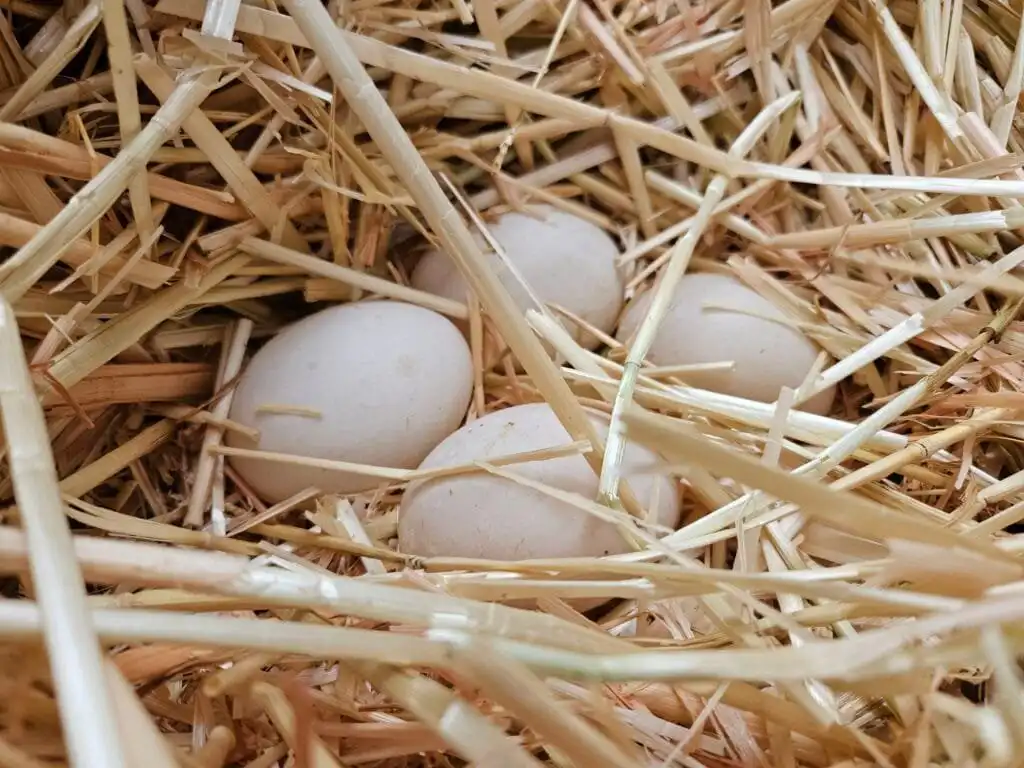
Timing of Egg Laying
Both species typically lay in the morning, usually between dawn and noon.
Chickens, however, may extend laying into the afternoon. Their ovulatory cycle shifts slightly later each day, which explains why hens can gradually move from early morning laying to later afternoon laying before skipping a day and resetting the cycle.
Ducks are more consistent. They almost always lay in the early morning hours and rarely lay later in the day. This predictability is one reason duck eggs are so reliably found in the coop if birds are secured overnight.
Age at Onset and Productive Lifespan
Chickens usually begin laying at four to five months of age, typically between 18 and 22 weeks. They often reach peak production during their first one to two years, followed by a noticeable decline.
Ducks tend to begin laying slightly later, often between five and seven months of age, depending on breed and environmental conditions.
However, ducks frequently maintain productive laying for three to four years, often outlasting chickens in sustained output. While chickens may peak early and decline sharply, ducks often demonstrate a more gradual reduction in production.
For backyard keepers who prioritize long-term steady laying rather than maximum first-year output, this difference can be significant.
Egg Formation Cycle and Seasonality
The egg formation cycle in ducks is slightly longer than in chickens. Chickens typically ovulate on a near-daily rhythm during peak production. Ducks often operate on a cycle closer to every one to two days.
Seasonality also differs.
Chickens are strongly influenced by photoperiod and frequently reduce or stop laying during winter months unless supplemental light is provided.
Ducks are often more consistent year-round layers and may show a smaller drop in winter production. They generally require less artificial light stimulation to maintain laying.
This steadier winter output is one reason many backyard keepers appreciate duck eggs in colder months.
Egg Comparison at a Glance
| Aspect | Chickens | Ducks |
|---|---|---|
| Frequency | 5–6 eggs per week | 4–6 eggs per week (every 1–2 days) |
| Annual production | 250–320 typical; top breeds up to 320+ | 200–350 depending on breed |
| Daily timing | Morning into afternoon; cycle shifts later | Mostly early morning; rarely later |
| Start age | 4–5 months | 5–7 months |
| Peak duration | 1–2 years | 3–4 years |
| Winter laying | Often pauses without supplemental light | More consistent; smaller winter drop |
Shell Structure and Egg Composition
Duck eggs often have thicker shells than chicken eggs. The membranes are typically stronger as well. This reflects differences in reproductive physiology and water balance.
Ducks also tend to consume more water relative to body size, and hydration plays a significant role in egg formation. Inadequate access to clean water can affect laying consistency in ducks more quickly than many people realize.
Nutritionally, both species require adequate calcium and protein for egg production, but overall metabolic demands may differ depending on breed, body size, and laying intensity.
Nutritional Differences Between Duck and Chicken Eggs
Duck eggs are not identical to chicken eggs in composition.
On average, duck eggs are larger and contain:
• Higher total fat content
• Slightly higher protein concentration
• More omega fatty acids
• Higher cholesterol
• Greater amounts of certain micronutrients such as vitamin B12 and iron
The yolk-to-white ratio is also different. Duck eggs tend to have proportionally larger yolks, which is one reason bakers often prefer them. The higher fat and protein content can improve structure and richness in baked goods.
From a physiological standpoint, these differences reflect species-specific metabolic demands and egg development patterns. Ducks are generally heavier-bodied waterfowl with different growth trajectories and nutrient allocation strategies than chickens.
The thicker shell and stronger inner membrane often seen in duck eggs also provide enhanced structural protection during incubation.
Seasonality and Light Sensitivity
Both ducks and chickens are influenced by photoperiod, meaning daylight length affects reproductive hormones.
However, many domestic duck breeds show strong seasonality, especially in backyard settings without artificial lighting. They often lay heavily in spring and early summer and then taper off as daylight decreases.
Chickens, depending on breed and selective breeding intensity, may maintain more consistent year-round production if supported with supplemental light.
Understanding this seasonal rhythm prevents unnecessary concern when ducks slow down in fall and winter. It is often normal physiology, not illness.
Mating Mechanics: Cloacal Kiss vs Penetration
This is one of the most important biological differences between ducks and chickens.
Chickens reproduce through what is commonly called a cloacal kiss. The rooster does not have an external intromittent organ. Instead, the rooster and hen briefly press their cloacae together, allowing sperm transfer. The process is typically quick and involves minimal physical penetration.
Ducks are different.
Most male ducks possess a phallus, and mating involves intromission rather than simple cloacal contact. The reproductive anatomy of ducks is more complex and includes spiral structures in both males and females. Mating is typically more forceful and involves physical penetration.
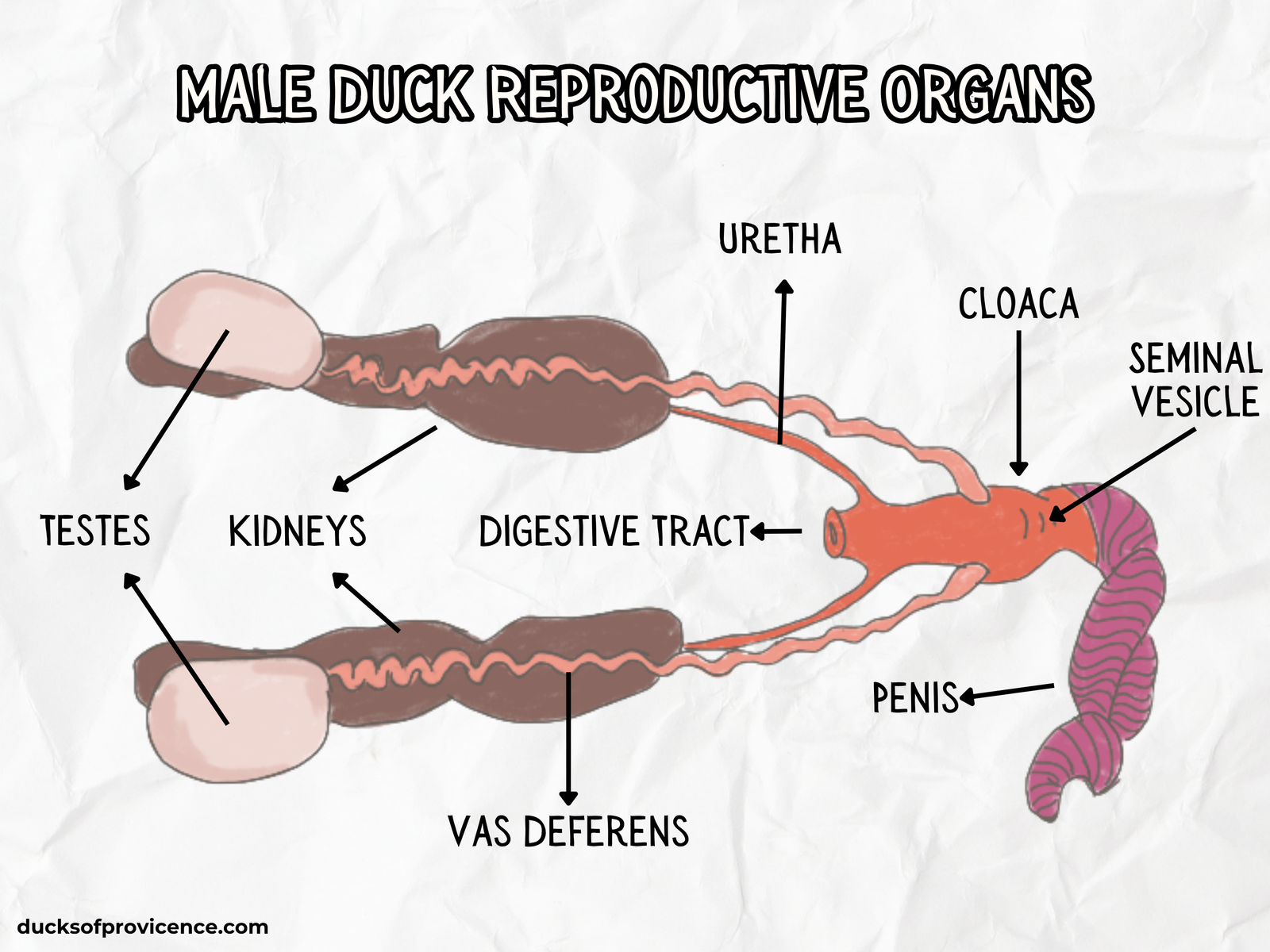
This anatomical difference carries real management implications.
Drake mating behavior can be physically demanding on hens. Without adequate female-to-male ratios, hens can suffer feather damage, exhaustion, or injury. Access to water is also important because ducks typically mate on water. The buoyancy reduces physical strain and supports natural mating posture.
Chickens mate on land and do not require water for reproduction.
Why Mixed Flocks Can Be Risky
Because duck mating involves penetration and chickens reproduce through cloacal contact only, allowing drakes access to hens can be dangerous.
A drake attempting to mate with a chicken hen can cause severe internal injury because the anatomy is incompatible. The hen’s reproductive tract is not structured for intromission.
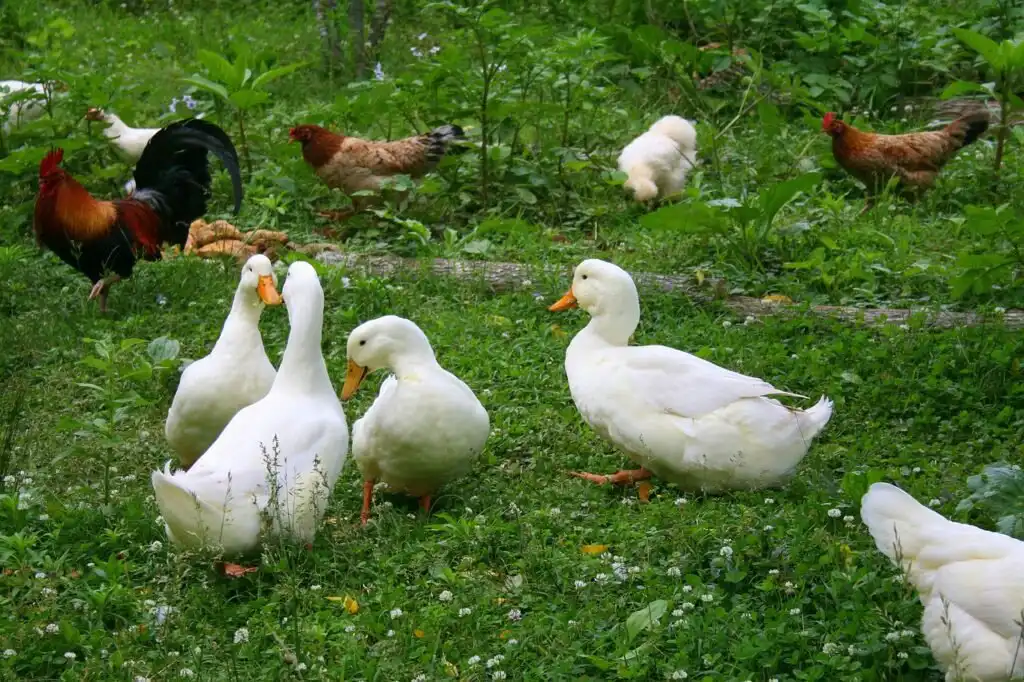
This is one of the most important safety distinctions in mixed flocks. Roosters generally cannot physically mate ducks successfully. Drakes, however, can seriously injure hens.
If ducks and chickens are housed together, separation of males is strongly recommended unless you are certain there are no drakes present.
This is not a minor compatibility issue. It is an anatomical safety concern.
Broodiness and Maternal Behavior
Chickens are widely known for broodiness, though modern high-production breeds may show less of it. Some duck breeds are also broody, while others rarely sit on eggs.
Breed matters significantly in both species.
From a management perspective, it is important not to assume that reproductive behaviors will mirror those of chickens. Nest box placement, bedding depth, and enclosure design may need to accommodate duck-specific laying patterns.
Incubation Time Differences
Another important distinction is incubation duration.
Chicken eggs typically hatch at around 21 days.
Most domestic duck eggs derived from Mallards require approximately 28 days of incubation.
Muscovy ducks, which are a separate species entirely, require even longer, usually around 35 days.
That difference matters enormously for anyone incubating eggs artificially. Temperature and humidity management overlap between species, but timing does not. Assuming chicken timelines for duck eggs can lead to premature intervention or unnecessary concern.
Embryonic development rates differ because species-specific growth patterns differ. Again, evolutionary background is reflected in reproductive biology.
Reproductive biology in ducks and chickens differs at the structural level. From egg composition and incubation timing to mating mechanics, these distinctions shape management decisions. Understanding these differences protects birds from preventable injury and allows reproduction to occur safely and naturally within each species.
Behavior and Social Structure
On the surface, ducks and chickens both live in flocks. They establish hierarchy. They communicate vocally. They show social bonds.
But the way they do these things differs in important ways. Managing ducks socially is not the same as managing chickens.
Pecking Order: Intensity and Expression
Chickens are famous for the pecking order, and for good reason. Hierarchy in chickens can be direct, visible, and sometimes aggressive. Pecking, chasing, feather pulling, and physical confrontations are common tools for establishing rank.
In chickens, hierarchy tends to be strongly enforced. Subordinate birds may be excluded from feed or roosting space if housing is not designed thoughtfully.
Ducks also establish social hierarchy, but it often appears less overtly aggressive in day-to-day interactions. You may see nudging, head movements, subtle chasing, or positioning behaviors rather than persistent pecking.
That does not mean ducks are conflict-free. Social tension absolutely exists. But the style of dominance expression often looks different.
Overcrowding increases aggression in both species, but chickens typically escalate conflict more visibly and more quickly.
Vocalization Differences
Chickens and ducks communicate in entirely different acoustic languages.
Chickens use a range of calls for alarm, food discovery, nesting, and social contact. Roosters crow as territorial and dominance signals.
Ducks are generally more vocal overall, particularly females. The classic loud quack comes from hens. Drakes often produce softer, raspier sounds rather than loud quacks.
Ducks frequently use vocalizations to maintain group cohesion. You will often hear contact calls when separated. Their flock communication can be constant and expressive.
For backyard keepers, this has practical implications. Noise level expectations differ significantly between species.
Drake Behavior vs Rooster Behavior
This is one of the most important management differences.
Roosters may show territorial aggression toward humans or other roosters. Their behavior is often linked to territory defense and mating competition.
Drakes, on the other hand, are not territorial in the same way. Their behavior centers more strongly around mating pressure and group dynamics rather than guarding a defined space.
Drake mating behavior can be persistent and physically demanding on hens, particularly if the male-to-female ratio is unbalanced. Proper ratio management is critical in duck flocks to prevent injury.
Unlike roosters, drakes do not crow. Their reproductive behavior expresses differently, and it requires different management strategies.
Imprinting Tendencies
Both chicks and ducklings imprint during early development, but ducks often form particularly strong bonds, especially if raised by humans.
Waterfowl imprinting is well documented. A duckling raised in close contact with a person may follow that individual persistently and show strong attachment behaviors.
Chickens imprint as well, but in backyard settings their social independence often develops differently.
Imprinting has lifelong implications for behavior, stress tolerance, and flock integration. Ducks raised alone or heavily human-imprinted may struggle with flock bonding later if not socialized appropriately.
Social Bonding Differences
Chickens maintain flock structure, but individual pair bonds are less emphasized outside of broody behavior.
Ducks often show stronger pair bonding tendencies, particularly in certain breeds. Some drakes form seasonal bonds with specific hens. Female ducks may show preference for certain companions.
In my own flock, I see clear preferred partnerships. Some ducks rest side by side consistently. Others avoid specific individuals. The social web can be subtle but stable.
Understanding these bonds helps when introducing new birds or managing temporary separation.
Stress Responses
Chickens under stress often show reduced egg production, feather picking, vocal alarm calls, or withdrawal.
Ducks may become quieter or unusually subdued when stressed. Appetite changes, altered posture, or reduced bathing behavior can be early indicators.
Because ducks are prey animals with strong flock cohesion instincts, isolation can be particularly stressful. Chickens also dislike isolation, but ducks often show stronger immediate distress when separated from flock mates.
Environmental stressors also differ in perception. Chickens are highly sensitive to dampness and drafts. Ducks are more tolerant of wet conditions but may stress in overly dry, dusty environments.
Behavioral management in ducks cannot simply mirror chicken strategies. Hierarchy looks different. Vocal communication sounds different. Reproductive pressure expresses differently. Stress signals present differently. Understanding these nuances allows you to prevent social problems before they escalate. Managing ducks socially requires duck-specific observation, not chicken-based assumptions.
General Health Considerations: Species-Specific Disease Patterns
“Hardier” does not mean immune. It means different risk profiles.
Diseases More Common or More Severe in Ducks
Some conditions are strongly associated with ducks and are either rare or less emphasized in chickens.
Duck Viral Hepatitis (DVH) primarily affects ducklings under three to four weeks of age. It can cause sudden death with neurologic signs such as paddling or opisthotonos. This disease is a critical concern in young ducklings but is not a typical issue in chickens.
Duck Virus Enteritis, also called duck plague, affects older ducks and can cause diarrhea, internal bleeding, and high mortality during outbreaks. It is primarily a waterfowl disease and a serious concern in areas with wild duck exposure.
Riemerella anatipestifer, sometimes referred to historically as “new duck disease,” is a bacterial infection that can cause respiratory signs, neurological symptoms, and death in young ducks. While other birds can be affected, it is particularly significant in duck populations.
Aflatoxin poisoning is another important distinction. Ducks are notably more sensitive than chickens to mycotoxins produced by molds in damp or spoiled feed. What may cause mild illness in chickens can result in severe liver damage or death in ducks. This makes proper feed storage especially critical in duck management.
Botulism is also more commonly emphasized in ducks. Because ducks dabble and forage in wet or stagnant areas, they are at increased risk when decaying organic matter or carcasses are present. Wet environments can create conditions favorable to toxin production.
There are also diseases shared with chickens that tend to be especially problematic in waterfowl settings.
Fowl cholera (Pasteurella multocida) can be a major issue in waterfowl housed on dirty, wet ground.
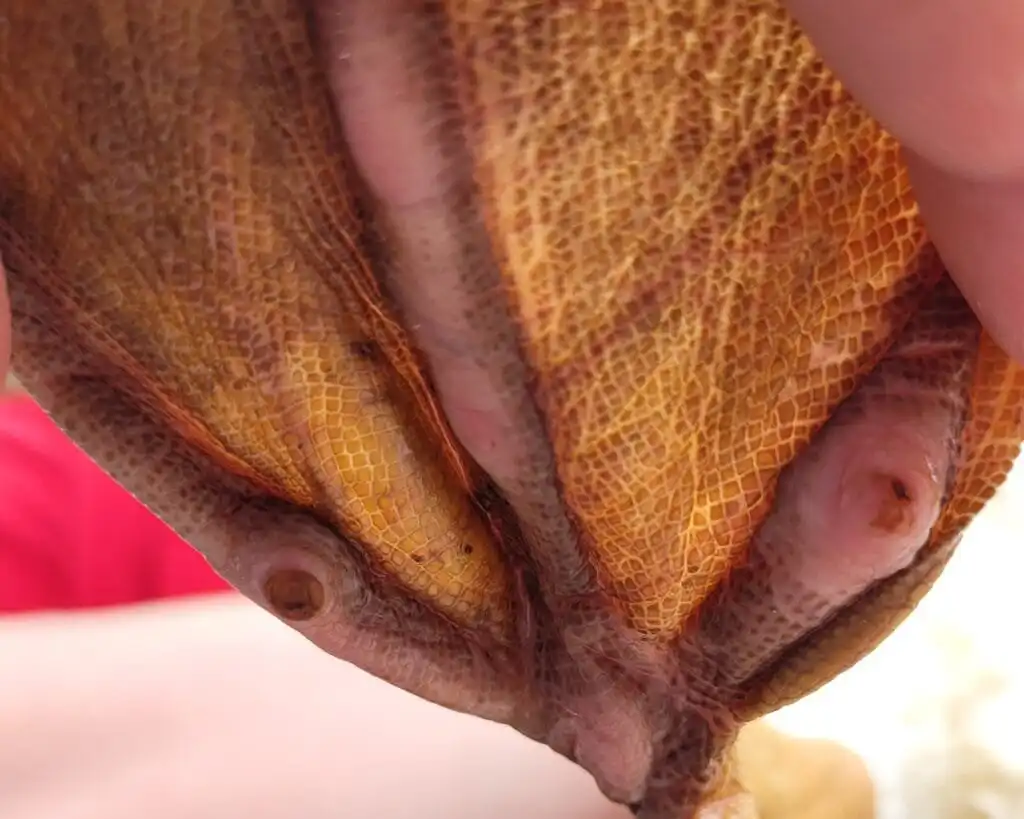
Bumblefoot occurs in both species, but heavy duck breeds such as Pekins are particularly prone due to body weight and landing impact. Their webbed feet distribute weight differently, which influences lesion development.
Diseases More Common in Chickens
Some diseases are considered classic “chicken diseases” and are much more frequently encountered in small backyard chicken flocks.
Marek’s disease is a viral tumor disease that is a major concern in chickens and a primary reason many chicks are vaccinated at hatcheries. Ducks are not typical hosts.
Infectious bronchitis is a major viral respiratory disease in chickens. Ducks are not primary hosts and are far less frequently affected.
Mycoplasma gallisepticum, which causes chronic respiratory disease, is particularly common and persistent in chickens. Ducks can carry respiratory pathogens, but this organism is most strongly associated with chickens.
Coccidiosis is one of the most significant diseases in young chicks, often causing diarrhea, poor growth, and death. Ducks can carry coccidia species, but they are generally less prone to severe clinical outbreaks compared to chickens.
Fowlpox, characterized by scabby lesions on comb and wattles, is especially noticeable and common in chickens. Ducks can develop pox-like lesions, but it is less frequently highlighted in duck management.
External parasites such as northern fowl mites, red mites, and lice are also much more common and severe in chickens, particularly due to their roosting behavior and dry feather structure.
Diseases Shared by Both Species
Some pathogens affect both ducks and chickens, though clinical presentation may differ.
Avian influenza, both low-pathogenic and highly pathogenic strains, can infect both species. Ducks may act as reservoirs for certain strains, while chickens often show more severe clinical disease depending on the virus subtype.
Newcastle disease can affect both species and remains an important biosecurity concern.
Salmonella and other foodborne bacteria are significant for both animal health and human health.
Aspergillosis, a mold-related respiratory disease, can occur in both species when exposed to moldy litter or feed.
Internal worms and some protozoa can infect both ducks and chickens, though burden severity may differ.
Practical Priorities in a Mixed Flock
If you keep both ducks and chickens, your prevention strategy should reflect species-specific vulnerabilities.
For ducks, extra caution is warranted with very young ducklings due to diseases such as DVH, with any exposure to stagnant or dirty water because of botulism and cholera risk, and with feed storage because of heightened sensitivity to aflatoxins.
For chickens, priority areas include vaccination against Marek’s disease when appropriate, maintaining dry and well-ventilated housing to reduce respiratory disease and mite infestations, and close monitoring for coccidiosis in young birds.
In mixed flocks, disease often becomes noticeable in chickens first. However, treatment and management decisions should consider the entire flock.
Health management is not interchangeable between species. Ducks and chickens overlap in many disease categories, but their biology determines which threats deserve the most attention.
Understanding those distinctions allows you to prioritize prevention rather than react to crisis.
Immune System Differences and Avian Influenza
One of the most fascinating biological differences between ducks and chickens lies in their immune systems.
Broadly speaking, ducks tend to be more resilient in wet and cold environments and often show milder clinical signs for certain viral infections compared to chickens. This is especially true in the context of avian influenza, which is one of the most studied comparative models between the two species.
Ducks, particularly Mallard-derived breeds, are considered natural reservoirs for many influenza A subtypes. In wild populations, they frequently carry low pathogenic strains with few or no symptoms. Chickens, by contrast, are far more likely to develop severe systemic disease when exposed to highly pathogenic avian influenza strains.
This difference is not random. It reflects measurable immune distinctions.
Ducks possess innate immune receptors that chickens lack, most notably RIG-I, a cytosolic receptor that detects viral RNA and initiates antiviral signaling pathways. This allows ducks to recognize influenza viruses earlier and activate antiviral defenses more rapidly.
In addition, ducks tend to mount stronger early type I interferon responses in respiratory tissues. Their immune response is often more controlled and antiviral in nature.
Chickens, on the other hand, lack RIG-I and may rely more heavily on inflammatory signaling. In cases of highly pathogenic avian influenza, chickens can experience intense pro-inflammatory responses that contribute to widespread tissue damage. This is sometimes described as a “cytokine storm,” where the immune response itself becomes part of the pathology.
It is important to emphasize that this does not mean ducks are protected from avian influenza. Highly pathogenic strains can absolutely cause severe disease and death in ducks. The difference lies in typical response patterns and susceptibility across strains.
From a backyard management perspective, many keepers report that in mixed flocks, chickens often show signs of illness earlier than ducks during outbreaks. That observation aligns with what we know about species-specific immune dynamics. However, biosecurity must be applied equally to both.
Parasites: Internal and External Risk in Ducks vs Chickens
Ducks are generally less prone to both internal and external parasites than chickens, especially when they have consistent access to clean water for bathing. However, “more resistant” does not mean parasite-free. Both species require monitoring and thoughtful management.
The difference lies in biology, behavior, and environment.
Overall Parasite Tendency
In backyard and field observations, ducks are often described as much less likely than chickens to suffer from worms, lice, and mites. Regular bathing and water exposure appear to reduce parasite load mechanically, particularly for external parasites.
That said, studies on free-range ducks still demonstrate significant rates of gastrointestinal parasite presence. Surveys in some regions report over 50 percent of sampled ducks carrying intestinal parasites, most commonly nematodes such as Capillaria species.
The important nuance is that ducks often show single-species infections rather than heavy multi-species burdens, which may be less clinically damaging. They are not immune. They are often more resilient.
Internal Parasites: Worms and Coccidia
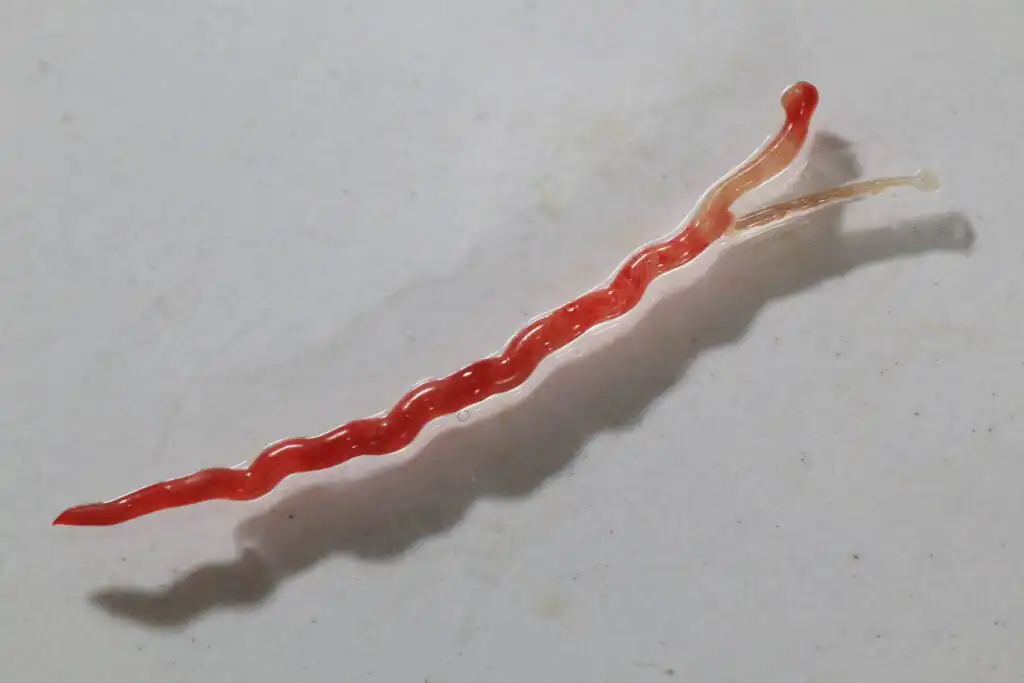
Both ducks and chickens can carry roundworms, cecal worms, gapeworms, and other gastrointestinal helminths.
Chickens are frequently more susceptible to heavy mixed worm infections, particularly in confined backyard runs where fecal contamination accumulates. Because chickens scratch constantly in the soil, they repeatedly ingest parasite eggs, which promotes reinfection cycles.
Field data suggest ducks may be more resistant to some common poultry helminths compared with chickens. Their feeding behavior differs. They do not scratch dry soil in the same way. Water access may dilute environmental contamination when managed correctly.
Coccidiosis presents another important distinction. Chickens are highly prone to coccidia outbreaks, especially during early life stages. Coccidiosis is one of the most common and serious health threats in young chickens.
Ducks are generally far less prone to clinical coccidiosis and are often described as more robust against many intestinal protozoa. This does not mean they cannot carry or shed organisms, but severe outbreaks are less common compared to chickens.
In practical terms, chickens often require tighter coccidia control and sometimes medicated starter feed. Ducks typically do not require medicated feed for this reason.
External Parasites: Mites and Lice
External parasites are where differences become even more visible.
Chickens commonly suffer from:
- Northern fowl mites
- Red roost mites
- Several species of chewing lice
Red mites hide in cracks of wooden coops and feed at night while chickens roost. Because chickens perch in elevated wooden structures, they provide an ideal environment for mite infestation cycles.
Ducks, especially those that bathe regularly, are reported to be far less likely than chickens to carry problematic levels of mites and lice. Their frequent water bathing and preening help dislodge and limit external parasites. Constant wetting makes it harder for mites and lice to establish heavy infestations.
Additionally, ducks do not typically roost on wooden bars, which reduces exposure to roost-associated mites.
However, ducks can absolutely develop lice, mites, or tick infestations, especially in mixed flocks. Bathing reduces risk. It does not eliminate it.
Management in Mixed Flocks
In mixed duck and chicken flocks, chickens often act as the indicator species.
Lice, mites, and worm burdens are frequently noticed in chickens first. Ducks in the same housing may show fewer outward signs, even when exposed.
For chickens, routine coop cleaning, dry bedding, and regular inspection under wings and around vents are essential. For ducks, access to clean water deep enough to submerge the head and ideally the body allows them to use their natural bathing behaviors as part of parasite control.
Strategic deworming schedules are often planned around chickens’ higher parasite risk. However, when one species in a mixed flock requires treatment, it is usually safest to evaluate and often treat the entire flock, even if ducks appear less affected.
Deworming Practices
Routine deworming is more commonly discussed in chicken care guides, especially for birds kept continuously on the same ground.
For ducks, especially those with access to fresh water and rotated environments, deworming is often symptom-driven rather than scheduled automatically.
The best approach in both species is evidence-based management. Fecal exams when clinical signs appear are preferable to blind treatment.
Quick Comparison
| Aspect | Ducks | Chickens |
|---|---|---|
| Overall parasite risk | Lower; often more resistant to worms and external pests | Higher; commonly affected in backyard setups |
| Internal worms | Can be infected; often fewer mixed infections | Frequently heavier and more varied worm burdens |
| Coccidiosis | Relatively uncommon clinical problem | Common and significant concern in young birds |
| External mites and lice | Much less likely with regular bathing | Very common, especially red mites and lice |
| Key prevention focus | Clean bathing water and hygiene | Coop sanitation, dry bedding, routine inspection |
Ducks are often hardier in this category, particularly when allowed to express natural bathing behavior. But resilience is not immunity.
Both species require observation, environmental management, and evidence-based treatment when needed.
Feeding and Nutritional Differences
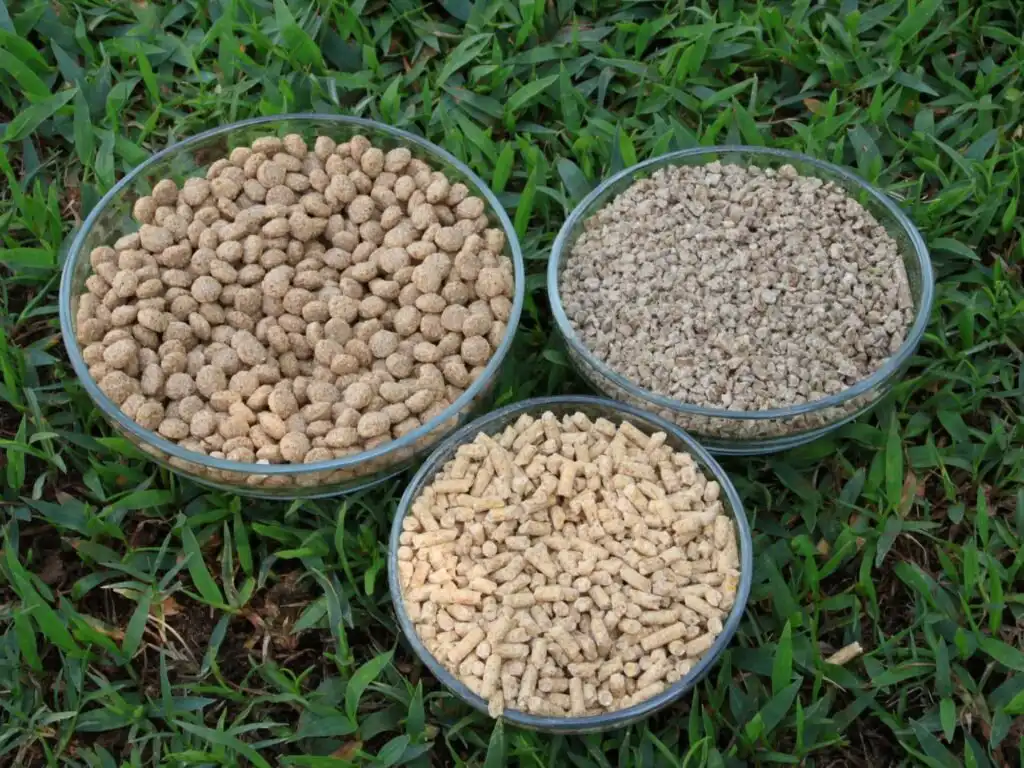
Ducks and chickens can eat many of the same base ingredients, but their nutritional requirements are not identical. The most important difference, especially during early growth, is niacin.
Understanding this distinction prevents one of the most common and avoidable health problems in duck keeping.
Niacin: The Critical Difference
Ducks require significantly more niacin, or vitamin B3, than chickens. In fact, ducklings need roughly twice the niacin levels required by chicks.
Niacin plays a central role in cellular energy metabolism and joint development. Because ducks grow rapidly and carry more body weight on relatively short legs, insufficient niacin during development can lead to leg weakness, bowed legs, joint instability, and poor growth.
Standard chick starter feed often does not contain enough niacin to meet duckling requirements. While it may meet protein targets, the vitamin profile is typically formulated for chickens, not waterfowl.
This is one of the clearest examples of chicken-based advice causing preventable problems in ducks.
Protein Requirements in Early Life
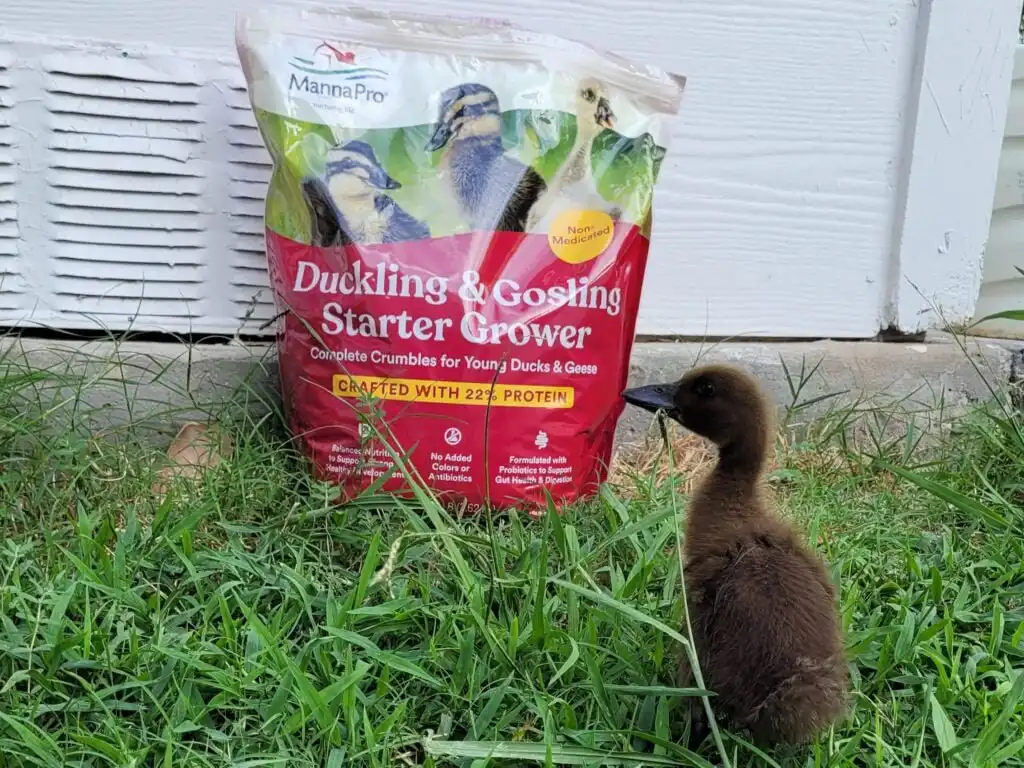
Ducklings generally do well on a non-medicated starter feed containing approximately 18 to 20 percent protein, which is similar to chick starter in protein content. The key difference is niacin supplementation.
If a waterfowl-specific starter is available, that is ideal. If using chick starter, it must be non-medicated and supplemented with additional niacin. Many keepers use brewer’s yeast or a measured niacin supplement mixed into feed to reach approximately 70 mg niacin per kilogram of feed.
Protein levels are not the primary issue. Vitamin balance is.
Growers and Adolescents
As ducks transition from ducklings to growing juveniles, they can continue on a grower feed with appropriate protein levels. Niacin supplementation should continue through the main growth phase, particularly in larger breeds.
By the time ducks approach adult size, their niacin requirement decreases and becomes closer to that of adult chickens.
Adult Layers and Maintenance Diets
For laying hens, both ducks and chickens require sufficient protein and calcium to support egg production. A layer ration containing around 16 to 17 percent protein and added calcium can work for both species.
However, it is still important to verify that the niacin content is adequate for ducks or supplement separately if needed.
For non-laying adults and drakes, a maintenance or all-flock feed with moderate protein levels is typically appropriate. Free-choice grit should always be available, and access to greens supports natural foraging behavior.
Can Ducks and Chickens Share Feed?
In many backyard settings, ducks and chickens share feed successfully, but only if niacin needs are addressed.
Duck feed is generally safe for chickens because niacin is water-soluble and excess amounts are excreted rather than stored to toxic levels.
Chicken feed, however, may require niacin supplementation when fed to ducks, especially during early life stages.
The key principle is simple. Duck feed can usually support chickens. Chicken feed may need adjustment to support ducks.
Nutritionally, ducks and chickens overlap in many macronutrient requirements. The difference lies in specific micronutrients, particularly during growth. When feeding plans are built around chicken standards without adjustment, ducks are the ones who pay the price.
Where Advice Overlaps
After walking through all these differences, it might sound as if ducks and chickens live in completely separate care universes.
They do not.
There are foundational principles of poultry care that apply to both species. The difference lies in the details, not in the core responsibilities of good husbandry.
Predator Protection
Both ducks and chickens are prey animals. Raccoons, foxes, coyotes, hawks, owls, dogs, and rodents pose serious risks to either species.
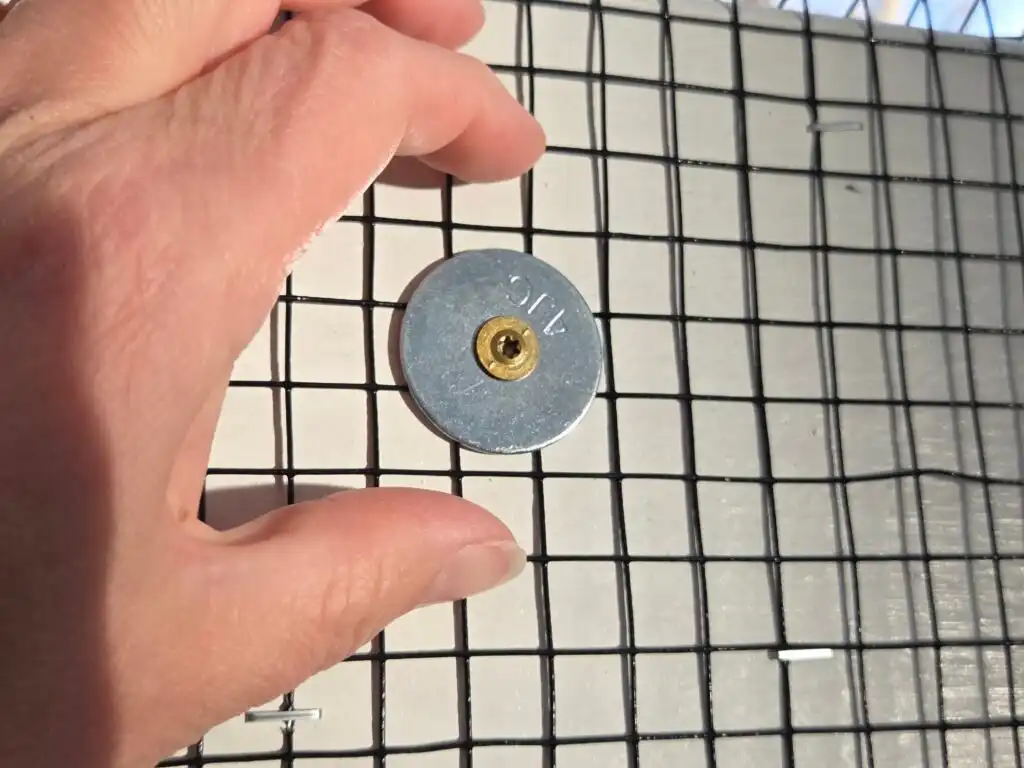
Secure nighttime housing, hardware cloth rather than chicken wire, protected ventilation openings, and buried barriers to prevent digging are non-negotiable for both ducks and chickens.
Whether you are protecting hens or ducks, the structural integrity of the coop and run matters far more than the species inside it.
The difference appears in behavior. Chickens may seek elevated roosts for safety, while ducks remain on the ground. But the need for predator-proof construction is identical.
Biosecurity
Basic biosecurity principles apply equally to ducks and chickens.
Limiting exposure to wild birds, quarantining new additions, controlling visitor access, and avoiding shared equipment between flocks are all essential practices.
Avian influenza, Newcastle disease, Salmonella, and other pathogens do not discriminate by species. Mixed flocks require especially careful management.
Ducks may serve as reservoirs for certain influenza strains. Chickens may show severe disease more quickly. But prevention strategies are shared.
Clean hands, clean boots, clean equipment.
Basic Nutritional Principles
Both species require balanced nutrition appropriate to life stage.
Protein supports growth and egg production. Calcium supports shell formation in layers. Clean water is essential for digestion and metabolic function.
The difference lies in formulation details, particularly niacin in ducklings, not in the fundamental concept of balanced feed.
Overfeeding treats, providing moldy feed, or neglecting grit availability can harm both species.
Good nutrition is universal. Fine-tuning is species-specific.
Shelter From Extreme Weather
Both ducks and chickens need protection from extreme heat, cold, wind, and heavy precipitation.
Shade, airflow, and access to fresh water are critical in hot climates. Insulated, draft-free but well-ventilated housing is essential in winter.
Ducks tolerate wet and cold conditions better than chickens in many cases. Chickens tolerate dry conditions better than ducks.
But neither species thrives in neglected housing. Environmental stress weakens immune function in both.
Enrichment and Social Needs
Both ducks and chickens are social animals that require flock companionship.
Isolation causes stress in both species. Environmental enrichment reduces boredom and aggression.
For chickens, enrichment may include scratch areas, perches, and dust baths.
For ducks, enrichment centers around water access, foraging opportunities, and stable flock groupings.
The underlying principle is the same. These are intelligent, social birds that require more than food and shelter.
Why Duck-Specific Education Matters
If you search online for duck care, you will quickly notice a pattern. Many articles are clearly written for chickens and lightly edited to replace the word chicken with duck.
At first glance, that seems harmless. After all, both are poultry.
But as we have just seen, the differences are not cosmetic. They are anatomical, physiological, and behavioral. When advice is adapted without understanding those differences, it stops being helpful and can become harmful.
A dry feeding system without accessible water might work perfectly for chickens. In ducks, it increases the risk of choking and digestive issues. Elevated coops with narrow, steep ramps are standard in chicken designs. For heavy, ground-sleeping ducks, they create real injury risk. Chick starter without niacin supplementation may raise healthy chicks, but it can cause preventable leg deformities in ducklings.
These are not theoretical concerns. They are real-world outcomes I have seen repeatedly in backyard settings.

The problem is not that chicken advice is wrong. It is that it is species-specific. When we ignore biology, we unintentionally create friction between instinct and environment.
Ducks are waterfowl. Their bills are sensory organs. Their feet are built for paddling, not perching. Their immune systems, reproductive patterns, and nutritional requirements reflect an evolutionary path distinct from chickens.
When we respect that biology, everything becomes easier. Housing makes sense. Feeding becomes safer. Social management improves. Health problems decrease.
Education is not about making duck keeping complicated. It is about making it accurate.
Backyard keepers deserve information that reflects the species they are caring for. Ducks deserve care that aligns with their design.
When you respect the biology, you protect the bird.
And that is the entire point.
Related Articles
- Keeping Ducks: A Beginner’s Guide to Duck Care
- 16 Common Duck Health Conditions You Should Know About
- Duck Anatomy: A Complete Guide for Pet Owners
- Essential Nutritional Needs of Ducks: A Complete Overview
- Duck Eggs vs Chicken Eggs: A Comparative Analysis
- Creating the Perfect Home for Your Pet Ducks: Housing, Space, and Safety Tips
- Finding a Duck-Savvy Vet: Tips for Pet Duck Owners
Deepen your understanding of avian wellness. Explore the full Duck Health & Anatomy Library for more specialized care guides.
References
- Anggrahini S, Widiyono I, Baihaqi ZA, et al. Occurrence of gastrointestinal parasites in local ducks at varying altitudes in Yogyakarta, Indonesia. Vet World. 2025;18(3):616-623. doi:10.14202/vetworld.2025.616-623
- Common External Parasites in Poultry: Lice and Mites
- Evseev D, Magor KE. Innate Immune Responses to Avian Influenza Viruses in Ducks and Chickens. Vet Sci. 2019;6(1):5. Published 2019 Jan 10. doi:10.3390/vetsci6010005