
Duck Diseases and Illnesses A to Z: A Complete Guide for Duck Owners

To keep our research-backed guides free, this site uses ads and affiliate links (earning a small commission at no cost to you). Everything here is created by a duck mom and PhD scientist, combining academic rigor with hands-on experience to provide practical, trustworthy advice for duck keepers everywhere. 🦆 Learn more
If you keep ducks long enough, sooner or later you will find yourself asking a worrying question: Is my duck sick, and what could be wrong?
Ducks can develop everything from relatively common problems such as bumblefoot, parasites, wet feather, and nutritional deficiencies to serious illnesses such as botulism, aspergillosis, avian influenza, reproductive disease, and heavy metal poisoning. The difficult part is that many duck diseases look remarkably similar at first. A duck who is sitting more than usual, losing weight, eating less, limping, or acting unusually quiet could have any number of underlying problems.
That is why I created this A to Z guide to duck diseases, illnesses, and health conditions. Think of it as a quick reference for pet duck owners. Each entry gives you a brief explanation of the condition, the common signs you might notice, and whether the problem may require urgent veterinary attention. Where we already have a detailed Ducks of Providence article, I have linked it so you can dig deeper into symptoms, diagnosis, treatment, prevention, and our own experiences caring for sick ducks.
You will also find some conditions marked “Detailed guide coming soon.” I included them because a comprehensive duck health reference should not leave out an important disease simply because I have not written the full article yet. As our health library grows, I will continue adding those resources.
Part of the Duck Health & Anatomy Hub, Evidence-based medical resources and anatomical research.
Quick Navigation: Jump to a Section
[hide]
How to Use This Duck Disease Guide
If you already know the name of the condition you are researching, simply jump to the corresponding letter and find it alphabetically.
If you are here because your duck is showing a symptom but you do not know what is wrong, use this guide differently. Start with what you are observing, but remember that a symptom is not a diagnosis. Lethargy, diarrhea, limping, respiratory changes, abnormal posture, loss of appetite, or suddenly sitting all the time can occur with many different diseases.
Use the entries below to understand possible health problems and learn what warning signs to watch for, then follow the links to our more detailed guides where available.

Most importantly, this guide is not intended to diagnose your duck or replace an avian veterinarian. Ducks are remarkably good at hiding illness, and by the time symptoms become obvious, a condition may already be advanced. If your duck is struggling to breathe, unable to stand, experiencing neurological symptoms, actively bleeding, severely lethargic, not eating or drinking, experiencing a reproductive emergency, or declining rapidly, skip the internet detective work and contact a duck-savvy veterinarian.
My goal with this guide is simple: to help you recognize when something is not right, understand what might be happening, and make better-informed decisions about what to do next.
Not Sure What’s Wrong? Start With the Symptom
Sometimes you know exactly what you are looking for. Maybe your veterinarian mentioned bumblefoot, you are researching aspergillosis, or you want to learn more about egg binding. In that case, jump straight to the alphabetical guide below.
But more often, that is not how illness starts.
You walk outside and notice that your duck is sitting while everyone else is foraging. She did not finish breakfast. Someone is limping. Your drake keeps shaking his head. Or perhaps you cannot point to one specific symptom at all. Your duck just isn’t acting like herself.
That is when it is especially important to remember that a symptom is not a diagnosis. Many duck illnesses produce similar early signs, and seemingly simple changes such as lethargy, loss of appetite, abnormal droppings, or sitting more frequently can have very different underlying causes.
If you do not know what condition you are dealing with yet, start with what you can observe:
Look at the Whole Duck, Not Just One Symptom
One symptom rarely tells the entire story. If one of my ducks starts behaving differently, I look at the whole picture: appetite, body weight, droppings, breathing, posture, mobility, egg production, interaction with the flock, and whether the change happened suddenly or gradually.
This is also why knowing what is normal for your individual duck matters so much. A subtle change from that duck’s normal behavior may tell you more than comparing her to another member of the flock.
And when several symptoms appear together, your duck is deteriorating quickly, or something simply feels seriously wrong, do not wait for every piece of the puzzle to fit before contacting your veterinarian.
Once you have assessed what you are seeing, use the alphabetical guide below to learn more about individual duck diseases, illnesses, and health conditions.
A
Aflatoxin Poisoning
Aflatoxin poisoning, or aflatoxicosis, occurs when ducks consume feed contaminated with aflatoxins, toxic compounds produced by certain Aspergillus molds. Ducks are particularly sensitive to aflatoxins, which can damage the liver, suppress immune function, interfere with growth, and cause serious illness or death when exposure is high.
Contamination is more likely when feed or ingredients are stored under warm, humid conditions that allow mold to grow. Importantly, contaminated feed does not always look obviously moldy.
Common signs: Poor appetite, lethargy, poor growth or weight loss, weakness, reduced egg production, and potentially sudden death with severe exposure.
Prevention matters: Store duck feed in a cool, dry location, protect it from moisture, and discard feed that is damp, moldy, or smells unusual.
Learn more: Detailed guide coming soon.
Angel Wing
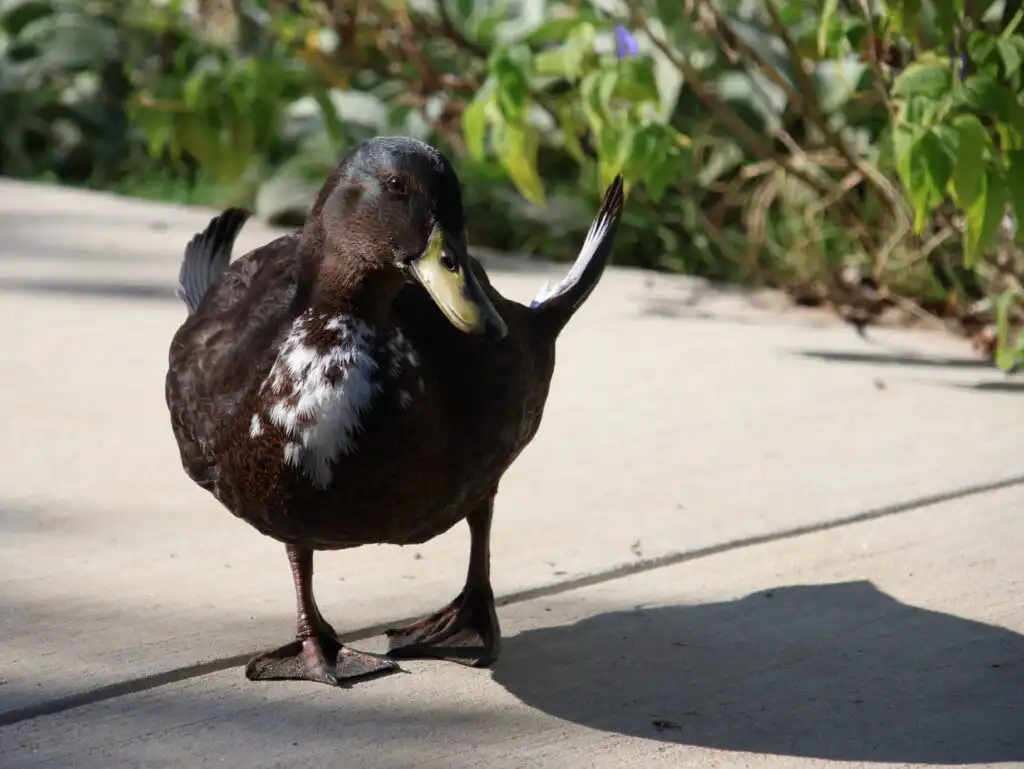
Angel wing is a developmental condition in which the end of a duck’s wing twists outward instead of lying flat against the body. It most commonly develops while young waterfowl are growing rapidly. Genetics, growth rate, and nutrition may all contribute, which is why simply blaming angel wing on “too much protein” oversimplifies the condition.
Angel wing is generally not painful, but the abnormal wing position is permanent once the bones have finished developing. Recognizing it early in a growing duckling gives you the best opportunity to intervene.
Common signs: One or both wing tips sticking outward, rotating away from the body, or becoming increasingly prominent as the duckling grows.
Learn more: Angel Wing in Ducks: Causes, Treatments, and More
Arthritis
Arthritis is inflammation and degeneration within a joint and is particularly important in aging ducks. Previous injuries, chronic joint disease, body weight, conformation, and years of stress on the legs and feet can all contribute to mobility problems.
Because ducks instinctively hide discomfort, arthritis may initially look surprisingly subtle. You may simply notice that your duck sits more often, walks more slowly, hesitates to climb over obstacles, or no longer keeps up with the flock.
Common signs: Stiffness, limping, sitting more frequently, difficulty standing, reduced activity, swollen joints, and reluctance to walk.
Learn more: Arthritis in Ducks: Understanding, Managing, and Supporting Your Feathered Friends
Aspergillosis
Aspergillosis is a fungal disease caused primarily by fungi in the genus Aspergillus. Ducks become infected by inhaling fungal spores from their environment rather than through typical duck to duck transmission. Moldy bedding, damp organic material, poorly stored feed, and environments with heavy fungal contamination can increase exposure.
Once inhaled, the fungus can affect the lungs and air sacs, making aspergillosis an especially serious respiratory disease. Treatment can be difficult, which makes good environmental management particularly important.
Common signs: Labored or open-mouth breathing, increased respiratory effort, weakness, lethargy, decreased appetite, weight loss, and reduced activity.
Learn more: Aspergillosis in Ducks: Causes, Symptoms, Prevention, and Treatment
Avian Pox
Avian pox is a viral disease caused by viruses in the genus Avipoxvirus. It can affect many species of birds, including waterfowl. The virus is commonly transmitted through biting insects such as mosquitoes or through direct contact with infected birds, contaminated surfaces, or breaks in the skin.
Avian pox can occur in different forms. The dry form typically causes raised, crusty lesions on unfeathered areas such as around the eyes, bill, or feet. The less common but more serious wet form can produce lesions inside the mouth, throat, or upper respiratory tract, where they may interfere with eating or breathing.
Common signs: Wart like bumps, nodules, scabs or crusty lesions on unfeathered skin, swelling around the eyes or bill, reduced appetite, lethargy, and difficulty eating or breathing when lesions affect the mouth or throat.
Important: Skin lesions alone cannot confirm avian pox, and several other conditions can look similar. Ducks with lesions around the eyes or mouth, difficulty swallowing, or respiratory distress should be evaluated by a veterinarian.
Learn more: Detailed guide coming soon.
Avian Cholera
Avian cholera, also called fowl cholera, is a contagious bacterial disease caused by Pasteurella multocida. It can affect domestic and wild birds, including ducks, and outbreaks can cause severe illness and sudden death.
The bacteria can spread through contact with infected birds, contaminated water and environments, and potentially animals that carry the organism. Because avian cholera can move rapidly through groups of birds, suspected cases warrant veterinary evaluation rather than attempting to diagnose the disease based on symptoms alone.
Common signs: Lethargy, loss of appetite, diarrhea, respiratory signs, weakness, and sudden death. Signs can vary considerably depending on the form and severity of infection.
Learn more: Detailed guide coming soon.
Avian Influenza
Avian influenza, commonly called bird flu, is caused by influenza A viruses that naturally circulate among wild aquatic birds. Ducks are particularly important in the epidemiology of avian influenza because some waterfowl can carry influenza viruses while showing few or no obvious signs of disease.
Highly pathogenic avian influenza, or HPAI, is much more concerning. It can cause severe systemic illness, neurological signs, respiratory disease, and sudden death in susceptible birds. Backyard ducks may also be exposed through contact with wild birds, their droppings, contaminated water, footwear, equipment, or other contaminated materials.
Common signs: Sudden death, severe lethargy, respiratory difficulty, neurological abnormalities, swelling around the head or eyes, diarrhea, and a sudden decrease in egg production. Some infected ducks may show less obvious signs.
Important: Avian influenza is a reportable animal disease. If you suspect HPAI, isolate your flock from other birds and contact your veterinarian or appropriate animal health authorities for guidance.
Learn more: Understanding Avian Influenza (Bird Flu) and Avian Influenza and Backyard Ducks: What You Need to Know
B
Botulism
Botulism is a serious neurological disease caused by toxins produced by the bacterium Clostridium botulinum. Ducks are usually exposed when they ingest the toxin from contaminated water, decaying organic matter, dead animals, or invertebrates that have accumulated the toxin.
One of the hallmark signs is progressive flaccid paralysis, sometimes called “limberneck.” An affected duck may first appear weak or have trouble walking before losing control of the legs, wings, and neck. Severe cases can interfere with breathing and become fatal.
Common signs: Weakness, difficulty walking or standing, drooping wings, inability to hold up the head or neck, progressive paralysis, and potentially respiratory failure.
Important: Suspected botulism should be treated as an emergency. Remove affected ducks from the suspected source and contact a veterinarian as soon as possible.
Learn more: Botulism in Ducks: Causes, Symptoms, Treatment, and Prevention
Bumblefoot
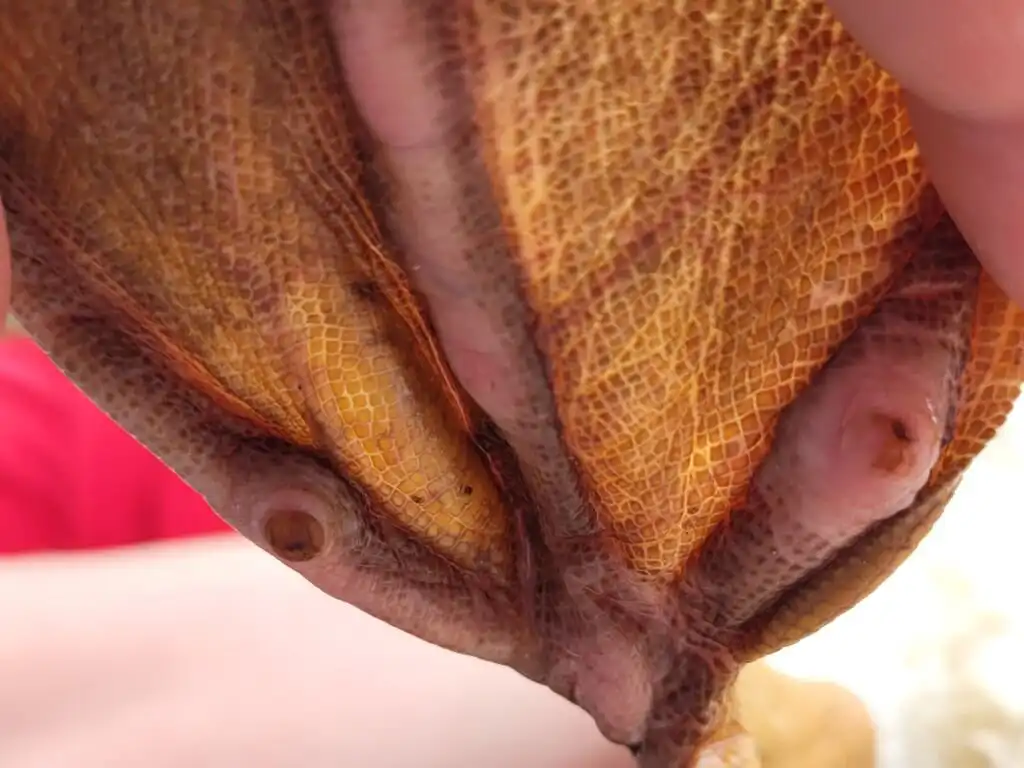
Bumblefoot, medically known as pododermatitis, is inflammation and infection of the footpad. It often begins when the protective skin on the bottom of the foot becomes irritated or damaged, allowing bacteria to enter the underlying tissue. Rough surfaces, persistent wet conditions, excess pressure on the feet, and small injuries can all contribute.
Early bumblefoot may appear relatively minor, but deeper infections can involve underlying tissues, joints, and even bone. Regularly checking the bottoms of your ducks’ feet makes it much easier to catch problems before they become severe.
Common signs: Redness, swelling, thickened skin, a dark or abnormal scab on the footpad, limping, favoring one foot, reluctance to walk, and sitting more frequently.
Learn more: Bumblefoot in Ducks: Symptoms, Causes, and Treatments
Also called: Pododermatitis. If you are looking for pododermatitis under P, see Bumblefoot.
C
Candidiasis
Candidiasis, sometimes called thrush, is a fungal infection most commonly caused by Candida albicans. Candida organisms can normally be present in the digestive tract without causing disease, but overgrowth may occur when the normal microbial balance is disrupted. Young, debilitated, or immunocompromised birds may be particularly susceptible.
Infection can affect the mouth, esophagus, crop, and other portions of the gastrointestinal tract. Poor sanitation and prolonged or inappropriate antibiotic use can contribute to Candida overgrowth.
Common signs: Reduced appetite, difficulty swallowing, lethargy, weight loss, slow crop emptying, regurgitation, and white or cream colored plaques within the mouth or upper digestive tract.
Learn more: Detailed guide coming soon.
Cataracts
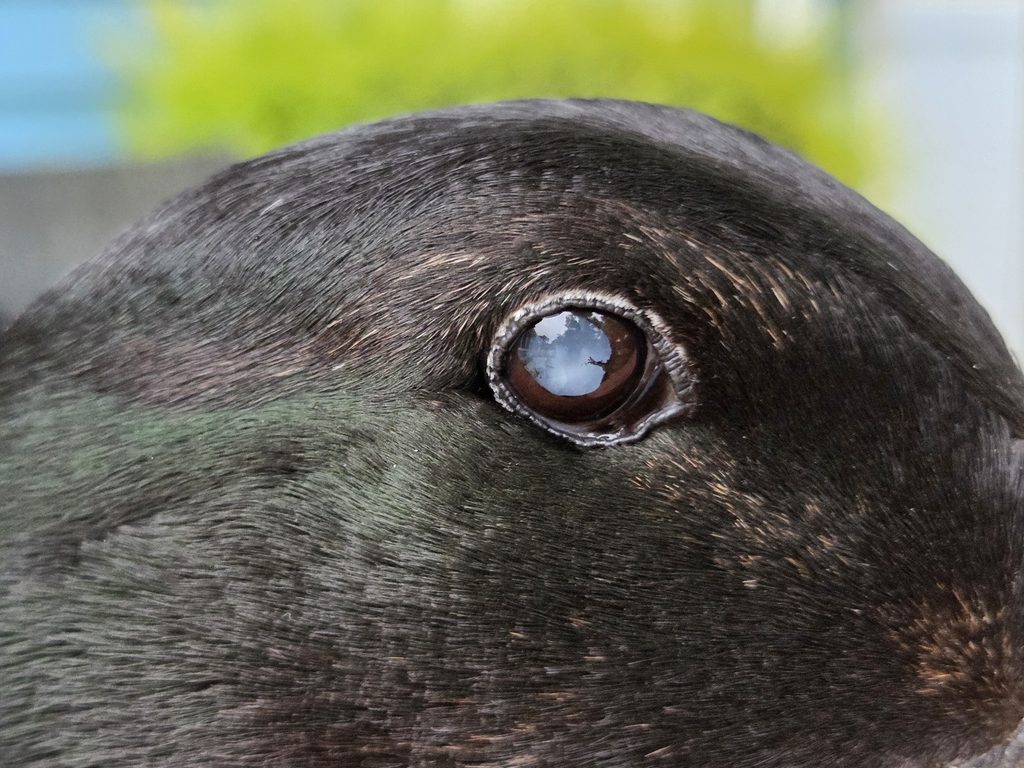
A cataract occurs when the normally transparent lens inside a duck’s eye becomes cloudy. Cataracts interfere with light reaching the retina and can cause partial or complete vision loss in the affected eye. They may develop because of aging, genetics, trauma, inflammation, nutritional problems, or other underlying disease.
A duck with a cataract can often adapt surprisingly well, especially when only one eye is affected. However, any new cloudiness or change in the appearance of an eye deserves attention because cataracts are only one possible cause of an abnormal looking eye.
Common signs: White, gray, or cloudy appearance within the pupil, reduced vision, bumping into objects, hesitation in unfamiliar surroundings, increased startle responses, or difficulty locating food and water.
Learn more: Duck Eye Health: Understanding Cataracts in Ducks and How to Treat Them
Coccidiosis
Coccidiosis is an intestinal disease caused by microscopic protozoan parasites called coccidia. Ducks can be exposed by ingesting infective oocysts from contaminated soil, bedding, water, food, or fecal material. Young birds and ducks living in heavily contaminated environments may be at greater risk of developing clinical disease.
Not every duck carrying coccidia will become visibly sick. Problems are more likely when parasite numbers become high or when a duck is already stressed or otherwise compromised.
Common signs: Diarrhea, abnormal or sometimes bloody droppings, poor appetite, weight loss, weakness, lethargy, poor growth in young ducks, and dehydration.
Learn more: 8 Internal Duck Parasites You Should Be Aware Of
Colibacillosis
Colibacillosis refers to disease caused by pathogenic strains of Escherichia coli, commonly known as E. coli. Although E. coli can normally inhabit the intestinal tract, certain strains can cause serious disease when they invade other tissues or when a duck’s normal defenses are compromised.
Infection can become systemic and affect multiple organs. Young ducks may be particularly vulnerable, but adults can also develop disease, especially when they are stressed, injured, immunocompromised, or dealing with another infection.
Common signs: Lethargy, decreased appetite, poor growth, diarrhea, respiratory signs, weakness, reproductive problems, and sudden death in severe systemic infections.
Learn more: Detailed guide coming soon.
Crop Impaction
Crop impaction occurs when food, fibrous material, or another substance accumulates in the crop and does not move normally through the digestive tract. Ducks naturally investigate their surroundings with their bills, which means they may swallow long grass, string, plastic, bedding, or other materials that can contribute to an obstruction.
A persistently enlarged crop should not automatically be assumed to be an impaction. Normal crop filling varies throughout the day, and abnormal enlargement can have several causes.
Common signs: A crop that remains enlarged or firm, decreased appetite, lethargy, weight loss, abnormal droppings, regurgitation, and reduced activity.
Learn more: Impacted Crop in Ducks: Causes, Symptoms, Treatment, and Prevention
D
Duck Viral Hepatitis
Duck viral hepatitis is a highly contagious viral disease that primarily affects young ducklings. Several viruses can cause forms of the disease, but duck hepatitis A virus is particularly important. The disease can progress extremely rapidly and may cause high mortality in susceptible ducklings, while adult ducks generally do not develop the same severe clinical disease.
Because other illnesses can also cause sudden neurological signs or death in ducklings, laboratory testing may be necessary to determine the actual cause.
Common signs: Sudden weakness, loss of balance, paddling or spasmodic movements of the legs, neurological signs, abnormal positioning of the head and neck, and sudden death.
Important: Sudden illness or multiple deaths among ducklings require prompt veterinary attention.
Learn more: Detailed guide coming soon.
Duck Virus Enteritis
Duck virus enteritis, also known as duck plague, is a highly contagious herpesvirus infection affecting ducks, geese, swans, and other waterfowl. Both domestic and wild waterfowl can be affected, and outbreaks can cause significant illness and sudden mortality.
The virus can spread through direct contact with infected birds and exposure to contaminated environments, particularly water. Birds that survive infection may remain carriers, making disease control especially challenging.
Common signs: Sudden death, severe lethargy, loss of appetite, diarrhea that may contain blood, weakness, dehydration, nasal or eye discharge, and a sudden decrease in egg production.
Important: A sudden cluster of severe illness or unexplained deaths within a flock warrants immediate veterinary investigation.
Learn more: Duck Virus Enteritis: How to Protect Your Flock from This Deadly Duck Disease
Also called: Duck plague.
E
Egg Binding
Egg binding occurs when a female duck is unable to pass an egg normally through her reproductive tract. It can occur for several reasons, including an unusually large or misshapen egg, inadequate calcium, reproductive tract abnormalities, muscle weakness, obesity, or other underlying reproductive problems.
Egg binding can become life-threatening if the egg remains lodged or places pressure on surrounding organs. A duck that appears to be repeatedly straining or suddenly has difficulty standing should therefore be watched very carefully.
Common signs: Repeated straining, tail pumping, spending excessive time in the nest, abdominal swelling, reduced appetite, lethargy, unusual posture, difficulty walking or standing, and decreased or absent egg production.
Important: A duck that is actively straining, deteriorating, or unable to pass an egg needs prompt veterinary evaluation.
Learn more: Breaking Down Egg Binding in Ducks: What Every Duck Keeper Should Know
From our flock: How We Treated Our Egg Bound Duck Penny: Case Study
Egg Yolk Peritonitis and Internal Laying
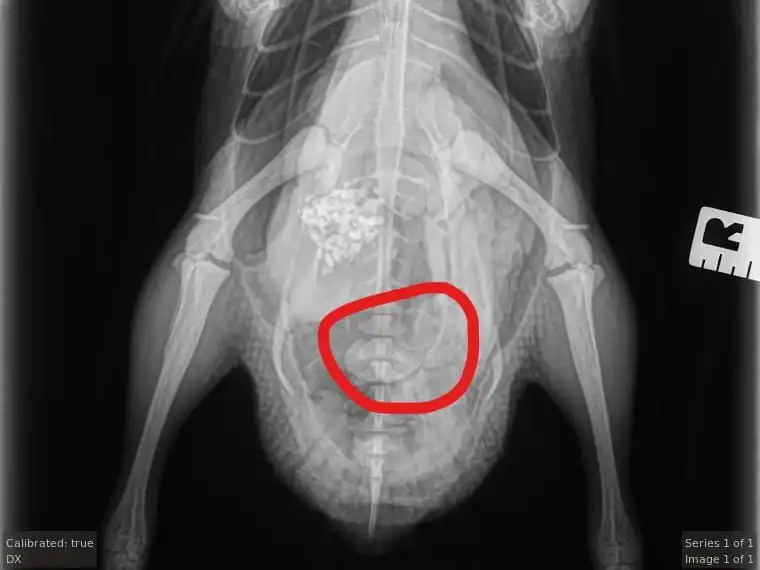
Egg yolk peritonitis develops when yolk material enters the abdominal cavity, or coelom, rather than moving normally through the reproductive tract. The escaped yolk causes inflammation and can provide an excellent environment for bacterial growth, potentially leading to a serious secondary infection.
Internal laying describes abnormal deposition of egg material within the body cavity. The two conditions are closely related and may occur as part of broader reproductive tract disease. Unfortunately, the early signs can be subtle and easily mistaken for a duck simply being tired or slowing down.
Common signs: Abdominal enlargement, a wide or penguin-like stance, difficulty walking, sitting more frequently, reduced appetite, lethargy, abnormal droppings, changes in egg production, and difficulty breathing when abdominal enlargement becomes severe.
Important: Reproductive disease can progress quickly. A duck with abdominal swelling, significant lethargy, breathing difficulty, or a sudden change in egg production should be evaluated by an avian veterinarian.
Learn more: Reproductive Emergencies in Ducks: Egg Yolk Peritonitis and Internal Laying
Related guide: Reproductive Issues in Ducks: What They Are, Why They Happen, and How to Help
External Parasites
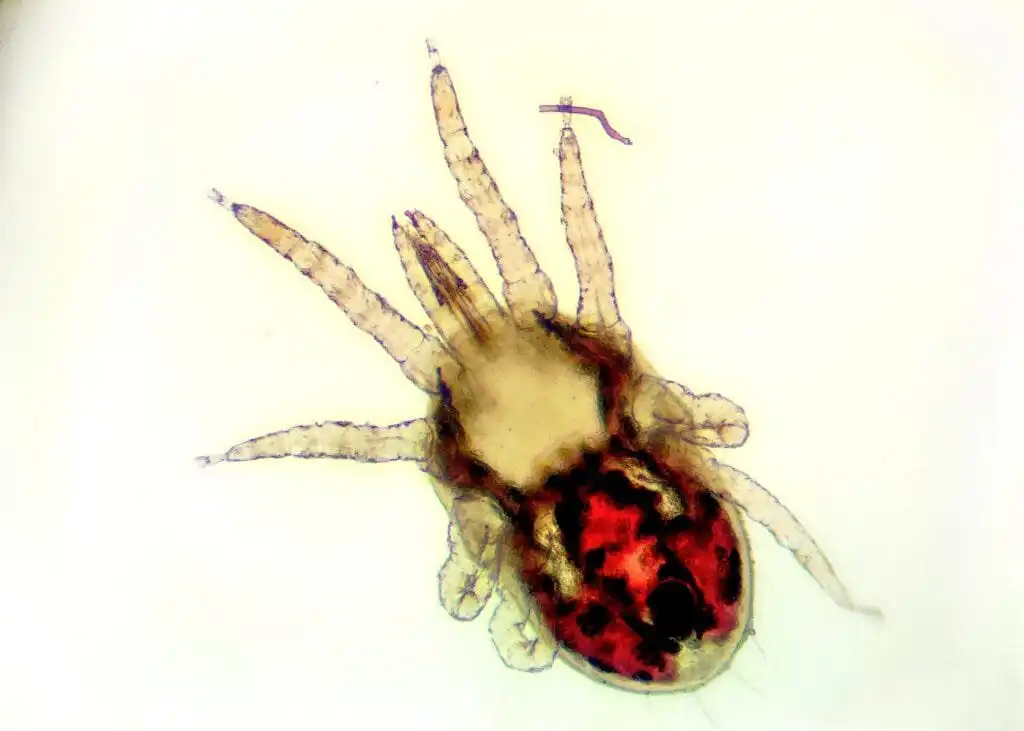
External parasites, or ectoparasites, live on the skin, feathers, or body surface of a duck. These include various species of mites and lice. Ducks tend to experience fewer external parasite problems than chickens because bathing and frequent preening help keep many parasites under control, but infestations can still occur.
The specific signs depend on the parasite involved and the severity of the infestation. Checking the skin beneath the feathers, particularly around the vent and other protected areas, can help identify a problem.
Common signs: Excessive scratching or preening, feather damage, irritated skin, restlessness, visible mites or lice, reduced feather quality, anemia in severe infestations, and decreased overall condition.
Learn more: Common External Duck Parasites: Signs, Treatment, and Prevention Tips
Looking for lice or mites? See External Parasites for a more detailed overview.
F
Fowl Cholera
Fowl cholera is another name for avian cholera, a contagious bacterial disease caused by Pasteurella multocida. Ducks and other waterfowl can develop acute disease, and severe infections may progress rapidly.
Because the disease is already covered under A, we will not duplicate the full entry here.
Common signs: Lethargy, loss of appetite, diarrhea, respiratory signs, weakness, and sudden death.
Learn more: See Avian Cholera under A.
Frostbite
Frostbite occurs when tissues are damaged by exposure to freezing temperatures. Ducks are remarkably well adapted to cold weather, and their specialized circulation helps protect their feet from heat loss. However, prolonged exposure to extreme cold, wet conditions, wind, or inadequate shelter can still result in cold-related injury.
The feet and toes are particularly vulnerable. Frostbitten tissue may initially appear pale or discolored, with the full extent of the damage becoming more apparent over time.
Common signs: Pale, gray, blue, or darkened tissue, swelling, pain, limping, reluctance to walk, damaged toes, and eventually dead or sloughing tissue in severe cases.
Learn more: Detailed guide coming soon.
Related guide: Keeping Ducks in Winter: 7 Proven Tips
G
Gapeworm
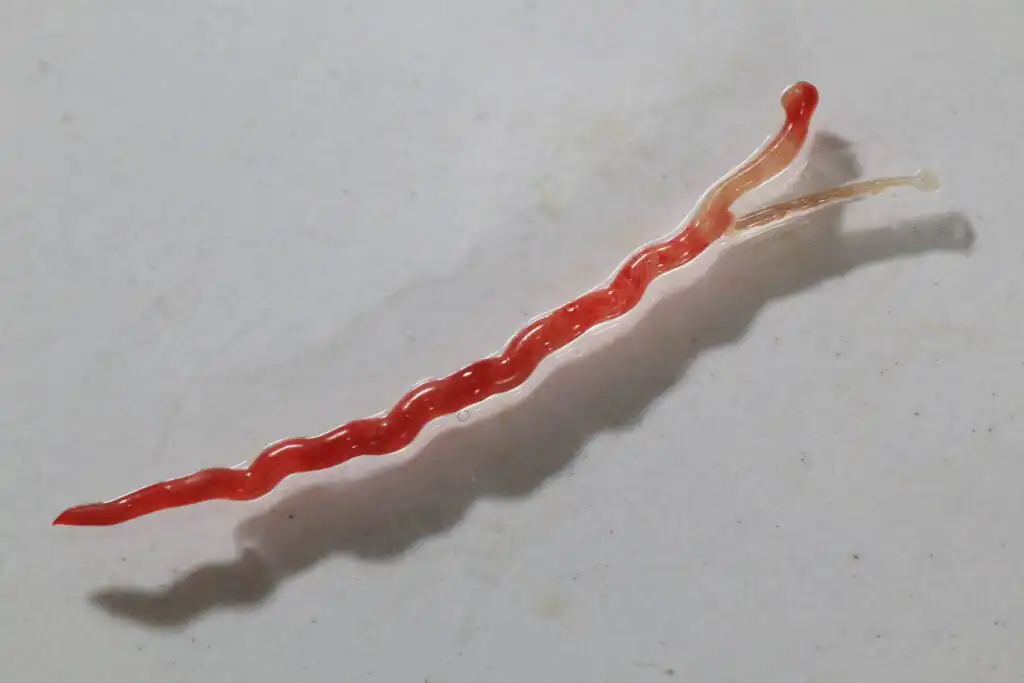
Gapeworms are parasitic roundworms that live in the respiratory tract. The species Syngamus trachea attaches within the trachea, where a heavy parasite burden can interfere with normal breathing. Ducks may become infected by ingesting infective larvae directly or by eating intermediate or transport hosts such as earthworms.
Gapeworm is one possible explanation for coughing, head shaking, or abnormal breathing, but these signs can occur with many other respiratory conditions. They should not be used to diagnose a worm infection without appropriate veterinary testing.
Common signs: Gaping or open-mouth breathing, coughing, head shaking, neck stretching, respiratory difficulty, weakness, and reduced appetite.
Learn more: 8 Internal Duck Parasites You Should Be Aware Of
Related guides: Ducks Coughing: Causes, Symptoms, and Solutions] and [Why Is My Duck Shaking Its Head?
Gout
Gout occurs when uric acid and urate crystals accumulate within a duck’s tissues because the body cannot adequately eliminate them. Birds eliminate nitrogen primarily as uric acid, making healthy kidney function particularly important. Gout may develop secondary to kidney disease, dehydration, certain nutritional imbalances, toxins, or other conditions that impair uric acid excretion.
Two major forms can occur. Articular gout affects the joints, while visceral gout involves urate deposits on internal organs and tissues.
Common signs: Swollen or painful joints, stiffness, limping, reluctance to walk, sitting more frequently, weakness, reduced appetite, weight loss, increased thirst, and changes in droppings. Visceral gout may be much less obvious externally.
Learn more: Detailed guide coming soon.
Related guide: Renal Failure in Ducks: What’s Happening Inside the Body and What You Can and Can’t Do
H
Heat Stress and Heat Exhaustion
Heat stress occurs when a duck has difficulty maintaining a safe body temperature in hot environmental conditions. Ducks regulate heat differently from humans because they cannot sweat. Instead, they rely on behaviors and physiological mechanisms such as panting, seeking shade, drinking, bathing, and increasing heat loss through unfeathered areas of the body.
High temperatures become particularly dangerous when combined with high humidity, direct sun, inadequate ventilation, limited access to water, obesity, illness, or an inability to move into a cooler environment. Severe heat stress can progress to a life-threatening emergency.
Common signs: Panting or open-mouth breathing, holding the wings away from the body, excessive drinking, weakness, reduced activity, loss of coordination, collapse, and severe lethargy.
Important: Collapse, neurological abnormalities, severe weakness, or respiratory distress during hot weather require immediate intervention and veterinary attention.
Learn more: Keeping Ducks Cool During the Hottest Months: Effective Tips to Beat the Heat
Related guide: How Ducks Stay Cool: The Science Behind Heat Regulation in Ducks
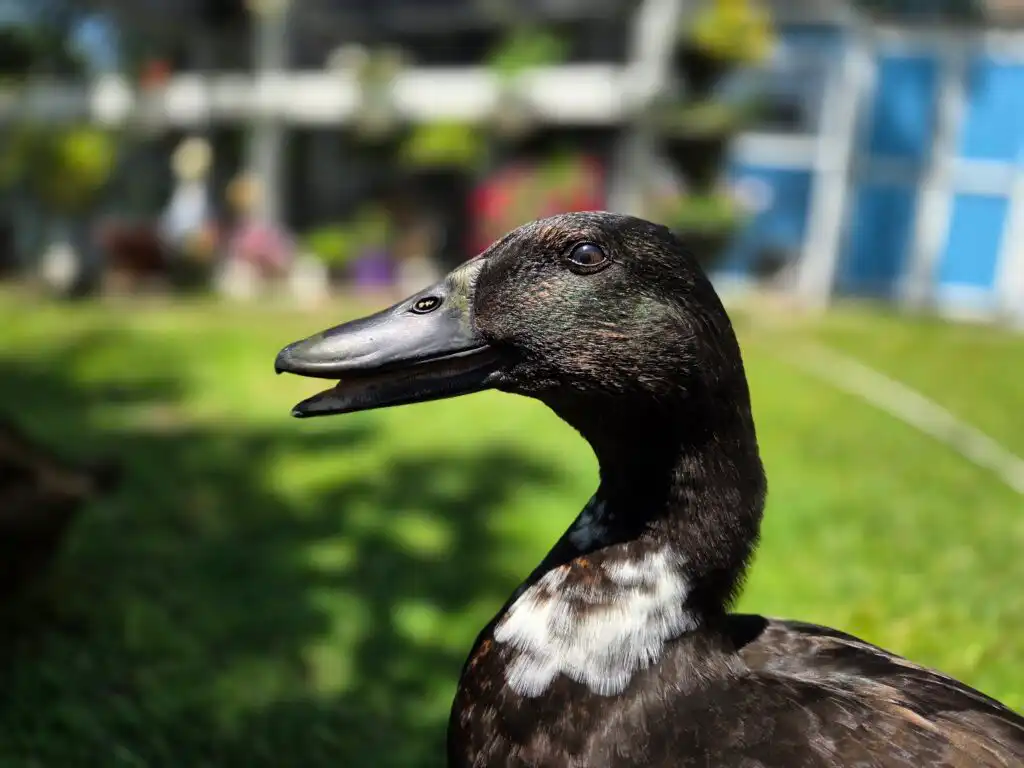
Heavy Metal Poisoning
Heavy metal poisoning occurs when ducks ingest toxic amounts of metals such as lead or zinc. Ducks are particularly vulnerable because they constantly investigate their environment with their bills and may swallow screws, nails, wire, coins, hardware, metal fragments, or other small objects.
Once ingested, some metals can dissolve within the digestive tract and enter the bloodstream, potentially damaging the nervous system, kidneys, gastrointestinal tract, and other organs. Symptoms can be vague, which sometimes makes metal toxicity difficult to recognize without diagnostic imaging and blood testing.
Common signs: Lethargy, weakness, weight loss, decreased appetite, abnormal droppings, excessive thirst, difficulty walking, neurological abnormalities, seizures, and changes in behavior.
Important: Suspected metal poisoning requires veterinary evaluation. Blood testing and radiographs may be necessary to determine whether metal has been ingested and whether toxicity is present.
Learn more: Understanding Metal Poisoning in Ducks: Causes, Symptoms, and Prevention
From our flock: Krümel’s Health Journey
I
Internal Laying
Internal laying occurs when egg material fails to travel normally through the reproductive tract and instead enters the body cavity. Yolk and other reproductive material can accumulate within the coelom, causing inflammation and potentially contributing to secondary infection and egg yolk peritonitis.
Internal laying can be difficult to recognize early because affected ducks may initially show only subtle changes in behavior, activity, appetite, or egg production.
Common signs: Decreased or stopped egg production, abdominal enlargement, a wide or penguin-like stance, difficulty walking, sitting more frequently, reduced appetite, lethargy, abnormal droppings, and breathing difficulty in advanced cases.
Learn more: Reproductive Emergencies in Ducks: Egg Yolk Peritonitis and Internal Laying
Related guide: Reproductive Issues in Ducks: What They Are, Why They Happen, and How to Help
Internal Parasites
Internal parasites, or endoparasites, live inside a duck’s body and include various roundworms, tapeworms, flukes, and protozoan parasites. Ducks naturally encounter parasites through soil, water, insects, earthworms, snails, slugs, and other parts of their environment.
Importantly, finding parasites does not automatically mean a duck is seriously ill. Ducks may tolerate small parasite burdens without obvious disease. Problems occur when parasite numbers become excessive or when a duck’s age, health, immune status, or environment makes it less able to tolerate the infection.
Common signs: Weight loss, poor body condition, diarrhea or abnormal droppings, reduced appetite, lethargy, poor growth, decreased egg production, weakness, and occasionally visible worms or parasite segments in the droppings.
Learn more: 8 Internal Duck Parasites You Should Be Aware Of
Looking for worms, coccidia, or gapeworm? See Internal Parasites for the broader overview.
L
Lead Poisoning
Lead poisoning is a form of heavy metal toxicity that occurs when ducks ingest lead-containing objects or contaminated material. Ducks are particularly vulnerable because they naturally pick up and swallow small objects while foraging. Fishing tackle, old ammunition, paint chips, hardware, and contaminated soil can all potentially contain lead.
Once absorbed, lead can damage the nervous system, gastrointestinal tract, kidneys, and other organs. Even relatively small pieces of lead can cause serious toxicity.
Common signs: Weakness, lethargy, weight loss, decreased appetite, abnormal droppings, excessive thirst, difficulty walking, neurological abnormalities, seizures, and behavioral changes.
Important: Suspected lead poisoning requires veterinary care. Blood testing and radiographs may be needed to confirm exposure and determine whether metal remains within the digestive tract.
Learn more: See Heavy Metal Poisoning under H.
Related guide: Understanding Metal Poisoning in Ducks: Causes, Symptoms, and Prevention

Lice
Lice are external parasites that live among a duck’s feathers and feed on feathers, skin debris, or other material depending on the species. Ducks are generally less prone to severe lice infestations than chickens because regular bathing and preening help control many external parasites, but infestations can still occur.
A few parasites may initially go unnoticed. Heavier infestations can damage feathers, irritate the skin, and interfere with normal comfort and preening.
Common signs: Excessive scratching or preening, damaged or ragged feathers, irritated skin, restlessness, visible insects or eggs attached to feathers, and declining feather condition.
Learn more: See External Parasites under E.
Related guide: Common External Duck Parasites: Signs, Treatment, and Prevention Tips
M
Mites
Mites are tiny external parasites that can infest a duck’s skin and feathers. Different mite species behave differently. Some spend most of their lives on the bird, while others hide within housing, cracks, nest boxes, or bedding and feed on birds periodically.
Heavy infestations can cause considerable irritation and, in the case of blood-feeding mites, potentially contribute to anemia and weakness. Because some mites spend significant time in the environment, examining the duck alone may not reveal the entire problem.
Common signs: Excessive scratching or preening, restlessness, feather damage, irritated skin, visible mites, reluctance to enter an infested sleeping area, weakness, and pale tissues or anemia with severe blood-feeding infestations.
Learn more: See External Parasites under E.
Related guide: Common External Duck Parasites: Signs, Treatment, and Prevention Tips
Mycoplasmosis
Mycoplasmosis refers to disease caused by bacteria in the genus Mycoplasma. These unusual bacteria lack a cell wall and can cause respiratory and other health problems in poultry. Ducks can be infected with several Mycoplasma species, although the clinical significance varies depending on the organism, age of the bird, environmental conditions, and presence of other infections.
Respiratory disease in ducks has many possible causes, so coughing, sneezing, or nasal discharge should not automatically be assumed to be mycoplasmosis. Veterinary diagnostics may be needed to determine the underlying organism.
Common signs: Nasal discharge, sneezing, coughing, noisy breathing, swollen or irritated eyes, reduced activity, poor appetite, and respiratory difficulty.
Learn more: Detailed guide coming soon.
Related guide: Recognizing and Addressing Respiratory Conditions in Ducks
N
Newcastle Disease
Newcastle disease is a contagious viral disease caused by avian orthoavulavirus 1. It affects many species of birds and can produce respiratory, digestive, and neurological disease. Ducks may sometimes show milder signs than other poultry species, but they can still become infected and potentially contribute to transmission.
Disease severity varies considerably depending on the viral strain and the bird involved. The most severe form, virulent Newcastle disease, is particularly important because of its potential to spread rapidly among birds.
Common signs: Respiratory difficulty, coughing or sneezing, diarrhea, weakness, decreased appetite, tremors, twisted neck, loss of coordination, paralysis, reduced egg production, and sudden death.
Important: Virulent Newcastle disease is a reportable animal disease in the United States. Suspected cases require veterinary and animal health authority involvement.
Learn more: Detailed guide coming soon.
Niacin Deficiency
Niacin deficiency is a nutritional disorder that is particularly important in growing ducklings. Ducks require more niacin, or vitamin B3, than chickens, which is one reason feeding ducklings an inappropriate diet can lead to problems.
Niacin is essential for normal metabolism, growth, and nervous system function. Inadequate intake during rapid growth can contribute to weakness and significant leg problems. Prevention through a properly formulated diet is much easier than trying to correct advanced deficiencies.
Common signs: Weak legs, bowed or abnormal leg posture, enlarged hock joints, difficulty walking, reluctance to stand, poor growth, and reduced activity.
Learn more: The Importance of Niacin for Ducks: What Every Duck Keeper Should Know

Nutritional Deficiencies
Nutritional deficiencies occur when a duck does not receive enough of one or more essential nutrients, including vitamins, minerals, amino acids, or other dietary components. Growing ducklings and actively laying females can be particularly vulnerable because their nutritional demands are high.
The symptoms depend entirely on which nutrient is deficient. Poor growth, feather abnormalities, weak bones, reproductive problems, neurological signs, and reduced immune function can all have a nutritional component. However, these signs can also occur with many diseases, so supplementation should not automatically replace investigation of the underlying problem.
Common signs: Poor growth, weight loss, weakness, abnormal feathers, leg or bone problems, reduced egg production, poor shell quality, neurological abnormalities, and decreased overall condition.
Learn more: Essential Nutritional Needs of Ducks: A Complete Overview
Related guides: Supplements for Ducks: What Your Pet Ducks Really Need, Calcium for Ducks: The Essential Guide to Strong Bones and Healthy Eggs, and The Importance of Niacin for Ducks
O
Osteomyelitis
Osteomyelitis is an infection and inflammation of bone. In ducks, bacteria may reach the bone through a deep wound, severe foot infection, trauma, or infection elsewhere in the body. Advanced bumblefoot is one potential route when infection extends from the footpad into deeper tissues and bone.
Bone infections can be difficult to treat and may cause persistent pain and mobility problems. A duck with severe or recurring swelling and lameness should therefore receive veterinary evaluation rather than repeated treatment of the visible skin lesion alone.
Common signs: Persistent or severe limping, swelling, warmth, pain, reluctance to use the affected limb, sitting frequently, chronic wounds, and reduced activity.
Learn more: Detailed guide coming soon.
Related guides: Bumblefoot in Ducks: Symptoms, Causes, and Treatments and Limping Ducks? Understanding Leg Injuries in Ducks and How to Help
P
Parasites
Parasites are organisms that live on or inside a duck and obtain resources from their host. Ducks can encounter parasites naturally through water, soil, insects, wild birds, other poultry, and their surrounding environment.
Parasites can broadly be divided into internal parasites, such as worms and certain protozoa, and external parasites, such as mites and lice. Not every parasite exposure causes disease. The health impact depends on the species involved, parasite burden, age and health of the duck, and environmental conditions.
Common signs: Weight loss, poor body condition, abnormal droppings, reduced appetite, lethargy, excessive scratching or preening, feather damage, weakness, and decreased egg production.
Learn more: See Internal Parasites under I and External Parasites under E.
Pododermatitis
Pododermatitis is inflammation of the footpad and is the medical term commonly used for the condition duck keepers know as bumblefoot.
Because we cover this condition in detail under B, we will not repeat the full entry here.
Common signs: Redness, swelling, thickened skin, footpad lesions or scabs, limping, and reluctance to walk.
Learn more: See Bumblefoot under B.
Prolapsed Phallus
A prolapsed phallus occurs when a drake’s phallus remains outside the cloaca instead of retracting normally after mating. The exposed tissue can rapidly become swollen, dry, traumatized, or damaged, particularly if other ducks peck at it.
This is not something I recommend simply watching to see whether it improves. Early intervention can sometimes preserve the tissue, while severe damage may eventually require surgical treatment.
Common signs: Pink, red, purple, or dark tissue protruding from the cloaca, swelling, bleeding, repeated straining, excessive attention to the cloacal area, and tissue that remains exposed.
Important: A phallus that remains prolapsed should be evaluated promptly by an avian veterinarian. Keep the exposed tissue moist and protect the drake from further trauma while arranging veterinary care.
Learn more: Prolapsed Phallus (Penis) in Pet Ducks
From our flock: How We Treated the Prolapsed Penis of Our Pet Duck
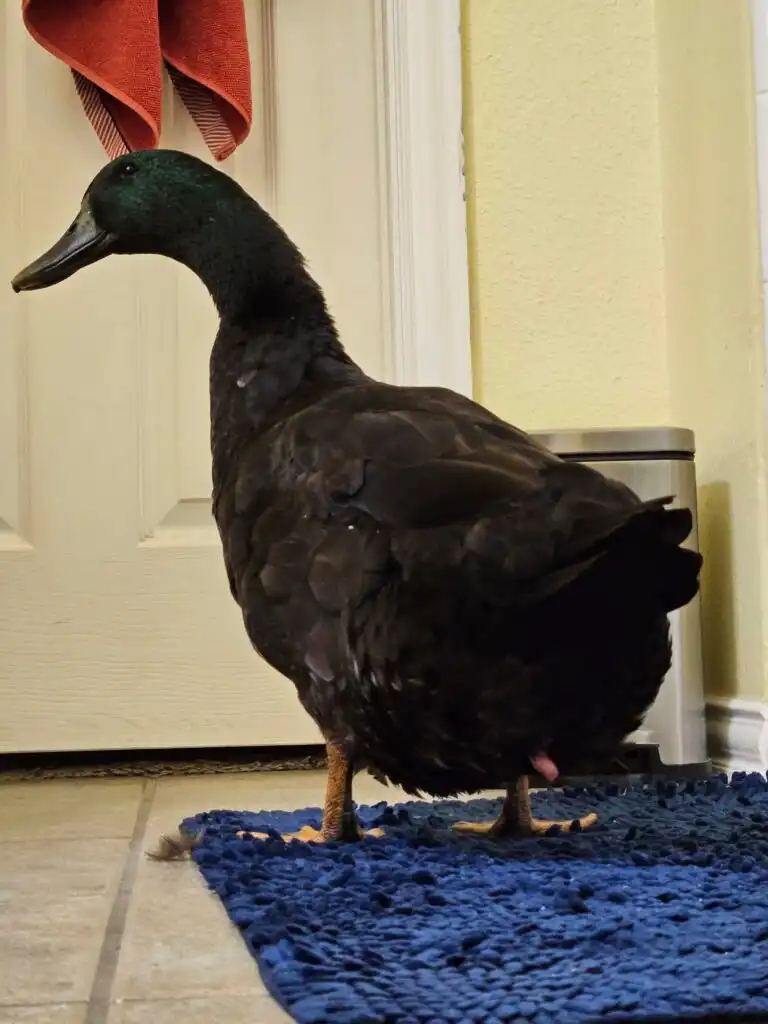
Prolapsed Vent
A prolapsed vent, more accurately called a cloacal prolapse, occurs when tissue from the cloaca or reproductive tract protrudes through the vent. In female ducks, prolapse may be associated with egg laying, straining, oversized eggs, reproductive disease, or other conditions that place excessive pressure on the reproductive tract.
Exposed tissue is vulnerable to drying, trauma, contamination, and pecking from flock mates, so a prolapse can become significantly worse in a short period of time.
Common signs: Pink or red tissue protruding from the vent, swelling, bleeding, straining, abnormal posture, difficulty passing an egg or droppings, and other ducks showing excessive interest in the affected area.
Important: Separate the affected duck from flock mates, protect the exposed tissue from drying and trauma, and seek veterinary care promptly.
Learn more: Prolapsed Vent in Ducks: Causes, Treatment, and Prevention
From our flock: Emma’s Prolapse Recovery Journey
R
Renal Failure and Kidney Disease
Renal failure, or kidney failure, occurs when a duck’s kidneys can no longer adequately perform their normal functions, including eliminating metabolic waste, maintaining fluid and electrolyte balance, and regulating important physiological processes. Kidney dysfunction may develop acutely or progress gradually as chronic disease.
Potential causes include toxins, dehydration, infections, nutritional problems, age-related changes, and other underlying diseases. Unfortunately, early kidney disease can be difficult to recognize because the initial symptoms are often nonspecific.
Common signs: Increased thirst, changes in urine or droppings, reduced appetite, weight loss, weakness, lethargy, dehydration, and declining overall condition. Advanced kidney dysfunction may also contribute to gout.
Important: Kidney disease cannot be diagnosed from symptoms alone. Bloodwork, imaging, and other veterinary diagnostics may be necessary to evaluate kidney function and identify the underlying cause.
Learn more: Failure in Ducks: What’s Happening Inside the Body and What You Can and Can’t Do
Reproductive Disorders
Reproductive disorders are unfortunately common health concerns in female pet ducks, particularly breeds selected for frequent egg production. Problems can involve the ovary, oviduct, uterus, or shell gland, cloaca, or the movement of egg material through the reproductive tract.
This broad category includes conditions such as egg binding, internal laying, egg yolk peritonitis, salpingitis, prolapse, abnormal eggs, and reproductive tract disease. Because several of these conditions produce similar symptoms, determining exactly what is happening often requires veterinary examination and diagnostic imaging.
Common signs: Changes or cessation of egg laying, soft or abnormal eggs, abdominal enlargement, repeated straining, unusual posture, sitting more frequently, difficulty walking, reduced appetite, lethargy, and changes in droppings.
Learn more: Reproductive Issues in Ducks: What They Are, Why They Happen, and How to Help
Related guides: See Egg Binding, Egg Yolk Peritonitis and Internal Laying, and Prolapsed Vent.
Respiratory Disease
Respiratory disease is a broad term covering conditions that affect a duck’s nasal passages, trachea, lungs, air sacs, and other parts of the respiratory system. Causes can include bacterial, fungal, viral, and parasitic infections as well as environmental irritants and other health problems.
Respiratory symptoms deserve attention because ducks have a highly specialized respiratory system, and significant breathing difficulty can become an emergency. Importantly, coughing or open-mouth breathing does not tell us which disease is responsible.
Common signs: Coughing, sneezing, nasal discharge, noisy breathing, open-mouth breathing, increased respiratory effort, tail bobbing, head shaking, lethargy, and decreased appetite.
Important: Labored breathing, persistent open-mouth breathing, blue or unusually pale tissues, or severe respiratory distress require urgent veterinary care.
Learn more: Recognizing and Addressing Respiratory Conditions in Ducks
Related guides: Ducks Coughing: Causes, Symptoms, and Solutions, Aspergillosis in Ducks, and Why Is My Duck Shaking Its Head?
Riemerella anatipestifer Infection
Riemerella anatipestifer is a bacterial pathogen capable of causing serious systemic disease in ducks, particularly young birds. The infection has historically been known by several names, including new duck disease and infectious serositis.
The disease can spread through a flock and may affect multiple organ systems. Young ducklings are particularly susceptible, and severe outbreaks can cause significant mortality.
Common signs: Lethargy, decreased appetite, nasal or eye discharge, coughing, diarrhea, difficulty walking, loss of coordination, tremors, abnormal head or neck position, and sudden death.
Important: Because the symptoms overlap with several other serious infectious diseases, diagnosis requires veterinary evaluation and appropriate laboratory testing.
Learn more: Detailed guide coming soon.
S
Salpingitis
Salpingitis is inflammation of the oviduct, the reproductive structure through which an egg travels before being laid. It is often associated with bacterial infection, although reproductive dysfunction and other underlying problems may also contribute.
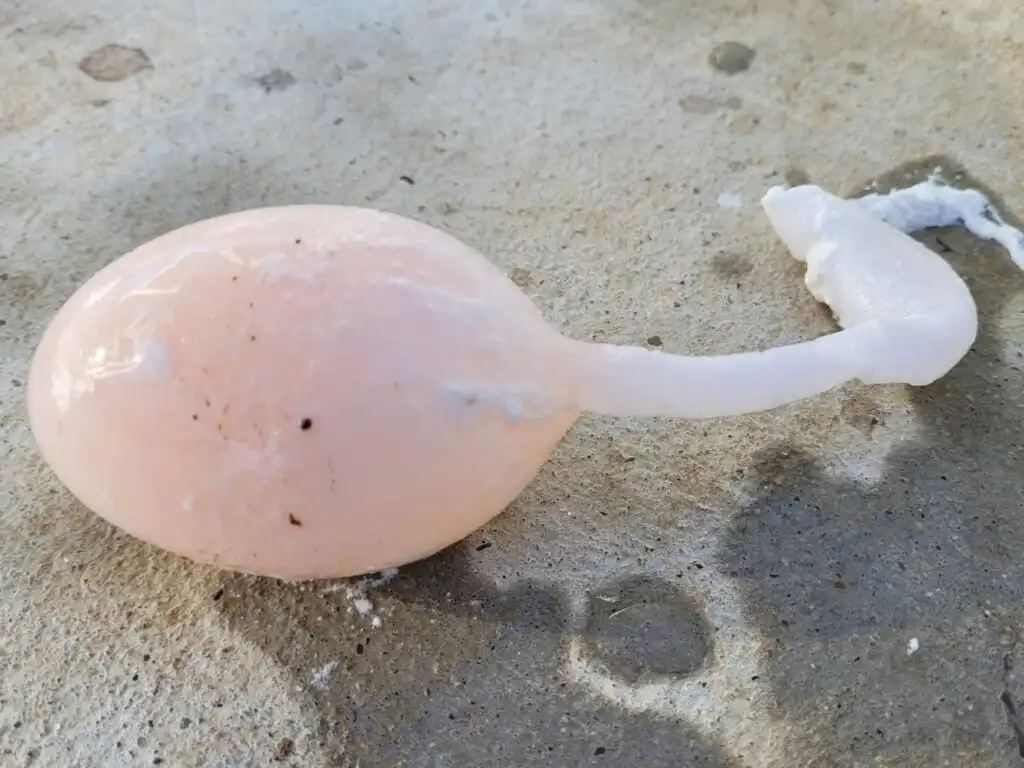
Inflammatory material can accumulate within the reproductive tract and may interfere with normal egg production. In some birds, this material can form firm masses sometimes described as “lash eggs,” although these are not true eggs.
Common signs: Decreased or stopped egg production, abnormal eggs or reproductive material, abdominal enlargement, reduced appetite, lethargy, sitting more frequently, difficulty walking, and abnormal discharge from the vent.
Important: Salpingitis cannot reliably be diagnosed from the appearance of an abnormal egg or discharge alone. Veterinary examination and imaging may be necessary to determine what is happening within the reproductive tract.
Learn more: Reproductive Issues in Ducks: What They Are, Why They Happen, and How to Help
Screwworm and Myiasis
Myiasis occurs when fly larvae, commonly called maggots, infest the living tissue of an animal. New World screwworm, caused by Cochliomyia hominivorax, is an especially serious form because the larvae feed on living tissue rather than simply consuming decaying organic material.
Flies are attracted to wounds, irritated skin, soiled feathers, and other moist areas. Once larvae are present, tissue damage can progress rapidly. Any maggot infestation on a living duck should therefore be taken seriously.
Common signs: Visible larvae in or around a wound, rapidly worsening tissue damage, foul odor, excessive attention to an affected area, lethargy, reduced appetite, weakness, and unexplained wounds that appear to be enlarging.
Important: Myiasis requires prompt intervention. New World screwworm is also a reportable animal disease in the United States.
Learn more: Screwworm Risk in Texas: Why Duck Owners Should Be Paying Attention
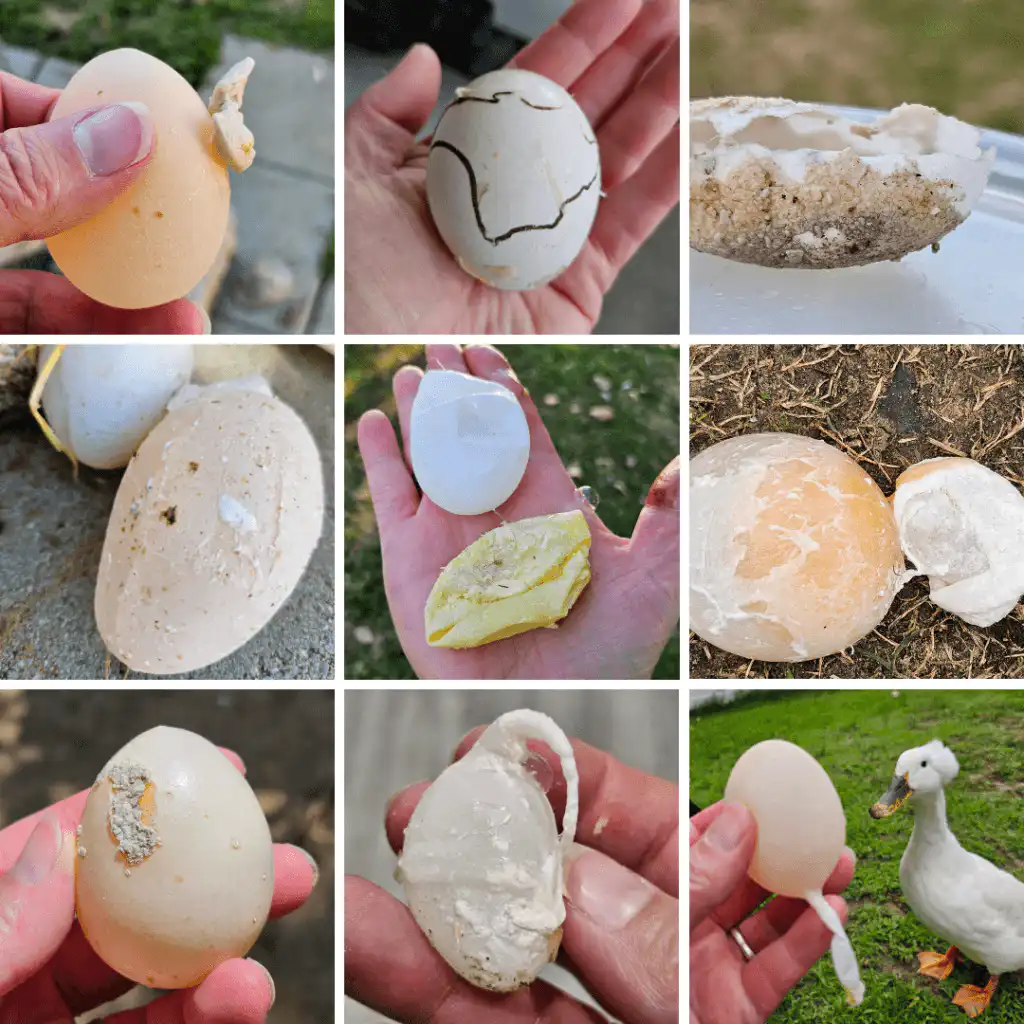
Soft-Shelled Eggs
Soft-shelled eggs have an incompletely mineralized shell or, in some cases, little more than the flexible shell membranes surrounding the egg contents. An occasional abnormal egg does not necessarily indicate serious disease, especially in young ducks beginning to lay or older ducks approaching the end of their reproductive years.
Repeated soft-shelled eggs, however, can be associated with inadequate calcium, nutritional imbalance, stress, reproductive tract problems, illness, or problems with normal shell formation.
Common signs: Soft, rubbery, thin-shelled, misshapen, or shell-less eggs, changes in egg production, and occasionally straining or difficulty passing abnormal eggs.
Learn more: Soft-Shelled Eggs in Ducks: Everything You Need to Know
Related guide: Calcium for Ducks: The Essential Guide to Strong Bones and Healthy Eggs
Sour Crop
Sour crop is a commonly used term for abnormal fermentation and delayed emptying of material within the crop. It is not a single specific disease and may occur secondary to candidiasis, crop motility problems, obstruction, or other underlying digestive disorders.
A crop that remains enlarged should therefore not automatically be diagnosed as sour crop. Identifying why the crop is not emptying normally is much more important than simply treating the symptom.
Common signs: Persistently enlarged or squishy crop, sour or abnormal odor from the mouth, regurgitation, reduced appetite, lethargy, weight loss, and abnormal crop emptying.
Learn more: Detailed guide coming soon.
Related guide: See Candidiasis and Crop Impaction under C.
T
Torticollis
Torticollis describes an abnormal twisting or positioning of the neck and is commonly referred to as wry neck. It is a clinical sign rather than a single disease and can result from nutritional deficiencies, trauma, toxins, infections, neurological disease, or other underlying problems.
Because the possible causes range from relatively correctable nutritional issues to serious neurological disease, determining the cause is much more important than treating “wry neck” as a diagnosis by itself.
Common signs: Twisted or tilted neck, abnormal head position, loss of balance, difficulty walking, circling, inability to eat or drink normally, and other neurological abnormalities.
Learn more: See Wry Neck under W.
Toxicosis and Poisoning
Toxicosis simply means illness caused by exposure to a toxic substance. Ducks can encounter toxins through contaminated food or water, plants, pesticides, medications, household chemicals, mold toxins, and metals such as lead or zinc.
Because many toxins initially cause vague symptoms, poisoning can sometimes resemble infection, neurological disease, or digestive illness. What a duck had access to before becoming sick can therefore provide an important diagnostic clue.
Common signs: Sudden lethargy, weakness, vomiting or regurgitation, diarrhea, loss of appetite, excessive thirst, difficulty walking, tremors, seizures, other neurological abnormalities, and sudden death.
Important: If poisoning is suspected, remove access to the possible toxin and contact a veterinarian promptly. Bring packaging, photographs, plant samples, or other information about the suspected substance when possible.
Learn more: Understanding Metal Poisoning in Ducks: Causes, Symptoms, and Prevention
Related guide: Toxic Plants for Ducks: What You Need to Know

W
Wet Feather
Wet feather is a condition in which a duck’s plumage loses its normal ability to repel water effectively. Instead of water beading and rolling off the outer feathers, moisture penetrates deeper into the plumage and can reach the insulating down beneath.
Wet feather is not simply caused by a duck “forgetting” to use its preen gland. Poor feather condition, inadequate bathing opportunities, dirty water, illness, parasites, damage to the feathers, and impaired preening can all contribute.
Common signs: Feathers that appear waterlogged or soaked after swimming, poor feather condition, clumped feathers, loss of normal water repellency, excessive preening, reluctance to swim, and difficulty staying warm when wet.
Learn more: Why Wet Feather in Ducks Happens and How to Fix It
Worms
Worms are internal parasites that can live within a duck’s digestive system, respiratory tract, or other tissues. Ducks may encounter parasitic worms through contaminated soil and water or by eating intermediate hosts such as insects, earthworms, snails, and slugs.
Not every duck carrying worms will become sick. The impact depends on the parasite species, number of parasites present, and the duck’s overall health.
Common signs: Weight loss, poor body condition, abnormal droppings, reduced appetite, lethargy, weakness, poor growth, decreased egg production, and parasite-specific symptoms such as respiratory signs with gapeworm.
Learn more: See Internal Parasites under I.
Related guide: 8 Internal Duck Parasites You Should Be Aware Of
Wry Neck
Wry neck, also called torticollis, describes an abnormal twisting, tilting, or positioning of a duck’s head and neck. Importantly, wry neck is a symptom rather than a disease itself.
Potential causes include nutritional deficiencies, toxins, trauma, infection, neurological disease, and other underlying disorders. A duck with severe wry neck may struggle to walk, eat, drink, or maintain normal balance.
Common signs: Tilted or twisted neck, abnormal head position, circling, loss of balance, difficulty walking, inability to eat or drink normally, and other neurological abnormalities.
Learn more: Wry Neck in Ducks
Related guide: Neurological Disorders in Ducks: Why They Happen and How to Prevent Them
Z
Zinc Poisoning
Zinc poisoning is a form of heavy metal toxicity that can occur when a duck ingests zinc-containing metal objects or repeatedly mouths or consumes material that releases excessive amounts of zinc. Galvanized hardware and other zinc-containing objects can become potential sources depending on their condition and accessibility.
Once enough zinc is absorbed, it can cause gastrointestinal problems and damage multiple organ systems. Symptoms may initially be frustratingly nonspecific, which is one reason a history of what the duck could have swallowed is so important.
Common signs: Reduced appetite, weight loss, lethargy, weakness, excessive thirst, abnormal droppings, regurgitation, difficulty walking, neurological abnormalities, and declining overall condition.
Important: Suspected zinc toxicity requires veterinary diagnosis and treatment. Blood testing and diagnostic imaging may be necessary to identify toxicity and determine whether metal remains within the digestive tract.
Learn more: See Heavy Metal Poisoning under H.
Related guide: Understanding Metal Poisoning in Ducks: Causes, Symptoms, and Prevention
From our flock: Krümel’s Health Journey

Know Your Duck, Trust the Changes You See
Reading through a list of duck diseases and illnesses can feel a little overwhelming. Thankfully, knowing about these conditions does not mean you need to become your duck’s veterinarian or memorize every possible diagnosis.
What matters most is learning what normal looks like for your ducks.
You know who races to the food bowl first. You know who spends half the afternoon splashing in the pool, who prefers to nap in the shade, and who announces very loudly when dinner is five minutes late. Those everyday observations establish a baseline. When something changes, you are much more likely to notice it early.
That is especially important with ducks because many illnesses begin with frustratingly nonspecific signs. Sitting more, eating less, losing weight, separating from the flock, changing posture, or simply seeming off may be the first indication that something is wrong.
This A to Z guide is meant to help you take that next step. Use it to familiarize yourself with common and important duck health problems, recognize warning signs, and find our more detailed resources when you need them. But remember that even a long list of symptoms cannot replace a physical examination, diagnostic testing, or the expertise of a duck-savvy veterinarian.
Need a duck-savvy veterinarian? Use the Association of Avian Veterinarians Find a Vet directory.
And please do not feel that you need to wait until you know what is wrong before asking for help. Sometimes, “My duck isn’t acting like herself” is enough reason to start paying very close attention.

Your Next Step
Bookmark this guide so you can return to it when you need it, but do not wait for illness to learn your duck’s normal. Regular health checks, monthly weight monitoring, good nutrition, clean water, appropriate housing, and close observation give you something even more valuable than a list of diseases: the ability to recognize when your duck’s normal begins to change.
And if something does change, investigate early. With ducks, catching a problem sooner rather than later can make all the difference.
Further Reading & Resources
- 31 Must-have Items for Your Pet Duck First Aid Kit
- How to Conduct a Duck Health Check: A Comprehensive Guide
- Safely Medicating Ducks: A Guide for Pet Duck Owners
- Emergency Care for Ducks After a Predator Attack: First Aid, Treatment, and When to See a Vet
- Finding a Duck-Savvy Vet: Tips for Pet Duck Owners
- Duck Diagnostic Chart: Vital Signs, Tests, and What Your Duck’s Poop Is Telling You
- 4 Essential Duck Books Every Duck Owner Should Have
Deepen your understanding of avian wellness. Explore the full Duck Health & Anatomy Library for more specialized care guides.
References