Duck Care Myths: Advice That Sounds Right… But Isn’t

To keep our research-backed guides free, this site uses ads and affiliate links (earning a small commission at no cost to you). Everything here is created by a duck mom and PhD scientist, combining academic rigor with hands-on experience to provide practical, trustworthy advice for duck keepers everywhere. 🦆 Learn more
Someone notices your duck limping and says, “Just give her a few days. Ducks are hardy.” Another person recommends a remedy their family has used for generations. A third shares instructions that worked beautifully for their chickens.
Everyone means well. But duck care advice can sound convincing and still be wrong for the pet duck standing in front of you.
Some old farm wisdom was shaped by the needs of large flocks, where caring for each bird individually was not always possible. Chicken keeping advice is easier to find than duck specific guidance, but the two birds do not have identical needs. And a home remedy that seems harmless can delay help when a duck is sick.
I have learned to ask a simple question before following a confident recommendation: Who was this advice meant for? Was it meant for a chicken, a commercial flock, a growing duckling, or a duck like Emma or Krümel, whose usual habits I know well enough to notice when something changes?
In this guide, we’ll look at common duck care myths that deserve a second look. I’ll explain what may be missing from it and how to make a safer, more informed choice for your own flock. Because “we’ve always done it this way” is a starting point for a conversation, not the end of one.
Part of the Beginner’s Handbook, Essential foundational data for new duck parents.
Quick Navigation: Jump to a Section
[hide]
- Old Farm Wisdom Deserves a Closer Look
- Chickens and Ducks Are Not Interchangeable
- Home Remedies Are Not a Diagnosis
- “Let the Ducks Work It Out”
- Water and Housing Shortcuts That Miss the Point
- Why Production Flock Advice May Not Fit Pet Ducks
- Five Questions I Ask Before Following Duck Care Advice
- Frequently Asked Questions About Duck Care Advice
- Good Advice Should Fit the Duck in Front of You
- Further Reading & Resources
Old Farm Wisdom Deserves a Closer Look
I have a lot of respect for people who have cared for ducks for generations. Their experience can teach us plenty. But we also need to ask what their advice was designed to accomplish.
On some farms, ducks are kept primarily for eggs, meat, or breeding. If a bird becomes seriously ill, treatment may cost more than that bird’s production value. A farmer may choose to cull rather than pay for veterinary care. An unwanted or aggressive drake may be handled the same way. Those decisions reflect the realities and goals of that farm, but they do not automatically make good advice for someone caring for a pet duck.
I do not look at Simon and see a replaceable drake. I see Simon, with his own history, personality, and relationships within our flock. When he causes problems, my question is how to keep everyone safe and manage the situation responsibly. When one of my ducks is sick, I want to find out what is wrong and what care is possible.
That is why advice such as “ducks are hardy,” “wait and see,” or “just get rid of the drake” deserves a closer look. Before following old farm wisdom, ask what outcome it was meant to achieve and whether that outcome matches the life you want for your ducks.
| Advice that sounds familiar | The question I ask instead |
|---|---|
| “Ducks are hardy. She’ll be fine.” | What has changed for this duck, and does she need a health check or veterinary care? |
| “If she’s eating, she isn’t sick.” | How is she moving, breathing, behaving, and maintaining her weight? |
| “They can find their own food.” | Is foraging actually meeting their nutritional needs throughout the year? |
| “We’ve always fed ducks bread.” | Is this treat taking the place of a balanced diet? |
| “Just get rid of the drake.” | What is causing the problem, and can I manage it while keeping the flock safe? |
“Ducks are hardy. She’ll be fine.”
Ducks can be remarkably resilient. That does not mean every change should be dismissed.
If Emma stayed behind while the rest of the flock hurried out for breakfast, I would notice. Even if she accepted a treat, I would watch how she walked, check her feet, and look for other changes. I might weigh her and compare that number with her usual weight. Knowing what is normal for an individual duck helps us recognize when something is wrong.
Farm advice to “give her a few days” may come from a setting where close observation or veterinary care was never part of the routine. In a pet flock, we have the opportunity to act sooner. A duck who cannot stand, has trouble breathing, has an injury, or is rapidly getting worse needs prompt veterinary attention.
“If she’s eating, she isn’t sick.”
I am relieved when one of my ducks still wants a snack, but I do not use appetite as a clean bill of health. A duck can eat and still be limping, losing weight, struggling to lay an egg, or withdrawing from her flock.
Instead, I look at the whole duck. How does she hold herself? Is she keeping up with everyone else? Are her droppings, breathing, and movements typical for her? One reassuring sign should not outweigh several concerning ones.
“They can find their own food.”
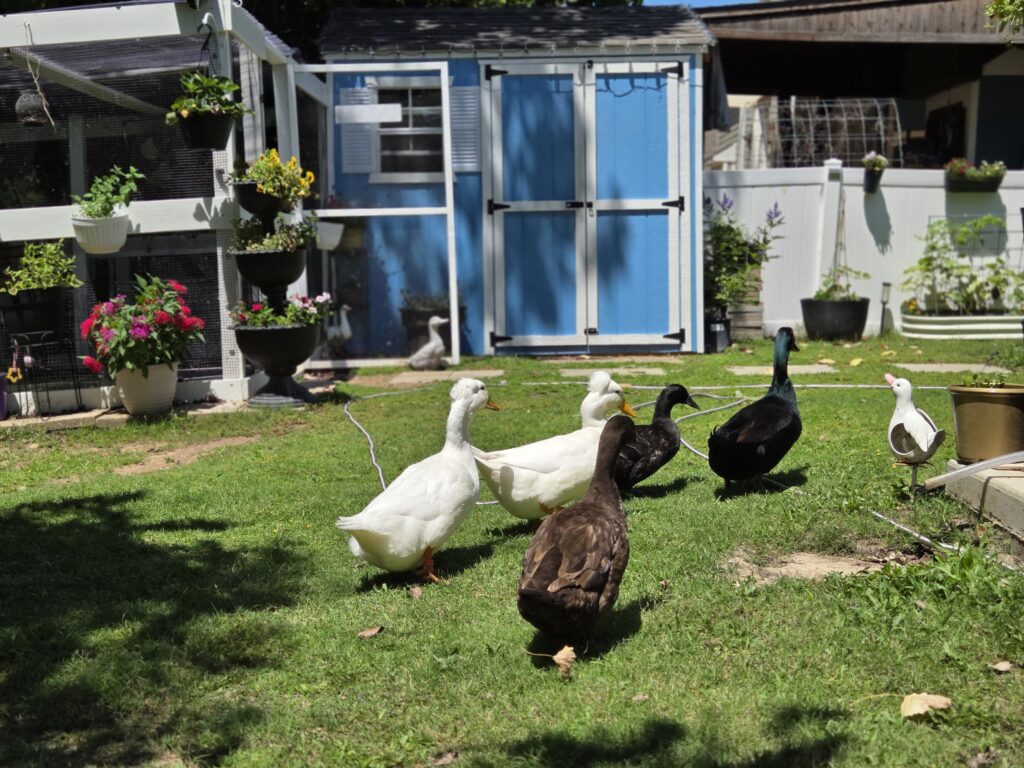
Watching my ducks forage is one of my favorite parts of the day. They search for insects, investigate the grass, and seem convinced every muddy spot holds a treasure. Foraging gives them exercise and enrichment, but what they find changes with the season and the space available.
For pet ducks, I treat foraging as a bonus to an appropriate, balanced feed. I do not leave their nutrition up to whatever happens to be growing or crawling in our yard. The Cornell Duck Research Lab notes that ducks relying heavily on foraged food may grow slowly and lay fewer eggs without adequate supplemental feed.
Bread fits here too. “We always gave the ducks bread, and they ate it” tells us that ducks will eat bread. It does not tell us whether they received the nutrients they needed. An occasional small treat is very different from filling hungry ducks with bread instead of suitable feed.
“Just get rid of the drake.”
Drakes can present real management challenges. Repeated mating, injuries, or aggression toward flockmates cannot be brushed aside. But advice to cull a drake may come from a farm where keeping him serves no purpose once he becomes difficult to manage.
For those of us who keep ducks as companions, there are other questions to explore first. Does the flock need a different arrangement? Does someone need a separate space, more supervision, or a change during breeding season? We still have to protect the ducks being hurt. Caring about the drake does not mean asking the hens to endure injury.
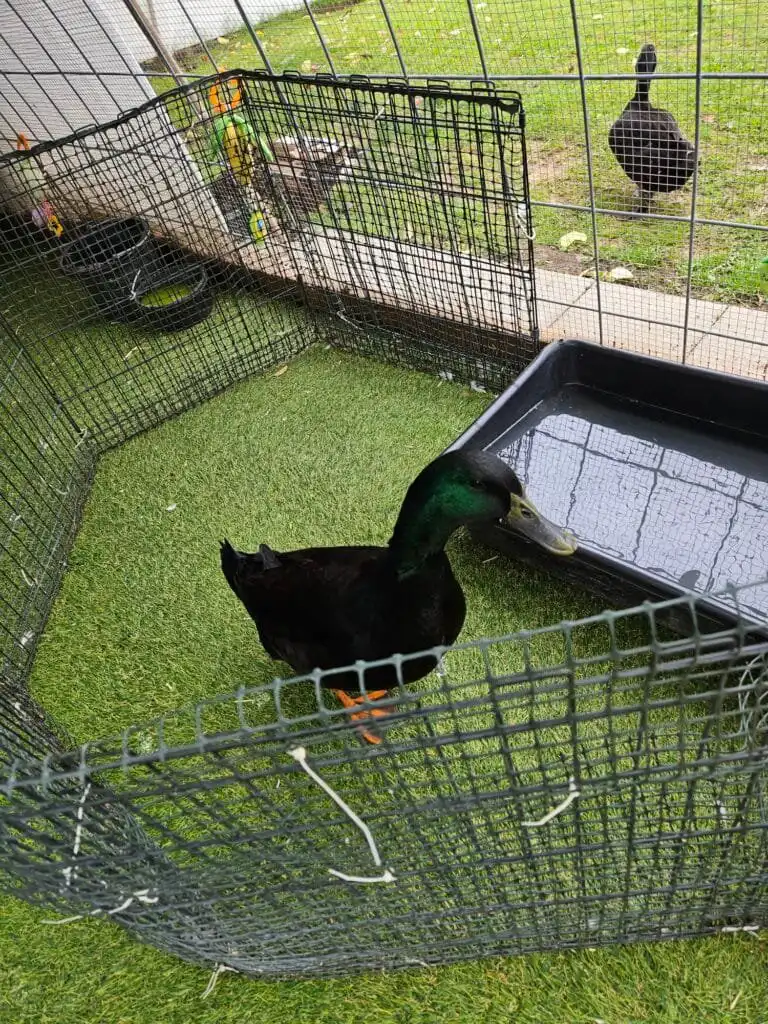
The point is not that every piece of farm wisdom is wrong. It is that its goals may be different from ours. When advice sounds simple, I pause and ask whether it accounts for the individual duck I am trying to care for.
Chickens and Ducks Are Not Interchangeable
Walk into a feed store, and you will probably find far more products for chickens than for ducks. Search for backyard poultry advice, and the same thing happens. It is easy to take a tip written for chickens and assume it applies to ducks too.
Some advice does carry over. Both birds need balanced nutrition, clean housing, and protection from predators. But as I explain in my Ducks vs Chickens guide, their bodies and behaviors differ in ways that change how we feed, house, and protect them.
| Chicken advice that sounds reasonable | What it misses for ducks |
|---|---|
| “Chick starter is fine for all baby poultry.” | Ducklings have different nutritional needs, particularly for niacin. The specific feed matters. |
| “Keep the water away from the feed to reduce mess.” | Ducks need access to drinking water when they eat and use water to rinse their bills and nostrils. |
| “A good chicken coop will make a good duck house.” | Ducks sleep on the ground and need stable footing. Roost bars and steep ramps do not suit them. |
| “Give the whole flock layer feed.” | A laying female, a drake, and a duckling do not all need the same amount of calcium. |
| “A drake is basically a rooster.” | Drake mating anatomy and behavior create different risks, especially if a drake has access to chicken hens. |
“Just use chick starter.”
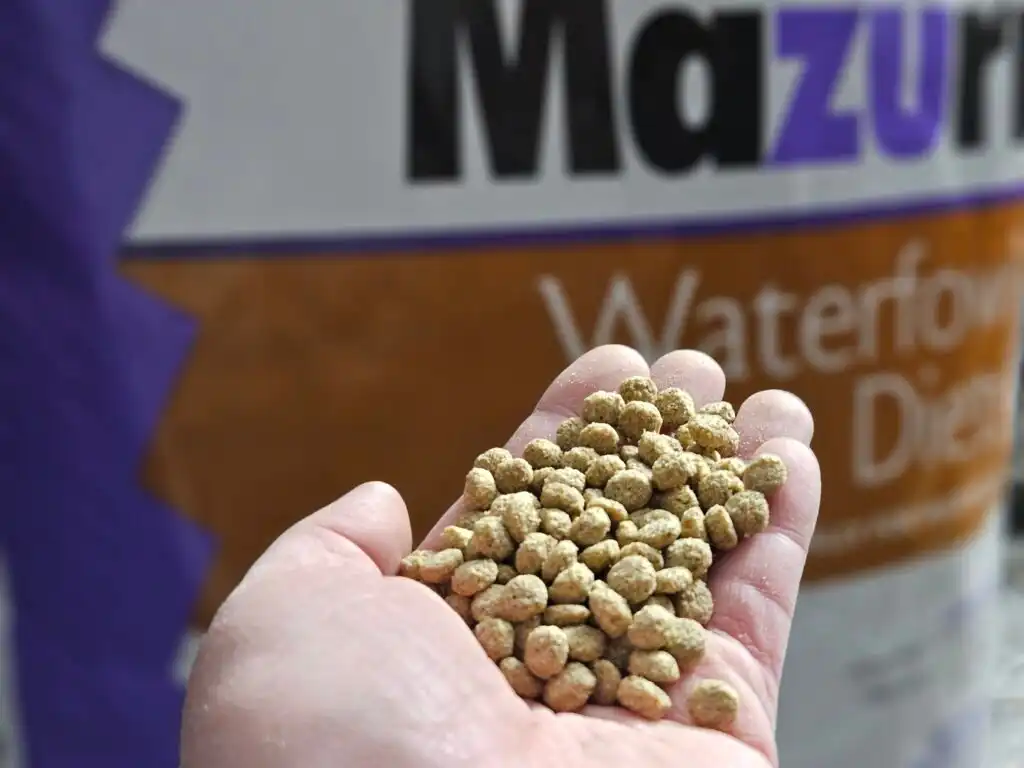
Chicken feed is not automatically wrong for ducks. I look at the formulation and the age of the bird, not just the animal pictured on the bag. Ducks and chickens need many of the same nutrients, but not always in the same amounts, as the Cornell Duck Research Lab explains.
For ducklings, niacin deserves particular attention. A chick starter may not provide enough for their needs. If duckling or waterfowl starter is unavailable, check the feed and get guidance on appropriate supplementation instead of assuming any chick starter will do. The Open Sanctuary Project’s duckling care guide explains the concern in more detail.
Layer feed raises a different question. It is intended for birds actively producing eggs. Before making it the only feed in a shared enclosure, consider who else is eating it, especially drakes and growing ducklings.
“Keep their water away from the food.”
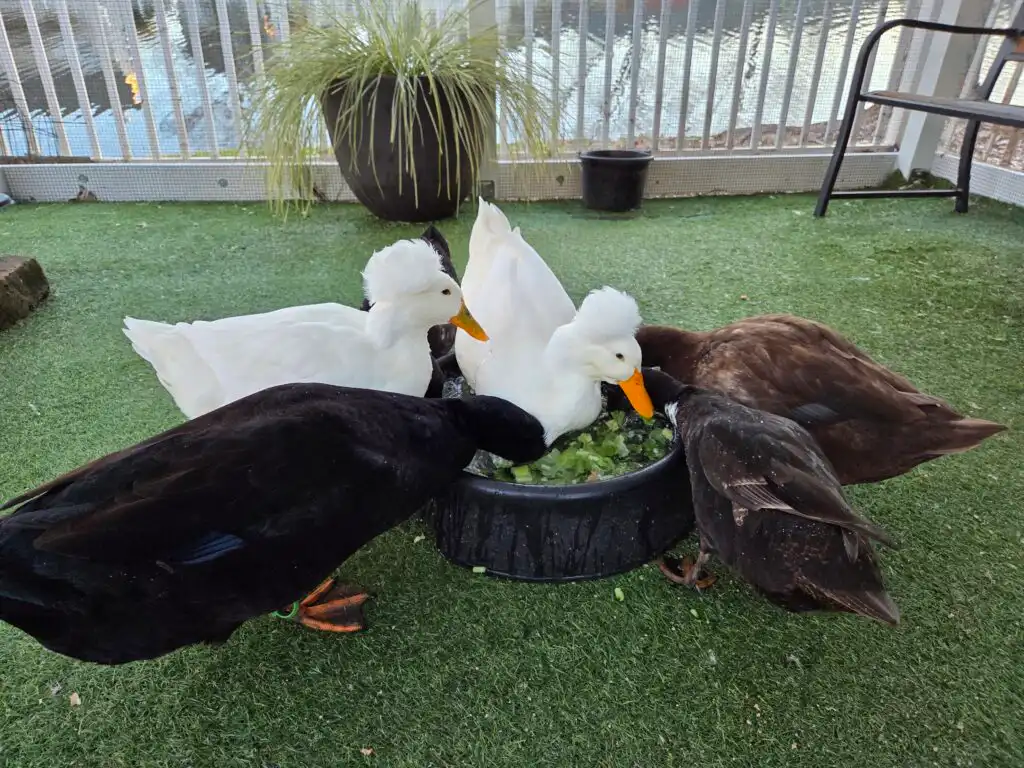
Ducks are messy eaters. I know how tempting it is to move the water bucket farther away and hope for drier bedding. But watch a duck eat: she takes a mouthful, visits the water, and works her bill. Water is part of that routine. Ducks also use it to rinse their nostrils.
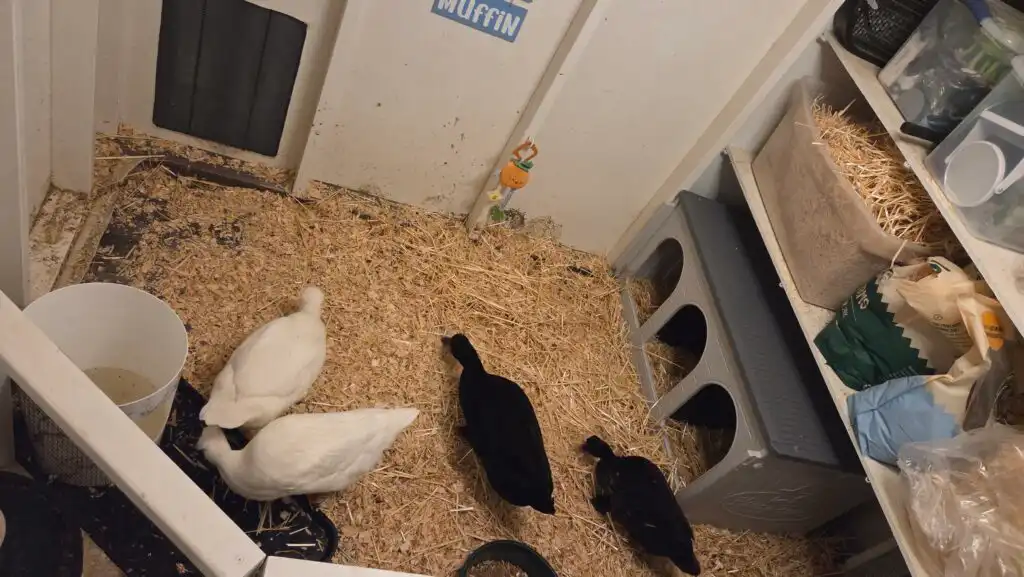
My flock has clean drinking water available 24/7, including beside their feed and in their night shelter. I manage the splashing with the placement of the containers and a tray beneath our night bucket. I do not solve wet bedding by taking drinking water away. You can read more about our setup in Do Ducks Need Water All Night?.
“A chicken coop is a chicken coop.”
A chicken coop can be adapted for ducks, but I would look closely at the details before moving them in. Chickens perch. Most domestic ducks sleep on the ground, so they need a comfortable, stable floor rather than roost bars. A steep ramp that a chicken climbs easily may be awkward or unsafe for a duck, particularly a large duck or one with sore feet.
Ducks also bring more water and wetter droppings into their housing. Good drainage, ventilation, and bedding management matter. In our own setup, I pay particular attention to footing and how easily each duck can move in and out. My Ducks vs Chickens guide goes deeper into feet, flooring, and housing design.
“A drake is basically a rooster.”
This assumption can put birds at risk. Drakes and roosters have different reproductive anatomy. In a mixed flock, a drake attempting to mate with a chicken hen can seriously injure her. Even within a duck flock, a hen experiencing repeated mating may need protection and a change in the flock arrangement.
That does not mean every drake must live separately. I watch the birds in front of me: who is being chased, whether anyone is losing feathers or getting hurt, and whether each duck can rest and move freely. Chicken flock rules cannot make those observations for us.
Chicken advice can be a starting point, but it needs a duck check. Before applying it, ask whether it fits your ducks’ age, anatomy, behavior, and daily living conditions.
Home Remedies Are Not a Diagnosis
When a duck looks unwell, it is natural to want to do something right away. Online, that often leads to familiar suggestions: add apple cider vinegar to the water, give garlic for worms, offer a vitamin supplement, or try whatever helped someone else’s bird.
I understand the appeal. These suggestions give us something to do when we feel worried and helpless. But a home remedy cannot tell us why a duck is sick. Some remedies may also cause harm. If we mistake them for treatment, we may lose time while the underlying problem gets worse.
| Advice you might hear | What I would do instead |
|---|---|
| “Put apple cider vinegar in her water.” | Keep plain, clean drinking water available and investigate her symptoms. Do not rely on vinegar to treat an illness. |
| “Give her garlic for worms.” | Do not use garlic as a home dewormer. It carries potential toxicity concerns and does not replace testing or appropriate treatment. |
| “Give her vitamins and see if she perks up.” | Ask whether a deficiency is actually likely. Vitamins will not resolve an injury, infection, or reproductive emergency. |
| “Treat her with what worked for my duck.” | Similar symptoms can have different causes. Seek advice that fits this duck and her condition. |
“Garlic will take care of worms.”
This is one piece of folk advice I would not try on my ducks. Garlic belongs to the Allium family, which raises toxicity concerns in animals. I would not risk giving a duck garlic in an attempt to treat parasites, especially when I do not yet know whether worms are causing the problem.
If I suspect worms in my flock, I ask my veterinarian about testing and a treatment plan. The Merck Veterinary Manual explains that examining feces for worm eggs can help confirm an infestation. That gives us more useful information than a guess and a kitchen remedy.
“Just give her something natural first.”
Natural does not mean proven to work for this problem. It also does not mean safe for every duck. If a duck is sitting because her foot hurts, a supplement cannot fix the injury. If she is struggling to lay an egg, adding something to her water does not address the emergency.
Supportive care has its place while you arrange veterinary advice. Depending on what is happening, I may move a duck to a quiet, secure space, keep clean drinking water within easy reach, and record her symptoms. But I would not wait for a home remedy to work while she became weaker.
If a duck cannot stand, has labored breathing, is bleeding, appears to be in significant pain, or is rapidly declining, seek veterinary help promptly. Less obvious changes still deserve attention. An online account of another duck’s recovery cannot diagnose the bird in your arms.
Duck Mom Tip: Before trying a remedy you found online, write down what you actually observe: when the change began, whether your duck is eating and drinking, how she moves, what her droppings look like, and whether she is acting like herself. Those details will help your veterinarian much more than “she just seems off.”
“Let the Ducks Work It Out”
When ducks chase, nip, or shove one another, someone will often say, “They’re just establishing the pecking order.” Sometimes that is true. Ducks have social relationships, and a change in the flock can lead to a few tense encounters.
But normal flock behavior is not a reason to ignore a duck who is frightened or getting hurt. The question is whether the ducks can move away, settle down, and carry on with their day.
| What I might observe | How I respond |
|---|---|
| A brief chase or nip, followed by the ducks going back to foraging | Keep watching, especially if the flock has recently changed. |
| One duck repeatedly driven away from food, water, or a resting spot | Add space and more than one access point to resources, and reassess the flock arrangement. |
| Persistent chasing, forced mating, feather loss, exhaustion, or an injury | Intervene and separate the ducks as needed to keep everyone safe. |
“They’ll sort out the pecking order.”
I do not expect every interaction in my flock to be gentle. A quick protest over a favorite spot is different from a duck spending her day trying to escape another bird.
That distinction has mattered with Simon, Ronja, and Muffin. Their relationships are not as simple as labeling one duck the bully. Simon can be too rough with Muffin. Ronja may be wary of Muffin, while Muffin can push Ronja around. I watch who is affected, when it happens, and whether each duck can eat, drink, rest, and move away safely. Sometimes that means changing their access to one another rather than waiting for a permanent pecking order to fix everything.
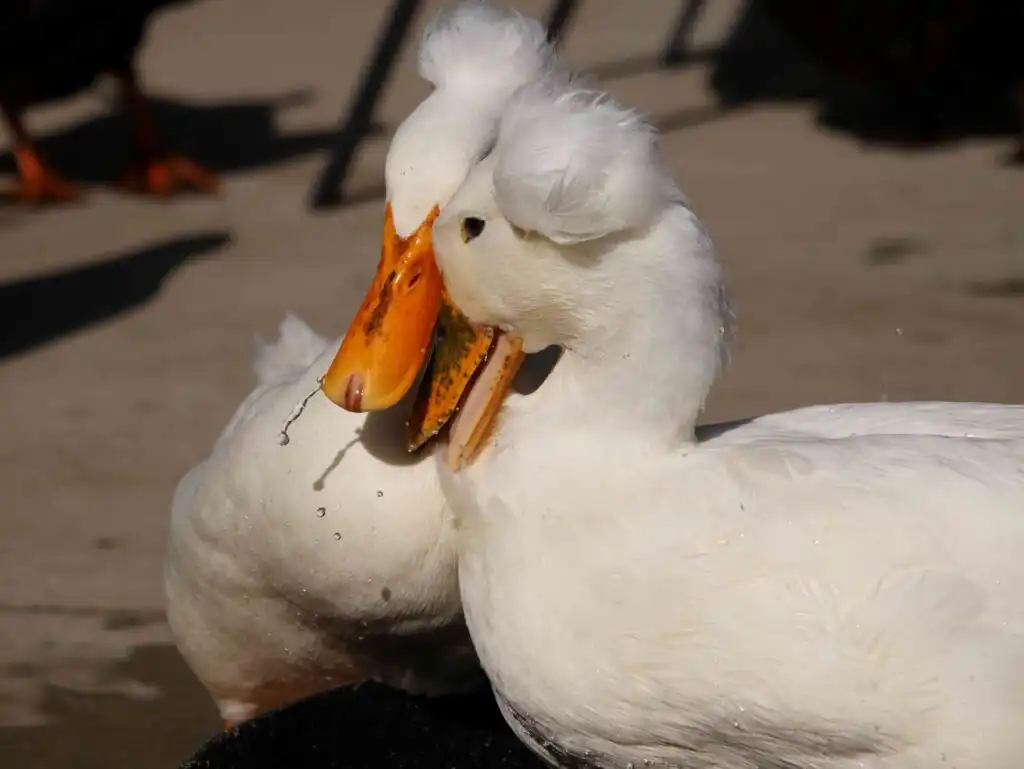
My guide to how ducks establish pecking order looks more closely at what ordinary social behavior can look like and when conflict needs our help.
“Put the new ducks together and let nature take its course.”
A new duck has to learn where she fits, but she should not have to survive an uncontrolled confrontation to join the flock. After an appropriate quarantine, I prefer introductions that give ducks time to become familiar with one another and let me observe their reactions before they share space without supervision.
Room to move away matters. So do multiple places to eat and drink, especially when a confident duck tries to guard a resource. If an introduction is going badly, I can slow it down. There is no prize for getting everyone together on the first day. I walk through the process in Introducing New Ducks.
“One female per drake is enough.”
A ratio alone cannot tell me whether the hens are safe. One drake may live peacefully with a particular flock, while another repeatedly pursues or injures a female despite there being several hens. Breeding season can change the picture, too.
I watch for worn or missing feathers, wounds, a hen hiding or being unable to rest, and repeated mating that she cannot get away from. If I see those signs, I change the arrangement. That may mean supervised time together, a separate area, or a different grouping. The ducks’ actual behavior matters more than a number that sounds reassuring.
Ducks do need time to build relationships. Our job is to give them that time without making an injured or frightened duck pay for it.
Water and Housing Shortcuts That Miss the Point
Advice about duck housing often sounds wonderfully simple: give them a pond, put them in a coop, and try to keep everything dry. Then you bring ducks home and discover that each of those instructions leaves out an important question.
Can the ducks use the space safely, and can you keep meeting their needs every day?
| Advice that sounds right | What I would check |
|---|---|
| “Ducks need a pond.” | Do they have clean drinking water and a safe, manageable place to bathe? |
| “Any pond is better than a kiddie pool.” | Can the water be kept clean, and can every duck get in and out safely? |
| “Take away water at night to keep the house dry.” | How can I contain splashing while keeping drinking water available 24/7? |
| “They’re locked in a coop, so predators can’t reach them.” | Are the doors, latches, vents, floor, and edges of the shelter secure? |
“Ducks need a pond.”
I love watching ducks on a pond. They can swim, splash, and investigate to their hearts’ content. But a pond is not the only way to give pet ducks water they can enjoy.
A backyard pool or tub can work well when it is large enough for the ducks using it, easy for them to enter and exit, and practical for you to empty and clean. A pond that looks beautiful but contains dirty water or has a steep, slippery edge is not automatically the better choice. Drinking water is a separate daily need: ducks should always have clean water available, regardless of where they bathe.
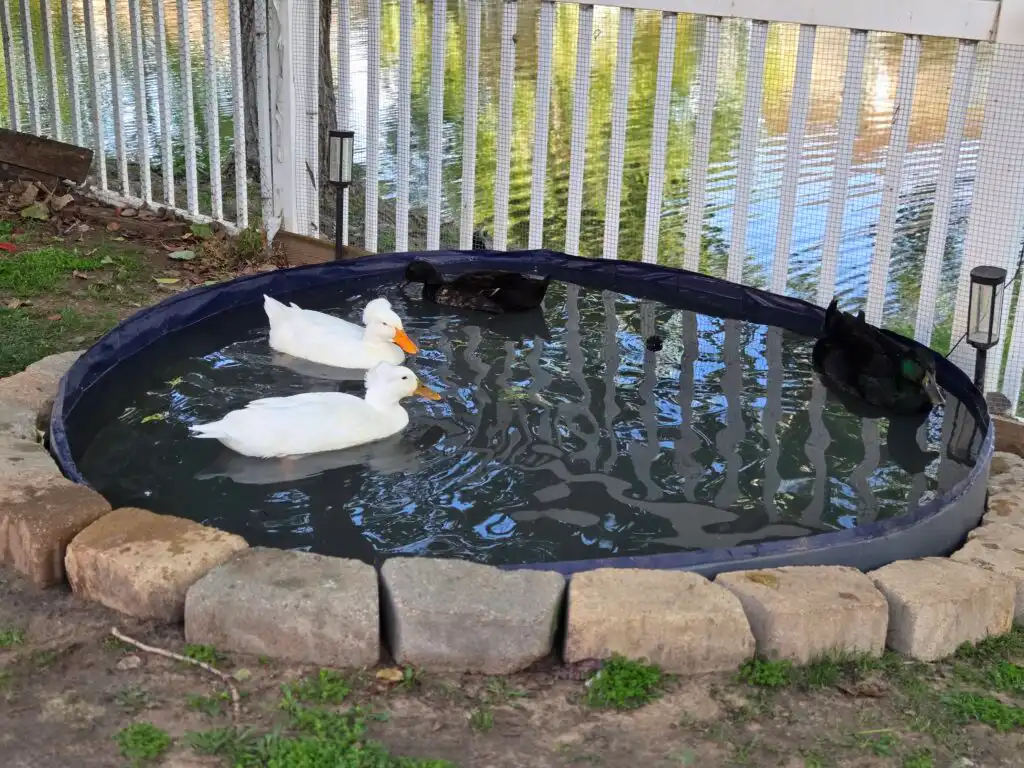
In our flock, the pool is part of the fun. The buckets and other drinking containers are part of the routine that keeps water accessible even when the pool is being cleaned.
“Take away their water at night so the bedding stays dry.”
I understand where this advice comes from. A tipped bucket can soak bedding in minutes. But I want my ducks to have drinking water available 24/7, and I do not consider a dry floor a reason to take it away.
Instead, I work on the setup. Our ducks have a night bucket placed on a tray that catches some of the splashing. I check that the container is stable and that the surrounding area stays manageable. What works in another shelter may look different, but the goal is the same: provide water and control the mess. I share more of my reasoning in Do Ducks Need Water All Night?.
“They have a coop, so they’re safe.”
Four walls and a closed door are a start, not a complete safety check. A predator may find a loose latch, an opening around a vent, or a weak spot near the ground. Wear and weather can change a shelter that seemed secure when it was built.
I inspect our duck housing from a predator’s point of view. Could something pull at this edge, reach through that opening, or push this door? I also check it from a duck’s point of view. Can everyone enter easily, rest comfortably, and reach the night water without slipping?
There is no such thing as a shelter that deserves our trust forever without another inspection. Good duck housing is something we maintain, not something we finish building and forget.

Why Production Flock Advice May Not Fit Pet Ducks
A recommendation can be sensible for the flock it was written for and still be the wrong choice for yours. Consider advice to reduce labor, keep production costs down, or manage hundreds of birds at once. Those are real concerns on a farm. They are not necessarily the questions I am asking when Krümel seems uncomfortable, or Simon needs a different flock arrangement.
The difference is often in what we measure as success.
| A production flock may prioritize | I also ask about my pet ducks |
|---|---|
| How efficiently can the flock be fed and housed? | Can each duck eat, drink, move, bathe, and rest comfortably? |
| Is treatment practical at this scale? | What is wrong with this individual, and what care is available? |
| Is a drake useful to the breeding program? | Can I manage his behavior while protecting the other ducks? |
| Is the flock producing as expected? | Is each duck healthy and enjoying a good quality of life, even after she stops laying? |
This does not mean farmers cannot care deeply about their ducks. Many do. It means that the purpose and scale of a flock shape the advice its keepers give.
When I read a care recommendation, I try to identify its goal before adopting it. Is it describing the minimum needed for a bird to survive? A method for managing a large group efficiently? Or care that supports an individual duck throughout her life?
Emma will not become less important to me when she lays fewer eggs. Simon does not become disposable when breeding season makes flock management harder. If advice cannot account for that, I may still learn something from it, but I will not follow it without asking what my ducks need.
Five Questions I Ask Before Following Duck Care Advice
I do not expect every duck keeper to read a research paper before filling a water bucket. But when a tip could affect my ducks’ health or safety, I pause long enough to ask a few questions.
| Ask yourself | Why it matters |
|---|---|
| 1. Was this advice written for ducks? | Chicken care can be a helpful starting point, but feeding, water, housing, and mating advice may need to change. |
| 2. Which ducks is it meant for? | A duckling, an actively laying female, a drake, and an older duck may have different needs. |
| 3. What problem is it trying to solve? | A shortcut that makes bedding easier to manage might create a new problem for the ducks. |
| 4. What evidence supports it? | “My ducks were fine” describes one experience. It does not prove a practice is safe or effective for yours. |
| 5. What happens if the advice is wrong? | If waiting or trying a remedy could delay care for a sick duck, ask a veterinarian instead. |
I also ask who gave the advice and what they were caring for. Someone managing a large breeding flock, someone keeping chickens, and someone treating an individual pet duck may all have valuable experience. They may also be answering different questions.
You do not need to be perfect to be a good duck keeper. I have changed routines as I have learned more, and I expect I will keep learning. What matters is being willing to look at a familiar tip and ask, “Does this actually make sense for the ducks in front of me?”
Frequently Asked Questions About Duck Care Advice
Can I follow chicken care advice for my ducks?
Sometimes, but check the details before applying it. Ducks and chickens both need suitable feed, clean housing, and predator protection. Ducks also have different needs when it comes to water, duckling nutrition, flooring, and mating behavior. My Ducks vs Chickens guide explains the differences in more detail.
Is traditional farm advice safe for pet ducks?
Some of it may be useful, but ask what the advice was meant to accomplish. A routine designed to manage a large production flock may not account for the health and quality of life of an individual pet duck. Consider your duck’s age, condition, and living situation before following it.
Do ducks need drinking water at night?
I recommend giving pet ducks access to clean drinking water 24/7. My flock has a bucket in their night shelter, with a tray beneath it to help manage splashing. I would address wet bedding by changing the setup, not by taking away their water. You can read more in Do Ducks Need Water All Night?.
Can backyard ducks get all their food by foraging?
Foraging is valuable exercise and enrichment, but I would not depend on a backyard to provide a complete diet. What ducks find changes with the season and the space available. An appropriate balanced feed gives my flock a dependable nutritional foundation.
Can garlic or apple cider vinegar treat a sick duck?
Do not rely on either as a treatment. I do not give my ducks garlic for worms because of potential toxicity concerns, and apple cider vinegar cannot diagnose or treat the cause of a duck’s symptoms. If you suspect parasites or illness, contact a duck experienced veterinarian about testing and appropriate care.
When should I call a veterinarian instead of trying home care?
Seek prompt veterinary help if your duck has trouble breathing, cannot stand, is bleeding, appears to be in significant pain, or is getting worse quickly. A quieter change also deserves attention if your duck is not acting like herself, especially if it persists or comes with changes in movement, appetite, or weight. You can keep her safe and comfortable while arranging help, but supportive care is not a substitute for finding out what is wrong.
Good Advice Should Fit the Duck in Front of You
Most questionable duck care advice comes from people who want to help. A farmer shares what worked for a large flock. A chicken keeper passes along a familiar routine. A neighbor remembers what their family did years ago. I can appreciate their experience without assuming that their answer is right for Emma, Simon, Krümel, or your ducks.
The question I keep coming back to is simple: Who was this advice meant for, and what was it meant to achieve? If the answer does not account for a duck’s age, health, behavior, and living conditions, I keep looking.
I have changed my mind about parts of duck care as I have learned more. That is not a failure. It is part of caring well for the birds who depend on us.
Further Reading & Resources
- 12 Things to Know BEFORE Getting Ducks as Pets
- What I Wish I Knew Before Getting Ducks: 12 Things Every New Duck Owner Should Know
- A Full Day of Duck Care: What It Actually Looks Like
- My Biggest Lessons from Raising Ducks for Four Years
- Ducks or Chickens: Which Poultry is Right for You?
- Ducks vs Chickens: Why Ducks Are Not Just Chickens With Bills
- Do Ducks Really Need Water All Night? Yes. Here’s Why.
- 11 Duck Myths And The Surprising Truth Behind Them
Master the basics of evidence-based care. Explore the full Beginner’s Handbook to build a strong foundation for your flock.