
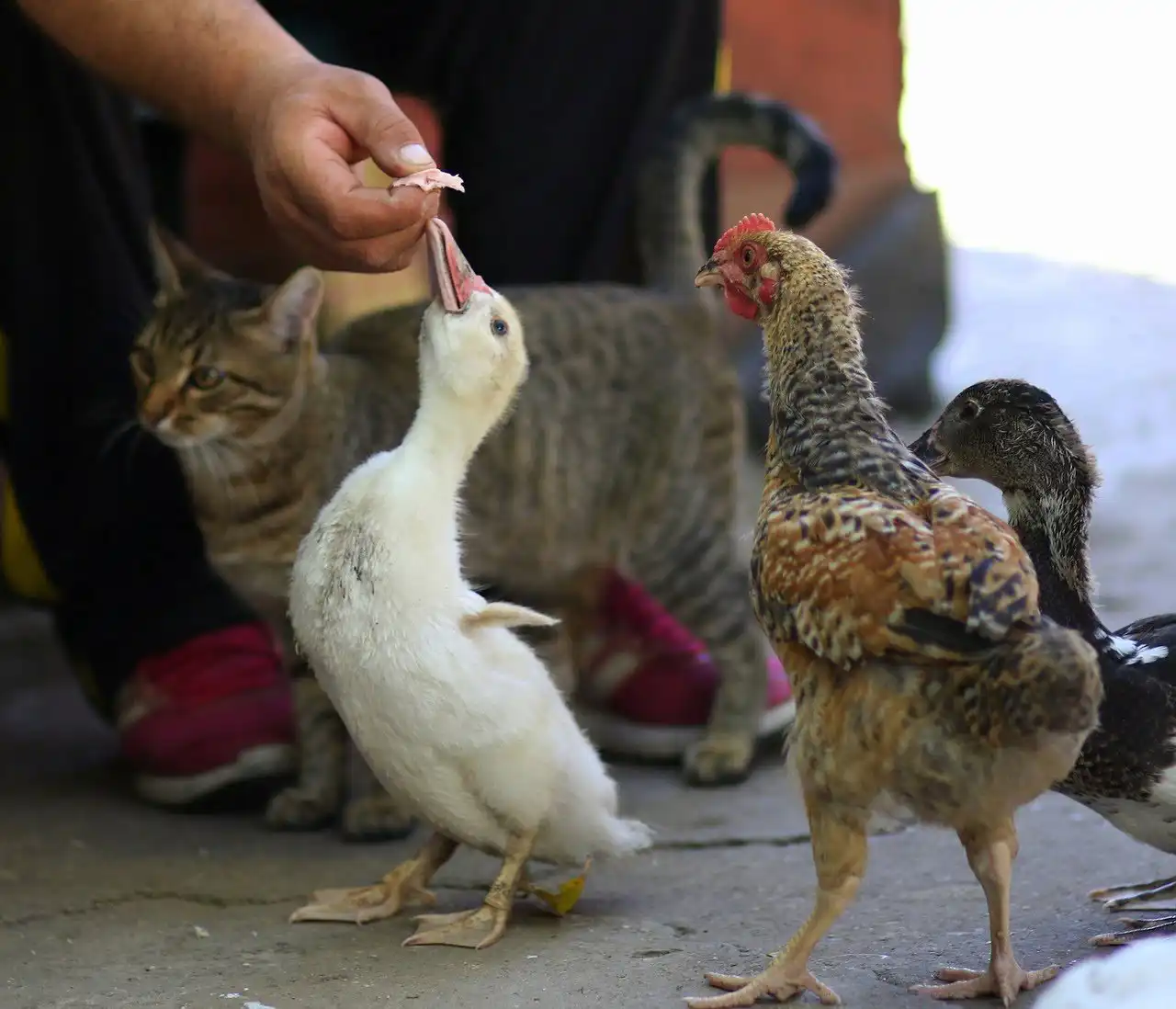
Ducks or Chickens: Which Poultry is Right for You?

Last updated: May 15th, 2026
To keep our research-backed guides free, this site uses ads and affiliate links (earning a small commission at no cost to you). Everything here is created by a duck mom and PhD scientist, combining academic rigor with hands-on experience to provide practical, trustworthy advice for duck keepers everywhere. 🦆 Learn more
Thinking about adding poultry to your backyard but unsure whether ducks or chickens are the better fit? It is a common question, and the answer depends largely on your lifestyle, goals, climate, and how much time you are willing to dedicate to care.
While ducks and chickens are often grouped together, they are surprisingly different in terms of behavior, housing needs, noise levels, mess, egg production, and personality. What works perfectly for one household may be frustrating for another.
Ducks are often described as hardy, entertaining, and full of personality. They tolerate cold weather well, tend to be more predator aware, and often lay consistently. However, they are also famously messy and require significantly more water management. Chickens, on the other hand, are generally cleaner and easier to contain, but they come with their own unique care considerations and social dynamics.
As someone who keeps ducks as pets, I will admit I am a little biased. But the reality is that there is no universally better option. The right choice depends on what you are looking for in your flock.
In this guide, we will compare ducks and chickens across the categories that matter most, including housing, temperament, egg production, maintenance, and family friendliness, helping you decide which poultry companion is the best fit for your home.
Part of the Beginner’s Handbook, Essential foundational data for new duck parents.
Quick Navigation: Jump to a Section
[hide]
The Charms of Duck Keeping
There is something undeniably special about keeping ducks. From their adorable waddles to their expressive personalities, ducks have a way of quickly becoming more than just backyard animals. For many of us, they become genuine companions with routines, preferences, and quirky habits that make daily life more entertaining.
One of the biggest reasons people fall in love with ducks is their personality. Ducks are curious, expressive, and highly social animals. Some are outgoing and constantly looking for attention, while others are independent observers who quietly follow along from a distance. In our flock, no two ducks are alike. Krümel is incredibly people-oriented, Muffin is curious but cautious, and Simon always manages to find some kind of trouble.

Compared to chickens, ducks are often more easygoing within the flock. While they still establish social hierarchies, duck groups are usually less territorial and can coexist peacefully when managed properly. Their social nature also means they enjoy spending time together, dabbling in water, napping as a group, or simply following each other around the yard.
And then there are the sounds. While hens certainly quack loudly when they have opinions to share, many duck keepers come to love the soft chatter, murmuring, and gentle vocalizations that happen throughout the day. Watching ducks forage, nap in the sun, or enthusiastically splash in a pool has a calming quality that many owners find surprisingly therapeutic.
The Joy of Water
If you have a pond, kiddie pool, or water feature, ducks bring it to life. Few things are more entertaining than watching ducks splash, bathe, and zoom across the water with complete enthusiasm. Water is not just enrichment for ducks. It is a core part of their natural behavior and one of the reasons they are so fun to observe.
Those Incredible Eggs
For many keepers, duck eggs are another major advantage. Duck eggs are often larger and richer than chicken eggs, with bigger yolks and a creamier texture. Many bakers swear by them because they can produce fluffier baked goods and richer pastries. Depending on breed, ducks can also be incredibly reliable layers.
Hardy and Weather Resilient
Ducks are also surprisingly hardy birds. In general, they tolerate cold weather better than heat, thanks to their insulating down and waterproof feathers. For people living in colder climates, ducks are often easier winter keepers than expected, provided they have dry shelter and protection from wind.
Of course, duck keeping is not perfect. Ducks are messy, water management can be challenging, and they require thoughtful housing. But for many of us, the joy they bring far outweighs the extra cleaning. Once ducks waddle into your life, it is hard to imagine the backyard without them.
The Enduring Appeal of Chicken Keeping
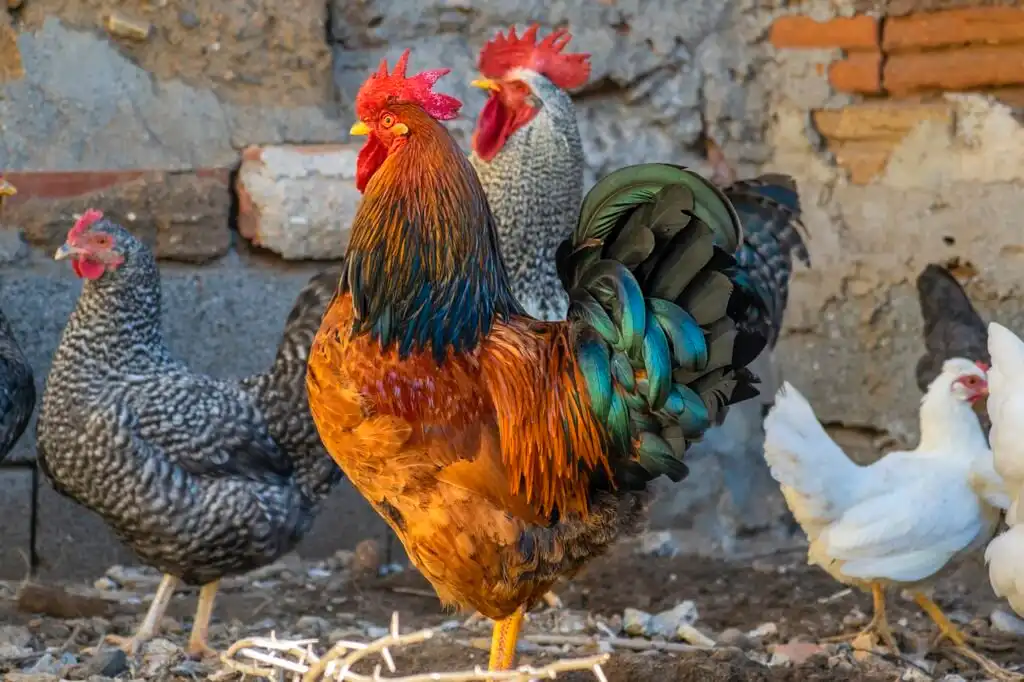
Chickens have earned their popularity for good reason. For generations, they have been a backyard staple, valued for their reliable egg production, manageable care requirements, and adaptability to a wide range of living situations. Whether you live on acreage or in a suburban neighborhood, chickens are often one of the most accessible ways to begin keeping poultry.
One of the biggest advantages of chickens is their practicality. Compared to ducks, chickens generally require less water management, create less mud, and are often easier to contain within a designated space. Their housing needs are relatively straightforward, and many breeds adapt well to smaller yards and beginner-friendly setups.
Reliable Egg Layers
For people interested primarily in egg production, chickens offer tremendous variety. Some breeds are prolific layers that produce eggs consistently throughout the year, while others are valued for colorful eggs, dual-purpose traits, or ornamental appearance. From white and brown eggs to blue and green varieties, chicken keepers can choose breeds that align with their goals and preferences.
Natural Backyard Helpers
Chickens are also excellent little foragers. Many enjoy scratching through soil in search of insects, helping reduce bug populations in the yard. For gardeners, this can be both a benefit and a challenge, depending on whether the chickens stay where they are supposed to. Left unsupervised, a flock may enthusiastically redecorate flower beds and vegetable gardens.
Endless Breed Variety
One area where chickens truly shine is breed diversity. There are hundreds of breeds available, ranging from tiny bantams to large dual-purpose birds. Some are calm lap chickens, others are independent explorers, and some are chosen primarily for their striking plumage or unusual appearances. This variety makes it easier for prospective owners to find birds that suit their climate, personality preferences, and flock goals.
Beginner Friendly and Adaptable
For many new poultry keepers, chickens are often considered the easier starting point. Their lower water needs and generally cleaner living habits can make daily management feel more straightforward. With the right predator-proof housing and routine care, chickens can thrive in both urban and rural settings.
That said, chickens are not entirely low-maintenance. They still require predator protection, routine health monitoring, and social companionship. Like ducks, they are flock animals that depend on proper care and long-term commitment.
While my heart belongs to ducks, I completely understand why so many people fall in love with chickens too. They are practical, entertaining, and rewarding companions in their own right.
Eggs, Behavior, and Beyond: Understanding the Differences Between Ducks and Chickens
While ducks and chickens are both popular backyard poultry, their care needs and day-to-day management can feel surprisingly different. Understanding these differences is key to deciding which species best fits your lifestyle, property, and expectations.
Lifestyle and Housing Needs
One of the biggest differences between ducks and chickens is their relationship with water.
Ducks require regular access to water deep enough to fully submerge their bills and ideally bathe or swim. While a pond is not necessary, kiddie pools, troughs, or small water features are important for feather health, eye and nostril hygiene, and natural behaviors like dabbling and bathing. The tradeoff? Ducks are messy and can quickly turn a yard into mud without proper drainage.
Chickens, on the other hand, are generally cleaner and lower maintenance when it comes to housing. They do not require swimming water and can thrive with a dry, secure coop and run. Their setups are often easier to keep tidy, especially in smaller suburban spaces.
Nutritional Needs
Both ducks and chickens require balanced nutrition, but ducks have a few additional dietary considerations.
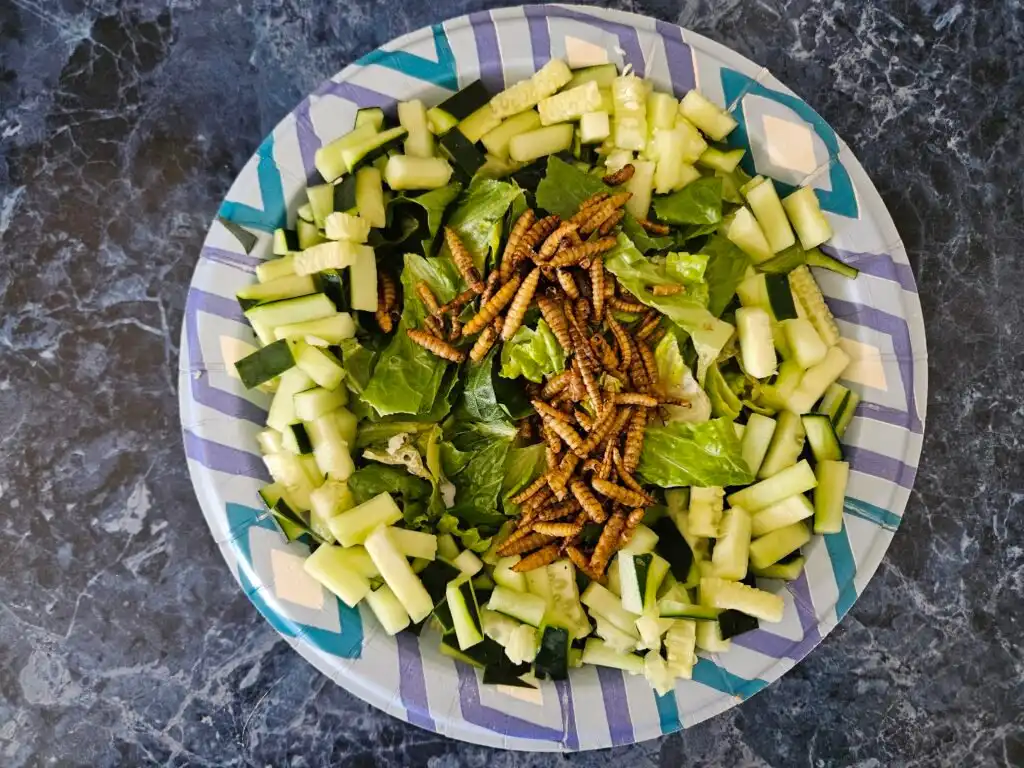
Ducks need higher levels of niacin (vitamin B3), especially during growth, to support healthy leg and joint development. Because chicken feed is not always formulated for waterfowl, duck keepers often need to supplement niacin or choose duck-specific feed.
Ducks also benefit greatly from greens, aquatic plants, insects, and foraging opportunities.
Chickens generally have simpler feeding requirements and do well on standard layer or flock feed supplemented with occasional treats, grains, or scratch.
management can feel surprisingly different. Understanding these differences is key to deciding which species best fits your lifestyle, property, and expectations.
Behavior and Social Dynamics
Ducks and chickens both form social hierarchies, but they tend to express them differently.
Ducks are often described as gentler and more communal. They tend to move as a group, enjoy synchronized activities like swimming and foraging, and can form surprisingly strong social bonds. While disagreements happen, flock conflict is often less dramatic.
Chickens can be highly social and affectionate too, but they are often more territorial and assertive, especially when establishing pecking order. Squabbles, chasing, and occasional bullying can be more pronounced depending on breed and flock composition.
Egg Production and Culinary Differences
If eggs are one of your goals, both species offer excellent options, but with different advantages.
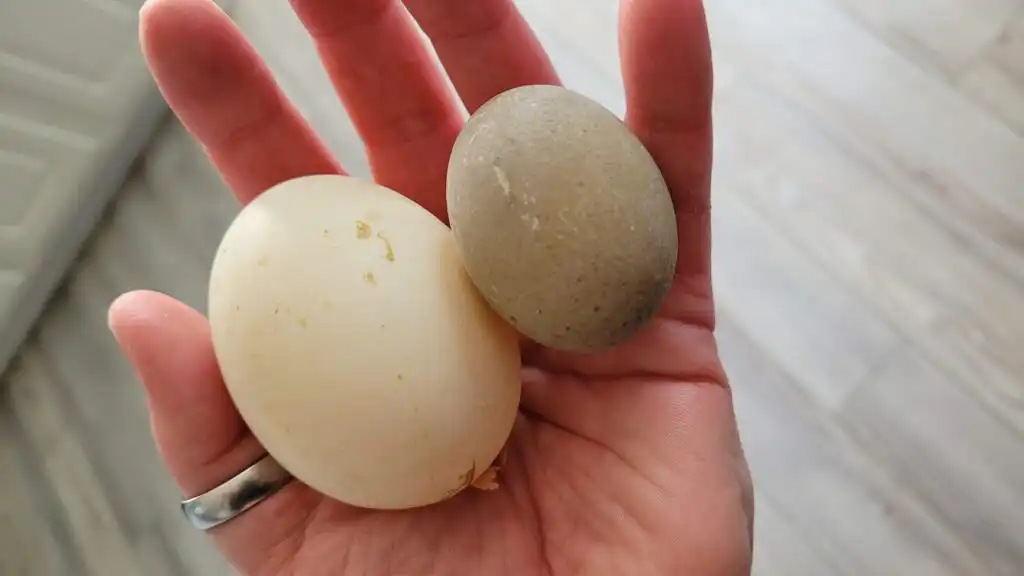
Duck eggs are known for:
• larger yolks
• richer flavor
• higher fat content
• thicker shells and longer shelf life
Many bakers prefer duck eggs because they often create fluffier cakes, richer pastries, and excellent custards.
Chicken eggs are more familiar, versatile, and widely used in everyday cooking. With countless breeds available, owners can also choose from white, brown, blue, green, or even chocolate-colored eggs depending on breed.
Health Considerations
Both ducks and chickens can experience health problems, but some risks differ.
Ducks are generally quite hardy, especially in wet or cold climates. However, poor ventilation and damp, dirty bedding can increase the risk of respiratory issues. Reproductive issues and foot injuries such as bumblefoot can also occur.
Chickens are often more susceptible to external parasites, including mites and lice, and some breeds are more prone to reproductive complications or frostbite in colder climates.
Routine health monitoring matters for both.
Predators and Safety
Neither ducks nor chickens are safe from predators, and predator-proof housing is essential regardless of species.
Ducks can be particularly vulnerable because they tend to be less agile and more exposed around water areas. Many will freeze or huddle rather than flee during danger.
Chickens may be more likely to roost in elevated spaces or retreat into shelters, but they are still frequent targets for raccoons, foxes, hawks, snakes, and neighborhood dogs.
For both species, secure nighttime housing, hardware cloth, covered runs, and good predator prevention strategies are non-negotiable.
In the end, both ducks and chickens can make wonderful additions to a backyard. The better choice depends entirely on what fits your goals, personality, and daily routine.
Which Poultry is Right for You?
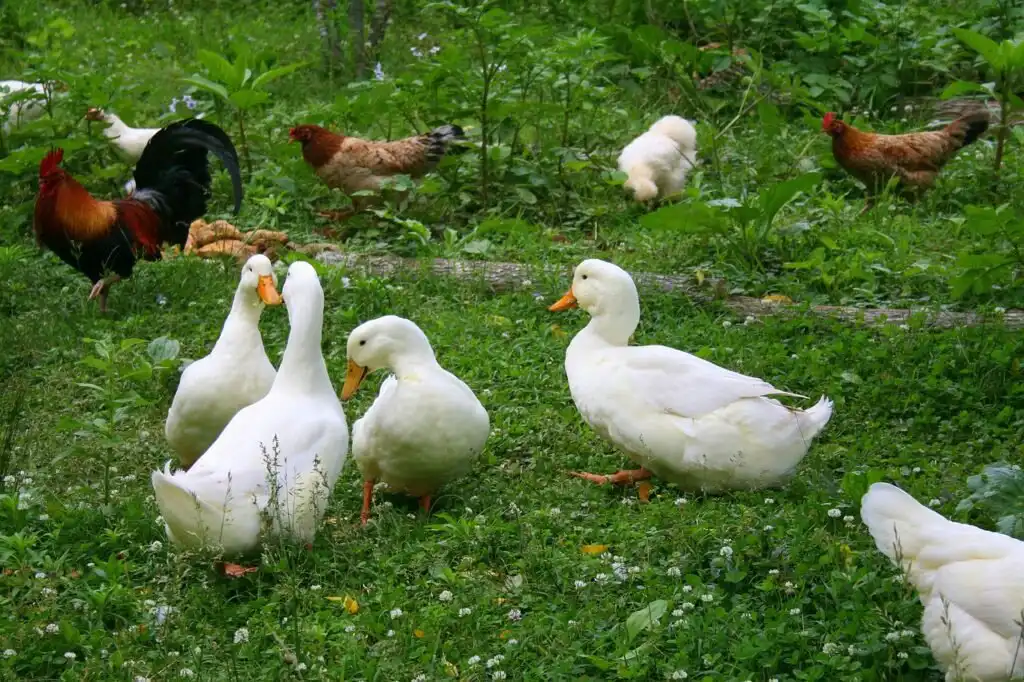
Ultimately, deciding between ducks and chickens depends on your unique circumstances and preferences. By understanding these key differences, you can better assess which feathered friend aligns more closely with your lifestyle and preferences. Whether it’s the gentle and communal nature of ducks or the adaptable and productive qualities of chickens, both offer a unique and rewarding experience for those venturing into the delightful world of poultry keeping. So, as you ponder your choice between the whimsical quack or the familiar cluck, let your heart guide you to the perfect addition to your homestead.
Conclusion
Whether you’re charmed by the gentle quack of a duck or find solace in the comforting cluck of a chicken, both these feathered companions bring their own magic to a home or homestead. Consider your space, climate, and personal preferences when making your decision. Whichever path you choose, the joy of raising these delightful creatures will undoubtedly enrich your life in ways you never imagined. So, quack or cluck? The choice is yours.
Further Reading & Resources
- Duck Eggs vs Chicken Eggs: What’s the Difference?
- Ducks vs Chickens: Why Ducks Are Not Just Chickens With Bills
- Ducks and Other Pets: Can They Live Together?
Master the basics of evidence-based care. Explore the full Beginner’s Handbook to build a strong foundation for your flock.
References