
Why Ducks Suddenly Panic (And What They Might Be Trying to Tell You)

Last updated: June 30th, 2026
To keep our research-backed guides free, this site uses ads and affiliate links (earning a small commission at no cost to you). Everything here is created by a duck mom and PhD scientist, combining academic rigor with hands-on experience to provide practical, trustworthy advice for duck keepers everywhere. 🦆 Learn more
Have your ducks ever suddenly exploded into chaos for no obvious reason?
One moment they are peacefully dabbling, preening, or begging for treats, and the next they are sprinting across the run, flapping wildly, alarm calling, or piling into the pool like something terrifying just appeared out of nowhere. If you are left standing there wondering, “What on earth just happened?” you are not alone.
The truth is, ducks rarely panic without a reason. Even if we cannot immediately see the trigger, your ducks likely noticed something unusual, threatening, or unfamiliar long before you did.
As prey animals, ducks are hardwired to react quickly to danger. A shadow overhead, a strange noise, movement near the fence, or even one nervous flock member can send the entire group into panic mode in seconds. While occasional startle responses are completely normal, repeated fearfulness can sometimes signal environmental stress, predators nearby, or even health concerns.
In this guide, we will look at why ducks suddenly panic, the most common triggers behind these dramatic flock moments, how to tell normal behavior from a bigger problem, and what you can do to help your ducks feel safe and secure.
Part of the Community & Behavior Hub, Exploring the social complexity and psychological needs of domestic ducks.
Quick Navigation: Jump to a Section
[hide]
- Why Ducks Panic So Quickly
- What a Duck Panic Response Looks Like
- Common Triggers for Sudden Duck Panic
- Why Ducks Sometimes Panic at Night
- How to Help Ducks Feel Safer
- When Panic May Signal a Bigger Problem
- Frequently Asked Questions About Duck Panic
- Final Thoughts: Your Ducks Are Not Being Dramatic
- Further Reading & Resources
Why Ducks Panic So Quickly
If you have ever watched your ducks suddenly sprint across the yard, pile into the pool, or flap away in complete chaos over something you barely noticed, you are not imagining things. Ducks really do react that quickly, and there is a good biological reason for it.
At their core, ducks are prey animals. Unlike predators, who can afford to investigate a situation before reacting, prey species survive by responding to potential danger immediately. In the wild, hesitation can be deadly. A duck that pauses too long to figure out whether that shadow overhead is a hawk may not get a second chance.
This means ducks are biologically wired to prioritize speed over certainty.
In other words, from a duck’s perspective, it is far safer to overreact to something harmless than to ignore a real threat.
A plastic bag moving in the wind? Better run.
A strange sound from the trees? Better alert the flock.
A shadow overhead that vaguely resembles a predator? Time to move, now.
Their survival instincts are deeply tied to their senses and nervous system. Ducks are constantly scanning their environment for subtle changes. They notice movement, sounds, body language from flock mates, shifting shadows, and unfamiliar objects far more than many people realize.
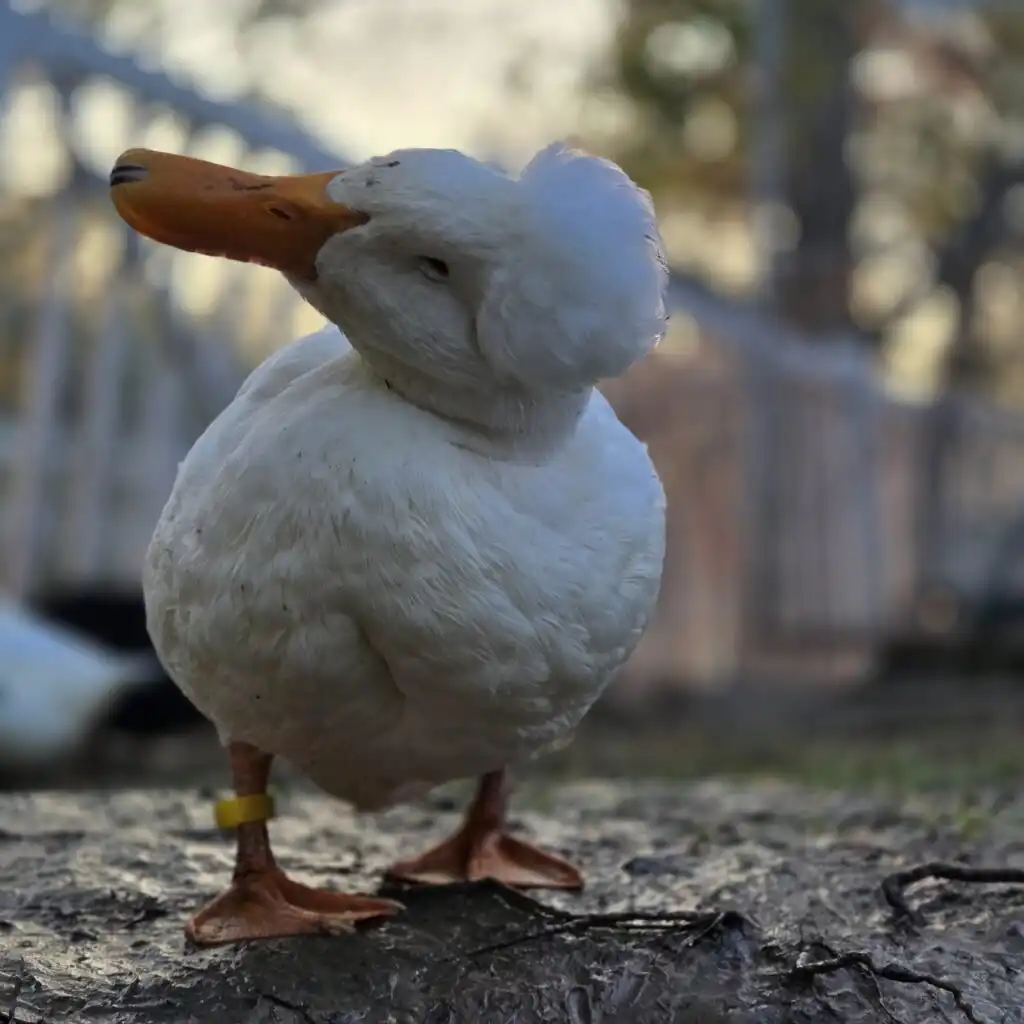
Their vision is especially important here. Ducks have excellent eyesight and a very wide field of view, allowing them to monitor their surroundings almost constantly. This helps them spot potential predators early, particularly aerial predators like hawks. (We cover duck eyesight and visual adaptations in much more detail in our guide on duck eye facts.)
Many duck keepers also notice that their flock reacts to things before humans do. I know mine certainly do. Sometimes one of my ducks suddenly freezes and stretches her neck upright, staring intently toward the pond or tree line. A minute later, I finally spot the hawk overhead or notice movement near the fence. More often than not, the ducks noticed first.
On top of that, ducks are highly social animals that rely heavily on flock communication. If one duck perceives danger and reacts, the others often respond instantly, even if they have not identified the threat themselves. This group response helps improve survival because a flock that moves together is generally safer than a flock where individuals hesitate.
This is why what starts as one nervous duck can turn into full-flock panic in seconds.
What a Duck Panic Response Looks Like
Not every duck panic moment looks dramatic. Sometimes it is obvious, with ducks running, flapping, and quacking loudly. Other times, the signs are much more subtle, especially in the seconds before the flock reacts.
Learning to recognize your ducks’ body language can help you tell the difference between mild alertness, normal flock behavior, and a genuine fear response.
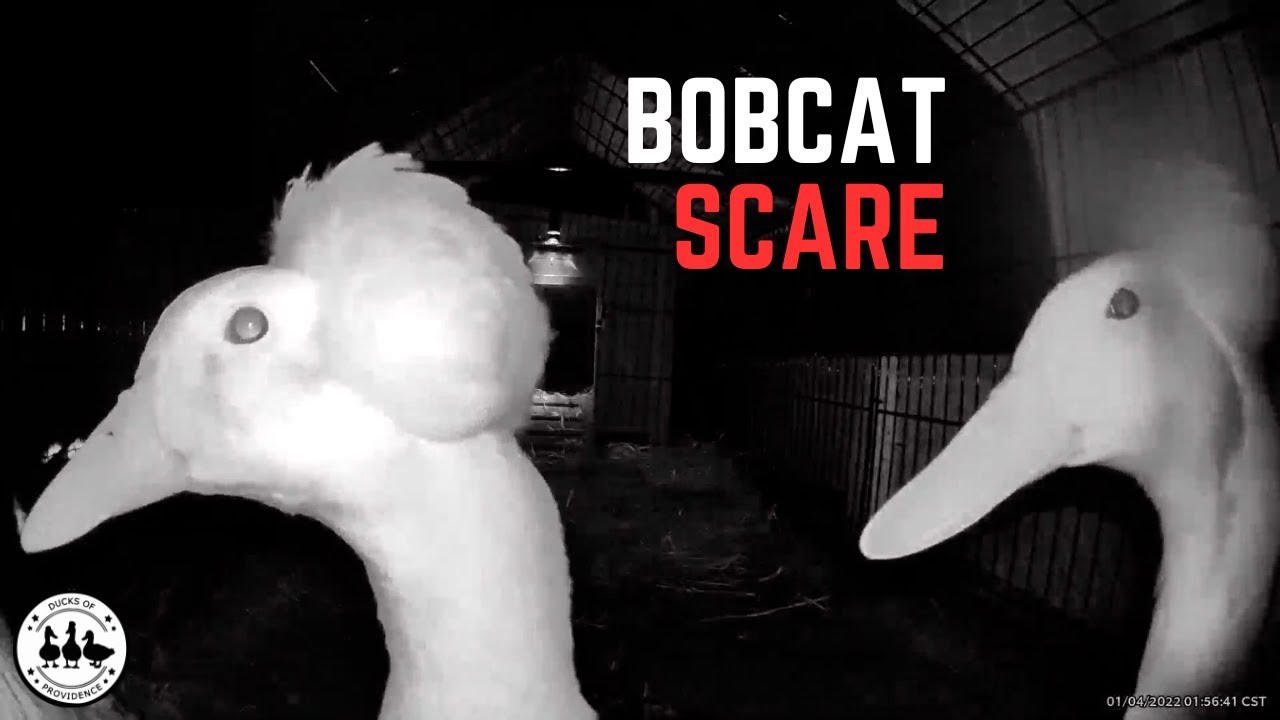
In my flock, I can often tell something has caught their attention before the actual panic happens. One duck will suddenly stop what she is doing, stretch her neck upright, and stare intensely in one direction. The others quickly notice, and within seconds everyone is either frozen, grouping together, or making a run for the pool.
Ducks rarely go from calm to chaos instantly. In many cases, there are subtle warning signs first.
Common Duck Fear Responses
| Fear response | What it looks like | What it may mean |
|---|---|---|
| Freezing | Sudden stillness, stretched neck, alert posture | Assessing a possible threat |
| Periscope posture | Neck stretched upright, staring intensely | Scanning surroundings for danger |
| Alarm calling | Loud quacks or sudden flock vocalization | Warning other ducks |
| Grouping together | Staying close to flock mates | Safety in numbers |
| Running or stampeding | Fast waddling, wing flapping, group movement | Escaping perceived danger |
| Rushing to water | Sudden movement to a pool or pond | Water feels safer from predators |
| Brief flight attempts | Jumping, flapping, or flying off | Fast escape behavior, especially in lighter breeds |
| Refusing to settle down | Continued pacing, vigilance, or nervousness | Ongoing fear or unresolved disturbance |
Mild Alertness vs. Full Panic
It helps to think of fear responses as a spectrum.
Sometimes ducks are simply on alert. They may pause, stretch their necks, quietly scan their surroundings, or stay unusually close together. This is often their way of evaluating something unfamiliar or uncertain.
Other times, you get full-flock chaos.
This is when ducks suddenly scatter, flap wildly, vocalize loudly, or stampede together. Some immediately rush to the pool, while lighter breeds or more flighted ducks may briefly take off.
A quick panic followed by calm is usually completely normal.
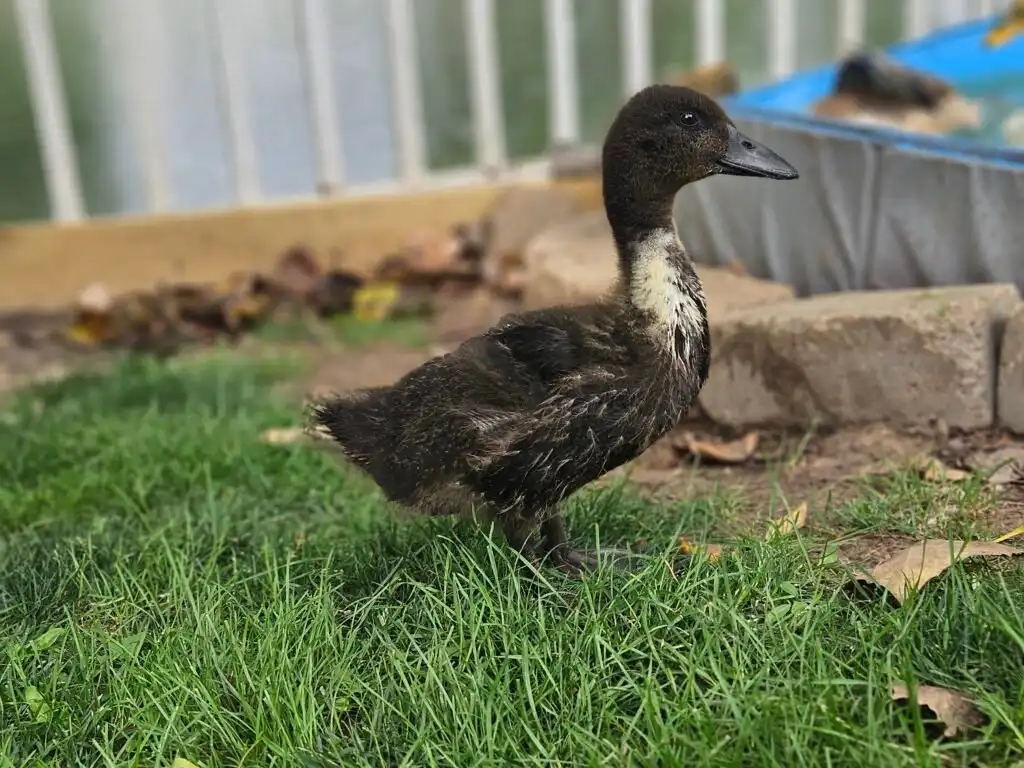
For example, a hawk flies overhead, everyone runs for cover, and ten minutes later they are back to swimming and begging for treats like nothing happened.
What deserves more attention is when ducks remain unusually nervous, repeatedly panic, stop eating, or seem unable to settle. That can sometimes point to a hidden predator issue, environmental stress, or even an underlying health concern.
One thing I have learned from my own flock is this: ducks are often reacting to something we simply have not noticed yet. Sometimes I think they are overreacting, only to later realize there really was a hawk circling, a neighborhood cat near the fence, or some strange movement I completely missed. When ducks consistently act worried, I have learned it is usually worth paying attention.
Common Triggers for Sudden Duck Panic
Sometimes the reason your ducks panic is obvious. A hawk flies overhead, a dog barks nearby, or something crashes to the ground. Other times, the trigger feels completely invisible, leaving you wondering why your flock suddenly acted like the world was ending.
The reality is that ducks are incredibly observant. They often notice subtle changes in their environment long before we do. What seems like nothing to us may have felt very real and threatening to them.
Here are some of the most common reasons ducks suddenly panic:
Overhead Predators and Shadows
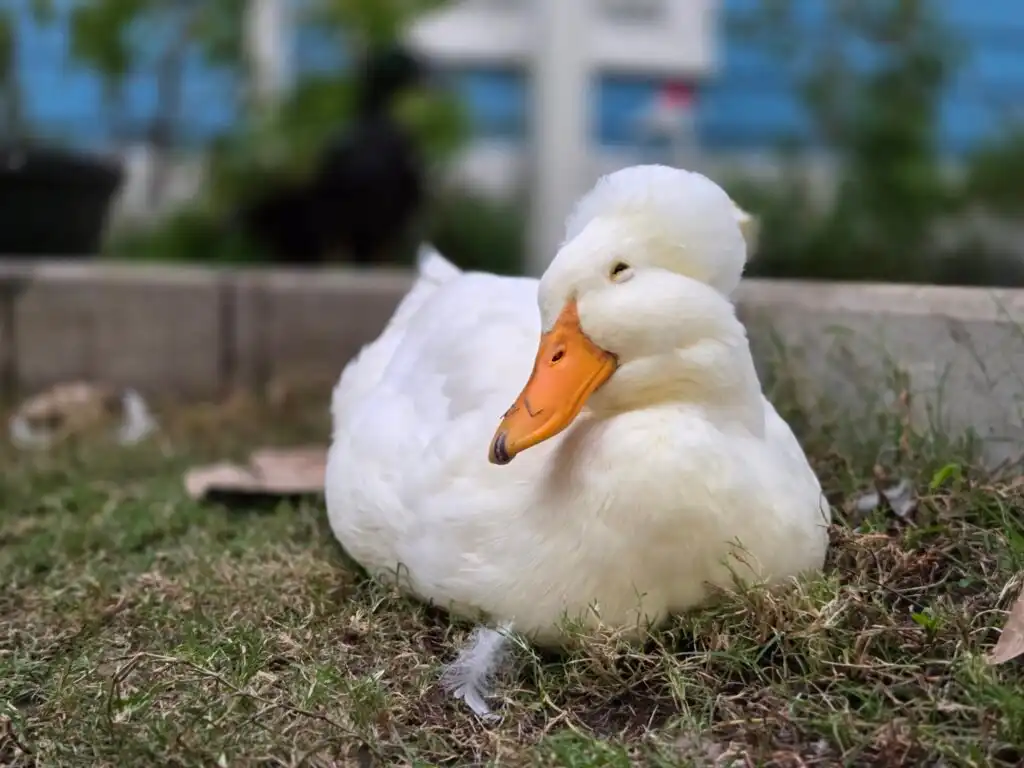
One of the biggest triggers for duck panic is anything overhead.
Because ducks are prey animals, they are naturally programmed to watch the sky for danger. Hawks, owls, eagles, and other aerial predators pose a very real threat, especially to smaller ducks and ducklings.
Sometimes the predator itself is not even necessary.
A large bird flying overhead, a passing shadow, an airplane, or even moving clouds can occasionally trigger a fear response if it resembles danger from above. I often see my ducks freeze and look skyward long before I notice the hawk circling overhead.
If your ducks frequently panic over aerial movement, adding covered areas, shade cloth, aviary netting, or shrubs for visual protection can help them feel much safer.
Dogs, Cats, and Other Ground Predators
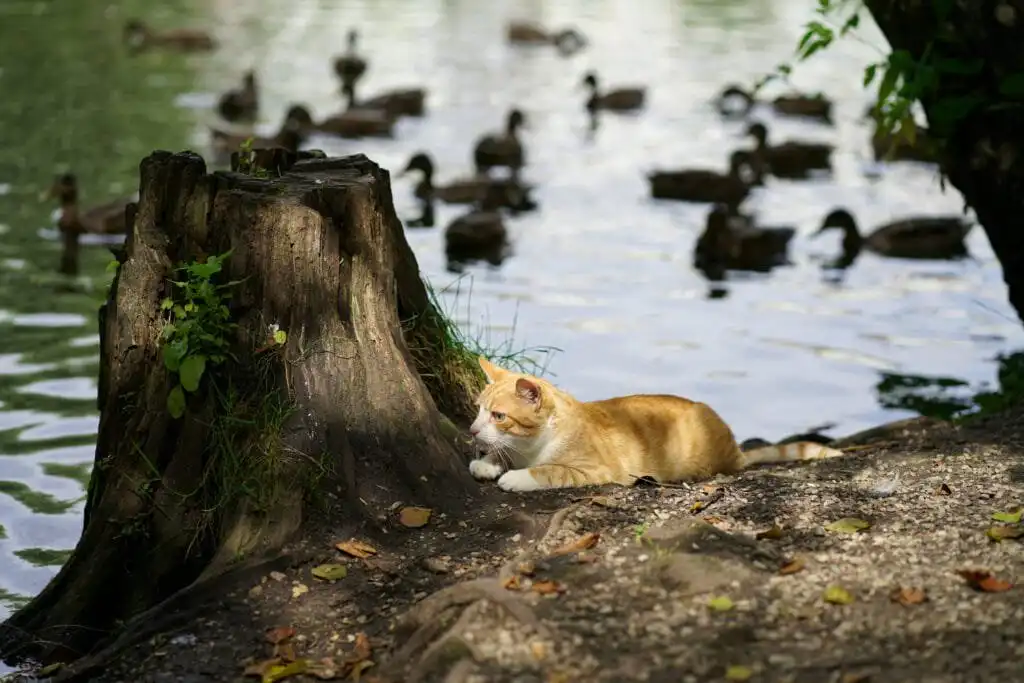
Even if your ducks are securely enclosed, seeing a predator nearby can cause immediate panic.
Common triggers include:
- Dogs running along the fence
- Neighborhood cats stalking or watching the flock
- Coyotes or foxes nearby
- Raccoons at night
- Snakes in or near the run
- Rodents suddenly darting around the enclosure
Some ducks become especially nervous if a predator visits repeatedly, even when no actual attack occurs.
For example, my ducks become much more alert when unfamiliar animals linger near the fence line. Even something as harmless as the neighbor’s dog walking past can trigger extra vigilance.
Loud Noises and Sudden Sounds
Ducks are surprisingly sensitive to sudden noise.
Common sound-related triggers include:
| Noise trigger | Why it startles ducks |
|---|---|
| Fireworks | Sudden, unpredictable explosions |
| Thunderstorms | Loud booms and pressure changes |
| Construction sounds | Repetitive unfamiliar noises |
| Barking dogs | Signals possible danger |
| Dropped objects | Sudden unexpected sound |
| Cars, motorcycles, or sirens | Fast, loud environmental change |
Some ducks are more noise-sensitive than others. In my experience, flock personalities matter here too. Some ducks barely react, while others immediately assume disaster is imminent.
Windy Weather and Moving Objects
Wind can make ducks surprisingly nervous.
Leaves rustling, umbrellas moving, pool covers shifting, tarps flapping, or ornamental grasses swaying suddenly can make the environment feel unpredictable.
I notice this especially during strong Texas winds. Something as simple as a plastic bag blowing across the yard can temporarily send everyone into alert mode.
New Objects or Changes in the Environment
Ducks tend to be creatures of habit.
A new wheelbarrow, garden decoration, feeder, chair, or even a moved water bowl may suddenly be viewed with deep suspicion.
If you have ever watched ducks stare at a harmless object like it personally offended them, you know exactly what I mean.
Many ducks prefer to inspect new things slowly and on their own terms. Sudden environmental changes can sometimes temporarily increase nervous behavior.
One Nervous Duck Can Trigger the Whole Flock
Sometimes the trigger is not environmental at all.
Instead, one duck notices something, reacts, and the rest immediately follow.
This is normal flock behavior.
Ducks rely heavily on social communication and group safety. If one duck suddenly freezes, alarm calls, or runs, the others often react first and ask questions later. From an evolutionary standpoint, following the flock quickly is often safer than stopping to investigate.
This is exactly why one startled duck can turn into full flock panic in seconds.
Pain, Illness, or Feeling Vulnerable
Not all fear responses are caused by outside danger.
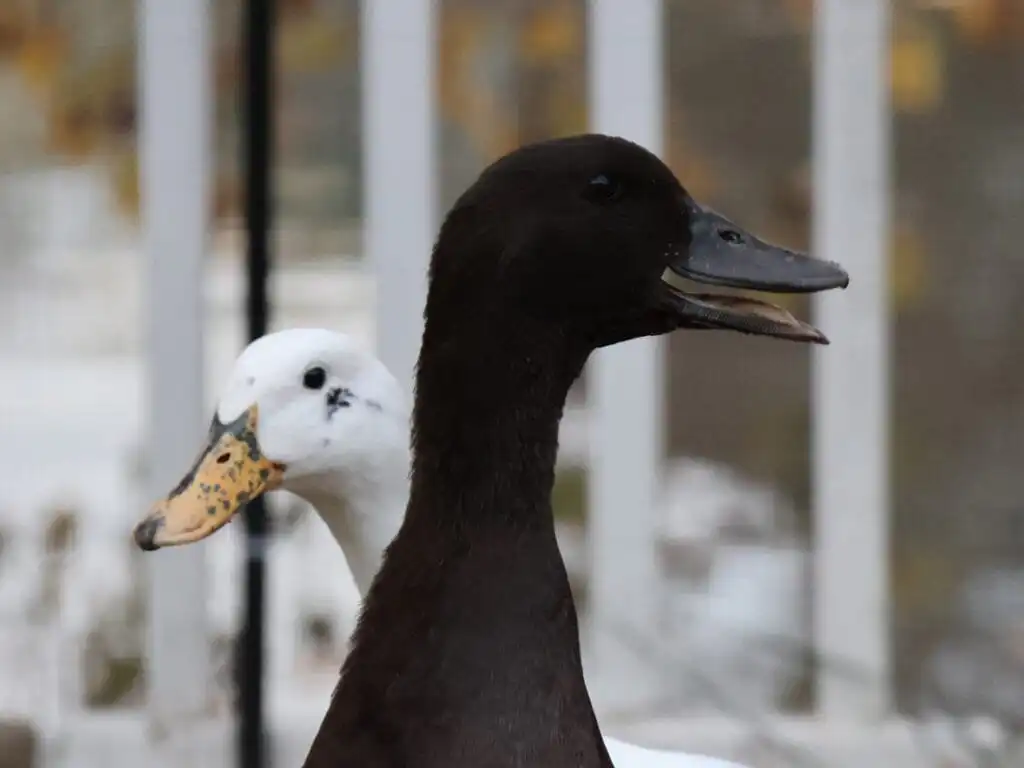
A duck that feels unwell may become more reactive, nervous, or easily startled. Illness can make ducks feel physically vulnerable, which naturally increases caution.
If a duck suddenly becomes unusually fearful without an obvious trigger, especially alongside symptoms like lethargy, reduced appetite, isolation, or posture changes, it is worth taking a closer look at their health.
Sometimes what looks like anxiety is actually your duck quietly telling you something feels wrong.
From My Flock: The Great Balloon Incident
Sometimes, duck panic is caused by a very real threat.
And sometimes… it is caused by a balloon.
One day, my entire flock suddenly exploded into absolute chaos. Ducks sprinted across the yard, wings flapping, alarm calling, and piling into the pool like something terrifying was chasing them. Everyone looked genuinely alarmed.
Naturally, my first thought was hawk.
I immediately started scanning the sky, checking the fence line, and looking for anything suspicious.
The danger?
A single loose balloon drifting across the yard in the wind.
Apparently, this mysterious floating object was deeply unacceptable and possibly the most dangerous thing my ducks had ever encountered.
Once the balloon stopped moving and everyone realized the world was not actually ending, the flock slowly relaxed and went back to normal life, including demanding treats as compensation for their emotional distress.
That moment made me laugh, but it was also a good reminder that ducks are incredibly observant and cautious animals. Something that feels harmless or silly to us may genuinely look suspicious from a duck’s perspective.
Why Ducks Sometimes Panic at Night
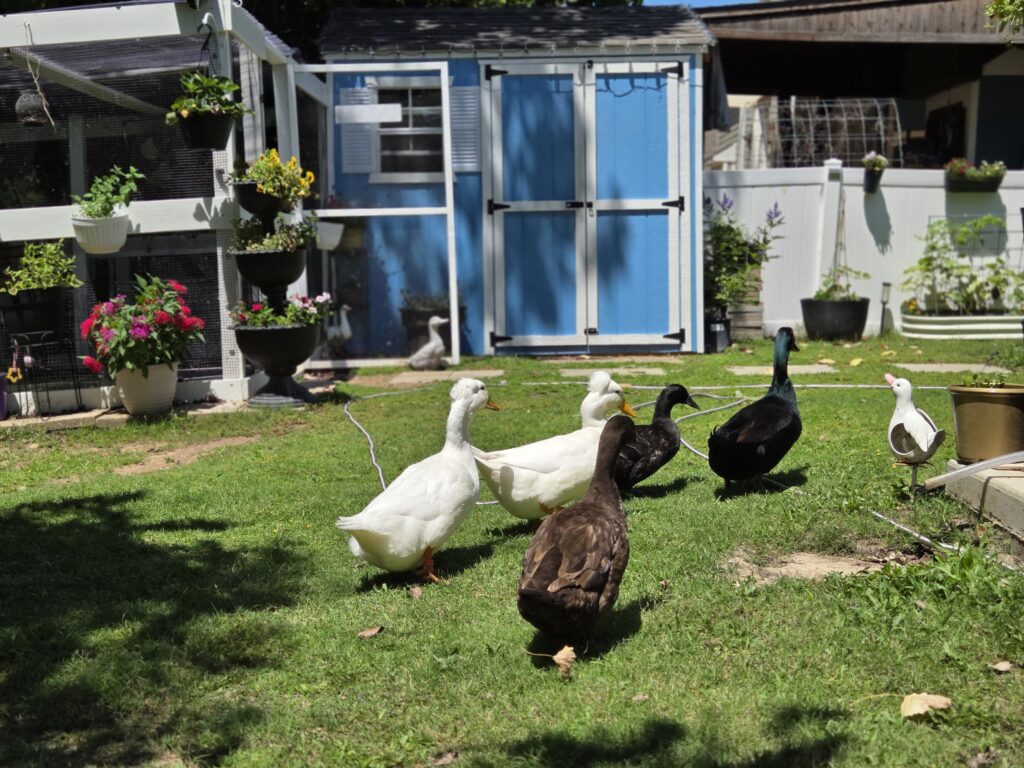
If you have ever been startled awake by loud quacking, flapping, or chaos coming from the coop after dark, you know how unsettling nighttime duck panic can be.
Unlike daytime panic, night disturbances should never be ignored.
Ducks are naturally more vulnerable at night. Their visibility is reduced, they are resting, and predators are often more active after dark. Because ducks rely heavily on routine and feeling secure in their sleeping space, even a small disturbance can trigger a surprisingly strong reaction.
Sometimes the cause is obvious. Other times, your ducks may seem to panic repeatedly while everything appears perfectly normal to you.
In many cases, something is happening. You just may not be seeing it.
Common Reasons Ducks Panic at Night
| Possible trigger | What may be happening |
|---|---|
| Raccoons testing the run | Climbing, scratching, or trying to pry fencing |
| Coyotes or foxes nearby | Smells, movement, or sounds outside the enclosure |
| Owls overhead | Large shadows or predator sounds |
| Rodents in the coop | Sudden movement around bedding or feed |
| Strong wind or storms | Loud noises, moving shadows, shifting objects |
| Motion lights switching on | Sudden brightness can startle sleeping ducks |
| Loose hardware cloth or rattling structures | Unexpected movement or sounds |
| One duck startling suddenly | Panic spreads quickly through the flock |
One thing many duck keepers do not realize is that ducks can sometimes react to smells or sounds before they ever see a predator. A raccoon walking along the run or a coyote in the distance may be enough to trigger alarm behavior, even if the enclosure itself remains secure.
In our own setup, cameras have been incredibly helpful. Sometimes you think your ducks are just being dramatic, only to discover a raccoon checking the fence line, rodents sneaking around, or another nighttime visitor you never would have noticed otherwise.
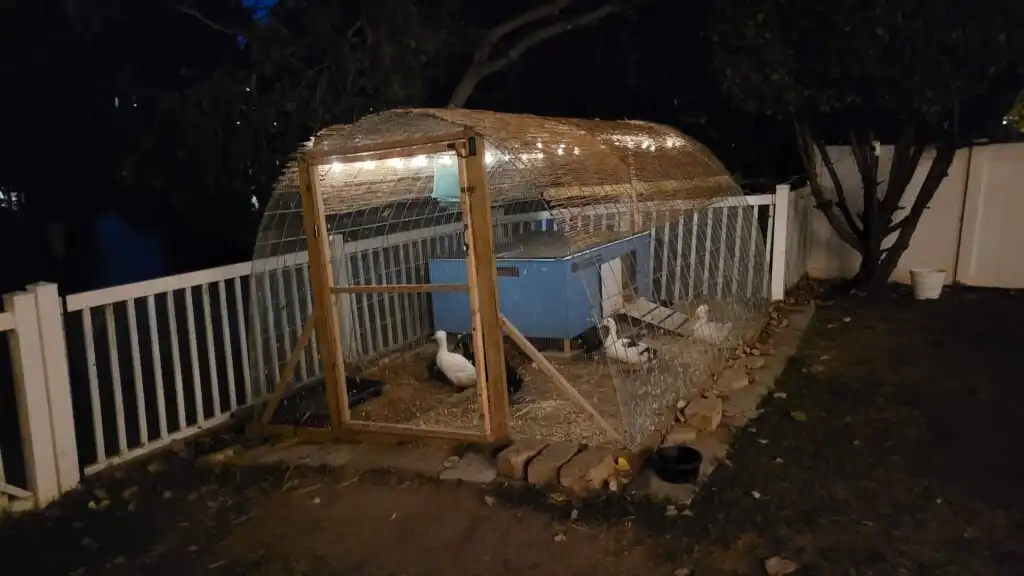
Night Panic Is Different From Normal Settling Behavior
A little movement after bedtime is completely normal.
Ducks may occasionally reposition themselves, shuffle bedding, quietly vocalize, or briefly wake up before settling again.
What is not normal is repeated frantic behavior.
Warning signs worth investigating include:
- Loud, distressed quacking at night
- Repeated flapping or crashing into coop walls
- Ducks piling tightly together in fear
- Persistent nighttime disturbances over multiple days
- Injuries or missing feathers in the morning
- Ducks refusing to enter the coop at bedtime
If your flock repeatedly panics after dark, treat it like valuable information. Ducks are often reacting to something real, even if the cause is not immediately obvious.
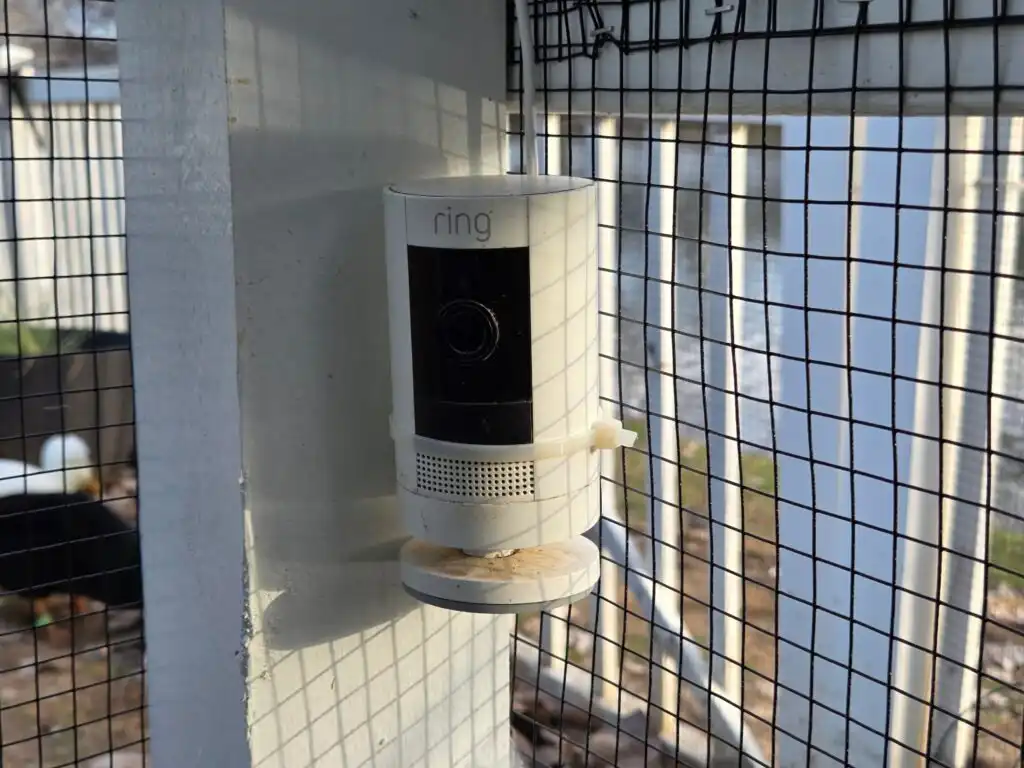
Repeated nighttime panic? Consider a coop camera.
A simple security camera can reveal hidden problems such as raccoons testing the enclosure, rodents entering the run, loose fencing, or disturbances you would otherwise miss. We have caught several unexpected nighttime visitors this way, and it has helped us improve safety for our flock.
The good news is that once the cause is identified and addressed, many ducks regain their confidence quickly and return to their normal nighttime routine.
How to Help Ducks Feel Safer
The good news is that while you cannot completely eliminate every duck panic moment, you can create an environment that helps your flock feel more secure and reduces unnecessary stress.
In my experience, ducks that feel safe tend to be calmer, more confident, and recover much faster after a scare. A secure setup will not stop normal prey instincts, but it can help prevent your ducks from living in a constant state of alertness.
Here are some of the best ways to help your ducks feel safer:
| Strategy | Why it helps |
|---|---|
| Provide overhead cover | Shade cloth, aviaries, shrubs, or covered areas help ducks feel protected from aerial predators |
| Predator-proof your run | Secure fencing, hardware cloth, locks, and covered runs reduce real danger and stress |
| Offer hiding and retreat areas | Bushes, shelters, or visual barriers give ducks places to feel secure |
| Keep routines predictable | Ducks thrive on consistency and often feel calmer with familiar schedules |
| Move slowly around nervous ducks | Sudden movements can trigger unnecessary panic |
| Introduce changes gradually | New feeders, pools, decorations, or objects may feel suspicious at first |
| Reduce nighttime disturbances | Secure food, limit predator access, and check for loose structures |
| Use a camera system | Helps identify hidden stressors, especially nighttime visitors |
| Provide enough space | Crowding can increase tension and make panic spread faster |
| Always provide water access | Water offers comfort and often feels like a safe retreat |
Prioritize Overhead Protection
If I could recommend one thing that makes a major difference for nervous ducks, it would be creating protected areas from above.
Many duck fears are linked to aerial predators. Even if hawks never actually attack, ducks often feel safer when they have places to retreat under shade cloth, tarps, shrubs, covered runs, or other visual cover.
I notice this in my own flock. When something overhead catches their attention, they immediately move toward covered areas or closer to structures where they feel protected.
Give Ducks a Secure Nighttime Shelter
One of the best things you can do for anxious or easily startled ducks is provide a secure nighttime shelter.
For pet ducks, this usually means a well-built coop, enclosed duck house, or predator proof nighttime enclosure where they can safely sleep.
A properly secured shelter does more than just physically protect ducks. It also helps them feel safer.
When ducks are fully enclosed at night:
- Predators are less likely to see them
- Ducks are less exposed to movement and visual triggers
- Outside noises may feel less threatening
- Predators may be harder to smell
- Ducks can rest without constantly scanning for danger
In my experience, ducks often settle much more easily when they have a cozy, predictable sleeping space where they know they are protected.

This becomes especially important during predator-heavy seasons, storms, or periods of increased nighttime activity. A secure duck house creates a safe routine and gives your flock a place to fully relax.
Of course, secure matters here. A nighttime shelter should be fully predator-resistant, with sturdy walls, proper locks, predator-resistant wire on openings, and good ventilation. A flimsy setup may actually increase stress if predators can still investigate the outside of the enclosure.
The goal is simple: your ducks should be able to sleep soundly without feeling like they need to stay on high alert all night.
Routine Matters More Than People Realize
Ducks are creatures of habit.
They tend to feel safest when daily life is predictable. Feeding at similar times, keeping the environment familiar, and avoiding constant changes can reduce unnecessary stress.
Even something small, like suddenly moving a favorite water bowl or adding a large unfamiliar object to the run, can temporarily make some ducks suspicious.
And yes, ducks absolutely hold grudges against random objects for no apparent reason.
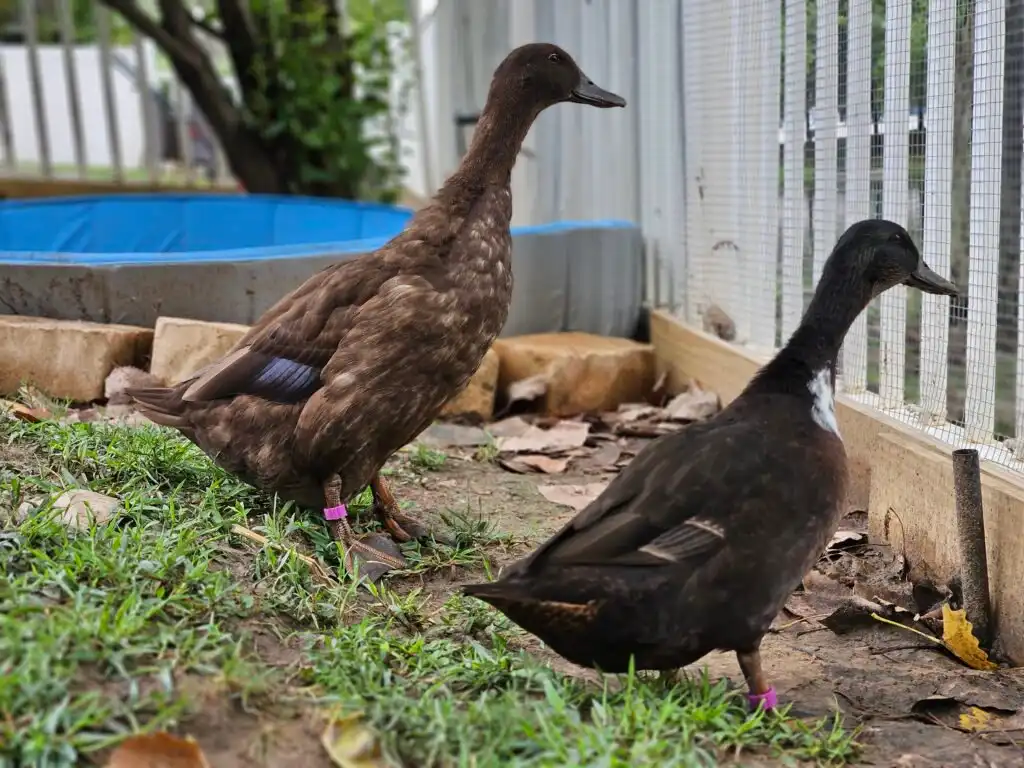
Do Not Accidentally Reinforce Panic
When ducks panic, our first instinct is often to rush over immediately.
But sometimes fast movement, loud voices, or chasing frightened ducks can accidentally make the situation worse.
Instead:
- Pause and look for the trigger
- Move calmly and slowly
- Check overhead, fence lines, and surroundings
- Allow the flock time to settle
Most ducks calm down relatively quickly once they determine the threat has passed.
The goal is not to eliminate every startled moment. Ducks are still ducks. The goal is to create a setup where they feel secure enough to spend most of their time doing what happy ducks should be doing: splashing, foraging, napping in questionable places, and demanding snacks.
When Panic May Signal a Bigger Problem
Most duck panic is completely normal.
A sudden shadow, loud sound, or suspicious movement can briefly send the flock into high alert before everything quickly returns to normal. In many cases, ducks calm down within minutes and go right back to swimming, foraging, or demanding snacks as if nothing ever happened.
But sometimes, repeated panic is worth paying closer attention to.
One thing I have learned from keeping ducks is this: when behavior changes suddenly or feels off, there is often a reason. Ducks are excellent at noticing danger, but they are also very good at quietly signaling when something in their environment or body is not right.
Signs Panic May Be More Than a Normal Startle Response
| Usually normal | Worth investigating |
|---|---|
| Ducks panic briefly, then settle | Ducks stay fearful for long periods |
| Trigger is obvious | Panic happens repeatedly with no clear cause |
| Flock resumes normal behavior | Ducks stop eating, bathing, or resting normally |
| Occasional daytime startle | Frequent day or nighttime disturbances |
| Everyone acts normal afterward | One duck seems unusually fearful or isolated |
If you notice repeated panic, try to think like a detective.
Ask yourself:
- Has anything changed in the environment?
New construction, loud neighbors, storms, new pets, or moved objects can all affect ducks. - Could a predator be visiting?
Look for tracks, droppings, disturbed fencing, digging, feathers, or signs of attempted access. - Is one duck acting differently?
Sometimes a single duck that feels unwell becomes unusually reactive or starts the group panic. - Is the flock sleeping normally?
Repeated nighttime disturbances are especially worth investigating.
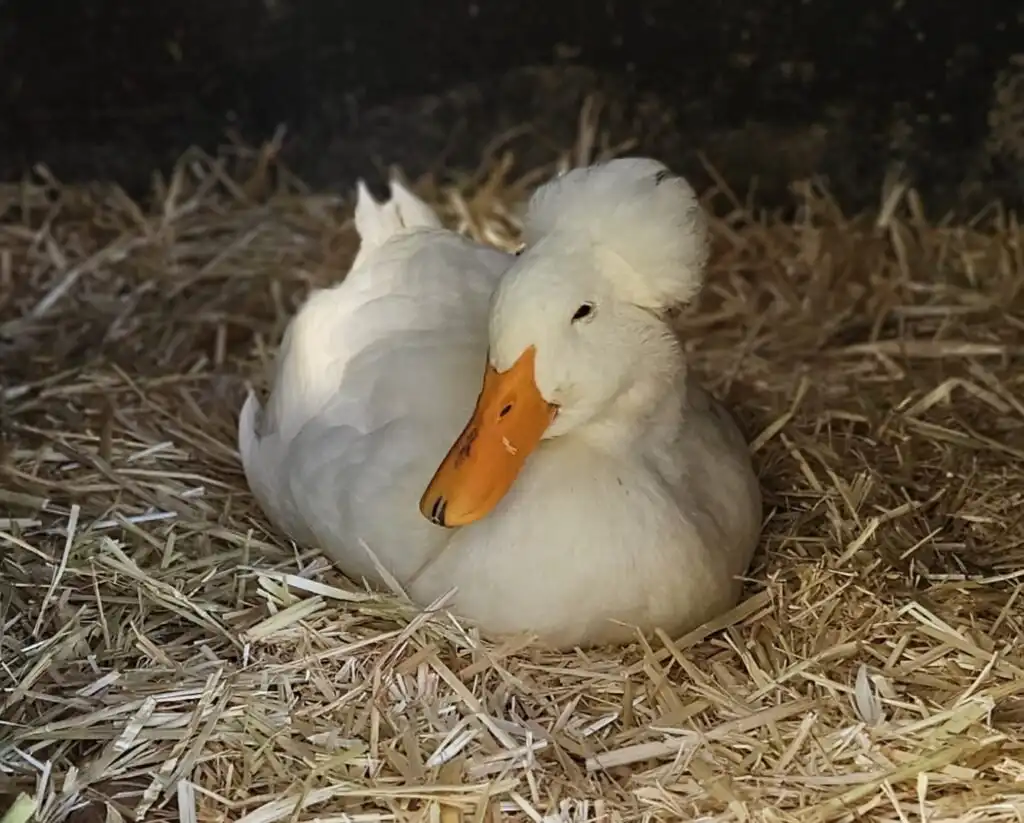
Sometimes Fear Is Actually Illness
This is something I think many people overlook.
A duck that feels vulnerable because of pain, weakness, or illness may become more fearful, reactive, or withdrawn.
Watch for signs such as:
| Behavior change | Why it matters |
|---|---|
| Isolation from flock | Common early illness sign |
| Reduced appetite | Often one of the first red flags |
| Lethargy | Can indicate illness or pain |
| Low tail or unusual posture | Suggests discomfort or weakness |
| Less interest in swimming or bathing | May signal feeling unwell |
| Increased nervousness | Vulnerable ducks often feel less secure |
I have learned to trust my instincts when a duck suddenly feels off. Sometimes the changes are subtle at first. A duck may seem slightly more withdrawn, less enthusiastic about treats, or unusually reactive to the environment. More than once, those small behavioral shifts turned out to be early signs that something bigger was going on.
That does not mean every startled duck needs a vet visit. But if panic suddenly becomes frequent, intense, or comes alongside other behavioral changes, it is worth taking a closer look.
Your ducks may be trying to tell you something important.
Frequently Asked Questions About Duck Panic
Why do my ducks suddenly panic for no reason?
There is usually a reason, even if it is not obvious to us. Ducks may react to predators, shadows, strange sounds, movement, unfamiliar objects, weather changes, or even another duck’s alarm behavior.
Why do my ducks suddenly freak out at night?
Nighttime panic is often caused by predators nearby, rodents, strong wind, unfamiliar noises, or disturbances around the coop. Repeated nighttime panic should be investigated because ducks are especially vulnerable after dark.
Can ducks sense predators before humans notice them?
Yes. Ducks are highly alert prey animals with excellent eyesight and strong flock awareness. Many duck keepers notice their ducks reacting to hawks, cats, raccoons, or other threats before humans spot them.
Why does one scared duck make the whole flock panic?
Ducks rely heavily on flock communication for survival. If one duck notices danger and reacts, the others often follow immediately rather than waiting to confirm the threat themselves.
Are some duck breeds more nervous than others?
Often, yes. Lighter breeds and ducks with stronger flight ability, such as Mallard derived breeds or Call Ducks, may be more reactive than heavier breeds like Pekins. Individual personality also plays a big role.
When should I worry about repeated panic?
If your ducks panic frequently, remain fearful for long periods, avoid normal activities, or show other signs such as lethargy, posture changes, or reduced appetite, it is worth investigating for predators, environmental stress, or possible health issues.
How can I help my ducks feel safer?
Provide a predator-resistant run, overhead protection, a secure nighttime shelter, enough space, predictable routines, and gradual introductions to changes. Many ducks also feel safer when they have covered areas and easy access to water.
Final Thoughts: Your Ducks Are Not Being Dramatic
When ducks suddenly panic, it can feel confusing, frustrating, or even a little alarming, especially when you cannot immediately figure out what caused it.
But the truth is, ducks are not being dramatic.
They are doing exactly what nature designed them to do.
As prey animals, ducks are constantly scanning the world for danger. Their fast reactions, flock communication, and tendency to overreact are all part of a survival system that has helped ducks stay alive for thousands of years. From their perspective, it is always better to react first and investigate later.
Sometimes the reason is obvious. A hawk overhead, a barking dog, or a loud thunderstorm.
Other times, your ducks may notice something you completely missed.
And honestly? More often than not, they are probably right.
Over time, you will start learning your flock’s unique behavior patterns. You will notice who sounds the alarm first, who tends to be the most cautious, and when a panic moment feels normal versus when something seems genuinely off.
For me, paying attention to these little moments has helped me better understand my ducks and catch potential problems earlier, whether that was a predator nearby, environmental stress, or simply recognizing that one duck was not feeling like herself.
The goal is not to prevent every startled moment. Ducks will always be ducks.
Instead, focus on creating an environment where your flock feels safe, secure, and confident enough to relax. A predator-resistant setup, secure nighttime shelter, consistent routines, and paying attention to behavior all go a long way.
Because at the end of the day, happy ducks should spend far more time splashing, foraging, sunbathing, and begging for treats than worrying about what might be lurking around the corner.
Further Reading & Resources
- 17 Duck Predators – Common And Not-So-Common Ones
- How to keep your ducks safe from predators?
- Creating the Perfect Home for Your Pet Ducks: Housing, Space, and Safety Tips
- Building a Hoop Coop for Ducks with Cattle Panels
- Free-Ranging Ducks: The Pros and Cons of Letting Your Flock Roam Freely
- Decoding Duck Body Language: What Your Flock is Telling You
- Duck Ears: The Hidden Anatomy Behind a Duck’s Amazing Hearing
- Duck Eye Facts: How Ducks See the World Differently
Connect deeper with your flock. Discover more about duck psychology and social dynamics in the Community & Behavior Hub.