Rogers Wildlife Rehabilitation Center: A Place Where Second Chances Take Flight

Last updated: September 30th, 2026
To keep our research-backed guides free, this site uses ads and affiliate links (earning a small commission at no cost to you). Everything here is created by a duck mom and PhD scientist, combining academic rigor with hands-on experience to provide practical, trustworthy advice for duck keepers everywhere. 🦆 Learn more
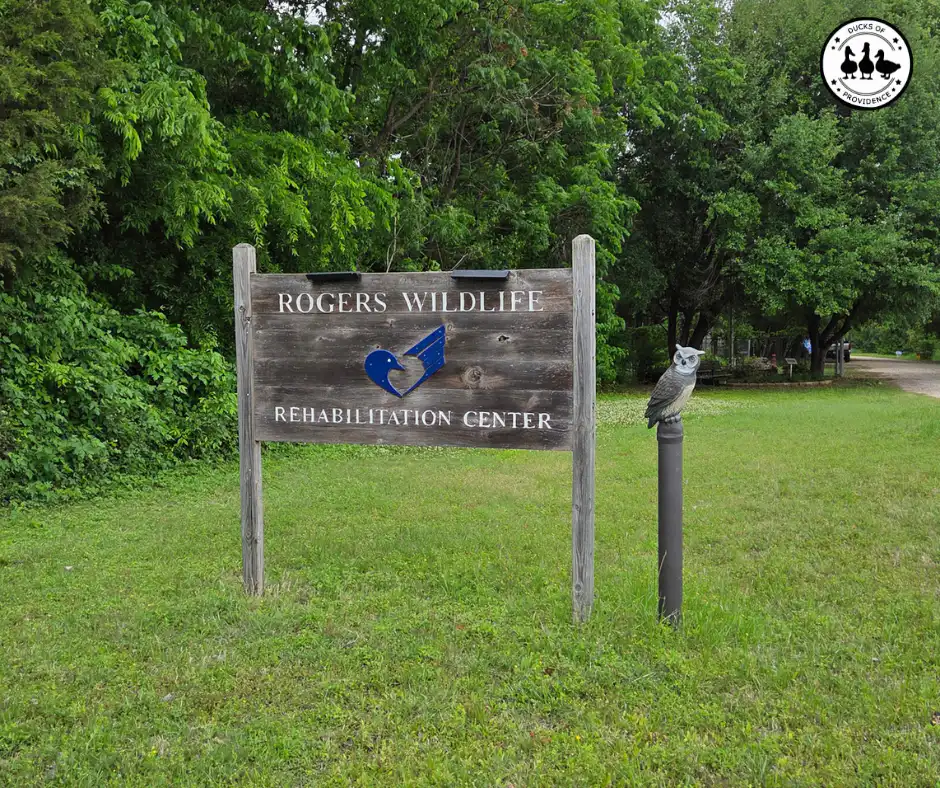
There are places you come across that quietly change the course of your story. For us, that place is the Rogers Wildlife Rehabilitation Center.
This is not just another wildlife center. It is a place where broken wings are mended, orphaned ducklings are raised, and animals get a second chance at life. And for our flock, it became something deeply personal.
Let me tell you why.
Part of the Community & Behavior Hub, Exploring the social complexity and psychological needs of domestic ducks.
Quick Navigation: Jump to a Section
[hide]
- A Legacy of Wildlife Care in North Texas
- What They Do (And Why It Matters So Much)
- Penny and Simon: How Our Story Began
- Hazel’s Ducklings: When Everything Changed
- Why Wildlife Rehab Centers Matter More Than Ever
- Found a Duckling (or Any Other Bird)? Here’s What to Do
- FAQ Wildlife Rehab
- Final Thoughts: Why This Story Matters
- Related Articles
A Legacy of Wildlife Care in North Texas
The story of the Rogers Wildlife Rehabilitation Center is one of those that truly starts small. And I mean really small.
Before there was a center, before the flight cages, before the thousands of birds…
there was one person working out of her home.
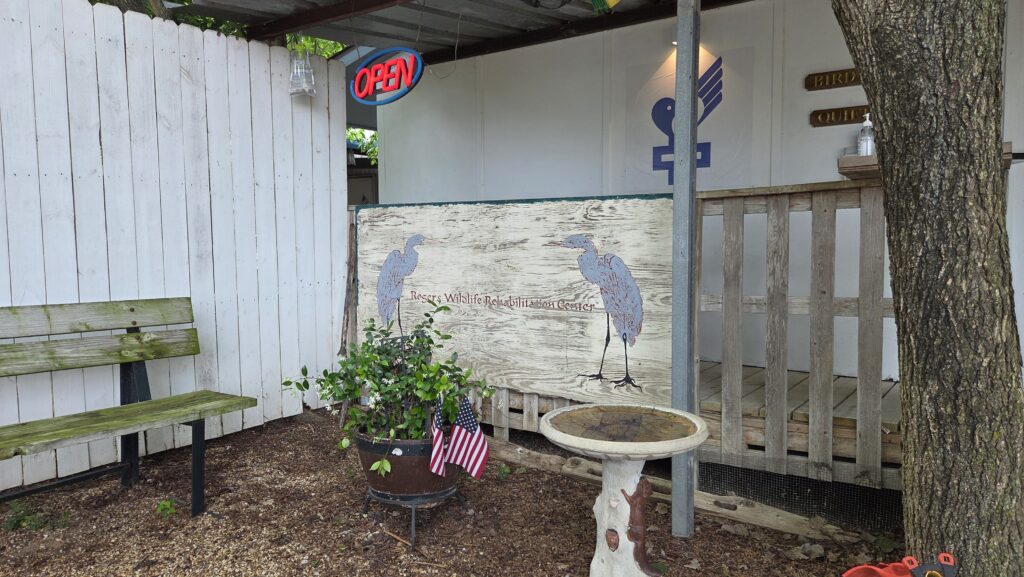
From One Home to a Regional Lifeline
Kathy Rogers spent eight years rehabilitating injured and orphaned birds from her own house. If you have ever cared for even one duck in recovery, you already understand what that means. Constant monitoring. Specialized care. No real off switch.
That early phase tells you everything about the foundation of this center: It was built on commitment, not convenience.
After obtaining official 501(c)(3) nonprofit status, the operation moved to Samuel Farm in 1989, allowing the work to expand beyond what was possible in a home setting.
And they did not grow slowly.
Within the first ten years at Samuel Farm, more than 20,000 birds were treated and cared for. That kind of scale does not happen without structure, experience, and an incredible amount of dedication from volunteers.
Establishing a Permanent Home
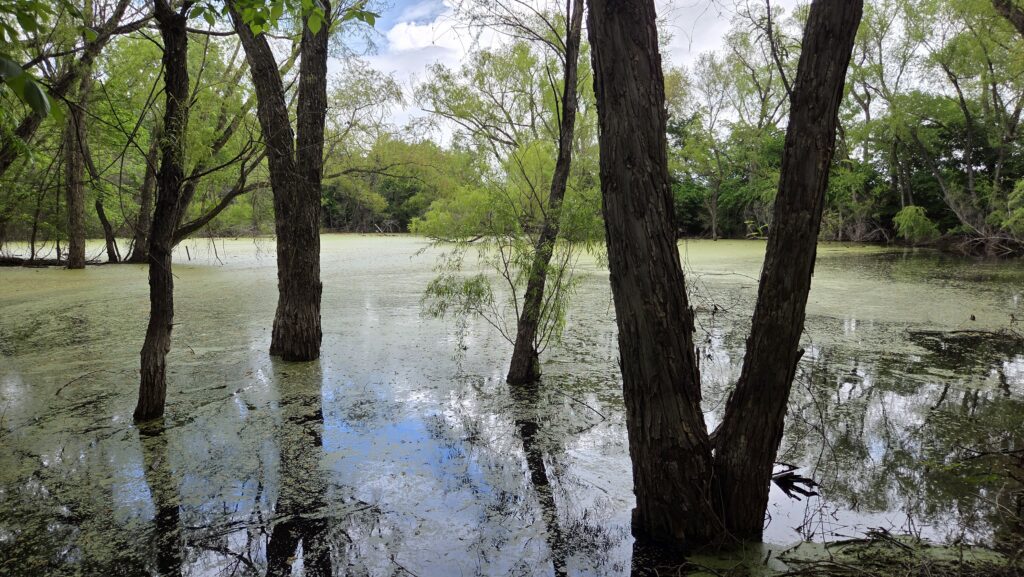
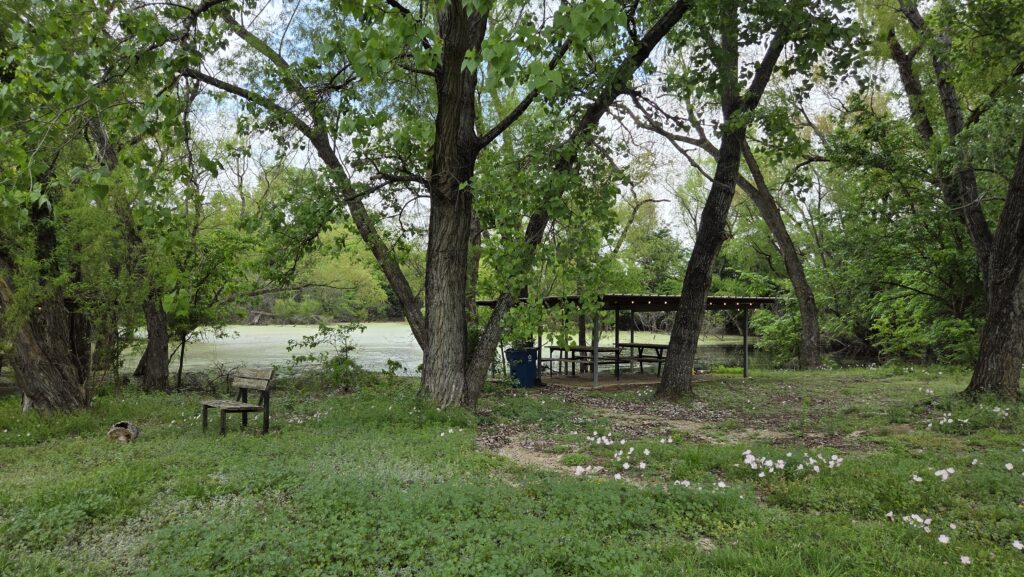
A major turning point came in 1999, when Browning-Ferris Industries dedicated 20 acres of restored wetland habitat in Hutchins, Texas as the permanent home for the center.
This location was not random. Positioned along the Trinity River and bordering the Great Trinity Forest, it provides a natural environment that supports both rehabilitation and eventual release. It also places the center right within the path of migratory bird activity, which is especially important here in North Texas.
Today, Rogers operates as the largest all-species avian rehabilitation and education center of its kind in North Texas, holding both federal and state rehabilitation and educational display permits.
A Facility Built Around Recovery and Education
Over time, the center has developed into a highly specialized facility that includes:
- A critical care clinic for stabilization and treatment
- The George and Fay Young Clinic Annex for ongoing care
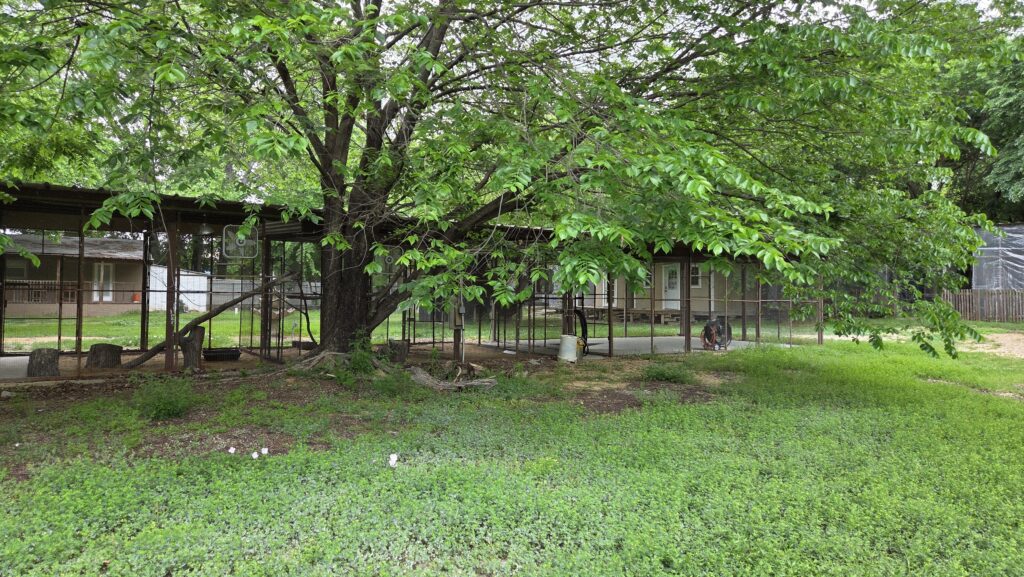
- An Outdoor Learning Center with native Texas bird exhibits
- More than 25 rehabilitation flight cages
At any given time, over 1,000 birds may be under care.
And here is something I always pause on: Each one of those birds represents a moment where something went wrong. An injury. A lost nest. A collision. A predator encounter.
Decades of Impact
Over the past 25 years, the center has provided care for more than 120,000 birds. That is not just a number. That is:
- 120,000 individual cases
- 120,000 chances at survival
- 120,000 moments where intervention made a difference
Their work has also become deeply integrated into the local community. Birds are brought in not just by individuals, but also by:
- Local animal control departments
- The SPCA
- Texas game wardens
And beyond rehabilitation, the center has grown into an important educational hub. Through its Outdoor Learning Center, it reaches:
- Students from Pre-K through 12th grade
- Families and local communities
- Scouting organizations contributing to infrastructure projects like flight cages
In fact, the center was added in 2006 to the Texas Parks and Wildlife Prairies and Pineywoods Wildlife Trail, placing it alongside other well-known destinations like the Texas Discovery Gardens.
Powered by People Who Care
One of the most important things to understand about Rogers is this: They do not receive federal, state, or local government funding. Everything they have built and everything they continue to do is supported by:
- Donations
- Volunteers
- Community involvement
And if you have ever raised ducks, you already understand what that means. Because this kind of care is never passive. It is showing up every day. Adjusting. Cleaning. Monitoring. Learning.
That combination of science, patience, and compassion is exactly what it takes. And it is exactly what built Rogers into what it is today.
What They Do (And Why It Matters So Much)
It is easy to think of wildlife rehabilitation as simply helping animals. But what happens at the Rogers Wildlife Rehabilitation Center is far more complex than that.
This is structured, science-based care under constant pressure, where every decision can determine whether a bird survives and whether it will ever be able to return to the wild.
The First Hours: Stabilization and Triage
Every case begins with intake, and most birds do not arrive in good condition. They come in after collisions, predator attacks, or being found alone after a nest has been disturbed. Many are already in shock or severely dehydrated.
The first priority is stabilization. That means carefully warming the bird, providing fluids, and assessing injuries without adding unnecessary stress. This stage is incredibly delicate. Birds have a high metabolic rate and a strong stress response, which means that even handling alone can push them over the edge if not done correctly.
Those first hours often decide everything.
Medical Care That Goes Far Beyond Basics
Once stabilized, treatment begins. And this is where you really start to understand the level of expertise involved.
Injuries are rarely simple. Broken wings, fractures, infections, and head trauma are common, and each requires a tailored approach. A wing fracture, for example, is not just about healing the bone. It has to heal in perfect alignment to restore flight capability. Otherwise, the bird may survive but never be releasable.
At the same time, everything has to be balanced with stress management. Birds hide illness extremely well, and too much intervention can be just as dangerous as too little. It is a constant calibration between doing enough and not doing too much.
Raising Orphaned Ducklings Without Losing Their Wild Nature
This is the part that always hits closest to home for me.
Raising ducklings is already demanding when they are pets. But raising wild ducklings is an entirely different challenge. At Rogers, the goal is not just to keep them alive. It is to keep them wild.
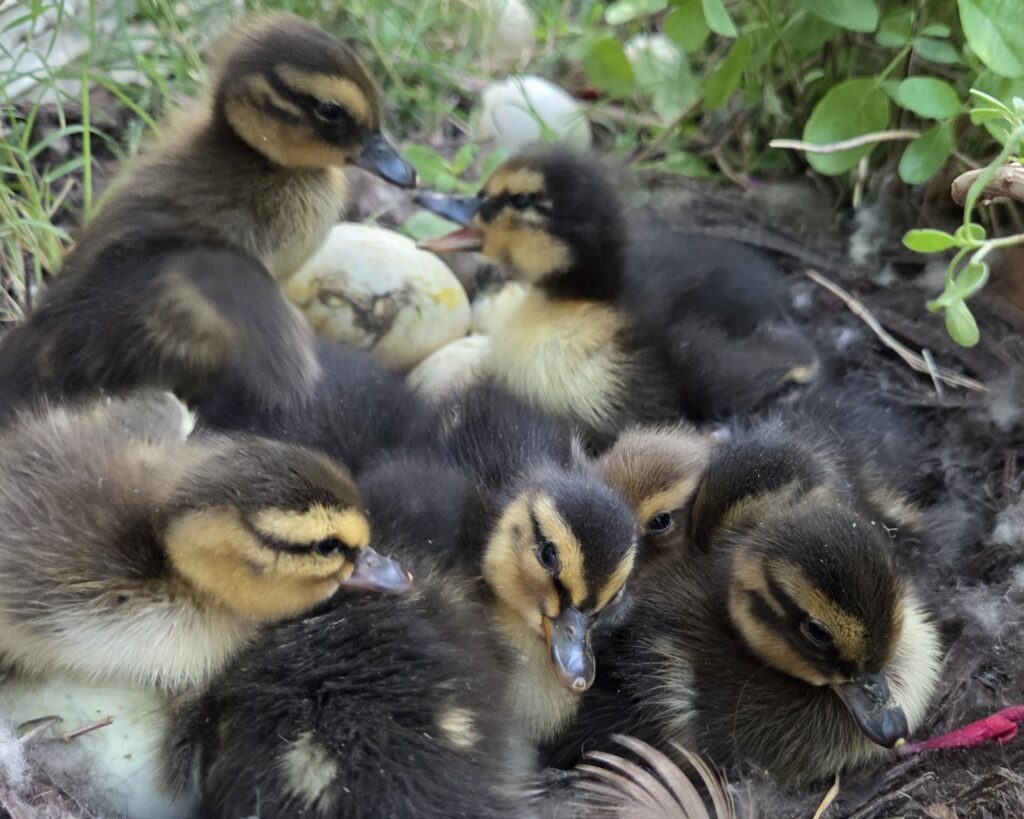
That means limiting human interaction, housing them with other ducklings, and making sure they develop natural behaviors from the start. They need access to water for proper feather and muscle development, and their diet has to be carefully balanced to support rapid growth without causing developmental issues.
It is a very intentional process. And it is exactly why taking in wild ducklings at home, even with the best intentions, often leads to imprinting or long-term survival issues.
Rehabilitation: Preparing for Life Outside
Once birds recover from their immediate injuries, the focus shifts. Now it is not just about healing, but about function.
They need to rebuild strength, coordination, and endurance. Flight cages play a huge role here, allowing birds to regain the ability to fly properly before release. Because in the wild, there is no margin for error. If a bird cannot fly well, it cannot escape predators or forage effectively.
This stage takes time. Sometimes weeks. Sometimes months. And it requires patience, consistency, and a deep understanding of each species.
When Release Is Not Possible
As much as everyone hopes for release, it is not always the outcome.
Some birds have permanent injuries that make survival in the wild impossible. Others may have neurological damage or have imprinted too strongly on humans.
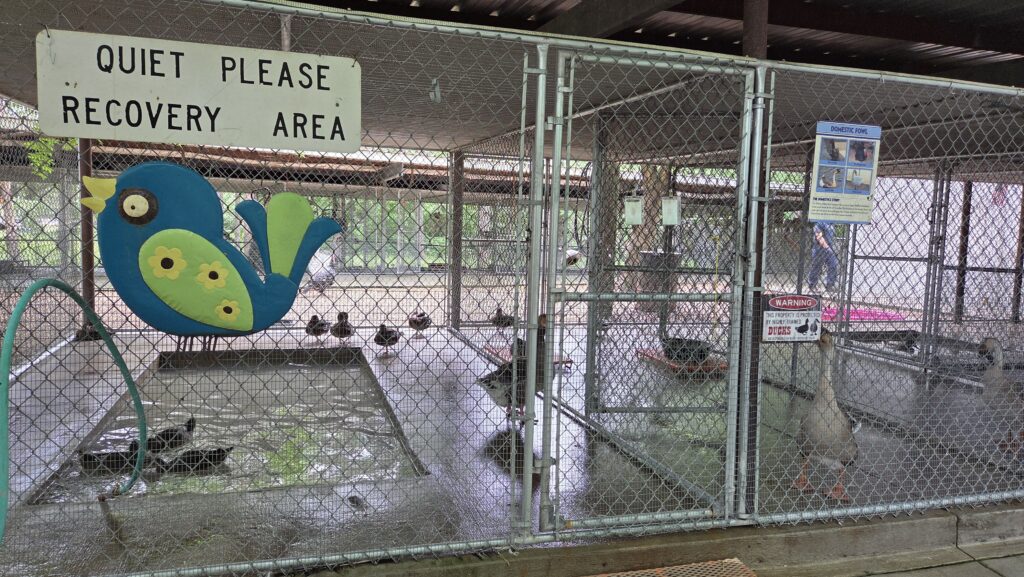
In those cases, Rogers provides long-term care in habitat-specific enclosures. These birds become permanent residents, living safe, stable lives even if they cannot return to the wild.
There is something very honest about that approach. It is not about forcing a success story. It is about choosing the outcome that gives the animal the best possible quality of life.
Caring for More Than Just Ducks
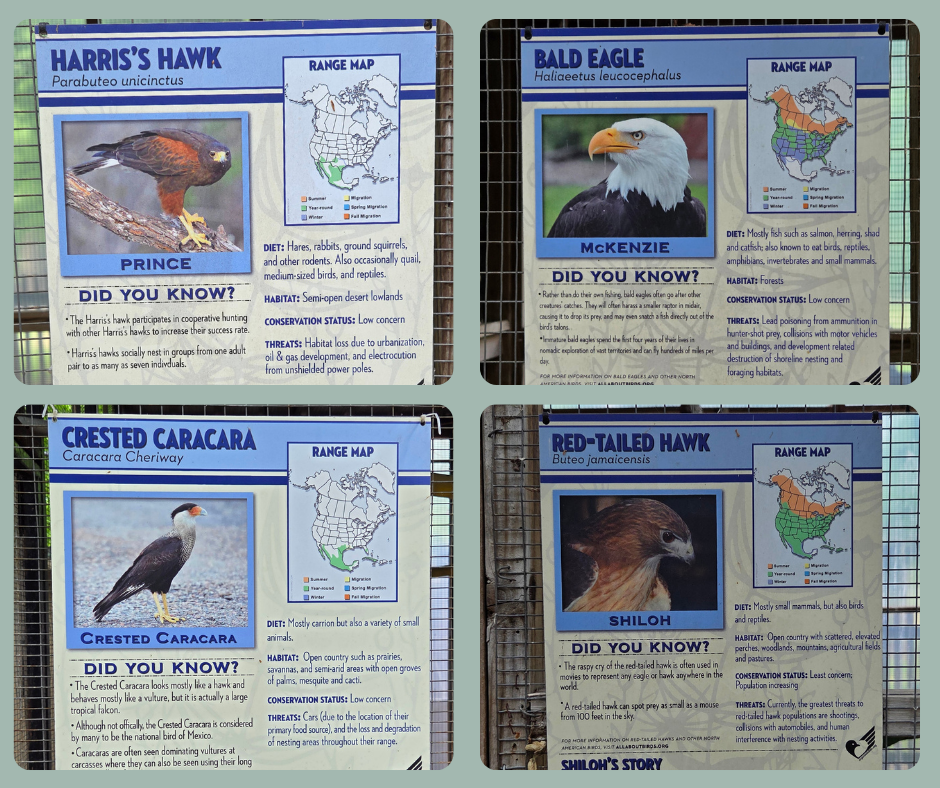
While ducks are, of course, close to my heart, one of the things that makes the Rogers Wildlife Rehabilitation Center so impactful is the incredible range of birds they care for.
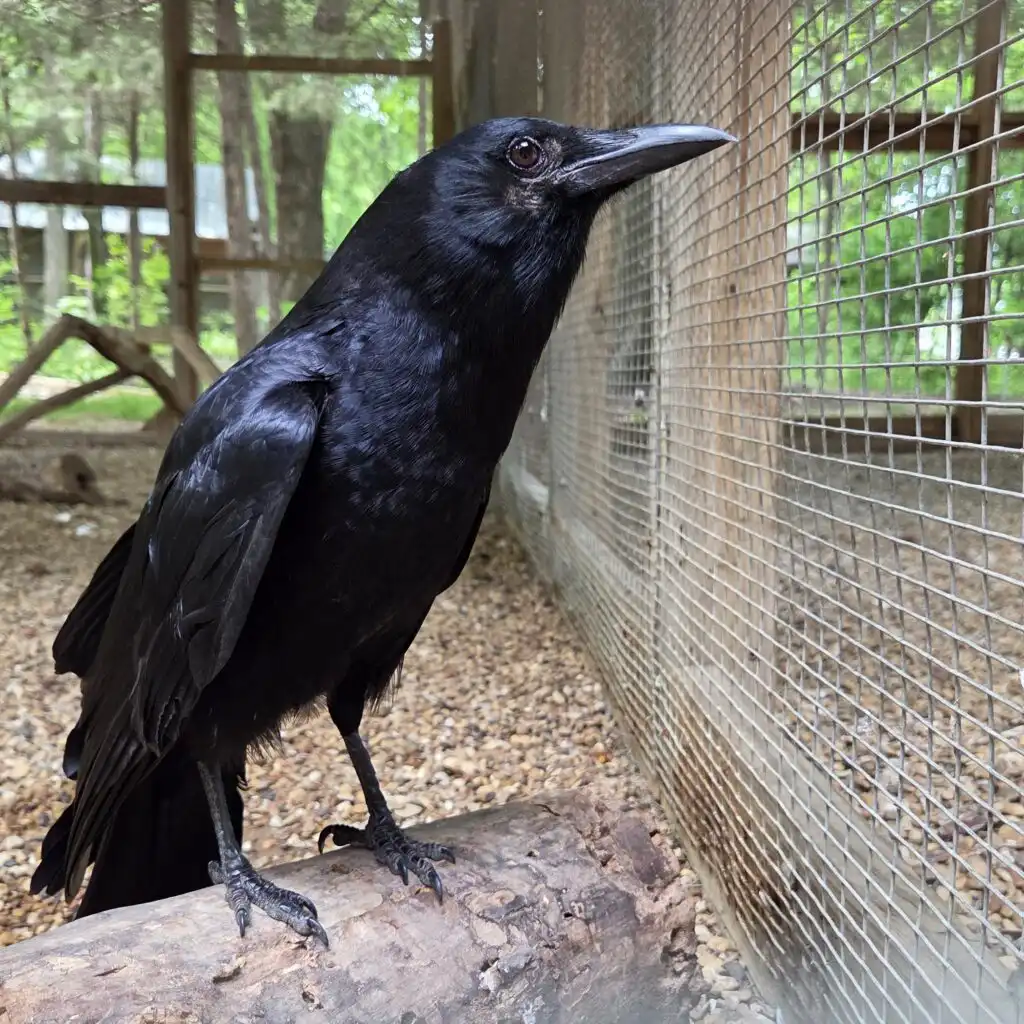
They are not limited to one type of species. Instead, they work with a wide variety of native Texas birds, each with completely different needs.
This includes:
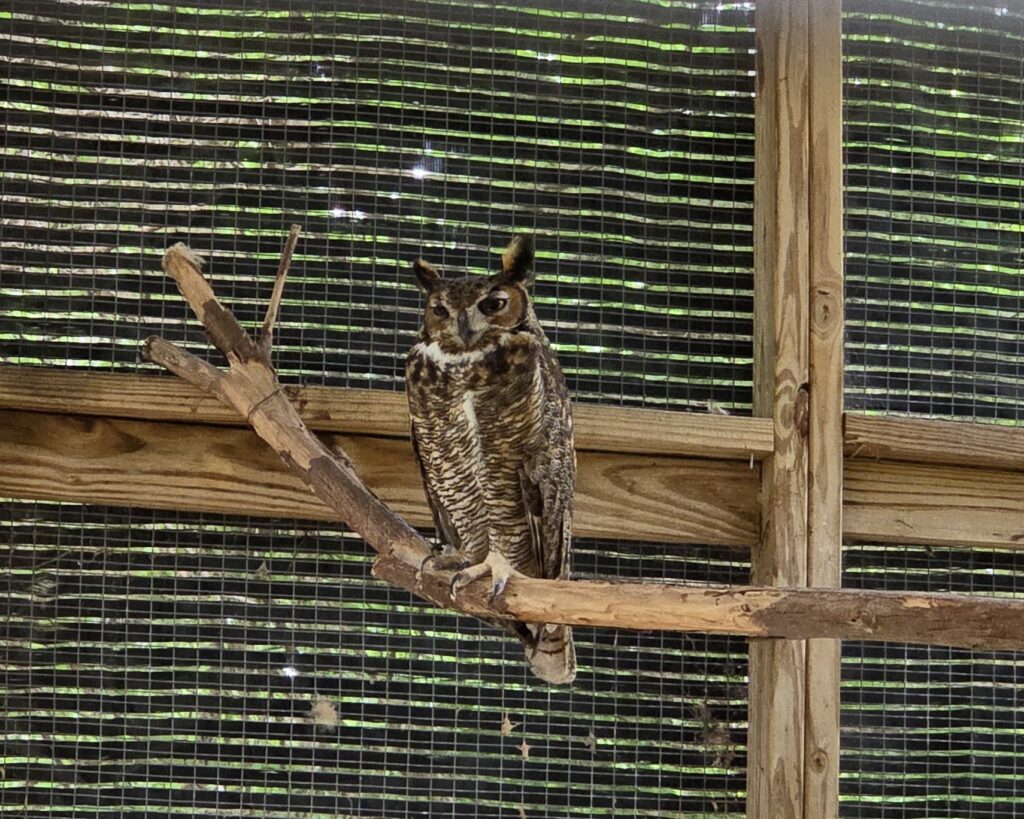
- Raptors like hawks and owls, which often come in with wing injuries or trauma and require large flight spaces to rebuild strength
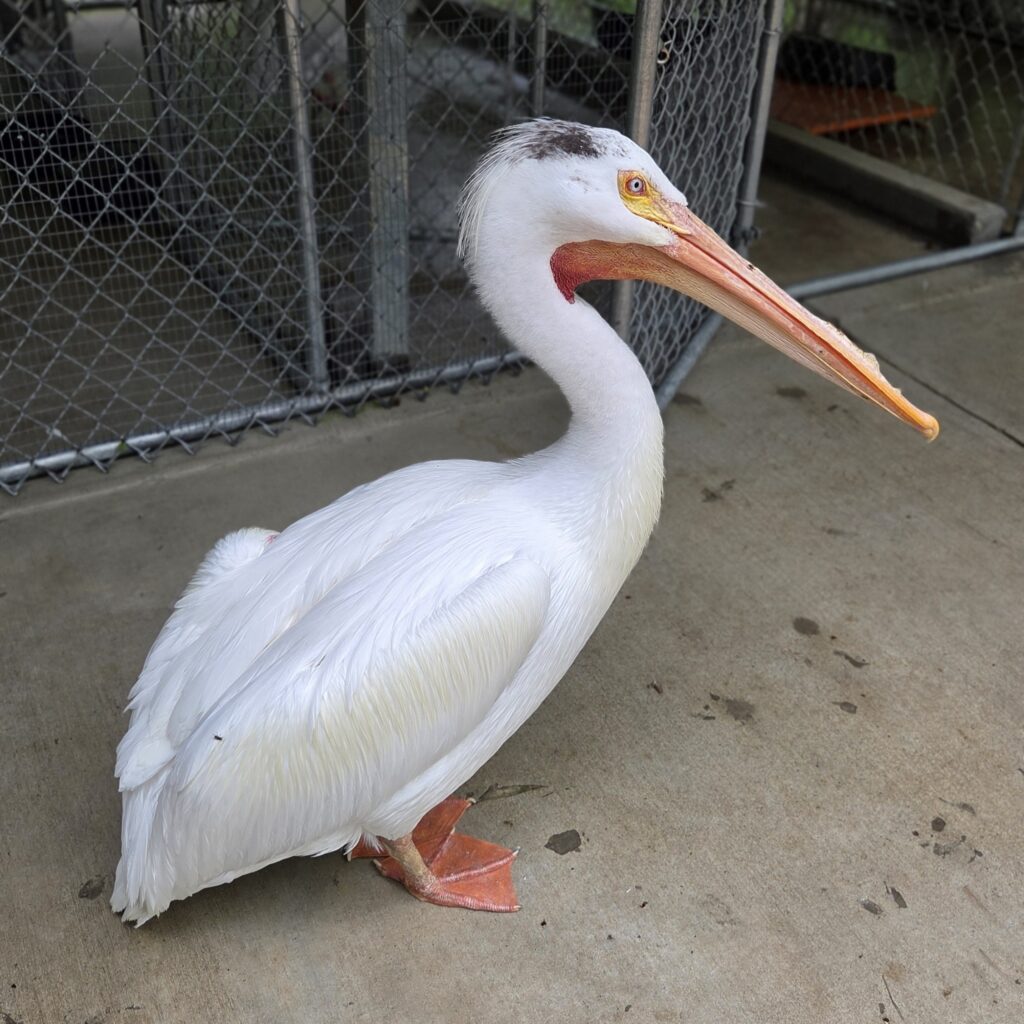
- Wading birds such as herons and egrets, which depend on wetland environments and specialized feeding approaches
- Songbirds, which may seem small and resilient but are often among the most fragile patients in rehabilitation
- Waterfowl, including ducks like the ones we are most familiar with
What makes this especially impressive is that each of these groups requires very different care protocols.
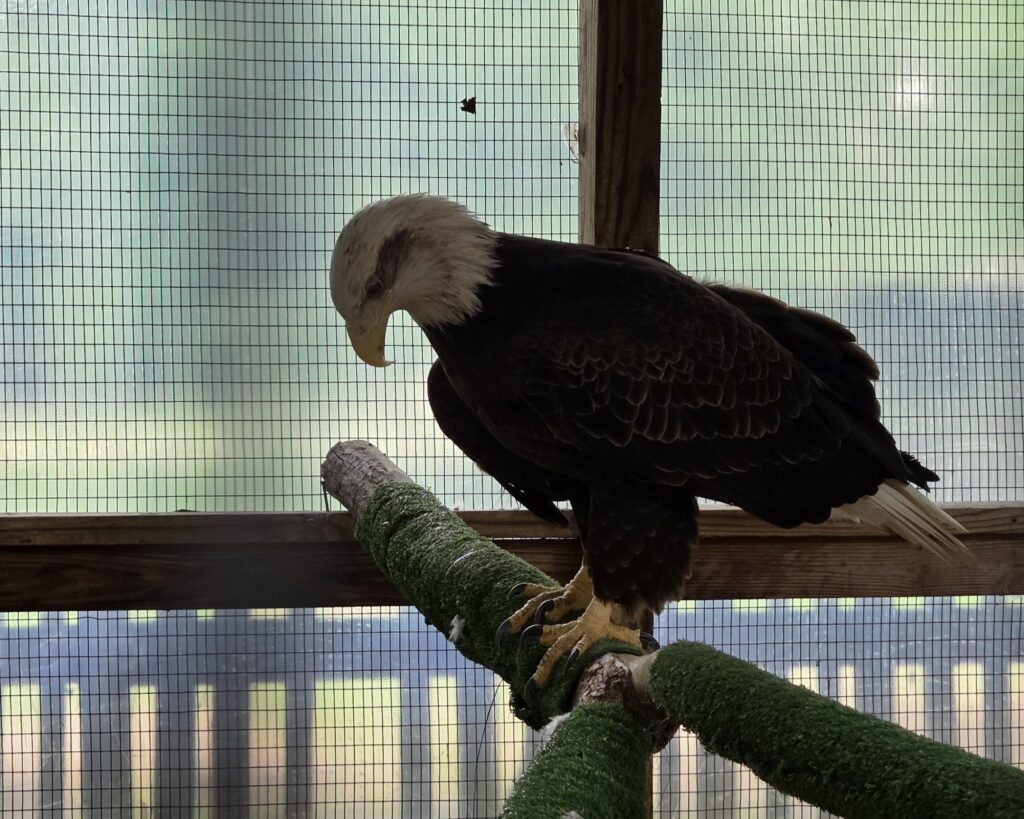
A duck recovering from an injury needs access to water and support for buoyancy and feather health. A hawk, on the other hand, needs space to regain flight power and sharp vision for hunting. Songbirds require precise diets and extremely low-stress environments, as they can decline very quickly under pressure.
This means the team at Rogers is constantly adapting their care based on:
- Species
- Injury type
- Age and developmental stage
- Behavioral needs
And that level of specialization is exactly why wildlife rehabilitation is not something that can be improvised at home.
It also highlights something important:
When you bring in one bird, you are supporting a system that is helping hundreds of others at the same time.
From tiny songbirds to powerful raptors, every single one plays a role in the ecosystem. And every single one deserves the chance Rogers is working so hard to give them.
Why This Matters, Especially Here in North Texas
Here in North Texas, we are seeing more and more overlap between human development and wildlife habitats. That leads to more injured birds, more orphaned ducklings, and more situations where intervention becomes necessary.
Hazel’s story is a perfect example of that reality.
Without centers like Rogers, many of these animals simply would not have a chance. And just as importantly, well-meaning people might step in without the knowledge or resources needed to truly help.
From My Perspective as a Duck Keeper
Watching this process has changed how I see my own flock.
You start to realize just how delicate ducks really are and how much goes into proper care, even in a controlled environment. It reinforces something I have learned over and over again:
Loving ducks is not just about caring for them yourself.
It is also about knowing when to trust the people who do this every single day.
That is exactly what we did with Hazel’s ducklings. And even though it was hard, it was the right decision. (More about this below.)
Penny and Simon: How Our Story Began
This is the part of the story that will always feel personal to me.
Before Penny and Simon were part of our flock, they were just two tiny ducklings, about two weeks old, left behind at a local park in Dallas. Someone had dumped them there, likely not realizing or not caring that domestic ducks cannot survive in the wild. In fact, releasing domestic ducks is not just irresponsible, it is against the law in many areas because of the risk it poses to both the animals and the ecosystem.
Thankfully, someone stepped in.
They were found and brought to the Rogers Wildlife Rehabilitation Center, where things immediately changed for them. Instead of trying to survive in an environment they were never meant for, they were placed into the hands of someone who truly understood their needs.
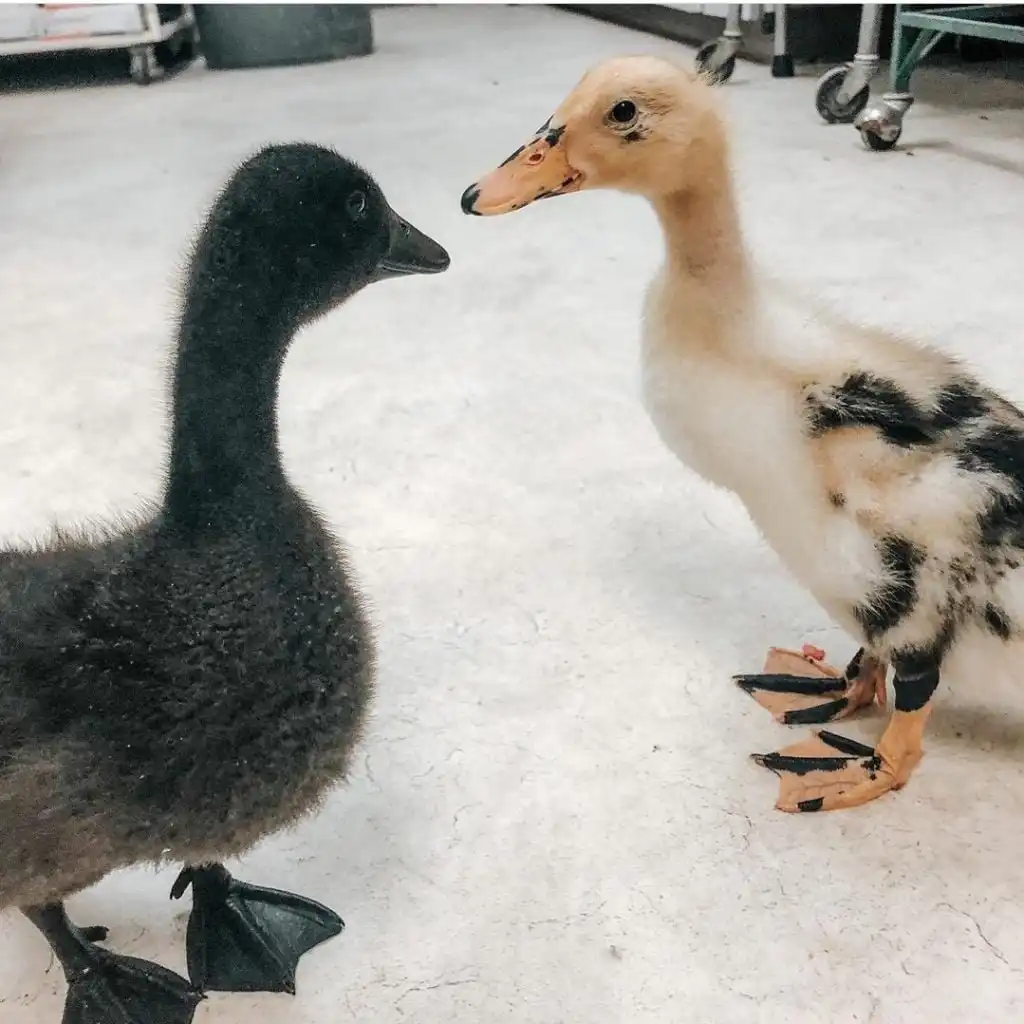
They were fostered by a rehabilitator who specializes in ducklings, and that made all the difference. Because ducklings at that age are incredibly vulnerable. They need:
- Consistent warmth
- Proper nutrition with the right niacin balance
- Safe water access for development
- Careful monitoring for growth and health
And beyond all of that, they need stability. At Rogers, they got exactly that. But there was one important reality: They could never be released.
Domestic ducks are not equipped for life in the wild. They lack the instincts, the flight ability, and often even the physical resilience needed to survive. Releasing them would have been a death sentence.
So Rogers did what they do best. They started looking for a permanent, responsible home.
The Moment They Became Ours
We met them when they were about eight weeks old, in April of 2022. And I still remember that moment so clearly.
They were no longer the fragile ducklings that had been abandoned, but they were still young, still growing, still figuring out the world. And somehow, it just clicked. We fell in love with them almost instantly.
Bringing them home was not just an adoption. It was the beginning of something much bigger. They became part of our flock, but more than that, they became part of our family.
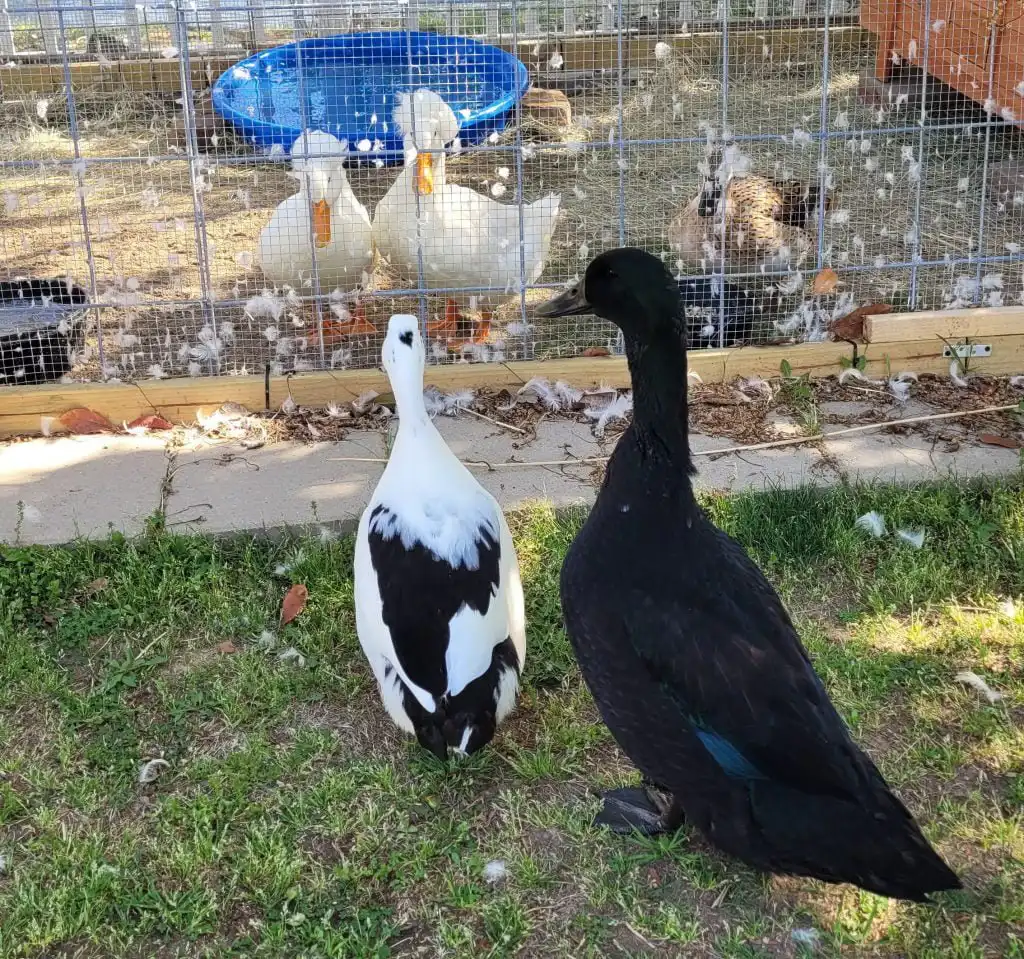
Simon, with all his personality, quickly made himself known. And Penny… she had this quiet, steady presence that balanced everything. If you have ducks, you know exactly what I mean. Each one brings something completely unique.
Penny’s Legacy
Losing Penny was incredibly hard. There is no easy way to say that part. But what I hold on to is this: Her story did not end when she left us.
Her life is part of a much bigger chain of care and compassion that started with someone choosing not to walk past two abandoned ducklings… continued with the team at Rogers who gave them a chance… and became part of our lives when we brought them home.
That is her legacy. And it is also a reminder of why places like Rogers matter so much. Because without them, Penny and Simon’s story would have ended very differently.
Hazel’s Ducklings: When Everything Changed
Some of you followed Hazel’s story. Hazel, our wild mallard, chose our yard for her nest.
Not once, but two years in a row. Last year, she successfully raised 11 ducklings right there in our flower bed.
This year… things ended differently. Hazel was taken by a bobcat. And suddenly, we had ducklings without a mother.
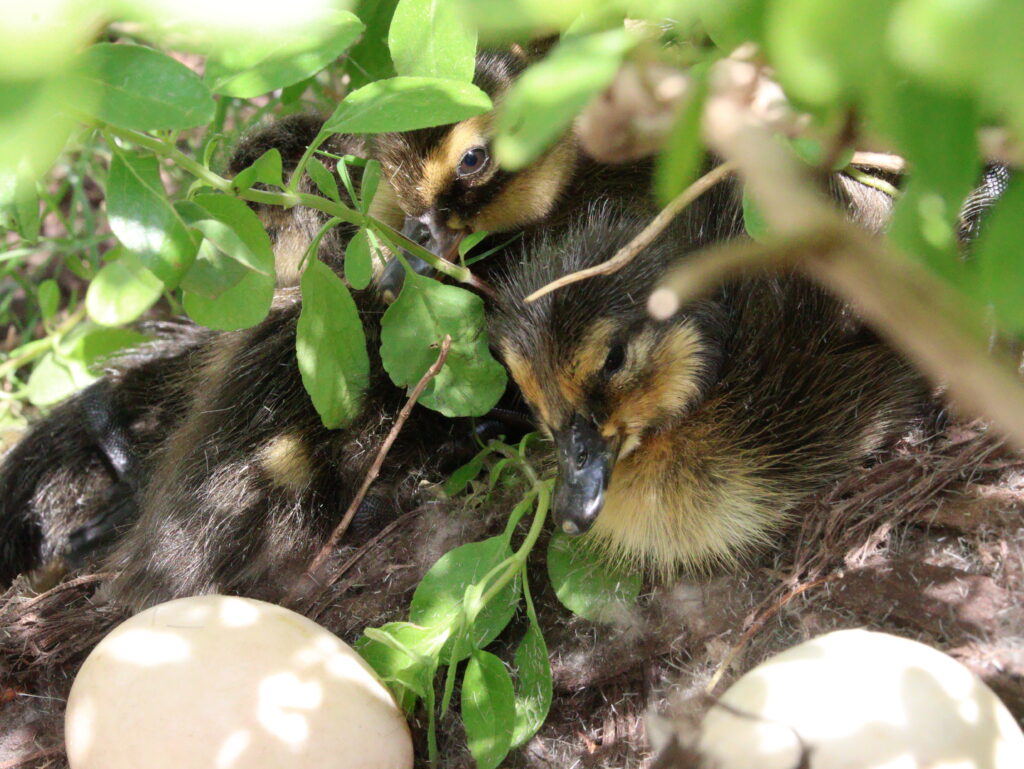
If you have ever been in that situation, you know the weight of that moment.
You want to help. You feel responsible. But you also know: Wild ducklings are not pets.
They need proper rehabilitation. So we did what we knew was right. We brought them to the Rogers Wildlife Rehabilitation Center. Because sometimes the best way to help…
is to trust the people who do this every single day.
Why Wildlife Rehab Centers Matter More Than Ever
Here in North Texas, the landscape is changing quickly. Neighborhoods expand, roads stretch further out, and areas that once supported undisturbed wildlife are now shared spaces.
We are seeing an increasing overlap between:
- Urban development
- Wildlife habitats
- Predator activity
And that overlap comes with real consequences.
It means more nests are disturbed before ducklings are ready. It means more birds are hit by cars or injured trying to navigate unfamiliar environments. It also means predators like bobcats, raccoons, and hawks are moving closer into residential areas, which creates situations many people are not prepared for.
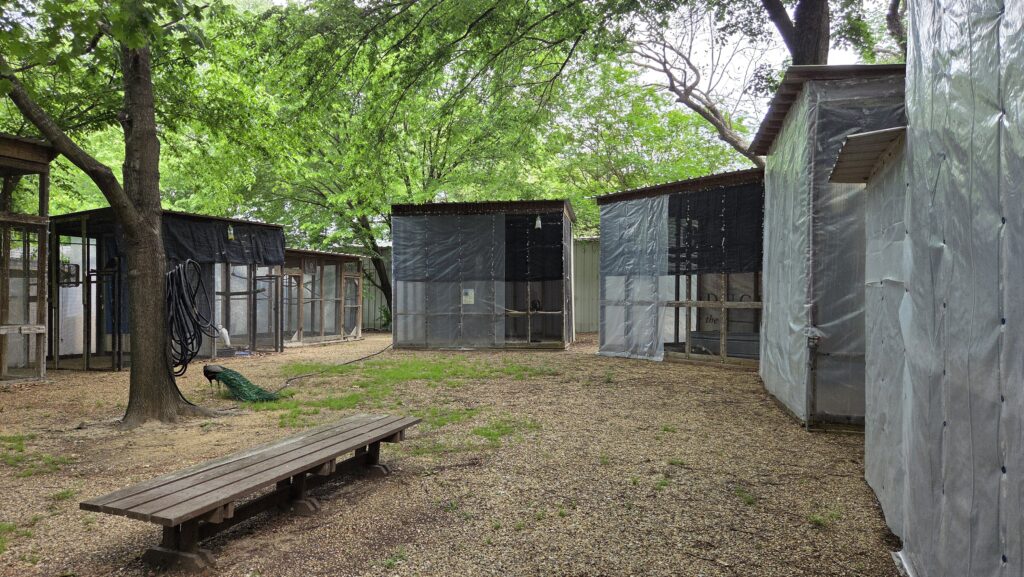
Hazel’s story is exactly that intersection.
One moment, everything looks natural and calm. The next, something shifts, and suddenly there are orphaned ducklings in your yard.
And in those moments, most people are not equipped to respond. That is why we are seeing more:
- Orphaned babies that cannot survive on their own
- Injured animals that require immediate, specialized care
- Direct human wildlife interactions, often with good intentions but limited knowledge
This is where centers like the Rogers Wildlife Rehabilitation Center become absolutely essential.
They are not just helping individual animals. They are bridging the gap between a changing environment and the survival of native wildlife.
Without them, many of these animals would not stand a chance. And just as importantly, people would not have a trusted place to turn when they suddenly find themselves responsible for a situation they did not expect.
There is also something I always remind people, especially when they assume someone else will take care of it: Wildlife rehabilitation is not a government-funded safety net.
Most centers, including Rogers, operate almost entirely through:
- Donations from individuals
- Volunteers giving their time and expertise
- Community awareness and support
That means their ability to respond, to treat, and to save lives is directly tied to whether people choose to support them.
And if you have ever held a duckling, or watched your flock go about their day, you already understand what is at stake. Because every one of those animals matters. And sometimes, the difference between life and loss comes down to whether a place like Rogers is there when it is needed most.
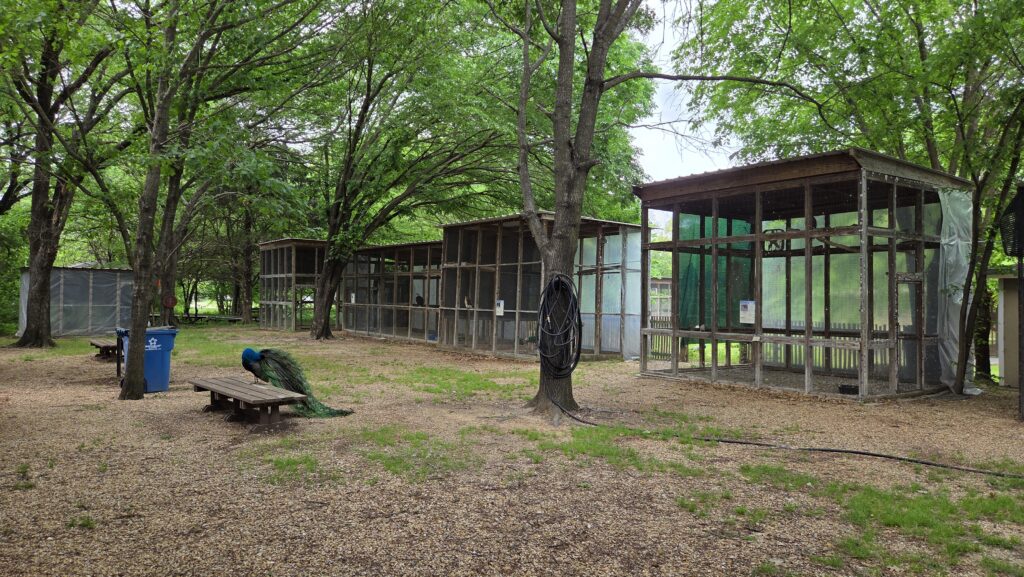
Found a Duckling (or Any Other Bird)? Here’s What to Do
This is one of those situations that tugs at your heart immediately.
You see a tiny duckling alone, or a bird sitting on the ground, and your first instinct is to scoop it up and help. I completely get that. I have felt that exact same urgency.
But this is one of those moments where slowing down actually helps more than acting fast.
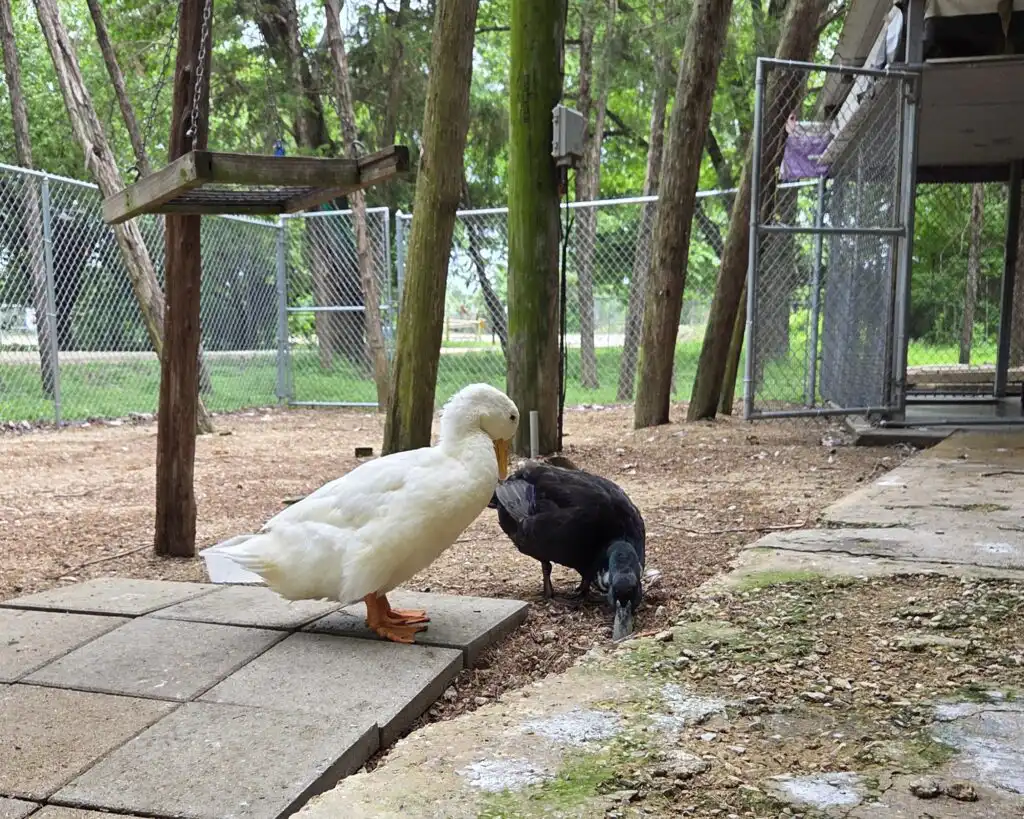
Step One: Take a Moment to Observe
Before stepping in, pause and watch from a distance. Not every bird on the ground is in trouble.
Young birds, especially fledglings, often leave the nest before they can fly well. Ducklings may also be temporarily separated while the mother is nearby or moving them between locations.
If the bird looks alert, is moving around, and there is no obvious injury, give it some time. The parent may return once the area feels safe again.
That said, if something seems clearly wrong, trust your judgment.
When a Bird Truly Needs Help
There are certain situations where intervention is necessary.
If you notice things like labored breathing, visible wounds, inability to stand or move properly, or unusual neurological signs such as head tilting or tremors, the bird likely needs immediate care. The same goes for birds that have been caught by a pet, hit something like a window or car, or are covered in substances like oil or glue.
Another important sign is behavior. If a bird does not try to escape when approached, that is often a red flag. In those cases, it is time to step in.
Step Two: Create a Safe Temporary Space
If the bird needs help, the goal is not to treat it yourself, but to keep it stable until you can get it to a professional.
The safest way to pick up a bird is to gently place a towel or cloth over it first. This helps calm the bird and prevents flapping injuries.
Place it in a box with:
- A secure lid with air holes
- A soft towel or t-shirt lining
Keep the box in a quiet, dark area inside your home, away from noise, pets, and activity. Warmth is especially important for ducklings and baby birds. A gentle heat source, like a heating pad set to low under part of the box, can help stabilize them.
Step Three: Avoid Common Mistakes
This part is so important, because even small actions can cause harm.
Try not to:
- Offer water directly into the beak
- Force feed
- Handle the bird repeatedly
Birds can easily inhale liquids if given improperly, which can lead to serious complications. And feeding the wrong food, even briefly, can create nutritional problems, especially in fast-growing ducklings.
It feels counterintuitive, but doing less is often the safest choice.
Step Four: Get Professional Help Quickly
Wild birds require specialized care that goes far beyond what most of us can provide at home.
A licensed rehabilitator, like the Rogers Wildlife Rehabilitation Center, has the training, permits, and resources to properly care for them and prepare them for release.
Timing matters here. The sooner a bird gets the right care, the better its chances of recovery.
Why Keeping It Is Not the Right Option
I know how tempting it is, especially with ducklings. They are tiny, they imprint quickly, and it feels like you could give them a good life.
But wild birds have very specific needs, from diet to behavior, that are difficult to replicate outside of a rehabilitation setting. Without that, they can develop serious health issues or become unable to survive in the wild.
There is also a legal aspect. Most wild birds are protected, and keeping them without proper permits is not allowed.
From My Own Experience
When Hazel’s ducklings were suddenly without her, every instinct in me wanted to step in and raise them myself.
I have raised ducklings. I have the setup. I know what I am doing. But I also knew these were wild birds. And giving them the best chance meant letting someone else take over.
That was not an easy decision. But it was the right one.
The Takeaway
If you find a duckling or any bird, your role is not to raise it. Your role is to:
- Assess the situation
- Provide short-term safety
- Get it to the right place as quickly as possible
That is how you truly help.
FAQ Wildlife Rehab
Can I adopt ducks from Rogers Wildlife Rehabilitation Center?
Sometimes, yes. But only in specific situations where a duck cannot be released. They carefully screen adopters.
What should I do if I find abandoned ducklings?
Do not raise them yourself. Contact a licensed wildlife rehabilitator immediately for proper care guidance.
Why can’t all rescued ducks be released?
Some ducks are injured, imprinted on humans, or lack survival skills. Releasing them would put them at risk.
Do wildlife rehab centers charge for taking in animals?
Most do not charge, but they rely heavily on donations to continue their work.
How can I support wildlife rehabilitation efforts?
You can donate, volunteer, share awareness, or provide supplies like towels, feed, or transport crates.
Final Thoughts: Why This Story Matters
When I look back at everything, this post is not just about one wildlife center. It is about connection. It is about how one organization, the Rogers Wildlife Rehabilitation Center, became part of our story in ways I never expected.
They gave us Penny and Simon, who shaped our flock and our daily lives.
They are now caring for Hazel’s ducklings, giving them a chance we could not provide on our own.
And in between those moments, there are thousands of other stories happening quietly every single day.
What stands out to me the most is this:
So many of these situations begin the same way.
Someone notices something is not right.
A duckling alone. A bird on the ground. An injury that cannot be ignored.
And then there is a choice. To walk past it… or to step in and help in the right way. That is where places like Rogers matter most.
They are not just treating injuries.
They are guiding outcomes.
They are making sure that help actually helps.
And if you take anything away from this, I hope it is this: You do not have to do everything. But knowing what to do makes all the difference.
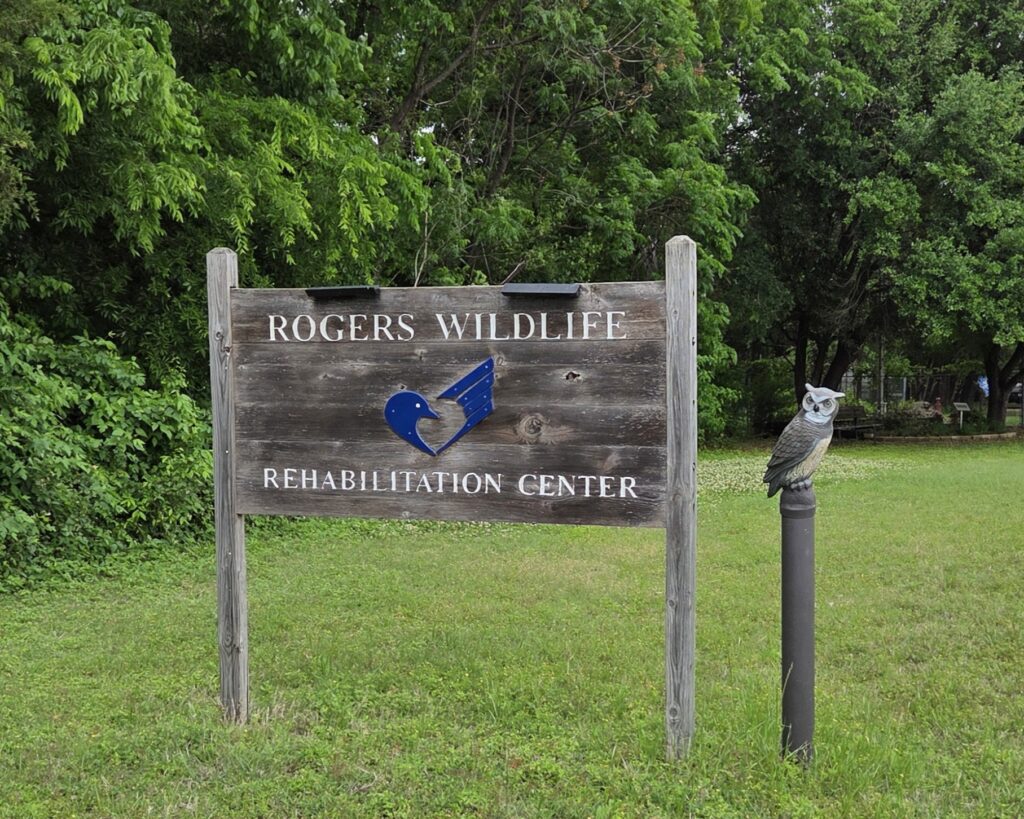
Support Wildlife Rescue in North Texas
If you are local to North Texas, take a moment today to:
- Visit the Rogers Wildlife Rehabilitation Center website
- Consider donating or volunteering
- Save their contact information in your phone
Because one day, you might need it.
Related Articles
- Duck Dumping: Understanding the Problem and How You Can Help
- What to Do If You Find an Injured Wild Duck: A Step by Step Rescue Guide
- Mallard Ducks: From Wild Ancestors to Backyard Companions
- From Wild Mallards to Backyard Pets: The Evolution of Domestic Ducks
- Wood Ducks: North America’s Tree-Nesting, Wild Beautys
Connect deeper with your flock. Discover more about duck psychology and social dynamics in the Community & Behavior Hub.