How To Get A Duck to Trust You?

Last updated: April 23rd, 2026
To keep our research-backed guides free, this site uses ads and affiliate links (earning a small commission at no cost to you). Everything here is created by a duck mom and PhD scientist, combining academic rigor with hands-on experience to provide practical, trustworthy advice for duck keepers everywhere. 🦆 Learn more
Building trust with a duck takes time, patience, and an understanding of how ducks think and communicate. If you are wondering how to get a duck to trust you, or even how to get your duck to like you, you are not alone. This is one of the most common questions new and experienced duck parents ask, and for good reason.
Ducks are intelligent, observant animals with strong memories and individual personalities. When they feel safe, respected, and understood, they can form meaningful bonds with the humans who care for them. In this guide, we will walk through practical, duck-centered steps to help you build trust naturally, without forcing interactions or causing stress.
Whether you are raising ducklings or working with adult ducks, these science-informed, experience-tested tips will help you create a calm, positive relationship with your flock and earn their trust over time.
Part of the Community & Behavior Hub, Exploring the social complexity and psychological needs of domestic ducks.
Quick Navigation: Jump to a Section
[hide]
Understanding Duck Behavior
Exploring the Unique Traits and Behaviours of Ducks
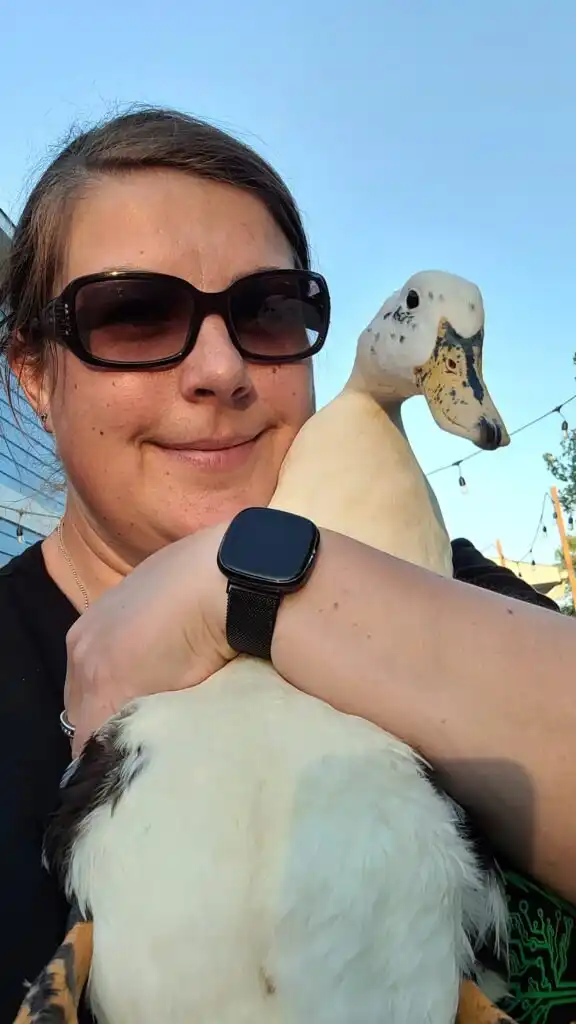
Like people, Ducks have unique personalities, and understanding these quirks is the first step in building a strong bond. Some ducks may be outgoing and curious, while others might be more reserved. Patience is key as you navigate the diverse personalities within your flock. Take the time to observe their behaviors, and you’ll soon notice the traits that make each duck special.
Looking at our ducks, Krümel is the most trusting one. We raised her and spent lots of quality time with her; she is imprinted on us. On the other hand, Ronja is skittish and still cautious around us. She is a rescue duck and was not treated well before coming to us.
Communicating with Ducks
Have you ever wondered what your ducks are saying with their quacks? Ducks use different types of vocalizations to express themselves, and decoding these sounds is crucial in understanding their needs and emotions. From the excited quack when they see you with treats to the gentle murmurs during a peaceful swim, paying attention to their quacks is like learning a unique language. It’s a delightful way to connect deeper and foster a stronger bond with your feathered companions.
Building Trust
Patience is a Virtue
Building trust with your ducks requires patience – a lot of it. Ducks can be cautious creatures, especially if they’re new to your flock or environment. Take your time approaching them and avoid sudden movements. Let them come to you at their own pace, and soon, you’ll find they are more comfortable and trusting.
Hand-Feeding Magic
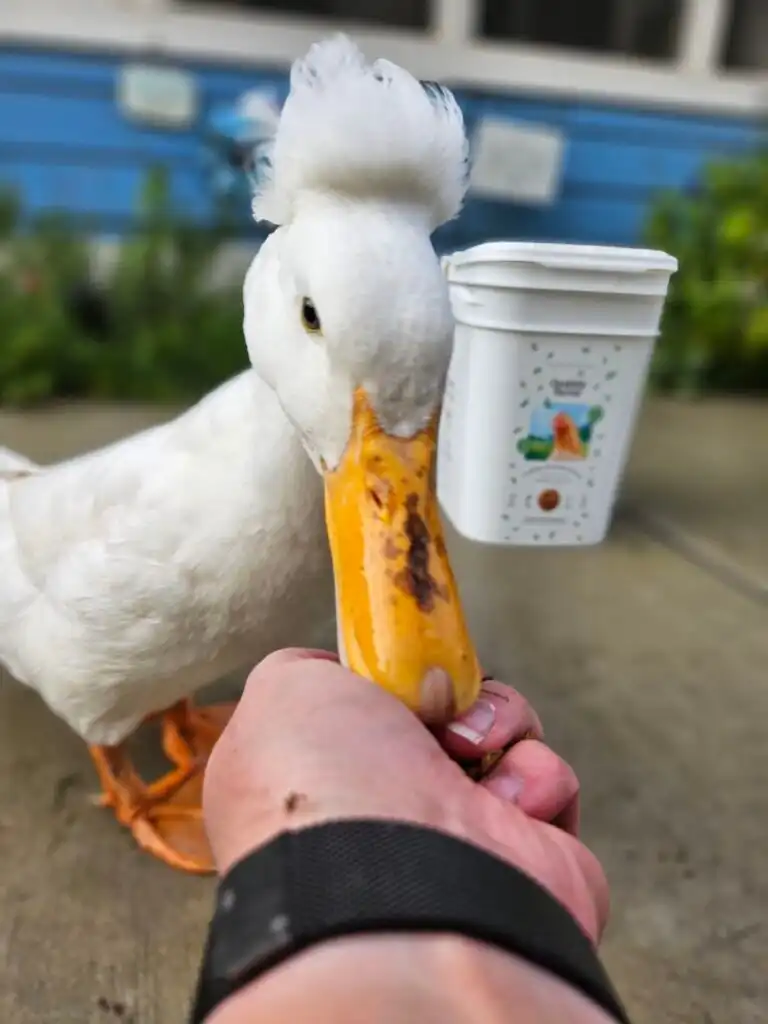
Hand-feeding is one of the most effective ways to build trust and get your ducks to like you. Ducks love treats, and offering them from your hand establishes a positive association. Start with small, bite-sized treats, and let them take them from your palm. This not only fosters trust but also creates a delightful bonding experience. Remember, slow and steady wins the trust race! Not sure what treats are healthy? Read here to learn more.
Spending Quality Time
The Importance of Bonding Activities
Bonding activities play a crucial role in deepening your connection with ducks. Ducks love engaging in various activities, and spending quality time together strengthens your bond. Consider activities like:
Food and Treats
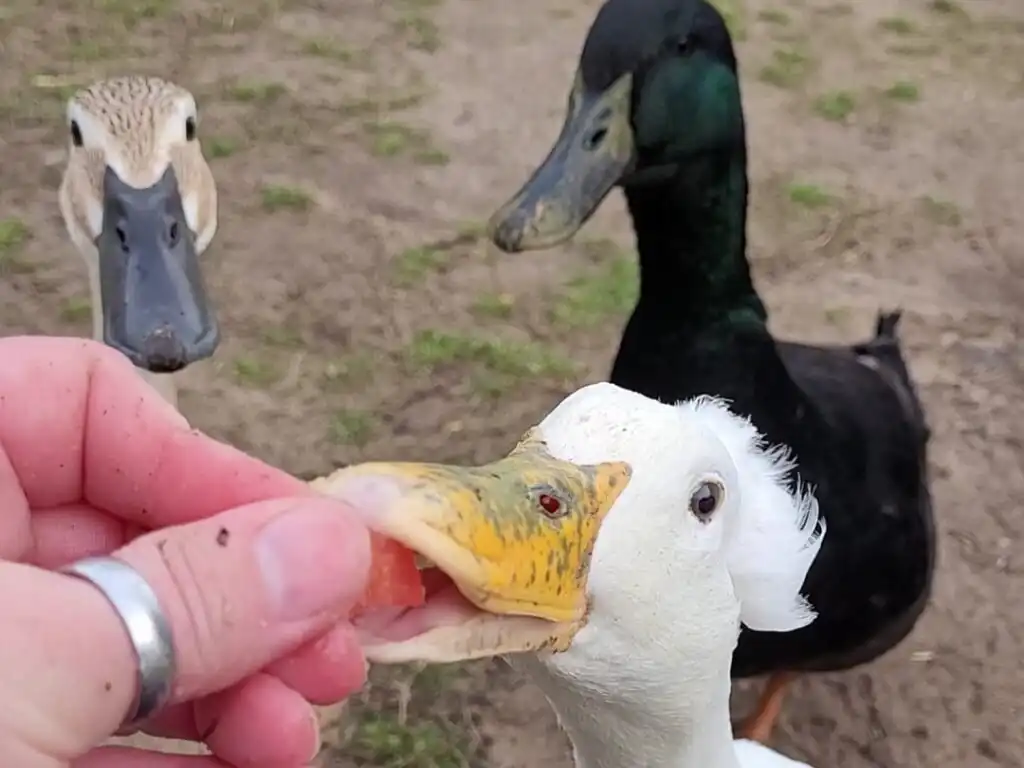
- Offer healthy treats: Use chopped fruits, vegetables, or duck-specific treats like grubs during interactions. Reward calm behavior and approach you. Avoid overfeeding, though.
- Scatter feeding: Sprinkle their food around their enclosure, encouraging them to forage and allowing them to associate your presence with positive experiences.
- Target training: Use clicker training with small treats to teach basic tricks like following you or touching a target stick. This mental stimulation and positive reinforcement strengthen the bond.
Interaction and Play
- Gentle handling: Start by calmly sitting near your duck, letting them approach you at their own pace. Gradually, offer short petting sessions under their chin or back. Respect their boundaries and avoid forcing interaction.
- Talk softly: Narrate your actions and talk soothingly as you interact. Your voice becomes a familiar, positive cue.
- Storytime: Read a book or share a story aloud while sitting near your ducks. The rhythmic sound of your voice can be calming, and ducks often enjoy the company during story time.
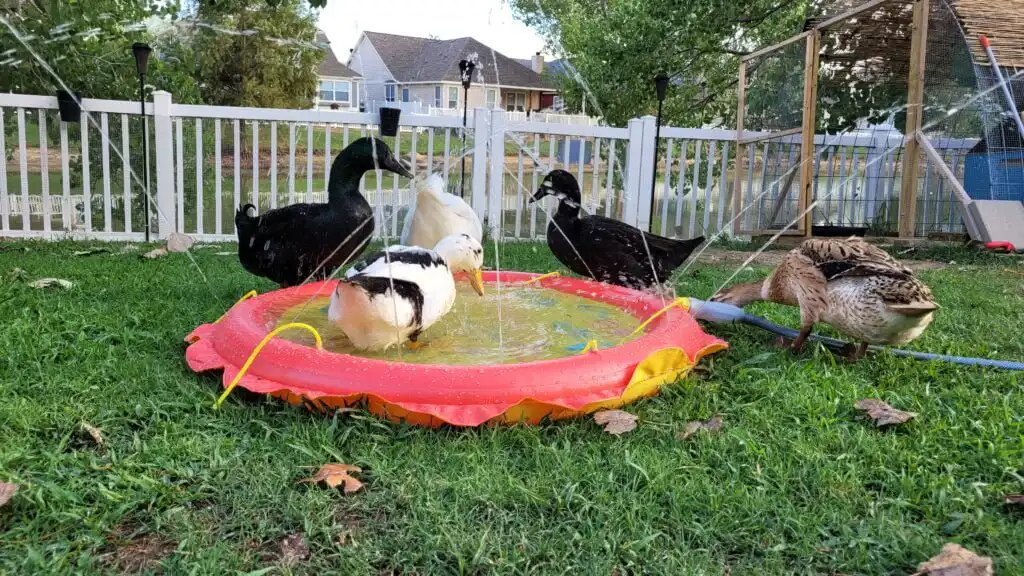
- Splashing fun: If your duck enjoys water, supervise them in a shallow pool or tub and gently splash alongside them. Be mindful of water temperature and depth.
- Let them follow: Allow your duck to follow you as you walk around their enclosure or a safe outdoor space. This builds trust and strengthens the association between you and positive experiences.
Enrichment and Environment
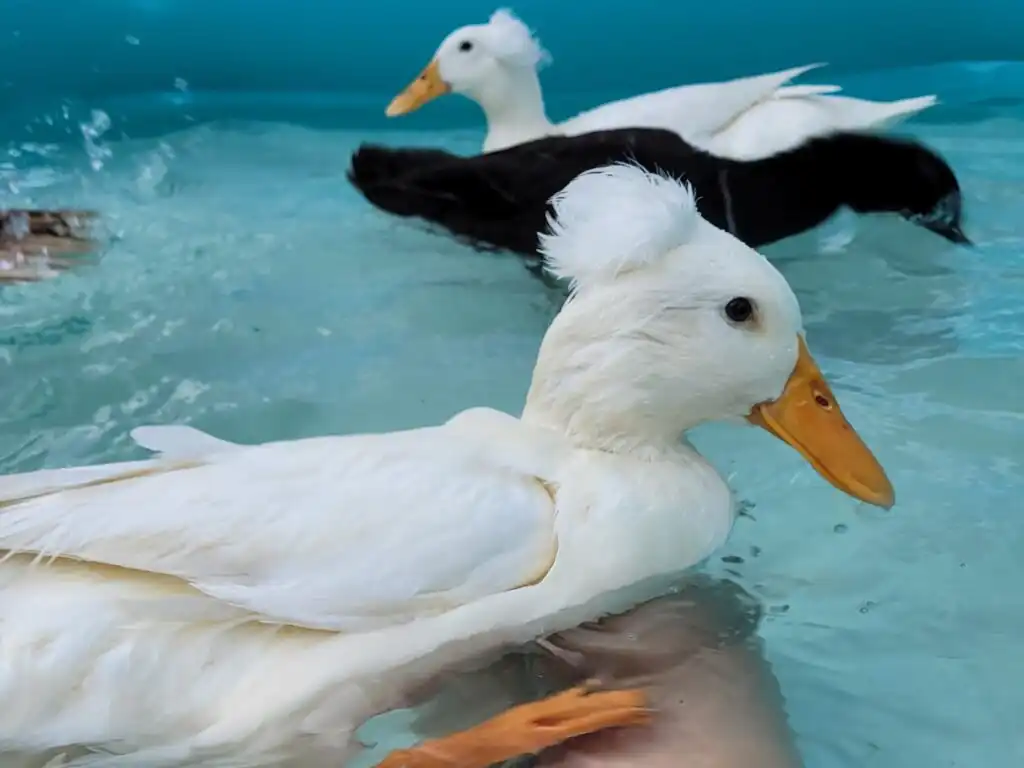
- Create a stimulating environment: Provide hiding spots, climbing structures, and shallow water features in their enclosure. Ducks are curious creatures, and enrichment keeps them happy and engaged.
- Rotate toys: Offer different toys like floating objects, treat-balls, or foraging toys like snufflemats to keep them mentally stimulated and prevent boredom.
- Mimic their natural behavior: Shallowly splash water with your hands or make quacking sounds (gently!). Mimicking some of their natural behaviors can encourage interaction.
Additional Tips
- Respect individual personalities: Ducks have unique personalities, so what works for one might not work for another. Be patient and observe their responses to adjust your approach.
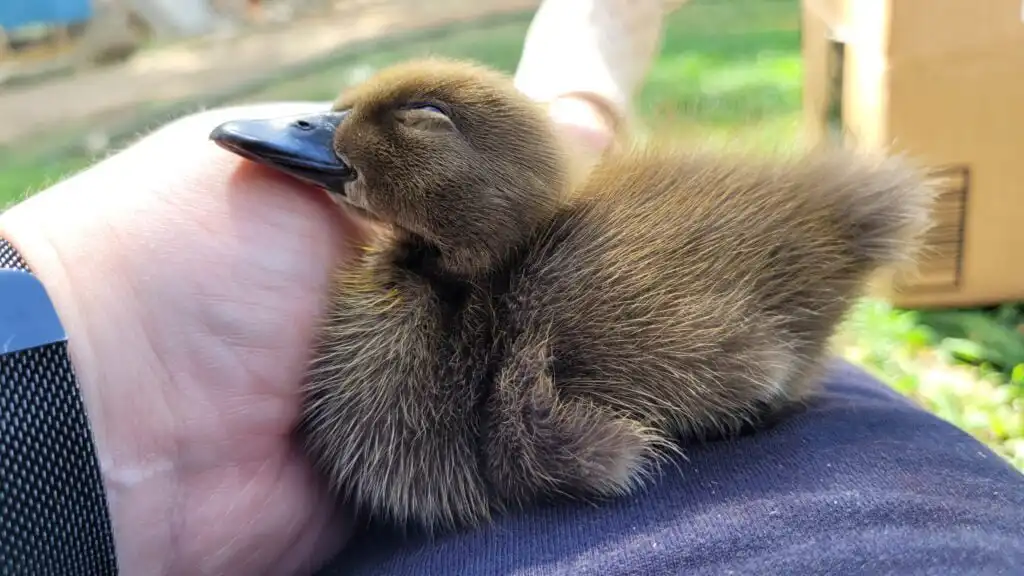
- Start young: Early socialization is crucial for building trust. If you have ducklings, handle them gently and regularly from a young age.
- Be consistent: Regular, positive interactions are key. Aim for short, positive sessions several times a day rather than one long session.
- Never force interaction: Always respect your duck’s boundaries and avoid chasing, grabbing, or loud noises. This can create fear and hinder the bonding process.
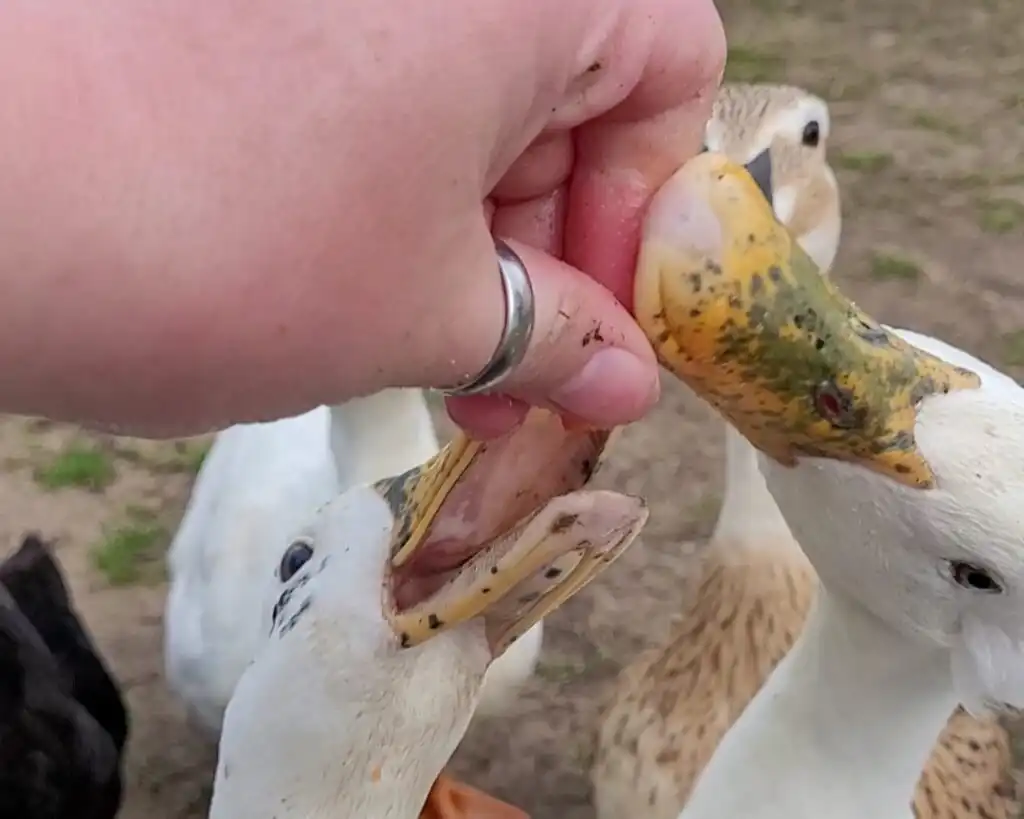
Remember, building a strong bond takes time and consistent effort. Be patient, positive, and respectful; your duck will eventually warm up to you and enjoy your company.
Respect Their Space
While bonding activities are essential, respecting your ducks’ personal space is equally crucial. Ducks, like any creature, appreciate having their own time and territory. Allow them to initiate contact, and don’t force interactions. This respect for their space goes a long way in establishing trust and comfort, laying the foundation for a strong and positive relationship.
Celebrate Small Wins
Every step towards building trust and friendship is a victory, no matter how small. Celebrate these wins with your ducks. Did they willingly take a treat from your hand? Quack about it! Did they initiate a quack chat or stay calm during story time? Celebrate the progress, and let them know they’re doing a fantastic job. Positive reinforcement encourages a trusting and affectionate relationship.
Conclusion
In wrapping up our guide, How To Get A Duck to Trust You? remember that patience, understanding, and positive reinforcement are the keys to a strong connection with your ducks. These simple steps will help you forge a lasting and joyful bond with your feathered friends, from quack chats and story time to treats and celebrating small wins. Embrace the journey, cherish the unique qualities of each duck, and enjoy the quack-tastic adventure of building a friendship that will stand the test of time. Happy bonding!
Further Reading & Resources
- Duck Quacking Explained
- Does my Duck Like Me? 12 Signs Your Ducks Love and Trust You
- Duck Personalities – What They Reveal About Our Ducks (and Us!)
- Why Ducks Tilt Their Heads: Understanding Duck Body Language
- The Ultimate Guide to Healthy Duck Snacks: Treats Your Ducks Will Love
Connect deeper with your flock. Discover more about duck psychology and social dynamics in the Community & Behavior Hub.

We recently got ducklings and they were trying to catch flies. I cheered them on and praised one when he caught one. He looked so pleased with himself.
It is sooo cute when they are catching flies 🙂 A few of our ducks do that also all the time. Like little vacuum cleaners.
Lovely post! 😍 I recently got 2 ducklings and I learned a lot about them here! 👍🏻
Quick question 1. I need to put them in their assigned place so I have to pick them up and grab them. But you saud no grabbing! What is your suggestion? And they run away whenever I try to catch them and it breaks my heart that I have to do it.
Question 2. From what age can ducklings go for swims in shallow waters?
Thanks in advance 💕
How egg-citing 🐣 You will obviously need to handle them. What I mean by not grabbing them is not to come from high above and grab them like a hawk would. Try to talk to them, get down to them, and allow them to come to you. Often they are curious and will come to you and even get on your hand. This will make them trust you much better. Patience is key.
To your second question, we allow our ducklings short supervised swims in lukewarm, shallow water from day 5 or so. As they get older, swim time can be longer and water deeper. Make sure they are warm afterwards and dry them gently if needed. But if they are under their heat source after their swim, they will be fine. 😊