
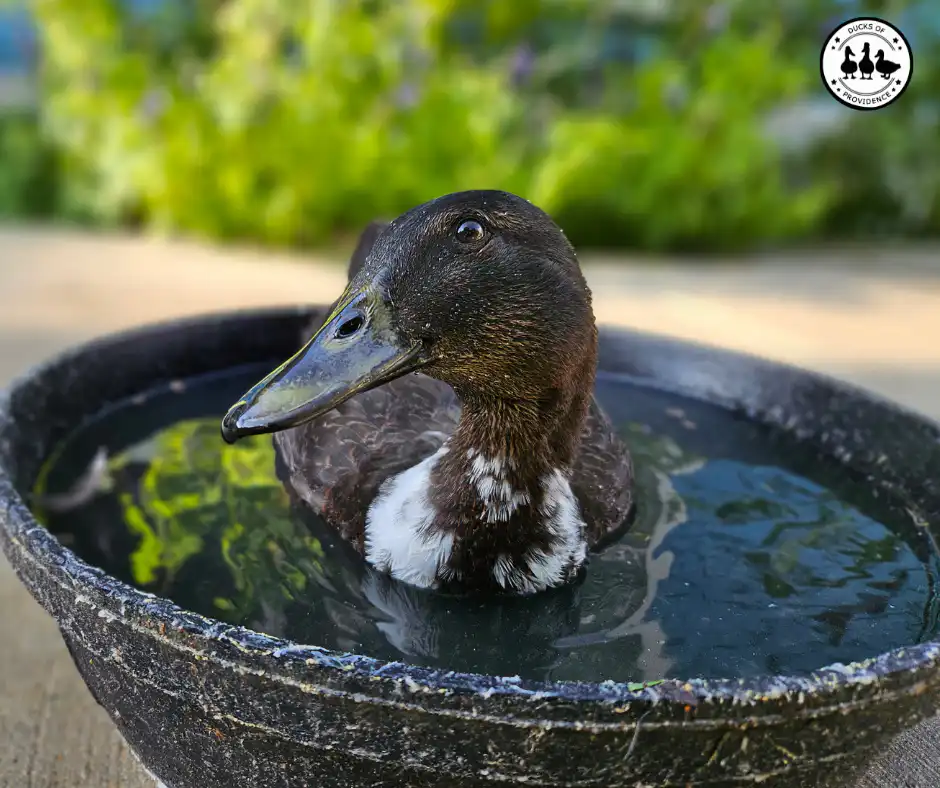
How Ducks Stay Cool: The Science Behind Heat Regulation in Ducks

Last updated: June 30th, 2026
To keep our research-backed guides free, this site uses ads and affiliate links (earning a small commission at no cost to you). Everything here is created by a duck mom and PhD scientist, combining academic rigor with hands-on experience to provide practical, trustworthy advice for duck keepers everywhere. 🦆 Learn more
Because ducks are waterfowl, many people assume they naturally handle summer heat without much trouble. After all, ducks love water. They swim, splash, dabble, and seem perfectly content lounging in the sun. But as a duck owner in North Texas, where summer temperatures can easily climb into the triple digits, I can tell you that heat can become dangerous for ducks much faster than many people realize.
Over the years, I have watched my own flock change their behavior dramatically during hot weather. Emma and Schnatterinchen prefer relaxing in shaded areas during the hottest part of the day, while Muffin seems determined to turn every water source into her personal splash zone. Krümel especially taught me how important heat management can be during periods of illness or recovery, when even normal summer temperatures can place extra stress on the body.
One of the biggest misconceptions I see online is the idea that ducks are somehow built for heat simply because they are water birds. The reality is more complicated. Ducks have fascinating biological adaptations that help them regulate body temperature, but they are not heatproof. Unlike humans, ducks cannot sweat. Instead, they rely on a combination of behavioral changes, blood flow adjustments, evaporative cooling through panting, and access to water to prevent overheating. When those systems are overwhelmed, especially during heat waves, high humidity, or poor housing conditions, ducks can experience dangerous heat stress and dehydration.
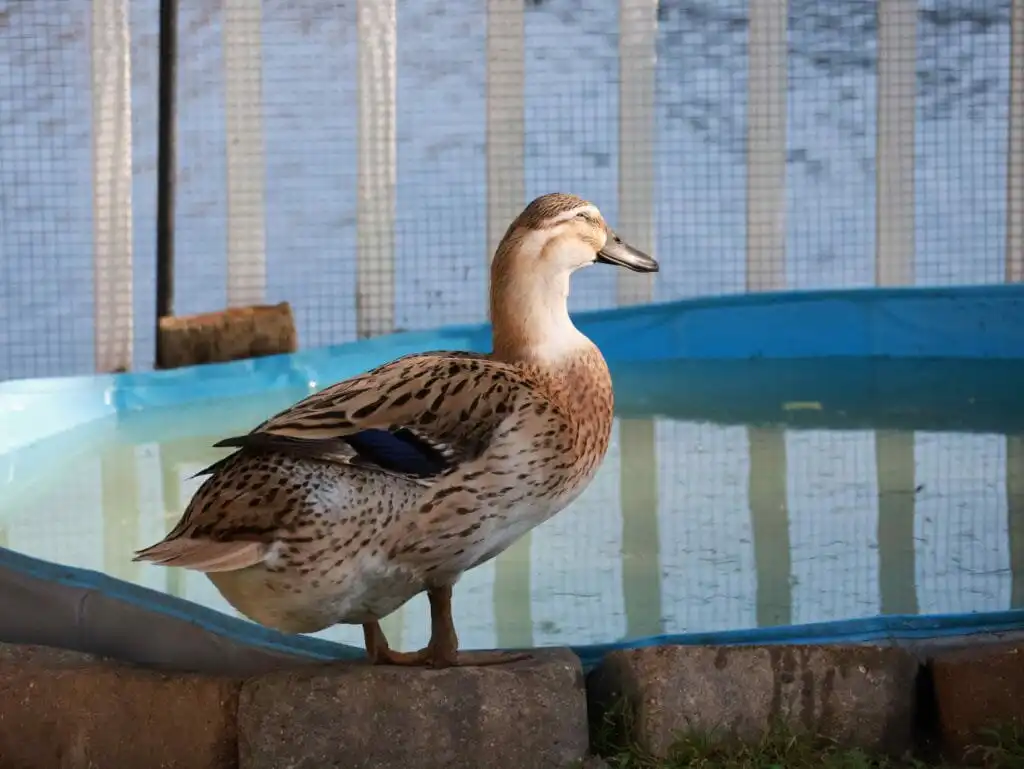
Wild ducks often have the advantage of choice. They can seek deep water, dense vegetation, breezy areas, or move to cooler locations when temperatures climb. Pet ducks, however, depend entirely on us to create an environment that helps them stay safe and comfortable.
In this guide, we are taking a closer look at the science behind how ducks stay cool. We will cover how ducks regulate body temperature, why water matters so much, what normal heat related behaviors look like, when summer temperatures become risky, and the warning signs that suggest a duck may be overheating. Understanding what is happening biologically can make it much easier to recognize problems early and help your flock stay healthy throughout the hottest months of the year.
Part of the Duck Health & Anatomy Hub, Evidence-based medical resources and anatomical research.
Quick Navigation: Jump to a Section
[hide]
- Do Ducks Get Hot?
- What Is a Duck’s Normal Body Temperature?
- How Ducks Stay Cool: The Science of Duck Thermoregulation
- Why Water Matters So Much
- Signs Your Duck Is Too Hot
- Which Ducks Struggle Most in Heat?
- Why Summer Can Still Be Dangerous
- How We Help Our Ducks Stay Cool in the Texas Summer
- Frequently Asked Questions (FAQ) About Ducks and Summer Heat
- What I Want Every Duck Parent to Remember
- Further Reading & Resources
Do Ducks Get Hot?
The short answer is yes, ducks absolutely get hot.
This may sound obvious, but it is one of the biggest misconceptions in duck keeping. Because ducks are waterfowl, many people assume they naturally tolerate hot weather without much trouble. After all, ducks spend time swimming, floating, and splashing in water. Surely summer heat is not a major concern for an animal designed for wetlands, right?
Unfortunately, it is not quite that simple.
Ducks are homeothermic animals, meaning they maintain a relatively stable internal body temperature despite changes in their environment. In other words, a duck’s body is constantly working to stay within a narrow temperature range, even when outdoor temperatures fluctuate dramatically.
Unlike reptiles, which rely heavily on environmental heat to regulate body temperature, ducks generate substantial internal heat through their metabolism. This internal heat production helps them remain active in cold weather but can become a disadvantage during extreme summer temperatures.
A duck’s body is also remarkably well insulated. Feathers trap air close to the skin, helping retain warmth and repel water. This insulation is excellent during winter and while swimming in cold water, but it also means excess heat cannot simply escape easily on a hot summer afternoon.
This is especially important because a duck’s normal body temperature is already much higher than ours. Ducks naturally run warmer than humans, meaning there is less room for error before overheating becomes dangerous.
In Fahrenheit, that translates to roughly 106 to 108°F, significantly warmer than the average human body temperature of 98.6°F. Because ducks already operate at a higher baseline temperature, prolonged heat exposure can place considerable stress on their bodies.
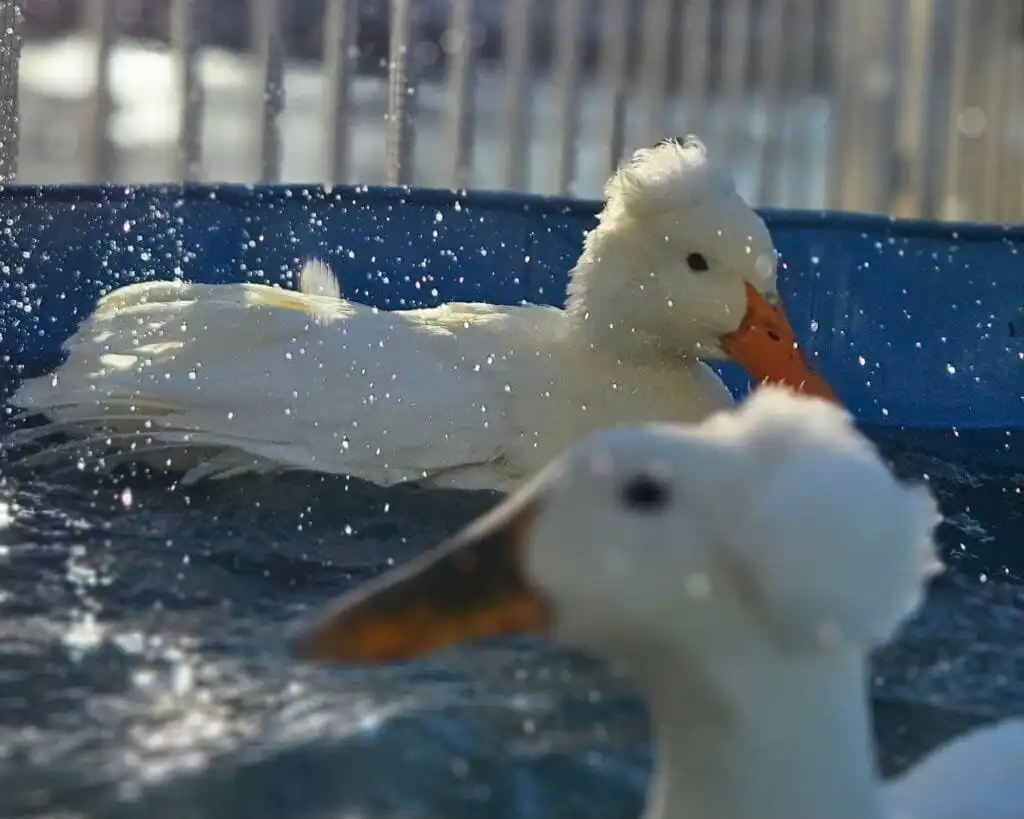
Wild ducks often cope with heat by changing their environment. They may seek deeper water, rest in shaded vegetation, limit activity during the hottest hours of the day, or move to breezier locations. Pet ducks, however, have fewer options and depend heavily on their setup and the care we provide.
In North Texas summers, I regularly see our ducks completely shift their daily routine during heat waves. During cooler mornings and evenings, there is much more activity, foraging, and splashing. By mid afternoon, most of the flock retreats to shade, rests quietly, or spends more time in water. Even energetic little Muffin becomes noticeably less adventurous when temperatures become extreme.
The important takeaway is this: ducks are adapted to manage heat, but they are not immune to it. Their cooling systems work incredibly well, until environmental conditions begin to overwhelm them. That is when heat stress can develop surprisingly quickly.
Myth vs Reality: Ducks and Heat
| Myth | Reality |
|---|---|
| Ducks are water birds, so heat is not dangerous | Ducks can still overheat, especially during heat waves |
| If ducks have a pool, they are fine | Ducks also need shade, drinking water, airflow, and cool resting areas |
| Ducks tolerate heat better than chickens | Both can suffer from dangerous heat stress |
| Ducks will always cool themselves if they are too hot | Domestic ducks rely on us to provide safe cooling options |
What Is a Duck’s Normal Body Temperature?
To understand how ducks stay cool, it first helps to understand what normal looks like.
One of the things that surprises many people is that ducks naturally run much warmer than humans. A healthy duck has a normal body temperature of approximately:
That translates to roughly 106 to 108°F (41 to 42.2°C), compared with an average human body temperature of 98.6°F (37°C).
This higher body temperature is completely normal and reflects a duck’s fast metabolism and high energy demands. Flying species, migration, feather production, egg laying, and maintaining waterproof plumage all require significant energy, which naturally generates heat as a byproduct.
But here is where things become important in summer:
Because ducks already operate at a relatively high baseline body temperature, there is less margin for error when temperatures climb. Even modest increases in internal body temperature can place stress on organs, metabolism, and circulation. If heat production exceeds the duck’s ability to lose heat, overheating and heat stress can develop.
The Role of the Circulatory System
A duck’s circulatory system plays a surprisingly important role in temperature regulation.
Just like in humans, blood does much more than transport oxygen and nutrients. It also acts as a heat transport system, moving warmth throughout the body and helping redistribute excess heat to areas where it can be released into the environment.
When a duck becomes warm, blood vessels near the surface of the skin in less feathered regions can dilate (vasodilation), increasing blood flow to help release heat. This is especially important in areas with minimal insulation, such as the:
These areas essentially function like natural radiators.
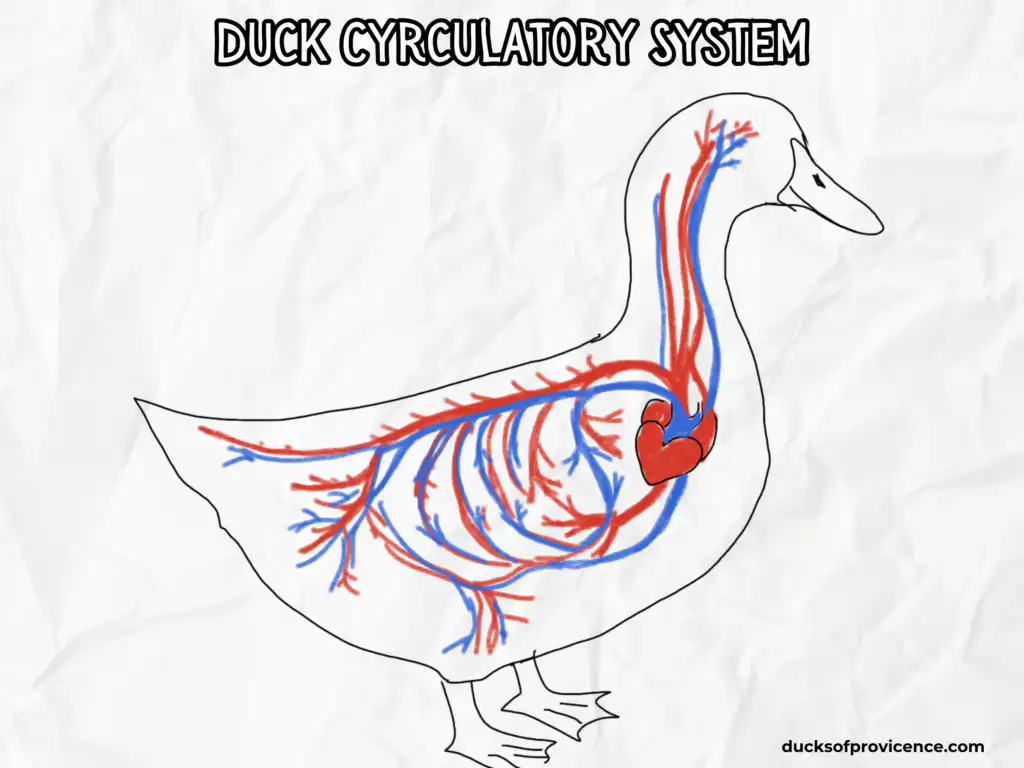
At the same time, the cardiovascular system adjusts to maintain circulation and hydration while supporting cooling mechanisms such as increased respiration. In hot weather, ducks often drink substantially more water because hydration becomes critical for maintaining normal circulation and evaporative cooling.
If you want to dive deeper into how blood moves through the body, oxygen transport, and the unique structure of the avian cardiovascular system, check out my post on the duck circulatory system.
Why Vitals Matter in Hot Weather
Understanding your duck’s normal vital signs can make it much easier to recognize when something is wrong.
Heat stress often causes changes in:
- Respiratory rate
- Heart rate
- Posture
- Activity level
- Body temperature
The challenge is that many duck owners do not know what normal looks like until a duck is already sick.
That is exactly why I created my Duck Diagnostic Chart, which includes normal vital signs, body temperature ranges, respiratory rates, heart rates, poop examples, and common health warning signs. Having a baseline can help you identify subtle problems earlier, especially during extreme weather.
One important thing to remember is that body temperature can naturally fluctuate slightly with activity, stress, handling, and environmental conditions. A duck that has just been running around the yard or protesting a health check will not necessarily have identical vitals to a duck resting quietly in the shade.
The key takeaway is this: healthy ducks are already warm animals, and their bodies are constantly balancing heat production with heat loss. Summer becomes dangerous when that balance starts tipping in the wrong direction. Next, let’s look at the fascinating ways ducks actually cool themselves when temperatures rise.
How Ducks Stay Cool: The Science of Duck Thermoregulation
So, if ducks naturally run warm and cannot sweat like humans, how exactly do they keep themselves from overheating?
The answer lies in a fascinating combination of physiology, anatomy, behavior, and environmental adaptation. Ducks rely on multiple cooling mechanisms working together at the same time. Think of it as a layered system: when one strategy is not enough, the body recruits additional ways to release heat.
In mild warmth, simply resting in shade may be enough. During extreme summer heat, ducks may simultaneously pant, increase blood flow to their feet and bill, reduce activity, seek water, and alter their posture to maximize heat loss.
Let’s take a closer look at the science behind how ducks cool themselves.
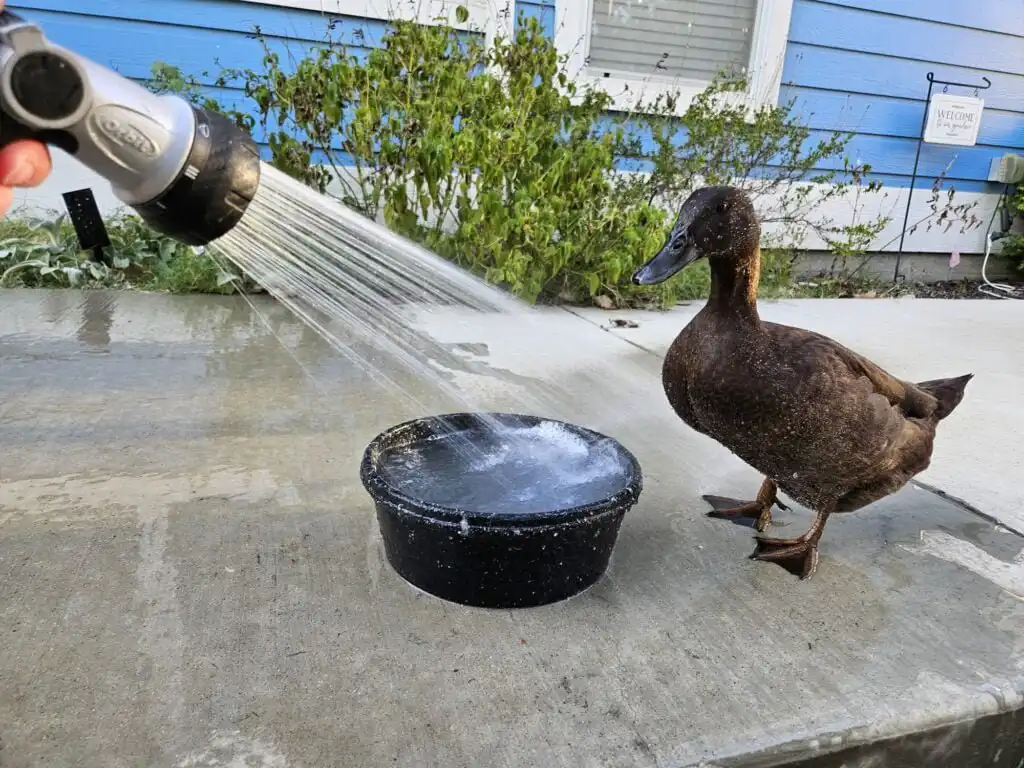
Ducks Do Not Sweat
One of the most important things to understand is that ducks do not sweat.
Humans rely heavily on sweat glands to cool down. As sweat evaporates from the skin, heat leaves the body, lowering temperature. Ducks, however, lack sweat glands entirely.
This means ducks cannot simply sweat it out during hot weather.
Instead, they depend on alternative cooling strategies that are generally very effective, but also more vulnerable to environmental limitations. High humidity, poor airflow, lack of shade, and limited water access can quickly overwhelm these systems.
Their feather coat also complicates things. Feathers are remarkable insulators designed to trap warm air near the body and repel water. While this is incredibly helpful in winter or cold water, insulation can become a challenge in summer because trapped heat is harder to release.
Evaporative Cooling Through Panting
One of the fastest ways ducks cool themselves is through evaporative cooling, primarily by panting.
If you have ever noticed your ducks breathing with an open bill on a hot afternoon, this is usually what is happening.
When ducks pant, moisture evaporates from surfaces inside the mouth and respiratory tract. As that moisture evaporates, heat energy is removed from the body, helping lower internal temperature.
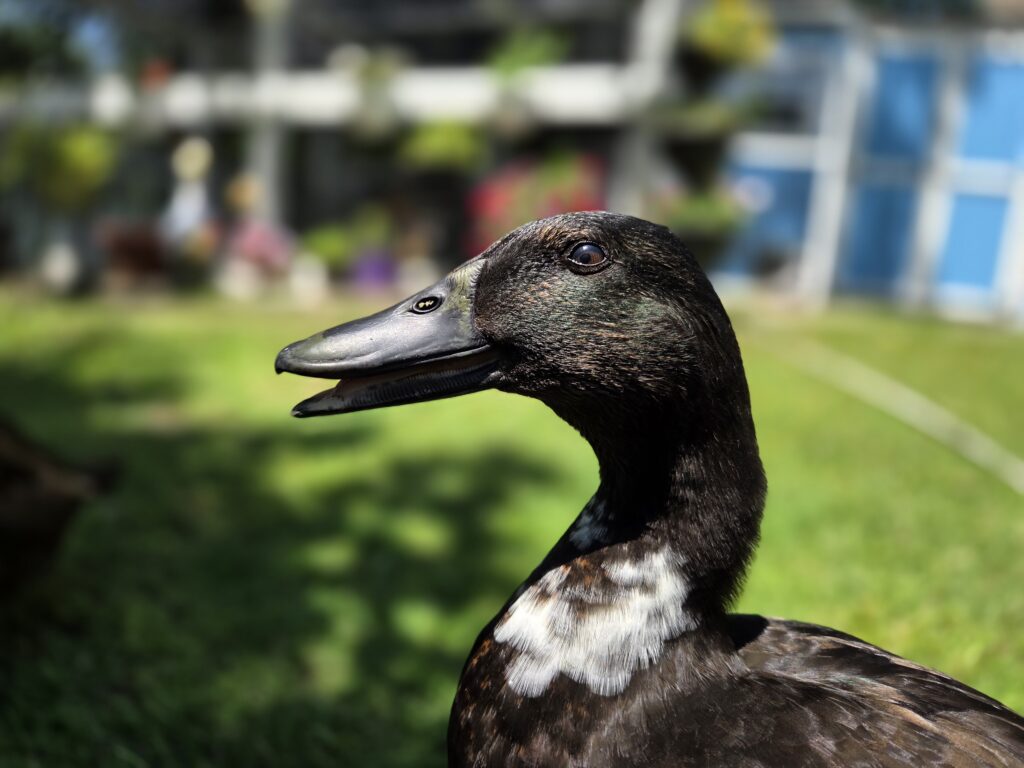
This process works similarly to dogs panting after exercise.
You may notice:
- Slightly open bills
- Faster breathing
- Gentle throat movement
- Mild wing lifting away from the body
During hot weather, occasional light panting can be normal, especially after activity or during the hottest part of the day.
However, heavy panting is a warning sign.
Concerning signs include:
- Persistent open mouth breathing
- Rapid or labored breathing
- Neck stretching
- Weakness or lethargy
- Reduced responsiveness
At that point, a duck may be moving from normal thermoregulation into heat stress, which can become dangerous quickly.
Interestingly, birds have a very efficient respiratory system compared to mammals. Ducks move air through rigid lungs and specialized air sacs, allowing for continuous airflow and highly efficient oxygen exchange.
If you want to nerd out on duck breathing, I have an entire deep dive on the duck respiratory system, where I explain air sacs, airflow, and why ducks breathe so differently from us.
Blood Flow Through the Feet and Bill: Nature’s Cooling System
One of the coolest adaptations ducks have is their ability to use their circulatory system as a biological radiator.
When ducks become warm, blood vessels in less feathered body regions can expand, a process called vasodilation. This increases blood flow to surfaces where heat can escape more easily.
The most important heat exchange zones are:
- Feet and legs
- Bill
- Face around the eyes
Because these areas have relatively little feather insulation, excess body heat can dissipate into the surrounding environment.
This is one reason ducks often stand in cool water during summer. It is not only for fun or swimming. Cool water helps transfer heat away from the body, especially through the feet and legs.
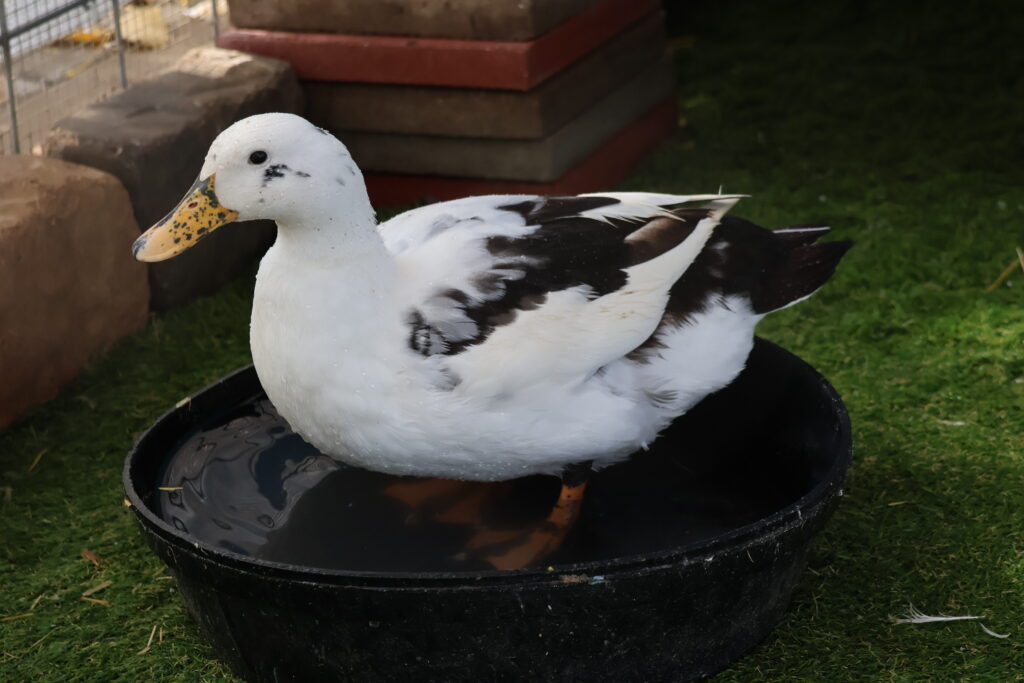
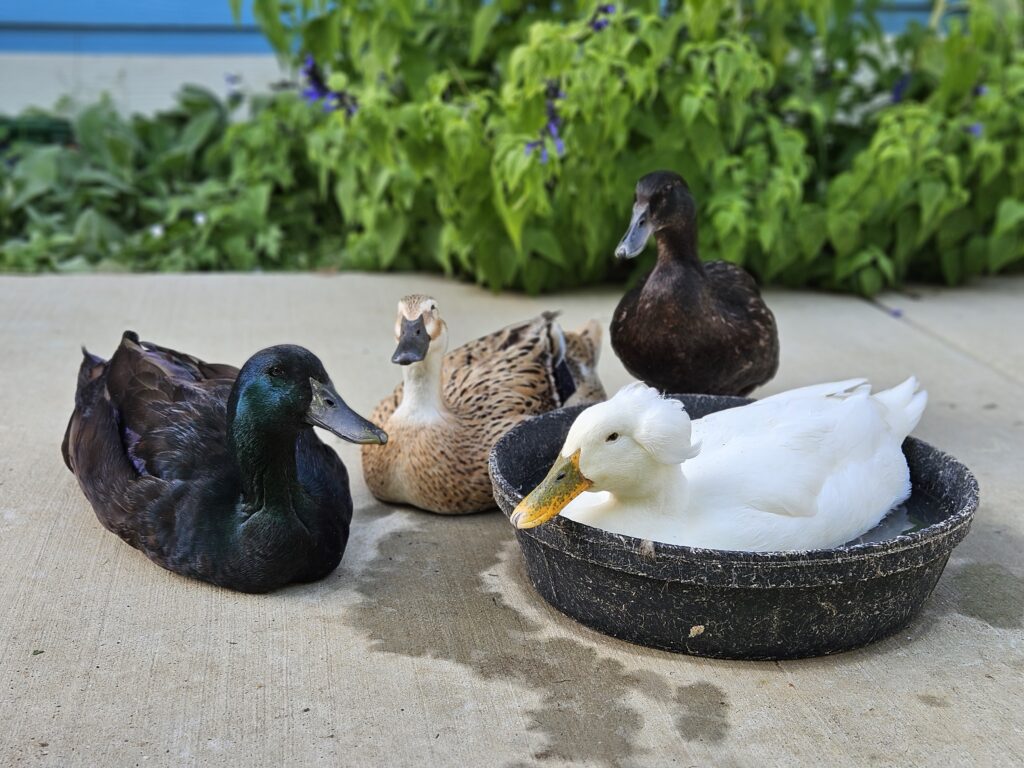
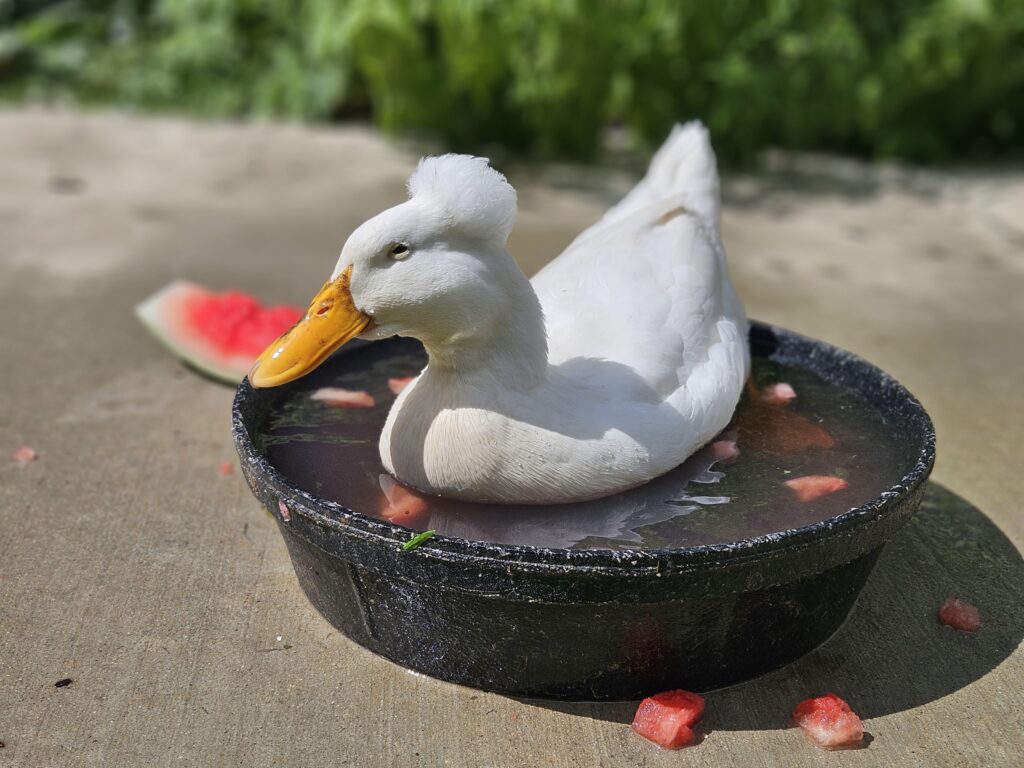
In very hot weather, I often notice our flock standing quietly in shallow water or concrete mixing tubs even when they are not actively swimming. They are essentially using the water like natural air conditioning.
This also explains why water access matters so much. Ducks are not just drinking. They are actively regulating body temperature.
Posture and Behavioral Cooling
Ducks also cool themselves through behavioral thermoregulation, meaning they intentionally change what they do to reduce heat stress.
You may notice ducks:
- Seeking shade
- Becoming less active
- Sitting or resting more
- Holding wings slightly away from the body
- Stretching out rather than tucking in
- Spending more time in water
- Foraging less during the hottest hours
Holding the wings away from the body is especially interesting because it helps expose areas with less feather coverage and improves airflow around the body.
In many ways, ducks become very strategic during hot weather. They often shift activity toward cooler morning and evening hours and conserve energy during peak heat.
In our flock, mornings are always much more active in summer. By late afternoon, everyone suddenly turns into professional loungers. Even the usually busy ducks seem to collectively decide that standing quietly in shade with occasional pool breaks is the smarter life choice.
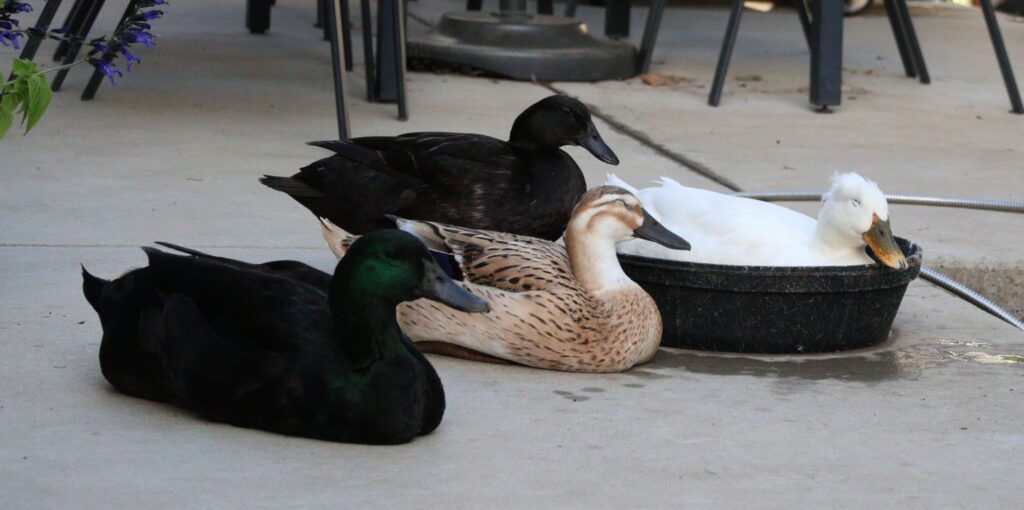
Feathers Help and Hurt
Here is one final scientific twist: the same feathers that protect ducks can also work against them in summer.
Feathers provide:
- Waterproofing
- Insulation
- Protection from sun exposure
- Temperature buffering
But thick feathering also traps warmth.
Some breeds, especially larger and heavier ducks, may struggle more in hot weather because they carry more body mass and often have denser feather coverage.
This is one reason why breed, age, health status, and body condition all influence heat tolerance.
The important takeaway here is that ducks are incredibly well designed to manage temperature changes, but their cooling systems are not limitless. When environmental heat exceeds what their body can compensate for, overheating becomes a real risk.
Why Water Matters So Much
If there is one thing I wish more people understood about summer duck care, it is this:
Water is not optional for ducks. It is essential for survival, especially during hot weather.
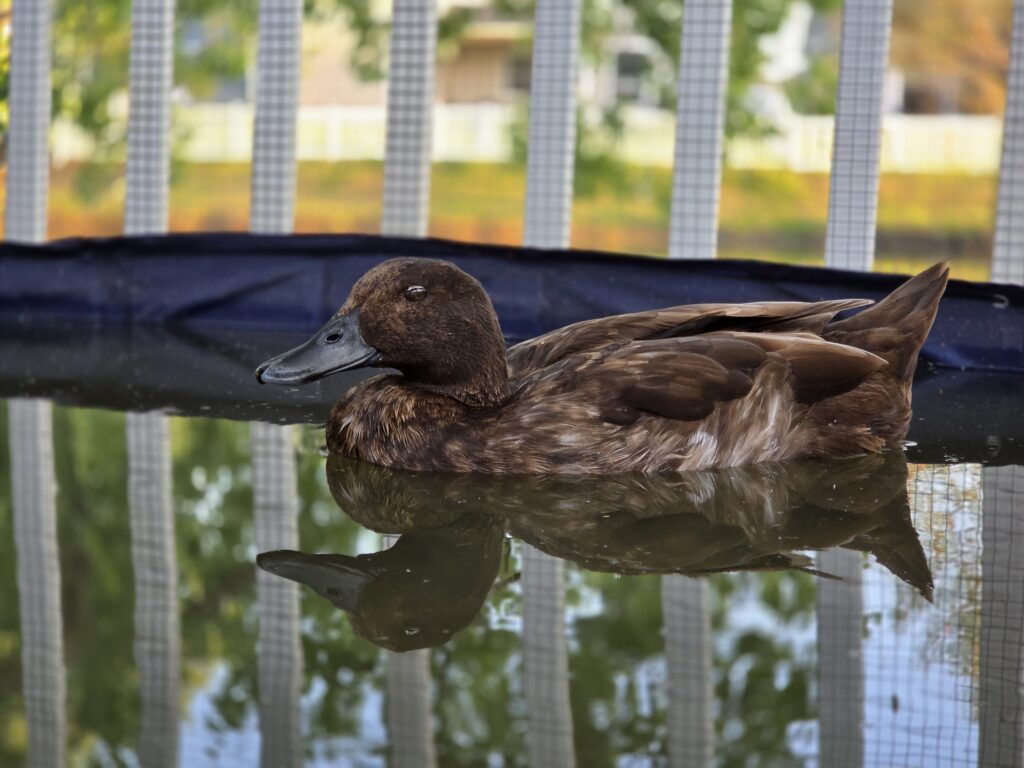
People sometimes think of pools as enrichment or a fun luxury item for ducks. While swimming absolutely improves quality of life, water serves a much deeper biological purpose. Ducks depend on water for thermoregulation, hydration, breathing, eating, feather health, and normal daily function.
In many ways, water acts as a duck’s natural cooling system.
Drinking More in Hot Weather
Just like humans, ducks lose more moisture when temperatures rise.
Panting increases evaporative water loss, warmer temperatures increase metabolic demand, and activity in heat can contribute to dehydration surprisingly quickly.
One thing our avian vet strongly reinforced over the years is that ducks can become dehydrated much faster than many owners realize, especially during heat waves or illness.
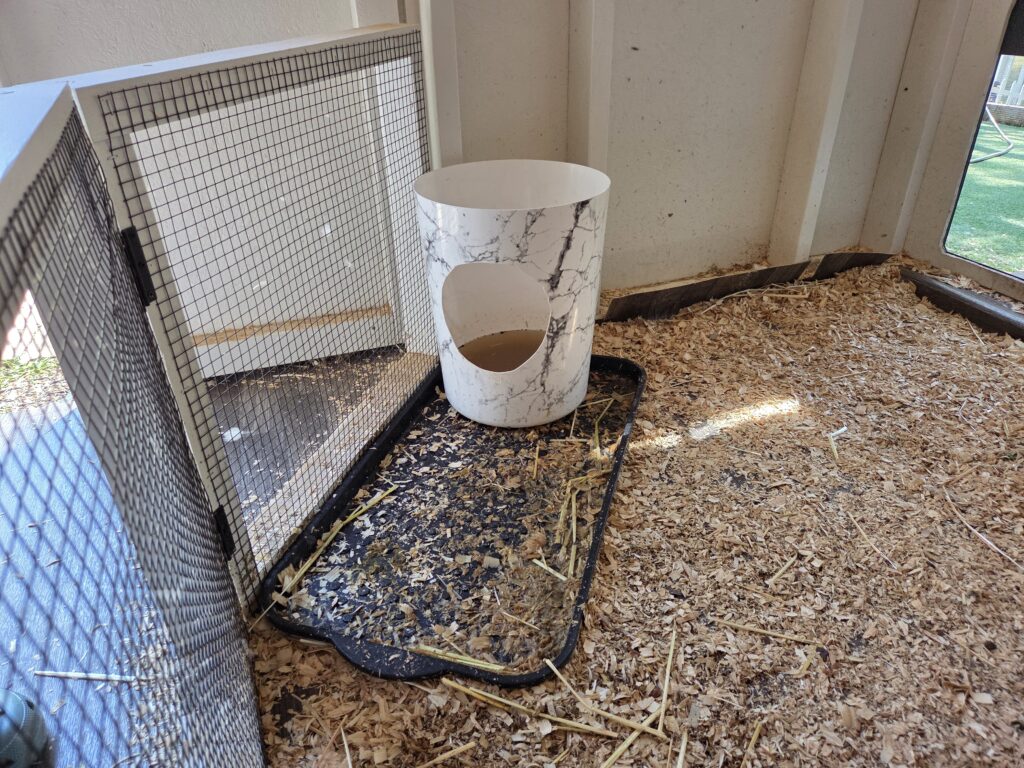
This is one reason I feel very strongly about ducks having 24/7 access to fresh water, even overnight.
Ducks are waterfowl. They forage constantly, including at night, and frequently need to rinse food from their bills, clear dust or bedding from their nostrils, and rehydrate. Going without water for long periods can quickly become problematic, especially during summer.
At our house, there is always water available at night inside the secure enclosure. Even if the ducks are mostly resting, they still wake up, drink, snack, and clean their bills.
Ducks Need Water to Eat Safely
Unlike chickens, ducks are designed to eat with water.
Ducks naturally scoop food and repeatedly rinse it while swallowing. Water helps soften food, aids swallowing, and reduces the risk of choking or impacted material.
This becomes especially important in summer because dehydration combined with dry feed can increase stress on the body.
That is why I always recommend serving feed close to water or even directly in shallow water dishes whenever possible. It better mimics natural foraging behavior and encourages healthy hydration at the same time.
Water Helps Ducks Cool Their Bodies
Of course, one of the most visible reasons ducks seek water in summer is cooling.
Cool water helps transfer excess body heat away from the body, particularly through the:
- Feet
- Legs
- Bill
- Less feathered skin areas
Even ducks that are not actively swimming often stand quietly in shallow water during hot afternoons.
I see this all the time with our flock. Sometimes they are not splashing at all. They simply stand in the trough or pool looking deeply unbothered while the rest of us melt in the Texas heat.
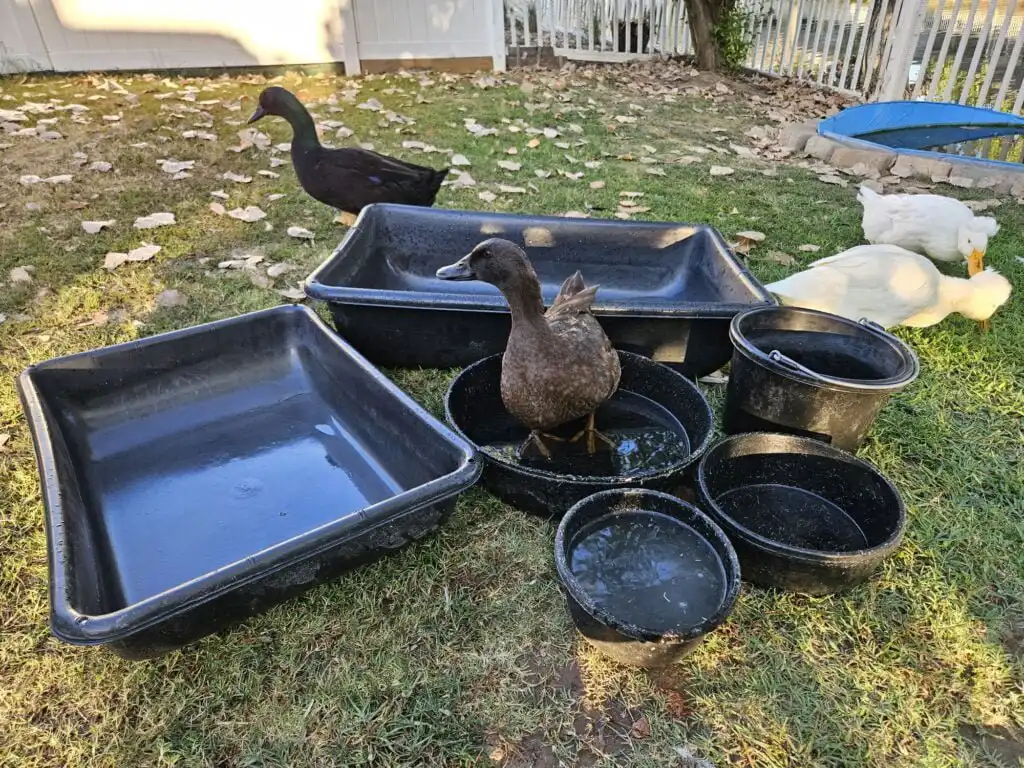
In our setup, we intentionally provide multiple water options because flock dynamics matter.
A single water source may sound sufficient in theory, but ducks have social hierarchies and pecking order dynamics. More dominant ducks can monopolize favorite spots.
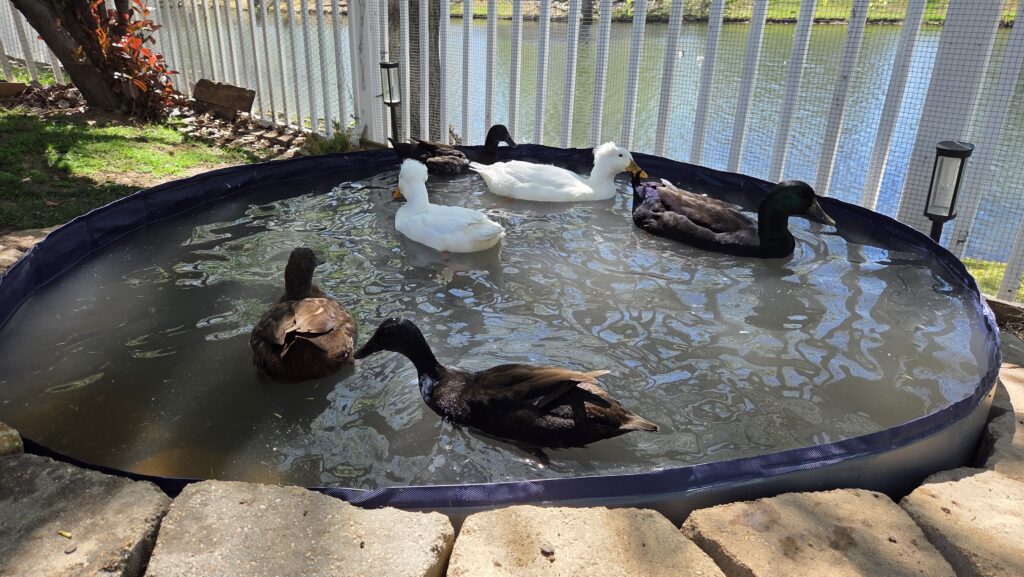
We currently use:
- A large 80 inch pool with a solar fountain and filter system
- Large concrete mixing troughs deep enough for splashing and floating
- Buckets and bowls for drinking and dabbling
- Multiple water access points throughout the run
Having different options allows multiple ducks to cool themselves at the same time and helps ensure even lower ranking flock members always have access to water.
Moving Water Stays Cleaner Longer
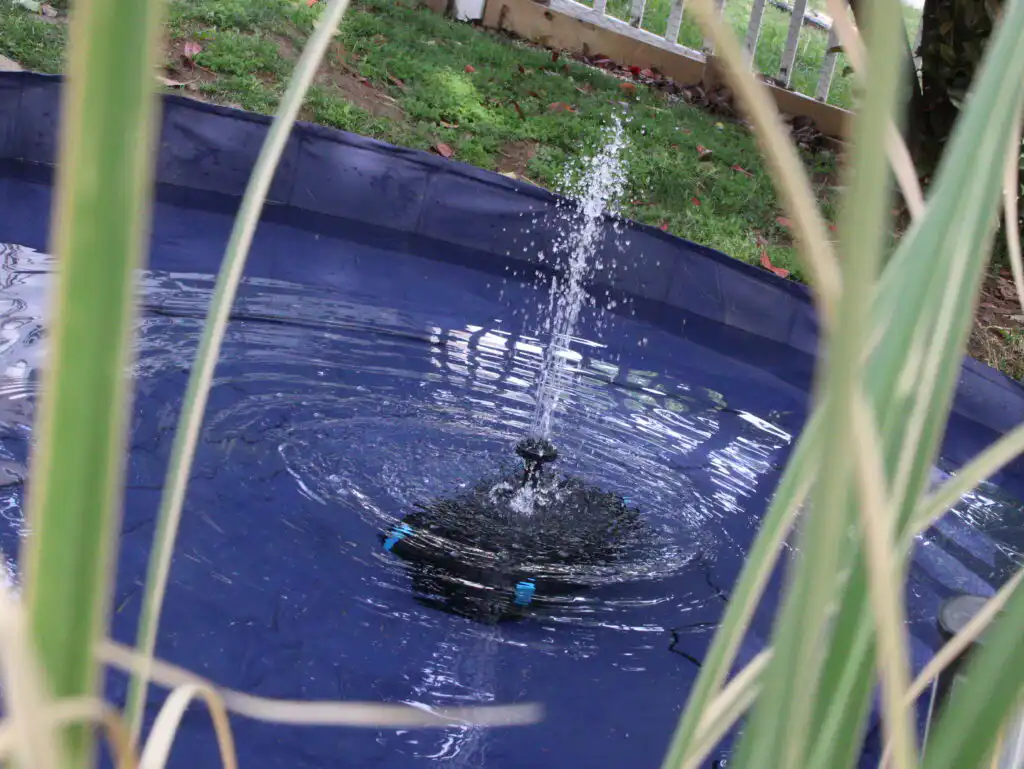
Another thing I have noticed over the years is that moving water seems to stay more appealing to ducks.
We added a solar fountain and filtration system to our large pool, and while ducks still manage to turn clean water into duck soup impressively fast, it noticeably helps keep the water fresher for longer.
Cleaner water matters because ducks naturally drink while swimming and bathing. During hot weather, when they are entering water constantly, maintaining water quality becomes even more important.
Water Alone Is Not Enough
That said, water by itself is not a complete cooling strategy.
A duck standing in hot, stagnant water without shade or airflow can still overheat.
The best summer setups combine:
- Cool water
- Shade
- Air movement
- Fresh drinking water
- Reduced afternoon activity
- Safe resting areas
Water is one piece of the puzzle, just a very important one.
Next, let’s look at the signs that a duck may be getting too hot, and how to tell the difference between normal summer behavior and a potential emergency.
Signs Your Duck Is Too Hot
One of the hardest things about heat-related illness in ducks is that it can progress gradually at first and then suddenly become serious.
A duck that simply seems a little off in the morning may become dangerously overheated later in the day if temperatures continue climbing. This is one reason I pay especially close attention to behavior changes during summer, particularly during heat waves or periods of high humidity.
The challenge is that some behaviors that look alarming to new duck owners are actually normal heat management behaviors, while others signal that a duck may be struggling.
Understanding the difference can help you intervene early.
What Normal Summer Cooling Looks Like
During hot weather, ducks often change their routine significantly.
Normal heat coping behaviors may include:
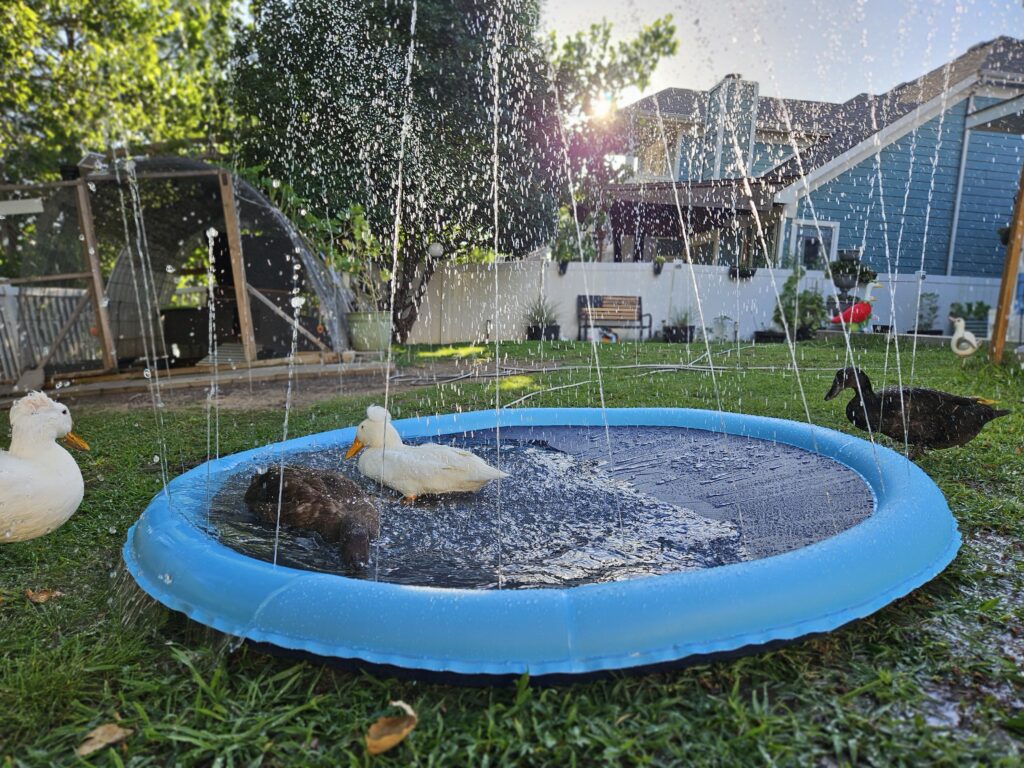
- Spending more time in water
- Resting quietly in shade
- Reduced activity during the hottest hours
- Occasional open mouth breathing or light panting
- Holding wings slightly away from the body
- Increased drinking
- Less enthusiasm for foraging during peak heat
If you live somewhere with extreme summer temperatures, such as Texas, occasional open-mouth breathing can actually be completely normal.
During particularly hot afternoons, I often see members of our flock resting in the shade with their bills slightly open, especially after activity or swimming. Even though it looks dramatic at first, many ducks are simply increasing evaporative cooling to help regulate body temperature.
In other words, panting does not automatically mean a duck is in trouble.
The key is to look at the whole duck, not just one sign.
A duck that is:
- Alert
- Drinking normally
- Responsive
- Comfortable in posture
- Moving around normally
- Improving after cooling off
is often simply managing the heat.
Early Warning Signs of Heat Stress
Problems begin when normal cooling mechanisms are no longer enough.
Signs that cooling may no longer be keeping up with heat include:
- Persistent heavy panting that worsens
- Rapid breathing even while resting
- Marked lethargy
- Reduced appetite
- Standing unusually still for long periods
- Tail carried lower than normal
- More isolated behavior
- Appearing mentally off or less responsive
One posture I often watch for is a duck that suddenly looks different from their normal self. The body may appear more hunched, feathers slightly fluffed, the duck less alert, and the tail drooping downward rather than sitting in its normal relaxed position.
Emergency Signs: When To Act Fast
This is where breathing becomes more concerning.
Red flags include:
- Unresponsiveness
- Severe or labored open-mouth breathing
- Gasping
- Pronounced neck stretching
- Weakness or inability to stand
- Loss of coordination
- Collapse
At this stage, the duck’s body may no longer be able to compensate for the heat.
Without intervention, severe overheating can progress to dehydration, shock, organ stress, neurologic dysfunction, and death.
Mild vs Severe Heat Stress
| Mild Heat Stress | Emergency Signs |
|---|---|
| Mild panting | Severe or labored breathing |
| Seeking shade | Collapse or inability to stand |
| Reduced activity | Neurologic symptoms |
| Wings held slightly away | Extreme weakness |
| Increased drinking | Gasping or distress |
| Less active than normal | Unresponsive behavior |
What To Do If You Suspect Overheating
If I suspect one of our ducks is getting too hot, I act quickly but gradually.
The goal is to help cool the duck safely without creating additional stress.
I typically:
- Move the duck to a cool shaded area or indoors with airflow
- Offer fresh cool water
- Offer electrolytes (such as VitaMetz)
- Provide access to shallow cool water for standing
- Reduce stress and handling
- Monitor breathing, posture, and alertness closely
Avoid using ice cold water or aggressive rapid cooling, as sudden temperature changes can stress the body even further.
For ducks that seem truly unwell, severely lethargic, neurologic, or continue struggling to breathe despite cooling efforts, this becomes a vet situation quickly.
A good rule of thumb is this:
A duck that is simply warm should improve fairly quickly once cooled. A duck that continues declining despite intervention needs medical attention.
The good news is that heat stress is often preventable when caught early. Understanding how ducks normally behave in summer makes it much easier to recognize when something feels different.
Next, let’s look at which ducks tend to struggle most in hot weather, because not every breed or individual handles summer temperatures the same way.
Which Ducks Struggle Most in Heat?
One thing I have learned over the years is that not all ducks handle summer temperatures equally.
Some ducks seem completely unfazed by hot weather and happily splash around even during warm afternoons. Others begin slowing down much earlier, seek shade constantly, or appear more uncomfortable when temperatures rise.
Heat tolerance depends on several factors, including breed, body size, feathering, age, overall health, body condition, and even personality.
Understanding which ducks may be at higher risk can help you monitor vulnerable flock members more closely during summer.
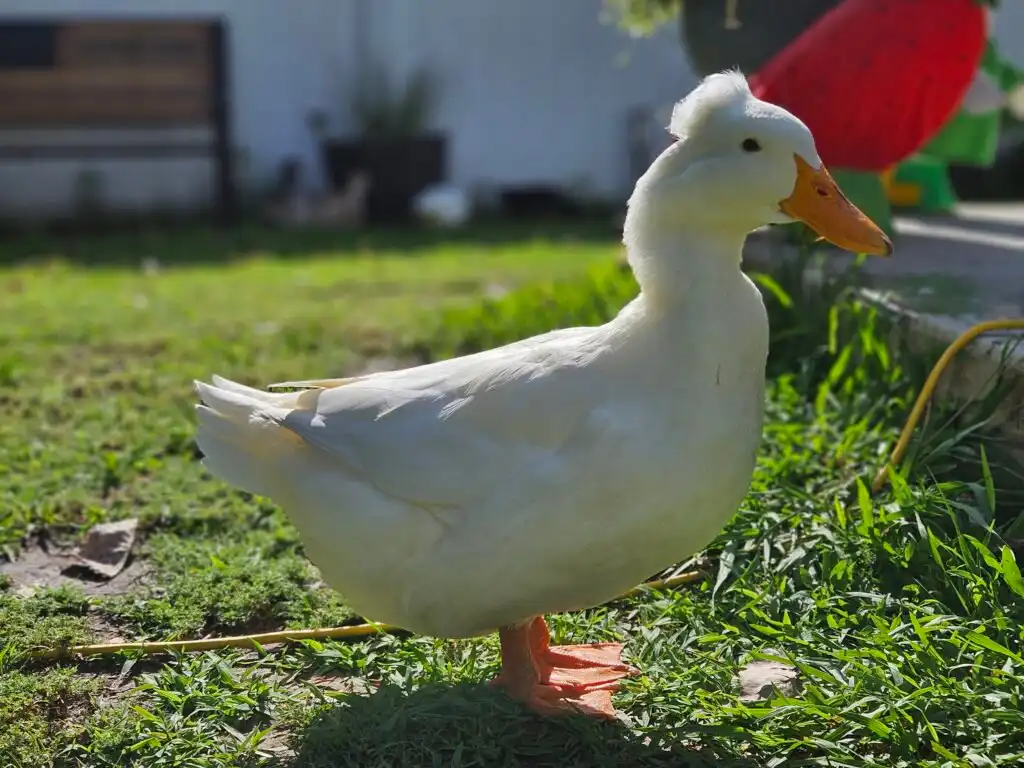
Heavy Breeds Often Struggle More
In general, larger, heavier ducks tend to have a harder time regulating heat.
Bigger bodies generate and retain more heat, while dense feathering adds insulation that makes cooling more challenging.
This is especially true for heavy breeds such as:
- Pekin Duck
- Rouen Duck
- Swedish Duck
- Jumbo Pekins in particular
Large body mass combined with reduced mobility can make heat management harder, especially during long heat waves.
This is one reason why obesity can also increase summer risk, regardless of breed.
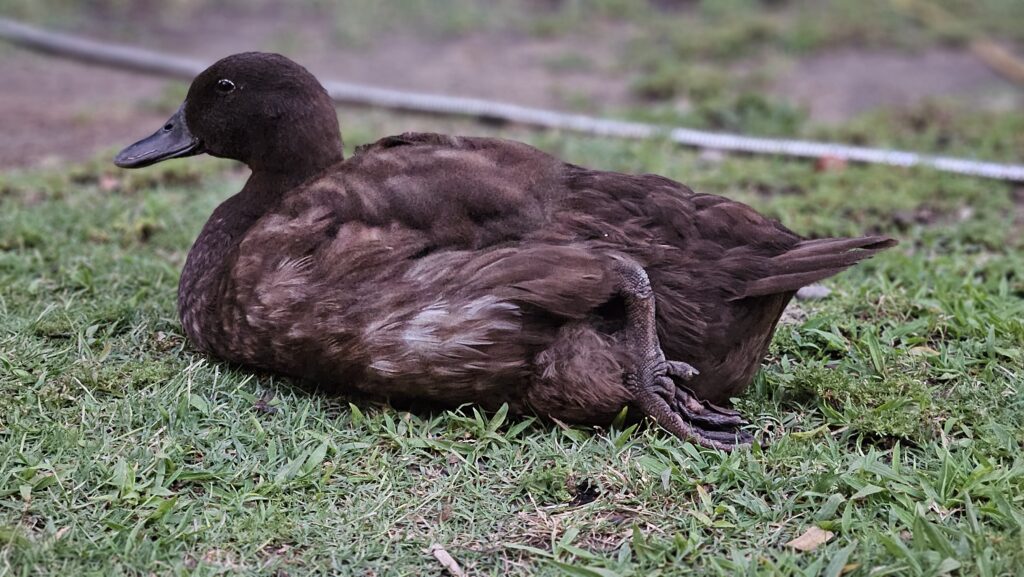
Dark Colored Ducks Can Absorb More Heat
Dark feathering may also play a role.
Breeds with predominantly black or dark plumage may absorb more solar radiation than lighter colored ducks when exposed to direct sunlight.
Examples include:
- Cayuga Duck
- East Indie Duck
- Black Swedish ducks
That does not mean dark ducks cannot thrive in hot climates, only that shade access becomes especially important.
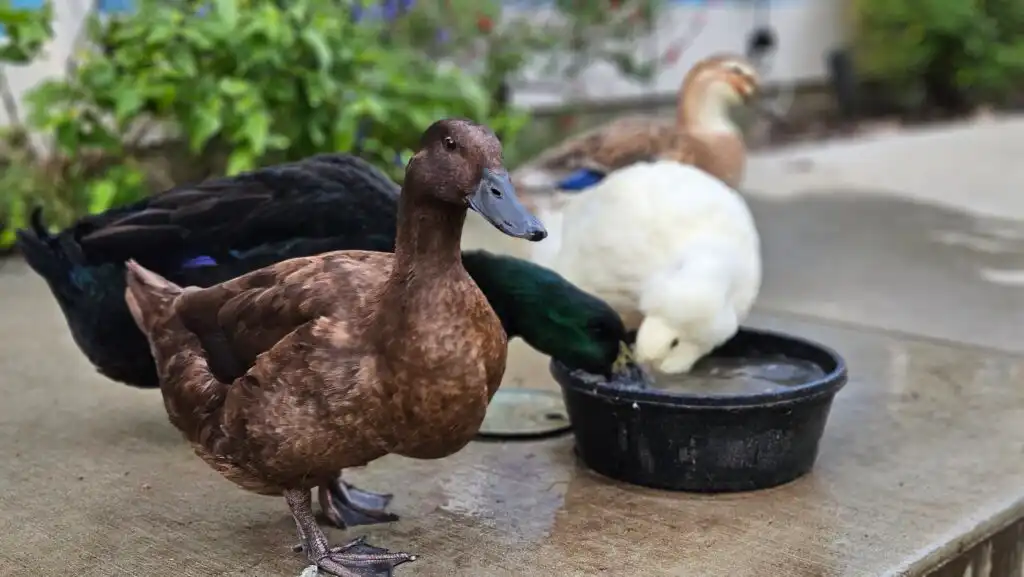
Interestingly, despite being tiny, little Muffin with her darker feathers often seems much more eager to seek shade during the hottest part of the day than some of my lighter colored ducks.
Seniors and Medically Fragile Ducks
Older ducks often struggle more with heat because aging can affect:
- Cardiovascular efficiency
- Respiratory function
- Mobility
- Recovery from stress
- Hydration balance
Similarly, ducks recovering from illness, reproductive issues, infections, or injuries may have fewer reserves available for temperature regulation.
I always monitor vulnerable ducks more closely during summer. Illness plus heat can become a difficult combination very quickly.
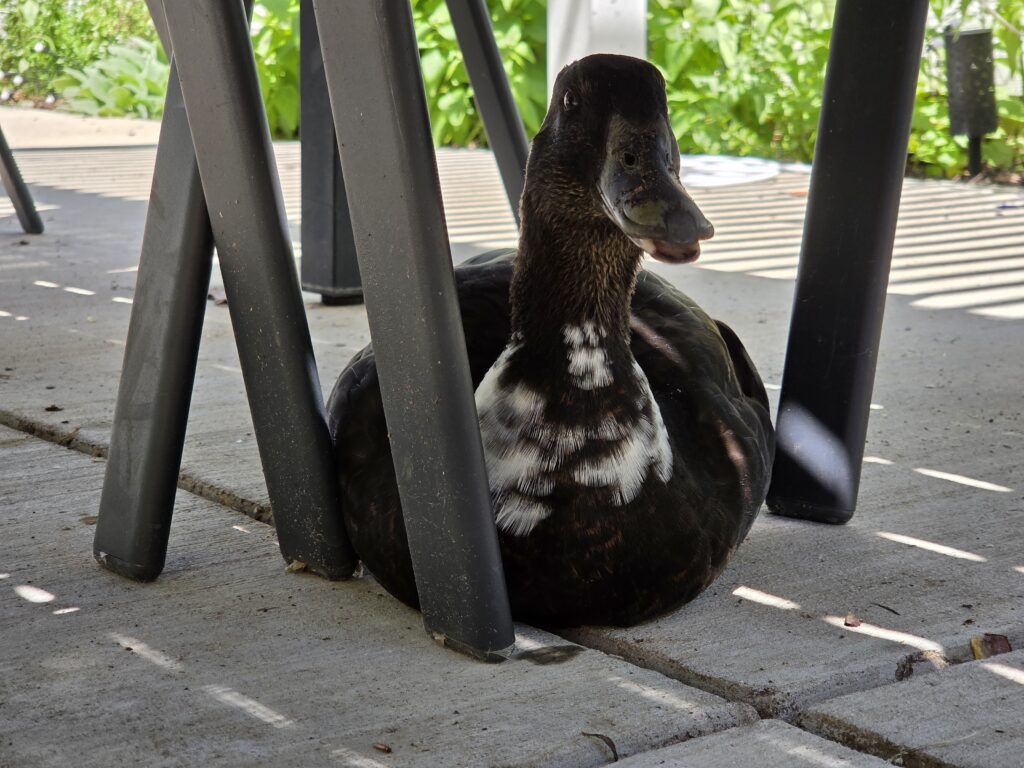
Krümel especially taught me this lesson during periods of medical treatment and recovery. Even when temperatures were manageable for the rest of the flock, I paid much closer attention to her comfort, hydration, and energy level.
Molting Ducks
Molting can also increase summer stress.
Growing feathers is surprisingly energy-intensive and metabolically demanding. During molt, ducks are already diverting resources toward producing new plumage, which can leave them appearing more tired or less resilient during heat.
At the same time, feather loss may temporarily alter insulation and sun protection.
Overweight Ducks
Extra weight makes cooling harder.
Fat acts as insulation and reduces the body’s ability to release excess heat efficiently. Overweight ducks may tire more quickly, pant sooner, or prefer resting over activity during hot weather.
This can become particularly important in:
- Heavy laying breeds
- Large pet ducks
- Less active indoor ducks
- Jumbo lines
Personality Matters Too
And honestly, sometimes ducks are just different.
Some of my ducks seem incredibly heat-tolerant and will continue exploring, dabbling, and socializing despite warm temperatures. Others act personally offended by summer and move directly into maximum shade mode.
Learning your ducks’ individual normal matters just as much as understanding breed tendencies.
The biggest takeaway here is that heat risk is not the same for every duck. Knowing which flock members may struggle more can help you intervene earlier and make smarter summer management decisions.
Next, let’s talk about why summer can still become dangerous even when ducks have water, and the environmental factors that can overwhelm even a duck’s impressive cooling system.
Why Summer Can Still Be Dangerous
At this point, you may be wondering:
If ducks are so well adapted to managing heat, why do they still overheat?
The answer is simple: every cooling system has limits.
Ducks are remarkably good at regulating body temperature, but their ability to lose heat can eventually be overwhelmed by environmental conditions. When the body produces or absorbs heat faster than it can remove it, internal temperature begins rising, and that is when heat stress becomes dangerous.
In my experience, overheating in ducks is usually not caused by a single problem, but rather a combination of factors stacking on top of each other.
A duck with shade and water may still struggle if humidity is high. A duck with a pool may still overheat if there is no airflow. A healthy duck may tolerate conditions that become dangerous for an older or recovering flock mate.
Heat Index Matters More Than Temperature Alone
One of the biggest things people overlook is humidity.
A dry 95°F day feels very different from a humid 95°F day, both for humans and ducks.
Because ducks rely heavily on evaporative cooling through panting, high humidity makes cooling less efficient. When the air is already saturated with moisture, evaporation slows down, making it harder for ducks to lose excess heat.
In other words:
A humid 95°F day may feel more stressful to a duck than a dry 100°F day.
This is why some summer days feel surprisingly manageable while others suddenly seem exhausting for the flock.
During humid stretches in Texas, I notice much more lounging, more open mouth breathing, and less interest in activity compared with dry heat days.
Shade Is Essential, But Not All Shade Is Equal
Simply having some shade is not always enough.
Metal roofs, enclosed runs, stagnant corners, and surfaces that trap heat can create surprisingly warm microenvironments.
Good summer shade should ideally provide:
- Protection from direct afternoon sun
- Airflow and ventilation
- Cooler resting surfaces
- Space for multiple ducks at once
Natural shade from trees, bushes, or ornamental grasses often stays cooler than hard structures alone.
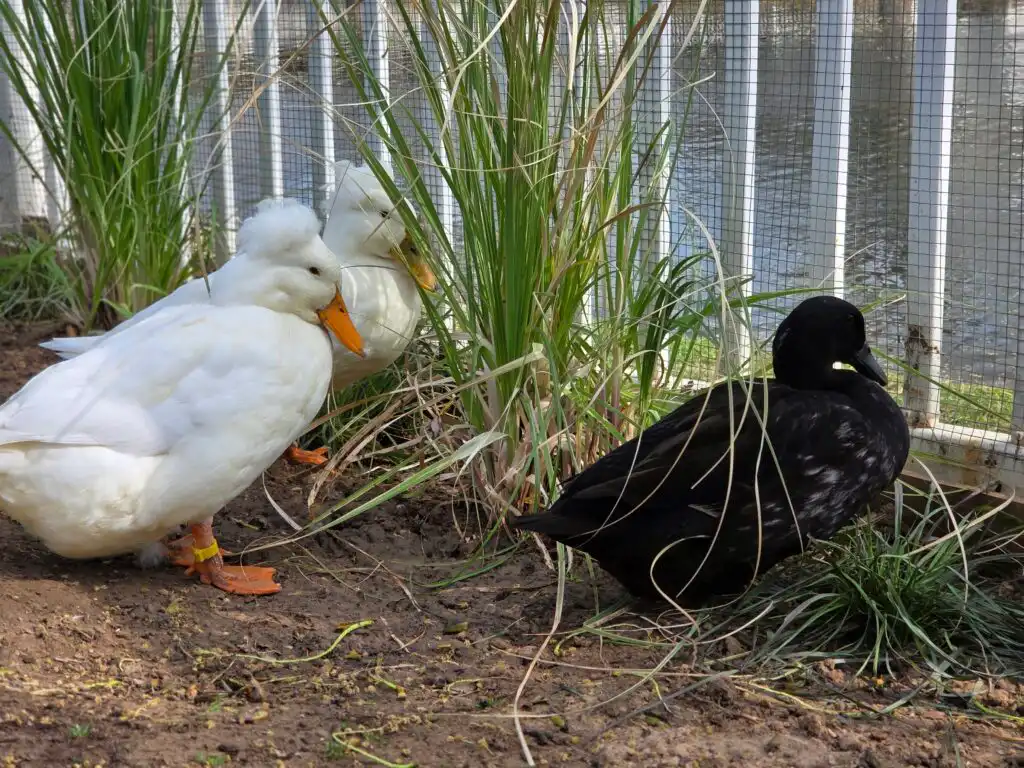
Around our pool area, the ornamental grasses help create small cooler zones that the ducks genuinely seem to prefer during peak heat.

Hot Water Can Stop Being Cooling
Ironically, water itself can become less effective during extreme heat.
Shallow pools sitting in direct sun can warm up surprisingly quickly and may stop providing much cooling benefit by late afternoon.
This is one reason we like having:
- Larger water volume
- Multiple water options
- Moving water with a solar fountain
- Shade over parts of the pool area
Even simple troughs placed in shade can become favorite cooling spots.
Stagnant Air Makes Heat Worse
Airflow matters much more than many people realize.
Even shaded areas can become uncomfortable if the air feels still and trapped.
Moving air helps:
- Improve evaporative cooling
- Reduce humidity buildup
- Prevent stagnant hot pockets
- Increase comfort while resting
In covered coops or enclosed runs, poor ventilation can quickly turn summer heat into a dangerous situation.
This becomes especially important overnight.
Hot Nights Can Be Surprisingly Stressful
People often focus only on daytime temperatures, but overnight heat matters too.
Ducks normally recover from daytime heat during cooler evenings. But during prolonged heat waves, nighttime temperatures sometimes stay elevated, meaning ducks never fully cool down.
This cumulative heat load can increase stress over multiple days.
Combined with overnight foraging and the need to rinse bills and nostrils, this is another reason I strongly believe ducks should always have access to fresh water overnight, especially during summer.
Heat Waves and Power Outages
Extreme heat events deserve extra planning.
Fans fail. Storms knock out electricity. Shade structures can shift. Water heats up faster than expected.
I always recommend having a backup plan for:
- Extreme heat advisories
- Indoor temporary cooling spaces
- Extra shade
- Additional water stations
- Power outages
For vulnerable ducks, having a pop up indoor setup or temporary cool recovery area can sometimes make a big difference during extreme weather.
The key takeaway here is this:
Ducks are built to handle heat, but they are not designed to fight bad setups, extreme humidity, stagnant air, and prolonged heat waves all at once.
Understanding these risk factors makes prevention much easier.
Next, I want to share what actually works for our flock during brutal Texas summers, including our pool setup, shade strategies, water stations, and the changes we have made over the years.
How We Help Our Ducks Stay Cool in the Texas Summer
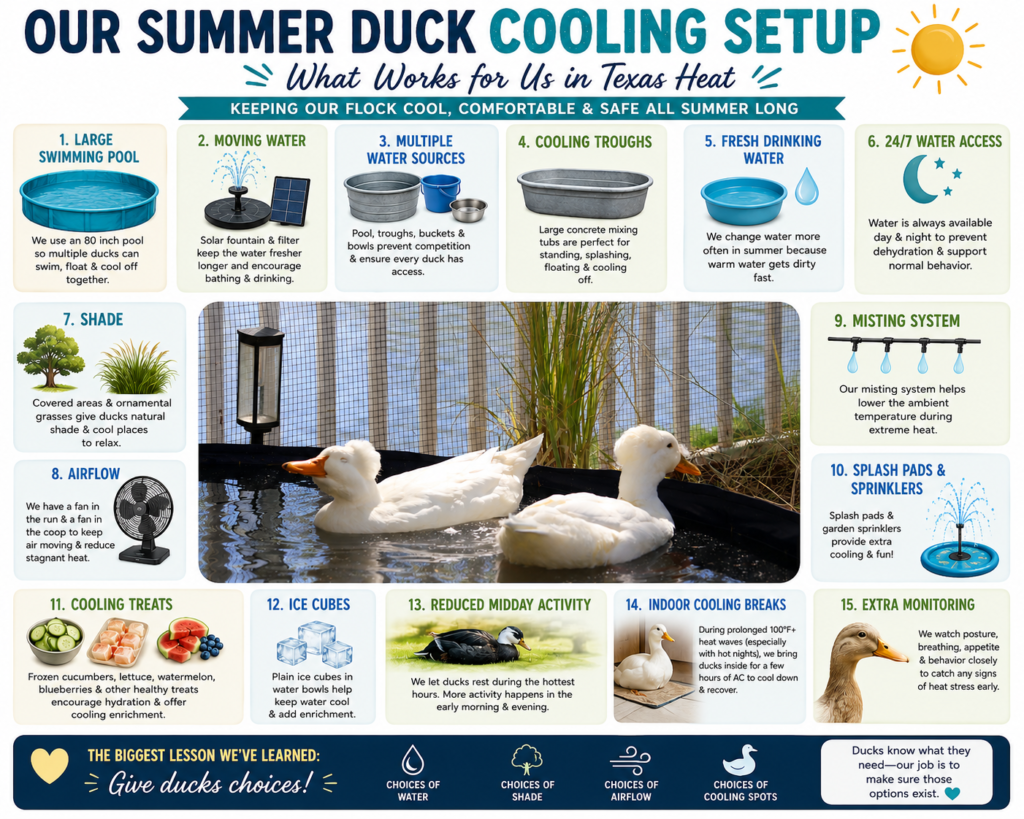
After years of duck keeping in North Texas heat, I can confidently say that summer management is all about layering cooling strategies.
There is no single magic solution.
A pool alone is not enough. Shade alone is not enough. Fans alone are not enough.
The best setups combine water, shade, airflow, multiple cooling choices, and constant access to drinking water so ducks can regulate themselves naturally.
Over the years, our setup has changed quite a bit as I learned what worked best for our flock.
A Bigger Pool Made a Big Difference
One of our biggest upgrades was moving to a larger 80 inch pool.
We originally started with smaller kiddie pools, which worked fine at first, but with multiple ducks they quickly became crowded, dirty, and less practical for cooling.
The larger pool gives multiple ducks space to:
- Swim at the same time
- Splash and cool down
- Move away from each other if needed
- Float comfortably during hot afternoons
During extreme heat, I notice the ducks often use the pool differently than during cooler months. Instead of energetic splashing, they sometimes simply float quietly or stand in shallow areas to cool off.
And honestly, sometimes they look far more relaxed than the humans in the household.
A Solar Fountain and Filter Help More Than Expected
We also added a solar fountain and filter system, which helps keep the water cleaner and moving.
Let’s be realistic, ducks will always find ways to turn clean water into duck soup impressively fast.
But moving water stays fresher longer and seems more appealing during hot weather when ducks are constantly entering the pool, bathing, and drinking from it.
Because of the larger water volume and filtration, we now fully drain the pool about every two weeks, though summer chaos sometimes speeds that timeline up.
Multiple Water Sources Matter More Than You Think
One thing I strongly recommend, especially for larger flocks, is offering multiple water options.
Ducks have social hierarchies and pecking order dynamics. More dominant ducks may claim favorite spots, while quieter ducks sometimes wait their turn.
Having several cooling and drinking areas helps ensure everyone has access at the same time.
Our ducks currently have access to:
- The large pool
- Concrete mixing troughs deep enough for splashing and floating
- Buckets and bowls for drinking and dabbling
- Smaller water areas throughout the run
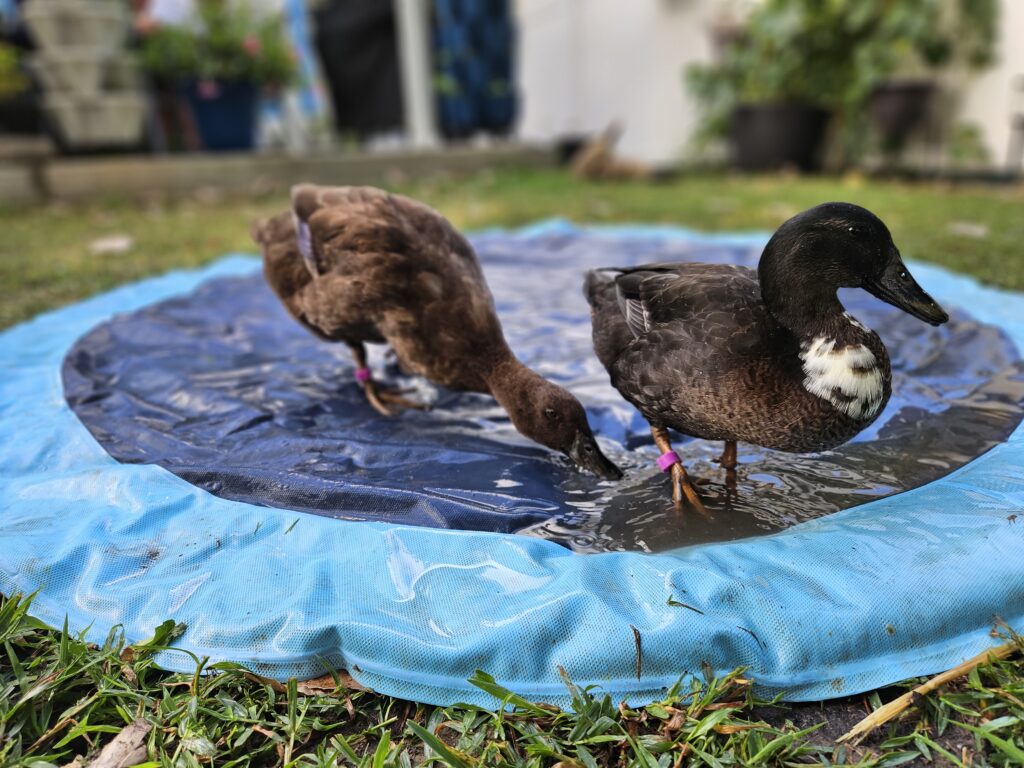
- Splash pads and garden sprinklers for extra cooling and enrichment
The splash pads and sprinklers are especially popular during the hottest afternoons. Some ducks happily run through the water while others simply stand nearby, enjoying the cool mist.
And yes, some ducks absolutely have opinions about sprinklers.
Fans and Airflow Matter More Than People Realize
Even shaded spaces can become uncomfortable when the air feels trapped and stagnant.
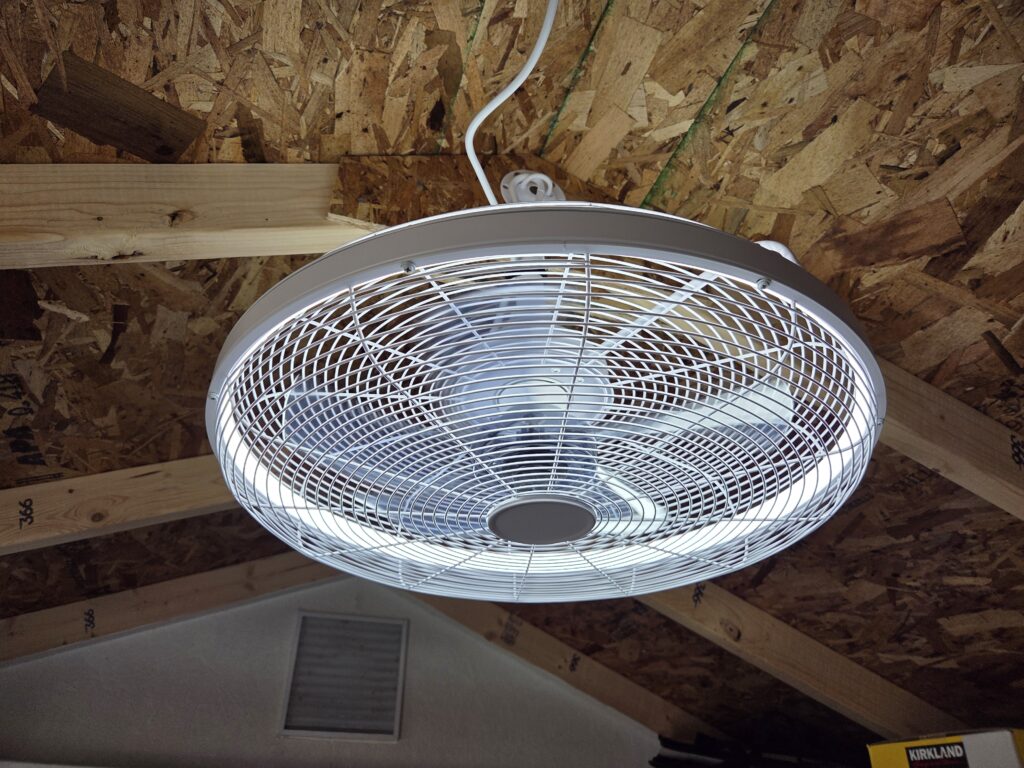
To improve airflow, we installed:
- A fan in the duck run
- A fan inside the coop
Moving air makes a noticeable difference, especially on humid days when evaporative cooling becomes less efficient.
Our ducks often position themselves strategically near airflow during hot afternoons, which tells me they clearly appreciate it.
Shade Is Non Negotiable
In Texas summers, shade is absolutely essential.
Our ducks naturally move between sunny and shaded areas throughout the day, but by mid afternoon everyone becomes much more intentional about finding cooler spaces.
We added ornamental grasses around the pool, which surprisingly became some of the flock’s favorite hangout spots. They create cooler little microclimates while still allowing airflow.
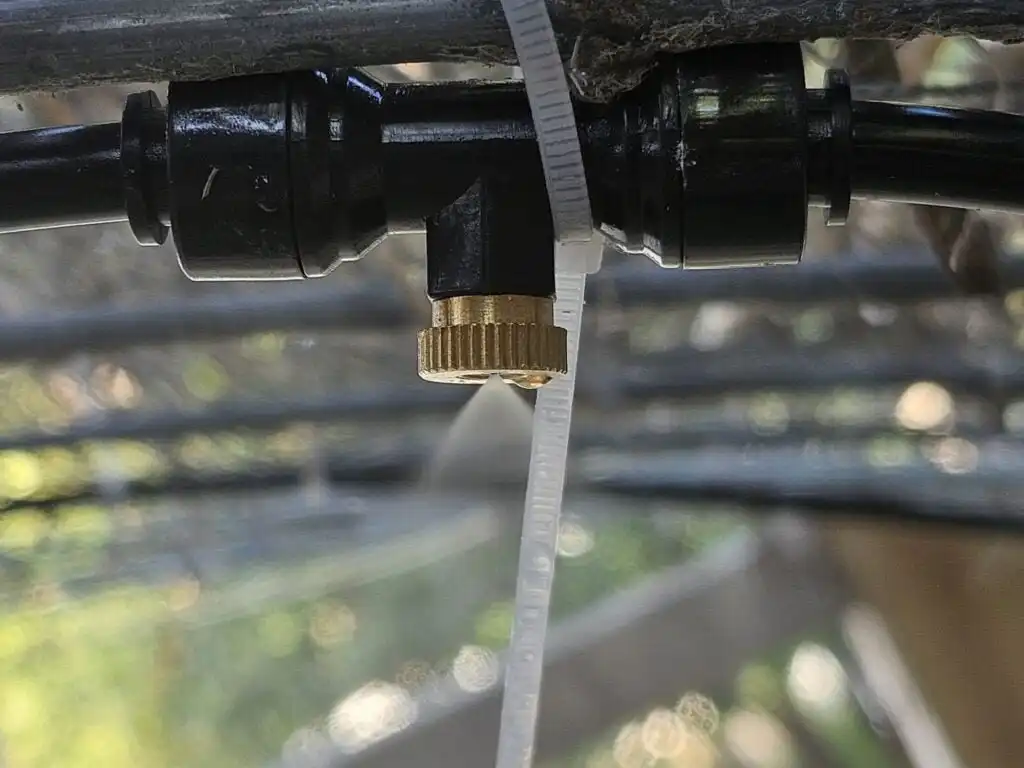
We also installed a misting system in the run, which helps reduce ambient temperatures during especially brutal heat.
The light mist provides extra cooling without soaking the environment excessively and can make a noticeable difference during triple digit days.
Summer Treats Become Cooling Tools
During extreme heat, we also lean into hydrating, cooling snacks.
One flock favorite is frozen treats.
We freeze:
- Cucumbers
- Lettuce
- Watermelon
- Blueberries
- Other duck safe fruits and vegetables
Sometimes inside ice cubes or frozen molds.
Other times, I simply add plain ice cubes to water bowls, which the ducks investigate with surprising enthusiasm.
These little cooling extras are not essential, but they definitely help encourage hydration and make hot afternoons more enjoyable.
Water Access Never Stops
This is one thing I feel strongly about:
Ducks should have access to water 24/7.
Our avian vet has repeatedly reinforced how quickly ducks can become dehydrated, especially during hot weather.
Ducks forage at night, snack, clear bedding from their nostrils, rinse food from their bills, and drink throughout the day and night.
We also replace drinking water more frequently during summer, because warm water becomes dirty faster and simply is not as refreshing.
At night, there is always water available inside the secure enclosure.
During Extreme Heat Waves, We Bring Ducks Inside
When temperatures become truly extreme, especially during stretches of 100°F+ days combined with hot nights, we sometimes bring the ducks inside for a few hours to cool down and enjoy the air conditioning.
This is not an everyday thing, but during prolonged heat waves it can give vulnerable ducks a chance to recover and fully cool their bodies.
Especially when nighttime temperatures stay high, ducks sometimes never get the normal overnight cooldown period they rely on.
A few hours in cooler temperatures can make a meaningful difference.
We Adjust Expectations in Summer
Perhaps one of the biggest mindset shifts is simply understanding that summer ducks behave differently.
In Texas heat, our flock naturally becomes:
- More active in the early morning
- More relaxed during the hottest hours
- More interested in water
- Less enthusiastic about activity in the afternoon
And honestly, that is okay.
Sometimes the best thing we can do is let ducks be ducks and support the cooling strategies they already instinctively know how to use.
The Biggest Lesson I Have Learned
If I had to summarize years of summer duck keeping into one lesson, it would be this: Give ducks choices.
Choices of water depth. Choices of shade. Choices of airflow. Choices of cooling spots.
Ducks are remarkably good at knowing what they need. Our job is simply to make sure those options exist.
Frequently Asked Questions (FAQ) About Ducks and Summer Heat
Can ducks overheat?
Yes, ducks can absolutely overheat, especially during prolonged heat waves, high humidity, poor ventilation, or when shade and water are limited. While ducks have natural cooling mechanisms such as panting and heat loss through their feet and bill, those systems can become overwhelmed in extreme temperatures.
How hot is too hot for ducks?
There is no single temperature cutoff because humidity, airflow, shade, breed, and overall health all matter. Many healthy ducks tolerate hot weather surprisingly well when they have water and shade, but temperatures above 95 to 100°F, especially combined with humidity and hot nights, require much closer monitoring.
Is open mouth breathing normal in ducks during summer?
Sometimes, yes. Mild open mouth breathing or light panting can be completely normal, especially during very hot weather or after activity. In Texas summers, my ducks often sit in the shade with slightly open bills and are otherwise perfectly fine. The key is looking at the whole duck. A duck that is alert, drinking, and behaving normally is very different from one that appears weak, distressed, or lethargic.
Do ducks sweat to cool down?
No, ducks do not sweat because they lack sweat glands. Instead, they cool themselves through panting, increased blood flow to the feet and bill, behavioral changes, and water access.
Can I bring my ducks inside during extreme heat?
Yes, in some situations. During prolonged heat waves, especially when temperatures stay above 100°F with very hot nights, temporary access to air conditioning can help vulnerable ducks cool down and recover.
Do fans help ducks stay cool?
Yes. Fans improve airflow and help support evaporative cooling through panting. We use fans in both our run and coop during Texas summers, and the ducks often intentionally position themselves near the moving air.
What are signs that a duck is overheating?
Warning signs include heavy panting, weakness, lethargy, isolation, drooping posture, tail carried down, poor responsiveness, stumbling, or collapse. Severe signs should be treated as an emergency.
What I Want Every Duck Parent to Remember
Ducks are remarkably good at managing heat.
Their bodies are designed with impressive built in cooling systems, from panting and heat exchange through the feet and bill to behavioral changes like seeking shade and water. In many ways, ducks know exactly what they need during summer.
But even the best cooling system has limits.
Extreme heat, humidity, hot nights, poor airflow, illness, or simply not having enough cooling options can quickly tip the balance from normal summer behavior into dangerous heat stress.
Over the years, one of the biggest things my ducks have taught me is that summer care is less about controlling every little thing and more about creating choices.
Choices to swim or stand in shallow water. Choices between sun and shade. Choices of where to rest, cool down, or escape the heat.
On hot Texas afternoons, I often watch the flock quietly spread themselves out. Some float peacefully in the pool, others nap in the shade of ornamental grasses, while a few stand in the trough looking deeply unimpressed by the weather. They instinctively know what helps them feel comfortable.
Our job is simply to make sure those options exist.
And if there is one thing I want fellow duck parents to take away from this guide, it is this:
Ducks are built to handle summer, but they still need our help to do it safely.
A little extra shade, fresh water, airflow, and attention can make all the difference during the hottest months of the year.
Further Reading & Resources
- Duck Respiratory System
- Duck Bill Facts
- Duck Feet Facts
- Keeping Ducks Cool During the Hottest Months
- How to Improve Duck Pool Water Quality with Size and Filtration
- Ducks and Water: How Much They Need, Why It Matters, and How to Manage It Safely
- Daily Routine with the Ducks: Summer vs. Winter
Deepen your understanding of avian wellness. Explore the full Duck Health & Anatomy Library for more specialized care guides.