
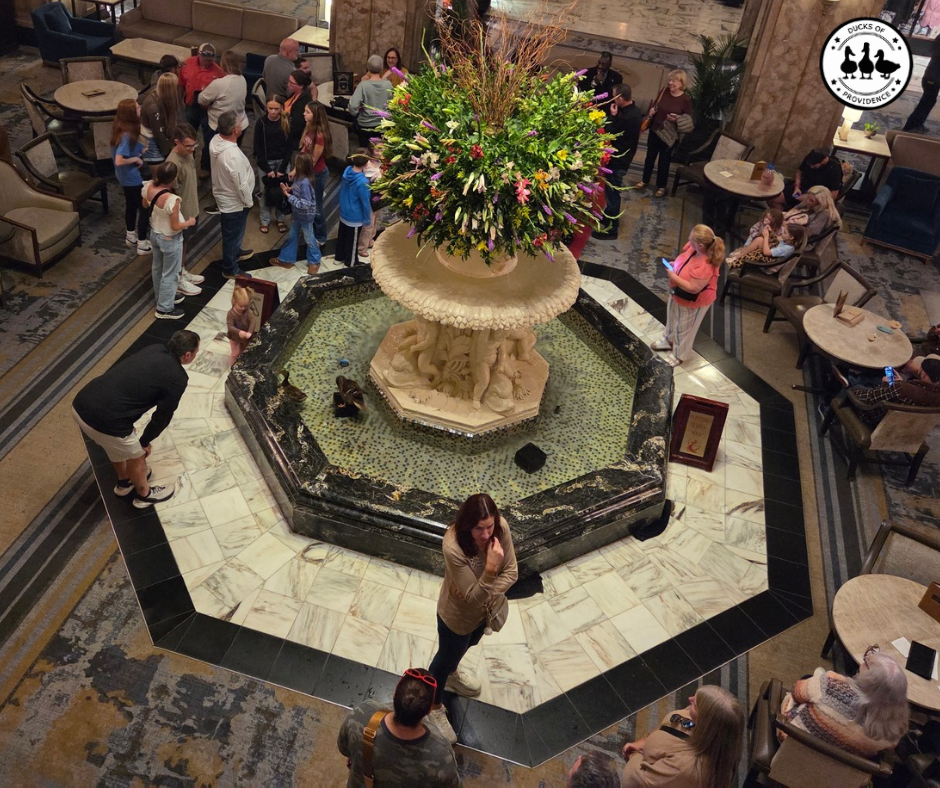
Peabody Hotel Ducks in 2026: What I Saw Beyond the Red Carpet

To keep our research-backed guides free, this site uses ads and affiliate links (earning a small commission at no cost to you). Everything here is created by a duck mom and PhD scientist, combining academic rigor with hands-on experience to provide practical, trustworthy advice for duck keepers everywhere. 🦆 Learn more
I went to The Peabody Memphis to watch ducks walk down a red carpet. Of course I did. But as a duck keeper, I was just as curious about what happened at the other end of their elevator ride. Where do the Peabody Hotel ducks go when the march is over? And what is life like for them away from the lobby?
On my recent visit to Memphis, I watched the famous Peabody Duck March and got a chance to go behind the scenes at the Royal Duck Palace, the flock’s rooftop home. I got to see the ducks inside their enclosure and learn more about how they’re cared for. At home in Texas, I’m usually the one filling the pool and cleaning up after the ducks, so I was especially curious to see how a grand hotel handles the everyday business of keeping a flock.
I came away reassured by what I saw upstairs. And while the red carpet is what brought me to The Peabody, the rooftop visit is the part I most wanted to share with you. Come along for the story of how ducks ended up in a Memphis hotel fountain in the first place, what it’s like to see the march in person, and what I learned when I got a look at where these famous ducks live.
Part of the Community & Behavior Hub, Exploring the social complexity and psychological needs of domestic ducks.
Quick Navigation: Jump to a Section
[hide]
- What Is the Peabody Duck March?
- How Did Ducks End Up in a Hotel Fountain?
- Inside the Royal Duck Palace at The Peabody Memphis
- How the Peabody Ducks Settle In and Where They Go After Retirement
- My Visit to See the Peabody Ducks
- Duck Details Everywhere at The Peabody Memphis
- Peabody Ducks FAQ
- Would I Visit the Peabody Ducks Again?
- Further Reading & Resources
What Is the Peabody Duck March?
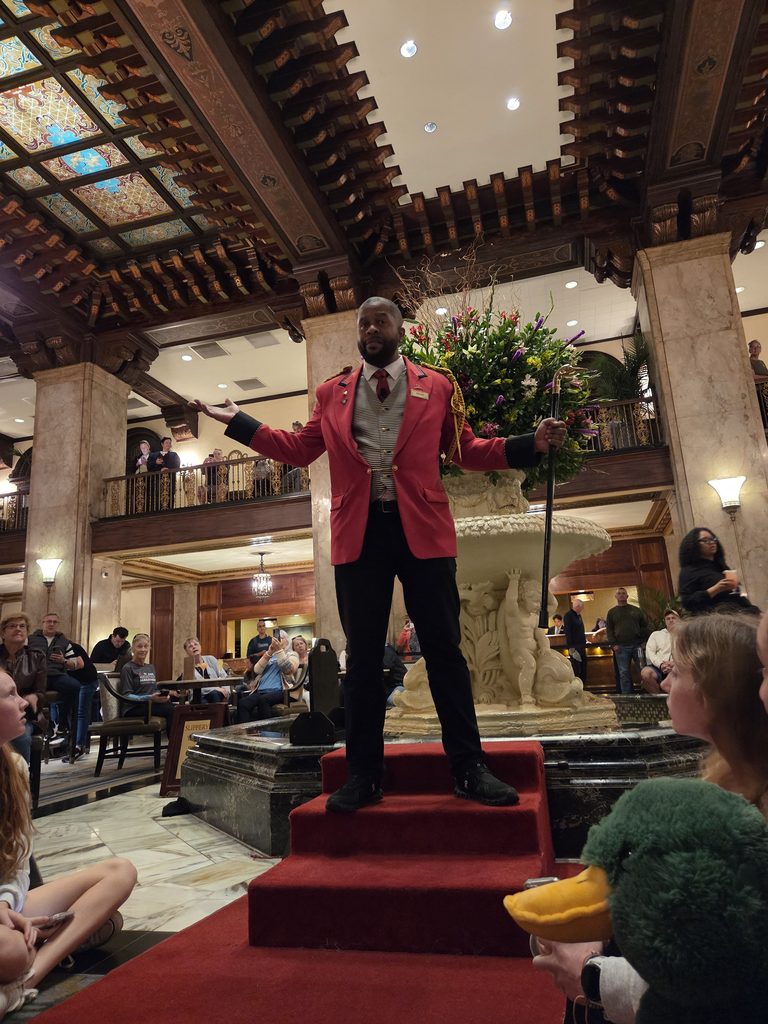
The Peabody Duck March is a daily tradition at The Peabody Memphis, a historic hotel in downtown Memphis, Tennessee. At 11 a.m., a small flock of Mallards rides the elevator down from its rooftop enclosure, waddles across a red carpet in the grand lobby, and steps into the marble fountain. The ducks spend the afternoon there. At 5 p.m., they make the trip in reverse and head back upstairs to the Royal Duck Palace. The person who guides them has an official job title that I, for one, would love to put on a business card: Duckmaster.
The hotel itself is older than the tradition. The original Peabody opened in 1869, and the hotel moved to its current location on Union Avenue in 1925. The ducks arrived eight years later, thanks to a hunting trip and a joke that went over better than anyone could have expected.
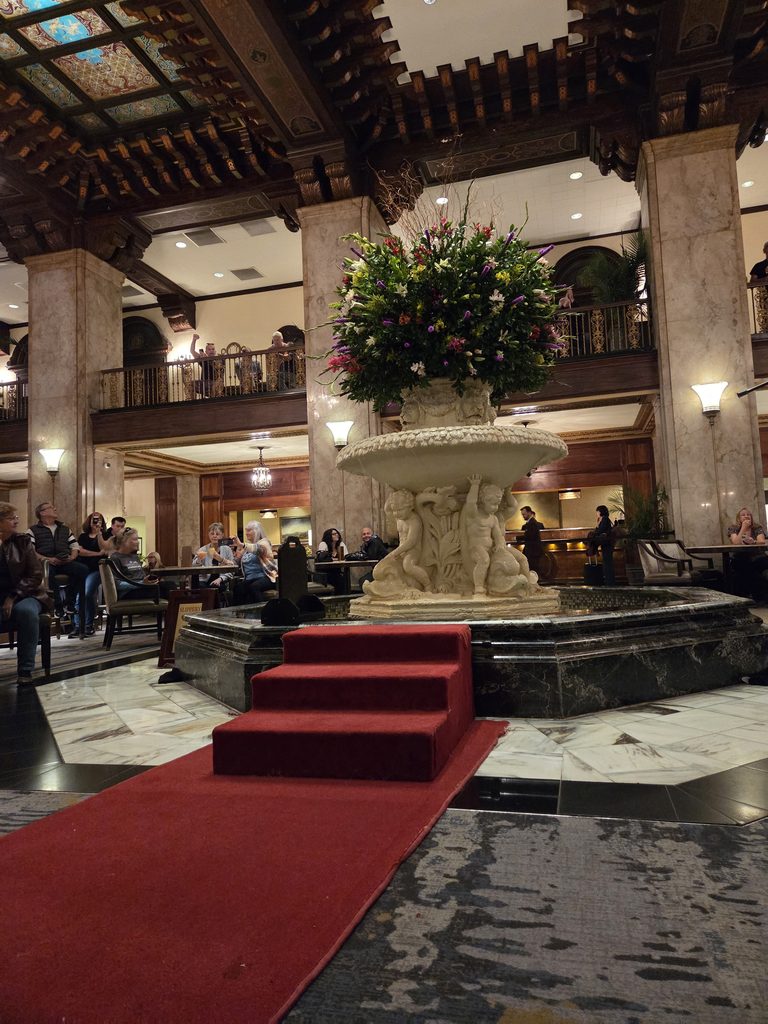
How Did Ducks End Up in a Hotel Fountain?
As the hotel tells it, in 1933, general manager Frank Schutt and his friend Chip Barwick returned from a hunting trip in Arkansas. After a little Tennessee whiskey, they decided it would be funny to put three of their live duck decoys in the lobby fountain. Hunters could legally use live decoys at the time, and these three were English Call ducks, small domestic ducks. The guests loved seeing them in the fountain, and what started as a prank became a hotel tradition.
When Did the Ducks Get Their Red Carpet Routine?
The march came later. In 1940, a hotel bellman named Edward Pembroke, who had previously worked as a circus animal trainer, offered to help bring the ducks to the fountain. He taught them the route and became the Peabody’s first Duckmaster, a role he held for about 50 years. The ducks you’ll see today are Mallards, and they still make that daily trip between the rooftop and the lobby. I wonder what those first hotel guests would think if they knew people would still be planning their day around watching ducks take an elevator.
Inside the Royal Duck Palace at The Peabody Memphis
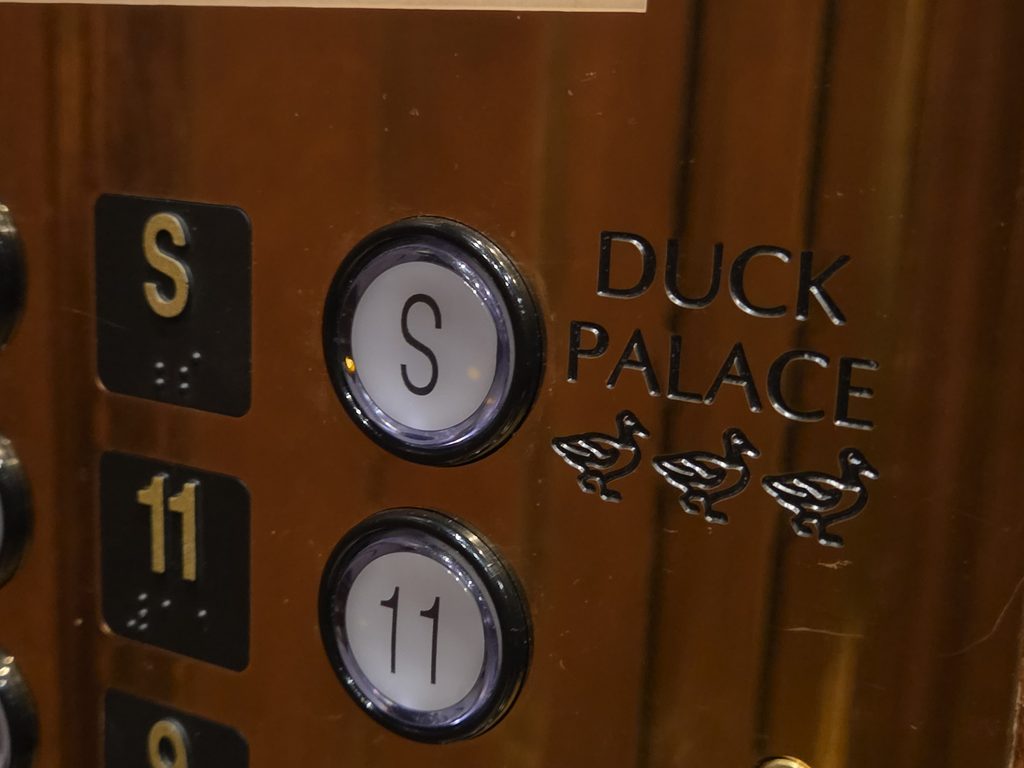
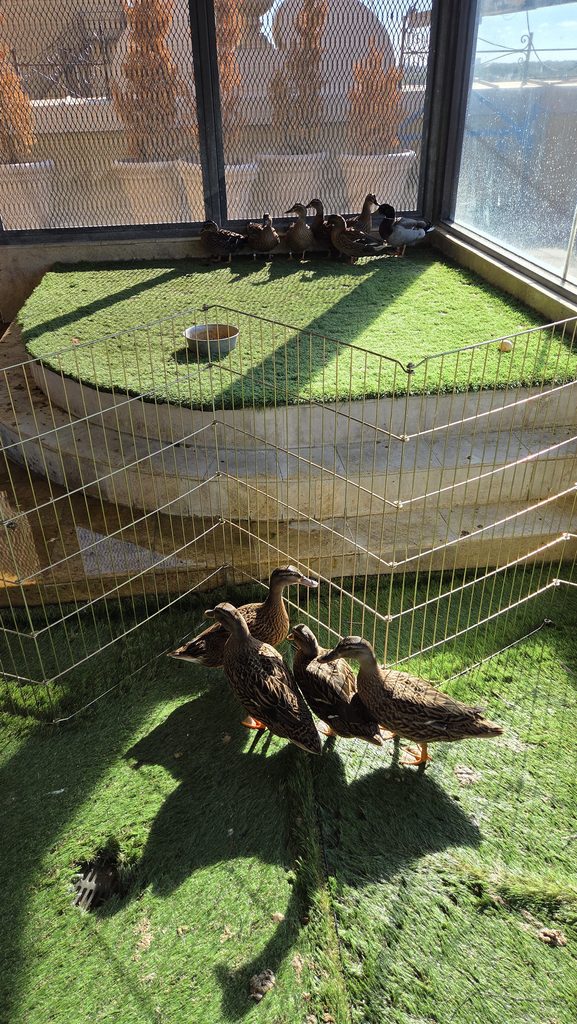
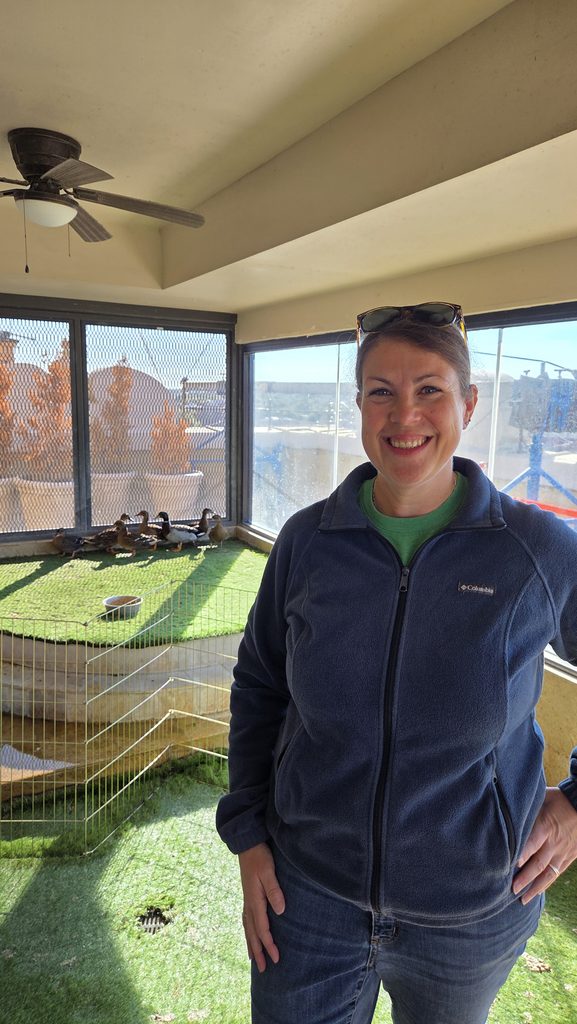
At the end of the afternoon, the Peabody ducks leave the lobby fountain and take the elevator back to the roof. That’s where they spend the night in the Royal Duck Palace, an enclosure that measures about 24 feet by 12 feet. I got to go behind the scenes and see the ducks inside it. As someone who’s spent plenty of time figuring out how to keep a duck run clean, dry, and comfortable, I had a lot to look at.
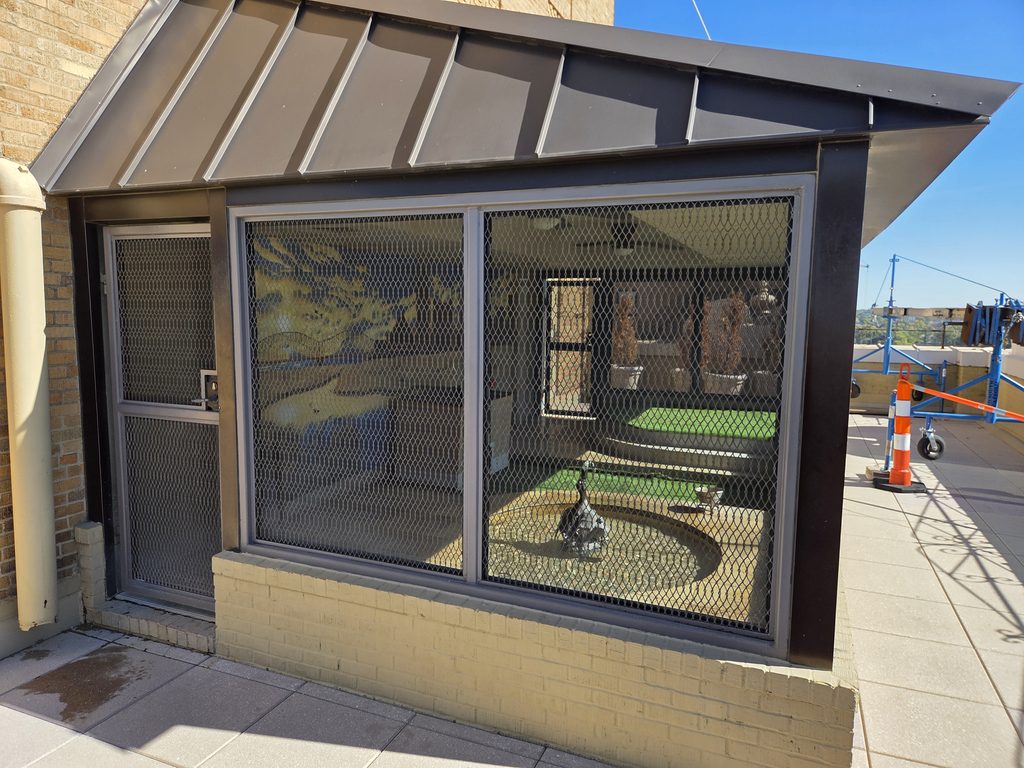
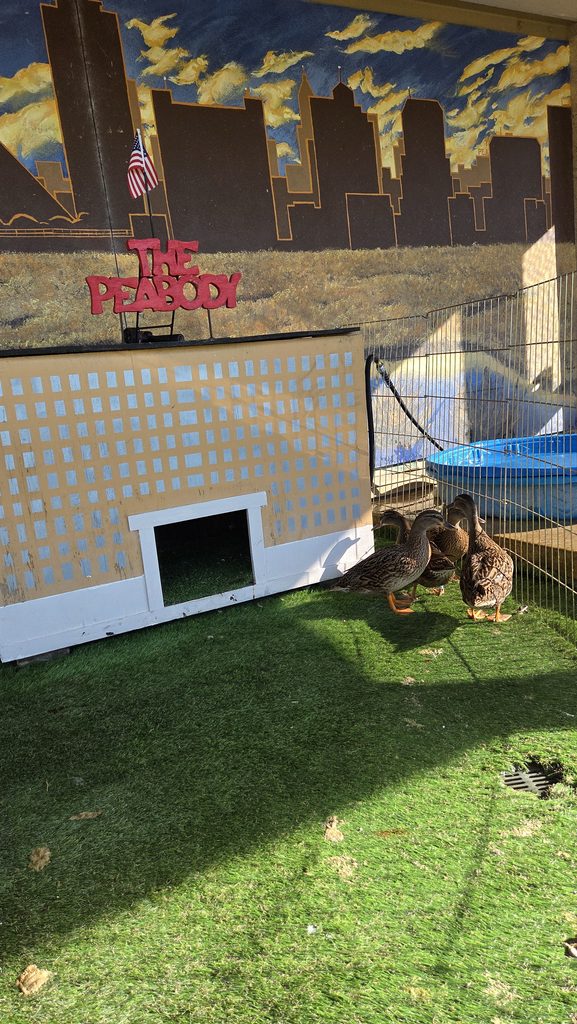
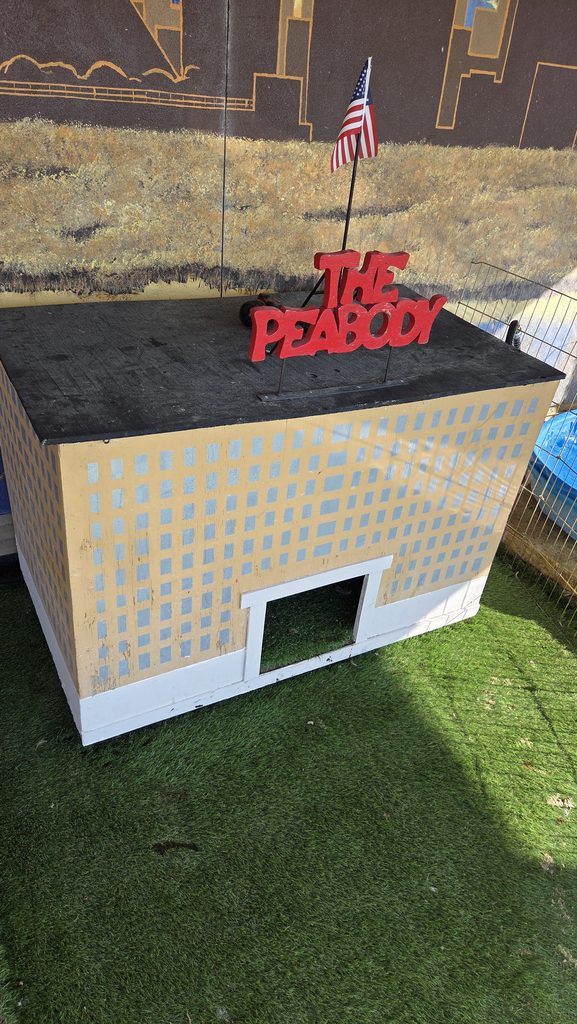
The palace has its own swimming fountain with a bronze duck that spits water, plus a little duck house built to look like The Peabody itself. Yes, there’s a miniature hotel on top of the actual hotel. The enclosure has stone flooring and a patch of artificial turf, which made me smile because we use turf in our duck run at home, too. A large window across the front lets visitors look in, while fine metal mesh on both sides lets air through. I learned that the hotel can fit window panels over those sides in winter to cut down on drafts, and there’s a ceiling fan to help move air when it’s warm.
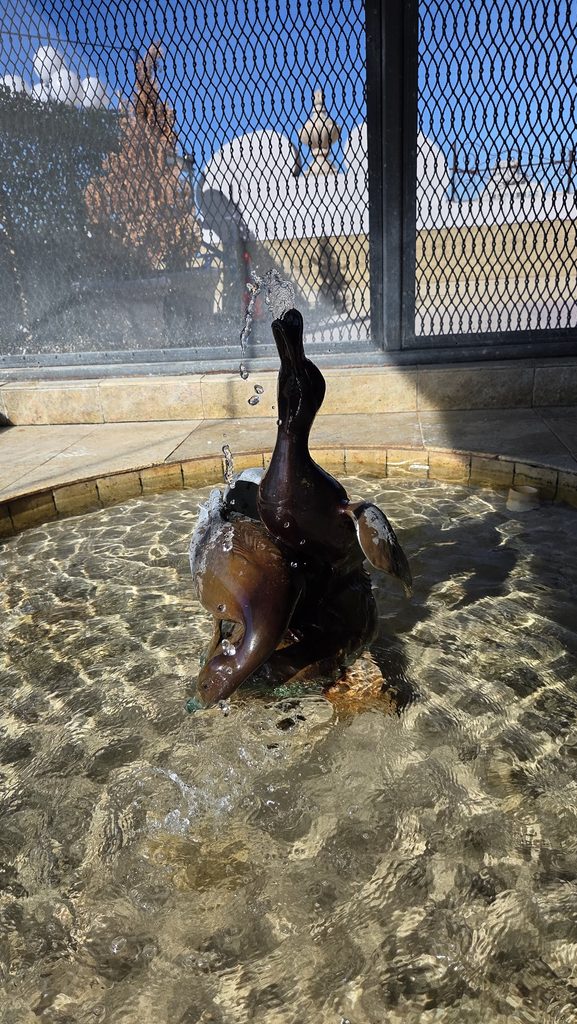
I also learned that the Duckmaster hoses down the enclosure twice a day and that the flock gets feed appropriate for ducks. Anyone who’s watched five ducks turn a freshly cleaned pool area into a mess before breakfast can appreciate that cleaning schedule. Hearing how the space is maintained day to day was one of the most reassuring parts of my visit.
How the Peabody Ducks Settle In and Where They Go After Retirement
The Peabody’s marching flock usually consists of five Mallards, four hens and one drake. I learned during my visit that the ducks are usually around eight months old when they arrive and spend about three months at the hotel before returning to the farm where they were raised.
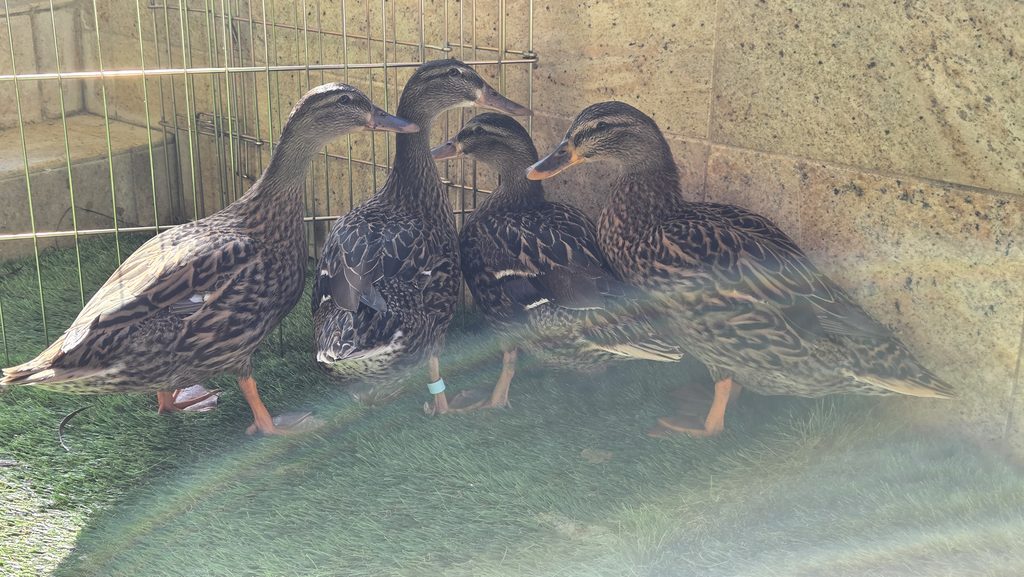
The farm prefers to stay anonymous, and the details of the duck exchange are kept quiet, too. That made me laugh. Here I was learning about a world famous duck parade, and the changing of the guard sounded like something out of a spy movie. The new recruits just happen to have webbed feet.
For about two weeks, the incoming ducks overlap with the experienced flock. That gives them time to get used to the rooftop, the Duckmaster, and the route to the elevator, with ducks who already know the routine to follow. The incoming group usually includes one extra hen, giving the Duckmaster time to see how each duck takes to the routine. If a hen seems less comfortable with it, she can return to the farm when the outgoing flock leaves. I appreciated hearing that there’s room in the process for a duck who would rather sit this one out.
I also learned that the ducks wear leg bands and have the flight feathers on one wing clipped to keep them from flying off as they cross the open rooftop on their way to the elevator. That stretch of the trip is easy to miss when you’re watching from the lobby. By the time the elevator doors open downstairs, the ducks have already made their first little walk of the day.
And what does retirement look like for a Peabody duck? I was told they go back to the same farm, where they have a large area to roam and a big pond. After three months as Memphis celebrities, a pond and plenty of room to do ordinary duck things sounds like a pretty good retirement to me.
Are the Peabody Ducks Well Cared For?
I went in curious about how the ducks were cared for, and I came away reassured by what I saw. The hens seemed comfortable in the lobby fountain and looked like they were enjoying their time in the water. They spend several hours there before heading back to their rooftop enclosure, where they have their own swimming water, shelter, and space to rest away from the crowds.
I also appreciated that each flock spends about three months at the hotel before retiring to the farm where they were raised. And when the drake I’d expected to see was getting too hormonal, the hotel retired him early. As someone who’s made a few changes to our own setup for Simon, I was glad to see the Peabody adjust the routine for an individual duck, too.
My Visit to See the Peabody Ducks
I was so excited to see the 11 a.m. Peabody Duck March in person. I watch ducks make a beeline for water in my own backyard all the time, and yet there I was in a grand hotel lobby in Memphis, eagerly waiting for an elevator to open so I could watch them do it on a red carpet.
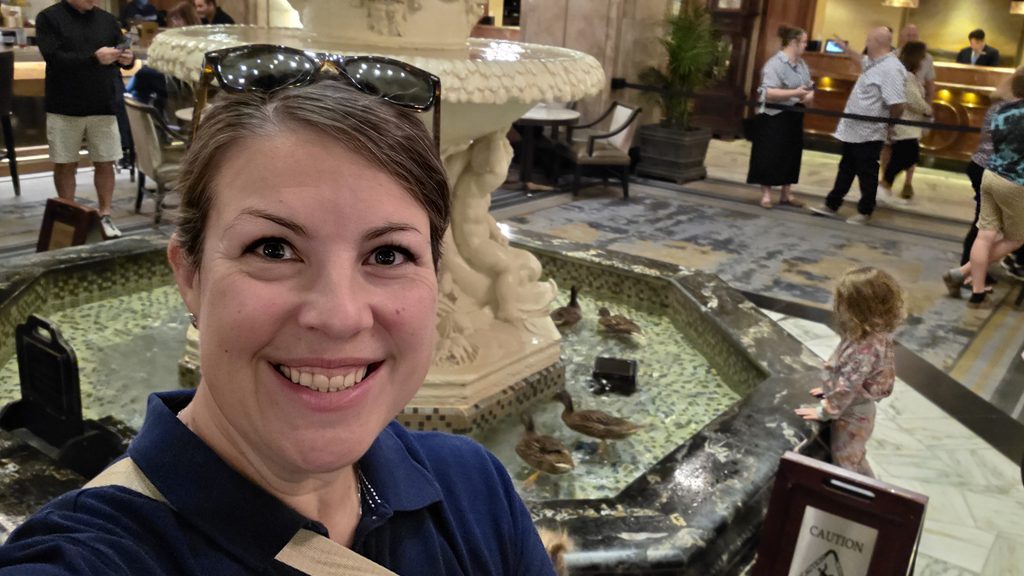
That morning, four hens made the march. The usual flock includes a drake, too, but I learned he’d been retired early because he was getting a little too hormonal. As someone who’s had to make springtime housing arrangements for Simon, I could relate. I appreciated that the hotel adjusted the routine for the flock and let the four girls carry on.
Up at the Royal Duck Palace, I got lucky with my timing. The next flock had already arrived, so I got to see both groups inside the enclosure during my visit behind the scenes. A metal fence divided the space, giving the new ducks their own area to settle in. We use a metal divider in our run at home, too, so that setup looked pretty familiar.
Then I spotted the new ducks’ pool. It was one of those plastic kiddie pools every duck keeper knows. I had to laugh. Downstairs, the ducks have a marble fountain and a red carpet. Upstairs, even a grand hotel reaches for the same little pool so many of us use in our backyards.
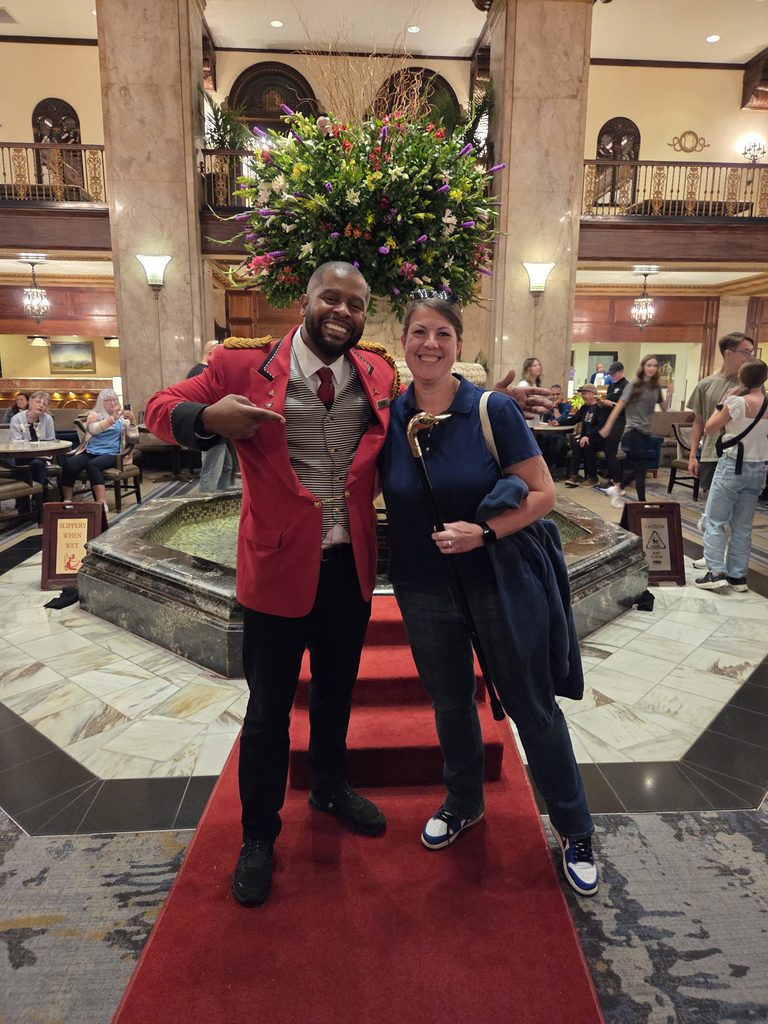
Duck Details Everywhere at The Peabody Memphis
Once I started looking, I kept finding ducks all over The Peabody. There were ducks worked into the carpet pattern and even little bars of soap shaped like ducks. I love that a hotel with such a grand lobby has this much fun with its mascots. I’d love to spend a night there someday, partly because I’m curious how many more ducks I’d spot between the lobby and my room.
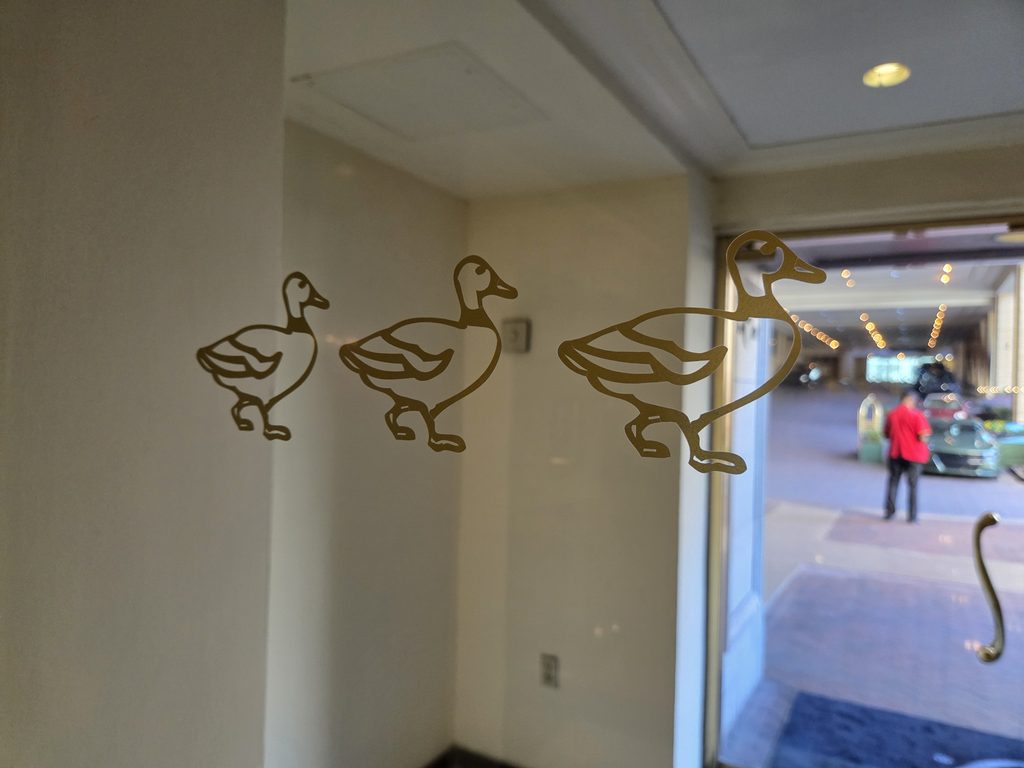
There’s one place the hotel draws the line. The Peabody keeps duck off its restaurant menus. Chocolate ducks, on the other hand, are fair game. The hotel has even featured a signature white chocolate duck for dessert, which is exactly the kind of duck I’m happy to see on a plate.
And then there’s the Lansky Lucky Duck Gift Shop, just steps from the fountain. There was so much duck stuff. If you’re the person your friends send a picture to every time they see anything with a duck on it, you’ll understand why I wanted to look at everything.
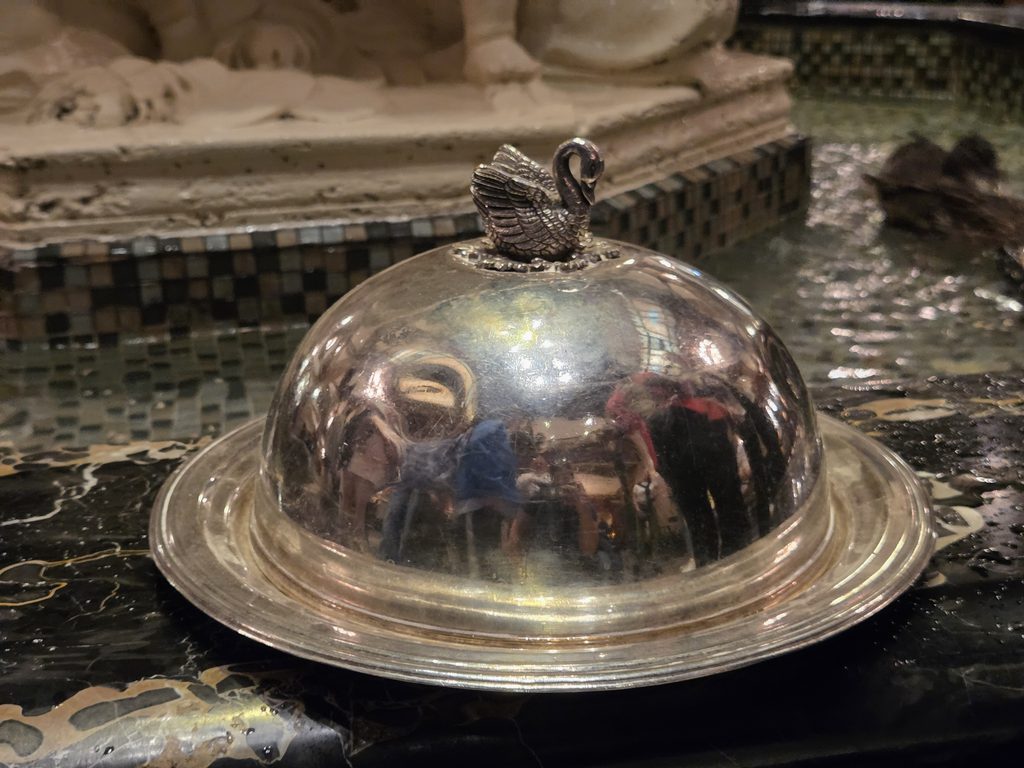
You Can Be an Honorary Duckmaster
I was delighted to learn that guests can be an Honorary Duckmaster through the hotel’s Ducky Day package. It includes an overnight stay and a chance to help the Duckmaster guide the flock to or from the lobby fountain during the 11 a.m. or 5 p.m. march. How cool would it be to go from waiting for the elevator doors to open to helping the ducks make their entrance? The Peabody’s Ducky Day package
This post isn’t sponsored. I’m just a duck person who had a very good time in a hotel full of ducks.
Peabody Ducks FAQ
What time is the Peabody Duck March?
The ducks march to the lobby fountain at 11 a.m. and back to the rooftop at 5 p.m. The hotel recommends arriving about 30 minutes early. Official Duck March schedule
Where do the Peabody ducks go after the march?
After the evening march, they ride the elevator back to the Royal Duck Palace, their rooftop enclosure. After about three months at the hotel, each flock retires to the farm where the ducks were raised.
Can you become an Honorary Duckmaster?
Yes. The hotel’s Ducky Day package includes an overnight stay and the chance to help the Duckmaster guide the flock during one of the two daily marches. The Peabody’s Ducky Day package

Would I Visit the Peabody Ducks Again?
Absolutely. I’d love to stay at The Peabody someday and catch the evening march, too. I’m still smiling at the thought of four hens stepping out of an elevator onto a red carpet. But the detail I keep coming back to is that plastic kiddie pool on the roof. I went to Memphis to see ducks in a grand hotel, and there they were with the same pool so many of us have in our backyards.
If you go, give yourself a few minutes after the march to watch the ducks in the fountain. And if you’ve already been, tell me what made you smile most. The march? The duck soap? Or did you spot a duck detail I missed?
Further Reading & Resources
- The Peabody’s history of the Duck March
- The Peabody’s guide to its resident ducks
- The Peabody’s hotel history
Connect deeper with your flock. Discover more about duck psychology and social dynamics in the Community & Behavior Hub.