
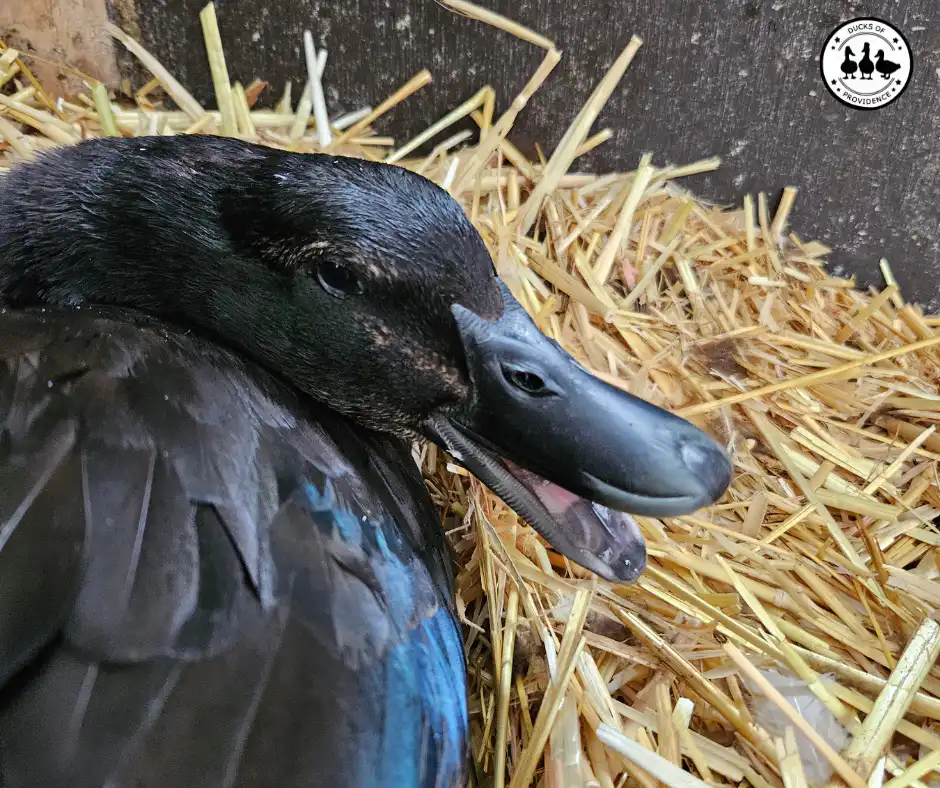
Broody Ducks: How to Support or Discourage Brooding Behavior

Every spring, many duck keepers notice a sudden change in one of their hens. A normally active duck stops roaming the yard, refuses to leave the nest, and may even hiss or puff up when approached.
She has gone broody.
Brooding is a natural reproductive behavior where a duck becomes determined to sit on eggs and hatch ducklings. While this instinct is essential for wild ducks and breeding flocks, it can create challenges in backyard pet flocks. A broody duck may stop eating normally, lose weight, become aggressive, or sit on infertile eggs for weeks.
As someone who has spent years caring for a backyard flock and researching avian biology, I’ve learned that brooding is neither good nor bad. It simply reflects a duck’s powerful biological drive to reproduce.
The key question for duck keepers is this:
Do you support the brooding behavior, or should you discourage it?
In this guide, we will walk through how to recognize broodiness, why it happens, and how to safely manage it depending on your goals as a duck keeper.
Ducks of Providence is free, thanks to reader support! Ads and affiliate links help us cover costs—if you shop through our links, we may earn a small commission at no extra cost to you. Thanks for helping keep our content free and our ducks happy!🦆 Learn more
Part of the Community & Behavior Hub, Exploring the social complexity and psychological needs of domestic ducks.
Quick Navigation: Jump to a Section
[hide]
- What Is Brooding in Ducks?
- Signs Your Duck Is Broody
- Why Ducks Become Broody
- Duck Breeds Most Likely to Go Broody
- Before You Let Eggs Hatch: Important Considerations
- Supporting a Broody Duck (If You Want Ducklings)
- Risks of Broodiness in Pet Ducks
- How to Safely Discourage Broody Behavior
- When to Let Nature Take Its Course
- Allowing a Duck to Stay Broody Without Hatching Ducklings
- A Case From My Own Flock
- FAQ About Broody Ducks
- Finding the Right Balance for Your Flock
- Related Articles
- References
What Is Brooding in Ducks?
Brooding is a hormone driven behavioral and physiological state in which a duck becomes focused on incubating a clutch of eggs. This shift is part of the natural reproductive cycle and is designed to ensure that developing embryos receive the stable warmth, humidity, and protection required for successful hatching.
From a biological perspective, broodiness is not just a behavioral change. It involves coordinated changes in endocrine signaling, metabolism, and behavior that prepare the bird to function as a natural incubator.
When a duck becomes broody, you will typically see several characteristic behaviors:
• She remains on a nest for long periods of time
• She gathers and guards eggs in the nest
• She becomes protective or defensive of the nesting area
• She reduces normal activities such as roaming or foraging
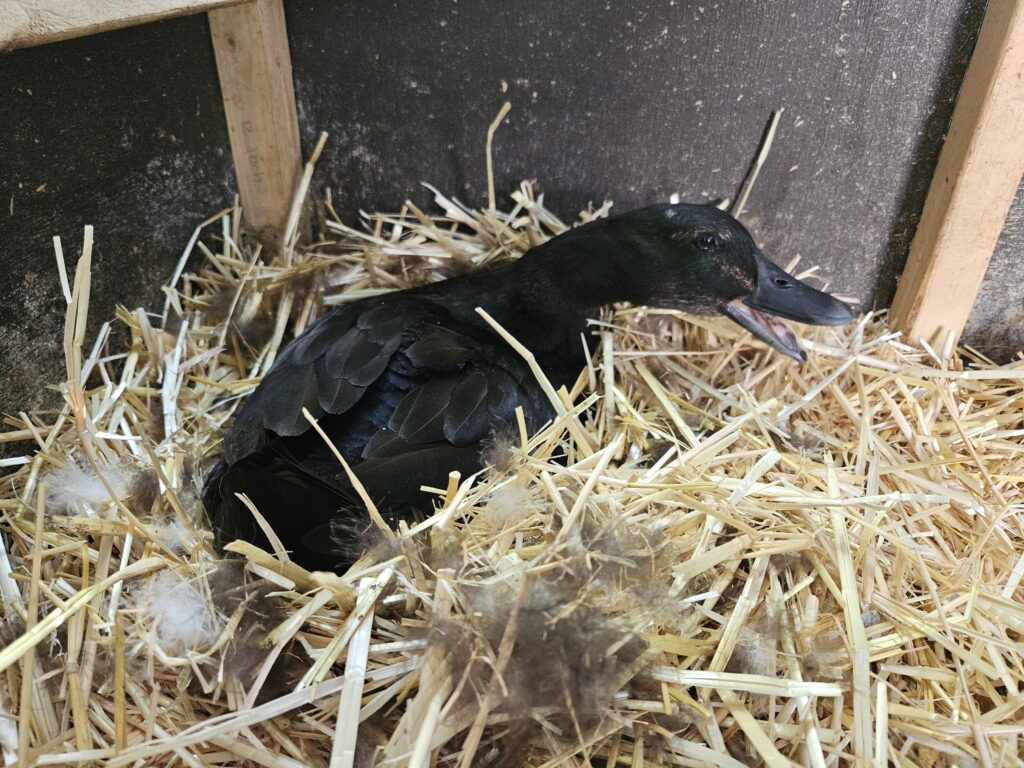
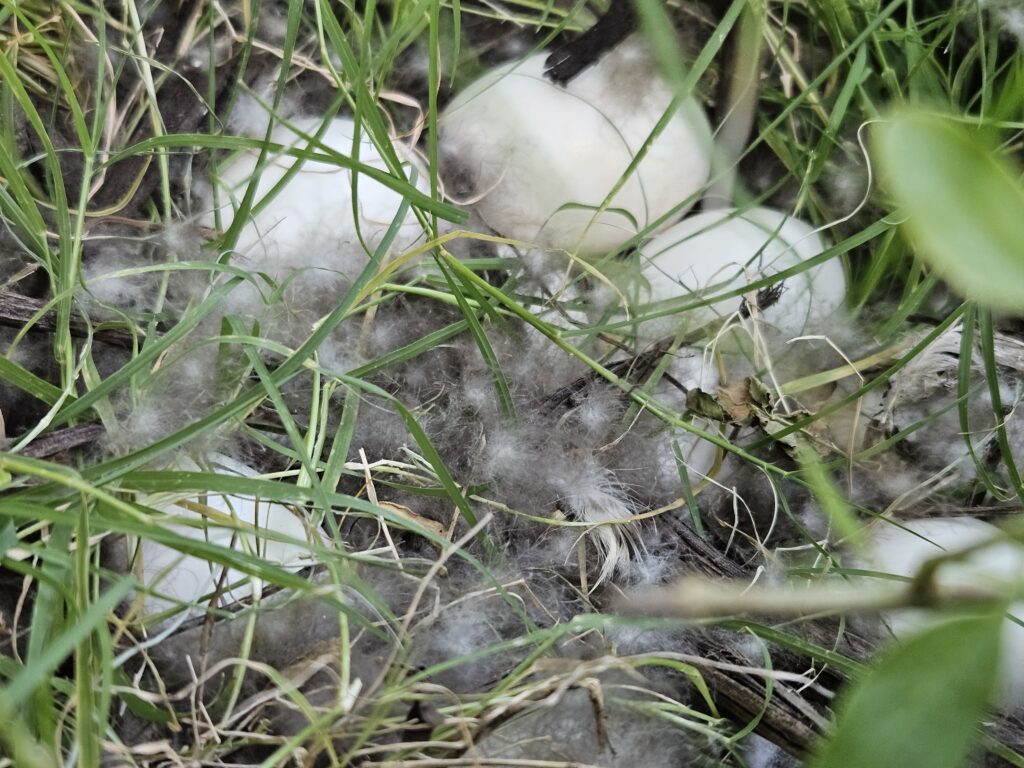
• She may pull down feathers from her breast to line the nest
These behaviors are part of a coordinated incubation strategy. Ducks often create a down-lined nest, which improves insulation and helps maintain a stable microenvironment around the eggs.
The Hormonal Biology of Broodiness
The primary hormonal driver of brooding behavior in birds is prolactin, a hormone produced by the anterior pituitary gland. Prolactin plays a central role in parental care behaviors across many bird species.
As prolactin levels rise, several physiological and behavioral changes occur:
• The bird develops a strong motivation to remain on the nest
• Egg laying typically stops
• Nest guarding and maternal behaviors increase
• Time spent foraging or roaming decreases
In many species, rising prolactin levels are influenced by environmental cues, including increasing daylight length, the presence of a clutch of eggs, and the tactile stimulation of eggs beneath the bird.
At the same time, reproductive hormones associated with egg production, such as luteinizing hormone and estrogen, tend to decline. This hormonal shift effectively pauses further egg laying while the bird focuses on incubation.
Incubation and Embryonic Development
In wild ducks, broodiness ensures that eggs are maintained at a temperature of approximately 99–100°F (37–38°C), which is required for proper embryonic development.
The incubation period for most domestic duck breeds is about 26–30 days, although Muscovy ducks require longer, typically around 35 days.
During this time, the broody duck carefully regulates conditions in the nest. She may leave briefly once or twice per day to:
• eat
• drink
• bathe
• defecate
When she returns, the moisture on her feathers from bathing can help maintain proper humidity in the nest, which is important for normal egg development.
Broodiness in Backyard Ducks
In backyard flocks, brooding behavior often occurs even when eggs are not fertilized. The hormonal cycle is triggered by environmental cues and nesting stimuli, not by whether embryos are present.
This means a duck may sit determinedly on a nest of eggs that will never hatch. Without intervention, some hens will continue brooding for weeks until the hormonal cycle naturally declines.
For duck keepers, understanding broodiness helps explain why a normally active duck may suddenly become highly focused on nesting behavior. It is simply the biological program that has guided waterfowl reproduction for millions of years.
Signs Your Duck Is Broody
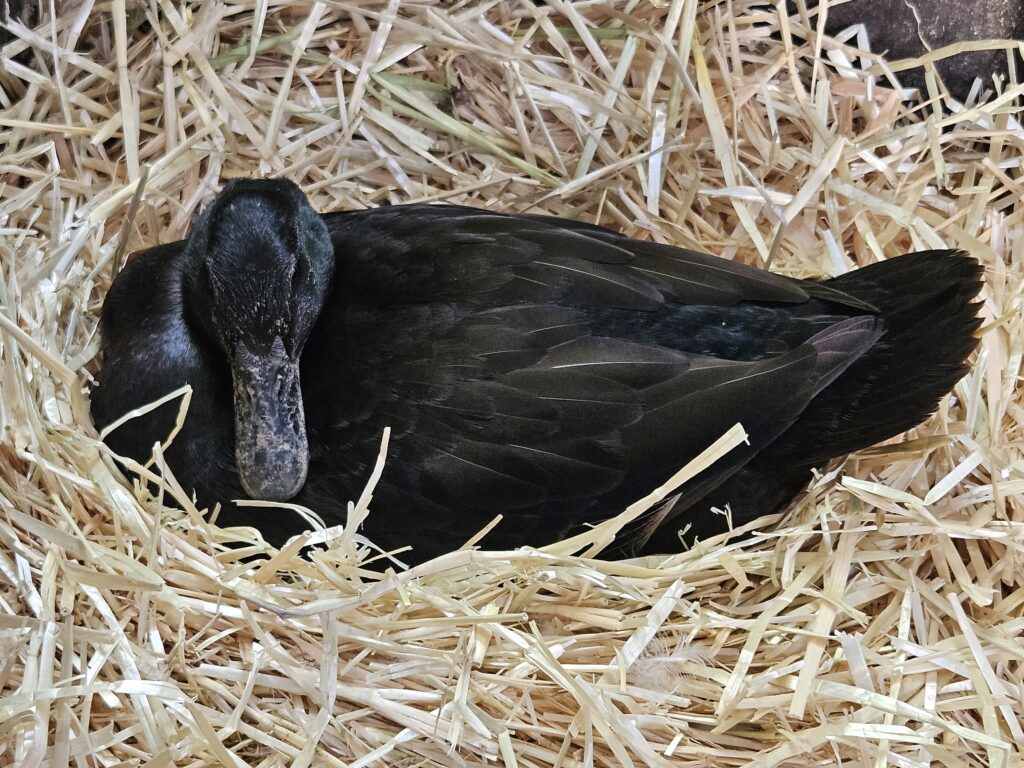
When a duck becomes broody, her behavior changes quite noticeably. Ducks that normally spend their day exploring the yard, swimming, and socializing with the flock suddenly become deeply focused on a single nest location.
Broody ducks behave very differently from normal laying hens because their priorities shift from egg production to egg protection and incubation. The hormonal changes that drive broodiness, particularly elevated prolactin levels, trigger strong nesting instincts and reduce many normal daily activities.
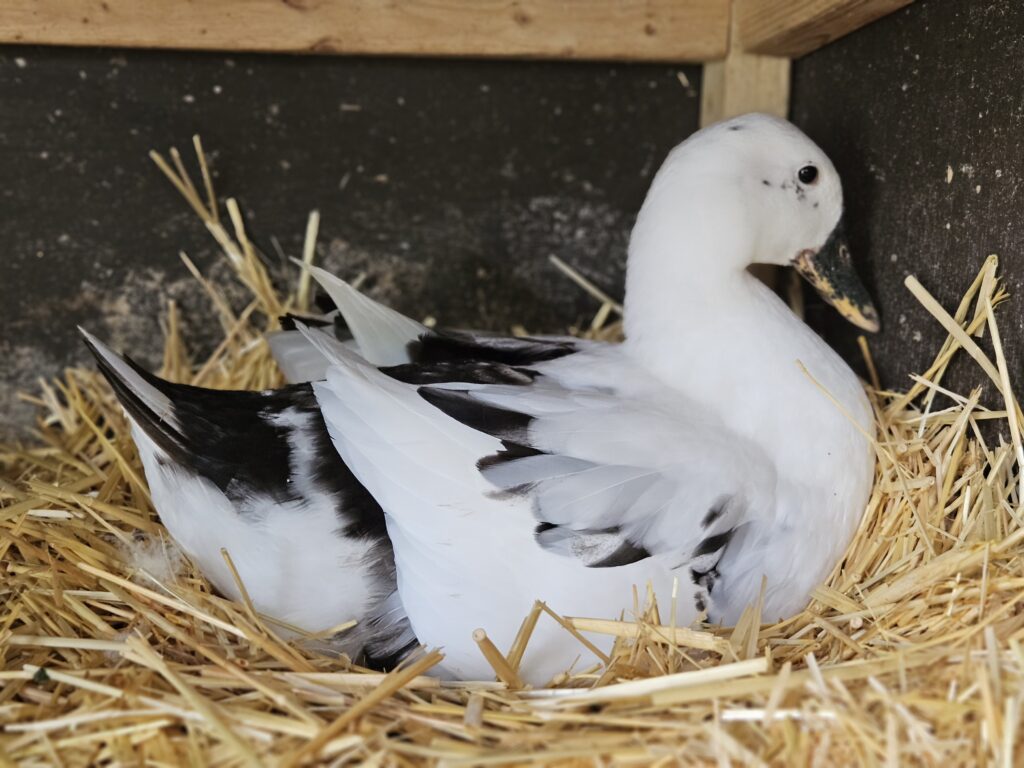
Common signs of broodiness include:
Sitting on the nest almost constantly
A broody duck will spend long stretches of time sitting on the nest. She may remain there for most of the day and night, leaving only briefly to eat, drink, or bathe.
Puffing up or hissing when approached
Normally calm ducks can suddenly become defensive. When you approach the nest, the duck may puff up her feathers, hiss, or make warning sounds to discourage disturbance.
Pulling feathers to line the nest
Many broody ducks pull soft down feathers from their chest or belly. These feathers are used to line the nest and create insulation that helps maintain a stable temperature for the eggs.
Collecting eggs from other ducks
A broody hen may attempt to gather eggs from nearby nests, rolling them underneath her body. It is not unusual to find a determined broody duck sitting on a surprisingly large collection of eggs.
Refusing to leave the nest for long
Broody ducks tend to minimize their time away from the nest. Even when they do get up to eat or drink, they usually return quickly.
Reduced appetite and drinking
While broody ducks still need food and water, they often eat less than usual. Their focus on incubation overrides their normal foraging behavior.
Flattened body posture while sitting
A broody duck often sits low and spreads her body over the eggs. This posture helps maximize contact with the clutch so that heat can be distributed evenly.
Some ducks will also produce a low growling or rumbling sound when someone approaches their nest. This vocalization acts as a warning signal and is part of their nest defense behavior.
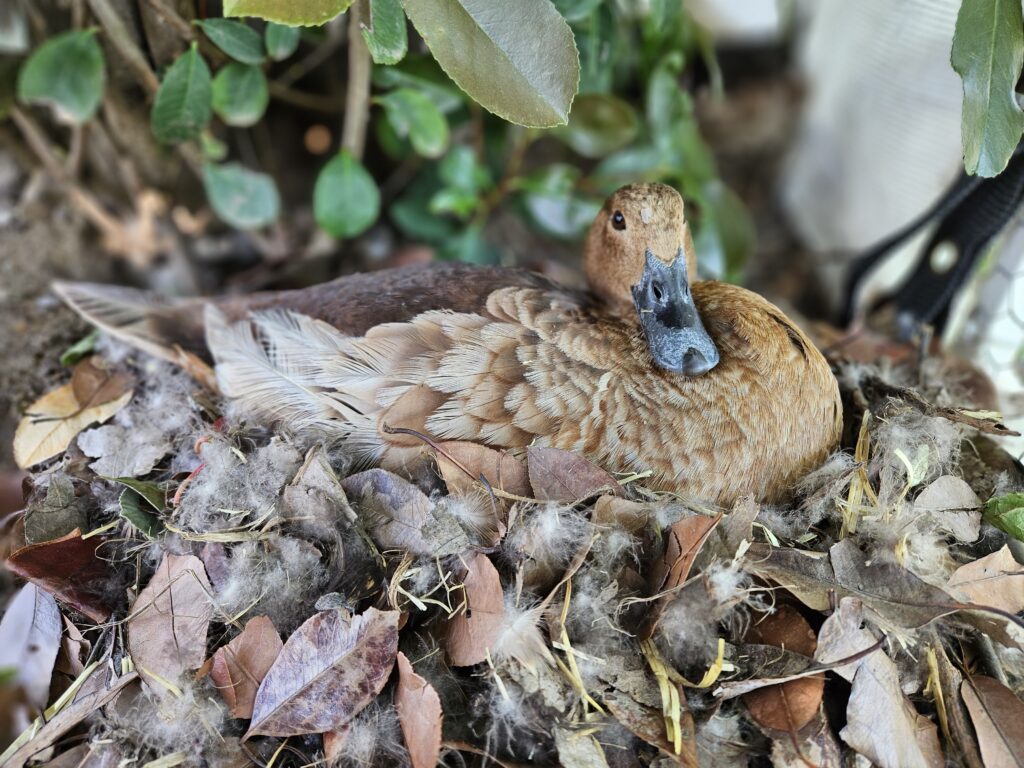
In my own flock, I have noticed that broodiness often appears most dramatically in ducks that are normally very calm. A gentle, easygoing duck can suddenly become surprisingly determined and protective once she decides the nest is hers. It is one of the most fascinating reminders that beneath their friendly personalities, our domestic ducks still carry strong natural instincts.
Why Ducks Become Broody
Broodiness does not happen randomly. It is the result of biological signals and environmental cues that activate a duck’s reproductive instincts. In nature, these signals help ensure that eggs are incubated at the right time of year so ducklings hatch under favorable conditions.
Several key factors influence whether a duck enters the broody state.
Hormonal Changes
At the center of broodiness are hormonal shifts within the reproductive system. As spring approaches and daylight hours increase, the endocrine system begins preparing the bird for reproduction. This process is regulated by the hypothalamic–pituitary–gonadal axis, which controls reproductive hormones in birds.
When the body detects favorable breeding conditions, levels of prolactin begin to rise. Prolactin is strongly associated with incubation behavior and parental care. As prolactin increases, behaviors such as nest guarding, prolonged sitting, and reduced roaming begin to appear.
At the same time, hormones associated with egg production gradually decrease. This hormonal transition helps shift the duck’s focus from producing eggs to incubating them.
Egg Accumulation
Another strong trigger is the presence of a clutch of eggs in the nest. Many ducks instinctively wait until a certain number of eggs have accumulated before beginning full incubation. In many domestic breeds, this clutch size is often around 10–12 eggs, although the exact number can vary depending on the individual duck and the breed.
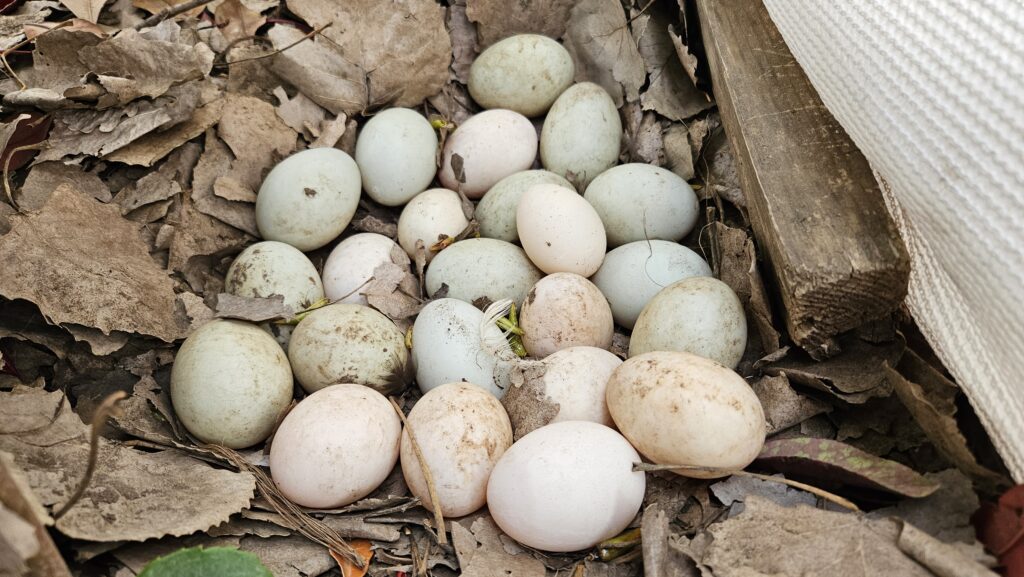
This strategy helps ensure that the eggs develop at roughly the same time so that ducklings hatch within a short window rather than over many days. In the wild, synchronized hatching is critical because the mother duck typically leaves the nest with her ducklings shortly after they hatch. A staggered hatch would leave some ducklings behind and vulnerable.
Interestingly, many ducks delay full incubation until the clutch is complete. During the egg-laying phase, the eggs are only partially warmed while the duck briefly visits the nest. Once she begins sitting consistently, the eggs are kept at the stable temperatures required for embryonic development.
Because of this delayed incubation, eggs that were laid several days apart can still hatch on the same day or within a very short time frame, allowing the entire brood to leave the nest together with their mother.
Breed Genetics
Genetics also plays a major role in broodiness. Some duck breeds retain strong maternal instincts, while others have been selectively bred for high egg production rather than incubation behavior.
For example, Muscovy ducks and Mallard-type ducks frequently go broody, while breeds such as Indian Runners or Khaki Campbells are far less likely to do so. Selective breeding for egg production often reduces the tendency to sit on eggs because broodiness interrupts laying cycles.
Nest Security
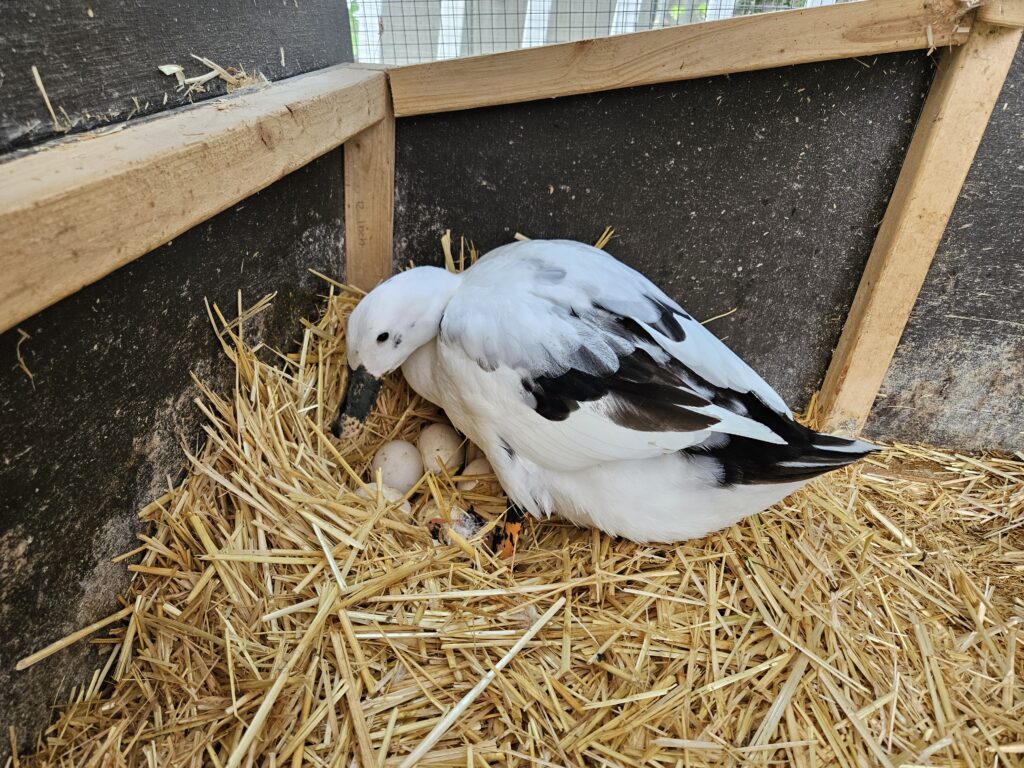
Environmental conditions can also encourage broodiness. Ducks are more likely to settle on a nest if the location feels safe, quiet, and protected.
Nesting areas that are:
• sheltered from disturbance
• dimly lit or enclosed
• lined with bedding or down
• located away from heavy flock traffic
can make it easier for a duck to commit to incubation behavior.
A Natural Reproductive Strategy
Wild ducks rely on these combined cues to time reproduction carefully. By responding to daylight length, environmental safety, and clutch size, ducks ensure that their ducklings hatch during seasons when food, water, and shelter are most available.
Even in backyard flocks, these ancient biological signals remain intact. That is why a domestic duck may suddenly decide that the corner of a coop or a nest box is the perfect place to start raising a family.
Duck Breeds Most Likely to Go Broody
Not all ducks have the same tendency to go broody. Some breeds retain strong natural nesting instincts, while others have been selectively bred for continuous egg production, which often reduces broodiness.
It is important to remember that individual ducks can vary, but breed tendencies provide a helpful guideline for what to expect in your flock.
Below is a practical overview based on keeper experience with backyard flocks and homestead strains rather than large commercial lines.
Very Broody Breeds (Reliable Sitters)
These ducks almost always retain strong maternal instincts and are widely considered excellent natural incubators.
| Breed | Broodiness Tendency | Notes |
|---|---|---|
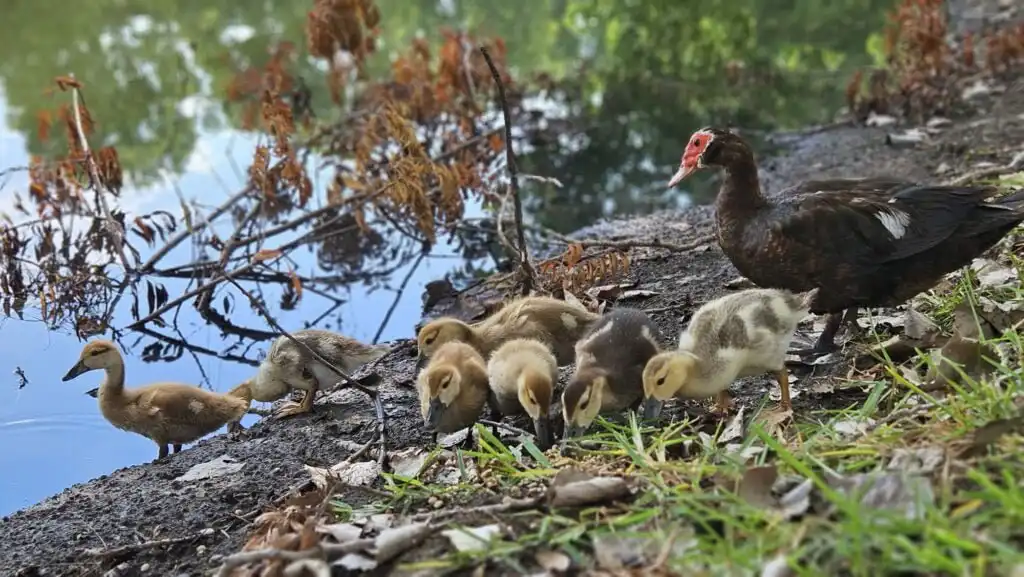
| Muscovy | Very high (80–100%) | One of the most reliable broody ducks. Many hens brood multiple times per year and are exceptional mothers. |
| Mallard (domestic type) | High (60–90%) | Strongly retained wild nesting behavior and typically attentive mothers. |
Frequently Broody Breeds
These breeds often go broody in backyard flocks and are capable mothers, though not quite as consistently as Muscovies.
| Breed | Broodiness Tendency | Notes |
|---|---|---|
| Cayuga | Common (50–80%) | Often among the first ducks to go broody in mixed flocks. |
| Rouen | Moderate to high (40–70%) | Behavior similar to large Mallard types with good brooding instincts. |
| Saxony | Moderate to high (40–70%) | A dual purpose breed known for both laying and reliable mothering. |
| Welsh Harlequin | Moderate (30–60%) | Excellent layers but many hens still retain broody tendencies. |
| Ancona | Moderate (30–50%) | Not all hens brood, but those that do are typically excellent mothers. |
Sometimes Broody (Highly Variable)
These breeds may go broody occasionally, but the behavior varies widely depending on genetics and breeding line. Production-selected strains are often less broody.
| Breed | Broodiness Tendency | Notes |
|---|---|---|
| Pekin | Variable (20–50%) | Often considered non broody, but many backyard lines still brood successfully. |
| Khaki Campbell | Low to occasional (10–30%) | Selected for high egg production rather than incubation behavior. |
| Silver Appleyard | Occasional (20–40%) | A dual purpose breed where some hens will brood depending on strain. |
| Buff (Orpington type) | Occasional (20–40%) | Behavior varies by breeding line. |
Rarely Broody Breeds
These ducks have largely had broodiness bred out in favor of egg production.
| Breed | Broodiness Tendency | Notes |
|---|---|---|
| Indian Runner | Very low (<10%) | Active laying breed with little inclination to incubate eggs. |
| High output layer hybrids | Very low (<10%) | Bred for continuous egg production rather than nesting behavior. |
What This Means for Duck Keepers
Understanding broodiness tendencies can help you shape your flock depending on your goals.
If you want natural duckling hatching, breeds like Muscovy, Mallards, Cayugas, Saxony, or Rouen are excellent choices.
If you want good egg production but occasional brooding, Welsh Harlequin, Ancona, and Silver Appleyard ducks often strike a nice balance.
If your priority is consistent egg laying with minimal broodiness, breeds like Khaki Campbells, Indian Runners, or modern layer hybrids are usually better suited.
As with many things in duck keeping, however, the individual personality of each duck still matters most. Even breeds known for laying can surprise you with a determined broody hen.
Before You Let Eggs Hatch: Important Considerations
The idea of hatching ducklings can be incredibly appealing. Watching a mother duck raise her babies is one of the most fascinating experiences in duck keeping. Tiny ducklings following their mother around the yard is undeniably charming.
However, before allowing eggs to hatch, it is important to think about what happens after the ducklings grow up.
Ducklings grow quickly and soon become full sized ducks. This means your flock size can increase significantly in just a few months. Before encouraging brooding, ask yourself a few practical questions:
• Do you have enough space for additional adult ducks?
• Can your housing, run, and water sources support a larger flock?
• Are you prepared for the long term commitment of caring for more birds?
Another important factor is the hen to drake ratio. Roughly half of all ducklings will be male. Too many drakes in a flock can lead to serious problems, including overbreeding, injuries to hens, and constant competition between males.
Rehoming ducks, especially drakes, can be surprisingly difficult. Many people looking for pet ducks specifically want females because they lay eggs and are often easier to integrate into existing flocks.
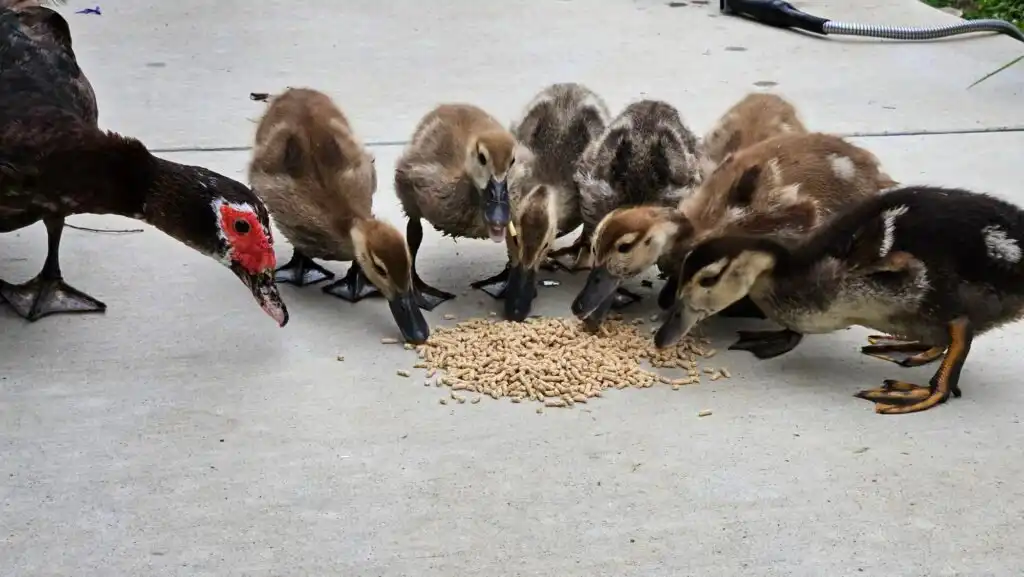
On homesteads where ducks are raised for meat, excess drakes are sometimes harvested as part of normal flock management. However, for many backyard duck keepers who keep ducks strictly as pets, this is not an option they are comfortable with.
Unfortunately, this is one reason why unwanted ducks are sometimes abandoned at local ponds. Releasing domestic ducks into the wild is both illegal in many areas and harmful to the animals. Domestic ducks are not equipped to survive like wild ducks. Many suffer from starvation, predation, or injury, and they can also disrupt local ecosystems.
For these reasons, it is always best to think carefully before allowing eggs to hatch. Responsible duck keeping means planning not just for adorable ducklings, but also for the adult ducks they will soon become.
Supporting a Broody Duck (If You Want Ducklings)
If your goal is to hatch ducklings, a broody duck can be an excellent natural incubator. Ducks have evolved to maintain the precise temperature, humidity, and egg turning needed for embryo development. In many cases, a dedicated broody hen will outperform artificial incubators because she constantly adjusts the eggs with subtle movements of her body and bill.
That said, successful natural incubation still benefits from good management by the keeper. A broody duck needs a safe, stable environment where she can focus on incubation without unnecessary stress.
Here are some ways you can support her during the brooding period.
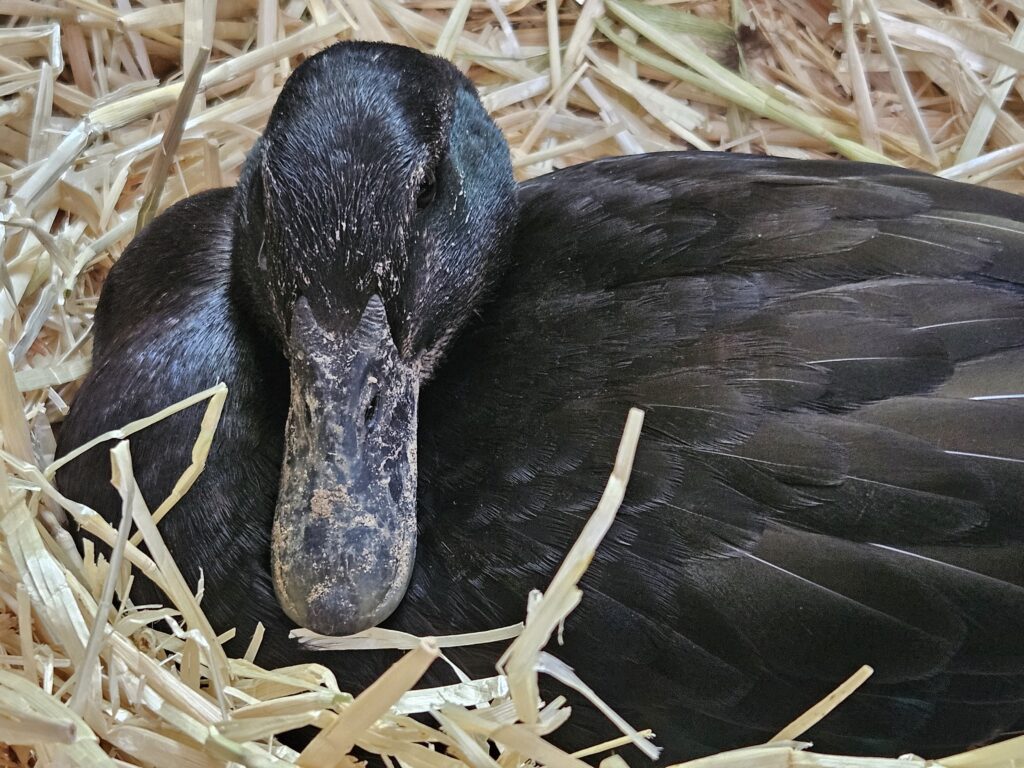
Provide a Quiet Nesting Space
Broody ducks prefer nesting areas that feel protected and undisturbed. Ideally, the nest should be located in a quiet part of the coop or run where foot traffic from other ducks is limited.
Many duck keepers provide:
• a nesting box
• a corner of the coop with deep bedding
• a low sided crate or basket filled with straw or shavings
The goal is to create a stable, comfortable nest that will not shift or collapse during the incubation period.
Ensure Easy Access to Food and Water
Even the most dedicated broody duck must leave the nest occasionally to meet her basic needs. Most broody ducks get up once or twice per day to eat, drink, bathe, and relieve themselves.
To support this routine:
• keep food and fresh water close to the nest
• make sure she does not need to travel far to reach them
• avoid placing obstacles that may discourage her from taking short breaks
If food and water are too far away, some ducks may stay on the nest longer than is healthy, which can lead to dehydration or weight loss.
Maintain a Clean, Dry Nest
Eggs should remain clean and dry during incubation. Excess moisture, droppings, or mud can introduce bacteria that may affect embryo development.
Good nest maintenance includes:
• using dry bedding such as straw or pine shavings
• replacing soiled bedding when necessary
• ensuring the nesting area stays well drained
A broody duck will usually help maintain the nest by rearranging bedding and adding down feathers for insulation.
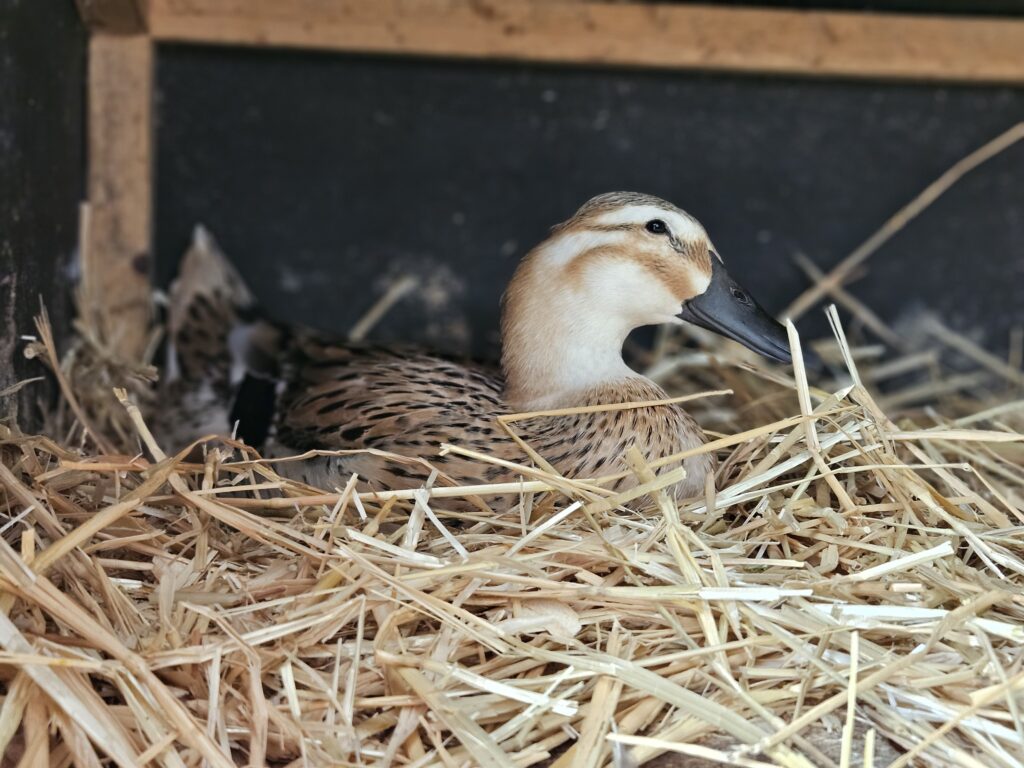
Limit Disturbances from Other Ducks
In flock settings, other ducks may try to lay eggs in the same nest. While this can sometimes work, it often leads to overcrowded clutches or accidental egg damage.
To reduce problems:
• monitor the nest regularly
• remove extra eggs if too many accumulate
• consider separating the broody duck if other ducks are disruptive
Keeping the nest stable helps the broody duck remain calm and focused on incubation.
Candle Eggs to Check Fertility
If you are hoping for ducklings, it can be helpful to candle the eggs during incubation. Candling involves shining a bright light (most people use egg candlers) through the egg to observe embryo development.
Typically:
• fertile eggs begin showing blood vessels around day 5 to 7
• clear eggs without development can be removed
Removing infertile eggs prevents the duck from wasting energy incubating eggs that will never hatch.
The Role of Bathing in Natural Incubation
A broody duck will usually leave the nest once or twice per day to eat, drink, and bathe. This bathing behavior plays an important role in incubation.
When the duck returns to the nest, the moisture on her feathers transfers small amounts of humidity to the eggs. Proper humidity helps prevent excessive water loss from the egg and supports healthy embryo development.
For this reason, broody ducks should always have access to a water source deep enough for bathing, even during the incubation period.
The Famous “Broody Poop”
One funny but very real part of caring for a broody duck is something many duck keepers quickly learn about: the broody poop.
Broody ducks often hold their droppings while sitting on the nest. This behavior helps keep the nest and eggs clean and reduces contamination during incubation. Ducks are remarkably good at delaying defecation for this purpose.
However, when the duck finally leaves the nest to eat and bathe, she will usually relieve herself soon afterward. The result is often a very large and sometimes impressively smelly dropping. Many duck keepers describe it as an “explosion” compared to normal duck droppings.
While it can be a bit shocking the first time you see it, this is completely normal behavior and simply reflects the duck’s effort to keep her nest clean while incubating her eggs.
With the right environment and a little oversight from the keeper, a broody duck can successfully hatch and raise a healthy brood of ducklings. Watching this natural process unfold is one of the most rewarding experiences in duck keeping.
Risks of Broodiness in Pet Ducks
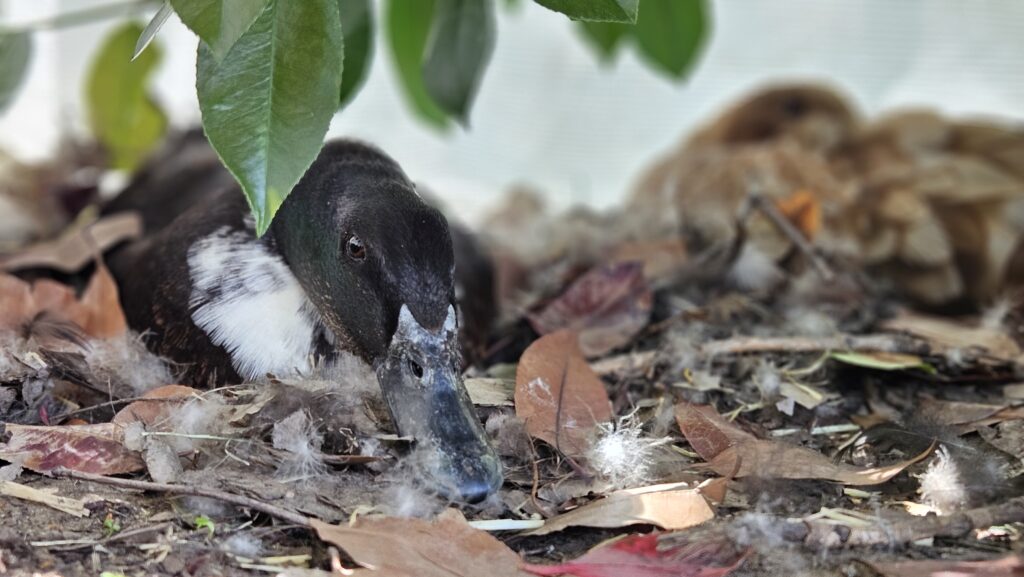
While broodiness is a completely natural behavior, it can sometimes create challenges in backyard flocks. In wild ducks, brooding is tightly linked to seasonal breeding cycles and fertile eggs. In pet flocks, however, ducks may become broody even when eggs are infertile or when conditions are not ideal for raising ducklings.
Because broody ducks dramatically change their normal routines, it is important for keepers to monitor them closely.
Possible concerns include:
Weight loss from reduced eating
Broody ducks often prioritize sitting on the nest over feeding. While they usually get up once or twice a day, some individuals eat significantly less than normal. Over several weeks, this can lead to noticeable weight loss.
Dehydration if water is not nearby
Access to fresh water is essential. If water sources are too far away from the nest, a determined broody duck may delay leaving the nest longer than is healthy.
Egg binding risk in some hens
Although broody ducks typically stop laying eggs, reproductive stress can still occur in some individuals, particularly in ducks that already have a history of laying issues or hormonal imbalance.
Aggression toward other ducks
Broody ducks often become protective of their nest. They may hiss, peck, or chase flock mates that come too close. In crowded coops this can sometimes lead to tension or minor injuries.
Overcrowded nests
In group housing, other ducks may continue laying eggs in the same nest. A broody duck may end up sitting on an unusually large clutch, which can make proper incubation difficult.
Egg collecting and “egg stealing”
A broody duck may attempt to gather eggs from other nests and roll them underneath her body. In mixed flocks, this behavior can extend beyond ducks. Some broody ducks will happily collect chicken or even goose eggs if they are within reach.
This can occasionally lead to surprise outcomes. Keepers sometimes discover that a broody duck has been incubating a mixed clutch and suddenly find ducklings and chicks hatching in the same nest.
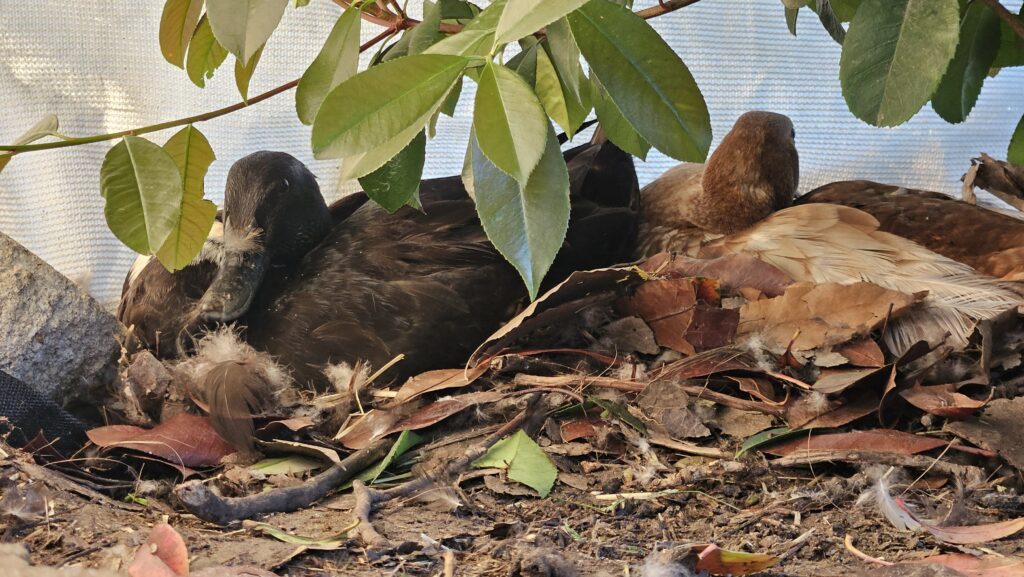
Shared nests between hens
After hatching, ducklings quickly imprint on the first moving caregiver they recognize as their mother. If multiple hens are involved, the ducklings may become confused about which hen to follow. At the same time, the hens themselves can become protective or jealous of the ducklings.
This can occasionally lead to:
• hens trying to claim the same ducklings
• ducklings getting separated from the brood
• competition between hens
For this reason, many keepers prefer that each broody duck has her own nest and space once incubation begins.
Egg Abandonment
One of the more difficult situations that can occur during brooding is egg abandonment.
Occasionally a duck will sit faithfully for weeks and then suddenly stop incubating the eggs before they hatch. This may happen if:
• the eggs are infertile
• the duck becomes stressed or disturbed
• the broody hormonal cycle naturally ends
• environmental conditions change
If embryos were developing normally, abandonment can be tragic because the eggs quickly cool and development stops.
In some cases, however, the situation can still be salvaged. If you discover abandoned eggs that were actively incubated, they may still be viable if they have not cooled for too long. Placing them into a properly set incubator as soon as possible may allow the ducklings to continue developing and hatch successfully.
This requires maintaining the correct temperature and humidity levels, similar to natural incubation.
Monitoring Your Broody Duck
Because broody ducks spend so much time on the nest, it is important to check on them daily. A healthy broody duck should still leave the nest briefly to:
• eat
• drink
• bathe
• stretch and preen
If a duck refuses to leave the nest at all, appears weak, or stops eating entirely, intervention may be necessary.
When Broodiness Becomes a Problem
For pet ducks that are not intended to hatch eggs, prolonged brooding can become frustrating for both the duck and the owner. Ducks may sit on infertile eggs for weeks, defend empty nests, or stop participating in normal flock activities.
In these cases, duck keepers often need to decide whether to gently discourage the broody behavior or allow the cycle to run its course, sometimes using fake eggs as a compromise.
Understanding the potential risks helps ensure that broodiness remains a natural behavior rather than a health concern.
How to Safely Discourage Broody Behavior
If you are not planning to hatch ducklings, it is often best to gently interrupt the brooding cycle. While broodiness is natural, prolonged nesting on infertile eggs can lead to weight loss, dehydration, and stress in backyard ducks.
The goal is not to punish or frighten the duck, but to remove the triggers that maintain the broody hormonal state. When those signals disappear, prolactin levels gradually decline and the duck usually returns to normal flock behavior.
Here are several methods that duck keepers commonly use.
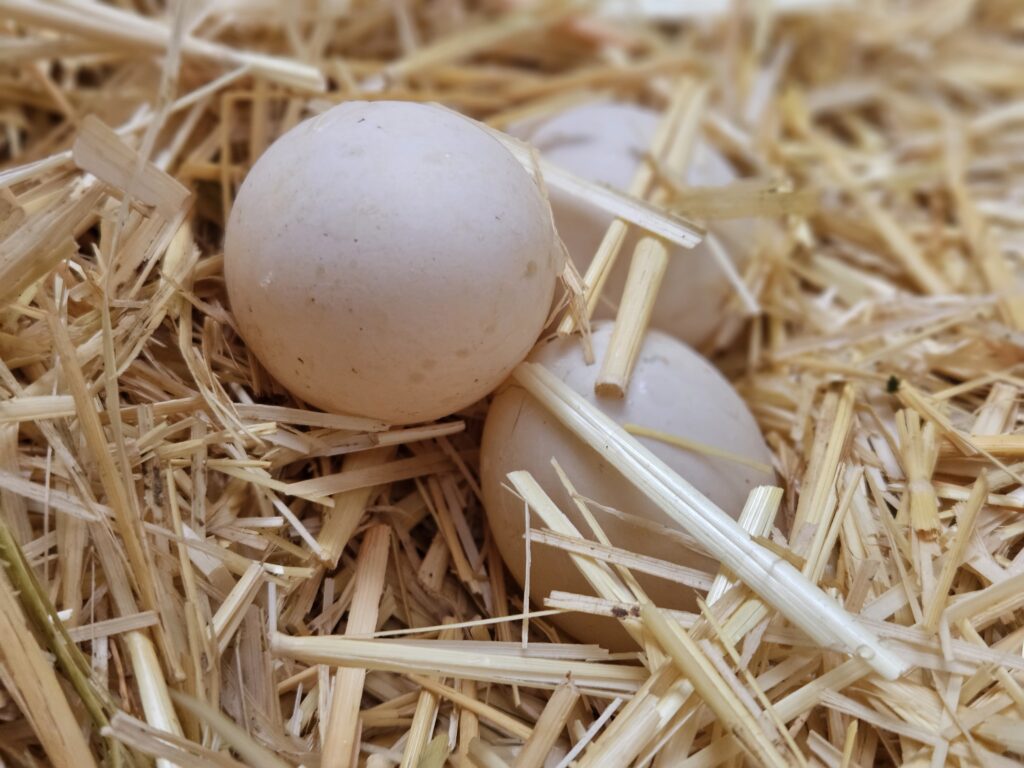
Remove Eggs Promptly
The presence of eggs is one of the strongest triggers for broodiness. If eggs continue to accumulate in the nest, the duck may remain committed to incubation.
Collect eggs daily or even multiple times per day if necessary. Removing the clutch prevents the nest from reaching the critical size that often triggers sustained sitting behavior.
If a duck has already become broody, removing the eggs may cause her to remain sitting for a few days, but most ducks eventually abandon the nest once the stimulus is gone.
Block Access to Nesting Areas
If a duck repeatedly returns to the same nest location, temporarily closing off that space can help break the cycle.
You can:
• remove nest boxes for a few days
• block the corner or coop area where she is nesting
• change bedding arrangements
Sometimes simply disrupting the familiar nesting site is enough to encourage the duck to resume normal activity.
Encourage Activity and Foraging
Broody ducks often isolate themselves from the flock. Encouraging normal flock behavior can help reset their routine.
Allow the duck to:
• spend time outdoors
• swim and forage
• interact with the rest of the flock
Physical activity and environmental stimulation can gradually redirect the duck’s attention away from the nest.
Increase Light and Open Space
Broody ducks prefer dim, enclosed nesting areas. Increasing light exposure and reducing hiding spots can make nesting less attractive.
Opening up darker coop corners, increasing daylight exposure, and removing secluded nest spots can all reduce the likelihood of continued brooding.
Temporary Separation from the Nest Area
In some cases, it helps to temporarily separate the broody duck from the nesting location. Moving her to another part of the run or yard for a few days can interrupt the nesting routine.
This approach should always allow the duck to remain with visual or social contact to the flock, since complete isolation can cause stress.
The Cooling Method
Some experienced keepers use what is often called a cooling method to help interrupt broodiness. The duck is placed for short periods in a crate or pen with a wire or mesh bottom that allows air circulation beneath the body.
The idea is that the cooler airflow reduces the warm incubation environment that reinforces brooding behavior.
If used, this method should be:
• temporary
• supervised
• done in a safe, comfortable area
The goal is simply to reduce the physical cues that maintain incubation behavior, not to cause distress.
Patience Is Key
Most ducks stop brooding within several days to a week once the nesting stimulus disappears. However, very determined individuals may take longer.
Some ducks will try several nesting spots before finally giving up. Consistency is important. If the nest area remains unavailable and eggs are removed, the hormonal cycle will usually resolve on its own.
And occasionally, the most practical solution may simply be to let the broody cycle run its course, especially if the duck is healthy and determined to sit.
When to Let Nature Take Its Course
Sometimes the best approach is simply to step back and observe. If a duck is healthy and conditions are appropriate, allowing the natural brooding cycle to continue can be the right choice.
Not every broody duck needs intervention. In fact, many hens manage the incubation process remarkably well on their own. Ducks have evolved to regulate egg temperature, humidity, and egg turning with incredible precision.
If a broody duck is:
• eating and drinking normally
• leaving the nest briefly each day to bathe and stretch
• maintaining a healthy body condition
• sitting on fertilized eggs
then allowing her to complete the incubation cycle may be perfectly reasonable.
A committed broody hen will typically remain on the nest for about 26 to 30 days, which is the incubation period for most domestic duck breeds. During this time she carefully manages the eggs, rotating them with her bill and adjusting her position to keep them evenly warmed.
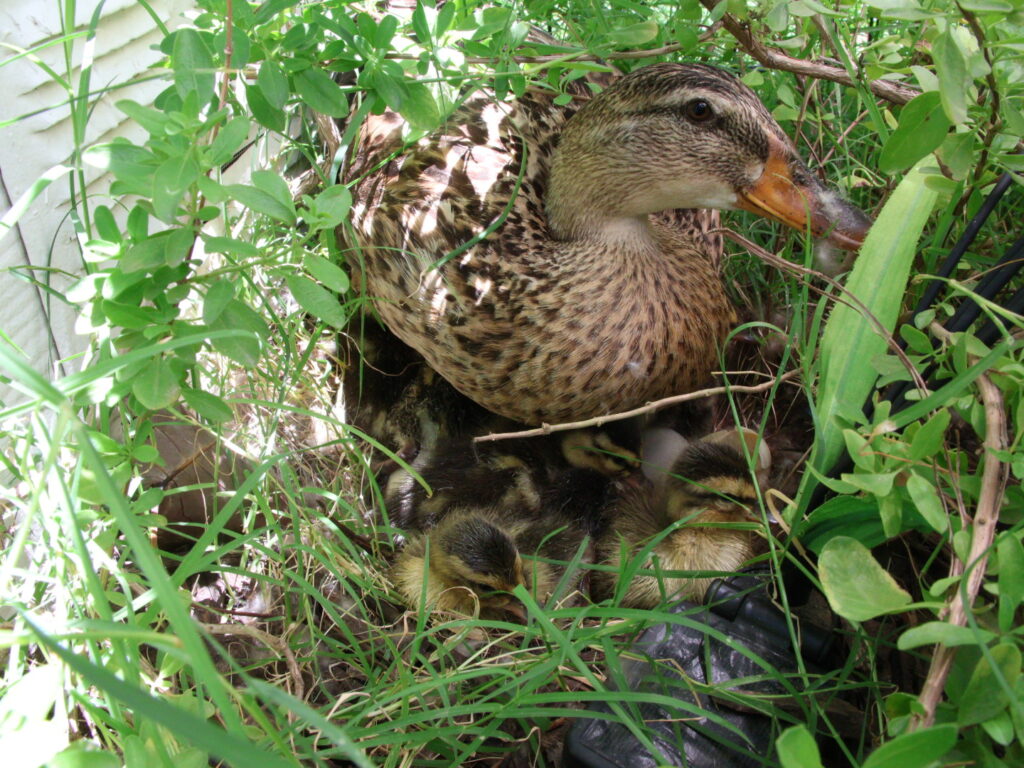
Once the eggs begin to hatch, the behavior of the mother duck shifts again. She will start communicating with the ducklings using soft vocalizations, encouraging them to emerge from the eggs and gather beneath her feathers for warmth.
Within a day or two after hatching, the mother duck usually leads the ducklings away from the nest to begin exploring their environment. At this point she becomes their guide and protector, teaching them where to find food and how to navigate water.
Watching this process can be one of the most fascinating and rewarding experiences in duck keeping. It offers a glimpse into instincts and behaviors that have shaped waterfowl reproduction for millions of years.
For duck keepers who are prepared for the responsibilities that come with new birds, allowing a broody duck to raise her ducklings can be a truly special moment in backyard flock life.
Allowing a Duck to Stay Broody Without Hatching Ducklings
Sometimes the easiest and safest solution is not to fight the broody behavior at all.
Some ducks are extremely persistent once the hormonal cycle has started. Removing eggs, blocking nests, or repeatedly interrupting the duck may work for some birds, but others will simply keep trying to brood. They search for new nesting spots, become stressed, and may guard empty corners of the coop.
In those cases, allowing the duck to complete the brooding cycle using fake eggs can actually be the gentler approach.
Why Let a Duck Stay Broody?
There are a few practical reasons why duck keepers sometimes choose this route.
1. Some ducks are very difficult to break from broodiness
Certain breeds and individuals simply refuse to give up the instinct. Instead of constant disruption, letting the hormonal cycle run its course can reduce stress for both the duck and the keeper.
2. It can provide a natural pause from egg laying
Egg production places a significant metabolic demand on a duck’s body. Producing eggs requires large amounts of calcium, protein, and energy.
When a duck goes broody, she usually stops laying eggs completely. For some ducks, especially those with heavy laying schedules, this break may allow the reproductive system to reset.
In ducks with a history of reproductive stress such as frequent laying, egg binding, or hormonal imbalance, a temporary pause in egg production may actually be beneficial.
3. It prevents accidental ducklings
Allowing broodiness without fertilized eggs ensures that the duck can satisfy her nesting instinct without producing unwanted ducklings.
How Fake Eggs Help
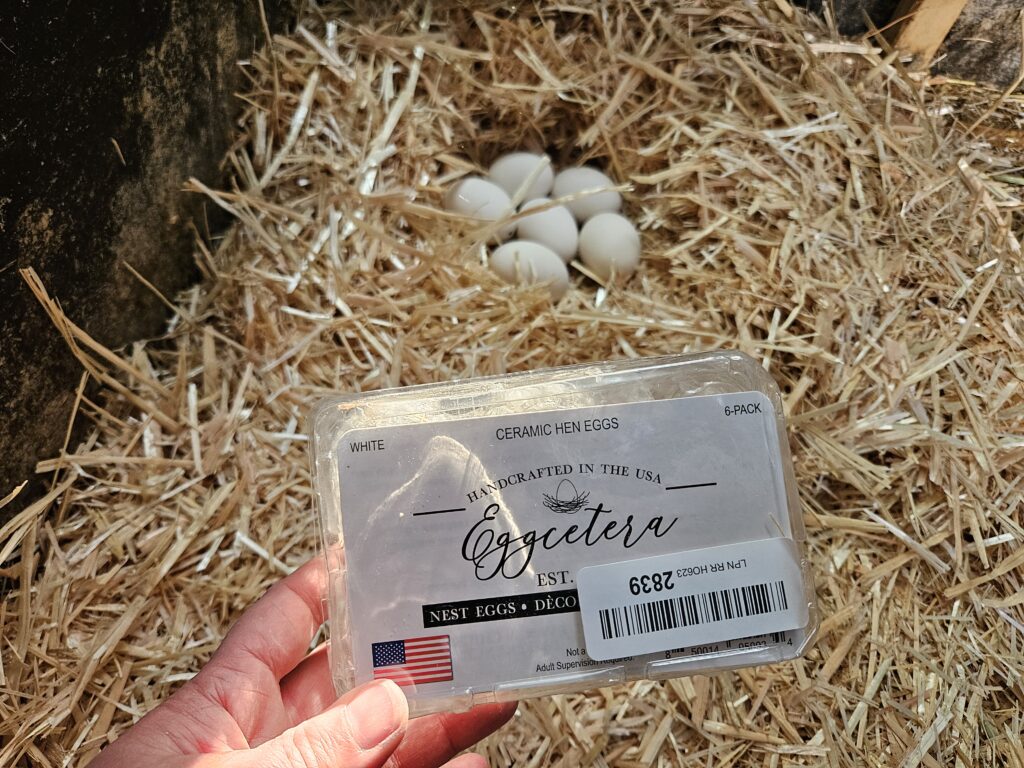
Fake eggs provide the visual and tactile stimulus that broody ducks expect in their nest.
Common options include:
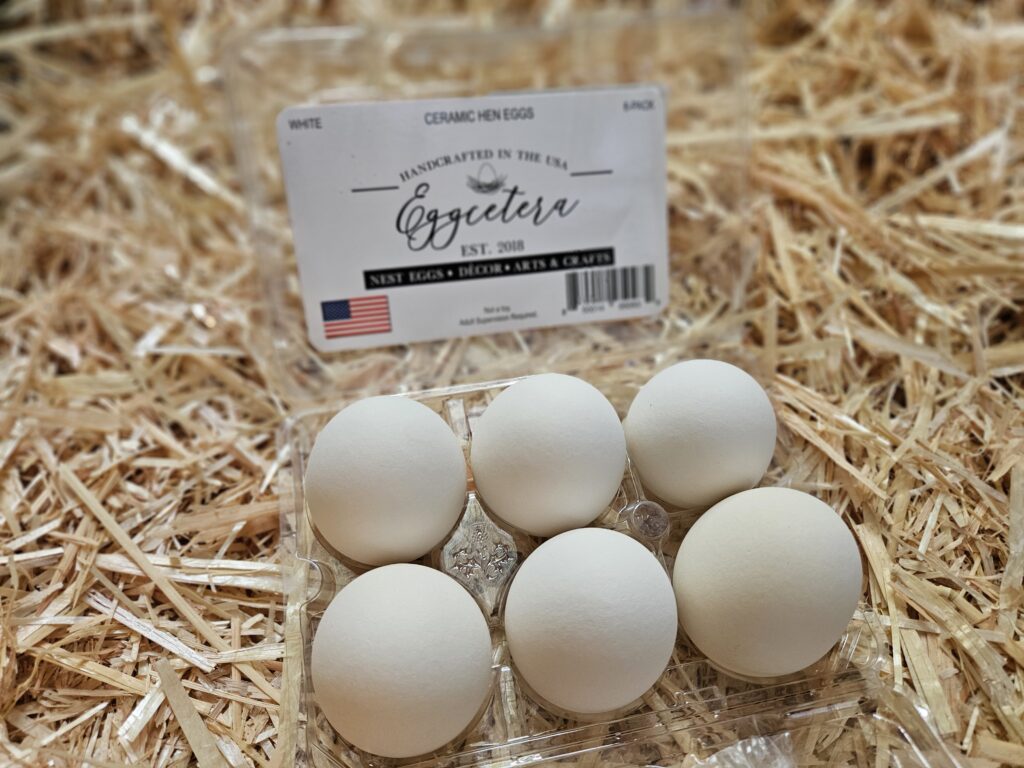
• Ceramic nesting eggs
• Wooden dummy eggs
• Plastic poultry nesting eggs
These eggs are durable, easy to clean, and safe for long term use.
Most duck keepers place 6 to 10 ceramic fake eggs in the nest so the clutch appears realistic. A single egg often does not trigger the same incubation behavior.
What to Expect During the Broody Period
A broody duck will typically remain committed to the nest for about 3 to 4 weeks, which mirrors the natural incubation time for duck eggs.
During this period:
• She may leave the nest once or twice per day
• She will eat, drink, and bathe briefly
• She will return quickly to the eggs
It is important to ensure that:
• Food and fresh water are close to the nest
• The nesting area stays clean and dry
• Other ducks do not disturb the nest excessively
Most ducks will eventually abandon the nest once the natural incubation window has passed.
Monitoring Your Duck’s Health
Even when using fake eggs, it is important to keep an eye on your duck’s condition.
Check regularly for:
• Weight loss
• Dehydration
• Lack of appetite
• Excessive isolation from the flock
A healthy broody duck should still take short breaks to eat, drink, and groom.
If the duck appears weak, lethargic, or stops leaving the nest entirely, it may be necessary to interrupt the broody cycle.
A Practical Balance
Broodiness is a deeply ingrained instinct. While it can sometimes create management challenges, it is also a normal part of duck biology.
Allowing a determined duck to sit on dummy eggs can be a practical compromise. It respects the bird’s natural behavior while preventing unwanted hatching and giving the reproductive system a temporary rest.
In backyard flocks, this balanced approach often keeps both the ducks and their keepers happier.
A Case From My Own Flock
Every duck is different when it comes to broodiness, and I have seen that firsthand with my own girls.
At one point, I actually tried to encourage broodiness in Krümel. Because of her reproductive challenges, we hoped that a broody cycle might give her body a natural break from egg laying. I prepared a nest and placed 10 ceramic nesting eggs inside to mimic a full clutch.
Krümel looked at them… and completely ignored the entire setup.
She showed no broody behavior at all. No nesting, no sitting, no guarding. The eggs meant absolutely nothing to her. This is a good reminder that broodiness is not something you can force. If the hormonal signal is not there, even the most realistic nest will not trigger it.
Ronja, on the other hand, gave us the opposite experience.
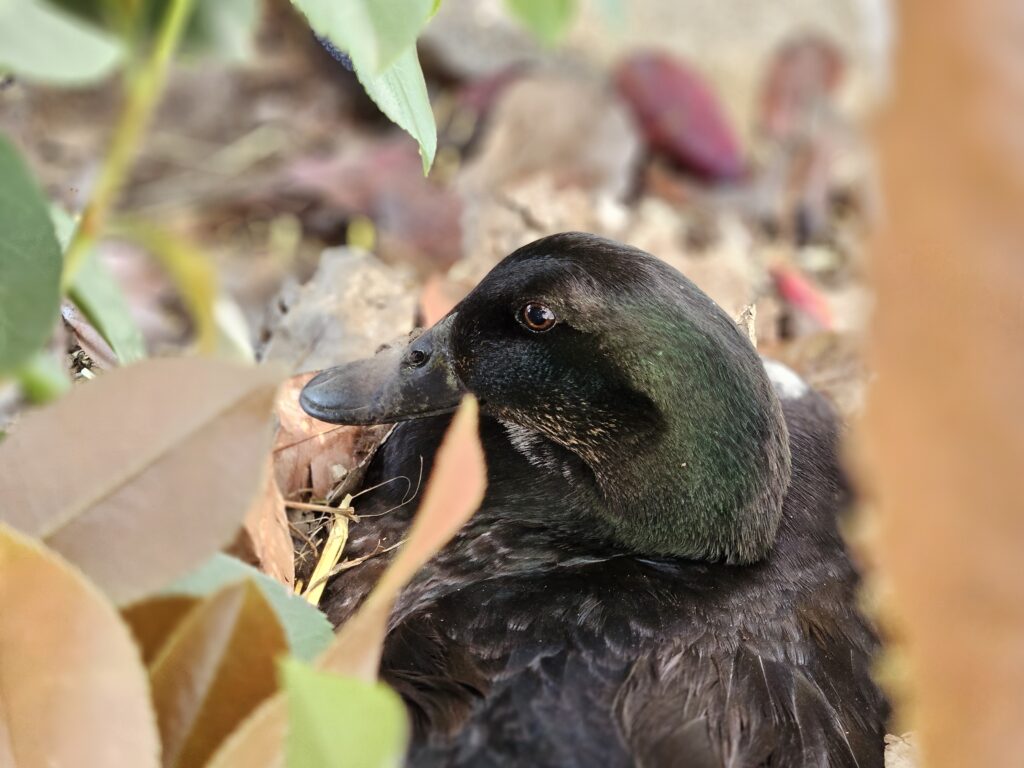
One spring, she became very persistently broody. She refused to leave the nest and became quite irritated every time we removed her eggs. If you have ever dealt with a determined broody duck, you know the look. Ronja was very clear that she did not approve of our egg-collecting routine.
Instead of constantly battling her instinct, we decided to try a different approach. We swapped the real eggs for fake nesting eggs.
Ronja immediately accepted them and settled in.
She stayed committed to her clutch for about four weeks, which closely matches the natural incubation period for duck eggs. During that time, we monitored her carefully and made sure she maintained normal routines.
Every day, we confirmed that she:
• left the nest to eat
• drank water
• took a bath
• returned to the nest afterward
After about four weeks, we quietly removed the fake eggs. Ronja eventually abandoned the nest and returned to her normal flock life.
This experience taught me something important. Sometimes the easiest solution is simply to work with the duck’s instincts instead of fighting them.
FAQ About Broody Ducks
How long do ducks stay broody?
Most ducks will remain broody for about 26 to 30 days, which matches the normal incubation period for most domestic duck eggs. Muscovy ducks are an exception and may sit for about 35 days. If no ducklings hatch, many ducks will eventually abandon the nest once the hormonal cycle ends.
Will a duck stay broody without eggs?
Yes. Some ducks remain broody even when eggs are removed, although the behavior usually fades within a week.
Can broody ducks stop laying eggs?
Yes. When a duck becomes broody, egg production usually stops. Hormonal changes shift the bird from egg laying to incubation behavior. Once broodiness ends, egg laying typically resumes after a short period.
Are broody ducks aggressive?
Some ducks become protective of their nest and may hiss or peck when approached.
Should I remove a broody duck from the nest?
If she is losing weight, dehydrated, or sitting on infertile eggs for extended periods, intervention is recommended.
Can broody ducks hurt their eggs?
Usually no. Ducks are generally very careful with their eggs and instinctively turn them and reposition them during incubation. However, eggs can occasionally be broken if the nest becomes overcrowded or if other ducks try to enter the nest.
Should I move a broody duck to another nest?
Moving a broody duck can sometimes cause her to abandon the nest, especially early in the incubation period. If a move is necessary, it is best done at night and with the eggs transferred carefully to the new nest location.
Do broody ducks need special food?
Broody ducks typically eat less but still require access to balanced feed and fresh water. Many keepers simply provide their normal duck feed nearby so the hen can eat quickly when she takes a break from the nest.
Can two ducks sit on the same nest?
Yes, it sometimes happens that two hens share a nest, especially in larger flocks. While this can occasionally work, it often leads to confusion once ducklings hatch, as both hens may try to claim the ducklings or become protective of the nest.
Will a broody duck sit on unfertilized eggs forever?
No. Even if eggs are infertile, the broody cycle usually ends naturally after several weeks. However, some very determined ducks may attempt to start a new nest shortly afterward.
How can I tell if eggs under a broody duck are fertilized?
The most reliable method is candling the eggs. By shining a bright light through the egg in a dark room, you can look for developing blood vessels and embryo movement after about 5 to 7 days of incubation.
Do drakes help raise ducklings?
In most domestic duck breeds, drakes do not participate in raising ducklings. The mother duck handles incubation and care of the ducklings on her own. In some cases, drakes may even need to be separated from the ducklings to prevent accidental injury.
Finding the Right Balance for Your Flock
Broodiness is one of the most fascinating behaviors you will observe in ducks. A normally social, busy duck suddenly becomes completely focused on a nest, driven by instincts that have guided waterfowl reproduction for thousands of years.
For backyard duck keepers, broodiness can bring both excitement and challenges. Sometimes it leads to the incredible experience of watching ducklings hatch and grow under the care of a devoted mother. Other times, it simply means managing a determined hen who refuses to leave her nest.
The key is understanding that there is no single right response. Some situations call for supporting the broody duck, while others require gently discouraging the behavior for the duck’s health or for practical flock management.
As duck keepers, our role is to observe, understand, and respond thoughtfully. By paying attention to your duck’s health, environment, and the needs of your flock, you can decide whether to support broodiness, manage it, or allow the cycle to run its course.
In the end, broodiness is simply another reminder of how remarkable these birds are. Even in our backyard flocks, ducks still carry the powerful instincts that once guided their wild ancestors. Learning how to work with those instincts helps us become better caretakers and gives us a deeper appreciation for the ducks that share our lives.
Related Articles
- How to Raise Ducklings: A Beginners Guide
- Color Genetics in Ducks: Why Are Some Ducklings a Surprise?
- Hatching Ducklings Like a Pro: Step-by-Step Incubation & Brooder Guide!
- Spring Coop Prep for Ducklings: Bedding, Smell, and the Brooder to Coop Transition
- The Science of Imprinting: Why Some Ducks Bond So Strongly to Humans
Connect deeper with your flock. Discover more about duck psychology and social dynamics in the Community & Behavior Hub.
References