
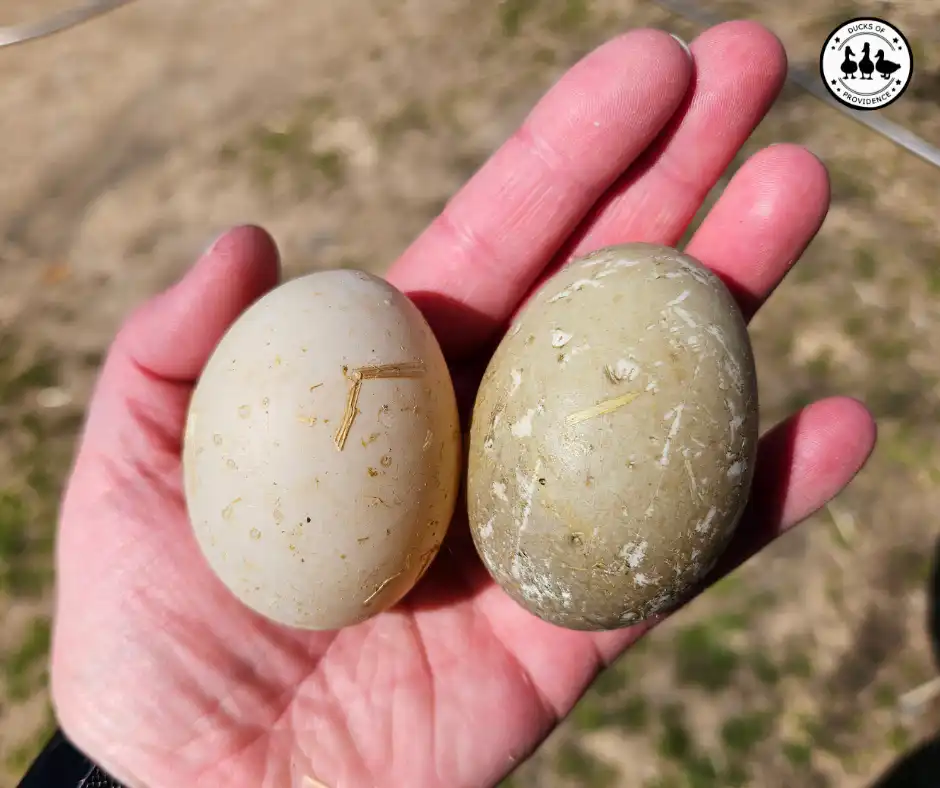
How Often Do Ducks Lay Eggs? Breaking Down Duck Egg Production and More

Last updated: April 20th, 2026
To keep our research-backed guides free, this site uses ads and affiliate links (earning a small commission at no cost to you). Everything here is created by a duck mom and PhD scientist, combining academic rigor with hands-on experience to provide practical, trustworthy advice for duck keepers everywhere. 🦆 Learn more
How often do ducks lay eggs? It is one of the most common and important questions duck keepers ask, especially when planning nutrition, housing, and long-term flock management. Egg-laying frequency varies widely between ducks, and understanding what influences production helps set realistic expectations and supports better care decisions.
TL;DR: The Short Answer: Most domestic ducks lay one egg every 24 to 48 hours. Highly productive breeds can lay between 250 and 340 eggs per year, while seasonal or meat breeds may lay closer to 100 to 150. Production depends heavily on daylight hours, nutrition, and specific genetics. (See our Breed Comparison Table below for specific numbers by breed).
As a scientist and experienced duck owner, I approach duck egg production from both a biological and real-world perspective. Egg laying is influenced by a combination of factors, including breed, age, daylight exposure, health, nutrition, and seasonal changes. Some ducks lay nearly year-round, while others follow more natural, seasonal patterns.
In this guide, we break down how often ducks lay eggs, explain why laying frequency differs between breeds, and discuss what changes over a duck’s lifetime. We also explore egg color variations, seasonal laying patterns, and the nutritional benefits of duck eggs, giving you a clear, science-informed understanding of what to expect from your flock.

Part of the Beginner’s Handbook, Essential foundational data for new duck parents.
Quick Navigation: Jump to a Section
[hide]
- Why Have My Ducks Stopped Laying Eggs? 5 Scientific Factors
- Duck Breed Comparison: Annual Egg Production & Egg Size
- Duck Egg Colors and Nutritional Facts
- Managing for Peak Performance: A Science-Backed Action Plan
- Frequently Asked Questions (FAQ)
- Conclusion: Balancing Science and Stewardship
- Further Reading & Resources
Why Have My Ducks Stopped Laying Eggs? 5 Scientific Factors
Before we delve into specifics, it’s crucial to recognize that several factors influence how often ducks lay eggs:
1. The Role of Genetics in Egg Production
Duck egg frequency isn’t a “one-size-fits-all” scenario; it is a biological output intricately tied to breed-specific genetics. Because different breeds were historically developed for different purposes, ranging from high-volume egg production to exhibition or meat, their internal production cycles vary significantly.
For example, high-performance layers such as Khaki Campbells and Indian Runners possess a genetic predisposition for intense laying, often producing an egg daily for most of the year. In contrast, heavy breeds like the Muscovy or Pekin were traditionally bred for meat or ornamental traits, meaning they often have shorter laying seasons and lower annual yields.
Understanding these breed-specific traits is essential for any keeper looking to optimize their flock’s performance. By aligning your breed selection with your specific goals, whether that is a consistent breakfast supply or seasonal breeding, and supporting them with science-backed nutrition, you can maximize the genetic potential and health of your ducks.
2. The Biological Impact of Age on Egg Production
In the world of waterfowl, age is one of the most critical determinants of egg frequency. From a biological standpoint, a duck’s reproductive system is most efficient during its first two to three years. As a duck matures, its hormonal regulation and ovarian reserve naturally shift, leading to a predictable change in laying patterns.
At What Age Do Ducks Start Laying?
Most domestic ducks reach sexual maturity and begin laying eggs between 20 and 26 weeks (5–6 months) of age. You will notice that their first few eggs may be smaller or have irregular shells as their reproductive tract “warms up.” They typically reach peak production, their most consistent and highest yield, between 7 months and 2 years of age.
The Gradual Decline: When Do Ducks Stop Laying?
While ducks are known for being more long-lived and productive than many chicken breeds, their output does taper off. This process, known as reproductive senescence, usually begins after the third or fourth year.
- Year 1–3: Peak laying (80–100% of breed potential).
- Year 4–6: Gradual decline (50–70% of peak yield).
- Year 7+: Sporadic laying; many ducks will effectively “retire” from consistent production by age 8 or 9, though some healthy individuals may surprise you with an occasional egg up to age 10.
Longevity and Senior Care
It is important to remember that even after a duck stops laying, they remain a vital part of the flock. Genetic factors, high-quality calcium supplementation, and overall health management play significant roles in how long a duck remains productive. As your ducks transition into their senior years, their nutritional needs change; they require less “layer feed” (which is high in calcium) and more focus on maintaining joint health and metabolic support.
3. Seasonal Rhythms and the Photoperiod
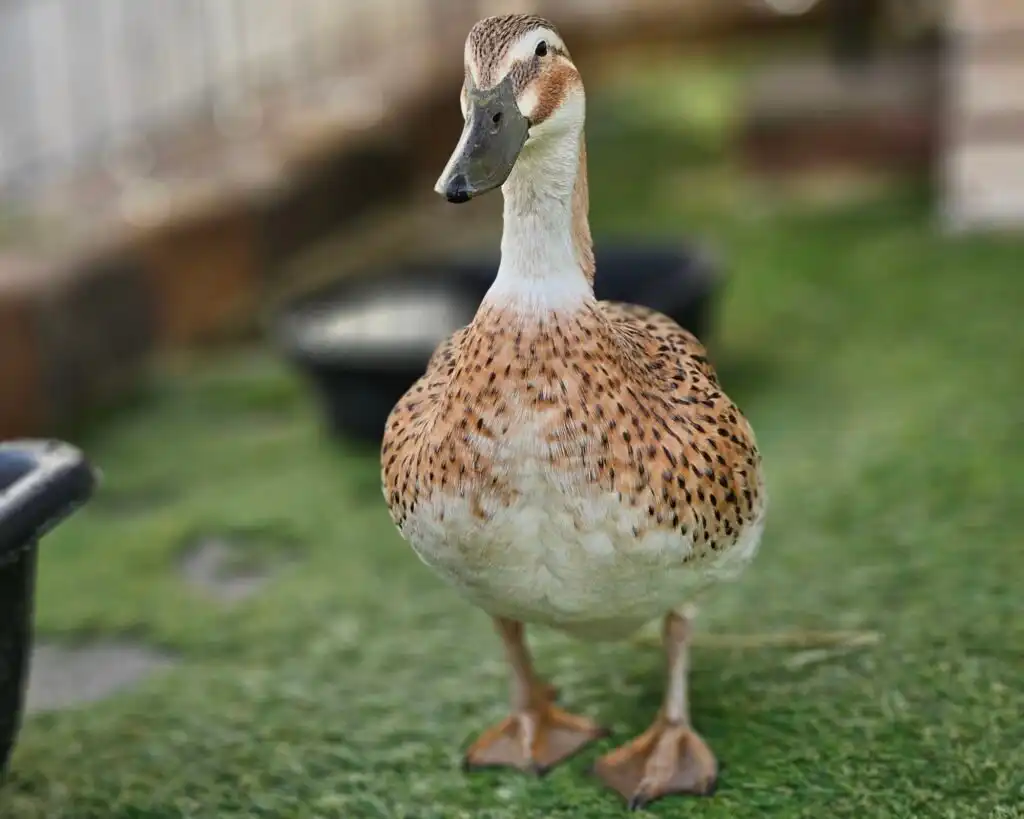
A duck’s reproductive system is essentially a solar-powered engine. The frequency of egg laying is dictated by the photoperiod, the amount of light received in a 24-hour period. This isn’t just a preference. It is a physiological requirement. Light entering the duck’s eyes stimulates the pituitary gland, which releases the hormones necessary to drop a yolk.
The Spring and Summer Surge
During the spring and summer, the increase in daylight hours (ideally 14 to 16 hours) signals to the duck that environmental conditions are optimal for raising ducklings. This surge in light, combined with the availability of fresh forage and protein-rich insects, results in peak egg production. In our North Texas summers, you’ll likely see your highest yields, provided your ducks stay hydrated and cool.
Do Ducks Lay Eggs in Winter?
As the days shorten in fall and winter, most ducks will experience a significant decline in egg production or stop laying altogether. This is a vital adaptive response: it allows the duck to divert energy away from reproduction and toward thermoregulation (staying warm) and molting (regrowing feathers).
For many breeds, production drops once daylight falls below 12 hours. While some keepers use supplemental lighting in the coop to “trick” the pituitary gland into year-round production, many enthusiasts prefer to let their ducks follow their natural biological rhythms to prevent burnout and support long-term health.
Managing Seasonal Expectations
Recognizing these natural fluctuations is crucial for flock management. Rather than viewing the winter “break” as a problem, see it as a period for your ducks to recover their nutrient stores. By aligning your expectations with these circadian rhythms, you can better plan your egg usage and ensure your flock remains healthy for many seasons to come.
4. Environmental Determinants of Reproductive Success
Egg production is a biologically demanding process that requires a state of homeostasis. From a physiological perspective, a duck will only allocate nutrients to egg-laying when its environmental stressors are low. If a duck feels threatened or physically stressed, its body will prioritize survival over reproduction, leading to a “stall” in egg production.
Habitat Optimization and Nesting Security
The quality of a duck’s immediate environment is the foundation of its productivity. To sustain optimal laying frequency, ducks require:
- Security and “Safe” Nesting Sites: High-stress environments (such as those with frequent predator sightings or high human foot traffic) can elevate cortisol levels, which directly inhibits the hormones required for ovulation.
- Resource Accessibility: Consistent access to clean water is not just for swimming. It is essential for metabolic health and egg formation, as an egg is approximately 74% water.
Climate Resilience and Temperature Extremes
As a resident of North Texas, I’ve observed firsthand how temperature volatility impacts a flock. Ducks are remarkably hardy, but extreme conditions require significant energy for thermoregulation:
- Heat Stress: In temperatures exceeding 90°F, ducks spend more energy cooling down (panting) than they do on reproductive output. You may notice thinner shells or smaller eggs during mid-summer heatwaves.
- Cold Snaps: While ducks handle cold well, a sudden drop in temperature can cause a temporary halt in laying as the body diverts all caloric energy to maintaining core body temperature.
Minimizing Anthropogenic and Biological Stressors
Ducks are highly sensitive to “disruption stress.” This includes everything from a change in their daily routine to the introduction of a new flock member or a nearby construction project. Chronic stress leads to a suppressed immune system and irregular laying cycles. Proactive management, such as predator-proofing your coop and maintaining a consistent feeding schedule, creates the “biological safety net” ducks need to maximize their reproductive fitness.
5. Nutritional Bioavailability and Metabolic Demand
Egg production is one of the most nutrient-intensive processes in the animal kingdom. For a duck to maintain a frequent laying schedule, its diet must provide a specific balance of macronutrients and minerals. If there is a nutritional deficit, the duck’s body will prioritize its own skeletal integrity and organ function, causing egg production to cease immediately.
Calcium Homeostasis and Shell Quality
The most significant demand of egg-laying is the mobilization of calcium. A duck shell is almost pure calcium carbonate. If a duck’s diet is deficient, she will actually “rob” calcium from her own bones (specifically the medullary bone) to create the eggshell.
The Scientist’s Tip: To prevent metabolic bone disease and ensure daily laying, provide free-choice oyster shell or high-quality grit to maintain calcium homeostasis.
Protein and Amino Acid Requirements
Eggs are high-protein packages. Ducks require a diet with roughly 16%–18% protein during their peak laying months. Specifically, they need essential amino acids like methionine and lysine, which are the building blocks of egg whites. In our experience at Ducks of Providence, we’ve found that supplementing with dried mealworms or high-quality waterfowl pellets during peak season prevents the “mid-summer slump” in production.
The Role of Niacin (Vitamin B3)
Unlike chickens, ducks have a uniquely high requirement for Niacin. While Niacin is most famous for preventing leg deformities in ducklings, it also plays a vital role in energy metabolism for adult layers. A duck with a metabolic deficiency will lack the energy required to sustain a daily laying cycle.
Duck Breed Comparison: Annual Egg Production & Egg Size
While every bird is an individual, egg production is largely dictated by genetics and breeding history. To help you plan your flock management, the following table breaks down the average annual egg production and egg size for the most popular domestic duck breeds.
| Duck Breed | Average Annual Egg Production | Egg Size |
| Ancona | 210-280 | 80 – 90 grams |
| Black and Blue Swedish | 100-150 | 80 – 95 grams |
| Buff | 150-220 | 80 – 90 grams |
| Call | 25-75 | 40 – 55 grams |
| Cayuga | 130-180 | 75 – 90 grams |
| Golden 300 Hybrid Layer Ducks | 200-290 | 75 – 90 grams |
| Indian Runner | 150-300 | 65 – 80 grams |
| Jumbo Pekin | 140-175 | 90 – 100 grams |
| Khaki Campbell | 250-340 | 75 – 85 grams |
| Magpie | 220-290 | 65 – 72 grams |
| Muscovy | 60-120 | 75 – 85 grams |
| Silver Appleyard | 200-270 | 80 – 95 grams |
| Welsh Harlequin | 240-330 | 75 – 85 grams |
| White Crested | 100-150 | 80 – 90 grams |
Khaki Campbell and Wesh Harlequin ducks are the clear leaders in egg laying. They are renowned for their high productivity of up to 340 eggs per year, averaging 5-7 eggs weekly during their peak laying periods. In contrast, Muscovy and Call ducks are at the lower end of the spectrum regarding egg production.
Remember, these numbers are approximate and can vary based on individual ducks and environmental factors.
Duck Egg Colors and Nutritional Facts
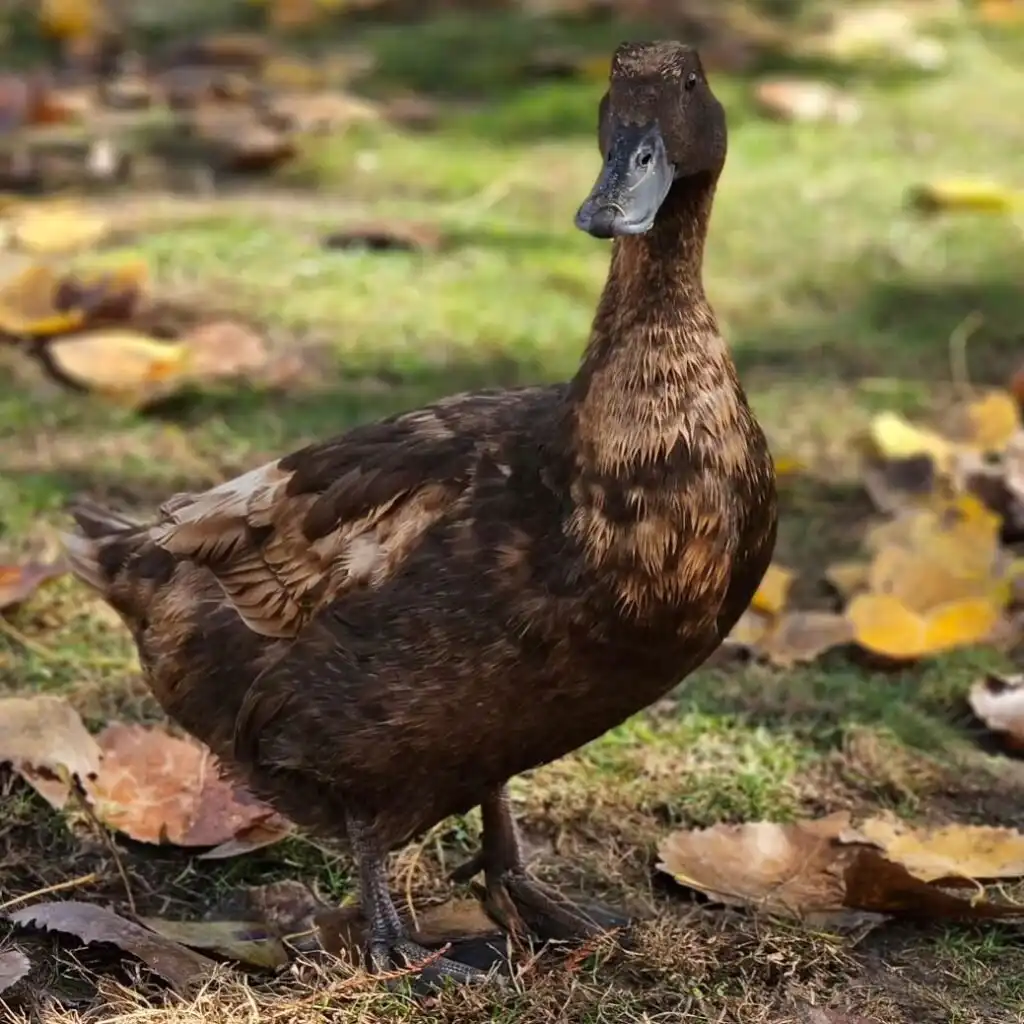
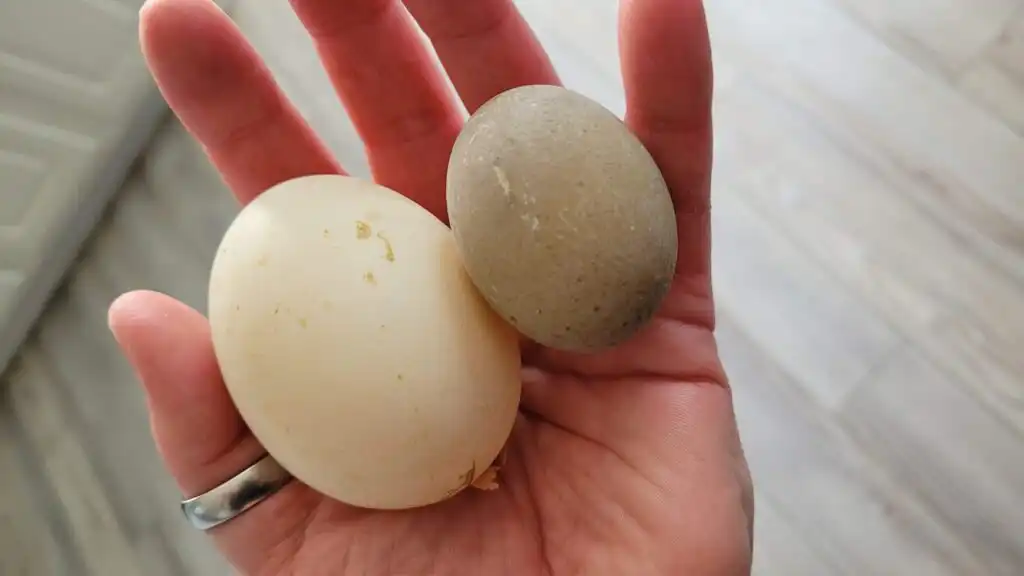
The color of a duck egg’s shell can vary depending on the breed of the duck laying it, offering a delightful array of hues from pale blues and greens to creamy whites and even speckled shades. Each breed possesses its own unique genetic predispositions, resulting in distinct eggshell colors that add a touch of charm to the nesting box.
Nutritional Value: Duck eggs are considered a nutritional powerhouse, offering a rich source of essential vitamins, minerals, and proteins. Compared to chicken eggs, duck eggs typically contain higher levels of protein, fat, and essential nutrients such as vitamin B12, selenium, and choline. These nutrients are vital in supporting overall health, brain function, and immune system function.
Eggshell Color and Nutrient Density: Contrary to popular belief, eggshell color does not significantly impact the egg’s nutritional content. Whether a duck egg boasts a blue, green, or white shell, its internal nutrient profile remains largely consistent. However, some studies suggest that eggs with darker-colored shells may contain slightly higher levels of certain antioxidants, although further research is needed to confirm these findings definitively.
Omega-3 Enriched Eggs: In recent years, omega-3-enriched duck eggs have gained popularity for their enhanced nutritional benefits. Ducks fed a diet rich in omega-3 fatty acids, such as flaxseed or fish oil, produce eggs with elevated levels of these heart-healthy fats. Omega-3-enriched duck eggs offer an excellent option for consumers seeking to boost their intake of these essential fatty acids. ➡️ Read more about omega-3 for ducks.
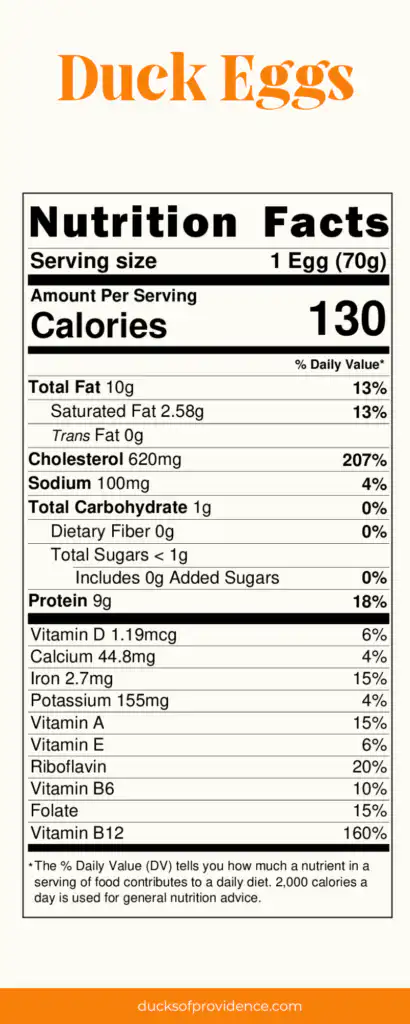
While egg color does not affect nutritional content, duck eggs generally offer several health benefits:
- Nutritional Content: Duck eggs are rich in protein, vitamins, and minerals, including vitamin B12, riboflavin, and selenium. They also contain higher levels of omega-3 fatty acids compared to chicken eggs.
- Cholesterol Levels: Duck eggs typically contain more cholesterol than chicken eggs. However, they also contain beneficial nutrients that may help regulate cholesterol levels when consumed in a balanced diet.
- Allergen Considerations: Some individuals with egg allergies find that they can tolerate duck eggs better due to differences in protein composition. However, consult a healthcare professional before adding duck eggs to your diet if you have known allergies.
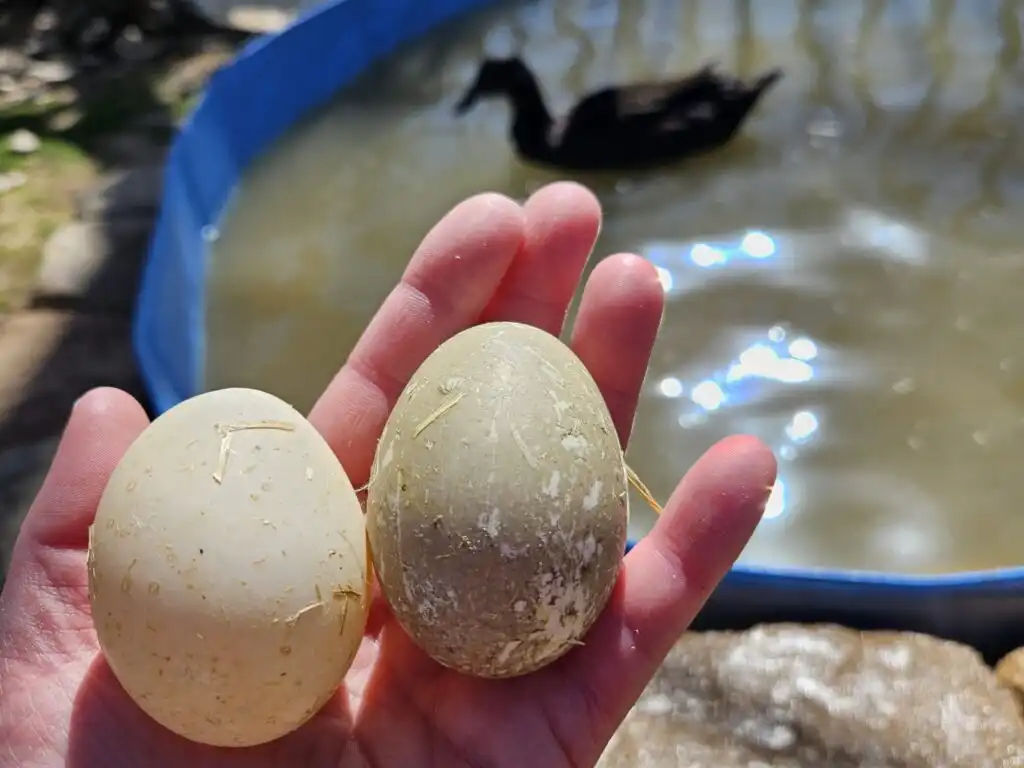
Colors of Different Breeds
The color of a duck’s eggshell often depends on the breed, with some breeds consistently laying eggs of a specific color. For example:
- White: Pekin ducks typically lay white eggs, which are the most common color among duck eggs.
- Blue/Green/Black: Breeds like Indian Runners, Swedish, and Cayugas may lay eggs with blue, green, or black tinted shells, adding a colorful variety to your egg basket.
- Cream/Tan: Khaki Campbells and Welsh Harlequins often produce eggs with cream or tan-colored shells, offering a unique hue to your egg collection.
Managing for Peak Performance: A Science-Backed Action Plan
Optimizing egg production isn’t just about “more eggs”. It’s about the long-term health and metabolic stability of your flock. Based on the biological factors we’ve discussed, here is your checklist for maintaining a high-yielding, healthy flock:
1. Optimize Nutritional Bioavailability
Don’t just provide “feed”. Provide formulated nutrition. During peak laying season, switch to a high-quality layer pellet (16–18% protein) and supplement with Niacin-rich foods or mealworms. This ensures your ducks aren’t depleting their own body stores to produce eggs.
2. Prioritize Calcium Homeostasis
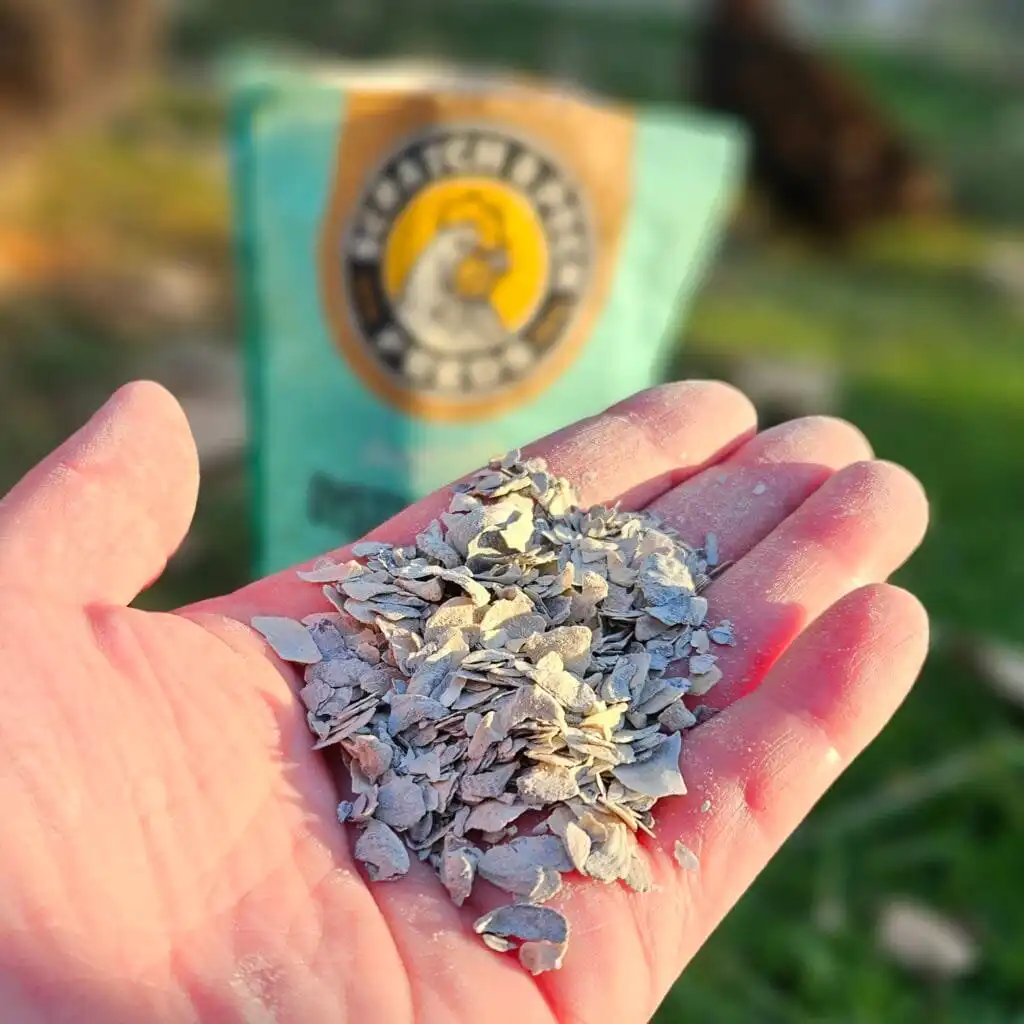
To prevent medullary bone depletion (where a duck robs her own skeleton for shell calcium), always provide a separate container of crushed oyster shells.
Pro-Tip: Don’t mix the calcium into the feed. Ducks are remarkably good at “self-regulating”. They will eat exactly what they need based on their own internal calcium levels.
3. Create a Bio-Secure Nesting Environment
Since stress hormones like cortisol can halt the ovulation cycle, your nesting area should be a zero-stress zone.
- Use deep, clean bedding (like straw or wood shavings).
- Ensure there is one nesting box for every 3–4 ducks to prevent territorial disputes.
- Keep the area dark and quiet to mimic a safe “wild” nesting site.
4. Implement a Health Surveillance Routine
Regularly check your ducks for reproductive health markers. Are their feathers shiny? Are their eyes clear? Is the eggshell texture consistent?
Red Flag: If you notice soft-shelled eggs or a sudden drop in production despite long daylight hours, it may be a sign of an underlying infection or a significant nutritional deficit that requires a consultation with a poultry vet.
If you experience that your ducks are not laying, or not laying as much as you would expect, read our article No Eggs from Your Ducks? Discover 7 Reasons Why
5. Monitor the Photoperiod
If you live in a region with very short winter days (like we see outside of Texas), decide on your lighting strategy early. Whether you choose to use supplemental lighting or allow for a natural winter rest, consistency is key to preventing hormonal whiplash in your birds.
Frequently Asked Questions (FAQ)
How many eggs does a duck lay in a day?
Most domestic ducks will lay one egg per day. On rare occasions, a young duck whose hormones are still balancing may produce two eggs in a 24-hour period, but this is an exception. Because it takes approximately 24–26 hours for an egg to develop fully, a daily rhythm is the biological standard for high-production breeds.
What time of day do ducks lay eggs?
Ducks typically lay their eggs in the early morning hours, usually between 4:00 AM and 8:00 AM. This is why many duck keepers choose to keep their flock in the coop until mid-morning. It ensures the eggs are laid in a clean, safe nesting box rather than hidden in the yard or pond.
Do ducks lay eggs every single day?
Not necessarily. While high-production breeds like Khaki Campbells can lay nearly every day for months, most ducks will have off days. Factors like high heat, a slight change in diet, or the natural end of a laying cycle can cause a duck to skip a day or two.
Why did my duck suddenly stop laying eggs?
If a healthy duck stops laying, it is usually due to one of four “S” factors:
Stress: A predator sighting or a move to a new coop.
Sunlight: The days are getting shorter (less than 12-14 hours of light).
Season: The duck is beginning to molt (redirecting protein to grow new feathers).
Shortage: A lack of calcium or protein in their diet.
Are duck eggs better for baking than chicken eggs?
From a scientific perspective, yes! Duck eggs have a higher fat content and a higher protein-to-water ratio in the whites. This leads to richer cakes, loftier bread, and fluffier meringues. They also contain more Omega-3 fatty acids, making them a nutrient-dense alternative to standard poultry eggs.
Do ducks need a drake (male) to lay eggs?
No. A female duck’s reproductive system will produce an egg based on light and nutrition, regardless of whether a drake is present. You only need a drake if you want fertile eggs for hatching ducklings.
Conclusion: Balancing Science and Stewardship
Understanding the biological rhythms of your flock, from the impact of the photoperiod to the specific metabolic demands of different breeds, is the key to a successful egg-laying journey. While the frequency of duck eggs is never a one-size-fits-all metric, it serves as a vital indicator of your ducks’ overall health and environmental stability.
By aligning your management practices with their natural genetic potential and providing science-backed nutrition, you aren’t just ensuring a steady supply of nutrient-dense, farm-fresh eggs. You are supporting the long-term vitality of your birds. Whether you are managing a high-production flock of Khaki Campbells or enjoying the seasonal pace of an ornamental breed, your attention to their physiological needs is what makes the difference.
Ready to Optimize Your Flock’s Health?
Egg production is just one part of the journey. To dive deeper into supporting your ducks throughout the year, check out our guides on Waterfowl Nutrition and Winter Coop Management.
Further Reading & Resources
- No Eggs from Your Ducks? Discover 7 Reasons Why
- Why Scratch and Peck Oyster Shells Are a Must-Have for Every Duck Owner
- 23 Amazing Facts about Duck Eggs: From Nutrition to Storage
- Egg binding and soft-shelled eggs in ducks – everything you need to know
- What Do Ducks Eat? Your Guide To Feeding Ducks
- Duck Eggs vs Chicken Eggs: A Comparative Analysis
- The Science Behind Duck Egg Laying Process: From Ovulation to Oviposition
Master the basics of evidence-based care. Explore the full Beginner’s Handbook to build a strong foundation for your flock.