
A Full Day of Duck Care: What It Actually Looks Like

Last updated: August 29th, 2026
To keep our research-backed guides free, this site uses ads and affiliate links (earning a small commission at no cost to you). Everything here is created by a duck mom and PhD scientist, combining academic rigor with hands-on experience to provide practical, trustworthy advice for duck keepers everywhere. 🦆 Learn more
Keeping pet ducks is one of the most rewarding experiences I’ve ever had, but I’ll be honest: it is also much more work than most people expect. Social media often shows the fun moments. Ducks splashing in the pool, chasing treats, or taking adorable naps in the sunshine. What you don’t usually see are the water buckets, the daily cleaning, the health checks, and the countless small tasks that keep a flock happy and healthy.
People often ask me, “How much work are ducks really?“ The answer depends on your setup, your flock size, and even the weather, but one thing is always true: ducks need care every single day. Unlike some pets, there are no days off. Fresh water, nutritious food, a clean environment, and regular observation are essential to keeping ducks healthy and catching problems before they become emergencies.
After caring for my own flock in North Texas for several years, I’ve developed a routine that works well for both my ducks and my schedule. While every flock is different, having a consistent daily routine helps reduce stress, makes chores more manageable, and allows me to notice even subtle changes in behavior or health.
In this guide, I’ll walk you through what a typical day of duck care actually looks like, from the first morning quacks to bedtime in the duck house. If you’re thinking about getting ducks or simply wondering whether your own routine covers everything your flock needs, this behind-the-scenes look will show you what daily duck keeping is really like.
Part of the Housing & Environment Hub, Engineering safe, bio-appropriate habitats for backyard flocks.
Quick Navigation: Jump to a Section
[hide]
- The Quick Answer
- Why Ducks Thrive on a Daily Routine
- My Daily Duck Care Routine
- How Much Time Does Daily Duck Care Take?
- Weekly Duck Care Tasks
- How My Routine Changes Throughout the Year
- Every Flock Has Its Own Routine
- Even the Best Routine Gets Interrupted
- Frequently Asked Questions
- Is Duck Keeping Worth All the Work?
- Further Reading & Resources
The Quick Answer
A typical day of duck care includes feeding, providing fresh water, cleaning, health checks, enrichment, egg collection, and safely securing your ducks for the night. Depending on your flock size and setup, daily care usually takes 1 to 3 hours, although severe weather, deep cleaning, or caring for a sick duck can add considerably more time.
While ducks thrive on routine, no two days are exactly the same. A hot summer day in Texas requires frequent water changes, extra shade, and cooling strategies, while winter mornings may involve breaking ice or adding extra bedding. During molting season, you may spend more time monitoring feather condition and nutrition, and a broody duck can quickly change your normal schedule.
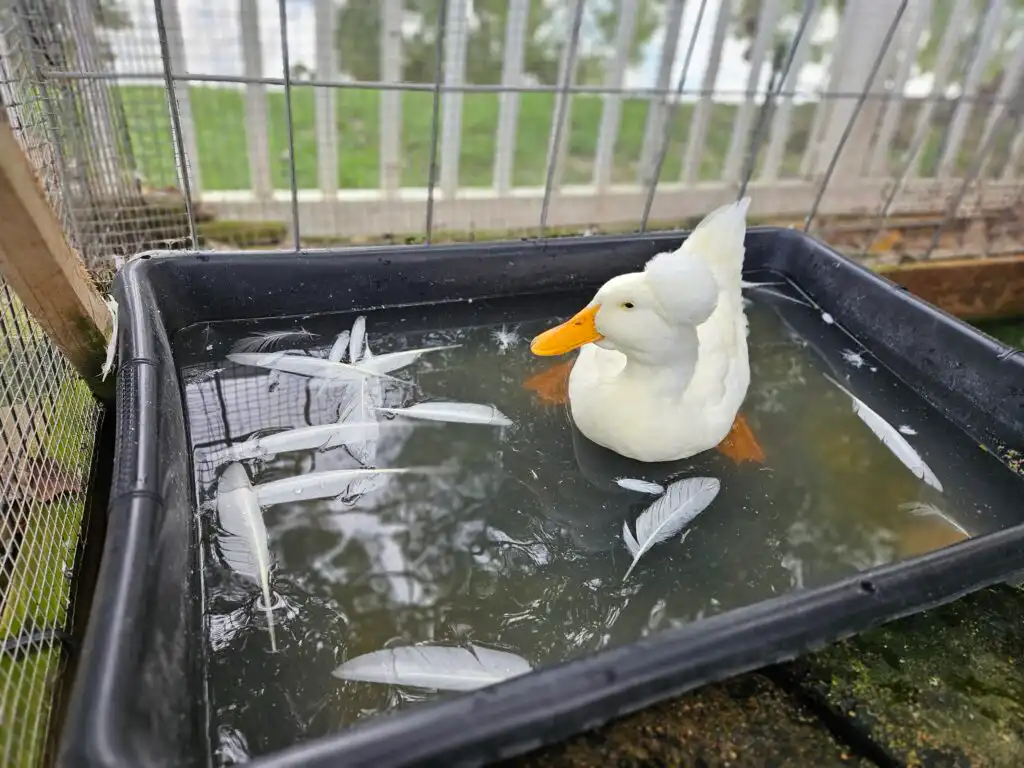
The good news is that much of duck care becomes second nature. Once you establish a consistent routine, your ducks will often anticipate each part of the day. Mine know exactly when breakfast is served, when it’s time to forage in the yard, and even when it’s time to head into the duck house for the night. That predictability not only makes caring for them easier, but it also helps them feel safe and secure.
In the following sections, I’ll take you through a full day with my flock and explain not only what I do, but also why each part of the routine is important for keeping pet ducks healthy and happy.
Why Ducks Thrive on a Daily Routine
Ducks are creatures of habit. While they may not tell time the way we do, they quickly learn daily patterns and begin to anticipate what comes next. A consistent routine helps reduce stress, encourages natural behaviors, and makes it much easier to notice when something isn’t quite right.
I’ve seen this with my own flock. Every morning, several ducks are already waiting near the gate before I even step outside. They know breakfast is coming. In the evening, they naturally start making their way toward the duck house around bedtime without much encouragement. Their routine has become just as familiar to them as it is to me.
Having a predictable schedule also benefits us as duck keepers. Because I see my ducks multiple times throughout the day, I quickly notice if someone is eating less than usual, isolating themselves, limping, or acting differently. Many illnesses in ducks begin with subtle changes in behavior, so these daily interactions often provide the first warning that something may be wrong.
A regular routine also helps with:
| Benefit | Why It Matters |
|---|---|
| Reduces stress | Ducks feel more secure when they know what to expect each day. |
| Makes health checks easier | Changes in appetite, activity, droppings, or movement are easier to spot. |
| Encourages natural behaviors | Ducks settle into healthy patterns of eating, swimming, preening, foraging, and resting. |
| Improves coop training | Ducks quickly learn when it’s time to return to their duck house each evening. |
| Makes chores more manageable | Breaking tasks into a routine prevents small jobs from becoming overwhelming. |
Of course, duck keeping isn’t about following a rigid schedule down to the minute. Some days it’s pouring rain, other days it’s over 100°F here in Texas, and occasionally a sick duck changes all of my plans. The exact timing may vary, but the overall rhythm of the day stays remarkably consistent, and I believe that’s one of the reasons my flock remains calm and healthy.
My Daily Duck Care Routine
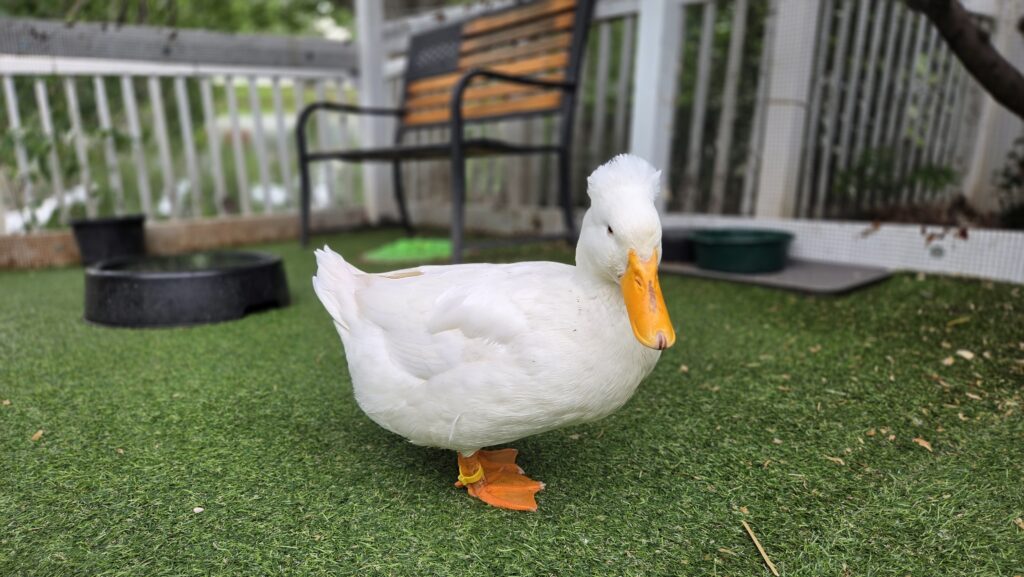
No two days with ducks are exactly alike, but most follow a similar rhythm. Weather, molting, broody hens, or an unexpected vet visit can certainly change my plans, but this routine has served my flock well over the years. It keeps the ducks healthy, makes chores manageable, and gives me plenty of opportunities to observe everyone throughout the day.
One thing I’ve learned is that duck care isn’t just about completing a list of chores. Every interaction is a chance to check on my ducks. Are they walking normally? Is everyone eating? Does anyone seem quieter than usual? Those small observations often tell me far more than a single health check ever could.
Here’s what a typical day looks like at Ducks of Providence.
6:30 AM: The Flock Comes Together
My day begins at 6:30 AM, when the automatic coop door from Run Chicken opens and the four ducks sleeping in their duck house step into their secure run. At the same time, I bring Krümel and Muffin outside from the house, where they sleep indoors with us every night. Having two house ducks isn’t typical, but it works well for our flock and allows me to keep a closer eye on both of them.
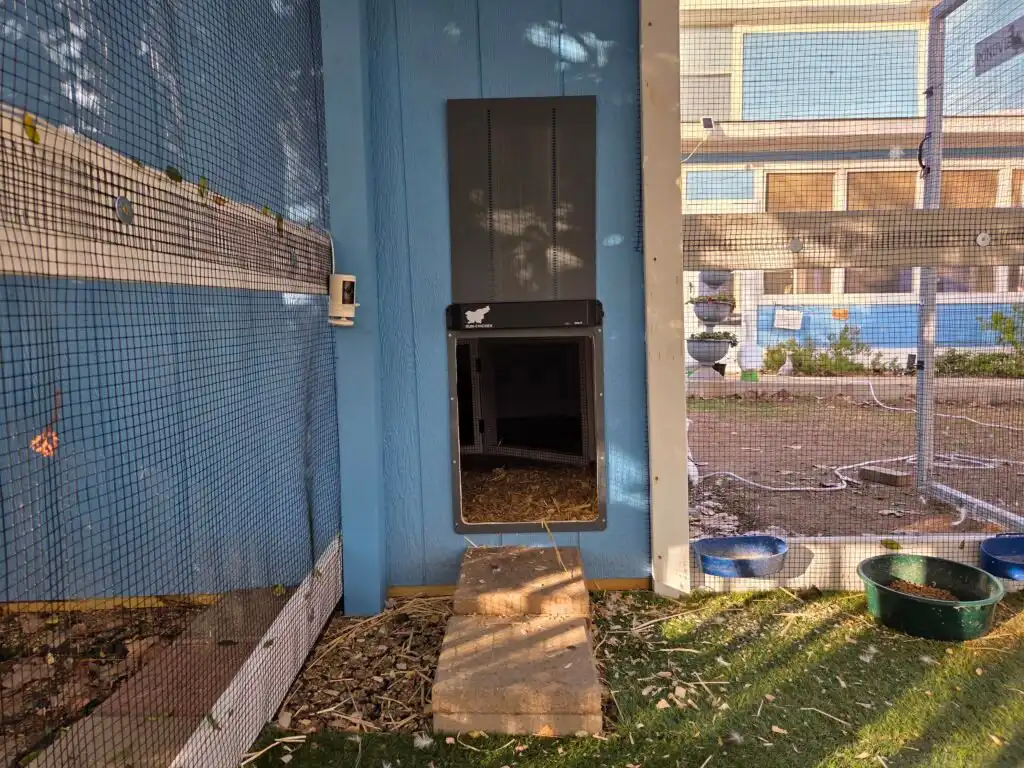
Duck Mom Favorite: Our Automatic Coop Door
One of the best upgrades we’ve made is installing a Run Chicken automatic coop door on our duck house. It opens automatically every morning at 6:30 AM, so the ducks can enter their secure run as soon as they wake up. I still close the door manually each evening because I like doing one final head count and saying goodnight, but having the automatic opening gives me peace of mind and makes our morning routine much easier.
If you’re considering an automatic coop door for your ducks, I highly recommend the giant door we use. You can save 15% with my affiliate code: PROVIDENCE15.
As soon as everyone is together again, breakfast is served. The morning reunion is always one of my favorite parts of the day. There is plenty of excited quacking, tail wagging, and happy chatter as the flock greets one another before eagerly heading to their food bowls.
Depending on the season, this is also when I decide whether Simon needs a little time in what we jokingly call drake jail. During breeding season, drakes can become much more enthusiastic, and temporary separation gives the girls a chance to eat, swim, and start their day without being constantly pursued. Once everyone has settled down, Simon rejoins the flock later in the morning.
While breakfast is being served, I’m already performing one of the most important health checks of the day. Because I know each duck so well, it only takes a few minutes to notice if something seems off.
Before everyone starts eating, I quickly look for:
- Is everyone up and active?
- Is anyone limping or reluctant to walk?
- Are all eyes bright and fully open?
- Is anyone breathing with an open beak even though it’s cool outside?
- Is everyone excited for breakfast?
A duck that hangs back, seems unusually quiet, or ignores breakfast immediately catches my attention. Many illnesses begin with subtle behavior changes, and catching those early can make a tremendous difference.
Once everyone has been given the all clear, it’s time for breakfast. Every morning, I prepare what we affectionately call duck soup. It’s a large bowl of water filled with chopped lettuce, cucumber, and other duck safe vegetables such as peas or corn. The ducks absolutely love dabbling through the bowl, scooping up bites while filtering the water with their bills. It’s a fun form of enrichment that also helps them stay hydrated, especially during our hot Texas summers.
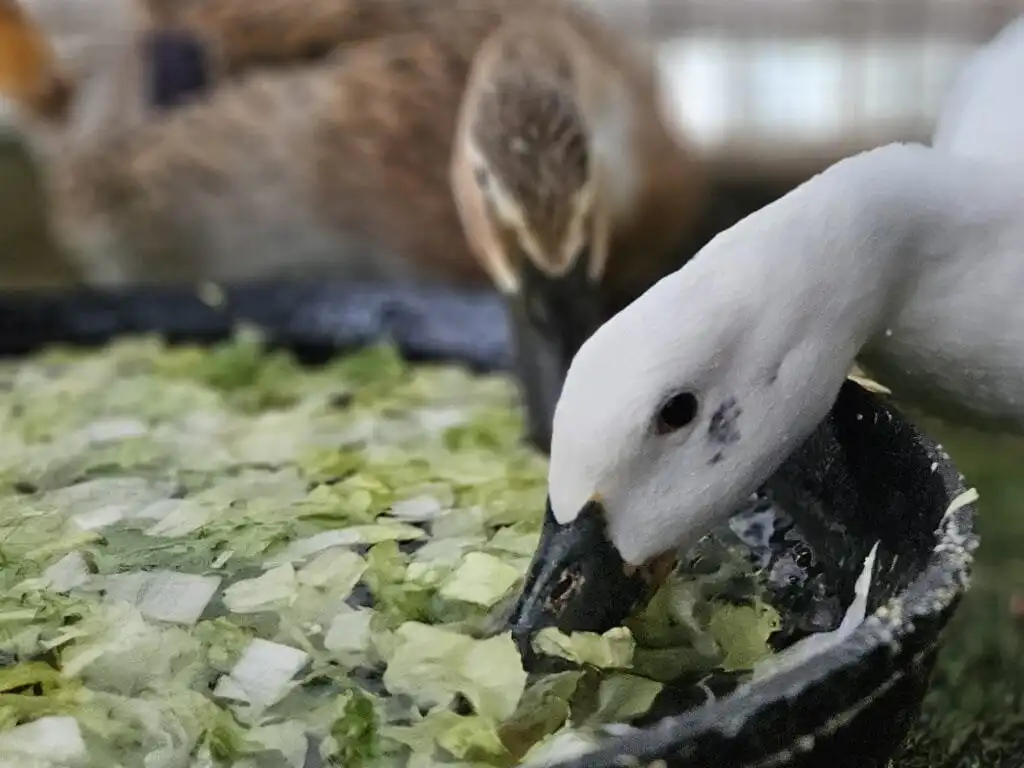
Fresh vegetables are only part of their diet, though. My ducks have access to a balanced waterfowl pellet 24 hours a day, ensuring they can meet their nutritional needs whenever they feel hungry. The morning duck soup is simply a healthy addition that encourages natural foraging behavior and adds some excitement to the start of their day.
Of course, fresh water is always available. Ducks need water to swallow dry feed properly and to flush their nostrils while eating, so I never offer food without providing plenty of clean water alongside it.
Before moving on to the next chore, I spend a few minutes simply watching the flock. Some ducks head straight for the pool, others begin foraging through the aviary, and a few immediately start preening. These quiet moments aren’t wasted time. They’re one of the best ways to learn what is normal for each duck, making even subtle changes much easier to recognize.
10:00 to 12:00 PM: Cleaning While the Ducks Enjoy the Yard
Depending on the season, my morning cleaning routine usually starts sometime between 10:00 AM and noon. After breakfast, the ducks spend a little time swimming, preening, and foraging before settling down for a morning nap. By the time I’m ready to clean, they’re well rested and excited to explore the yard while I work.
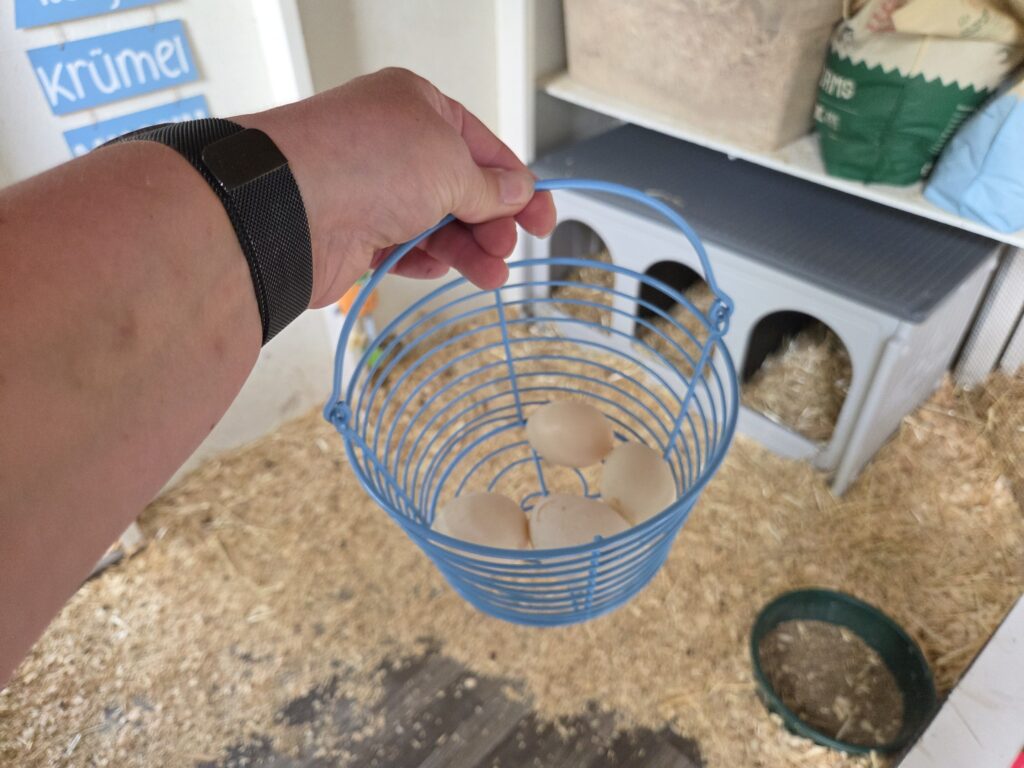
I always start in the duck house. First, I collect any eggs that were laid overnight or during the morning. Then I remove the overnight water bucket, empty it, scrub it clean, and refill it with fresh water for the coming night. Next, I clean up droppings, remove any wet or soiled bedding, and straighten up the house. Ducks can make quite a mess overnight, so spending a few minutes cleaning every day keeps the duck house dry, sanitary, and much easier to maintain than waiting for dirt to accumulate.
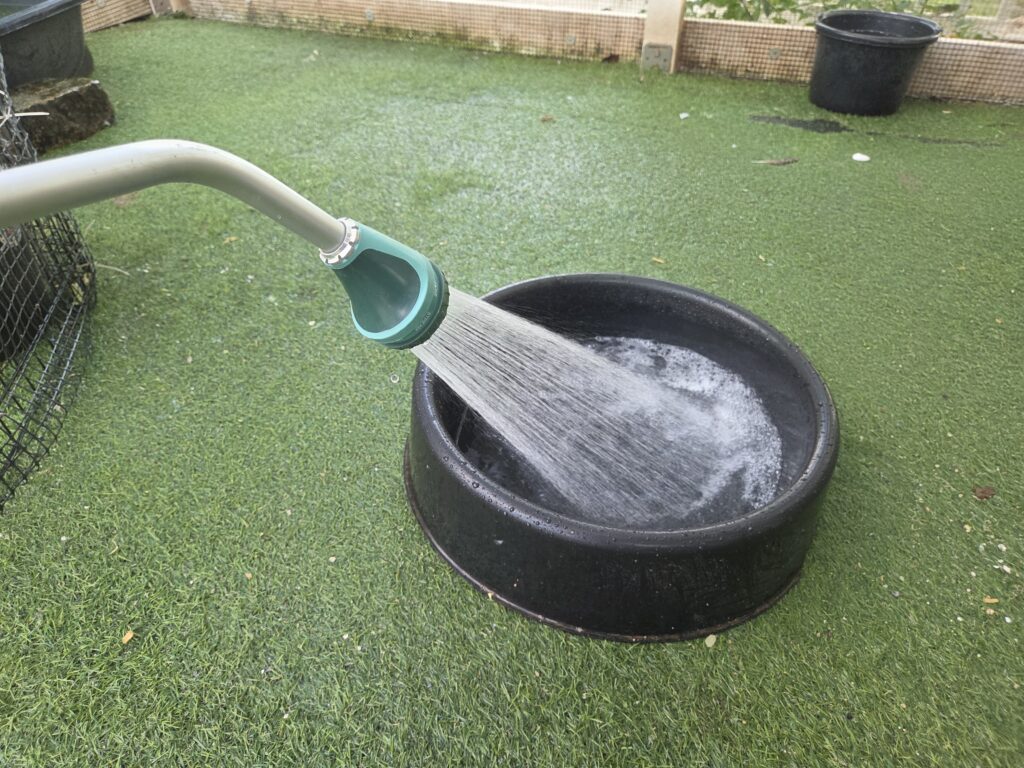
Once the duck house is finished, I move on to the attached run. Since our run has artificial turf over a well drained base, I simply hose the entire surface down each morning to rinse away droppings and any mud that accumulated overnight. It only takes a few minutes and keeps the run looking clean while reducing odors and flies during the warmer months.
After rinsing the turf, I empty every water container, including the buckets, bowls, and large concrete mixing tubs, give them a quick scrub if needed, and refill everything with fresh water. Even if the water still looks fairly clean, I prefer starting each day with fresh water because ducks constantly use it to drink, clean their bills and nostrils, and splash around.
As I work, I also take a few minutes to inspect the enclosure. I check the hardware cloth for damage, make sure the gates latch properly, verify that the automatic coop door is functioning correctly, and look for anything that could become a safety hazard.
One reason I like cleaning during this time is that the ducks are completely occupied elsewhere. Instead of following me around, they’re busy exploring the yard, grazing on grass, hunting insects, nibbling on duck-safe plants in the garden, or simply relaxing in the sunshine. By the time I’m finished, their home is clean, their water is fresh, and they’re ready to enjoy the rest of their day.
Afternoon: Supervised Yard Time and Time Together
By the afternoon, it’s time for my favorite part of the day: simply spending time with the ducks.
Although our backyard is fully fenced, my ducks are never outside unsupervised. North Texas has plenty of predators, including hawks, owls, bobcats, coyotes, loose dogs, and other wildlife. My ducks are pets and beloved members of our family, so I don’t take unnecessary risks. Whenever they’re enjoying the yard, I’m outside with them or close enough to keep a constant eye on the flock.
The ducks spend this time doing what ducks do best. They forage through the grass looking for insects, nibble on safe plants in the garden, splash in the pool, and occasionally decide that my gardening tools are much more interesting than anything I’ve planned for them.
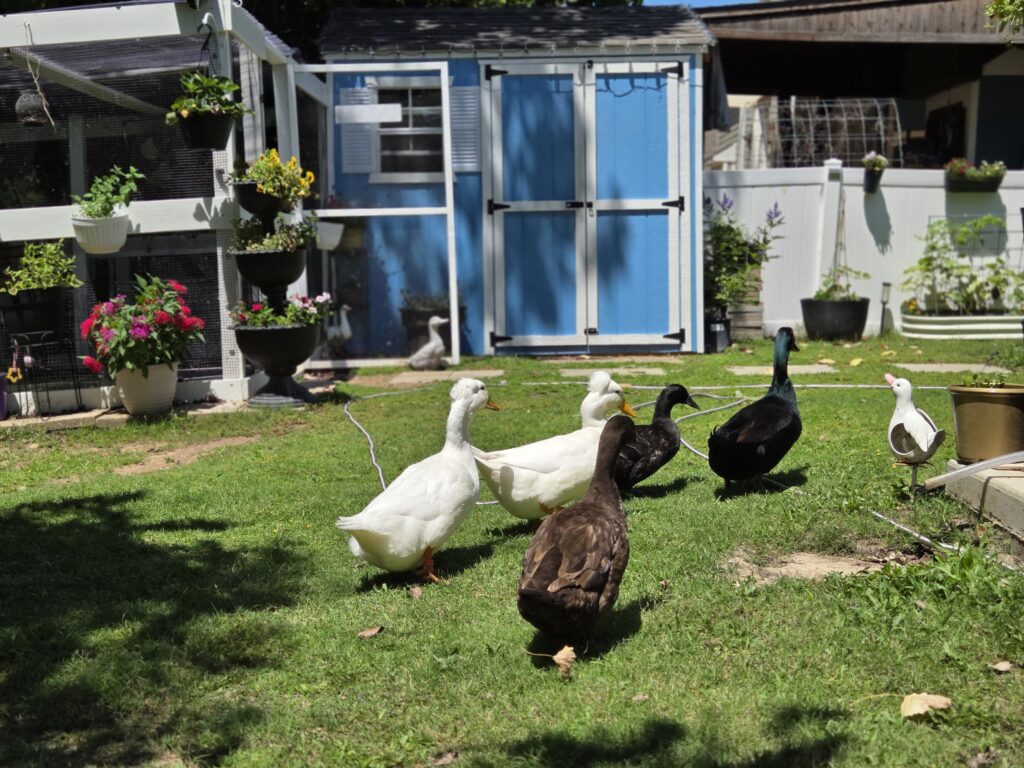
While they’re happily exploring, I take the opportunity to do a few quick maintenance tasks. If needed, I give the artificial turf in the run another quick rinse, top off the duck house with fresh bedding, and replace any water that has become muddy throughout the day. Water bowls, buckets, and bathing tubs are checked frequently because ducks can turn fresh water into muddy soup surprisingly fast.
Once those small chores are finished, it’s time to simply enjoy being with my flock. This is the part of duck keeping that rarely makes it into care guides, but it’s the reason I love having ducks. I sit in the yard with them, cuddle the ones that are in the mood for snuggles, work in the garden while they “help,” and watch them race around the pool during their daily zoomies. There is something incredibly peaceful about listening to their quiet chatter, watching them forage together, or seeing everyone happily splashing in the water.
During the work week, I make sure to spend at least an hour every evening outside with the ducks after work. On weekends, when my schedule is more flexible, those afternoons often turn into long, relaxing evenings in the backyard. I may be pulling weeds, planting vegetables, reading a book, or simply sitting on the patio, but the ducks are always nearby doing their own thing. Those unhurried hours together have become one of my favorite parts of the week.
These quiet moments are also another opportunity to observe everyone without making it feel like a formal health check. I notice who is swimming more than usual, who prefers foraging over napping, and who is following me around in hopes of an extra treat. Over time, you learn each duck’s personality and habits so well that even subtle changes become obvious.
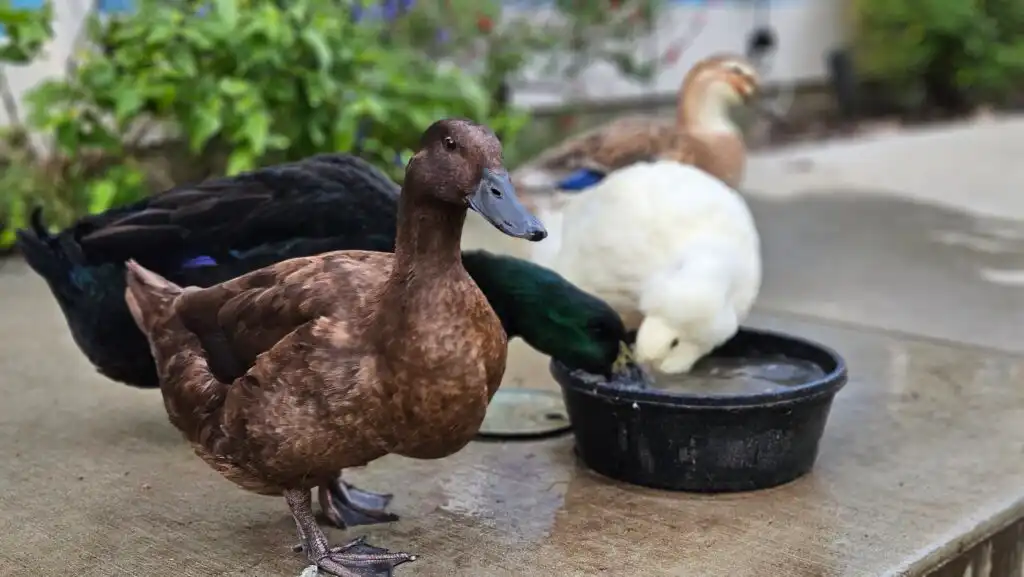
For me, this is what pet duck keeping is really about. The cleaning and daily chores are simply what make these wonderful moments together possible.
Evening: Dinner and Settling In for the Night
As the day winds down, it’s time for the flock to head back into their secure run and aviary. The exact timing depends on the season. During the winter, they’re usually back inside around 5:00 PM, while in the summer, when the days are much longer, they often stay out exploring until 7:00 PM or later.
Just like in the morning, everyone is greeted with another serving of duck soup. Fresh lettuce, cucumber, peas, corn, and other duck safe vegetables are mixed into water, giving the ducks one last opportunity to dabble, forage, and hydrate before settling in for the evening. Their waterfowl pellets and oyster shells remain available as well, so they can continue eating if they choose.
Over the years, the ducks have learned this routine well. As I bring dinner, most of them are already making their way toward the run, knowing exactly what’s coming next. There is very little coaxing needed anymore. Their daily schedule has become second nature.
After dinner, the flock gradually quiets down. Some ducks spend a few minutes preening, others take one last drink or splash in the water tubs before finding their favorite resting spot. As the evening progresses, the run becomes noticeably quieter, and the ducks begin settling in for the night.
This is also one final opportunity for me to observe everyone. By now, I know each duck’s normal evening routine, so it’s easy to notice if someone seems restless, unusually sleepy, reluctant to eat, or simply not acting like themselves. Those last few minutes together often provide valuable clues about how everyone is feeling before bedtime.
Duck Mom Tip: We meal prep several days of duck soup in advance and store individual portions in food-safe containers in the refrigerator. It turns feeding time into a two-minute job instead of chopping vegetables twice a day. My husband deserves most of the credit for keeping our ducks’ meal prep service running smoothly! 😊

Sunset: Muffin and Krümel Come Inside
As the sun begins to set, it’s time for the last transition of the day. While the rest of the flock settles into the duck house for the night, Muffin and Krümel have a slightly different routine.
Almost like clockwork, they let us know they’re ready to come inside. As soon as the sun starts going down, they head toward the door, quacking and patiently waiting for us. It’s become such a well-established routine that there’s no mistaking what they’re asking for.
Once inside, they spend the evening with us as part of the family. Both ducks wear duck diapers, which allows them to safely roam around the house while we’re relaxing, cooking dinner, or watching television. They’re curious little companions and enjoy following us from room to room, often settling down nearby for a nap or stopping by in hopes of earning an extra cuddle.\
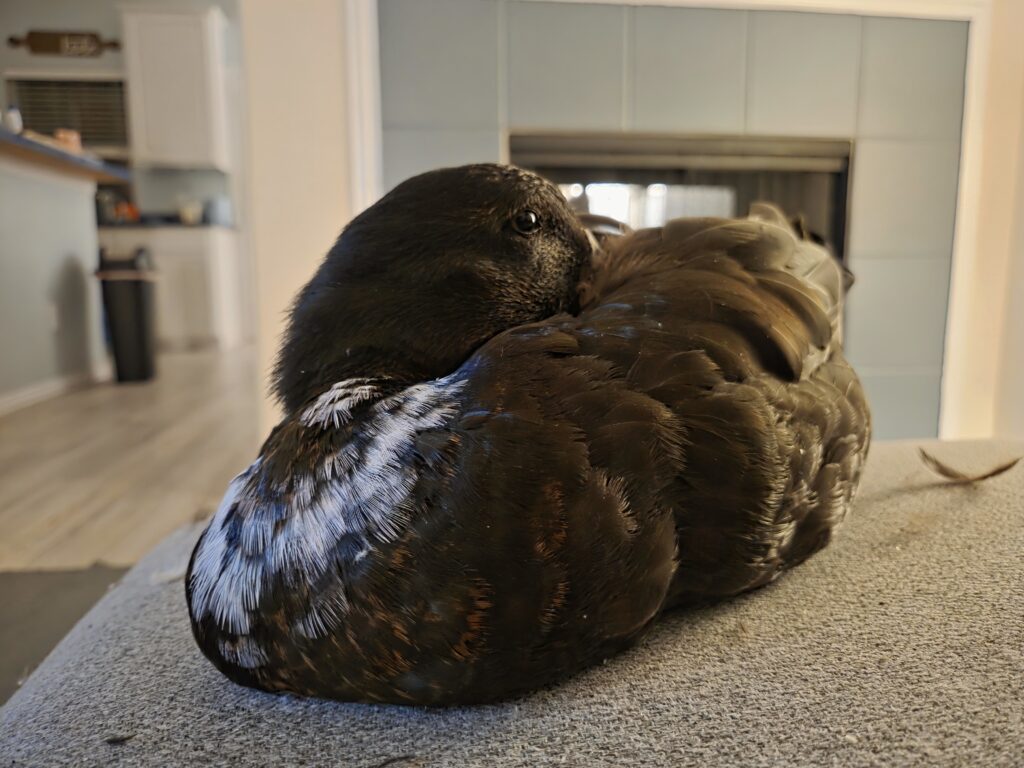
When it’s time for bed, Muffin and Krümel have their own dedicated indoor pen where they sleep each night. Having a consistent sleeping area gives them a safe, familiar place to rest while still allowing them to be part of our daily lives.
I know keeping house ducks isn’t the right choice for everyone, and it’s certainly not necessary to raise happy, healthy pet ducks. For us, though, this arrangement has worked wonderfully. It allows us to spend even more time with Muffin and Krümel, keep a close eye on their health, and enjoy the unique bond we’ve built with both of them.
9:00 PM: Bedtime for the Flock
Around 9:00 PM, it’s time for the rest of the flock to officially go to bed. By this point, they’re usually already relaxing inside their duck house, so bedtime is a calm and predictable part of the day.
I head outside one last time to make sure everyone is safely tucked inside. After counting heads and confirming that all four ducks are where they belong, I manually close the run chicken coop door for the night. While the automatic door opens every morning at 6:30 AM, I prefer closing it myself in the evening. It gives me one final opportunity to check on everyone before they settle in for the night.
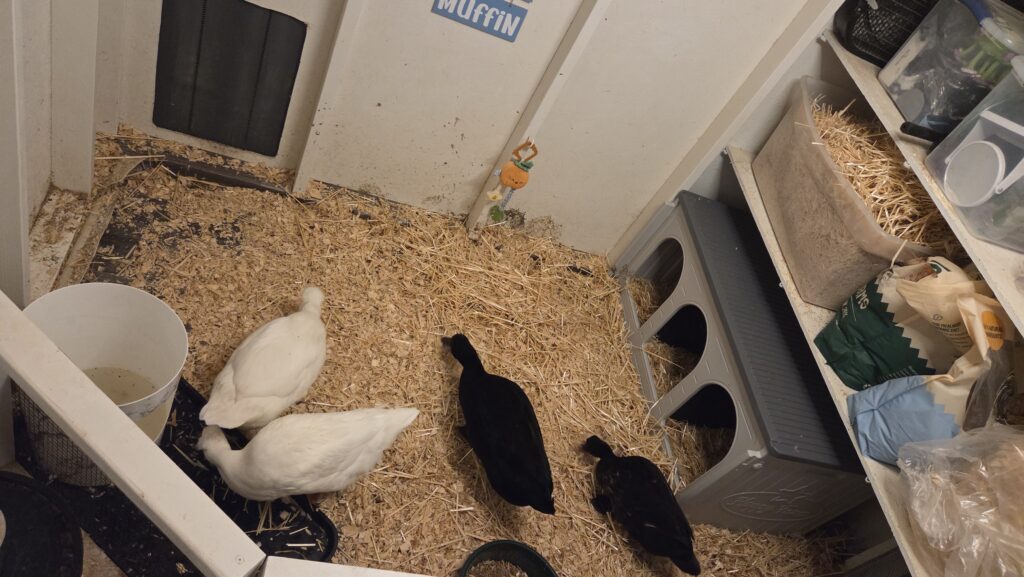
Before saying goodnight, the ducks receive a small bedtime snack. I also make sure they still have plenty of water and that their pellet feeder is topped off. Ducks should always have access to fresh water and food overnight. They often wake up during the night to drink, clean their bills and nostrils, or grab a quick bite to eat.
My final chore of the day is preparing everything for tomorrow morning. I give the run one last quick rinse, removing any droppings that accumulated during the evening. I also refill the water bowl that will be used for tomorrow morning’s duck soup, so everything is clean and ready to go when breakfast time arrives. Starting the next day with a fresh, clean setup makes the morning routine much smoother.
Finally, I say “Gute Nacht” to the flock before heading back inside. It may sound a little silly, but after years together, it’s become part of our nightly ritual. Knowing everyone is safe, comfortable, and settled for the night is the perfect way to end the day.
Then, just before I go to bed myself, I take one last look at the cameras. Seeing everyone peacefully asleep gives me peace of mind, and I know we’ll be ready to do it all again in the morning.
How Much Time Does Daily Duck Care Take?
One of the questions I hear most often is, “How much time do ducks require every day?“ The honest answer is that it depends on your setup, your flock size, and whether you’re simply meeting their basic needs or spending quality time with them.
For my flock, the essential daily chores usually take about 1 to 2 hours spread throughout the day. That includes feeding, cleaning the duck house and run, refreshing water, collecting eggs, and getting everyone settled for the night.
Here’s a rough breakdown of where that time goes:
| Task | Approximate Time |
|---|---|
| Morning feeding and health check | 5 to 10 minutes |
| Cleaning the duck house and run | 30 to 45 minutes |
| Refreshing water throughout the day | 15 to 20 minutes |
| Evening feeding and bedtime routine | 20 to 30 minutes |
| Total essential care | 1 to 2 hours/day |
Of course, that’s only the time spent on essential care. I also choose to spend at least an hour every evening with my ducks after work, and much longer on weekends. Watching them forage, gardening alongside them, cuddling with Muffin and Krümel, or simply sitting outside while they enjoy the yard isn’t a chore. It’s the part of duck keeping that I look forward to every day.
There are also days when the routine takes much longer. Deep cleaning the pool, caring for a sick duck, preparing for extreme weather, or making a veterinary visit can easily add several hours. Fortunately, those aren’t everyday events.
One thing I always tell people is this: duck keeping isn’t necessarily difficult, but it does require consistency. Ducks depend on us every single day, whether it’s a sunny Saturday, a busy Monday, or a holiday. If you’re prepared to make that commitment, the rewards far outweigh the work.
Weekly Duck Care Tasks
The daily routine keeps my ducks healthy and comfortable, but there are also a few larger chores that I tackle throughout the week. Most of these don’t take long, but staying on top of them helps prevent bigger problems down the road.
| Task | What I Do | Why It Matters |
|---|---|---|
| Deep-clean the duck house | Remove all bedding, scrub surfaces if needed, and add fresh bedding. | Keeps the house clean, dry, and reduces bacteria and odors. |
| Scrub water containers | Give all buckets, bowls, and bathing tubs a thorough scrub to remove biofilm and algae. | Fresh water is essential for healthy ducks. |
| Deep clean the pool | Drain the pool, remove debris, scrub the sides, and refill with fresh water. | Encourages swimming while reducing bacteria and algae buildup. |
| Inspect the run and fencing | Check hardware cloth, gates, locks, and the automatic coop door for any signs of wear or damage. | Helps keep predators out and prevents escapes. |
| Garden maintenance | Trim plants, harvest vegetables, and make sure only duck safe plants remain within reach. | Keeps the yard safe while providing natural enrichment. |
| Restock supplies | Refill bedding, duck feed, first aid supplies, and meal prep ingredients as needed. | Prevents running out of essentials unexpectedly. |
One thing I’ve learned over the years is that small, consistent maintenance is much easier than waiting until something becomes a big project. Spending a little extra time each week keeps daily chores manageable and helps ensure my ducks always have a clean, safe environment.
Some weeks also include unexpected tasks, like trimming nails, giving medication, cleaning a muddy duck after a particularly enthusiastic pool session, or making a trip to the veterinarian. Duck keeping is never completely predictable, but having a regular maintenance routine makes it much easier to handle those surprises when they come along.
How My Routine Changes Throughout the Year
While the overall rhythm of our day stays the same, the details change quite a bit with the seasons. Living in North Texas means preparing for both triple digit summer heat and the occasional winter storm. My ducks’ needs change with the weather, so my routine changes too.
| Summer ☀️ | Winter ❄️ |
|---|---|
| Fans run in both the duck house and the covered run to improve air circulation. | I add extra bedding to help insulate the duck house and keep everyone comfortable. |
| The misting system is turned on during hot afternoons to help cool the ducks. | Water containers may need de icing on freezing mornings. |
| Water is changed much more frequently because it heats up quickly and becomes dirty faster. | Ducks spend more time inside the duck house during cold or stormy weather, which means more cleaning is needed. |
| I add ice cubes to water buckets and make frozen treats to help keep the flock cool. | During severe winter storms, I use supplemental heat to keep the duck house at a safe temperature. |
| Electrolytes are occasionally added to their water during periods of extreme heat or prolonged heat waves. | I monitor weather forecasts closely and prepare for freezing temperatures before they arrive. |
| Yard time is scheduled around the heat, with plenty of shade breaks and frequent cooling opportunities. | Yard time may be shorter on particularly cold, windy, or icy days. |
| Water bowls, buckets, and tubs often need to be refilled several times a day. | Water consumption is generally lower, so water stays cleaner a bit longer. |
| I carefully watch for signs of heat stress, including open mouth breathing or prolonged panting. | I monitor feet for ice buildup and keep an eye out for signs of frostbite, although this is rare in our area. |
No matter the season, one thing never changes: my ducks always have access to fresh water, nutritious food, and a secure place to rest. The daily routine simply adapts to meet their needs as the weather changes.
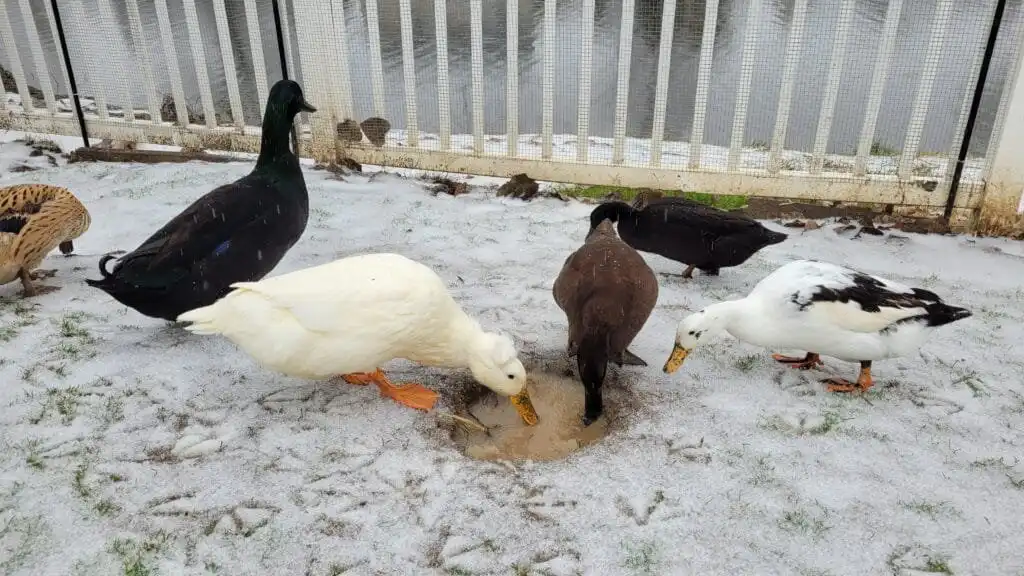
I’ve found that being proactive is much easier than reacting to a problem. Setting up fans before the first heat wave or adding extra bedding before a cold front arrives means my ducks stay comfortable without having to make last minute adjustments. A little preparation goes a long way toward keeping a flock healthy all year long.
Every Flock Has Its Own Routine
One thing I’ve learned over the years is that there is no single perfect daily routine for keeping ducks. Every flock is different, and your schedule should reflect your ducks’ needs, your climate, your housing, and your lifestyle.
My routine works well for our six pet ducks in North Texas, where we deal with intense summer heat, occasional winter storms, and plenty of predator pressure. Because my ducks are beloved pets, I choose to supervise all yard time, refresh their water frequently, and spend several hours with them every day. Someone with a larger flock on a farm may have a very different routine, and that’s perfectly okay.
Your daily schedule may also look different depending on:
- Your climate. Hot summers, cold winters, heavy rain, or snow all change how ducks are cared for.
- Your predator pressure. Ducks that free range in high-risk areas often require much closer supervision than those in large, predator-resistant aviaries.
- Your flock size. Caring for two ducks is naturally different from caring for twenty.
- Your housing. The size of your coop and run has a big impact on how often you need to clean and how much time your ducks can comfortably spend there. Our flock has a 12 × 12-foot predator-resistant run attached to an 8 × 8-foot shed. About half of the shed serves as the nighttime sleeping area for the four ducks that stay outside, while Muffin and Krümel sleep indoors with us. Having a spacious, well-designed setup makes daily cleaning much easier and gives the ducks plenty of room to move around when they aren’t enjoying supervised yard time.
- Your ducks’ age and health. Ducklings, senior ducks, molting ducks, or those recovering from illness often need additional care.
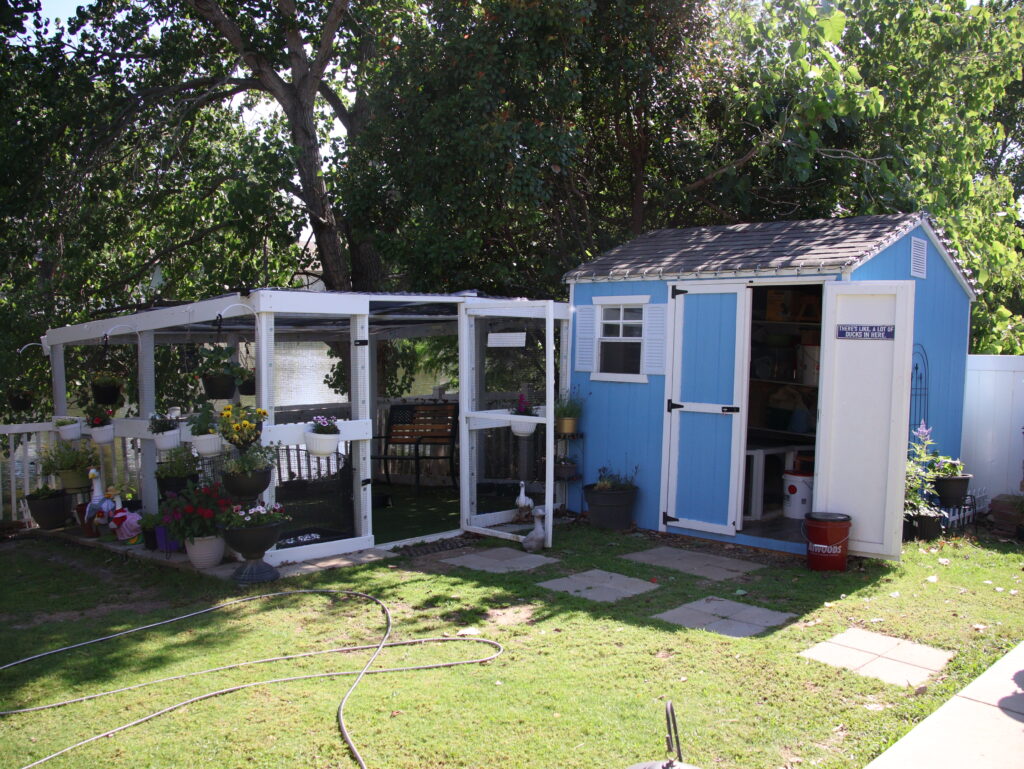
The important thing isn’t following someone else’s schedule exactly. It’s creating a routine that keeps your ducks healthy, safe, and happy while fitting realistically into your own daily life. Consistency matters far more than the exact time you complete each task.
As your flock grows or your setup changes, you’ll likely find yourself adjusting your routine. We’ve made plenty of changes over the years, from upgrading our duck house and expanding the run to improving drainage and switching to artificial turf. Every improvement has made our daily chores a little easier and given us more quality time to simply enjoy our ducks.
Even the Best Routine Gets Interrupted
As much as I love having a consistent routine, duck keeping has taught me to be flexible. Most days follow a familiar rhythm, but every now and then something unexpected changes all of my plans.
Sometimes it’s something simple, like spending an extra hour cleaning after a heavy rainstorm or refilling water buckets more often during a summer heat wave. Other times, it’s a duck that decides to go broody, starts molting, or needs medication for an injury or illness. Those days naturally require extra time and attention.
Then there are the moments you simply can’t plan for. A predator spotted nearby may mean ending yard time early. An approaching thunderstorm sends everyone back into the run sooner than expected. And occasionally, the flock panics over something completely harmless. One afternoon, all six of my ducks suddenly sprinted across the yard and dove into the pool as if they were escaping a predator. After a quick search, I discovered the terrifying threat: a loose balloon blowing across the yard.
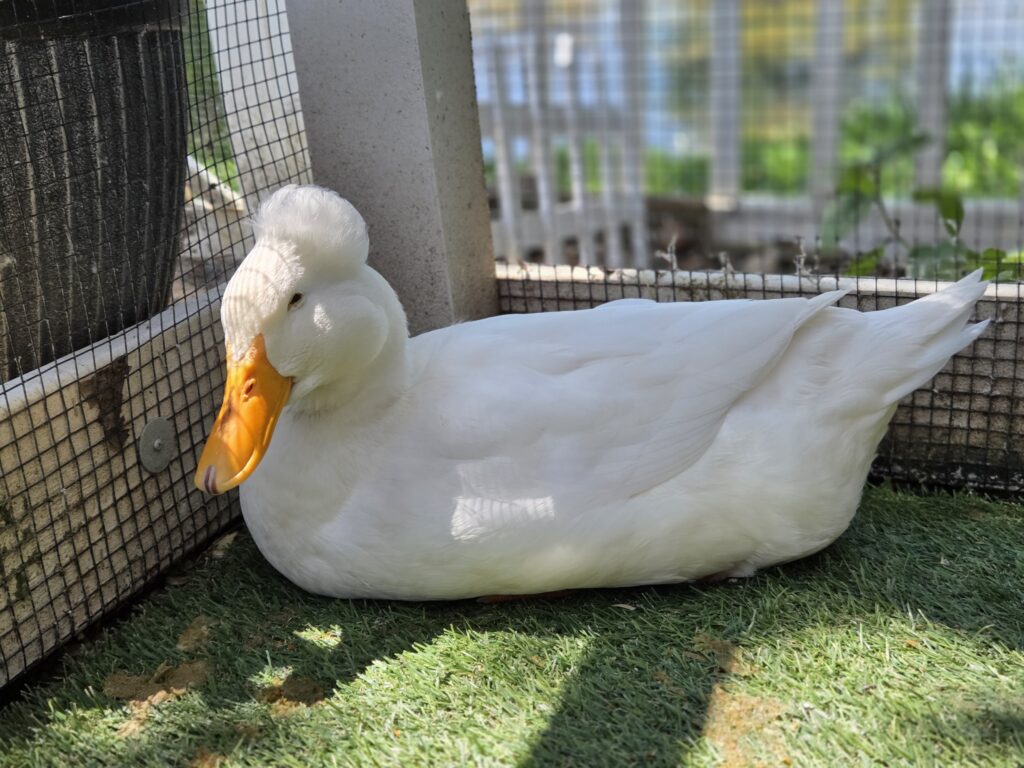
I’ve also learned that my routine changes whenever one of my ducks needs extra care. Recovering from surgery, administering medication, monitoring a soft-shelled egg, or simply spending more time observing a duck that isn’t acting quite right all become the priority. On those days, the schedule takes a back seat because the ducks always come first.
Rather than seeing these interruptions as inconveniences, I’ve come to accept them as part of responsible duck keeping. Ducks are living, curious animals, and no two days are ever exactly alike. A good routine provides structure, but it’s the flexibility to adapt when something changes that truly helps keep a flock healthy and safe.
In many ways, that’s one of the biggest lessons my ducks have taught me. The routine is important, but paying attention to what your ducks are telling you is even more important.
Frequently Asked Questions
How much time does it take to care for ducks every day?
For most pet duck owners, daily care takes 1 to 2 hours for feeding, cleaning, refreshing water, and health checks. The exact time depends on your flock size, housing, and weather. Beyond the essential chores, I also spend at least an hour each day simply enjoying time with my ducks.
Can ducks be left alone for a day?
I don’t recommend leaving ducks alone for an entire day. They need fresh water, food, health checks, and protection from predators every day. If you’re traveling, it’s best to have a trusted duck sitter or knowledgeable friend care for them.
How often should ducks be fed?
Adult ducks should have access to a balanced waterfowl feed throughout the day. My ducks always have pellets available, and I serve fresh duck soup with leafy greens and vegetables twice a day as enrichment.
Do ducks need fresh water every day?
Absolutely. In fact, they often need fresh water multiple times a day. Ducks use water for drinking, eating, cleaning their nostrils, and keeping their eyes healthy. Dirty water should be replaced as soon as possible.
How often should a duck coop be cleaned?
Spot cleaning should be done daily by removing droppings, wet bedding, and dirty water. A more thorough cleaning, including replacing all bedding and scrubbing surfaces as needed, should be done regularly depending on your setup and flock size.
Can ducks stay outside all day?
Yes, as long as they have access to shade, fresh water, and protection from predators. My ducks enjoy supervised yard time every day, but they always return to their secure predator-resistant run and duck house before nightfall.
What is the hardest part of keeping ducks?
For me, the biggest challenge isn’t the cleaning. It’s the commitment. Ducks rely on you every day, regardless of the weather, holidays, or how busy life becomes. They need consistent care throughout the year.
Does caring for ducks get easier over time?
Definitely. Once you establish a routine, most daily tasks become second nature. You also learn each duck’s personality and habits, making it much easier to recognize when something isn’t quite right.
Is duck keeping worth the daily work?
For me, without question. Ducks require time, effort, and dedication, but the companionship, laughter, and joy they bring into my life make every bucket of water and every minute spent cleaning worthwhile.
Is Duck Keeping Worth All the Work?
After reading through my daily routine, you might be thinking, “That’s a lot of work!” And honestly, you’re right.
Pet ducks are not low maintenance animals. They need fresh water every day, regular cleaning, a secure home, protection from predators, and someone who is willing to care for them every single day of the year. There are no weekends off, no sleeping in because it’s raining, and no skipping chores because you’re busy.
But if you asked me whether I would do it all again, my answer would be absolutely.
The daily chores eventually become second nature. Refilling water buckets, rinsing the run, preparing duck soup, and tucking everyone into bed no longer feel like work. They’re simply part of our family’s routine.
What never becomes ordinary are the little moments in between.
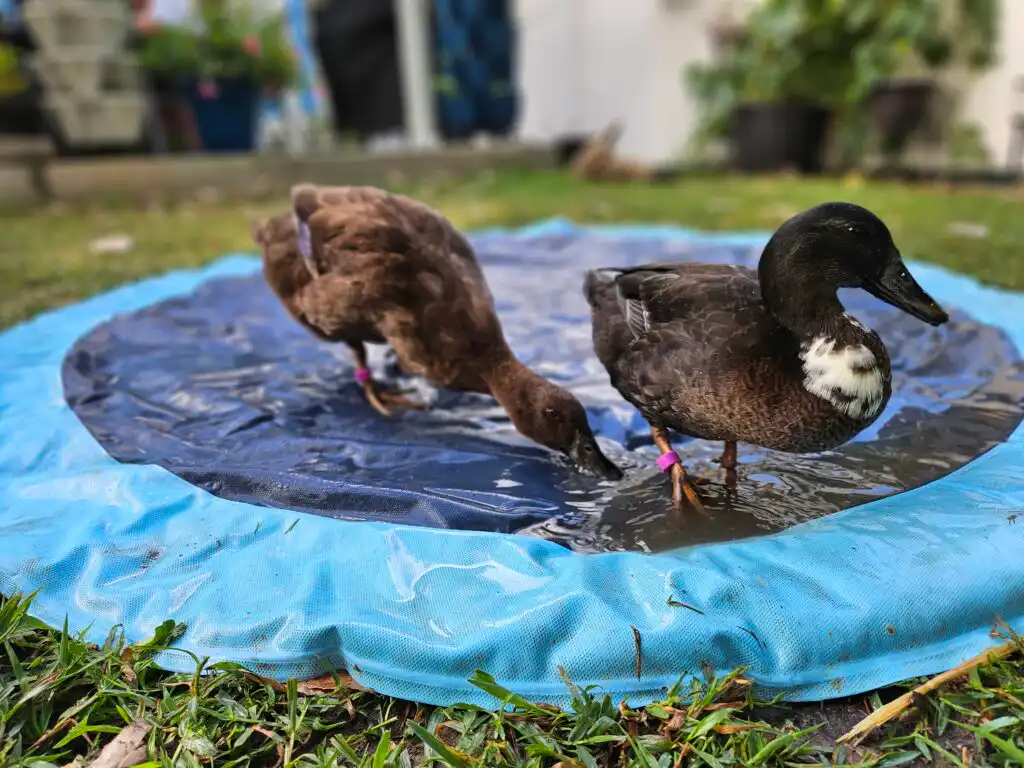
Watching Simon proudly waddle across the yard. Seeing Muffin race toward me because she thinks I have treats. Gardening while six curious ducks inspect every plant I touch. Laughing as they take turns splashing through the pool during their evening zoomies. Sitting quietly in the backyard while everyone forages, preens, or falls asleep in the grass around me.
Those are the moments that make every chore worthwhile.
Keeping ducks has also taught me patience, consistency, and the importance of slowing down. Ducks don’t care about busy schedules or emails waiting to be answered. They remind me to spend time outside, appreciate the changing seasons, and enjoy the simple joy of watching happy animals do what comes naturally.
I often tell people that I don’t spend time with my ducks because I have to. I spend time with them because I genuinely want to. The cleaning, feeding, and maintenance are simply how I repay them for all the happiness they bring into my life.
For me, duck keeping has never just been a hobby. It’s become part of who I am, and I wouldn’t trade it for anything.
Further Reading & Resources
- Our New Duck Shed: How We Built an 8×8 ft Shed and Turned It Into the Perfect Duck House
- How to Build a Predator-Resistent Duck Run: A Step-by-Step DIY Guide
- Creating the Perfect Home for Your Pet Ducks: Housing, Space, and Safety Tips
- How I Manage Water, Mud, and Duck Chaos Without Losing My Mind (Real-Life Setup That Actually Works)
- Why Ducks Suddenly Panic (And What They Might Be Trying to Tell You)
- Free-Ranging Ducks: The Pros and Cons of Letting Your Flock Roam Freely
- What I Wish I Knew Before Getting Ducks: 12 Things Every New Duck Owner Should Know
Is your habitat optimized for safety? Return to the Habitat Guide for more research on predator-proofing and sanctuary design.