
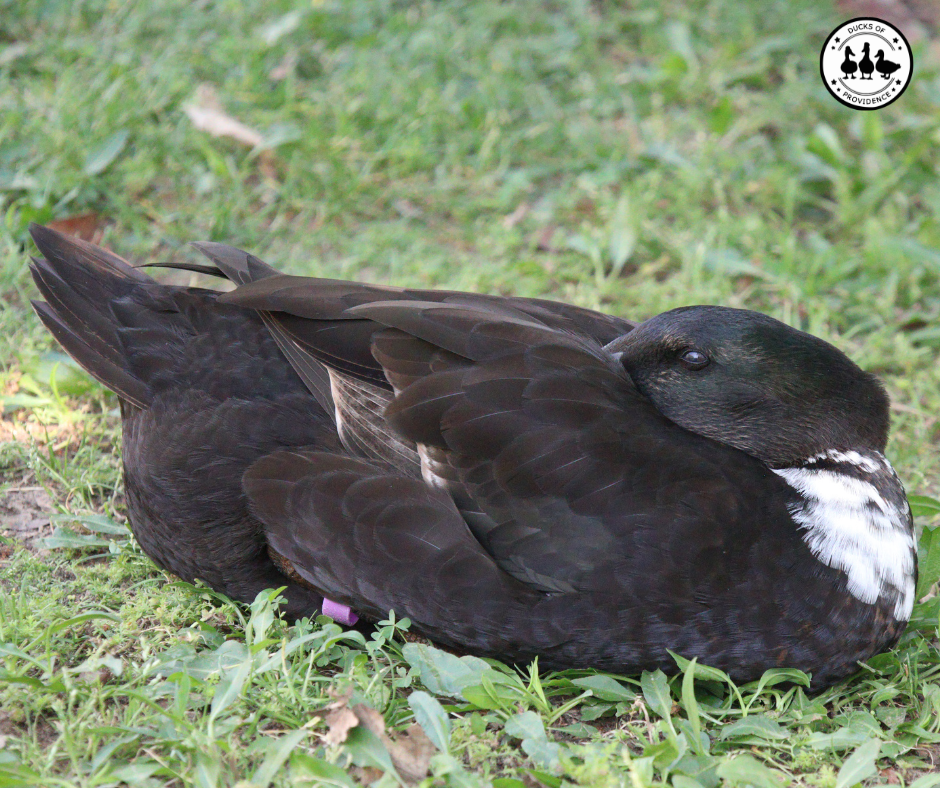
Why Is My Duck Sleeping All Day? Normal Tiredness or a Health Problem?

Last updated: June 30th, 2026
To keep our research-backed guides free, this site uses ads and affiliate links (earning a small commission at no cost to you). Everything here is created by a duck mom and PhD scientist, combining academic rigor with hands-on experience to provide practical, trustworthy advice for duck keepers everywhere. 🦆 Learn more
One of the most worrying things as a duck parent is walking outside and noticing your duck sleeping far more than usual. Maybe your normally busy, snack-loving duck is sitting in the corner with half-closed eyes, skipping flock activities, or simply seeming… off. If you are wondering, “Why is my duck sleeping all day?” you are not alone.
The good news is that extra sleep is not always a reason to panic. Ducks do rest more during hot weather, molting season, after laying eggs, or even after a stressful event. In my own flock here in North Texas, I often notice my ducks taking long afternoon naps during the hottest part of summer, especially after splashing around in the pool or laying an egg.
However, excessive sleeping can also be one of the earliest warning signs of illness or pain. Ducks are prey animals and are remarkably good at hiding when something is wrong. In fact, many sick ducks do not look obviously ill at first. Instead, they may simply sleep more, isolate themselves, move less, or seem unusually quiet.
Over the years, I have learned to trust subtle changes in behavior. A duck that suddenly feels too sleepy deserves a closer look. Sometimes it is nothing more than a tired duck enjoying a nap. Other times, acting quickly can make all the difference.
In this guide, we will walk through what is normal, what is not, common reasons ducks sleep more than usual, warning signs to watch for, and when it is time to call an avian vet.
Part of the Community & Behavior Hub, Exploring the social complexity and psychological needs of domestic ducks.
Quick Navigation: Jump to a Section
[hide]
- Quick Answer: Is It Normal for Ducks to Sleep More Sometimes?
- First Question: Is Your Duck Resting or Truly Lethargic?
- Common Harmless Reasons Ducks Sleep More Than Usual
- Medical Reasons Your Duck May Be Sleeping All Day
- What to Check Right Away If Your Duck Is Sleeping All Day
- When to Call an Avian Vet
- What I Watch for in My Own Flock
- Frequently Asked Questions About Ducks Sleeping All Day
- Sometimes Sleepiness Is the First Whisper That Something Is Wrong
- Further Reading & Resources
- References
Quick Answer: Is It Normal for Ducks to Sleep More Sometimes?
Sometimes, yes. But a duck sleeping all day is not something you should ignore.
Ducks naturally take naps during the day and may sleep more under certain circumstances. Hot weather, molting, laying eggs, aging, or recovering from stress can all make a duck seem more tired than usual. In many cases, a sleepy duck is simply conserving energy and will still act like themselves once they get up.
However, if your duck is sleeping far more than normal, acting withdrawn, skipping meals, or seeming unusually quiet, it may signal illness, pain, dehydration, reproductive problems, or another underlying issue. Ducks are prey animals and often hide symptoms until they are feeling quite unwell.
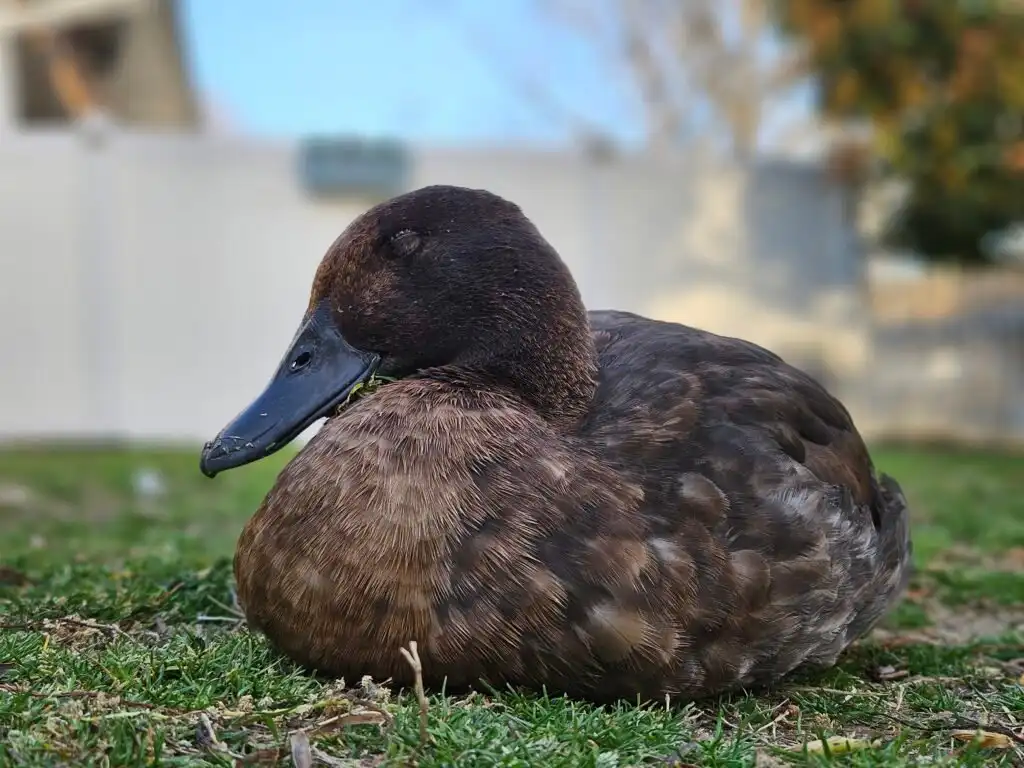
The biggest clue is whether your duck still behaves normally when awake.
A duck that is simply tired will usually:
- Wake up easily
- Get excited for treats
- Walk normally
- Interact with the flock
- Preen and groom themselves
- Eat and drink as usual
A duck that may be sick often:
- Sleeps for long periods
- Seems reluctant to move
- Ignores favorite foods
- Stays separate from the flock
- Has fluffed feathers or an unusual posture
- Shows changes in poop, breathing, or appetite
Here is the short version:
If your duck is taking a few extra naps but otherwise acting normal, it is often not an emergency. But if your duck suddenly seems off, sleeping excessively, or showing other unusual signs, it is worth paying close attention and contacting an avian vet if symptoms persist.
Duck Mom Tip: I always trust sudden behavior changes in my flock. A duck that is not acting like themselves often tells me more than any single symptom.
First Question: Is Your Duck Resting or Truly Lethargic?
Before assuming something is wrong, the first thing I ask myself is: Is my duck simply resting, or are they lethargic?
This distinction matters because ducks do sleep and nap during the day, especially after swimming, laying eggs, during hot weather, or while molting. A relaxed duck taking a midday snooze is completely normal. A lethargic duck, however, often appears unusually tired, weak, withdrawn, or simply off.
In my experience, one of the biggest clues is whether the duck still behaves like themselves once they wake up. A healthy duck may nap for a while, but they quickly perk up for snacks, flock drama, or anything remotely exciting. A duck that is unwell often stays quiet, inactive, and uninterested.
Here are some differences I watch for in my own flock:
| Normal Resting | Possible Lethargy |
|---|---|
| Takes short naps during the day | Sleeps for long periods or most of the day |
| Wakes easily when approached | Slow to respond or hard to rouse |
| Still excited for treats | Little or no interest in favorite foods |
| Preens feathers and stretches | Stops grooming or looks unkempt |
| Stays socially engaged with the flock | Isolates from other ducks |
| Walks normally after resting | Seems weak, stiff, or reluctant to move |
| Comfortable posture | Fluffed feathers, hunched body, tail pointed down |
| Normal poop and appetite | Changes in droppings, eating, or drinking |
One thing I have learned over the years is that a resting duck still acts like themselves. A lethargic duck often feels different in subtle ways. Maybe they stand with their tail drooping, spend more time alone, seem less enthusiastic about treats, or simply lose their usual spark.
Trust your instincts here. If you walk outside and immediately think, Something seems off, it is worth paying closer attention. Duck parents often notice problems before obvious symptoms appear.
Quick Check: Try offering your duck a favorite treat like mealworms, lettuce, peas, or cucumber. A duck that suddenly refuses favorite foods deserves a closer look.
Common Harmless Reasons Ducks Sleep More Than Usual
Not every sleepy duck is a sick duck. In fact, there are several completely normal reasons why your duck may suddenly seem more tired, nap more often, or spend extra time resting.
The key is to look at the whole picture. Is your duck still eating, drinking, socializing, and behaving normally when awake? If yes, there may be a harmless explanation.
Hot Weather and Heat Fatigue
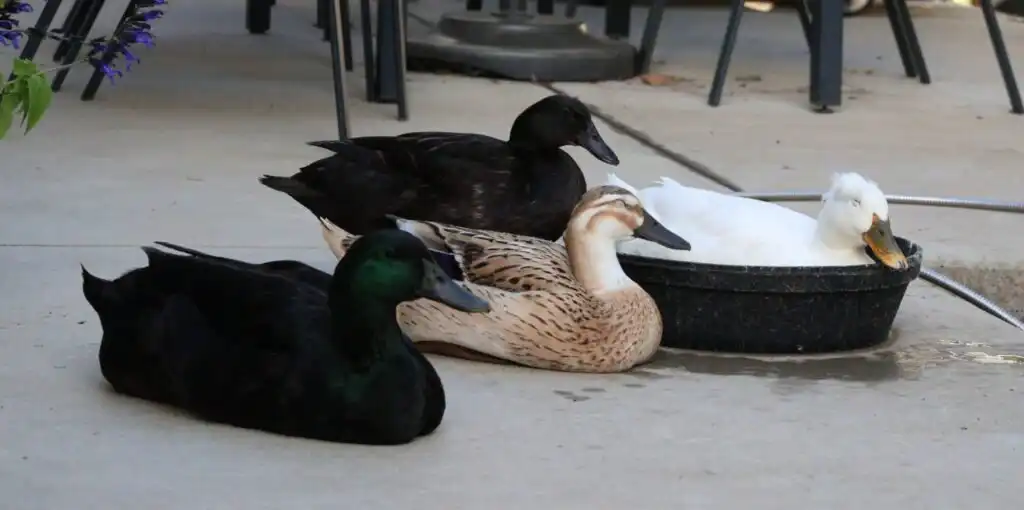
If you live somewhere hot like we do in North Texas, summer can dramatically change your ducks’ energy levels.
During very warm weather, especially during long stretches of 90°F to 100°F+ temperatures, my ducks become noticeably less active in the afternoon. Instead of running around the yard causing chaos, they often choose to rest in the shade, lounge near the pool, or simply nap through the hottest hours of the day.
This is actually a smart survival strategy. Ducks can struggle in extreme heat and naturally conserve energy to avoid overheating.
You may notice:
- More resting during midday
- Sleeping in shaded areas
- Less interest in running around
- More swimming or sitting in water
- Open mouth breathing during very hot weather
In my flock, I especially notice this after swimming or during those brutal Texas heat waves when even the humans do not want to move. As long as your duck perks up in the cooler morning or evening hours and is otherwise acting normal, extra naps in hot weather are often nothing to worry about.
Important: Heat stress can also become dangerous quickly. If your duck is excessively sleepy, weak, panting heavily, holding wings away from the body, or struggling to stand, this goes beyond normal tiredness.
Molting Can Be Exhausting
Molting is one of the most common reasons ducks suddenly seem tired.
Growing an entirely new set of feathers requires an enormous amount of energy. During a hard molt, many ducks become quieter, sleep more, and seem less interested in their usual activities. Some of my ducks almost seem mildly grumpy during molting season.
You may notice:
- Increased sleeping
- Less activity
- Feather loss everywhere
- Reduced interest in socializing
- Mild moodiness
Think of molt season as your duck putting most of their energy into “construction mode.” As long as they are still eating, drinking, and otherwise acting normal, extra sleep during molt is very common.
Egg Laying and Hormonal Changes
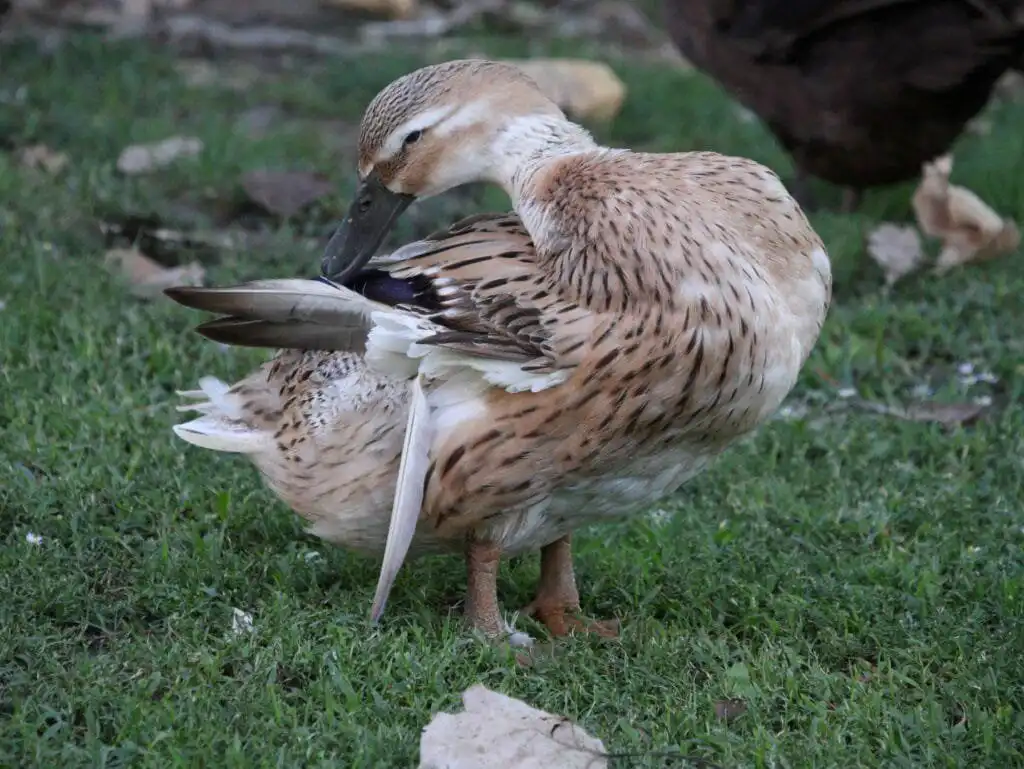
Female ducks, especially prolific layers, can become tired after laying eggs.
Egg production is physically demanding and requires tremendous energy, nutrients, and calcium. Some hens may spend extra time resting, especially after laying a large egg or during periods of frequent laying.
In my flock, I have definitely noticed some girls becoming quieter or wanting a little extra downtime after laying.
However, this is also where I become cautious. If a female duck seems overly sleepy, stands with a dropped tail, isolates herself, strains, or loses appetite, reproductive problems such as egg binding or internal laying should be considered.
Stress, Big Days, and Flock Drama
Ducks sometimes sleep more simply because they had a stressful or unusually exciting day.
Examples include:
- A predator scare
- New flock members
- Vet visits
- Travel
- Storms or fireworks
- Major changes in routine
I have learned that even silly things can completely throw ducks off. One day, my entire flock suddenly panicked and sprinted across the yard straight into the pool like their lives depended on it. The terrifying predator? A loose balloon floating through the yard. Ducks can be dramatic.
After stressful events, some ducks may rest more than usual while they settle back down.

Older Ducks Naturally Slow Down
Just like people, senior ducks often enjoy more naps and a slower pace of life.
As ducks age, it is completely normal for them to become a bit less energetic. They may spend more time resting, move more slowly, or choose lounging by the pool over zooming around the yard.
I definitely notice this in my own flock. Most of my ducks are now between 4 and 5 years old, while little Muffin is still the energetic youngster of the group. The difference is honestly pretty funny to watch. Muffin is constantly exploring, investigating, and getting into mischief, while the older ducks are much more likely to settle down for a comfortable afternoon nap or simply supervise the chaos from a shady spot.
That said, there is a difference between normal aging and sudden lethargy.
A gradual slowdown over time is usually expected. What concerns me is when an older duck suddenly changes behavior, becomes much sleepier than usual, loses interest in food, isolates from the flock, or simply seems unlike themselves.
With older ducks especially, I always pay attention to changes from their normal baseline. You know your duck better than anyone else, and sometimes subtle differences are the first clue that something is not right.
Medical Reasons Your Duck May Be Sleeping All Day
If your duck is suddenly sleeping much more than usual and seems quiet, withdrawn, or off, it is time to think beyond normal tiredness.
One of the hardest things about duck care is that ducks are incredibly good at hiding illness. As prey animals, they instinctively try not to look vulnerable. Often, by the time symptoms become obvious, they have already been feeling unwell for a while.
In many cases, excessive sleeping is not the main problem. It is a symptom that your duck is putting energy toward something else, whether that is fighting an infection, dealing with pain, recovering from stress, or struggling with an underlying health condition.
Here are some of the most common medical reasons I would consider if a duck suddenly starts sleeping all day:
Infection or Illness
Many illnesses cause ducks to become tired and sleep more than usual.
This may include:
- Respiratory infections
- Digestive illness
- Viral infections
- Bacterial infections
- Systemic inflammation
A sick duck often conserves energy by resting more.
Watch for other signs such as:
- Reduced appetite
- Changes in poop
- Runny eyes or nostrils
- Sneezing or breathing changes
- Fluffed feathers
- Isolation from the flock
Sometimes the change is subtle at first. A duck may simply seem quieter than normal or spend more time sitting before other symptoms become obvious.
Pain or Injury
Pain can make ducks surprisingly sleepy.
If a duck hurts their foot, strains a leg, develops bumblefoot, or experiences internal pain, they may rest far more than usual to avoid movement.
I always check for:
- Limping
- Reluctance to walk
- Swollen feet or joints
- Weight shifting
- Changes in posture
A duck that suddenly prefers lying down instead of waddling around deserves a closer look.
Reproductive Problems in Female Ducks
This is a big one for female ducks, especially active layers.
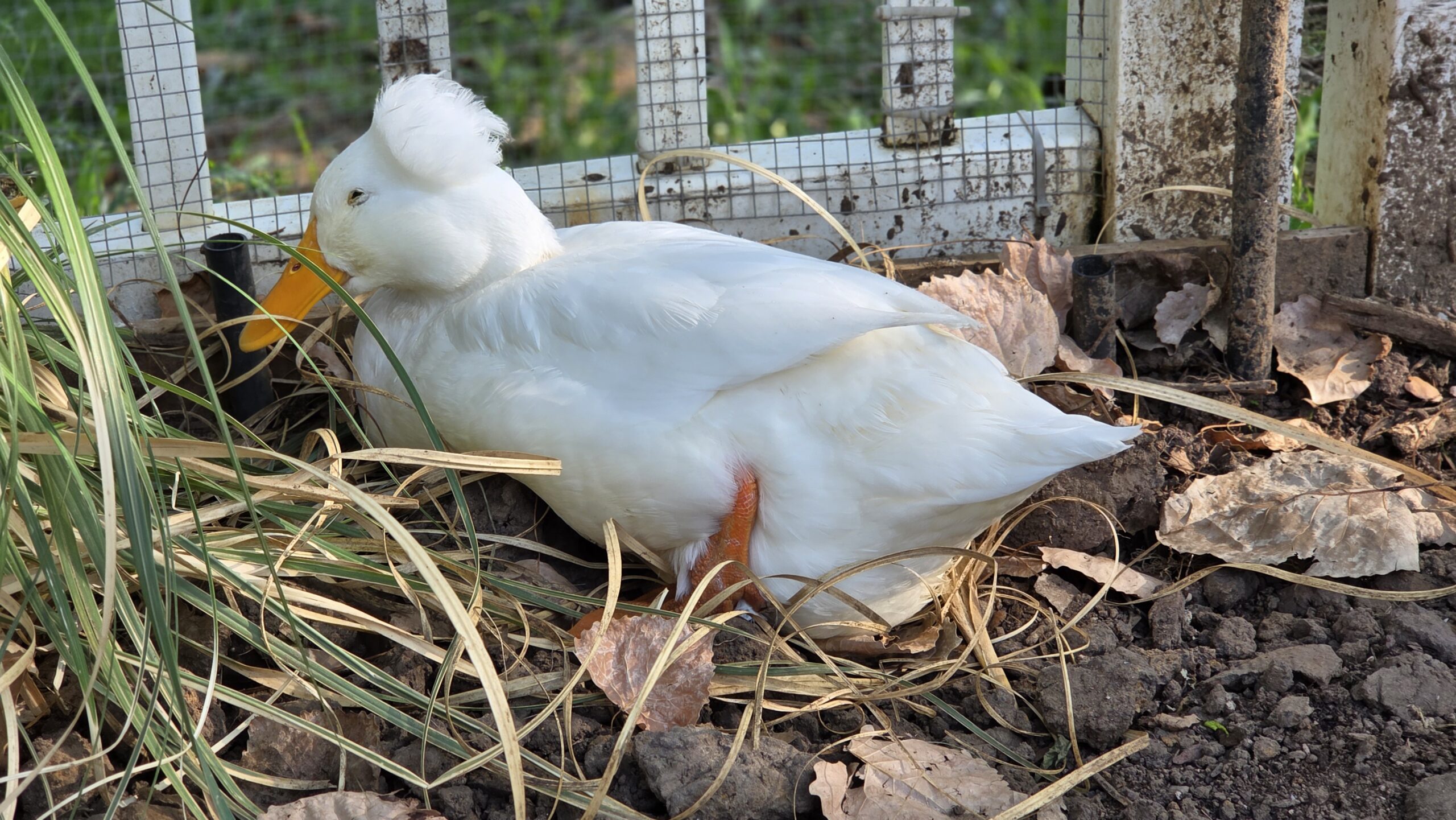
Reproductive issues often begin with very vague symptoms, and increased sleeping or lethargy is commonly one of the earliest signs.
Conditions such as:
- Egg binding
- Internal laying
- Egg yolk peritonitis (EYP)
- Salpingitis
- Chronic reproductive inflammation
can all make a duck seem unusually tired.
I have unfortunately experienced reproductive issues in my own flock, and one thing I have learned is that ducks often look only slightly off at first.
Things that immediately raise concern for me:
- Tail pointing downward
- Standing strangely or penguin-like posture
- Less appetite
- Spending more time alone
- Reduced activity
- Walking slowly
- Straining
- Abdominal swelling
Because reproductive problems can become emergencies quickly, I do not like to wait and see too long when I notice these signs.
Heat Stress or Dehydration
Ducks are waterfowl, and hydration matters more than many people realize.
In hot weather, ducks may become sleepy simply because they are exhausted from managing heat. However, overheating and dehydration can become dangerous quickly.
Signs that concern me include:
- Excessive sleeping in heat
- Open mouth breathing that does not improve
- Weakness
- Holding wings away from the body
- Reduced drinking
- Pale appearance
- Trouble standing
One thing I have learned from my vet over the years is that ducks can become dehydrated surprisingly quickly if water access is limited, especially during summer.
Parasites or Nutritional Problems
Internal parasites or nutritional imbalances can leave ducks feeling weak and tired.
Depending on the issue, you may notice:
- Weight loss
- Pale bills or feet
- Poor feather quality
- Loose poop
- Reduced appetite
- General weakness
This tends to happen more gradually, but it can absolutely make a duck seem sleepy or less energetic.
Metal Toxicity
This one hits close to home for us.
Our duck Krümel experienced high zinc levels, something we discovered through bloodwork after she developed health problems. The frustrating part was that X rays never showed an obvious metal object, and she did not even show the classic signs people often expect.
Instead, she just seemed off.
Metal toxicity can cause:
- Lethargy
- Weakness
- Digestive problems
- Neurological signs
- Appetite changes
- Increased sleeping
Unfortunately, ducks are curious little vacuum cleaners and may ingest things they should not.
Toxic Plants, Chemicals, or Moldy Feed
Exposure to toxins can also make ducks suddenly sleepy.
Possible culprits include:
- Moldy food
- Pesticides
- Fertilizers
- Toxic plants
- Contaminated water
- Household chemicals
If multiple ducks suddenly seem sleepy at the same time, I immediately start thinking about environmental causes.
Duck Mom Tip: If your duck suddenly begins sleeping all day and you cannot explain why, do not ignore it. Even if symptoms seem mild, ducks often decline quickly once they stop hiding illness.
What to Check Right Away If Your Duck Is Sleeping All Day
If one of my ducks suddenly seems unusually sleepy, I try not to panic, but I also do not ignore it. Before rushing to worst-case scenarios, I do a quick duck health check to look for clues.
Often, several small changes together tell a much bigger story.
Here are the first things I would check:
| What to Check | What to Look For | Why It Matters |
|---|---|---|
| Appetite | Still excited for favorite treats? Eating normally? | Loss of appetite is often one of the first signs of illness |
| Water Intake | Drinking as usual? Interested in water? | Ducks can dehydrate quickly, especially in hot weather |
| Energy Level | Gets up when approached? Still waddles around? | Helps distinguish normal resting from lethargy |
| Posture | Fluffed feathers, hunched body, tail down, unusual stance | Pain and illness often change body posture |
| Breathing | Open mouth breathing, tail bobbing, wheezing | Can point to respiratory issues or heat stress |
| Poop | Changes in color, consistency, amount, or frequency | Droppings often reveal internal problems |
| Walking and Balance | Limping, weakness, wobbling | May signal pain, injury, neurological issues, or toxicity |
| Crop and Belly Area | Swelling, tenderness, enlarged abdomen | Important for reproductive or digestive problems |
| Flock Behavior | Isolating or getting picked on? | Ducks often separate themselves when sick |
One thing I have learned over the years is that appetite tells me a lot. Even my dramatic ducks usually come running for mealworms, lettuce, peas, or cucumber. A duck that suddenly turns down favorite foods immediately gets my attention.
I also pay close attention to posture. A duck that stands hunched, looks puffed up, keeps their tail pointed downward, or just looks uncomfortable often needs closer monitoring.
If possible, spend a few minutes quietly watching your duck. Sometimes you notice things you would otherwise miss, like slight limping, heavy breathing, reduced interest in flock activities, or repeated dozing.
A Quick Rule I Follow
If my duck is:
- Sleeping much more than normal
- Not acting like themselves
- Eating less or refusing treats
- Showing any additional symptoms
I move into close monitoring mode and start considering whether an avian vet visit is needed.
Sometimes it turns out to be nothing serious. But in my experience, catching problems early gives ducks the best chance of recovery.
When to Call an Avian Vet
One of the hardest parts of duck keeping is knowing when to monitor and when to act. Ducks are masters at hiding illness, which means waiting too long can sometimes turn a manageable problem into an emergency.
I always remind fellow duck parents: a duck sleeping all day is not automatically an emergency, but it should never be ignored either.
If your duck simply seems a little tired during molt, after laying an egg, or during a heat wave but is still eating, drinking, and behaving normally, careful observation is often reasonable.
However, there are situations where I would call an avian vet sooner rather than later.
Call an Avian Vet If Your Duck Is:
| Symptom | Why It Matters |
|---|---|
| Sleeping excessively for more than 24 hours | Persistent lethargy often signals illness |
| Refusing food or favorite treats | Appetite loss is a major warning sign |
| Drinking very little | Dehydration can become serious quickly |
| Breathing abnormally | Tail bobbing, wheezing, or struggling to breathe require attention |
| Standing strangely | Tail down, hunched posture, penguin stance may indicate pain or reproductive issues |
| Isolating from the flock | Ducks often withdraw when sick |
| Limping or unable to walk normally | Could signal pain, injury, infection, or toxicity |
| Straining or having abdominal swelling | May indicate reproductive emergencies |
| Showing neurological signs | Weakness, wobbling, tremors, head tilting, or coordination changes should be evaluated quickly |
| Rapidly worsening | Ducks can decline surprisingly fast |
For female ducks, I tend to have an even lower threshold for concern, especially during laying season. Reproductive problems can look deceptively subtle at first. A duck that simply seems tired, quieter than usual, or spends more time sitting may actually be dealing with something serious internally.
I also trust my instincts.
Looking back at Hertha, I wish I had trusted mine sooner. She just seemed off. Quieter, more tired, less interested in food. It happened over a long holiday weekend, and no vet was available. I kept monitoring and hoped things would improve, but she gradually worsened. By Monday, when the vet finally opened, and we got an appointment, it was too late. She passed away before we could even get there.
That experience changed how I approach subtle symptoms in my flock. I no longer dismiss unusual sleepiness or behavior changes as probably nothing. Sometimes ducks whisper that something is wrong before they ever scream it.
Duck Mom Tip: If you are debating whether your duck needs the vet, call anyway. Even a quick phone conversation can help you decide whether monitoring at home is appropriate or whether your duck should be seen urgently.
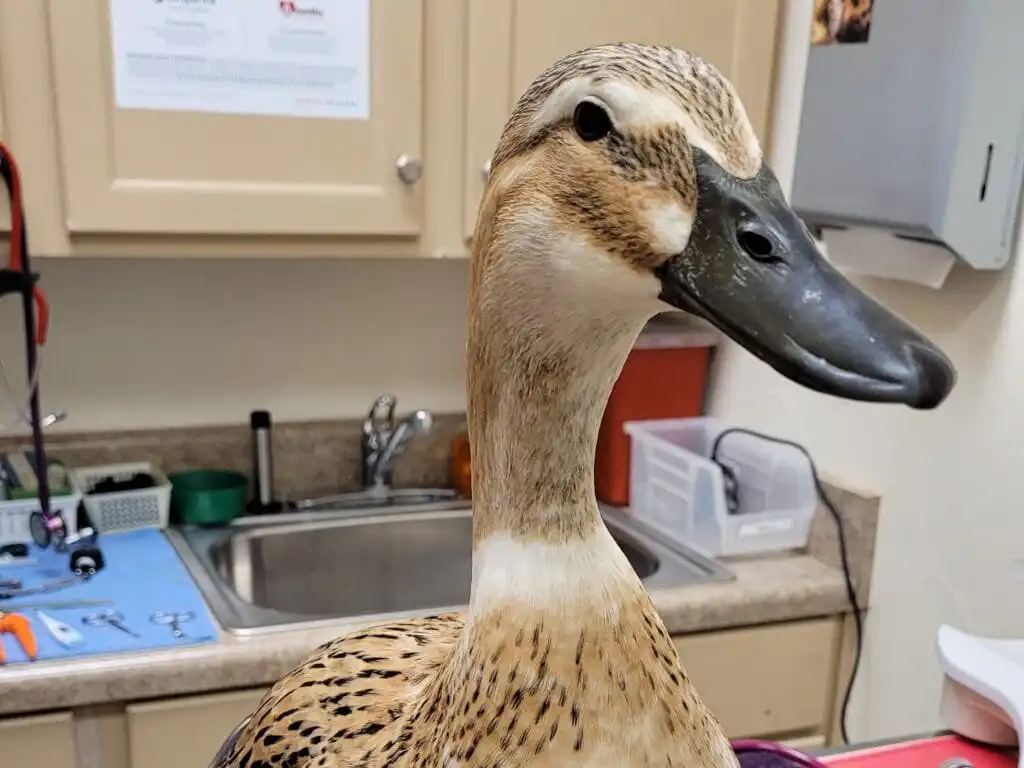
Need an avian vet? The Association of Avian Veterinarians offers a veterinarian finder that can help locate bird experienced vets in your area. Visit Association of Avian Veterinarians Vet Finder.

What I Watch for in My Own Flock
After years of keeping ducks, I have learned that I rarely notice illness because of one dramatic symptom. More often, it starts with a feeling that something is slightly off.
Maybe one duck does not come running for treats. Maybe they sit a little longer than usual. Maybe they are still participating in flock activities, but with less enthusiasm. Those subtle changes are often what catch my attention first.
Over time, I have learned each duck’s normal personality and energy level.
Muffin, for example, is still the little whirlwind of the flock. She is curious, active, and always involved in whatever chaos is happening. The older ducks, now around 4 to 5 years old, naturally rest more and enjoy slower afternoons. That difference is completely normal because it matches their personalities and age.
What concerns me is change.
If Emma suddenly skips treats, if Simon seems unusually quiet, or if Krümel spends more time resting than usual, I pay attention.
Here are some of the subtle things I personally watch for:
| Behavior Change | What It May Signal |
|---|---|
| Less excitement for treats | Illness, pain, reproductive issues |
| Sleeping more than usual | Fatigue, heat, illness, discomfort |
| Isolating from the flock | Stress, sickness, pain |
| Tail pointed downward | Often a red flag, especially in hens |
| Sitting more than normal | Pain, weakness, reproductive problems |
| Reduced swimming or foraging | Low energy or discomfort |
| Looking off | Sometimes the earliest clue something is wrong |
One lesson I learned the hard way came from Hertha. Before she passed, there was no dramatic emergency at first. She simply seemed quieter, more tired, and less interested in food. Looking back, I can see the warning signs more clearly now. That experience changed how seriously I take subtle behavior changes in my flock.
I know it sounds vague, but trust your gut. If you know your duck well and something feels different, there is often a reason. Duck parents notice the little things before obvious symptoms appear, and those observations can make a huge difference.
Sometimes Off Is the Symptom
One thing my avian vet has reinforced over the years is that owners often say the same thing when a duck is sick:
“I cannot explain it. They just are not acting like themselves.”
Honestly, that instinct matters. You know your duck’s normal routines, habits, and personality better than anyone else. If something suddenly changes, it deserves attention.
Frequently Asked Questions About Ducks Sleeping All Day
Is it normal for ducks to sleep during the day?
Yes, ducks naturally take naps during the day. Many ducks rest more during the hottest hours, after swimming, while molting, or after laying eggs. A healthy duck will still wake up easily, eat, socialize, and behave normally when awake.
How can I tell if my duck is lethargic or just resting?
A resting duck still acts like themselves. They wake up for treats, interact with the flock, and move normally. A lethargic duck often sleeps excessively, seems slow to respond, isolates from the flock, refuses food, or looks off in posture or behavior.
Why is my duck suddenly sleeping more than usual?
Sudden extra sleeping can happen for harmless reasons like heat, molting, stress, aging, or egg laying. However, illness, pain, dehydration, reproductive problems, parasites, or metal toxicity can also cause unusual sleepiness. If the change feels sudden or dramatic, monitor closely.
Do ducks sleep more in hot weather?
Absolutely. During hot weather, ducks often become less active and rest more to conserve energy and avoid overheating. In my North Texas flock, summer afternoons are usually much quieter, with lots of pool lounging and shade naps. However, excessive weakness or heavy panting can signal dangerous heat stress.
Should I separate a duck that is sleeping all day?
Not always. If your duck is simply resting but otherwise acting normal, separation is usually unnecessary. However, if your duck seems sick, weak, is being bullied, or needs close monitoring of food, poop, and behavior, a temporary indoor setup or duck ICU can be helpful.
Can older ducks sleep more?
Yes. Older ducks naturally slow down and may nap more often. In my flock, the ducks around 4 to 5 years old definitely enjoy more relaxing afternoons compared to hyper little Muffin. The important thing is watching for sudden changes, not gradual aging.
Sometimes Sleepiness Is the First Whisper That Something Is Wrong
Seeing your duck sleep more than usual can feel unsettling, especially when you cannot immediately tell whether it is normal tiredness or something more serious.
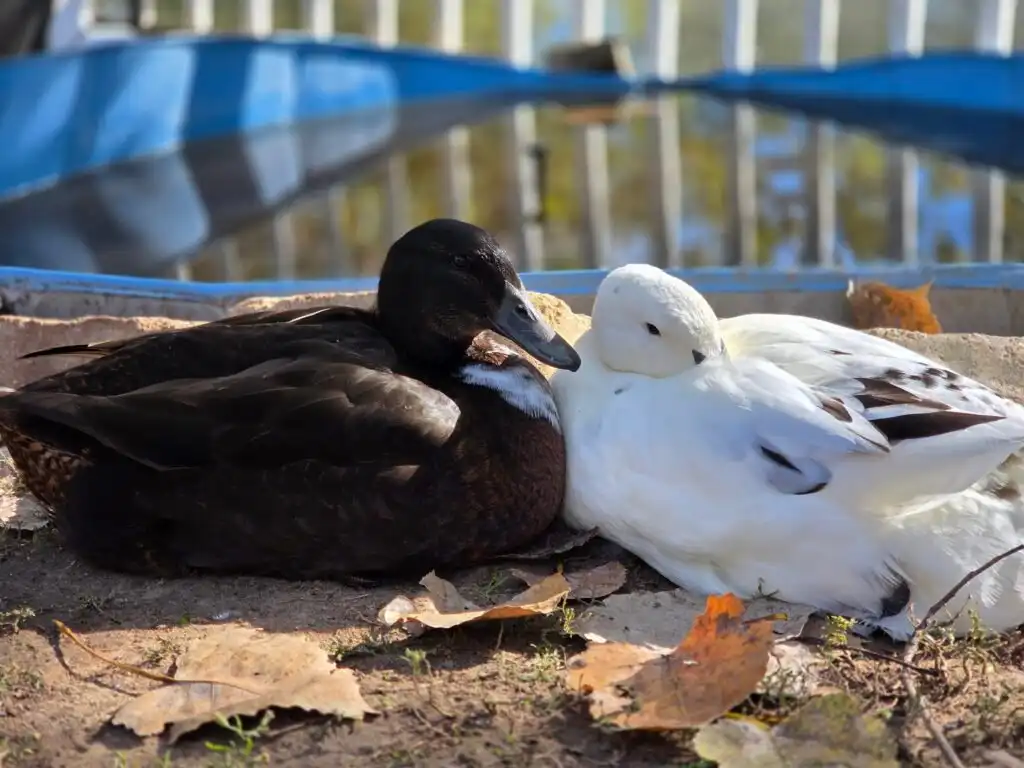
The truth is, sometimes a sleepy duck is simply being a duck. Hot weather, molting, egg laying, aging, or even a stressful day can all lead to extra naps and quieter behavior. In those situations, your duck will usually still seem like themselves once they get up. They will eat, drink, socialize, preen, and continue their normal duck routines.
But sometimes, excessive sleeping is the first subtle sign that something is wrong.
Over the years with my flock, I have learned that ducks rarely make illness obvious in the beginning. More often, it starts quietly. A duck rests more. Skips a favorite snack. Sits apart from the flock. Seems just a little less enthusiastic than usual. Those small shifts matter.
You do not need to panic every time your duck takes a long nap. But you also should not ignore sudden behavior changes, especially if your duck seems unusually tired, withdrawn, or simply unlike themselves.
In my experience, one of the most important skills in duck keeping is learning your ducks’ normal rhythms. Once you know what is typical for your flock, unusual changes become easier to spot.
And sometimes, noticing those quiet warning signs early can make all the difference.
Next Step: If your duck seems sleepy and you are unsure whether something is wrong, start with a quick health check, monitor appetite and behavior closely, and never hesitate to contact an avian vet if your gut tells you something feels off. It is always better to check early than wish you had later.
Further Reading & Resources
- When to Take a Duck to the Vet (My Real-Life Checklist)
- How Ducks Sleep: Brain Hemispheres, Posture, and Safety
- Duck Diagnostic Chart: Vital Signs, Tests, and What Your Duck’s Poop Is Telling You
- 16 Common Duck Health Conditions You Should Know About
- Duck Ears: The Hidden Anatomy Behind a Duck’s Amazing Hearing
- Duck Anatomy: A Complete Guide for Pet Owners
Connect deeper with your flock. Discover more about duck psychology and social dynamics in the Community & Behavior Hub.
References