
How I Manage Water, Mud, and Duck Chaos Without Losing My Mind (Real-Life Setup That Actually Works)

Last updated: June 30th, 2026
To keep our research-backed guides free, this site uses ads and affiliate links (earning a small commission at no cost to you). Everything here is created by a duck mom and PhD scientist, combining academic rigor with hands-on experience to provide practical, trustworthy advice for duck keepers everywhere. 🦆 Learn more
If you have ducks, you already know one universal truth: where there is water, there will be mud. And chaos. Lots of chaos.
Before I had ducks, I imagined a cute backyard setup with happy little waddling companions splashing around peacefully. Reality? Wet bedding, muddy footprints, dumped water bowls, mysteriously filthy pools, and ducks that somehow manage to turn a clean area into a disaster zone in record time.
And honestly? That is completely normal.
Ducks are naturally messy animals. They love splashing, dabbling, washing their food, digging through wet spots, and turning even small amounts of water into what can feel like a full backyard renovation project. While you cannot completely eliminate the mess, you can make it much easier to manage.
Over the years with my own flock, I have learned that the secret is not trying to fight the chaos. It is about creating systems that work with duck behavior instead of against it. After plenty of trial and error, muddy shoes, and a few what have I gotten myself into? moments, I finally found a setup that works well for us.
Today, our ducks have a secure run with artificial turf to reduce mud, multiple water stations for drinking and bill cleaning, a large swimming pool outside the run, and even a simple nighttime water system that keeps bedding from becoming a soaked mess by morning.
Is our setup perfect? Absolutely not. Ducks are still ducks. But it is practical, easier to clean, healthier for their feet, and most importantly, manageable for everyday life.
In this post, I will walk you through exactly how I manage water, mud, and daily duck chaos without losing my mind, what worked for us, what did not, and the small changes that made the biggest difference.
Part of the Housing & Environment Hub, Engineering safe, bio-appropriate habitats for backyard flocks.
Quick Navigation: Jump to a Section
[hide]
- Why Ducks Create So Much Water and Mud Chaos
- My Philosophy: Manage the Chaos, Don’t Fight It
- Our Duck Run Setup
- Why I Switched to Artificial Turf (After Trying Almost Everything Else)
- Our Main Swimming Pool Setup
- Water Inside the Run: Bowls, Buckets, and Troughs
- My Nighttime Water Setup (Simple but Surprisingly Effective)
- Mud Prevention Tips That Actually Help
- Things That Did Not Work for Us (Or Did Not Work Long-Term)
- FAQ: Water, Mud, and Duck Run Setup
- Final Thoughts: You Do Not Need Perfect, Just Manageable
- Further Reading & Resources
Why Ducks Create So Much Water and Mud Chaos
I think one of the biggest surprises for new duck parents is just how much mess ducks can create from such a small amount of water. If you are coming from chickens or other backyard pets, duck mess can feel like an entirely different level of chaos.
The truth is, ducks are not being messy on purpose. They are simply doing exactly what ducks are designed to do.
Unlike chickens, ducks are waterfowl, and water is a major part of their everyday health, comfort, and natural behavior. They do not just drink water. They interact with it constantly.
Here are a few reasons ducks turn ordinary spaces into muddy splash zones:
They Wash Everything in Water
Ducks love to wash food while eating. If you have ever watched a duck take a bite of food and immediately dunk its bill into water, you have seen this behavior firsthand.
They use water to:
- Clean their bills
- Wash food before swallowing
- Clear their nostrils
- Rinse their eyes
- Help swallow dry feed safely
This is one reason ducks should always have access to water deep enough to dunk their entire bill and nostrils.
Unfortunately, this also means they have a talent for turning clean water into soup within minutes.
They Splash… A Lot
Even ducks without a pond or large pool will splash enthusiastically in bowls, buckets, and troughs.
What starts as a clean water container often ends with:
- Water flung across the ground
- Bedding soaked underneath
- Muddy areas forming around drinking stations
- Feed somehow ending up everywhere
My ducks seem especially talented at turning freshly cleaned areas into complete chaos before I even finish my coffee.
They Love Digging and Dabbling
Ducks naturally dabble and forage in wet ground. They poke their bills into mud, search for bugs, sift through water, and investigate every damp patch they can find.
While this behavior is completely natural and enriching, it also means that wet soil quickly becomes muddy soil.
In rainy weather or around pools, things can get messy fast.
Ducks Poop… Constantly
Let us just be honest here.
And because they drink and splash so frequently, wet poop plus wet ground equals mud very quickly. High traffic areas, especially near water stations, can become swampy surprisingly fast if you do not have a good setup.
Climate Matters Too
Where you live makes a huge difference.
Living in North Texas, we deal with periods of heavy rain, intense heat, and clay-heavy soil that loves holding onto moisture. What works in a dry climate may not work in wetter regions, and vice versa.
That is one reason why I eventually moved toward artificial turf and keeping the main pool outside the run, which made a huge difference for us.
Duck parent reality check: A perfectly clean duck setup probably does not exist. The goal is not spotless. The goal is to create a space that stays healthy, safe, and manageable for both you and your flock.
The good news? Once you understand why ducks create so much mess, it becomes much easier to design a setup that works with their natural behavior instead of constantly fighting against it.
My Philosophy: Manage the Chaos, Don’t Fight It
I will be honest: in the beginning, I spent way too much time trying to create the perfect duck setup.
I wanted things to stay clean. I wanted neat water stations, tidy ground, and minimal mud. I quickly learned that ducks had very different plans.
At some point, I realized something important: duck keeping became much less stressful when I stopped trying to fight natural duck behavior and started designing around it instead.
Because here is the reality: ducks are going to splash. They are going to make mud. They are going to fling water into places that somehow defy physics. No matter how organized your setup is, they will still find creative ways to make a mess.
And honestly? That is part of being a duck.
Instead of chasing perfection, I started focusing on one simple question: How can I make this easier to manage?
That mindset completely changed how I approached our setup.
Rather than trying to eliminate mess, I focused on creating systems that:
| Goal | What That Looks Like in Real Life |
|---|---|
| Reduce mud | Better drainage and flooring |
| Protect duck feet | Softer surfaces and fewer constantly wet areas |
| Make cleaning easier | Setups that can be hosed down or drained quickly |
| Keep water accessible | Multiple safe drinking and dabbling stations |
| Support natural behaviors | Space for splashing, foraging, and swimming |
| Fit my routine realistically | Something manageable long term |
This is especially important because the best duck setup is the one you can realistically maintain every day.
Sometimes we see beautiful duck enclosures online that look spotless and Pinterest-perfect. But if a setup takes hours every day to maintain, it may not be sustainable in real life.
Over time, I found a system that works well for us:
- Artificial turf in the run to reduce mud and protect feet
- A large swimming pool outside the run to keep splash zones more contained
- Buckets, bowls, and troughs inside the enclosure for drinking and bill cleaning
- A nighttime water station that keeps bedding drier overnight
- Simple adjustments that make cleaning much easier
Do my ducks still find ways to create chaos? Absolutely.
Emma somehow still manages to splash water exactly where I do not want it. Schnatterinchen treats every puddle like a personal adventure. And somehow there is always at least one water bowl that looks like someone intentionally turned it into mud soup.
But our setup feels manageable now. And that made duck keeping much more enjoyable.
Because in my experience, the goal is not perfection.
The goal is creating a setup where your ducks can be ducks without completely overwhelming you in the process.
Our Duck Run Setup
Over the years, our duck setup has changed quite a bit through trial and error. Some ideas worked wonderfully. Others… not so much.
What we have now is a system that works well for both the ducks and my sanity.
Our ducks have a secure predator-resistant run, but one thing surprises many people when they see our setup:
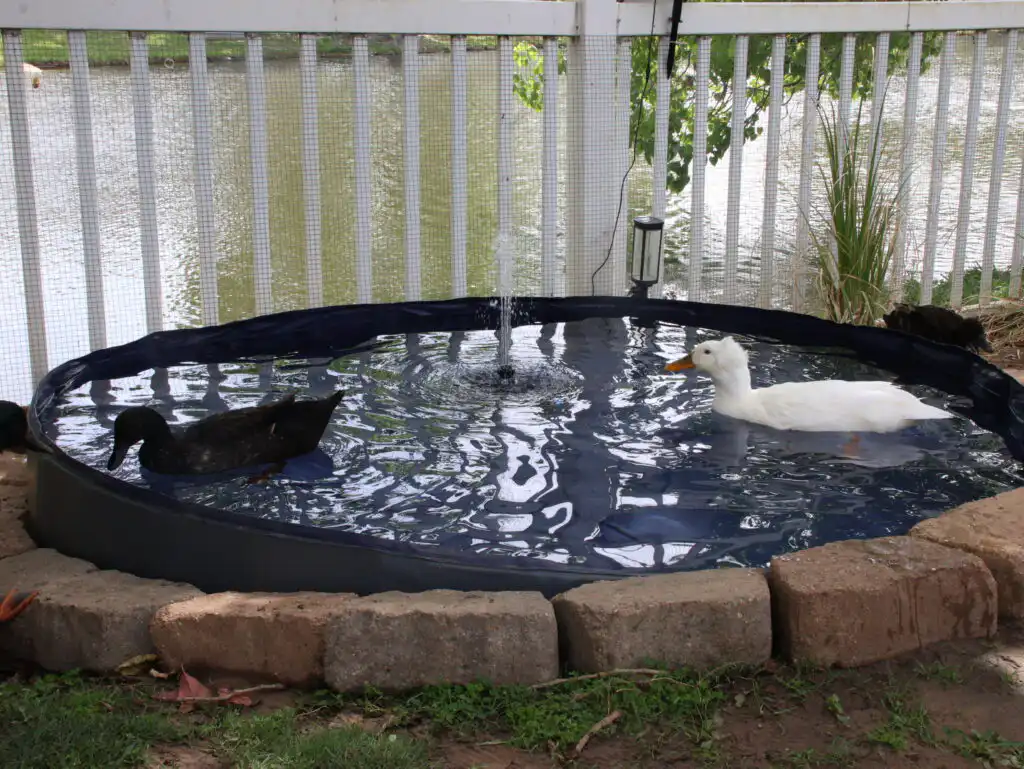
Their large swimming pool is actually outside the run.
Now before anyone panics, yes, the ducks still have constant access to water inside their enclosure. They have bowls, buckets, and troughs for drinking, dabbling, cleaning their bills, washing food, and splashing around throughout the day.
But keeping the main splash zone outside the enclosure made a huge difference for us.
That said, I still consider the larger pool an essential part of our setup. Ducks need more than just drinking water. They benefit enormously from opportunities to bathe, swim, preen, cool down, and simply behave like ducks.
And honestly? Sometimes they just enjoy floating around and relaxing.
There is something genuinely peaceful about watching a duck settle into the water, wiggle around a bit, fluff their feathers, and simply sit there looking completely content.
Why Ducks Need a Proper Swimming Area
While ducks do not technically require a pond, access to a larger body of water provides many important benefits.
A proper swimming area allows ducks to:
| Why It Matters | Benefits |
|---|---|
| Bathing and feather care | Helps clean dirt, debris, and old feather dust from plumage |
| Preening | Ducks often preen extensively after swimming, helping distribute oils from the preen gland for healthy waterproof feathers |
| Cooling off | Especially important during hot North Texas summers |
| Natural behavior and enrichment | Swimming, splashing, diving, and dabbling help keep ducks mentally stimulated |
| Safe mating behavior | Ducks naturally prefer mating in water, which is generally safer and reduces injury risk for hens |
| Relaxation | Many ducks simply enjoy sitting or floating in water |
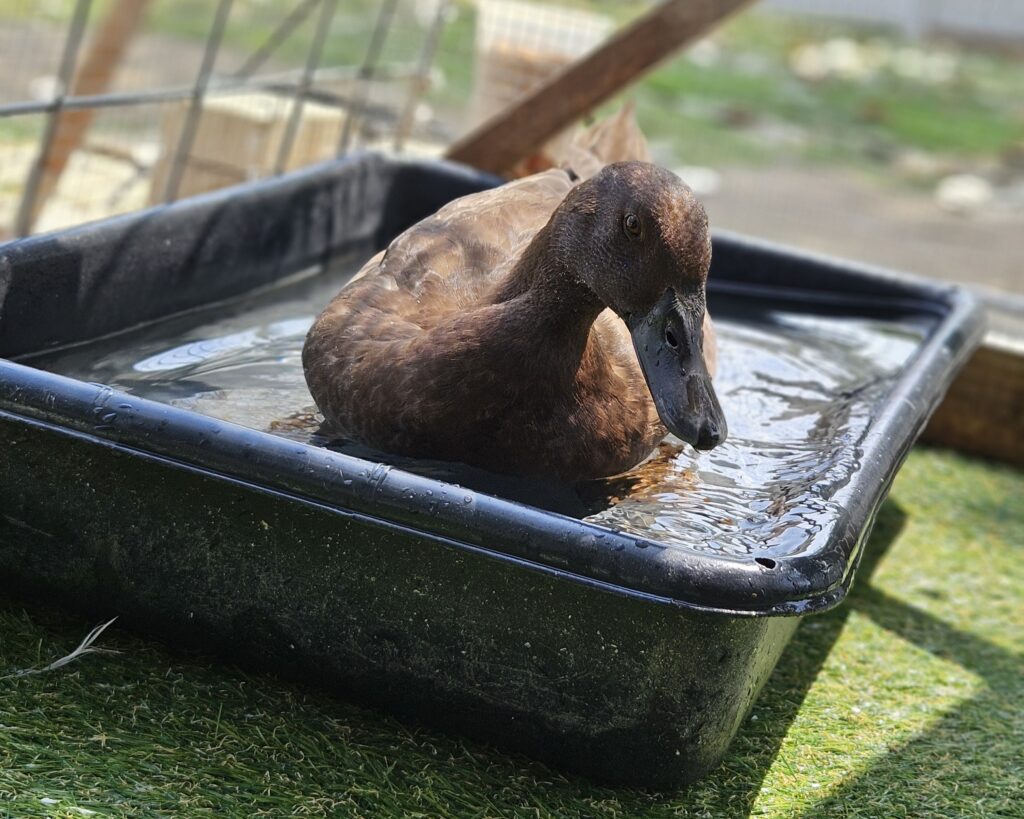
For female ducks especially, swimming and bathing can help keep feathers in good condition and encourage normal behaviors. During molting season, my ducks also seem extra motivated to spend time in the water.
And when drakes are involved, water becomes even more important. Duck mating is naturally designed to happen in water, where buoyancy helps support both birds and reduces strain or injury. While mating on land can happen, it tends to carry more risk, especially in confined spaces.
Why We Keep the Main Pool Outside the Run
At one point, we had larger water setups directly inside the enclosure, and while the ducks loved it, the mud situation quickly became… impressive.
Very impressive.
What I learned is that large pools create large messes. Ducks splash constantly, drip water everywhere when climbing in and out, and turn the surrounding ground into a muddy playground surprisingly quickly.
Moving the big pool outside the run helped us in several ways:
| Benefit | Why It Helped |
|---|---|
| Less mud inside the run | The biggest splash zone stays separate |
| Cleaner enclosure | Bedding and flooring stay drier |
| Easier pool maintenance | Draining and cleaning are simpler |
| Better drainage | Less standing water inside the main living area |
| Healthier feet | Fewer constantly wet areas can help reduce foot issues |
The ducks still move back and forth between areas and get plenty of swimming time, but the enclosure itself stays much more manageable.
Water Inside the Run Is Still Essential
Even though the main pool is outside, ducks still need access to water at all times inside their enclosure.
Ducks need water to:
- Drink properly
- Wash food while eating
- Clean their nostrils and eyes
- Keep bills healthy and clean
- Stay cool during warmer weather
- Dabble and forage naturally
- Bathe and preen
At a minimum, ducks should always have water deep enough to fully dunk their bills and nostrils.
In our setup, we use a mix of:
- Water bowls
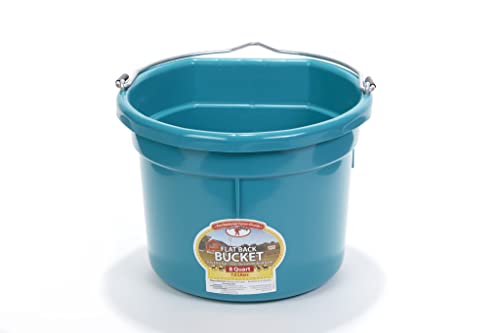
- Buckets
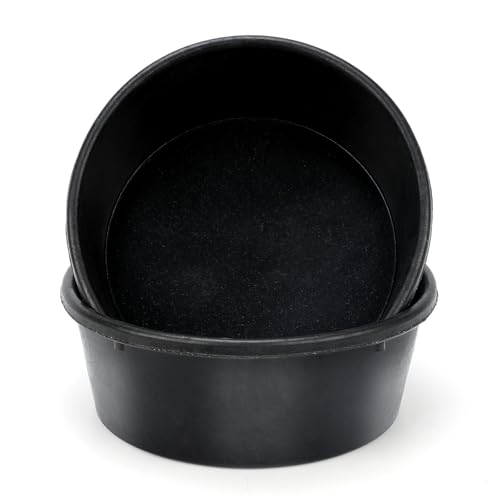
- Water troughs (concrete mixing tubs)
This gives the ducks multiple places to drink and dabble without relying entirely on the larger swimming pool.
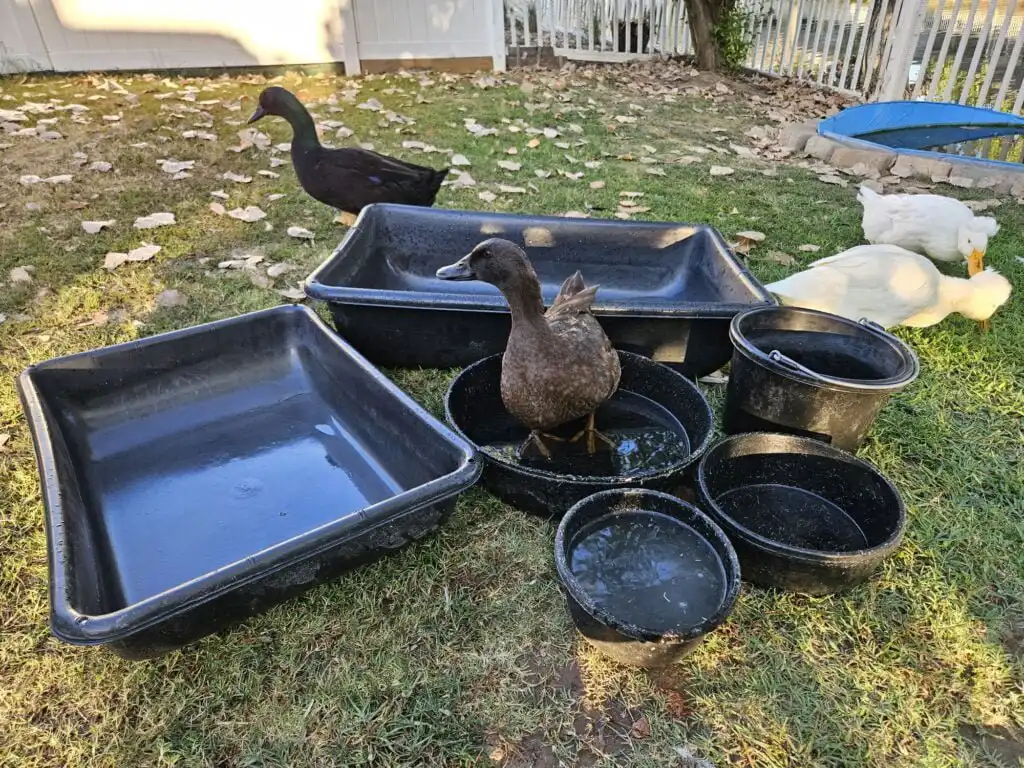
I also like keeping food close to water because ducks naturally wash their food while eating. Anyone who has ducks knows that dry feed somehow immediately becomes floating soup anyway.
A Setup That Changes with the Seasons
One thing I have learned is that duck setups are never completely finished.
During rainy seasons, we may adjust drainage or add extra pavers in muddy areas. During the brutal North Texas summers, water becomes even more important for cooling. And sometimes, after heavy use or weather, things simply need updating.
Duck keeping is often about adapting and tweaking as you go.
And honestly, that flexibility has helped me stress less about creating the perfect setup.
My advice? Build a setup that works for your flock, your climate, and your routine. What matters most is safety, cleanliness, and making daily care manageable.
Why I Switched to Artificial Turf (After Trying Almost Everything Else)
I will be honest: finding the right flooring for our duck run took years of trial and error.
If you are currently staring at a muddy duck run wondering what on earth to do, I completely understand. We have been through several different setups before finally landing on something that works well for us.
And honestly, each stage taught me something.
Version 1: Natural Ground (Grass and Soil)
When we first started, the duck run had natural grass and soil.
In theory, this sounded ideal. Natural, simple, and affordable.
Reality looked a little different.
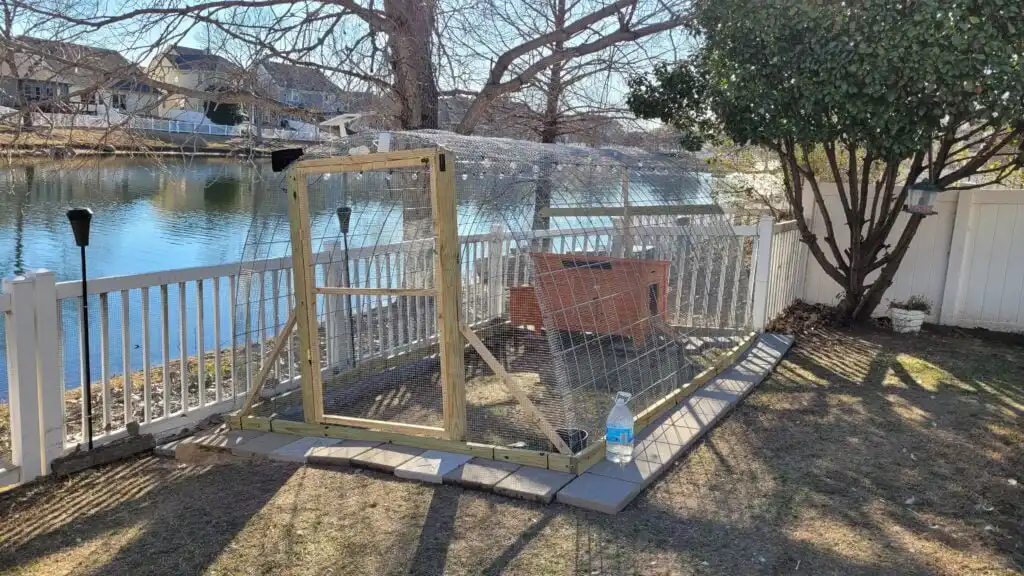
The ducks quickly destroyed most of the grass, especially because there was not much long established grass to begin with. Between their constant waddling, dabbling, splashing water, and digging around, things changed fast.
Soon, we had:
- Muddy puddles everywhere
- Slippery areas after rain
- Wet spots that never seemed to dry
- A run that was increasingly hard to walk through without sliding
And if you have ever tried carrying feed buckets through duck mud while trying not to fall, you know exactly the kind of chaos I mean.
At some point, it started feeling less like a duck run and more like a swamp.
Version 2: Straw and Hay
Our next attempt was adding straw and hay to cover the muddy areas.
At first, this helped somewhat. It absorbed moisture and gave the ducks a drier surface to walk on. But honestly? It became messy very quickly.
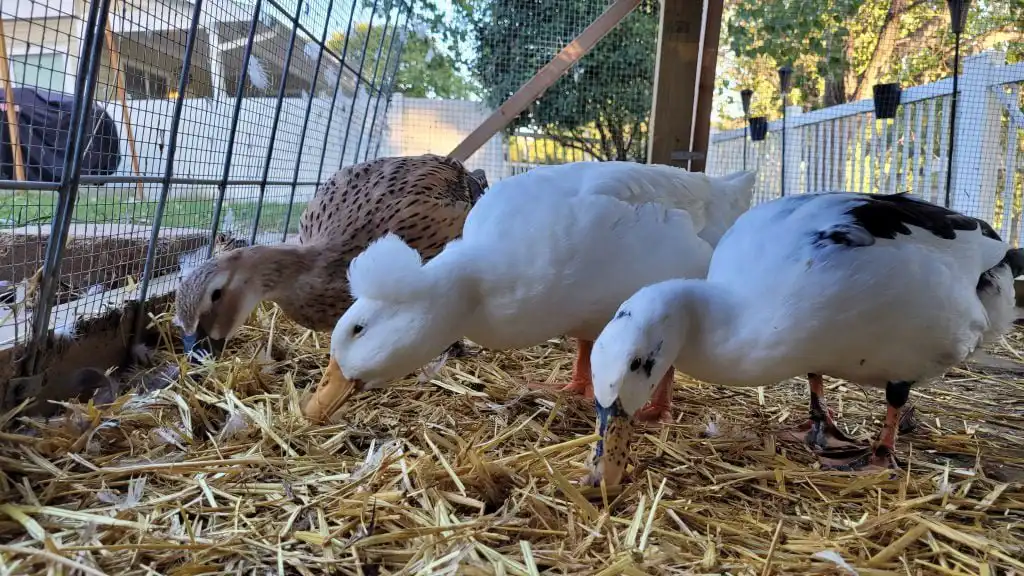
Wet straw mixed with duck poop, spilled water, and mud creates a very specific kind of mess that duck keepers probably know all too well.
The bedding needed constant replacing, stayed damp in spots, and never fully solved the underlying drainage issue.
Instead of fixing the mud problem, it mostly felt like we were covering it up temporarily.
Version 3: Pea Pebbles
Next came pea pebbles, and for a while, I genuinely thought we had finally figured it out.
In many ways, pea pebbles worked really well.
They:
- Improved drainage significantly
- Reduced muddy puddles
- Stayed cleaner than soil or straw
- Made the enclosure much easier to maintain
Water no longer just sat on the surface, and the overall mess improved dramatically.
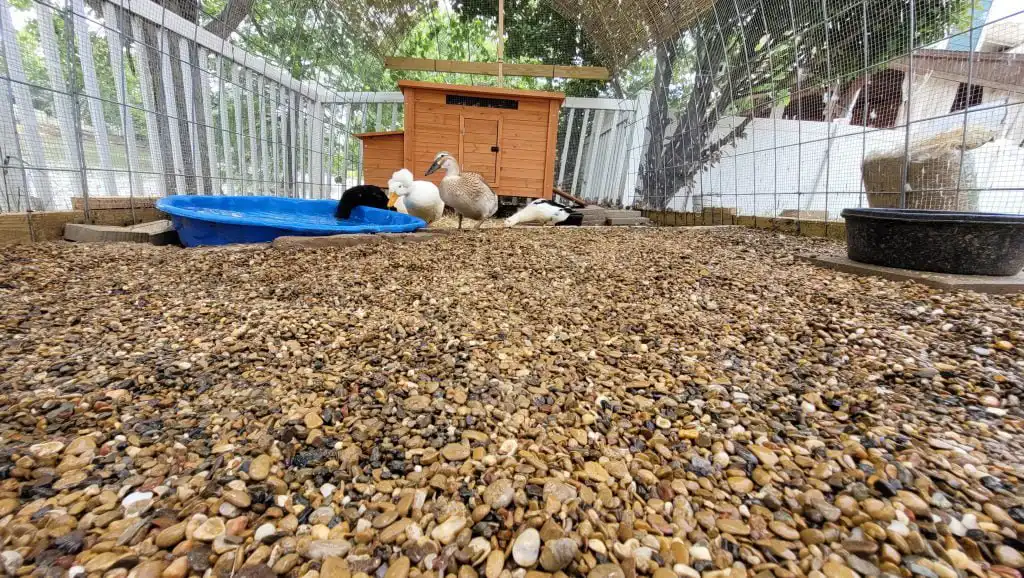
But after some time, we noticed a downside.
The pebbles seemed too hard on the ducks’ feet, especially for birds spending all day walking on them. Eventually, we started dealing with bumblefoot concerns, and after discussing things with our avian vet, we realized we needed a softer option.
This was frustrating because the drainage worked so well.
I loved the practicality of the pebbles.
My ducks’ feet did not.
Version 4: Artificial Turf
That is when we switched to premium pet-safe artificial turf, and honestly, this has been the best overall solution for our flock so far.
The turf gave us something we had been struggling to balance:
Better footing, softer surfaces, and mud reduction at the same time.
Compared to pebbles, it felt much gentler on duck feet while still helping keep things cleaner.
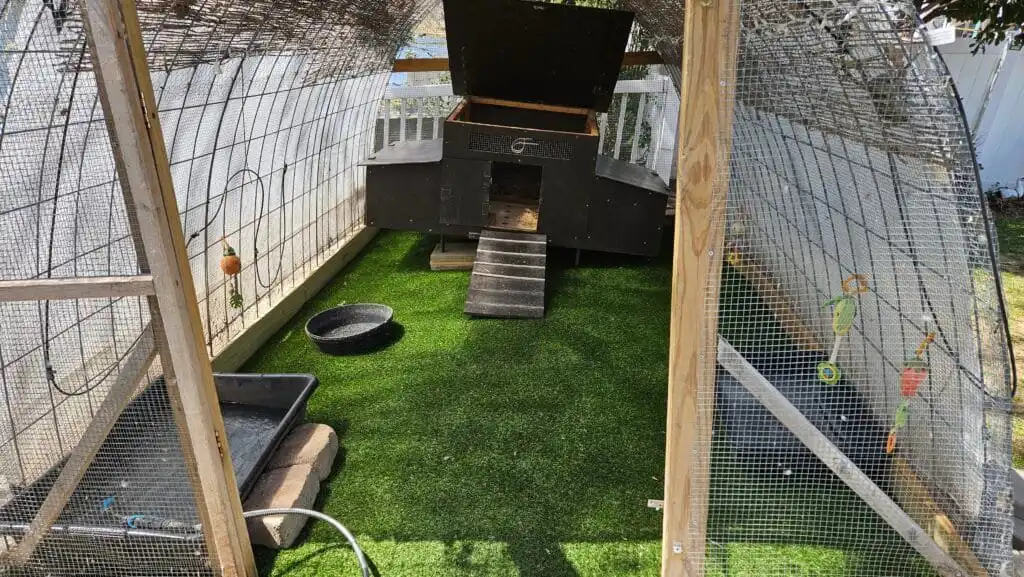
We chose a turf with:
- Longer blades for a softer feel
- Drainage holes underneath
- Pet-safe outdoor materials
And the difference was noticeable.
The ducks stayed cleaner, the run looked better, and daily maintenance became much easier.
July 13, 2026 6:24 PM


Our Newest Turf Setup: Proper Drainage Underneath
But here is something important I learned: Artificial turf alone is not the magic fix. Proper drainage underneath matters just as much.
Our newest version of the setup includes an actual drainage system below the turf, and this made a huge difference.
Underneath the turf, we installed:
- Plastic support grids
- Filled with pea pebbles for drainage
- A French drain system underneath to move excess water away
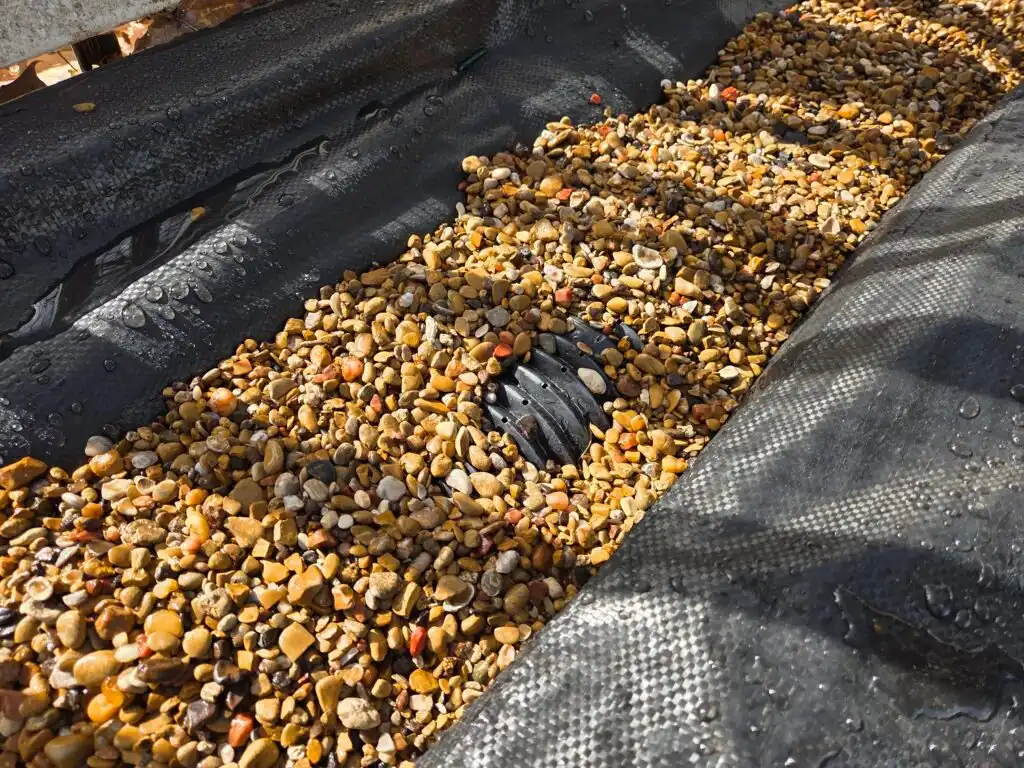
Basically, the setup works like this:
| Layer | Purpose |
|---|---|
Artificial turf | Softer walking surface and mud reduction |
| Drainage holes | Allows water to move downward |
| Plastic grid system | Supports the turf and improves drainage |
| Pea pebbles within the grids | Helps water move through efficiently |
| French drain below | Pulls excess water away from the enclosure |
This newest setup has worked significantly better, especially after heavy rain or enthusiastic duck splash sessions.
Instead of standing puddles and mud everywhere, water actually has somewhere to go.
And in North Texas, where we can go from torrential rain to blazing heat overnight, that drainage matters a lot.
What I Learned from All of This
If there is one thing I have learned, it is this: There is no perfect duck run flooring. There is only what works best for your flock, your climate, and your ability to maintain it.
For us, getting there involved a lot of muddy shoes, plenty of trial and error, and more than one well… this clearly is not working moment.
But our newest turf and drainage setup finally feels manageable.
And that alone has saved my sanity.
How We Maintain the Turf (Much Easier Than You Might Think)
One of the biggest questions I get about artificial turf is: “How do you keep it clean with ducks?”
Honestly? It is much easier than our previous setups. Our maintenance routine is pretty simple and realistic for everyday life.
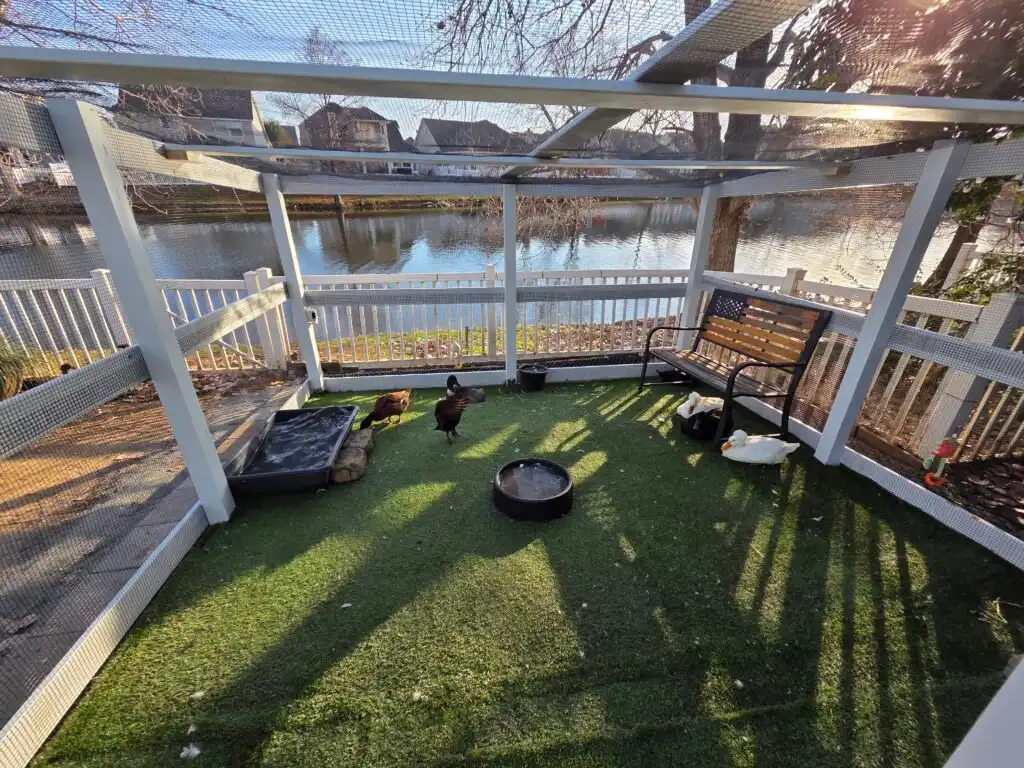
Every day, we hose the turf down to rinse away poop, mud, feathers, and general duck chaos. Because the turf has drainage holes and sits on top of our drainage system, the water does not just pool on the surface.
Instead:
- Water bowls and buckets can simply be dumped directly onto the turf
- Water quickly sinks through the turf
- The drainage layers underneath move moisture away from the area
- The French drain helps prevent standing water and puddles
This has been one of the biggest improvements compared to our earlier setups. With natural soil, everything became slippery mud. With straw and hay, wet areas turned soggy and messy. Now, cleanup is usually as simple as:
| Task | What We Do |
|---|---|
| Daily cleaning | Hose down the turf to rinse away poop and debris |
| Water cleanup | Dump bowls directly onto the turf and let drainage do the work |
| Spot cleaning | Remove larger messes when needed |
| Occasional deeper cleaning | Rinse more thoroughly or disinfect if necessary |
Of course, no duck setup is completely maintenance-free. Ducks still somehow manage to create messes in ways that feel scientifically impossible.
But compared to where we started, this system feels far more manageable and much less stressful to maintain.
And maybe the biggest win of all?
I can finally walk through the run without feeling like I am auditioning for a slip-and-fall accident.
Our Main Swimming Pool Setup
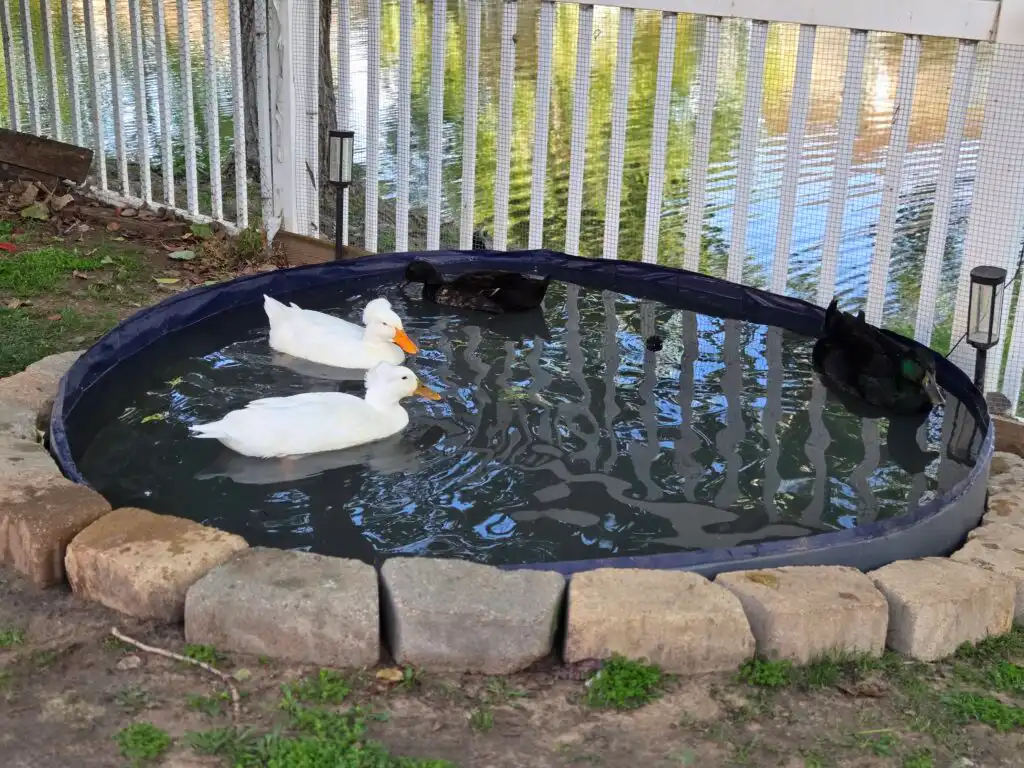
If there is one part of the setup my ducks are absolutely obsessed with, it is their main swimming pool.
While the ducks have access to water inside the run all day long, the larger outdoor pool is where the real fun happens.
Bathing. Swimming. Splashing. Mating. Preening. Floating around doing absolutely nothing.
The pool gets used constantly.
And honestly, watching ducks enjoy water never gets old.
There is something incredibly satisfying about seeing a duck dive in, flap excitedly, preen afterward, or simply float in the water looking perfectly content. Some days, my ducks seem to treat the pool like a spa retreat.
Why We Keep the Main Pool Outside the Run
One of the best decisions we made was moving the large pool outside the main enclosure.
When we had larger water setups inside the run, things became muddy very quickly. Ducks would climb in and out repeatedly, splash water everywhere, and soak the surrounding area.
Even with good drainage, there is simply a lot of water involved when ducks have a proper swimming area.
Keeping the biggest splash zone outside the run helped us:
| Benefit | Why It Helps |
|---|---|
| Less mud in the enclosure | Most splashing stays outside |
| Cleaner run | Turf and sleeping areas stay drier |
| Easier cleaning | Better access for draining and rinsing |
| Less standing water | Fewer swampy areas in the enclosure |
| Healthier feet | Less constant moisture exposure |
The ducks still move freely between their run and pool area, but separating the swimming zone has made daily maintenance much easier.
Our Pool Setup
Like many duck keepers, we started with simple kiddie pools, and honestly, they worked perfectly fine in the beginning.
But over time, we wanted something:
- Larger for multiple ducks
- More durable
- Easier to clean
- Better for full swimming and bathing
Today, we use a large 80-inch XXL pet pool, which has worked incredibly well for our flock.
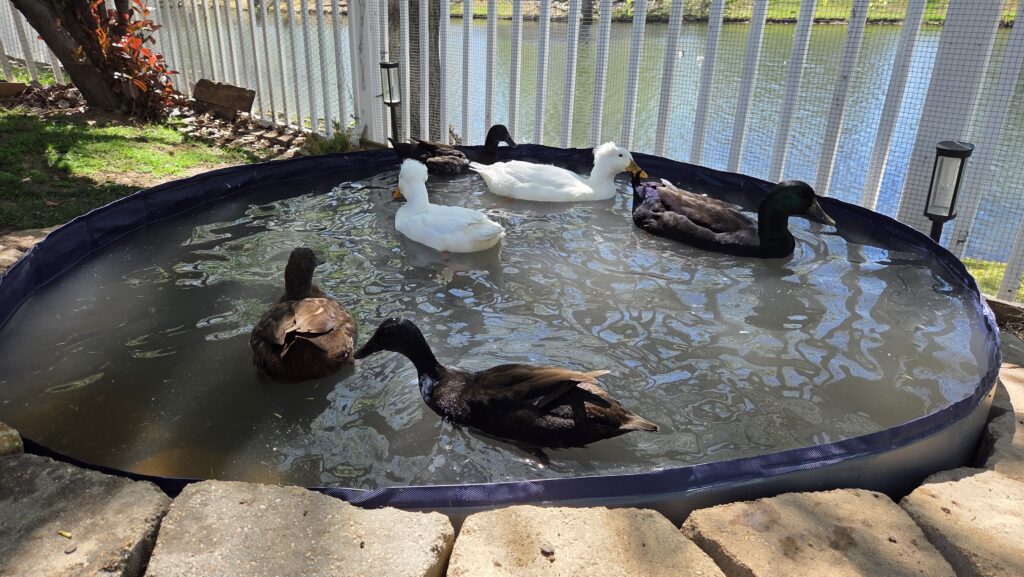
The extra space makes a noticeable difference. Multiple ducks can swim, bathe, and splash at the same time without constantly bumping into one another.
The pool is also deep enough for proper bathing and swimming, which is important for feather condition, natural behavior, and cooling during our hot North Texas summers.
One of my favorite features is that it includes a drain plug, which makes cleaning dramatically easier. If you have ever tried flipping over a heavy duck pool full of questionable duck water, you know why this matters.
Our Secret Weapon: A Pool Fountain and Filter
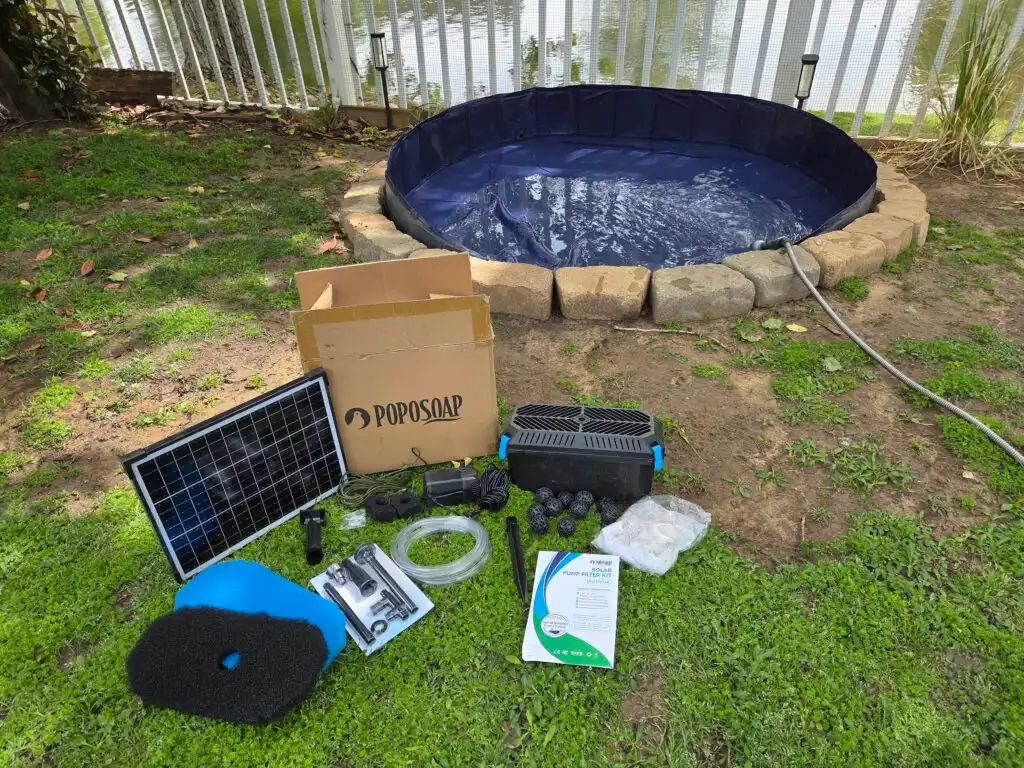
One upgrade that helped more than I expected was adding a small fountain with a filtration system.
Now, let me be clear, this does not magically keep duck water pristine forever because ducks are still ducks.
But it does help the water stay cleaner a bit longer by improving circulation and filtering out some debris.
Before adding it, the pool would get dirty very quickly. Now, it buys us more time between deep cleanings and helps reduce buildup.
How Often We Clean the Pool
Even with the filtration system, duck pools still require regular maintenance.
Right now, we typically fully drain and clean the pool about every two weeks, depending on weather, how messy the ducks are being, and overall water quality.
The combination of:
- Larger pool volume
- The fountain and filter system
- Keeping debris somewhat reduced
has helped us stretch cleaning intervals compared to our older setup.
And thankfully, because of the built-in drain hole, cleanup is relatively easy. No wrestling giant kiddie pools anymore.
Making the Pool Area More Functional (and Pretty)
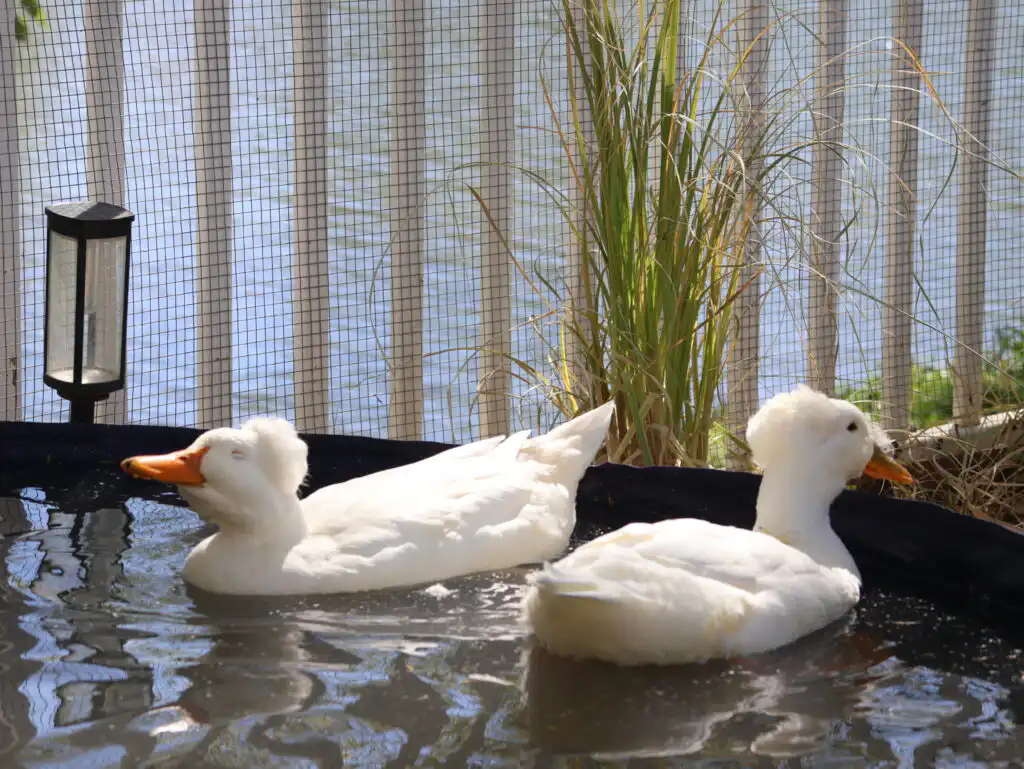
One thing I also love about our newer setup is that we added ornamental grasses around the pool area.
This has been nice for a few reasons:
- It helps the area feel more natural and visually appealing
- Provides a little shade and shelter around the space
- Makes the pool area feel more integrated into the yard
- Gives the ducks interesting areas to explore
Plus, let us be honest, duck setups can sometimes look a little chaotic. Adding landscaping helped make the area feel more intentional and less like a permanent construction zone.
Why I Think a Larger Pool Is Worth It
If you have the space and can make it work safely, I genuinely think a larger swimming area is worth considering.
For ducks, swimming is about much more than entertainment.
It helps them:
- Bathe and clean feathers
- Preen properly and maintain waterproofing
- Mate more safely in water
- Exercise naturally
- Cool down during hot weather
- Relax and simply enjoy being ducks
And honestly, seeing your ducks happily splashing around is one of the best parts of duck keeping.
Water Inside the Run: Bowls, Buckets, and Troughs
Even though our ducks have a large swimming pool outside the run, water access inside the enclosure is still absolutely essential.
A pool alone is not enough.
Ducks need access to water throughout the day for much more than swimming. In fact, most of their day-to-day water use happens at their smaller water stations inside the enclosure.
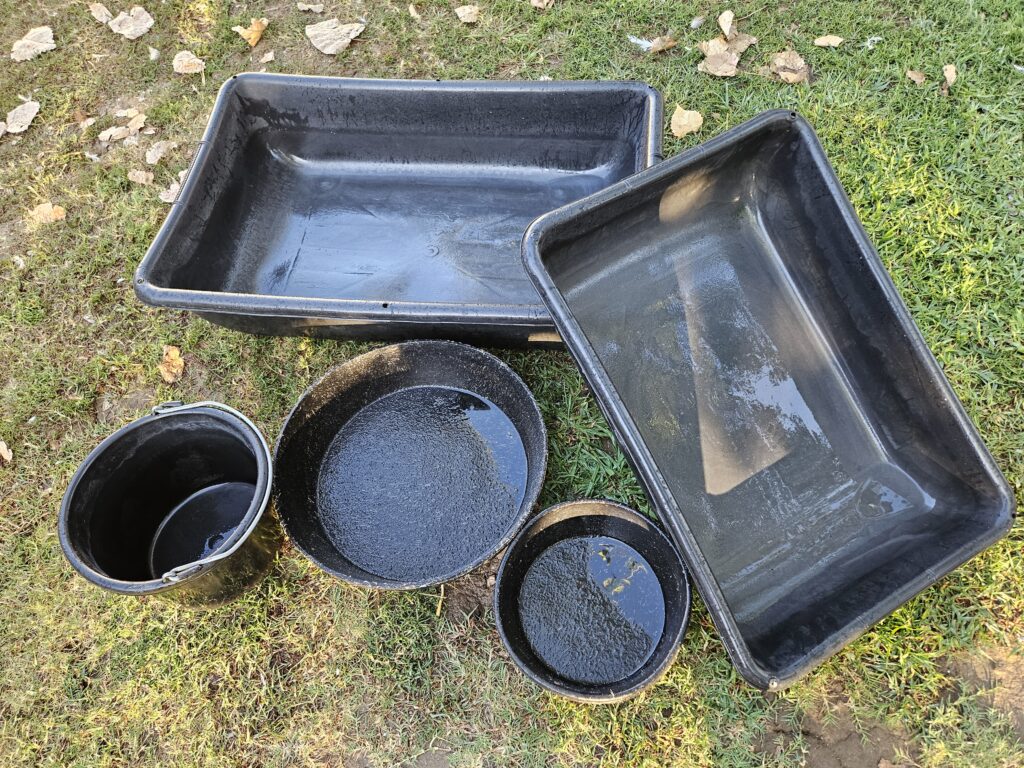
In our run, we use a mix of:
- Bowls
- Buckets
- Large troughs (concrete mixing tubs)
Having a variety of water sources has worked really well for us because ducks use water constantly and for different purposes throughout the day.
Why Ducks Need Water All Day Long
Unlike chickens, ducks cannot simply peck dry food and walk away. Water is essential to how they eat, groom themselves, and stay healthy.
Ducks use water to:
| Why Ducks Need Water | Why It Matters |
|---|---|
| Drinking | Staying hydrated, especially during heat |
| Washing food | Ducks naturally soften and rinse food before swallowing |
| Cleaning nostrils | Helps clear dirt and debris |
| Cleaning eyes | Supports eye health and comfort |
| Bill care | Keeps bills clean and functioning properly |
| Cooling down | Important during hot weather |
| Natural dabbling behavior | Encourages enrichment and normal behavior |
At minimum, ducks should always have access to water deep enough to fully dunk their bills and nostrils.
This is especially important because ducks rely on water to clear feed and debris from their nasal passages and safely swallow dry food.
Why We Use Multiple Water Sources
One thing I learned quickly is that you can never really have too many water stations when you have multiple ducks.
Because ducks are messy. Very messy.
Water bowls somehow become muddy. Feed gets dumped into buckets. Someone inevitably decides standing inside the clean water is a great idea.
But there is another important reason we provide multiple options:
Flock dynamics and pecking order.
In larger groups, more dominant ducks may occasionally claim favorite spots, especially around food and water. Having several water stations helps ensure everyone has access, even lower-ranking ducks.
It also allows multiple ducks to drink, dabble, and splash at the same time, which matters more than people often realize.
Nothing causes duck drama faster than everyone wanting the same water bowl at once.
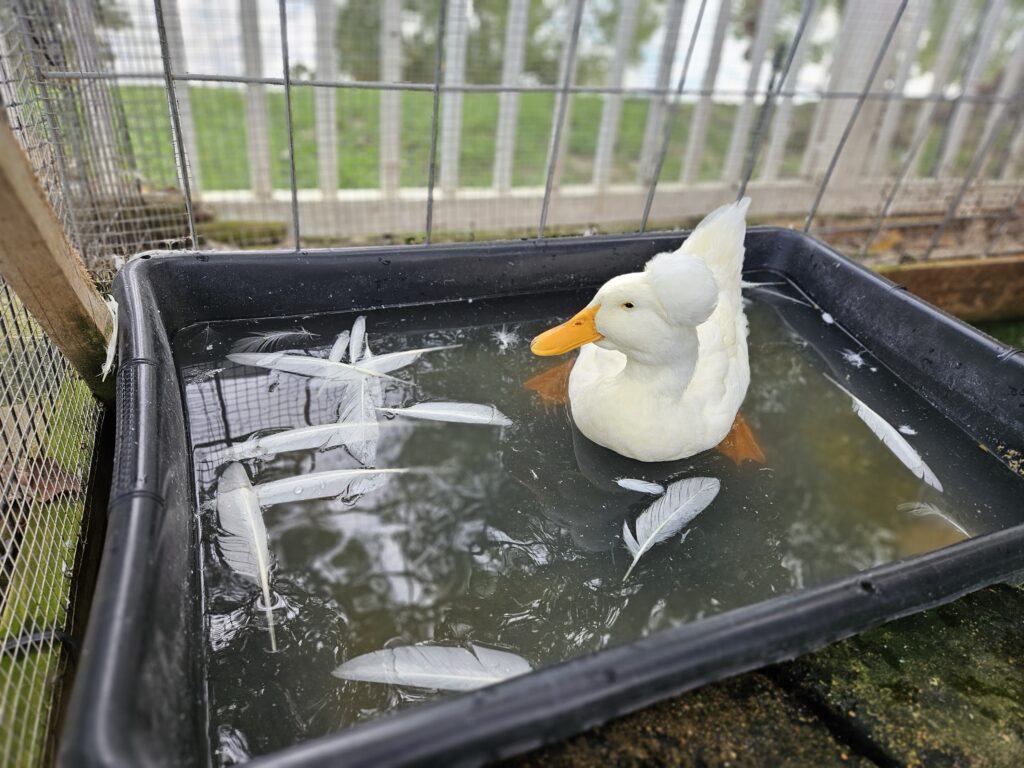
Our Favorite Trough Setup: Concrete Mixing Tubs
One of my favorite water solutions inside the run has been using large concrete mixing tubs as troughs.
If you have never tried them, they are incredibly practical for ducks. Unlike smaller bowls, these tubs are large enough for actual duck activities. The ducks use them to:
- Splash around
- Dabble and forage
- Bathe lightly
- Cool off
- Float and relax
While they are not a replacement for a proper swimming pool, they provide much more enrichment than basic water bowls alone.
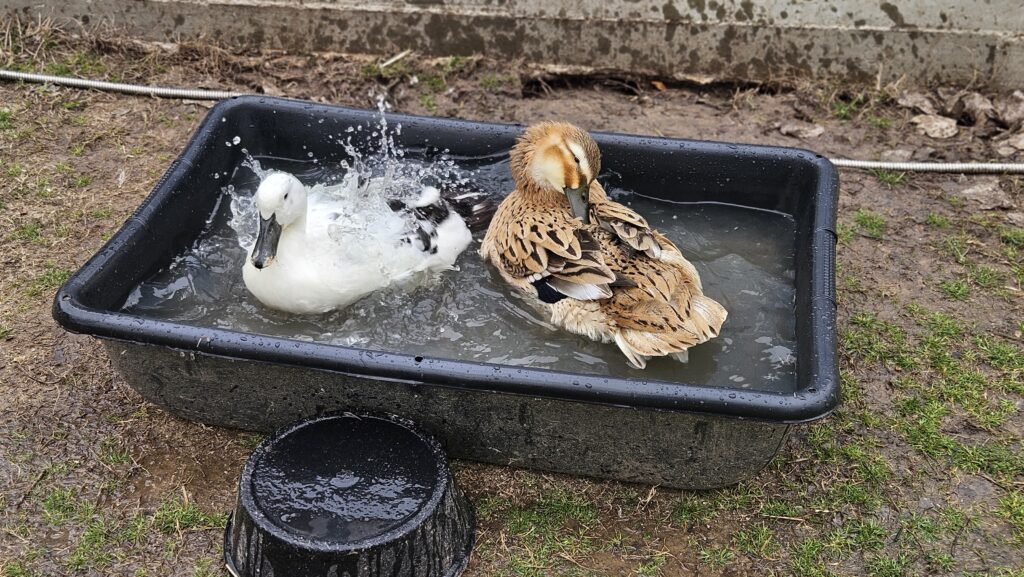
I often see my ducks casually lounging in them, preening, or just sitting in the water during warmer days.
And because they are sturdy and relatively inexpensive, they have held up really well over time.
We Keep Food Near Water
One thing that surprises many new duck keepers is how much ducks love turning food into soup.
I personally prefer serving food close to water, and sometimes even directly in shallow water dishes.
Why?
Because this mimics natural duck behavior.
In the wild, ducks naturally forage in wet environments and often wash food while eating.
Water nearby helps them:
- Swallow food safely
- Reduce choking risk
- Soften dry feed
- Eat more comfortably
Of course, this also means duck water turns disgusting faster.
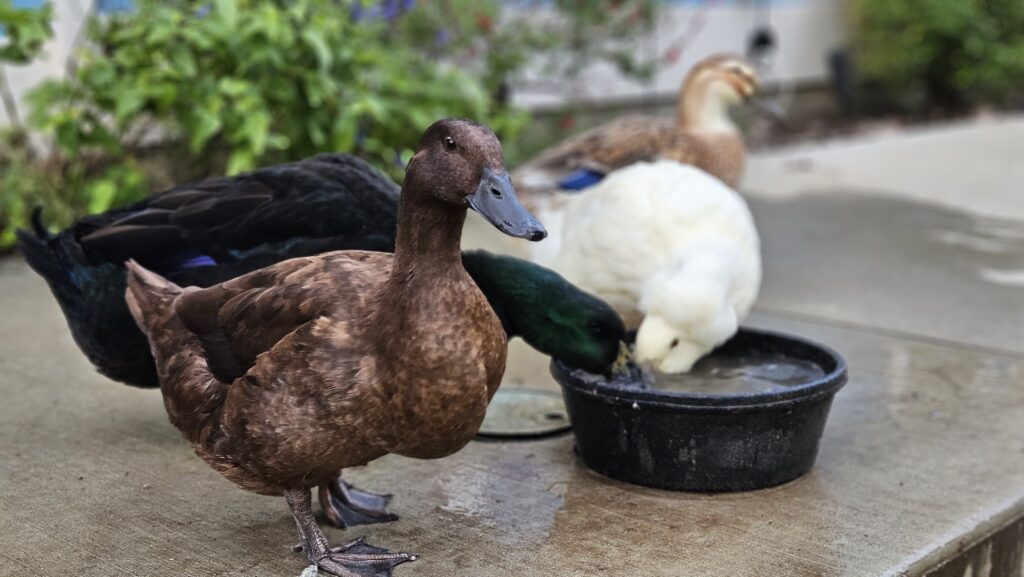
Anyone with ducks knows the struggle of cleaning perfectly fresh water only to discover floating pellets, mud, lettuce, and mystery debris ten minutes later.
My biggest takeaway? More water stations almost always make duck keeping easier, especially with larger flocks. It reduces competition, keeps everyone hydrated, and gives ducks more opportunities to behave naturally throughout the day.
My Nighttime Water Setup (Simple but Surprisingly Effective)
One thing I feel strongly about is this: My ducks always have access to water overnight.
I know this can sometimes be debated in the duck world, especially because nighttime water can create extra mess. But personally, I do not remove water overnight, and after speaking with our avian vet, I feel even more strongly about this decision.
Ducks are waterfowl. They are not chickens.
In my experience, and according to our vet, ducks can become dehydrated surprisingly quickly if they do not have access to water around the clock, especially during warmer weather.
And honestly, when you think about normal duck behavior, it makes sense.
Ducks still move around at night. They may snack before bed or early in the morning. They preen, forage through bedding, and continue normal behaviors long after sunset.
Water overnight matters for several reasons:
| Why Overnight Water Matters | Why It Is Important |
|---|---|
| Hydration | Ducks can become dehydrated without constant access to water |
| Swallowing food safely | Ducks need water to eat and process dry feed |
| Cleaning nostrils | Helps clear dust, bedding, and debris |
| Eye and bill health | Ducks regularly rinse and clean themselves |
| Temperature regulation | Especially important during warmer nights |
| Natural behavior | Ducks may still forage or drink overnight |
I have even noticed my own ducks getting up for a drink during the night or very early morning.
Especially if ducks are foraging through bedding, eating scattered food, or nibbling overnight, they need water nearby to safely swallow and clean their bills and nostrils.
For me, removing water completely overnight simply does not feel appropriate for an animal that naturally relies on water throughout the day and night.
The Challenge: Ducks + Open Water = Chaos
That said, there is one obvious problem: Open water overnight can become an absolute mess.
Anyone who has kept ducks in a coop, nighttime enclosure, or indoor setup probably knows the struggle.
A perfectly clean sleeping area can somehow become:
- Soaked bedding
- Wet poop everywhere
- Dirty water containers
- Unexpected puddles in places that make no sense
Ducks have a very special talent for creating chaos.
So instead of removing water, I focused on finding a way to provide it while keeping the mess manageable.
Our Nighttime Water Solution
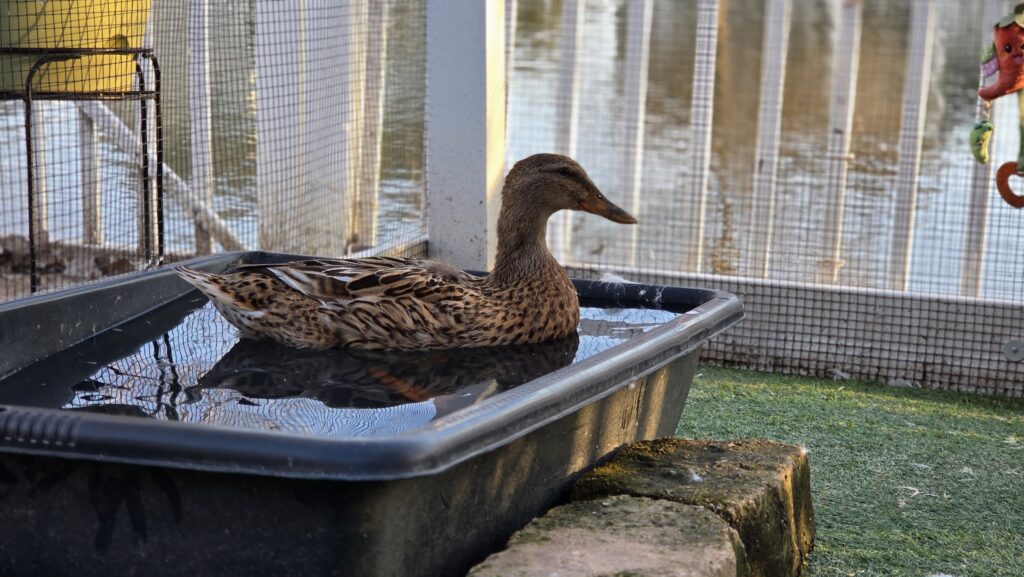
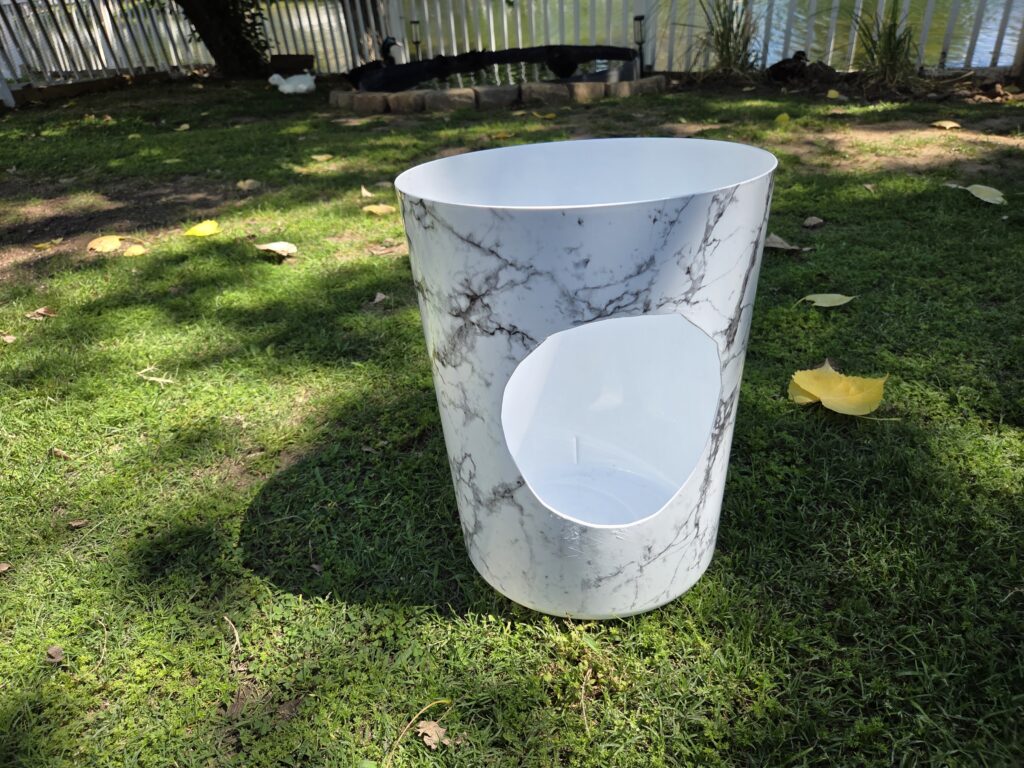
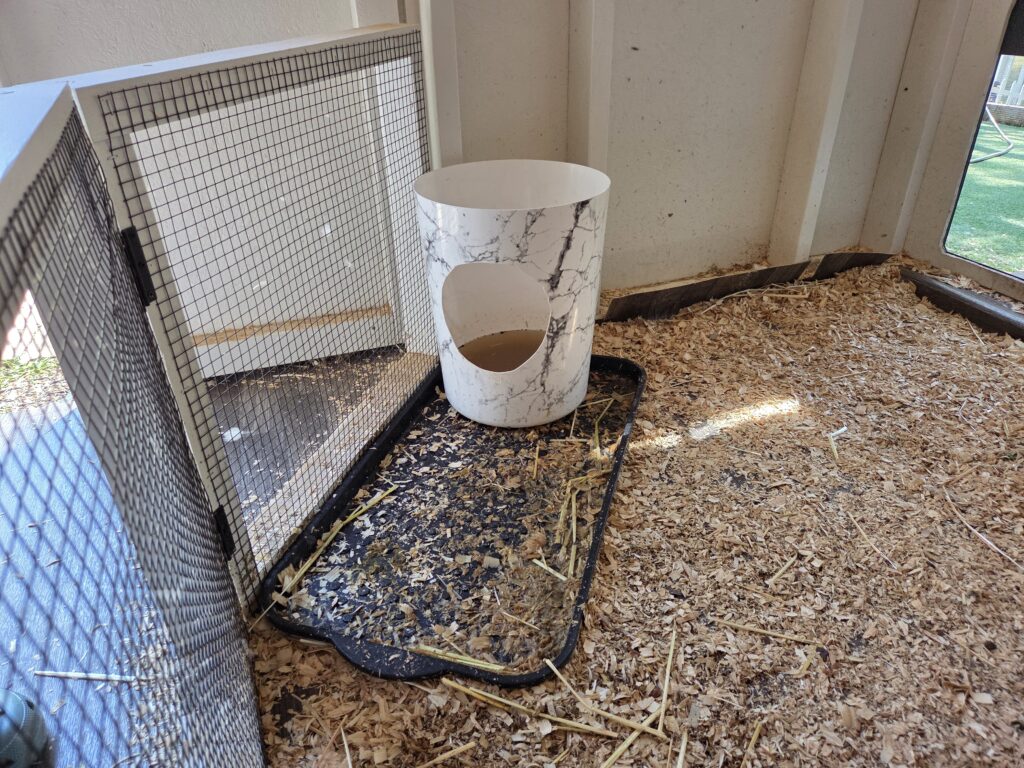
At night, we use a bucket with a drinking hole on the side, placed on top of a shoe tray underneath.
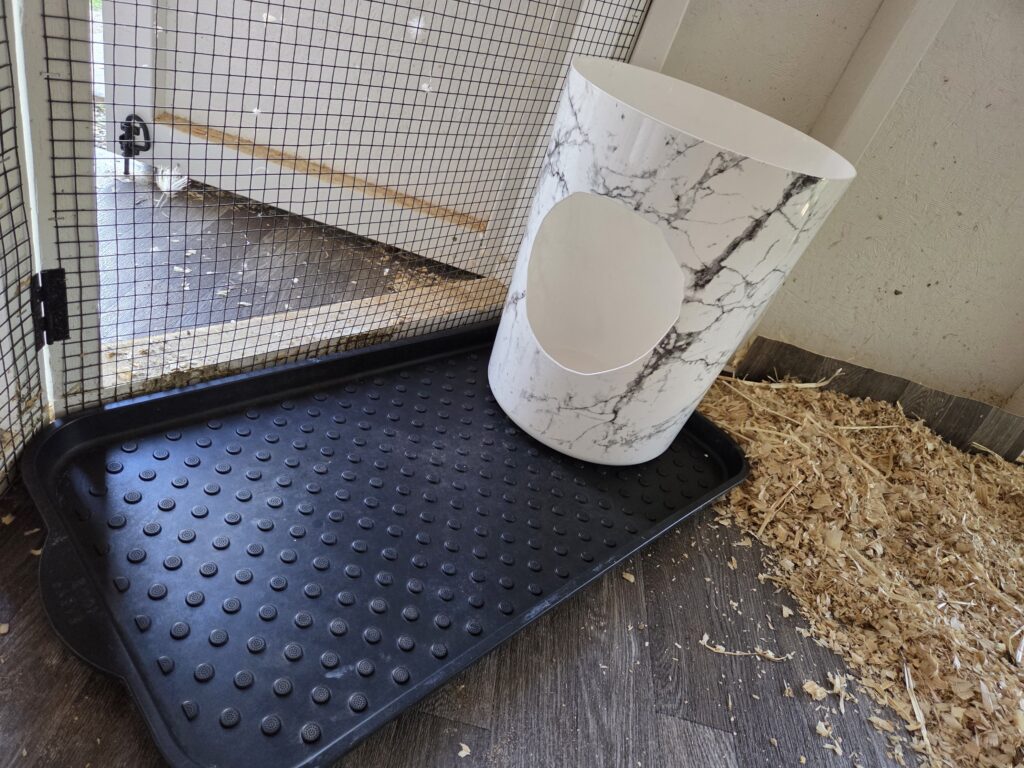
Simple. Nothing fancy. But honestly, it works really well.
The goal is to provide constant access to water while limiting splashing and flooding.
Here is why this setup has worked so well for us:
| Benefit | Why It Helps |
|---|---|
| Water available all night | Ducks can drink whenever they need to |
| Less splashing | Harder for ducks to turn it into a swimming pool |
| Drier bedding | Reduces overnight flooding |
| Cleaner sleeping area | Less mess by morning |
| Easy cleanup | Shoe tray catches drips and small spills |
The shoe tray underneath ended up being one of those tiny upgrades that made a surprisingly big difference. It catches small spills instead of letting moisture spread through the bedding.
And because ducks somehow always find ways to make water messy, every little improvement helps.
Why I Do Not Leave Open Water Overnight
Could I just leave a large bowl or trough inside overnight? Sure. But in my experience, that almost always means waking up to:
- Wet bedding
- Dirty water
- Higher humidity in the sleeping area
- More cleanup first thing in the morning
Especially in smaller nighttime spaces, open water tends to become messy very quickly.
This bucket system gives us a nice middle ground:
The ducks still get the water they need, while the overnight mess stays manageable.
And honestly, that feels like a win for everyone.
My personal opinion? Ducks should have access to water 24/7. The goal should not be removing water. It should be finding a setup that keeps water available while staying practical for everyday life.
Mud Prevention Tips That Actually Help
I wish I could tell you there is a magical way to completely eliminate mud with ducks. There is not. If you have ducks, there will probably always be at least some mud.
But after years of trial and error, I have learned that the goal is not eliminating mud entirely. The goal is keeping it manageable enough that your yard does not turn into a swamp and you do not lose your sanity in the process.
These are the things that have genuinely made the biggest difference for us.
1. Separate the Biggest Splash Zone
If I had to pick the single biggest improvement we made, it would probably be this:
Move the main swimming area outside the run if possible.
Large pools create large puddles.
Ducks constantly climb in and out, shake off water, flap their wings, splash, and somehow transport water everywhere.
Keeping the main pool outside the enclosure dramatically reduced:
- Constant mud in the run
- Wet bedding and flooring
- Standing puddles
- High-moisture areas around sleeping spaces
The ducks still have access to water inside the enclosure, but separating the major splash zone made maintenance much easier.
2. Focus on Drainage First
One thing I learned the hard way:
The surface matters, but drainage underneath matters even more.
You can put beautiful flooring down, but if water has nowhere to go, you will still end up with mud.
Our newest setup works much better because of the drainage layers underneath the turf, including:
- Plastic support grids
- Pea pebbles for water flow
- A French drain to move excess water away
The result? Instead of standing puddles, water sinks down and moves out of the area. And that has been a game changer.
3. Give Water Somewhere to Go
Think about where ducks naturally create the most mess:
- Around pools
- Near water bowls
- Feeding stations
- Entry and exit points
These high-traffic areas benefit from extra drainage support.
For us, that means:
- Turf with drainage underneath
- Pavers around wet areas
- Water-friendly surfaces near splash zones
Because ducks will always create wet spots. The trick is making sure those spots can dry.
4. Multiple Water Stations Help Reduce Chaos
This may sound unrelated to mud, but it actually helps.
When ducks crowd around one small water source, they tend to:
- Splash more
- Spill more
- Fight over access
- Turn one area into a muddy disaster
Using multiple bowls, buckets, and troughs spreads activity out and reduces wear in one single spot.
It also helps lower-ranking ducks still access water comfortably.
July 13, 2026 6:24 PM


5. Do Small Daily Cleaning Instead of Big Weekly Battles
One thing that saved my sanity? Small daily maintenance beats giant cleanup days.
For us, this means:
| Quick Daily Task | Why It Helps |
|---|---|
| Hosing down the turf | Rinses poop and debris |
| Dumping dirty water bowls | Prevents buildup |
| Checking muddy areas | Stops problems early |
| Quick poop pickup if needed | Keeps things cleaner overall |
It sounds simple, but staying on top of little messes prevents them from turning into overwhelming projects later.
And honestly, five to ten minutes a day feels much easier than spending an entire weekend battling duck mud.
6. Accept That Ducks Will Still Be Ducks
This one may honestly be the most important tip. At some point, I had to stop expecting perfection. Because ducks are wonderfully messy little creatures.
They will:
- Splash where they should not
- Turn clean water dirty instantly
- Create mystery puddles
- Somehow make a freshly cleaned area messy again in record time
And honestly?
That is part of the experience.
Once I stopped trying to have a picture-perfect duck setup and focused on healthy, safe, and manageable, duck keeping became much less stressful.
My biggest lesson? Do not chase perfection. Build systems that work with duck behavior, not against it. That shift alone made duck keeping feel so much easier for me.
Things That Did Not Work for Us (Or Did Not Work Long-Term)
I always think it is helpful to talk not only about what did work, but also about the things that sounded like a great idea at the time and turned out to be… less successful.
Because honestly, a lot of duck keeping is trial and error.
Every flock, yard, climate, and setup is different. What worked poorly for us may work beautifully for someone else. But these are the things we personally struggled with.
What Did Not Work Well for Our Flock
| Setup | What Happened | Why We Moved On |
|---|---|---|
| Natural grass and soil | Quickly turned muddy and slippery | Grass disappeared fast and puddles formed everywhere |
| Straw and hay over mud | Became wet, messy, and hard to maintain | Helped temporarily but did not solve drainage |
| Pea pebbles alone | Great drainage but too hard on feet | Concern for bumblefoot over time |
| Large open water overnight | Wet bedding and major messes by morning | Ducks splashed too much during the night |
| Small kiddie pools long-term | Constant refilling and crowded swimming | Wanted something deeper and easier to clean |
Natural Ground: More Mud Than Grass
When we first started, I pictured a nice grassy duck run. That lasted… not very long.
The ducks quickly destroyed what little grass we had. Between splashing, digging, waddling, and heavy foot traffic, the area turned muddy surprisingly fast.
After rain, it became slippery enough that simply carrying feed buckets felt like a risky activity.
I cannot tell you how many times I nearly lost a shoe to mud.
Straw and Hay: Better, But Still Messy
Adding straw and hay felt like a smart next step.
And to be fair, it helped temporarily.
The run looked tidier, the ducks had something softer to walk on, and muddy areas were less exposed.
But once water entered the equation, things got messy fast.
Wet straw mixed with duck poop is… an experience.
It became damp, compacted, difficult to clean, and needed frequent replacement.
For us, it felt more like hiding the mud problem than actually fixing it.
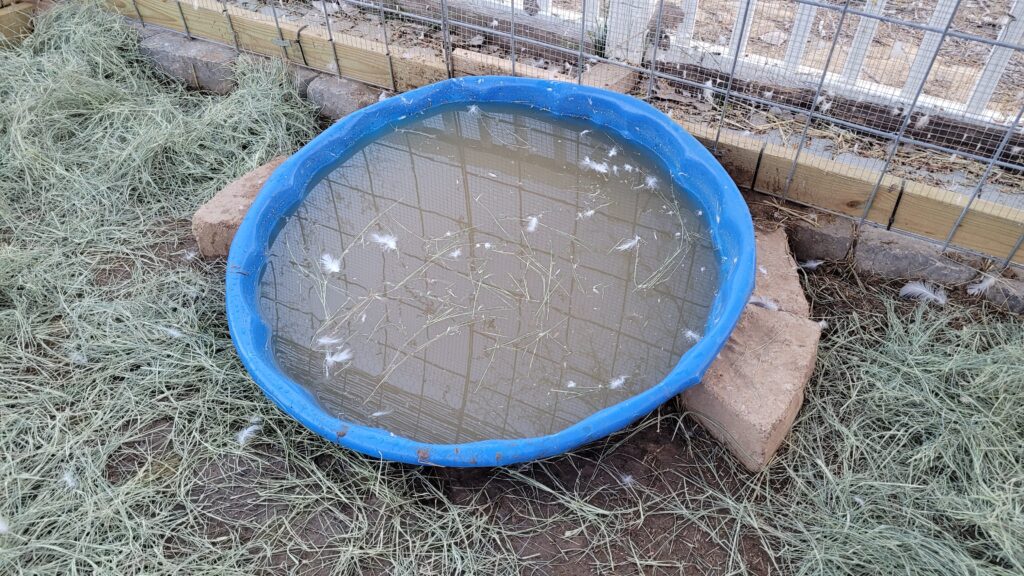
Pea Pebbles: Great Drainage, Wrong Surface
For a while, I genuinely thought pea pebbles were the answer.
The drainage improvement was fantastic.
Less standing water. Less mud. Easier cleanup.
But over time, we became concerned that the hard surface was not ideal for duck feet, especially for ducks spending all day walking on it.
After dealing with bumblefoot concerns and talking with our avian vet, we decided to change directions.
This one honestly disappointed me because from a mud perspective, the pebbles worked very well.
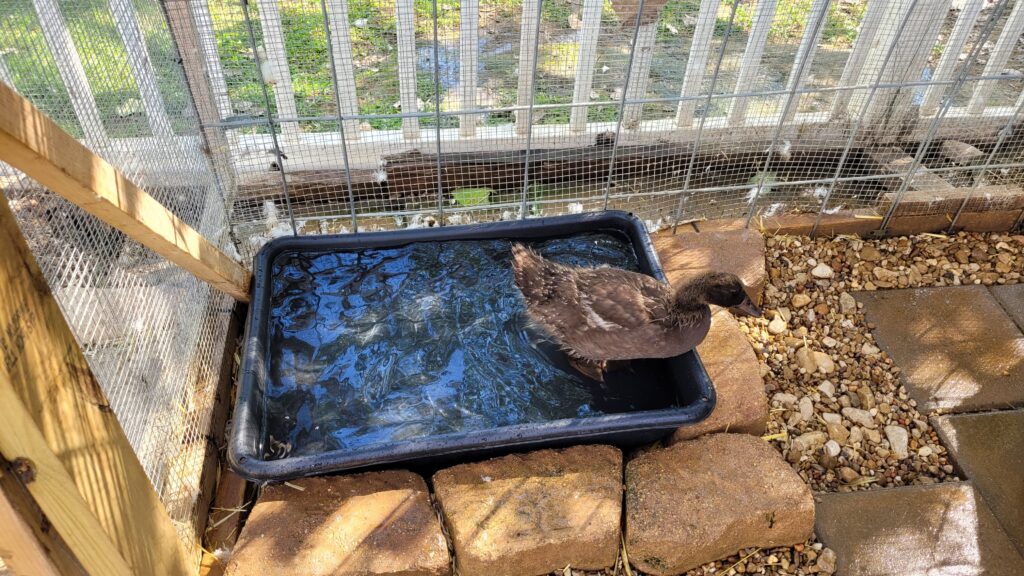
Open Water Overnight
At first, we simply left larger open water containers available overnight.
In theory? Easy.
In reality? The ducks somehow transformed nighttime water into a full remodeling project.
Morning usually meant:
- Wet bedding
- Splashed water everywhere
- Dirty containers
- Extra cleaning
That is ultimately why we switched to our bucket with a drinking hole and shoe tray setup.
Trying to Keep Everything Perfectly Clean
This one deserves its own category. Because honestly? Trying to keep a duck setup spotless was one of the biggest mistakes I made early on.
Ducks are naturally messy animals. At some point, I realized the goal was not perfection.
The goal was: Healthy ducks. Safe footing. Clean enough. Manageable for everyday life.
And once I accepted that, duck keeping became so much less stressful.
What Finally Worked Best for Us
Right now, the combination that works best for our flock is:
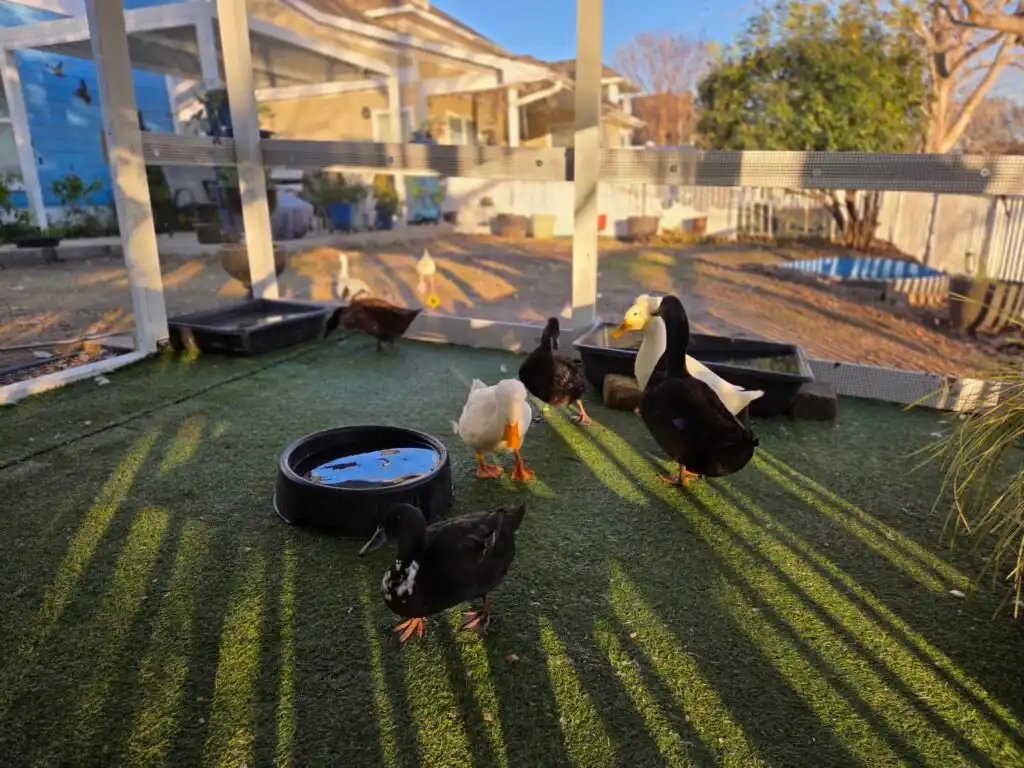
- Artificial turf
- Proper drainage underneath
- A French drain system
- Large pool outside the run
- Multiple water stations inside the enclosure
- Nighttime water that minimizes mess
Will we keep tweaking things in the future? Probably. Because duck keepers are always improving setups.
And honestly, the ducks usually make sure we stay creative.
FAQ: Water, Mud, and Duck Run Setup
How do I stop my duck run from turning into mud?
The biggest things that help are good drainage, separating major splash zones, and choosing the right flooring. For us, artificial turf with drainage underneath made a huge difference.
Is artificial turf safe for ducks?
It can be, as long as you choose a pet-safe turf with good drainage and maintain it properly. We switched after pea pebbles became too hard on our ducks’ feet.
Do ducks need water overnight?
In my opinion, yes. Ducks are waterfowl and should have 24/7 access to water for hydration, eating, and cleaning their nostrils and bills. We use a bucket system overnight to reduce mess while still providing access.
Should duck pools be inside or outside the run?
Either can work, but moving our main pool outside the run dramatically reduced mud and made cleaning easier.
How often should duck water be cleaned?
Small bowls and drinking containers may need refreshing daily or even multiple times per day. Our large filtered pool is usually drained and cleaned about every two weeks.
What is the best flooring for a duck run?
There is no one perfect answer. We personally had the best experience with artificial turf over a proper drainage system, but what works best depends on your climate, flock, and maintenance routine.
Final Thoughts: You Do Not Need Perfect, Just Manageable
If there is one thing I wish someone had told me earlier, it is this:
You do not need the perfect duck setup. You just need one that works.
When I first started keeping ducks, I spent a lot of time feeling frustrated by the mud, the mess, the endless water cleanup, and the feeling that I was somehow doing something wrong because everything looked so chaotic.
But over time, I realized something important:
Ducks are messy because ducks are supposed to be messy.
They are waterfowl.
They splash. They dig. They wash food in water. They create puddles in places that make absolutely no sense. They somehow turn freshly cleaned water into mystery soup within minutes.
That is not bad duck keeping. That is just duck keeping.
For us, building a setup that works meant years of small improvements, failed ideas, muddy shoes, vet advice, and lots of trial and error.
We started with natural ground, battled muddy puddles, tried straw and hay, switched to pea pebbles, dealt with foot concerns, and eventually landed on artificial turf with proper drainage underneath.
We moved the pool outside the run, experimented with different water stations, and found practical ways to reduce chaos without taking away what makes ducks happy.
And honestly? It is still not perfect.
There are still muddy days. Water still ends up where I do not want it. Someone still somehow turns a clean water bowl into a science experiment.
But our setup feels manageable, and that has made all the difference.
Because in my experience, the best duck setup is not the fanciest one on social media.
It is the one that:
✔ Keeps your ducks healthy
✔ Protects their feet and feathers
✔ Allows natural duck behaviors
✔ Works in your climate
✔ Fits your budget and routine
✔ Does not completely overwhelm you
Duck keeping is a learning process.
You will tweak things. Change things. Improve things. Probably question your decisions after a heavy rainstorm.
And that is completely normal.
Start simple, pay attention to what your flock needs, and do not be afraid to adapt as you go.
Because at the end of the day, happy ducks do not care whether their setup looks Pinterest-perfect.
They care that they have clean water, safe shelter, room to splash, and someone who loves them enough to keep trying.
And honestly, that matters far more than perfection.
What has worked best for your flock when it comes to mud and water management? I would genuinely love to hear your favorite duck hacks in the comments.
Further Reading & Resources
- How to Improve Duck Pool Water Quality with Size and Filtration
- How to Build a Predator-Resistent Duck Run: A Step-by-Step DIY Guide
- How Artificial Turf Transformed Our Duck Run
- A Full Day of Duck Care: What It Actually Looks Like
- Ducks and Water: How Much They Need, Why It Matters, and How to Manage It Safely
- Keeping Ducks 101: A Beginner’s Guide to Duck Care
- 12 Things to Know BEFORE Getting Ducks as Pets
Is your habitat optimized for safety? Return to the Habitat Guide for more research on predator-proofing and sanctuary design.