The Science of Duck Poop: What Healthy Droppings Should Look Like

Last updated: February 28th, 2026
To keep our research-backed guides free, this site uses ads and affiliate links (earning a small commission at no cost to you). Everything here is created by a duck mom and PhD scientist, combining academic rigor with hands-on experience to provide practical, trustworthy advice for duck keepers everywhere. 🦆 Learn more
Duck poop might not be dinner-table conversation, but it is one of the most reliable health indicators we have as duck parents. I check droppings every single day, often without even thinking about it, because changes show up here long before a duck acts “off.”
From a biological standpoint, droppings reflect digestion, hydration, gut health, organ function, stress levels, and even reproductive status. Once you know what’s normal, you can spot trouble early and act fast.
So let’s talk poop. The science-backed, practical, real-life-with-ducks version.
Part of the Duck Health & Anatomy Hub, Evidence-based medical resources and anatomical research.
Quick Navigation: Jump to a Section
[hide]
- What Duck Poop Is Actually Made Of
- What Healthy Duck Poop Looks Like
- Common Types of Normal Duck Poop
- What Is Not Normal
- How Diet Affects Duck Droppings
- Stress, Hormones, and Duck Poop
- How to Monitor Duck Poop Without Losing Your Mind
- When to Call the Vet
- Supporting and Improving Gut Health in Ducks
- The DuckPoop FAQ: Everything You Need to Know
- Final Thoughts: Learning to Read the Poop
- Further Reading & Resources
What Duck Poop Is Actually Made Of
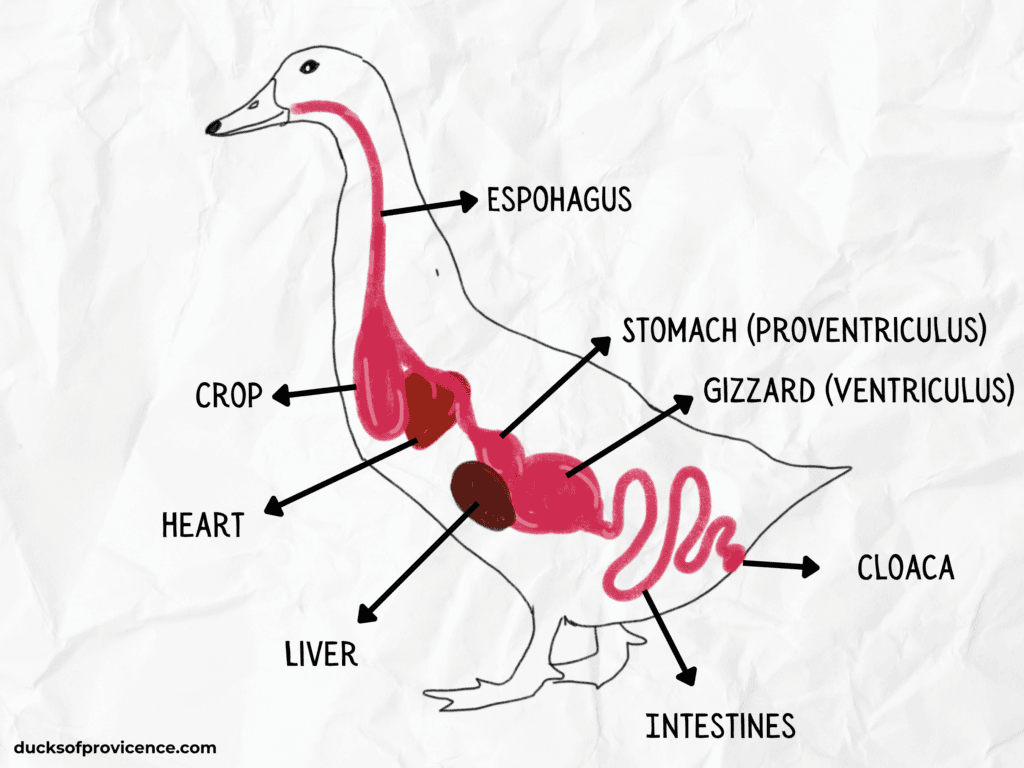
From a physiological standpoint, duck droppings are a composite waste product produced by multiple organ systems and expelled together through a single opening: the cloaca. This design is efficient for birds but can make interpreting droppings confusing if you are expecting mammal-style separation of urine and feces.
Duck poop is made up of three distinct components, each with its own biological origin and diagnostic value.
Feces
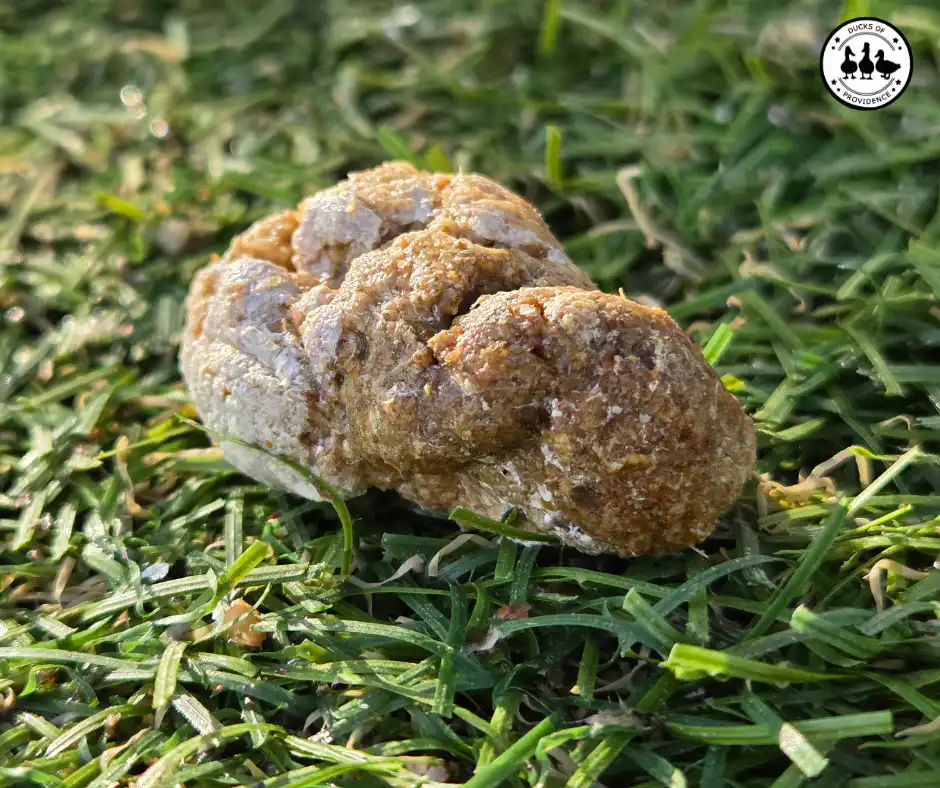
The fecal portion comes from the digestive tract, specifically the intestines. It consists of undigested food particles, fiber, gut bacteria, and metabolic waste from digestion.
In healthy ducks, feces are:
- Soft but cohesive
- Brown to greenish in color
- Influenced strongly by diet and gut transit time
Because ducks eat a high-moisture, high-fiber diet and drink large volumes of water, their feces are naturally softer than those of many other animals. This softness is normal and should not automatically be interpreted as diarrhea.
Urates
Urates are the white or cream-colored pasty material commonly seen on or beside the fecal portion. These are produced by the kidneys and are composed primarily of uric acid, the main nitrogenous waste product in birds.
Unlike mammals, birds do not excrete nitrogen as urea dissolved in liquid urine. Instead, uric acid is excreted as a semi-solid paste, which conserves water and reduces body weight, both critical evolutionary adaptations for flight, even in heavy-bodied domestic ducks.
Normal urates should be:
- White to off-white
- Creamy or chalky in texture
Changes in urate color, quantity, or absence can signal dehydration, kidney stress, liver disease, or systemic illness.
Liquid Urine
The clear liquid component of duck droppings is true urine, also produced by the kidneys. It contains water, electrolytes, and dissolved waste products but lacks the high urea concentration seen in mammals.
This liquid:
- Surrounds or pools around the feces
- Varies in volume depending on hydration and water intake
- Is typically clear and odorless
Because ducks consume and play in large amounts of water, this liquid portion is often more abundant than in chickens or other poultry species.
The Cloaca: One Exit for Everything
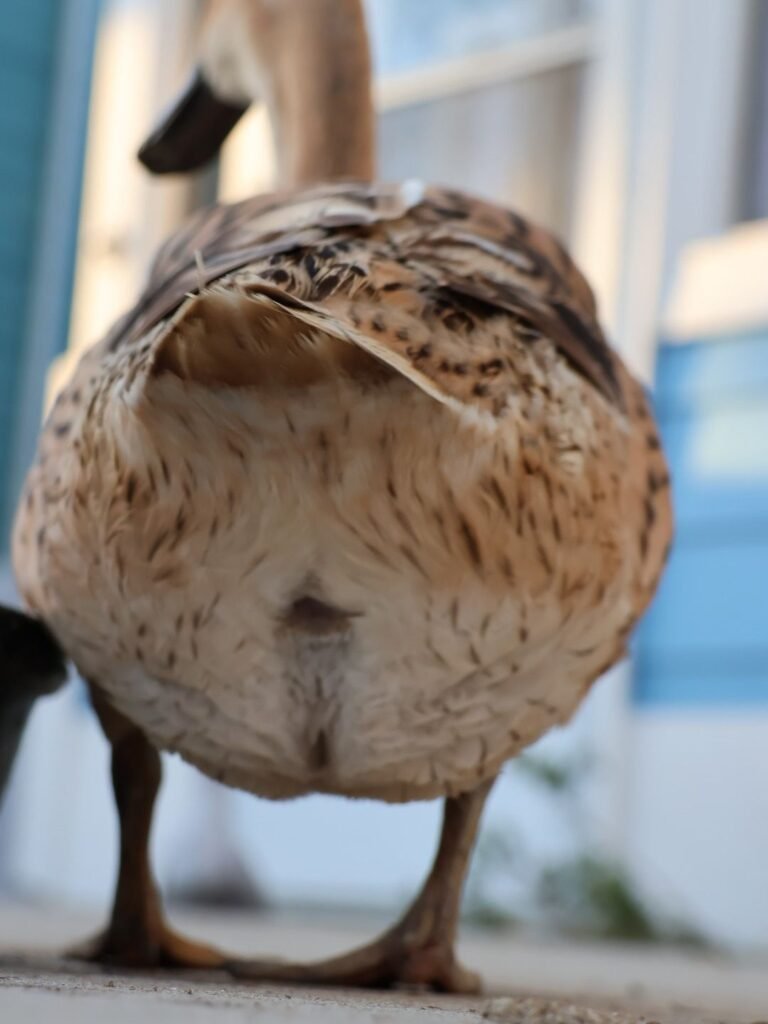
All three waste components, feces, urates, and liquid urine, enter the cloaca, a shared chamber that serves the digestive, urinary, and reproductive systems. Ducks do not have separate openings for these functions.
This is also the pathway through which eggs are laid.
Under normal conditions, eggs pass cleanly through the oviduct and out of the cloaca without affecting droppings beyond temporarily larger or softer stool. However, when ducks experience reproductive disorders, abnormal material can appear in the droppings.
This may include:
- Egg yolk material
- Albumen (egg white)
- Soft shell fragments or shell-less eggs
- Yellow, oily, or mucous-like discharge
These findings are not normal and can be associated with conditions such as egg binding, internal laying, salpingitis, or oviduct inflammation. Because the reproductive tract shares the same exit, reproductive problems can easily be mistaken for digestive issues if the anatomy is not understood.
Why This Matters for Health Monitoring
The cloaca’s multi-system role means that a single dropping can reflect:
- Digestive function
- Kidney and hydration status
- Liver metabolism
- Reproductive health
Seeing egg-related material in droppings is a red flag that warrants prompt attention, especially if accompanied by lethargy, posture changes, abdominal swelling, or reduced appetite.
Once you understand how many systems converge at the cloaca, duck poop stops being “just poop.” It becomes a powerful diagnostic snapshot of what is happening inside your duck’s body.
What Healthy Duck Poop Looks Like
One of the most important things to understand about duck droppings is that normal is not one single look. Healthy duck poop shows a wide range of appearances, even within the same duck on the same day. This variability is driven by physiology, diet, hydration, and behavior. And it is entirely expected in a healthy bird.
Color, consistency, volume, and moisture can change depending on:
- What and how much the duck has eaten
- Recent water intake or swimming
- Activity level
- Time since the last meal
- Whether the duck has been resting overnight
Because ducks eat frequently and drink copious amounts of water, their digestive output reflects these constant inputs more dramatically than in many other animals.
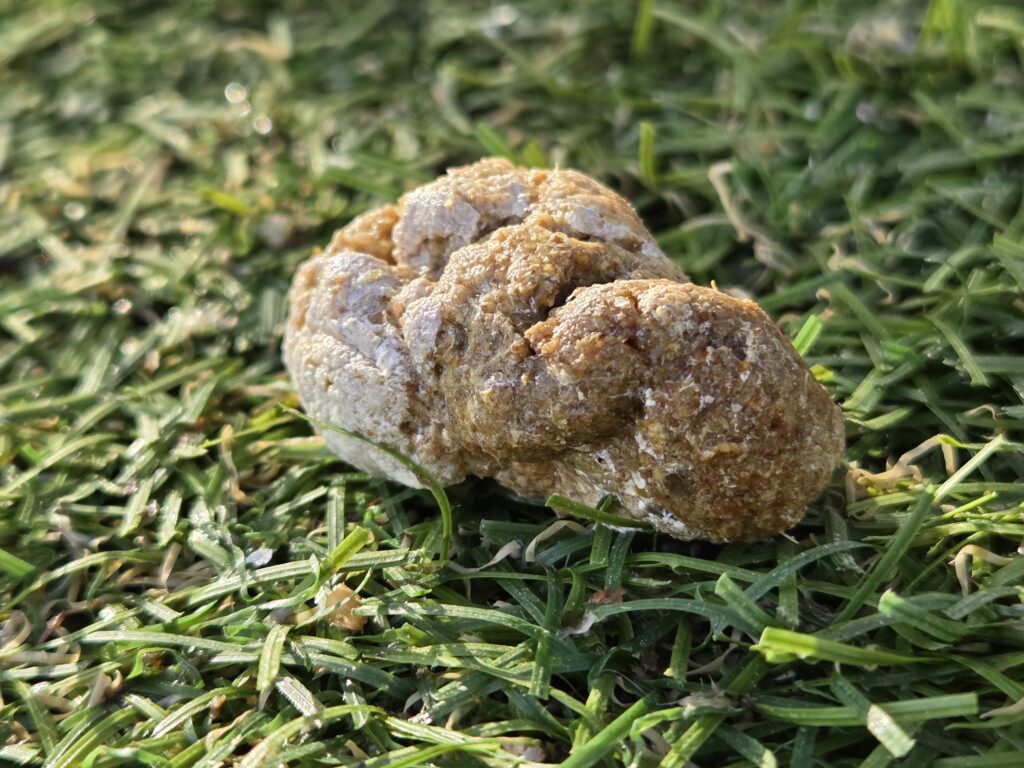
Core Features of Healthy Duck Droppings
Despite this natural variation, healthy duck poop consistently shares several key characteristics.
Soft but formed
Healthy feces should hold together loosely. They may spread slightly on impact, but there should still be a discernible fecal mass. Completely shapeless or explosive stool is not normal.
Moist, not watery
Moisture is expected in duck droppings, but there should be structure within the liquid. If the dropping is mostly fluid with no identifiable fecal portion, that suggests diarrhea rather than normal hydration-related looseness.
A defined fecal portion
Even in very wet droppings, you should be able to identify where the feces are. This tells you that intestinal motility and digestion are functioning appropriately.
Visible white or cream-colored urates
Urates should be present in most droppings. They may appear as a cap, streak, or separate paste-like component. Their presence indicates normal kidney function and nitrogen waste excretion.
Odor that makes sense for the type of poop
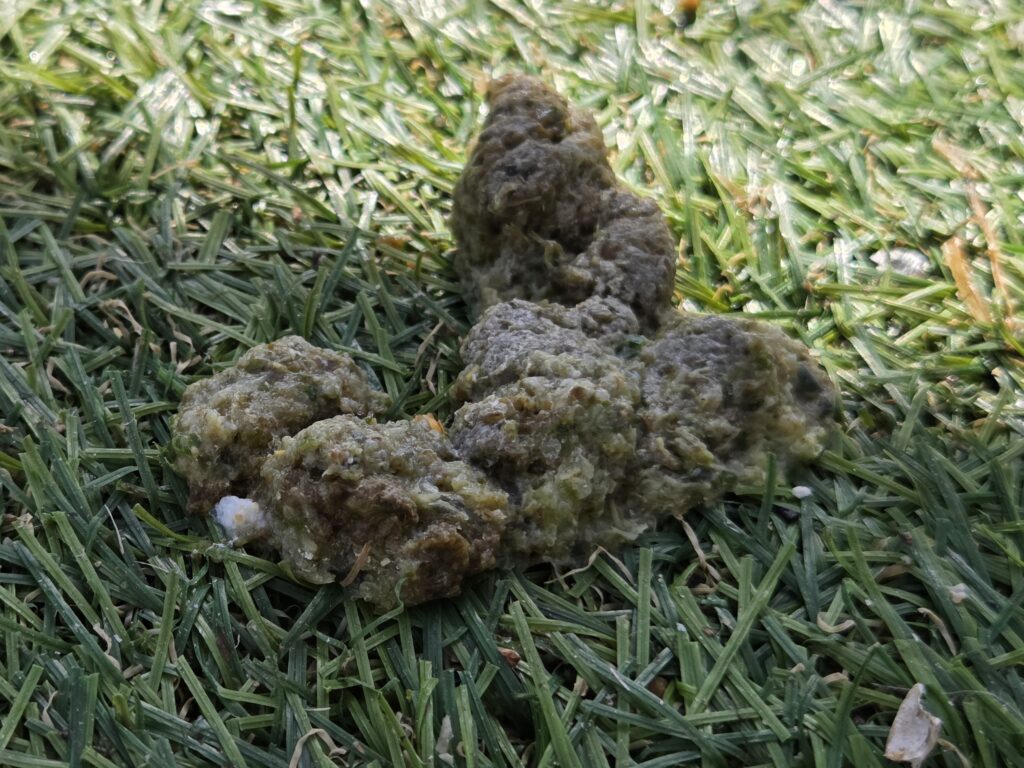
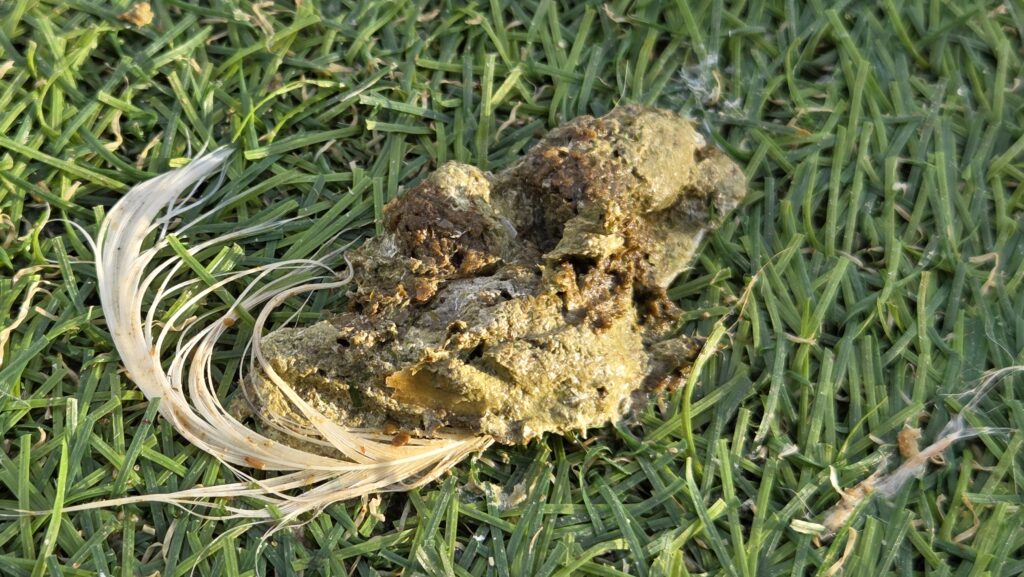
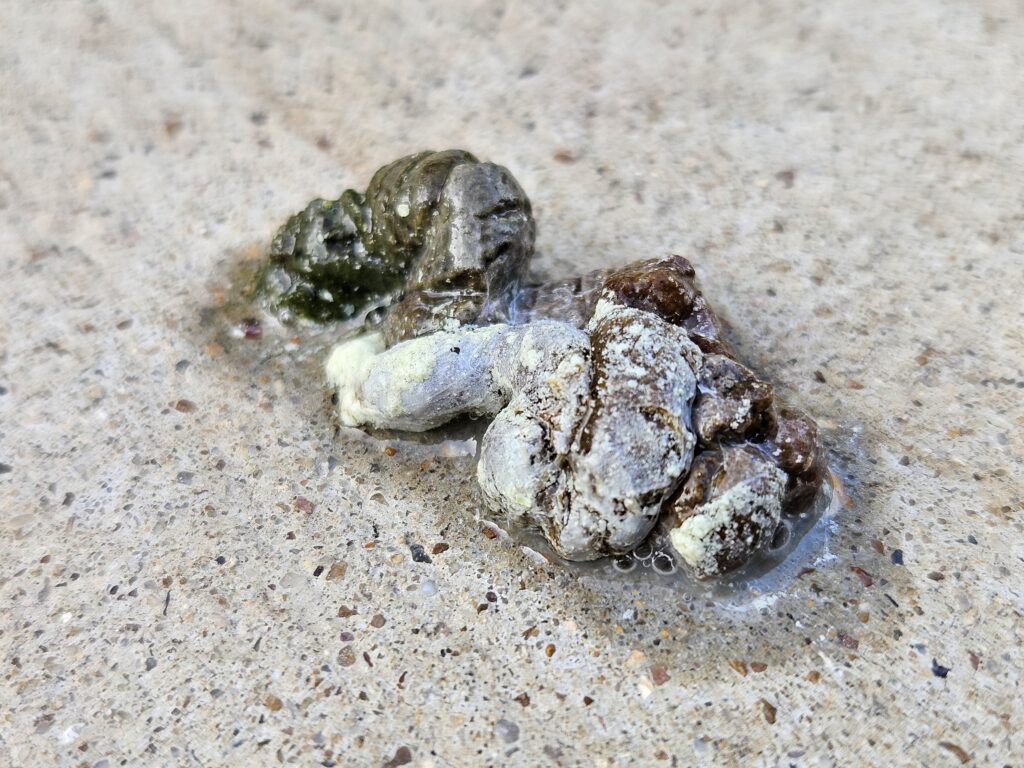
Most regular daily droppings have little to no smell or only a mild, earthy odor. However, cecal poops are the exception. These droppings are dark, sticky, and soft, and they smell… frankly awful.
Cecal poop comes from the ceca, where bacterial fermentation takes place. The strong sulfurous odor is a byproduct of normal microbial activity and does not indicate illness on its own. Cecal droppings typically occur once or twice a day and are part of healthy digestion.
A problem arises when:
- All droppings smell foul
- Strong odor is paired with diarrhea
- The duck shows lethargy, appetite changes, or weight loss
Normal Color Range (and When Food Is the Culprit)
Color is one of the most misunderstood, and most panic-inducing features of duck poop. Diet plays a huge role, and certain foods can make droppings look genuinely alarming the first time you see them.
Healthy droppings may be:
- Medium brown
- Olive
- Greenish-brown
- Dark green
On top of that, specific foods can dramatically change color:
- Blueberries: deep purple to almost black droppings (this one scared us the first time we saw it)
- Red berries or beets: red or pink-tinged droppings that can mimic blood
- Carrots or squash: orange or rust-colored tones
- Leafy greens: darker green stool
These color changes are normal as long as:
- The duck is otherwise acting normal
- Appetite and activity remain unchanged
- Urates are still present
- The color change matches a recent treat or diet change
Color should always be interpreted in context. A sudden dark or red-tinged dropping is far less concerning if blueberries or berries were on the menu earlier that day.
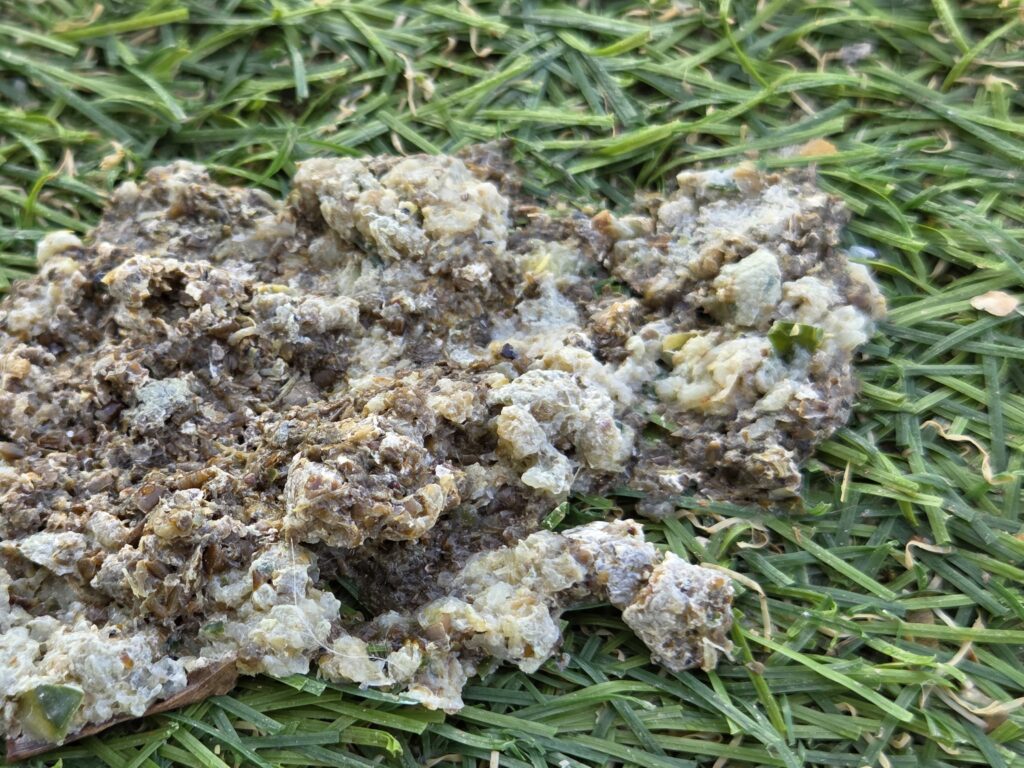
Volume and Frequency
Healthy ducks poop frequently, often every 10 to 20 minutes when active. Larger droppings are common:
- First thing in the morning
- After resting
- Before or after laying an egg
These larger droppings reflect longer gut retention time and are normal unless paired with straining or discomfort.
Why “Perfect” Poop Is a Myth
Because ducks are grazing birds with continuous intake and high water consumption, their droppings will never look neat or uniform. Expecting tidy, pellet-like stool sets unrealistic standards and often leads to unnecessary worry.
The goal is not perfection. It is consistency within each individual duck’s normal range.
Once you learn what healthy poop looks like for your flock, deviations become easier to spot. And yes, sometimes healthy poop really does smell like hell.
Common Types of Normal Duck Poop
Not all healthy duck droppings look the same. In fact, a well-functioning digestive system produces several distinct types of poop, each reflecting a different physiological process. Knowing these categories helps prevent panic and unnecessary vet calls when something unfamiliar shows up in the run.
Daily “Standard” Poop
This is the poop you see most frequently throughout the day and the best representation of routine digestion.
Daily standard poop is typically:
- Medium brown, olive, or greenish-brown
- Soft but cohesive
- Slightly glossy from moisture
- Accompanied by visible urates
Texture-wise, this is best described as “ploppable” rather than runny. It may flatten slightly on impact, but it still holds together enough to identify a fecal portion.
These droppings reflect normal gut transit, balanced hydration, and recent feeding. If most of your ducks’ droppings look like this, things are working exactly as they should.
Cecal Poop
Cecal droppings are the ones that make duck parents freeze mid-step and whisper, “What on earth is that?”
They come from the ceca, two blind-ended sacs in the lower digestive tract where microbial fermentation occurs. This process allows ducks to extract additional nutrients from fibrous plant material, but it also produces some… memorable byproducts.
Cecal poop is:
- Dark brown to black
- Sticky, thick, or pudding-like
- Shiny or tar-like in appearance
- Extremely strong smelling
- Passed once or twice a day
The odor is the result of normal bacterial fermentation and sulfur-containing compounds. It smells awful because it is doing exactly what it is supposed to do.
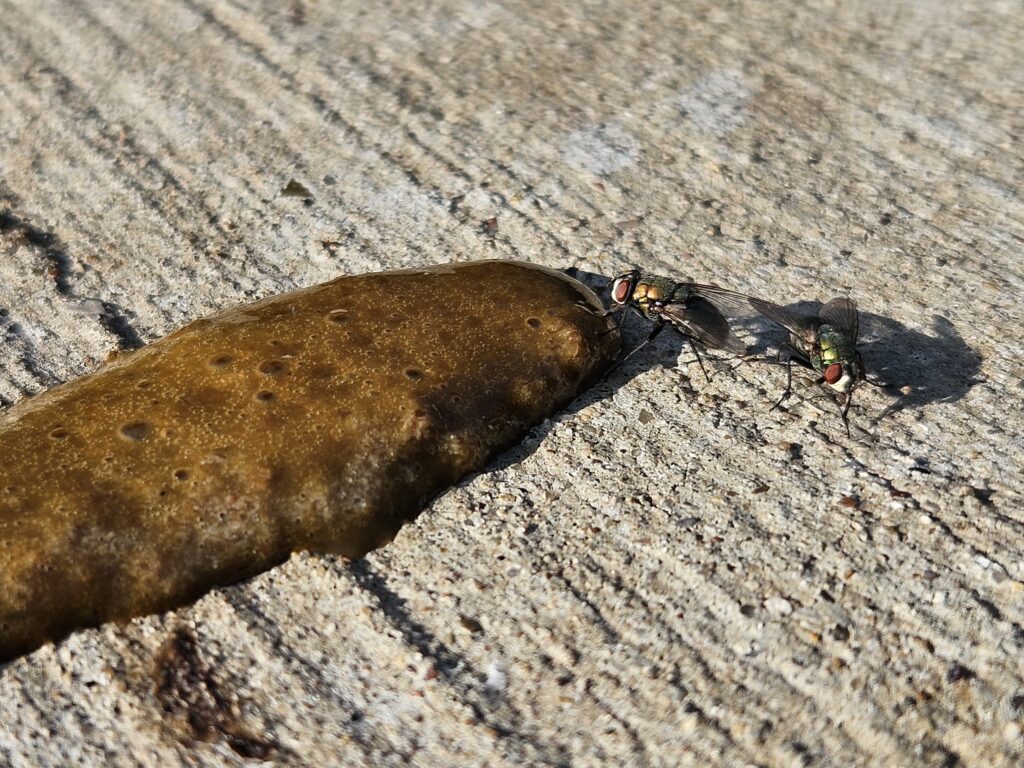
Cecal droppings are normal and healthy, as long as they occur intermittently and are not accompanied by lethargy, appetite loss, or persistent diarrhea. I still pause every time I see one, but science always reassures me.
High-Water Poop
Ducks are aquatic birds, and their droppings reflect that reality.
High-water poop is common:
- After swimming
- During hot weather
- After heavy drinking
- When eating water-rich foods
These droppings contain more clear liquid and may spread out more than usual. As long as you can still identify:
- A fecal portion
- Urates
this is usually a sign of hydration, not illness.
High-water poop becomes concerning only when:
- There is no solid fecal material at all
- Urates are absent
- The duck appears lethargic or unwell
In otherwise active, bright ducks, loose droppings after pool time are simply part of duck life.
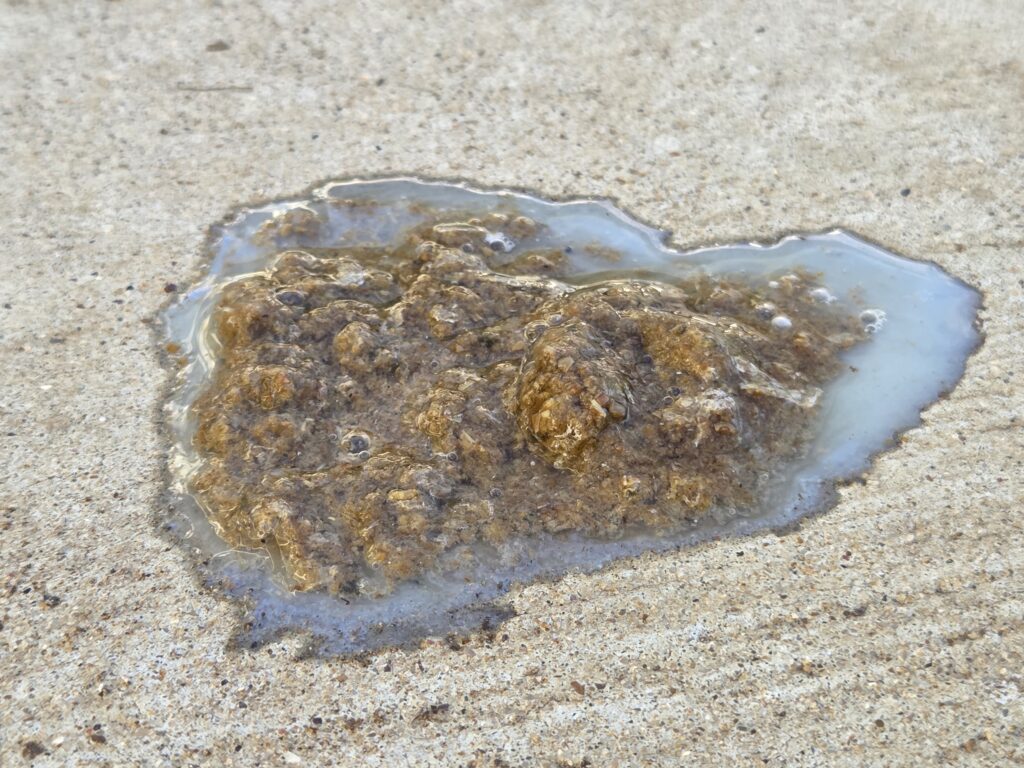
Why Seeing All Three Is a Good Sign
A healthy duck produces all three types of droppings regularly. Seeing only one type, or seeing dramatic changes across all droppings, can signal an issue. But variation within these categories is expected and reassuring.
Once you learn to recognize daily poop, cecal poop, and hydration-related poop, your confidence skyrockets. Suddenly, what once looked alarming becomes familiar and you can focus your worry where it actually belongs.
What Healthy Duck Poop Looks Like
| Type | Description | Meaning |
|---|---|---|
| Typical Dropping | Firm or slightly soft, with brown or green feces and white urates (the chalky part) | A sign of good digestion and hydration |
| Caecal Poop | Soft, pasty, very dark brown to black, with a strong smell | Totally normal! Ducks pass this 1–2 times a day to empty their cecum |
| Green Poop from Veggies | Bright pine green, often looser after eating greens like lettuce or kale | Harmless and food-related |
| Blue or Purple Poop | Often follows blueberries, red cabbage, or beets | Diet-related and not concerning |
| Pea Poop | Light green, often softer after eating lots of peas | Normal if it returns to usual color later |
What Is Not Normal
While healthy duck poop is variable, certain changes are not normal and should never be ignored. These patterns go beyond everyday fluctuations and often point to underlying health problems that require closer monitoring or veterinary care.
When in doubt, always look at poop together with behavior. Changes in droppings paired with lethargy, appetite loss, isolation, or posture changes are especially concerning.
Watery Diarrhea
True diarrhea is more than just wet poop.
Red flags include:
- No identifiable fecal structure
- Mostly liquid output
- Repeated soaking of bedding or feathers
- Increased frequency without solid material
Persistent watery diarrhea can indicate:
- Bacterial or viral infection
- Internal parasites
- Toxin exposure (including metals)
- Severe dietary imbalance or sudden feed changes
- Systemic illness
Occasional loose droppings after swimming or heat exposure are normal. Continuous liquid stool is not.
Missing Urates
Urates should be present in most droppings. If the white or cream-colored portion disappears entirely across multiple droppings, this is a concern.
Possible causes include:
- Dehydration
- Kidney dysfunction
- Advanced liver disease
- Severe systemic stress
Because urates are the primary route of nitrogen waste excretion in birds, their absence signals that something is interfering with normal kidney function or hydration status.
Bright Green or Neon Yellow Droppings
While diet can absolutely influence color, bright green, fluorescent, or neon yellow droppings fall outside the range of normal dietary variation and should always be taken seriously.
These colors are most commonly associated with:
- Liver dysfunction, where bile pigments are improperly processed
- Starvation or inadequate caloric intake, causing bile to pass through the gut unmodified
- Toxin ingestion, with metal toxicity (especially zinc and lead) being a critical and often overlooked cause
- Severe systemic stress or illness, which alters normal gut motility and bile metabolism
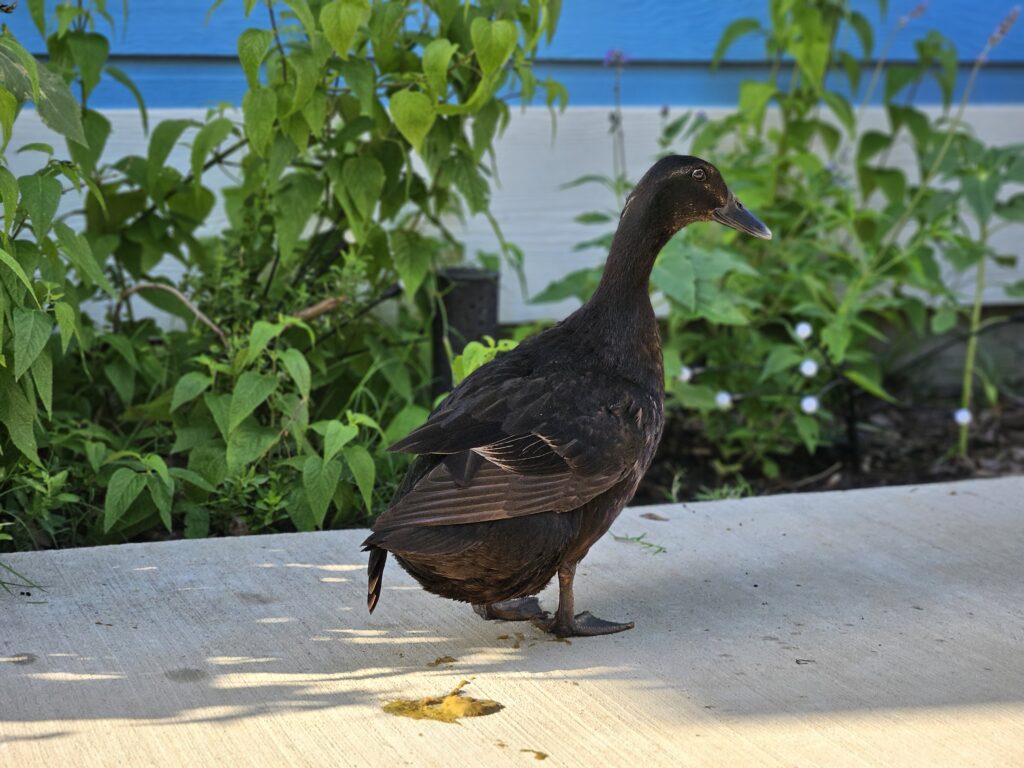
Metal toxicity deserves special emphasis here. Ducks are highly susceptible to ingesting small metal objects or zinc-containing materials: hardware, screws, galvanized wire, staples, coins, and even deteriorating fencing. Once ingested, these metals can damage the liver and kidneys, leading to dramatic changes in droppings long before obvious neurological signs appear.
Bright green or neon yellow droppings related to metal exposure are often accompanied by:
- Reduced or selective appetite
- Weight loss
- Lethargy or weakness
- Behavioral changes or isolation
- Sometimes increased thirst or abnormal urates
Because early metal toxicity can be subtle and X-rays do not always reveal the source, abnormal droppings may be one of the earliest visible warning signs.
Color alone is never a diagnosis. However, when droppings show extreme, unnatural hues, especially if they persist beyond a single day or are paired with behavioral changes, prompt evaluation is essential. In these cases, bloodwork and veterinary assessment can be life-saving.
Red, Black, or Bloody Droppings
Any appearance of blood or tar-like stool warrants immediate attention.
This includes:
- Fresh red blood streaks
- Pink or blood-tinged mucus
- Black, tarry droppings (digested blood)
- Repeated red or dark discoloration not linked to diet
Possible causes range from:
- Gastrointestinal injury or inflammation
- Severe infections
- Internal bleeding
- Reproductive tract disorders
- Toxins or foreign body ingestion
Diet-related red tones (such as berries or beets) usually appear uniformly colored and resolve within a day. True blood often appears streaked, clotted, or mixed with mucus.
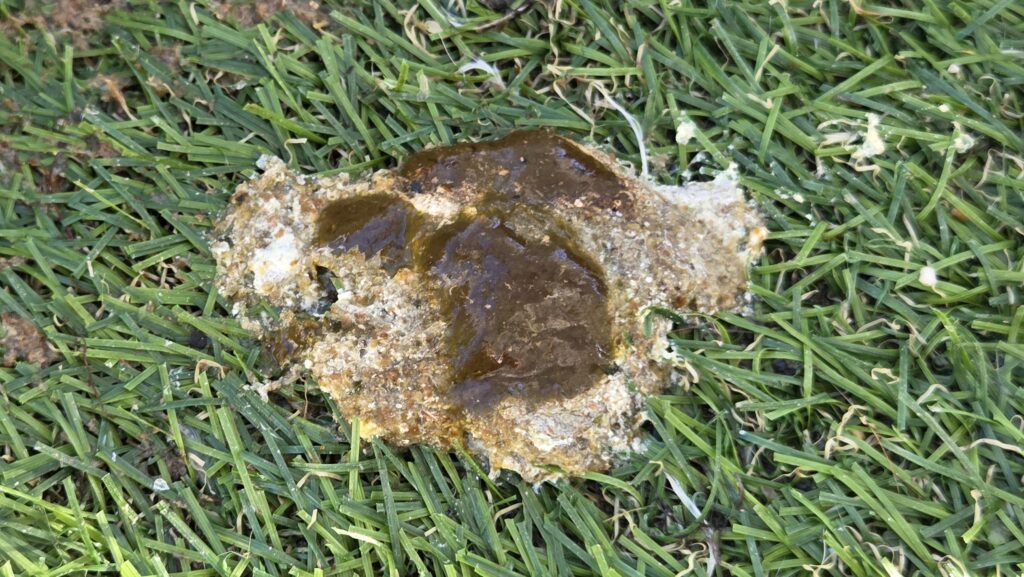
Egg Material in Droppings
Because eggs pass through the cloaca, abnormal reproductive output may appear in droppings.
This includes:
- Egg yolk material
- Albumen (egg white)
- Shell fragments
- Yellow, oily, or mucous-like discharge
These findings are not normal and can indicate reproductive disorders such as internal laying, egg binding, or oviduct infection. Veterinary evaluation is strongly recommended.
When to Act
You should contact an avian or poultry-experienced veterinarian if you observe:
- Abnormal droppings persisting longer than 24 hours
- Any blood or black tarry stool
- Missing urates across multiple droppings
- Poop changes paired with behavioral or neurological signs
Duck poop may look messy on a good day, but truly abnormal droppings stand out once you know what to look for. Trust your observations. Early action makes a real difference.
Abnormal Duck Droppings
| Type | Appearance | Possible Cause | Notes |
|---|---|---|---|
| Watery or Foamy | Very loose or bubbly | Diarrhea from bacterial/viral infection, stress, parasites | Persistent diarrhea requires vet attention |
| Bright Green (neon) | Vivid green, not from diet | Hardware disease, lead/zinc poisoning | Red flag for metal toxicity—urgent vet care needed |
| Greenish-Yellow | Mucousy, dull green-yellow | Duck Virus Enteritis (DVE) | Often paired with lethargy or sudden death in flocks |
| Yellow/Mustard Droppings | Mucus-like or thick yellow | Peritonitis, egg yolk coelomitis | May also be seen with belly swelling or labored breathing |
| Black Tar-Like | Shiny black, sticky | Renal failure, internal bleeding | May signal advanced kidney disease or hemorrhage |
| Bloody Diarrhea | Bright red streaks or blood-tinged mucus | Capillary worms, coccidiosis, Duck Virus Enteritis | Emergency—bring a fecal sample to your vet |
How Diet Affects Duck Droppings
Diet is one of the strongest and fastest influences on what duck poop looks like. Because ducks eat frequently, drink large amounts of water, and have a relatively rapid gut transit time, changes in food show up in droppings quickly, often within hours.
For duck parents, this is both helpful and confusing. The same perfectly healthy duck can produce dramatically different-looking poop simply based on what was on the menu that day.
Common Diet-Related Changes You’ll See
Leafy greens and forage
Ducks that eat kale, romaine, spinach, grass, aquatic plants, or pond vegetation often produce greener droppings. This is due to plant pigments and fiber content and is entirely normal in active, well-fed ducks.
High-water treats
Foods like cucumber, lettuce, watermelon, and zucchini increase the liquid portion of droppings. Stool may appear looser or more spread out, but as long as a fecal portion and urates are still present, this reflects hydration, not diarrhea.
High-protein feed
Higher-protein diets often result in firmer, more cohesive feces. This can be normal, especially during growth, molt, or recovery, but excessive protein long-term may also stress the kidneys, another reason balance matters.
Pigmented foods
Certain foods dramatically alter color:
- Blueberries can turn droppings deep purple to nearly black
- Red berries or beets can cause red or pink tones
- Carrots and squash may add orange hues
These changes can look alarming but are benign when clearly linked to recent treats and when behavior remains normal.
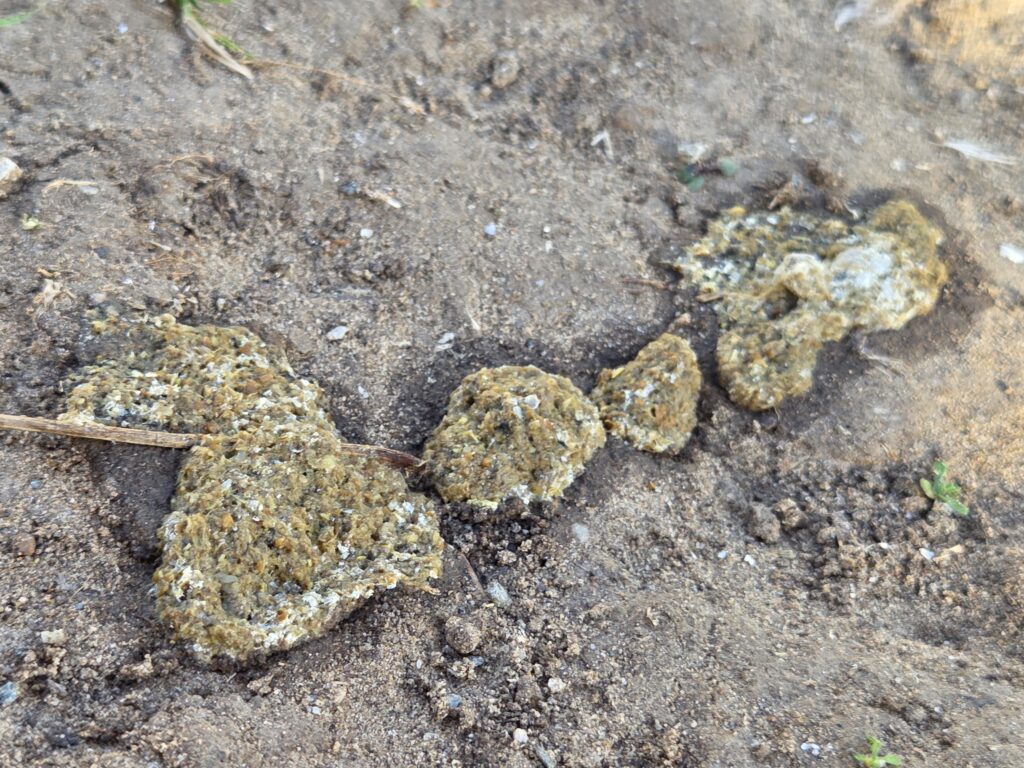
Sudden Diet Changes and Digestive “Protest”
Ducks have sensitive digestive systems that rely on a stable gut microbiome. Abrupt changes in feed or treats can temporarily disrupt this balance.
Signs of dietary upset include:
- Softer or looser stool
- Increased frequency
- Temporary changes in color or odor
This is why slow feed transitions matter. New feeds should be introduced gradually over several days, allowing gut bacteria to adapt. When transitions are rushed, poop is usually the first place you’ll see protest, well before appetite or behavior changes.
Treats, Balance, and Proportion
Even healthy foods can cause issues if offered in excess. Large amounts of fruit can lead to overly loose stool, while too many protein-heavy treats may firm stool excessively or alter urate output.
As a general rule:
- Treats should complement, not replace, a balanced maintenance feed
- Variety is beneficial, excess is not
- Observing droppings after new foods helps fine-tune what works for your flock
Using Poop as a Nutrition Feedback Tool
Duck poop provides real-time feedback on how well a diet is working. Stable color, consistent structure, and normal urates suggest good balance. Repeated changes after specific foods help you learn what your ducks tolerate best.
Once you start viewing droppings as nutritional data rather than mess, feeding decisions become clearer, and your ducks’ digestive health benefits.
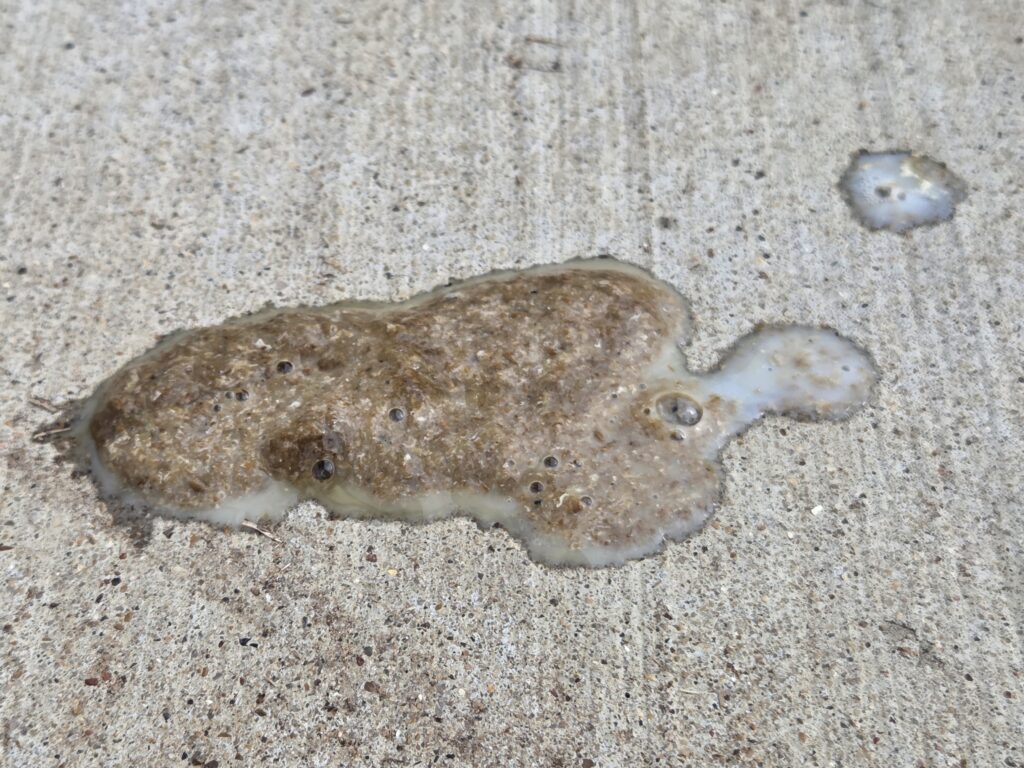
Stress, Hormones, and Duck Poop
Duck digestion is tightly linked to the nervous and endocrine systems, which means stress and hormonal shifts often show up in droppings before anything else looks wrong. Changes that seem alarming on the surface can sometimes be traced back to a very ordinary disruption in a duck’s routine.
How Stress Affects Digestion
Stress alters gut motility, the speed at which food moves through the digestive tract. When motility increases, droppings become looser and less formed. When it slows, droppings may be larger, darker, or less frequent.
Common stressors include:
- Transport or travel
- Predator sightings or attacks
- New ducks or flock reorganization
- Temporary separation from flock mates
- Heat waves or sudden weather changes
- Handling, restraint, or veterinary visits
In these situations, droppings may change in:
- Consistency
- Volume
- Frequency
- Odor
These stress-related changes are usually temporary and resolve once the duck feels safe and routines stabilize.
Heat Stress and Hydration
Heat deserves special mention. During hot weather, ducks drink more and often eat less. This leads to:
- Increased liquid in droppings
- Lighter-colored stool
- More frequent high-water poops
As long as urates remain present and the duck stays active, these changes are typically a normal physiological response to temperature rather than illness.
Hormones and Egg Laying
Reproductive hormones also influence droppings, particularly in laying females.
Laying ducks often produce:
- Very large droppings, especially in the morning
- Softer stool due to longer overnight gut retention
- Increased volume before or after egg laying
Because food remains in the digestive tract longer overnight, morning droppings are often the largest and smelliest of the day. This is normal and does not indicate diarrhea or infection on its own.
During periods of intense laying, hormonal fluctuations can also cause subtle, short-term changes in stool consistency or frequency.
The Most Important Question to Ask
When droppings change, I’ve learned to pause before panicking and ask one simple question:
What changed in the last 24–48 hours?
A new treat, a heat spike, a predator scare, a flock adjustment, or a stressful event often explains the change. If droppings normalize once the stressor resolves, that is reassuring.
When poop changes persist beyond the stressful event—or are paired with lethargy, appetite loss, or behavioral changes, that’s when further investigation is needed.
Understanding how stress and hormones influence digestion helps separate normal, temporary responses from true health concerns, and saves both ducks and duck parents a lot of unnecessary worry.
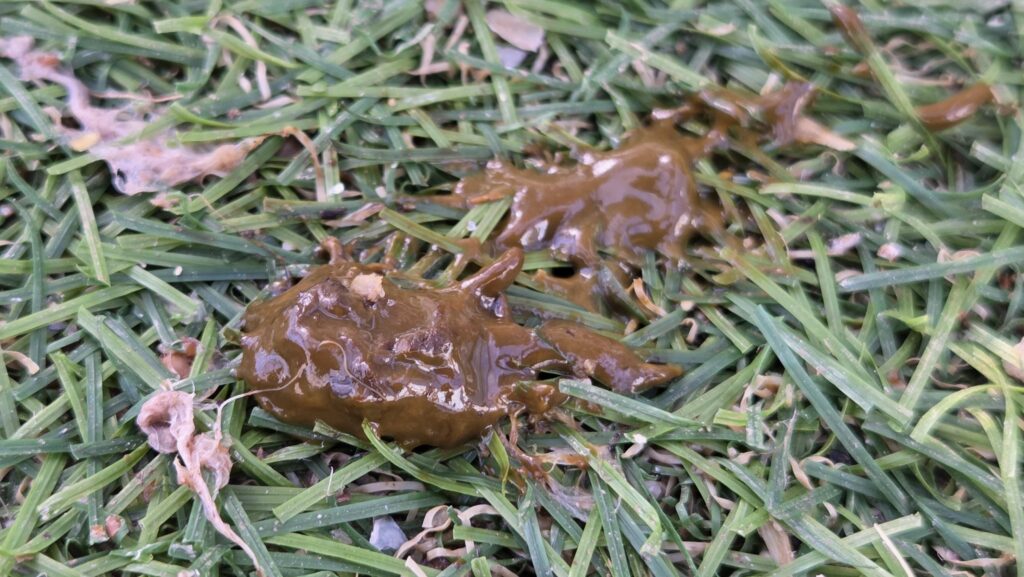
How to Monitor Duck Poop Without Losing Your Mind
Let’s be honest, if you analyze every single dropping in isolation, duck keeping becomes exhausting very quickly. The key is learning how to observe strategically, not obsessively. Over time, you develop a mental baseline for your flock, and poop becomes just another routine health check rather than a constant source of stress.
Here’s what works for me, both as a duck parent and from a science-informed perspective.
Focus on Patterns, Not One-Offs
A single weird dropping rarely means anything on its own. Ducks eat, drink, forage, swim, and experience minor stressors all day long. Variation is expected.
What matters is:
- Repetition
- Duration
- Worsening trends
If something looks odd once and then disappears, it was likely diet, hydration, or timing. If it shows up repeatedly over 24 hours or longer, that’s when it deserves attention.
Compare Each Duck to Her Own Baseline
Every duck has her own version of “normal.” Some always produce wetter droppings. Some have greener poop. Some make legendary morning bombs.
Instead of comparing one duck to another, compare:
- Today vs. yesterday
- This week vs. last week
- Post-stress vs. pre-stress
Knowing individual baselines is especially important in mixed-age flocks, during laying season, or when managing ducks with prior health issues.
Use Bedding and Sleeping Areas as Data
You don’t need to follow ducks around all day. Bedding tells the story for you.
Daily checks of:
- Nighttime bedding
- Nesting areas
- Favorite resting spots
can reveal changes in:
- Volume
- Consistency
- Color
- Presence or absence of urates
Morning droppings are particularly informative because they reflect overnight gut retention and hydration status.
Always Watch the Duck Behind the Poop
Poop never exists in a vacuum. It must be interpreted alongside behavior.
Ask yourself:
- Is she eating normally?
- Is she moving with her flock?
- Is her posture relaxed?
- Is she alert and responsive?
A duck with odd-looking poop but normal behavior is often fine. A duck with subtle poop changes and reduced appetite, lethargy, isolation, or posture changes is telling you something important.
Know When Duck Poop Is the Early Warning
In many cases, droppings change before obvious clinical signs appear. This is especially true for:
- Reproductive issues
- Metal toxicity
- Liver or kidney stress
- Digestive imbalance
That’s why poop monitoring works best as an early detection tool, not a standalone diagnosis.
Your Signal to Act
When poop changes and behavior changes happen together, reduced appetite, lethargy, isolation, weakness, or altered posture, that’s your signal to act. At that point, waiting rarely improves outcomes.
Monitoring poop doesn’t mean obsessing. It means paying attention, learning your ducks’ patterns, and trusting what consistent changes are telling you. Once you find that balance, poop becomes one of the most powerful and surprisingly calming health tools you have.
When to Call the Vet
Duck poop can tell you a lot, but it also has limits. Some changes move beyond “observe and monitor” and into medical territory, where professional evaluation is essential. When it comes to birds, waiting often makes things worse. Ducks are excellent at hiding illness, and by the time they look obviously sick, they may already be in trouble.
Contact an avian or poultry-experienced veterinarian if you observe any of the following.
Persistent Diarrhea
If watery, structure-free droppings continue for more than 24 hours, especially across multiple droppings, veterinary guidance is warranted.
Persistent diarrhea can indicate:
- Infection (bacterial or viral)
- Internal parasites
- Toxin exposure
- Organ dysfunction
Occasional loose droppings happen. Ongoing diarrhea does not resolve on its own and can quickly lead to dehydration.
Blood or Black, Tarry Droppings
Any sign of blood is a reason to call a vet.
This includes:
- Fresh red blood or streaking
- Pink or blood-tinged mucus
- Black, tarry droppings (digested blood)
These findings may reflect internal bleeding, severe infection, gastrointestinal injury, reproductive tract disorders, or toxin exposure. Diet-related color changes typically resolve within a day and lack true blood streaking.
Sudden or Persistent Loss of Urates
Urates should be present in most droppings. If the white or cream-colored portion disappears across multiple droppings, this can signal:
- Dehydration
- Kidney stress or failure
- Advanced liver disease
This change often requires bloodwork to determine the underlying cause.
Poop Changes Paired With Other Symptoms
Poop changes are most concerning when they occur alongside clinical signs, including:
- Neurological symptoms (loss of balance, tremors, head tilt, seizures)
- Weakness or inability to stand
- Reduced appetite or complete food refusal
- Isolation from the flock
- Straining, abdominal distension, or egg-laying difficulties
In these cases, droppings are often the earliest visible sign of a larger systemic or reproductive problem.
Trust Your Instincts
If something feels off, it probably is. You know your ducks better than anyone else. Early intervention saves lives, I’ve seen it firsthand. Calling a vet sooner rather than later often means simpler treatment, better outcomes, and far less suffering for the duck.
Supporting and Improving Gut Health in Ducks
A healthy gut is the foundation of healthy poop and overall duck health. Digestion, nutrient absorption, immune function, and even behavior are closely tied to the balance of microorganisms in the digestive tract. When the gut is supported, droppings tend to stabilize. When it’s disrupted, poop is often the first place problems appear.
The good news is that there are several evidence-informed, practical ways to support gut health in ducks.
Probiotics
Probiotics help maintain a balanced gut microbiome by supporting beneficial bacteria. They are especially useful:
- After antibiotic treatment
- During or after illness
- Following stress (transport, predator scares, heat waves)
- During feed transitions
In ducks, probiotics can help:
- Normalize stool consistency
- Reduce digestive upset
- Support immune response
Whenever possible, use poultry- or avian-formulated probiotics. These are designed for the avian digestive system and contain strains more relevant to birds.
Probiotics can be offered:
- In drinking water
- Mixed into moist feed
- As directed by a veterinarian
Short, targeted use during stress periods is generally more appropriate than constant supplementation.
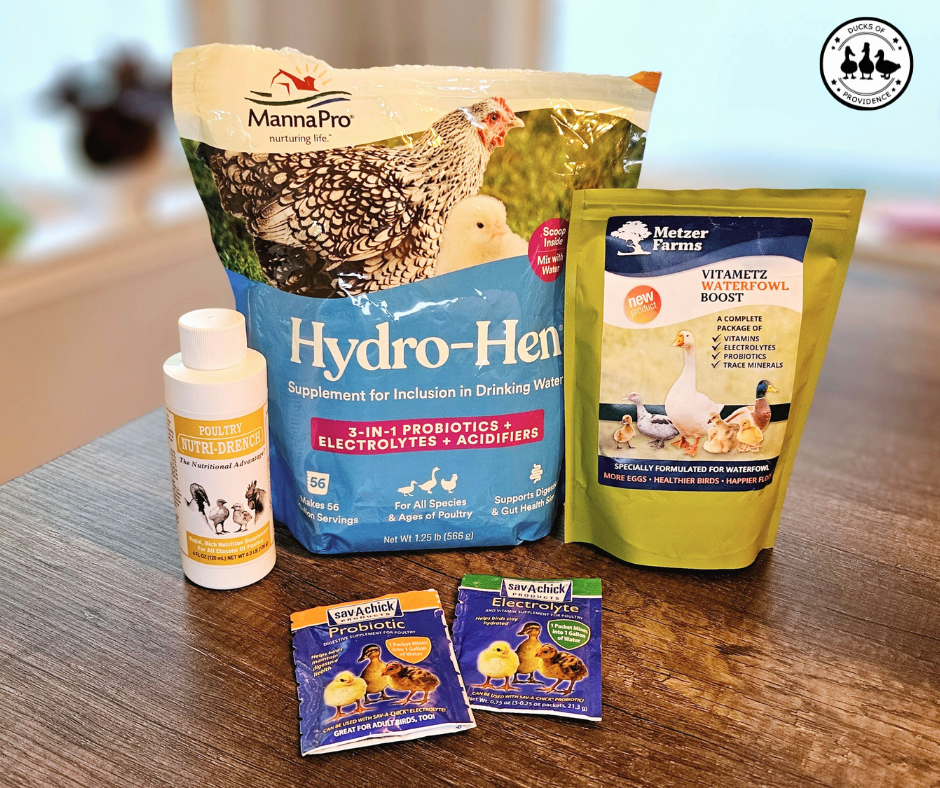
Product Picks for Gut Support
When poop changes suggest temporary gut imbalance rather than illness, probiotics can help stabilize digestion. Two products we use with veterinary approval are Hydro Hen and VitaMetz, both contain probiotics that our avian vet has confirmed are appropriate for ducks.
We use them short term during stress, heat, or recovery, when droppings become looser or inconsistent. These are support tools, not daily supplements, and should never replace proper nutrition or veterinary care when true red flags appear.
Apple Cider Vinegar (ACV): What We Know and What We Don’t
Apple cider vinegar is widely discussed in poultry keeping circles, but it’s important to be clear about the evidence base.
At this time, the use of ACV for gut health in ducks is largely anecdotal. To our knowledge, there is no strong scientific evidence demonstrating clear, consistent benefits for digestion or microbial balance in ducks or laying poultry.
Some keepers report perceived benefits such as improved digestion or reduced odor, but these observations have not been well-validated in controlled studies.
There are also potential concerns, especially with frequent or long-term use:
- Excess acidity may irritate the digestive tract
- Acidic water can interfere with mineral absorption
- In laying ducks and hens, chronic acidification may negatively affect calcium metabolism and egg production
If ACV is used at all, it should be:
- Occasional and diluted, not continuous
- Offered only in plastic waterers, never metal
- Avoided during illness or when medications are being given
ACV should never be viewed as a treatment or a substitute for veterinary care. In many cases, diet stability, probiotics, and good husbandry provide clearer benefits with less risk.
Diet Consistency and Quality
One of the most effective ways to support gut health is also the simplest: a stable, balanced diet.
Best practices include:
- High-quality, species-appropriate maintenance feed
- Slow, gradual transitions between feeds
- Treats offered in moderation
- Avoiding frequent, unnecessary diet changes
Sudden feed changes disrupt the gut microbiome and often show up quickly as loose or abnormal droppings.
Grit, Fiber, and Forage Balance
Access to appropriate grit supports mechanical digestion, particularly for ducks that forage or eat whole foods. Adequate fiber from greens supports normal gut motility, but excess fiber without balance can contribute to loose stool.
As with most nutritional factors, balance matters more than extremes.
Water Quality and Hygiene
Clean water is foundational to gut health. Ducks drink, rinse, and submerge their bills frequently, which means water quality directly affects what enters the digestive tract.
Support gut health by:
- Providing fresh water daily
- Cleaning water containers regularly
- Avoiding stagnant or heavily contaminated water sources
Reducing Stress Supports the Gut
Stress alters gut motility and microbial balance. Supporting gut health, therefore, also means:
- Stable flock dynamics
- Adequate space
- Shade and cooling during heat
- Minimizing unnecessary handling
A calm duck digests more efficiently than a stressed one.
Gut Health Shows Up in the Poop
When gut health is supported, you’ll typically see:
- More consistent stool structure
- Stable moisture levels
- Normal urates
- Fewer dramatic swings in color or odor
Supporting gut health isn’t about eliminating all variation. It’s about building resilience. And resilient ducks handle daily stressors, diet changes, and environmental challenges far better from the inside out.
The DuckPoop FAQ: Everything You Need to Know
Why does a duck only have one “exit” for everything?
Ducks, like all birds, possess a cloaca. This is an all-in-one chamber where the digestive, urinary, and reproductive tracts meet. Whether they are laying an egg or passing waste, it all happens through this single opening.
What are the different parts of a duck dropping?
A healthy duck dropping is actually a combination of three distinct things:
Feces: The solid, tubular part (the color varies based on what they ate).
Urates: The creamy white “cap” or marbling, which is how birds expel nitrogenous waste (similar to mammal urine but more concentrated).
Urine: The clear liquid that often surrounds the solid waste.
My duck just had a very smelly, “pudding-like” dropping. Is it sick?
Most likely, no! This is called a cecal dropping. About every 7 to 10 movements, the “ceca” (poultry’s version of an appendix) empties its contents. These droppings are darker, stickier, and significantly smellier than normal ones, but they are actually a sign of a healthy, functioning digestive system.
How often do ducks actually poop?
Because ducks have a very fast metabolism and a high water intake, they can poop every 15 to 20 minutes. This is why managing their environment and bedding is such a big part of duck keeping!
What does “abnormal” poop look like?
While color varies by diet (eating grass makes it green; eating berries makes it dark), you should look out for:
Blood: Can indicate parasites like coccidiosis.
Bright Yellow/Neon: Can sometimes indicate liver issues or heavy metal poisoning.
Excessive Bubbles: May suggest an internal infection or imbalance.
Lethargy: If abnormal poop is paired with a “hunched” or tired duck, it’s time to see a vet.
Why is duck poop considered “cooler” than chicken poop for gardening?
“Hot” manure refers to high nitrogen levels that can burn plant roots. While duck poop is still rich in nitrogen, its high water content and specific nutrient balance make it slightly less “aggressive” than chicken manure, though composting is still the best practice before using it on your prize vegetables.
Final Thoughts: Learning to Read the Poop
Duck poop may not be glamorous, but it is one of the most honest health indicators your ducks give you every single day. Once you understand what normal looks like and why it looks that way, droppings stop being confusing and start becoming useful.
Healthy duck poop is variable by design. Diet, water intake, stress, hormones, weather, and activity all leave their fingerprints behind. That variability is normal. What matters is pattern, persistence, and context.
Over time, you’ll learn:
- What “normal” looks like for each individual duck
- How food and treats show up in droppings
- Which changes resolve on their own
- Which ones signal something deeper
Poop is rarely the whole story, but it is often the first chapter. When changes in droppings are paired with behavior shifts, reduced appetite, lethargy, isolation, or posture changes, that’s your cue to act.
This isn’t about overanalyzing every splat in the run. It’s about quiet, consistent observation. A quick glance during daily chores. A mental note instead of a panic spiral.
Duck keeping teaches you to pay attention in small ways. And sometimes, those small, slightly messy details are exactly what help you catch a problem early and give your ducks the care they deserve.
Further Reading & Resources
- How to Conduct a Duck Health Check: A Comprehensive Guide
- 16 Common Duck Health Conditions You Should Know About
- 8 Internal Duck Parasites You Should Be Aware Of
- Duck Diagnostic Chart: Vital Signs, Tests, and What Your Duck’s Poop Is Telling You
- Duck Digestive System Anatomy
Deepen your understanding of avian wellness. Explore the full Duck Health & Anatomy Library for more specialized care guides.