
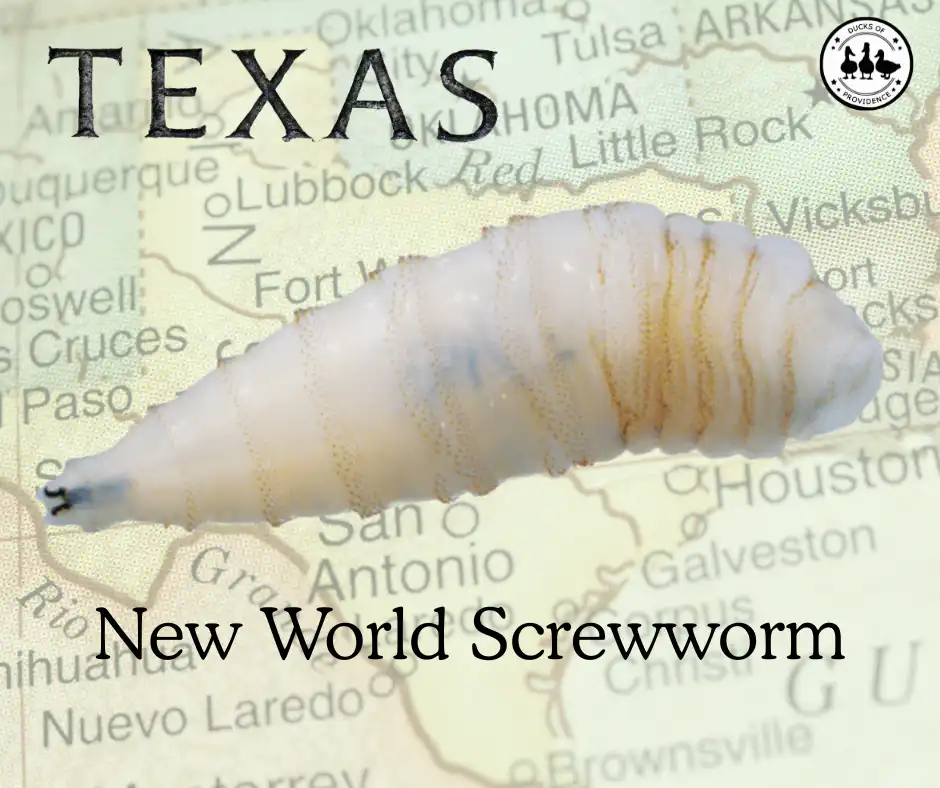
Screwworm Risk in Texas: Why Duck Owners Should Be Paying Attention in 2026

Last updated: February 28th, 2026
To keep our research-backed guides free, this site uses ads and affiliate links (earning a small commission at no cost to you). Everything here is created by a duck mom and PhD scientist, combining academic rigor with hands-on experience to provide practical, trustworthy advice for duck keepers everywhere. 🦆 Learn more
Screwworm risk in Texas is once again on the radar, and duck owners should be paying close attention. The New World screwworm is a parasitic fly whose larvae feed on living tissue, posing a serious threat to domestic animals, including backyard ducks. While screwworms were eradicated from the United States decades ago, recent confirmed animal cases just south of the Texas border have renewed concern among veterinarians, agricultural agencies, and animal owners alike.
For duck keepers, this matters more than many realize. Ducks are especially vulnerable to screwworm infestation because even small wounds, from mating injuries, sharp fencing, brambles, or skin irritation, can become entry points for larvae. Unlike common flies that target decaying material, screwworms infest healthy tissue and can cause rapid, life-threatening damage if not detected early.
This article breaks down what Texas duck owners need to know right now. We will cover what screwworms are, why their biology makes them so dangerous, how the United States has historically controlled them, and most importantly, what practical biosecurity steps you can take to protect your ducks. Awareness and early detection are our strongest tools, and for those of us caring for ducks in Texas, staying informed has never been more important.
Part of the Duck Health & Anatomy Hub, Evidence-based medical resources and anatomical research.
Quick Navigation: Jump to a Section
[hide]
Why Screwworm Risk in Texas Matters Now
The screwworm risk in Texas is not theoretical. It is tied to a very specific and recent warning. On January 20, 2026, the Centers for Disease Control and Prevention issued a health alert following confirmed animal cases of the New World screwworm in Tamaulipas, a region that sits directly along the Texas border. While there are currently no confirmed cases inside the United States, the geographic proximity alone makes this a situation that Texas animal owners should take seriously.
This matters because screwworm outbreaks historically spread through animal movement, warm weather, and unnoticed wounds. Texas checks all three boxes. We have long warm seasons, active wildlife corridors, livestock transport, and a growing population of backyard poultry and ducks. When a parasite like this reappears close to the border, the risk is not evenly distributed. Border states are always the first line of exposure.
It is also important to understand that screwworms are not just another fly problem. The New World Screwworm behaves very differently from the flies most duck keepers are used to dealing with. Common blowflies target decaying material. Screwworm flies lay their eggs in living tissue. Once those eggs hatch, the larvae actively feed on healthy flesh, causing rapidly expanding wounds.
For ducks, this creates a unique vulnerability. A small mating injury, a scratch from a bramble, a nick from rough fencing, or irritation around the vent can all become entry points. Within a single day, a minor wound can host dozens or even hundreds of larvae. Because ducks are prey animals, they often hide pain well, which means early signs can be easy to miss if you are not actively looking for them.
This is why timing matters. Awareness before cases cross the border gives duck owners the best chance to prevent infection rather than respond to an emergency. The goal right now is not fear. It is preparation, observation, and reducing risk while the threat is still nearby rather than local.
Recent Events and Background
The renewed concern around the New World screwworm is rooted in a large and ongoing outbreak affecting both people and animals across Central America and Mexico. The New World Screwworm, known in Spanish as gusano barrenador del Nuevo Mundo, causes a condition called myiasis. This occurs when adult flies lay eggs in open wounds or in body cavities with mucous membranes, including the nose, ears, eyes, or mouth. Once the eggs hatch, the larvae feed on and burrow into living tissue, causing rapidly progressive and destructive infections.
Although screwworms primarily affect livestock such as cattle and horses, they can also infest other warm blooded animals, wildlife, and humans. Human cases are rare but serious, and infections can be fatal if not treated promptly.
As of January 20, 2026, more than 1,190 human cases and seven deaths have been reported across Central America and Mexico during the current outbreak. Mexico alone has documented 24 hospitalizations in people and 601 active animal cases. An animal case is considered active at the time of diagnosis and is classified as inactive only after officials confirm the absence of new wounds or larvae for at least fifteen days.
Of particular concern for Texas animal owners is the situation in Tamaulipas, which borders the United States. This region has reported eight active animal cases, placing the outbreak directly adjacent to Texas. At this time, the screwworm fly has not been detected in the United States, and overall risk to people remains low. However, proximity and ongoing spread warrant heightened awareness and monitoring.
Historically, the New World screwworm was a major economic and animal health threat in the United States. The United States Department of Agriculture, through its Animal and Plant Health Inspection Service, successfully eradicated the parasite using the Sterile Insect Technique. By releasing sterile male flies into affected areas, reproduction was halted because female screwworm flies mate only once during their approximately twenty one day lifespan. This approach eliminated screwworms from the United States, Mexico, and much of Central America and was successfully used again in 2017 after a limited reintroduction in the Florida Keys.
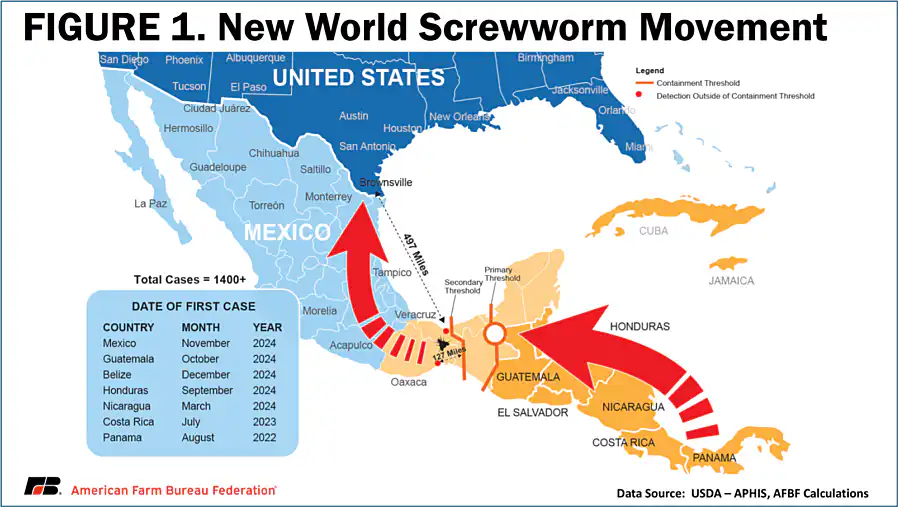
Since 2006, animal health authorities maintained a biological barrier at the Darien Gap between Panama and Colombia by continuously releasing sterile flies. However, in 2023, Panama reported a dramatic increase in cases, with more than 9,300 infections in a single year. Factors contributing to renewed spread include unregulated cattle movement, increased human and animal traffic through the Darien Gap, and expansion of farming into new areas. In addition, screwworms have remained persistent in parts of South America and the Caribbean, including Cuba, Haiti, and the Dominican Republic.
Current control efforts by the USDA focus on several coordinated strategies. These include releasing sterile male flies, enforcing animal movement controls, and expanding both passive and active surveillance along with outreach and education in impacted regions. Rapid identification and proper clinical management of infestations in people and animals are also critical. The Centers for Disease Control and Prevention is working with federal, state, local, and international partners to support public health response, investigation, and containment efforts.
People and animals are at increased risk of screwworm infestation when they are in areas where the fly is present and have open wounds such as cuts, scratches, insect bites, or surgical sites. Additional risk factors include delayed wound healing, chronic skin conditions, extremes of age, malnutrition, sleeping outdoors during daytime hours when flies are most active, and prolonged exposure to livestock or other warm blooded animals.
For duck owners in Texas, this broader context matters. While ducks are not the primary species discussed in official reports, the biology of screwworms means that any warm-blooded animal with a wound can be affected. Understanding the scale and trajectory of the current outbreak helps explain why vigilance, early detection, and strong biosecurity practices are essential right now.
The Science: Why Screwworms Are So Successful and How We Fight Back
From a biological and ecological perspective, the New World screwworm is a highly efficient parasite. Its life cycle, feeding behavior, and reproductive strategy are all optimized to exploit living hosts quickly and aggressively. Understanding this science helps explain why screwworm infestations escalate so fast and why early intervention is critical.
What the New World Screwworm Is
The New World screwworm is scientifically known as Cochliomyia hominivorax. It is a species of blow fly whose larvae cause a condition called myiasis by feeding on healthy, living flesh rather than on dead or decaying material.
While screwworms primarily affect livestock and wildlife, they are not host-specific. Any warm-blooded animal can be infested if the conditions are right. This includes pets and, in rare but serious cases, humans. Vulnerable areas include open wounds as well as moist body openings such as the nose, ears, eyes, mouth, and reproductive tissues. In young animals, even the umbilical stump can serve as an entry point.
How Screwworm Infection Begins
Infection starts with the adult female fly. She is highly attracted to the scent of blood, moisture, and damaged tissue. Wounds do not need to be large. Insect bites, tick bites, small scratches, mating related injuries, or irritated skin can all be sufficient.
Once a suitable site is found, the female lays hundreds of eggs at a time directly on the wound or mucous membrane. Over her short lifespan, a single female can lay thousands of eggs, which allows infestations to escalate rapidly.
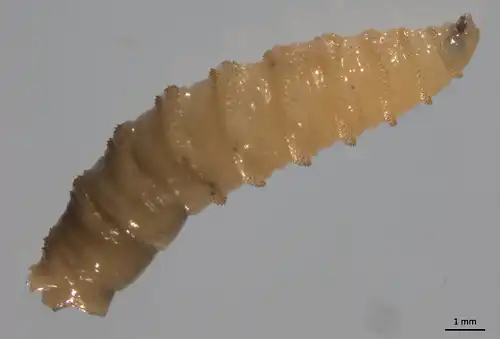
The eggs hatch quickly, often within hours. The larvae immediately burrow head first into the tissue. As they feed, they twist deeper into the flesh, a motion that gives screwworms their name. This behavior anchors the larvae in place and makes them difficult to remove without proper treatment.
Why the Larval Stage Causes So Much Damage
The larval stage is responsible for nearly all of the injury and economic loss associated with screwworm infestations. These larvae live directly within the wounds of living animals, where they cause extensive tissue destruction.
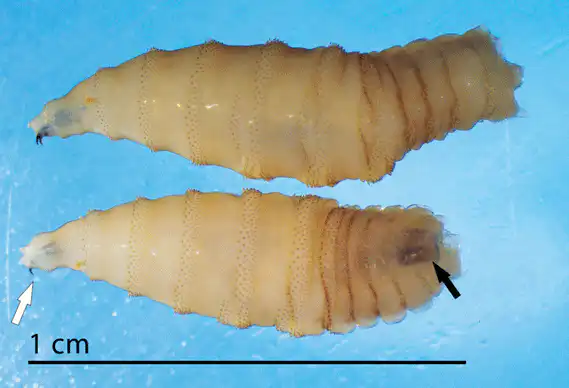
As larvae mature, they can reach up to 17 millimeters in length, roughly two-thirds of an inch. Their bodies are covered in prominent spines that wrap around in a spiral pattern. These spines help the larvae maintain their position in the wound and contribute to the severe mechanical damage they cause as they feed and move.
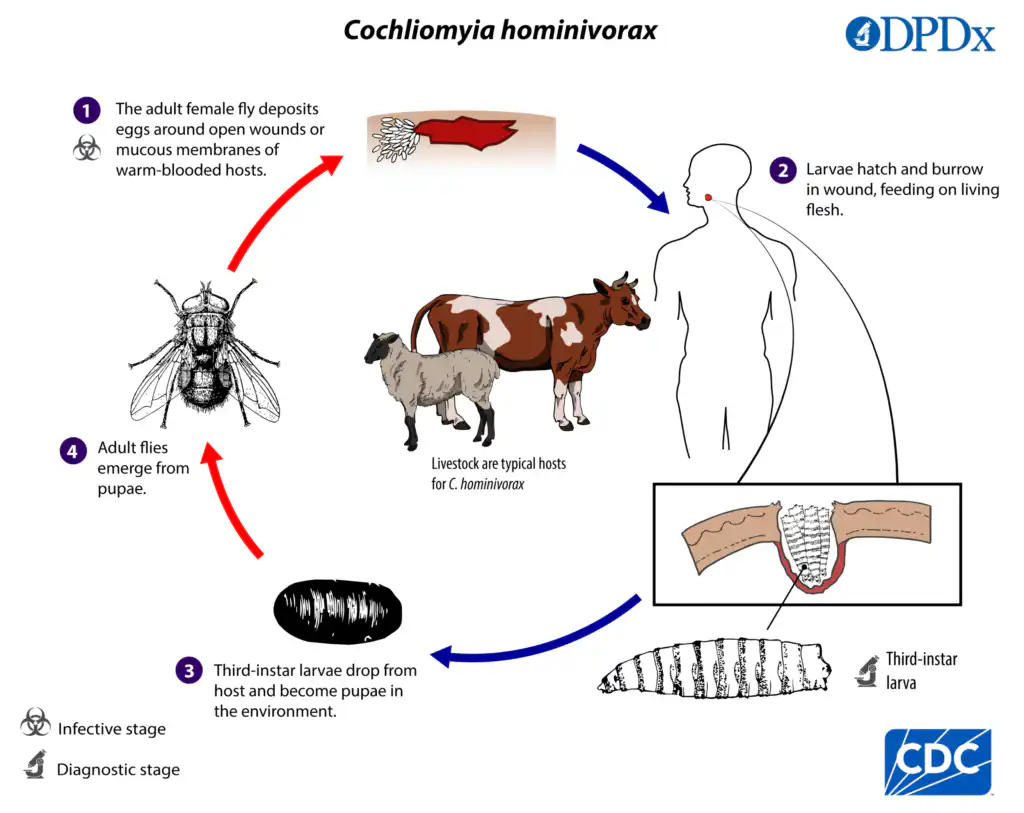
As tissue is destroyed, fluids and odors are released that attract additional flies. This creates a feedback loop where more eggs are laid in the same wound, rapidly expanding the infestation. The result is escalating inflammation, pain, secondary bacterial infection, and systemic stress on the animal.
In smaller animals such as ducks, this combination can overwhelm the body quickly, especially if the infestation goes unnoticed.
Identification Is Not Straightforward
Official identification of screwworm larvae requires expertise. Larval identification is based largely on internal anatomical features, including the presence or absence of dual internal breathing tubes. Confirmation of species identity can only be made by a trained professional using proper diagnostic methods.
This is one reason reporting and veterinary involvement are so important. Not every maggot found in a wound is a screwworm, but the consequences of missing a true screwworm case are significant.
Adult Screwworm Flies and Look-Alikes
Adult New World screwworm flies are metallic blue blow flies with three distinct dark stripes running down the top of the thorax just behind the head. They also have large orange eyes, which can help distinguish them from other species.
They closely resemble a related species, the secondary screwworm fly, Cochliomyia macellaria. This species is also metallic blue and has three stripes, but all three stripes begin at the same point behind the head.
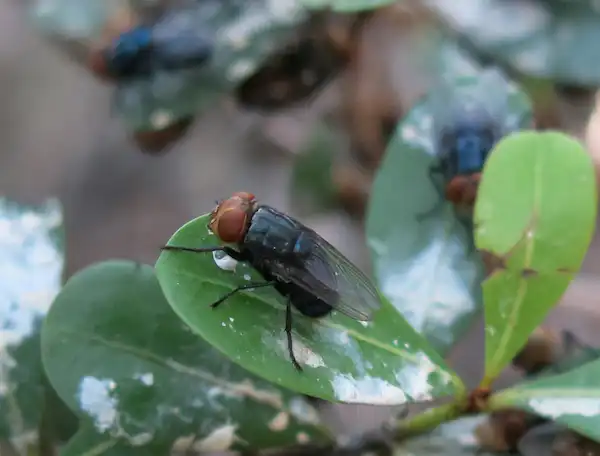
This distinction matters. Secondary screwworm flies do not lay eggs on living animals, and their larvae do not infest healthy tissue. As a result, they do not pose the same threat to animal health. Visual similarities between species further reinforce why professional identification is critical when larvae are found.
Why This Biology Matters for Duck Owners
Understanding the biology of screwworms explains why prevention and early detection are so important. This parasite is designed for speed, tissue invasion, and rapid reproduction. Small wounds become large problems quickly.
For duck owners, especially in Texas, this means that routine health checks, injury prevention, and immediate response to anything abnormal are not optional during periods of increased risk. When biology is working against the host, informed observation becomes the strongest defense.
How Screwworms Are Controlled and Why It Works
Despite how effective screwworms are as parasites, their population can be controlled using a remarkable science-based strategy known as the Sterile Insect Technique. This approach is coordinated by the United States Department of Agriculture in collaboration with international partners.
In this method, large numbers of male screwworm flies are bred and sterilized before being released into affected regions. Female screwworm flies mate only once during their lifetime. When a female mates with a sterile male, no offspring are produced. Over time, repeated releases dramatically reduce the population and can completely eliminate local outbreaks.
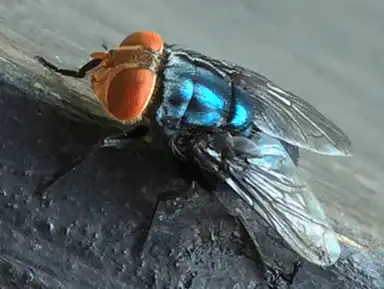
This technique was responsible for the successful eradication of screwworms from the United States in the mid twentieth century. It remains the primary defense system protecting North America today. However, the system relies on early detection and geographic containment. When outbreaks occur close to the border, increased vigilance becomes essential.
For duck owners in Texas, this science explains both the risk and the reassurance. Screwworms are biologically aggressive, but they are also biologically vulnerable when surveillance, reporting, and prevention work together. Understanding how they operate helps us respond with informed and practical biosecurity rather than fear.
Practical Biosecurity for Backyard Ducks
This is where global disease surveillance and laboratory science turn into everyday duck-keeping decisions. You do not need special equipment or advanced training to protect your flock. What matters most is consistency, observation, and reducing risk wherever possible.
Everyday Prevention Steps for Duck Owners
Daily body checks are one of the most effective tools duck owners have. I build them into my morning routine, right alongside feeding and water checks. The goal is not to search for problems but to notice small changes early.
Pay close attention to behavior. Ducks that appear lethargic, isolate themselves from the flock, or show unusual head shaking or restlessness deserve a closer look. Changes in posture, reduced appetite, or reluctance to move can all be early indicators that something is wrong.
Use your sense of smell as well as your eyes. Screwworm infestations are often associated with a distinct foul odor that reflects tissue breakdown. Many caretakers notice the smell before they ever see larvae or eggs. If something smells off, it usually is.
Visually inspect the skin, especially around the vent, under the wings, along the legs, and at the base of the neck. Look for redness, moisture, irritation, or wounds that appear larger or wetter than expected. Tiny white egg clusters or larvae embedded head down in tissue require immediate veterinary care.
Reduce Injury Risk Through Smart Habitat Design
Preventing wounds is one of the most powerful biosecurity steps you can take. Screwworm flies require an entry point, and eliminating those entry points dramatically lowers risk.
Regularly inspect your duck run, coop, and garden areas. Remove or cover sharp wire ends, jagged fencing, exposed staples, splintered wood, and damaged hardware cloth. Pay special attention to areas where ducks squeeze through or land after short flights.
How Our Setup Reduces Injury and Infection Risk
In our own setup here in North Texas, the addition of a new duck shed and a fully rebuilt run has made injury prevention much easier to manage. The shed is designed to be easy to access and easy to clean, which allows us to spot and address potential issues quickly. We installed sheet vinyl flooring to eliminate splinters and rough surfaces that could cause small cuts or abrasions, and we use soft bedding such as fine pine shavings and straw to provide cushioning and protect the skin and feet. Combined with the new run design and artificial turf ground cover, these choices significantly reduce the risk of minor injuries that could otherwise become entry points for infection.

Clean Wounds Immediately and Monitor Closely
Even with the best setup, minor injuries still happen. What matters is how quickly they are addressed. Any open wound should be gently cleaned, monitored daily, and protected from flies whenever possible. During warmer months, increased vigilance is essential, especially for ducks that are laying, mating, or molting.
Biosecurity does not mean living in fear. It means creating systems that work quietly in the background. When daily checks, safe housing, and prompt wound care become routine, the risk posed by emerging threats like screwworms becomes far more manageable.
What to Do If You Suspect or Confirm Screwworms
If you suspect screwworms or are certain you are seeing them, this is a medical and regulatory emergency. Quick and correct action protects your duck, prevents further spread, and supports ongoing containment efforts.
Act Immediately and Isolate the Duck
As soon as you notice suspicious signs, separate the affected duck from the flock. This reduces stress on the injured bird and limits exposure to flies that could worsen the infestation. Move the duck to a clean, enclosed area away from insects if possible.
Do not wait to see if the situation improves. Screwworm infestations progress rapidly, and delays can be fatal.
Do Not Attempt Home Treatment Alone
It is very important not to rely on home remedies or routine wound care if screwworms are suspected. Removing visible larvae without proper treatment often leaves deeper larvae behind and can worsen tissue damage.
At this stage, professional veterinary care is essential. Screwworm cases require thorough wound exploration, complete larval removal, and appropriate medications to prevent secondary infection and systemic complications.
Do not attempt to remove maggots or egg masses on your own. Never discard larvae or eggs in the trash or on the ground, as this could allow the New World screwworm to spread locally. If any larvae or eggs fall from the wound, place them in a leak proof container and cover them with seventy percent ethanol or rubbing alcohol. Bring the sealed container with you to your veterinary provider so the material can be properly identified and handled.
Contact a Veterinarian Immediately
Reach out to an avian or poultry experienced veterinarian and clearly state that you are concerned about a possible screwworm infestation. This helps the clinic understand the urgency and prepare appropriate treatment.
If you are unsure which veterinarian to contact, urgency still matters. Any veterinarian can help coordinate next steps, referrals, or reporting.
Report the Case
Suspected or confirmed screwworm cases should be reported to animal health authorities. Early reporting helps protect other animals and supports regional surveillance and control efforts.
In the United States, cases are typically reported through the state animal health official and the APHIS office. Your veterinarian can assist with this process and ensure proper documentation.
If human exposure or broader public health concerns arise, coordination with the Centers for Disease Control and Prevention may also occur through official channels.
Protect Yourself During Handling
While screwworms primarily affect animals, always protect yourself when handling an affected duck. Wear disposable gloves, avoid direct contact with wounds, and wash hands thoroughly afterward. This is basic biosecurity and helps prevent accidental spread of larvae or contamination of other animals.
Monitor the Rest of the Flock Closely
After a suspected case, increase observation of the entire flock. Perform daily body checks, watch for behavioral changes, and inspect any wounds immediately. Screwworms exploit opportunity, and early detection in additional birds is critical.
Why Fast Action Matters
Screwworm control depends on early detection, rapid treatment, and reporting. Individual duck owners play an important role in preventing wider spread. Acting quickly protects your duck, supports public health efforts, and helps keep this parasite from re-establishing itself closer to home.
If there is one takeaway from this section, it is this: when in doubt, treat it as urgent and involve professionals immediately.
Screwworm FAQ for Duck Owners
Are screwworms currently in the United States?
No. As of January 2026, the New World screwworm has not been detected in the United States. However, active animal cases have been confirmed in northern Mexico close to the Texas border, which is why increased awareness is recommended for Texas animal owners.
Can ducks get screwworms?
Yes. Screwworms can infest any warm blooded animal if an open wound or vulnerable tissue is present. While ducks are not commonly mentioned in official reports, their biology does not protect them from infestation. Small wounds, mating injuries, or irritated skin can serve as entry points.
Is screwworm infection common in backyard ducks?
No. Screwworm infections are rare, especially in backyard settings with good husbandry. Ducks that receive daily observation, have clean housing, and have wounds addressed promptly are at very low risk. Awareness is about early detection, not expectation of infection.
What is the difference between screwworms and regular maggots?
Most maggots found in wounds belong to flies that feed on dead or decaying tissue. New World screwworm larvae feed on living flesh, which causes rapidly expanding wounds. Because visual identification is difficult, any suspicious maggots in a wound should be treated as urgent and evaluated by a veterinarian.
Should I treat screwworms at home if I think I see them?
No. Suspected screwworm infestations require immediate veterinary care and official reporting. Attempting home treatment can leave larvae behind and may contribute to further spread if eggs or larvae are improperly discarded.
What is the single most important prevention step?
Daily observation. Regular body checks, prompt wound care, and maintaining a low injury environment reduce screwworm risk more than any single product or treatment. Most cases escalate because early signs go unnoticed.
Final Thoughts
The New World screwworm is not currently established in the United States, but recent events near the Texas border are a reminder that animal health threats can change quickly. For duck owners, especially those of us in Texas, this is not a reason for fear but a reason for informed awareness.
Screwworm biology explains why early detection matters so much. This parasite is designed to exploit small wounds, progress rapidly, and remain hidden until damage is already underway. The good news is that the same science also shows us where our power lies. Daily observation, thoughtful habitat design, and prompt attention to even minor injuries dramatically reduce risk.
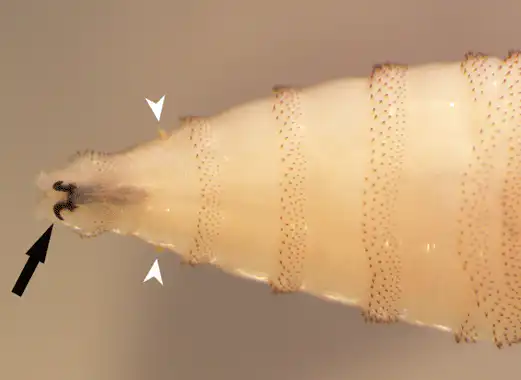
Backyard duck keepers already play an important role in animal health surveillance. By knowing what is normal for our ducks, recognizing subtle changes, and acting quickly when something looks or smells wrong, we become part of the early warning system that keeps larger outbreaks from gaining ground.
This is a moment to stay observant, keep environments safe, and maintain good husbandry habits. Most ducks will never encounter screwworms, but preparedness ensures that if conditions change, we are ready to respond calmly, quickly, and responsibly.
Further Reading & Resources
- Duck Diagnostic Chart: Vital Signs, Tests, and What Your Duck’s Poop Is Telling You
- Finding a Duck-Savvy Vet: Tips for Pet Duck Owners
- 31 Must-have Items for Your Pet Duck First Aid Kit
- Common External Duck Parasites: Signs, Treatment, and Prevention Tips
- Duck Anatomy: A Complete Guide for Pet Owners
- Understanding Avian Influenza (Bird Flu)
Deepen your understanding of avian wellness. Explore the full Duck Health & Anatomy Library for more specialized care guides.
References
- CDC: New World Screwworm: Outbreak Moves into Northern Mexico (accessed 01/22/2026)
- Texas A&M Agriculture Extension: New World screwworm fact sheet (accessed 01/22/2026)
- USDA: New World Screwworm (accessed 01/22/2026)
- DPDx – Laboratory Identification of Parasites of Public Health Concern (accessed 01/22/2026)