
Renal Failure in Ducks: What’s Happening Inside the Body and What You Can (and Can’t) Do

To keep our research-backed guides free, this site uses ads and affiliate links (earning a small commission at no cost to you). Everything here is created by a duck mom and PhD scientist, combining academic rigor with hands-on experience to provide practical, trustworthy advice for duck keepers everywhere. 🦆 Learn more
Renal failure in ducks is one of the most serious and least understood health conditions we encounter as duck parents. It often develops quietly, with subtle changes that are easy to miss until the kidneys are already struggling to do their job. By the time obvious symptoms appear, the disease may be advanced, which makes early awareness and informed decision-making especially important.
As both a duck parent and a scientist who approaches duck care through a biology and veterinary lens, I know how overwhelming a diagnosis like kidney failure can feel. Ducks are experts at hiding illness, and kidney disease does not always look dramatic at first. Small changes in urates, drinking behavior, energy levels, or weight can be the only clues that something serious is happening internally.
In this guide, we will look at renal failure in ducks from two perspectives. First, what is actually happening inside the body from a biological standpoint, including how duck kidneys function and why they fail. Second, how veterinarians diagnose and manage kidney disease in real life, what treatment options may help, and when supportive care becomes the kindest choice.
This article is not just about medicine. It is also about knowing what is normal for your duck, recognizing when something needs attention, and understanding when continuing treatment may no longer be in their best interest. My goal is to give you clear, science-based information while supporting you through one of the hardest realities of duck keeping.
Part of the Duck Health & Anatomy Hub, Evidence-based medical resources and anatomical research.
Renal Failure in Ducks: What Every Duck Parent Should Know
To understand why renal failure is so serious in ducks, it helps to first understand what healthy kidneys are responsible for. Many of the signs we see on the outside are direct consequences of what is happening internally. When the kidneys begin to fail, systems that normally work quietly in the background start to break down.
Quick Navigation: Jump to a Section
[hide]
- What Do Duck Kidneys Actually Do?
- Early and Advanced Signs of Renal Failure in Ducks
- How Veterinarians Diagnose Renal Failure in Ducks
- Treatment and Supportive Care for Ducks With Renal Failure
- When Treatment Is No Longer Helping: Making the Hardest Decision
- Risk Reduction and Prevention: Protecting Duck Kidney Health
- Frequently Asked Questions About Renal Failure in Ducks
- Final Thoughts and Next Steps
- Further Reading & Resources
- References
In the next section, we will take a closer look at duck kidney anatomy and function. We will explore how duck kidneys differ from mammalian kidneys, what waste products they handle, and why even small disruptions can have widespread effects throughout the body. This biological foundation makes it much easier to understand the symptoms, diagnostic tests, and treatment decisions discussed later in this guide.
What Do Duck Kidneys Actually Do?
Duck kidneys are small, powerful organs that do a tremendous amount of behind-the-scenes work to keep the body in balance. When they are functioning normally, you rarely notice them at all. When they start to fail, nearly every system in the body is affected.
Duck kidney anatomy, in simple terms
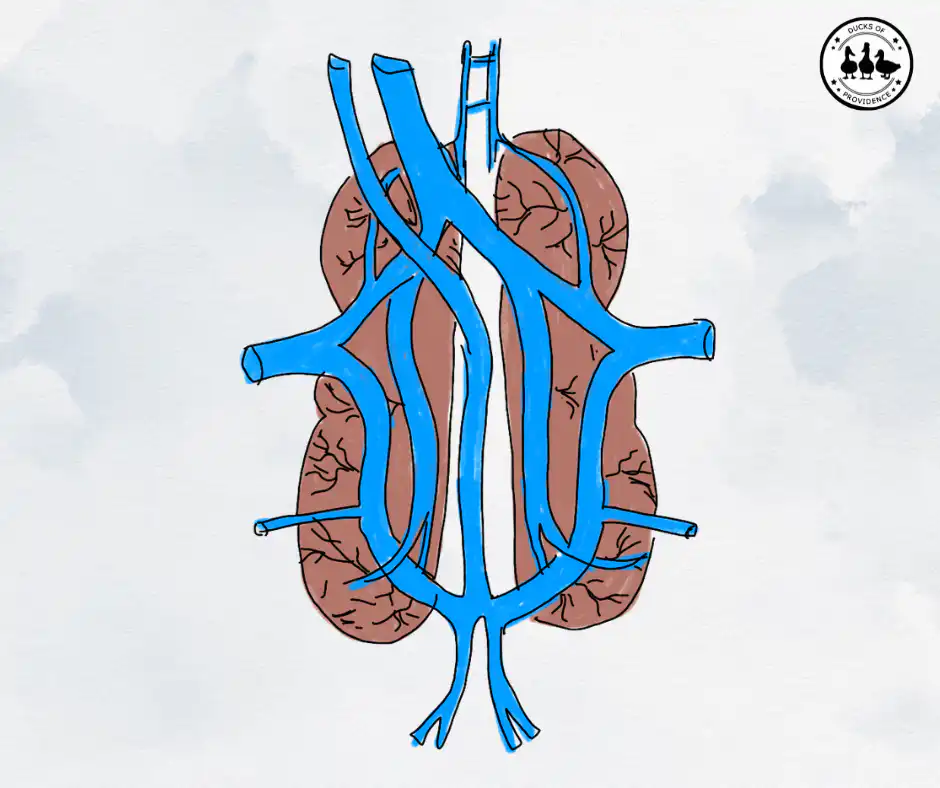
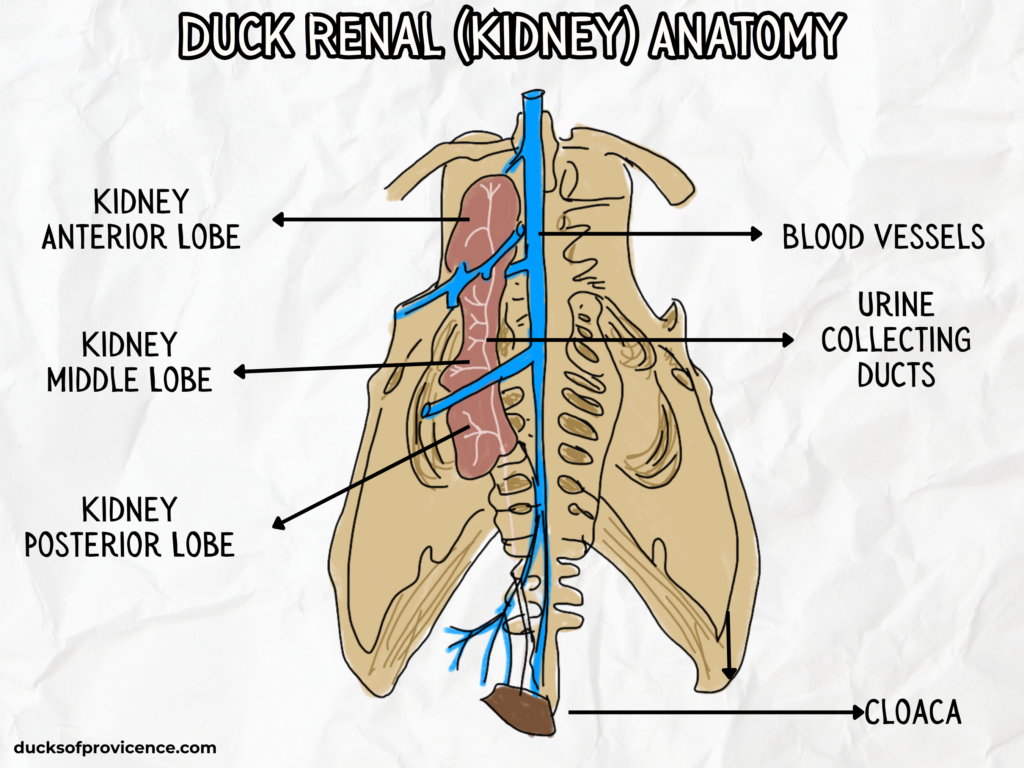
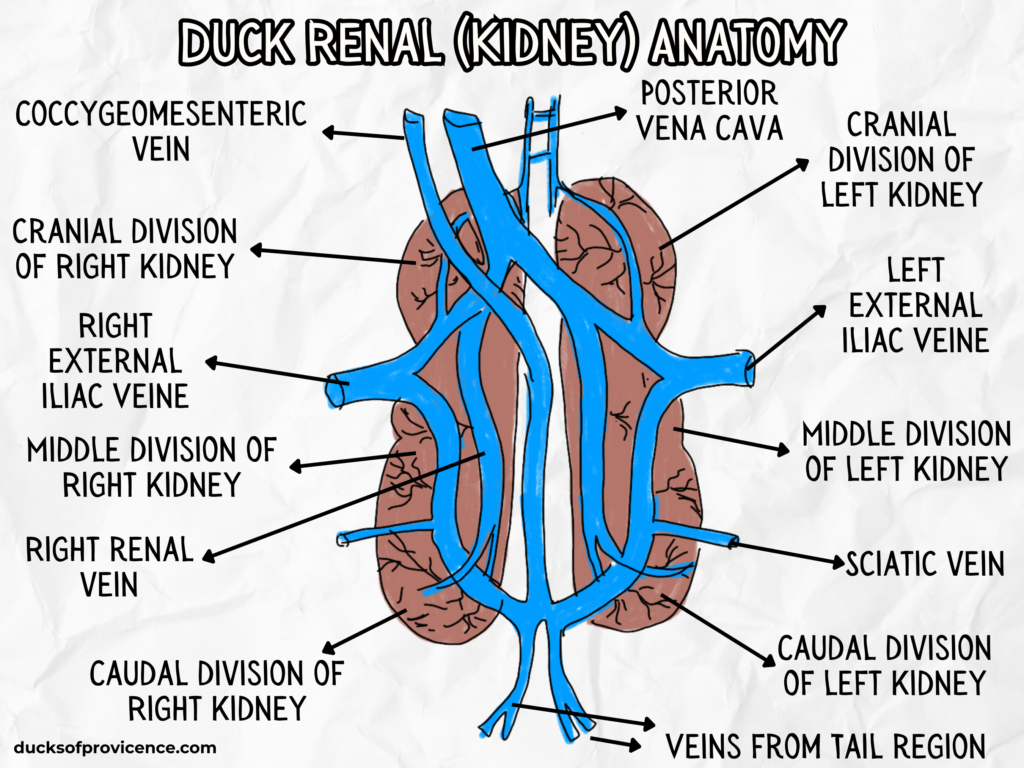
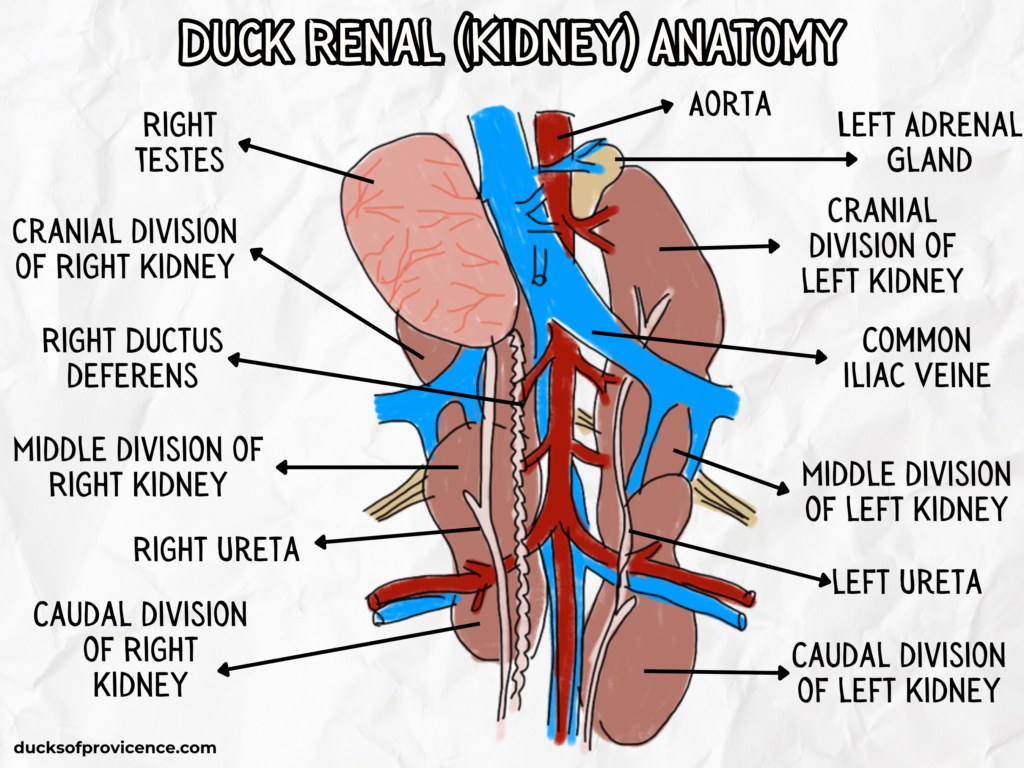
Ducks have two kidneys, located deep in the body cavity and tightly embedded in the pelvis. Unlike mammalian kidneys, which sit higher and are more mobile, duck kidneys are fixed in place and divided into three lobes on each side. This anatomical setup limits swelling and expansion, which means kidney damage can become problematic quickly.
Another key difference is how waste is handled. Ducks do not produce liquid urine like mammals. Instead, their kidneys remove nitrogen waste from the bloodstream and convert it into uric acid, which is excreted as the white or cream-colored portion of the droppings called urates.
That detail alone explains why poop changes are often one of the earliest warning signs of kidney trouble.
Core functions of healthy duck kidneys
Healthy kidneys are responsible for several critical tasks:
- Filtering waste products from the blood, especially uric acid
- Regulating water balance, preventing dehydration or fluid overload
- Maintaining electrolyte balance, including sodium and potassium
- Supporting acid–base balance, which keeps cells functioning properly
These processes happen continuously and quietly. A healthy duck does not need to “think” about kidney function. The moment the kidneys struggle, however, the effects ripple outward.
Why ducks are especially vulnerable
Ducks rely heavily on proper hydration to support kidney function. Chronic dehydration, heat stress, limited access to clean water, or increased physiological stress, such as egg laying, can all push the kidneys harder over time.
Because ducks naturally hide illness, early kidney dysfunction may not show up as dramatic symptoms. Instead, you may see:
- Slightly abnormal urates
- Increased drinking or reduced drinking
- Subtle lethargy
- Gradual weight loss
By the time a duck appears obviously ill, kidney damage may already be advanced.
Small disruptions, big consequences
When kidneys begin to fail, waste products start accumulating in the bloodstream. Electrolytes drift out of balance. Acid levels rise. Organs that depend on stable chemistry, including the brain, heart, and muscles, begin to malfunction.
This is why renal failure can cause such a wide range of symptoms, from digestive changes to neurological signs. The kidneys may be small, but their role is enormous.
Now that we understand what healthy duck kidneys do and why they are so essential, we can better recognize what happens when they stop working properly. In the next section, we will look at early and advanced signs of renal failure, including what changes you might notice first at home and which symptoms signal an emergency.
Early and Advanced Signs of Renal Failure in Ducks
One of the hardest things about renal failure in ducks is that the earliest signs are subtle. Ducks are masters at masking illness, and kidney disease rarely announces itself loudly in the beginning. What you notice at home is often the downstream effect of internal imbalances that have already been developing for some time.
This is why knowing your duck’s normal baseline matters so much.
Early signs (often overlooked)
In the early stages, kidney dysfunction may not look like a medical emergency at all. These changes are easy to dismiss, especially if your duck is still eating or interacting.
Common early warning signs include:
- Changes in urates
Watery, yellow-tinged, gritty, reduced, or intermittently absent urates are often the first clue. Because ducks excrete uric acid through urates, kidney stress frequently shows up here before anywhere else. - Changes in drinking behavior
Some ducks drink excessively as the kidneys struggle to regulate fluids. Others may drink less, especially if they feel unwell or nauseous. - Mild lethargy
Slightly less interest in activity, more sitting, or slower movement can reflect early toxin buildup in the bloodstream. - Gradual weight loss
Even with a normal appetite, impaired nutrient processing and chronic dehydration can lead to muscle loss and a sharper keel bone. - Subtle facial or eye puffiness
Fluid imbalance may cause mild swelling that is easy to miss unless you are looking closely.
At this stage, bloodwork can sometimes still look borderline, which is why early kidney disease is frequently underdiagnosed.
Progressive signs (disease advancing)
As kidney function declines further, waste products and electrolytes drift farther out of balance. This is when symptoms become harder to ignore.
You may see:
- Marked lethargy and weakness
- Reduced appetite or complete anorexia
- Poor feather condition
- Difficulty maintaining body temperature
- Reduced or inconsistent droppings
- Increasing dehydration despite access to water
At this point, veterinary intervention is urgent, even if the outcome is uncertain.
Advanced and emergency signs
In advanced renal failure, the kidneys can no longer compensate. Toxins accumulate rapidly, and multiple body systems begin to fail.
Emergency signs include:
- Little to no urates over extended periods
- Neurological symptoms, such as tremors, head tilt, or loss of coordination
- Severe weakness or inability to stand
- Labored or open-mouth breathing due to metabolic imbalance
- Profound lethargy, isolation, or unresponsiveness
These signs indicate that kidney failure is no longer just a chronic issue. It is now affecting survival and comfort.
Ammonia smell in droppings: what it can mean
A strong ammonia or sharp chemical odor coming from duck droppings is not normal and should always prompt closer attention. While duck poop can smell unpleasant in general, a true ammonia-like smell often reflects abnormal nitrogen waste handling inside the body.
In healthy ducks, nitrogen waste is excreted primarily as uric acid, which is relatively insoluble and less volatile. When the kidneys are not functioning properly, waste products can accumulate or be excreted in abnormal forms. This can result in droppings that smell noticeably sharper or more pungent than usual.
Possible reasons for an ammonia smell include:
- Impaired kidney function, leading to altered waste excretion
- Severe dehydration, which concentrates waste products
- Advanced renal failure, where normal uric acid processing breaks down
- Secondary bacterial changes in very abnormal droppings
This odor is often reported alongside other warning signs such as watery or absent urates, lethargy, or reduced appetite.
Important clarification: An ammonia smell does not automatically confirm renal failure, and it can also be influenced by environmental factors such as soiled bedding or poor ventilation. However, when the smell is coming directly from fresh droppings, especially in combination with other symptoms, it should never be ignored.
In my experience, this type of odor often appears later rather than earlier in kidney disease and may indicate that the kidneys are no longer effectively filtering waste.
If you notice a sudden ammonia smell in fresh droppings, especially paired with behavior changes, that is a strong reason to seek veterinary care promptly.
A critical reminder
Not every duck with renal failure will show all of these signs, and they do not always appear in a predictable order. Some ducks decline slowly. Others crash quickly after weeks of subtle changes.
If you ever find yourself thinking, “Something is just not right, but I can’t quite explain it,” that instinct is worth listening to.
Now that we know what kidney failure can look like at home, the next step is understanding how veterinarians diagnose renal failure in ducks, what tests are useful, and where the limits of diagnostics lie.
How Veterinarians Diagnose Renal Failure in Ducks
Diagnosing renal failure in ducks can be challenging, even for experienced avian veterinarians. Unlike some conditions that have a single clear test result, kidney disease is often identified by combining clinical signs, bloodwork trends, and the duck’s history rather than one definitive finding.
This is also where timing matters. Early disease may produce subtle or borderline results, while advanced disease is often unmistakable but harder to treat.
Physical exam and history
A thorough diagnostic process starts with observation and history. Your vet will look closely at:
- Body condition and weight loss
- Hydration status
- Feather quality
- Posture and mobility
- Droppings and urates
Equally important is what you can tell them. Changes in water intake, diet, access to potential toxins, recent egg-laying stress, heat exposure, medications, or prior illnesses all help shape the diagnostic picture. In kidney disease, history often fills in the gaps that tests alone cannot.
Bloodwork: what it can and cannot tell us
Blood chemistry is the most useful diagnostic tool for suspected renal failure in ducks, but it has limitations.
Common findings may include:
- Elevated uric acid, the most important marker of kidney dysfunction in birds
- Electrolyte imbalances, such as altered sodium or potassium levels
- Changes associated with dehydration
- Secondary signs of systemic stress or inflammation
However, uric acid levels can fluctuate. A single normal value does not always rule out early kidney disease, especially if the duck is well hydrated at the time of testing. Trends over time are far more informative than one snapshot.
Imaging and additional tests
Radiographs may be used to rule out other causes of illness, such as reproductive disease or internal masses. Because duck kidneys sit deep in the pelvis, imaging has limited sensitivity for detecting kidney damage itself.
Depending on the case, a vet may also consider:
- Heavy metal screening
- Cultures if infection is suspected
- Follow-up bloodwork to monitor progression
In many cases, kidney disease is diagnosed as a clinical syndrome, meaning the diagnosis is based on the overall pattern rather than a single test result.
A realistic perspective
One of the hardest truths for duck parents is that renal failure is often diagnosed after significant damage has already occurred. This is not due to neglect or missed care. It is a reflection of how quietly kidney disease progresses in birds and how well ducks hide illness.
A diagnosis of renal failure does not always mean there are no options, but it does shift the focus toward management, comfort, and quality of life rather than cure.
Now that we understand how renal failure is diagnosed and why it can be difficult to catch early, the next step is looking at treatment and supportive care options, including when intervention may help and when it may no longer change the outcome.
Treatment and Supportive Care for Ducks With Renal Failure
Once renal failure is suspected or confirmed, the goal of treatment shifts from curing the disease to supporting the kidneys, stabilizing the body, and preserving quality of life. What is possible depends heavily on whether the kidney damage is acute and potentially reversible, or chronic and progressive.
This is also the point where clear, realistic expectations are essential.
Acute versus chronic kidney failure
Treatment outcomes are very different depending on the underlying cause.
- Acute renal failure, such as from dehydration, heat stress, infection, or metal toxicity, may improve if addressed early and aggressively.
- Chronic renal failure involves long-term structural damage to the kidneys and cannot be reversed. Treatment focuses on slowing progression and reducing discomfort.
In practice, many ducks fall somewhere in between, which is why close monitoring and reassessment matter.
Veterinary treatment options
A veterinarian may recommend some or all of the following, depending on the case:
- Fluid therapy
Hydration is the single most important intervention. Fluids help dilute toxins in the bloodstream and support remaining kidney function. This may be given orally, subcutaneously, or intravenously, depending on severity. - Chelation therapy
If heavy metal exposure is suspected or confirmed, chelation can reduce circulating metals and prevent further kidney damage. - Antibiotics or antifungals
These are used only when infection is suspected or confirmed. Not all antimicrobials are kidney-safe, so careful drug selection is critical. - Pain management
Pain control must be handled cautiously. Some medications commonly used in birds can place additional strain on the kidneys and may be avoided or adjusted. - Electrolyte correction
Severe imbalances may require targeted intervention to stabilize heart, nerve, and muscle function.
Even with aggressive treatment, improvement may be partial or temporary. Response to therapy over the first few days often provides valuable information about prognosis.
Supportive care at home
Supportive care plays a major role, especially for ducks managed outside of a hospital setting.
Helpful strategies include:
- Unlimited access to clean water at all times
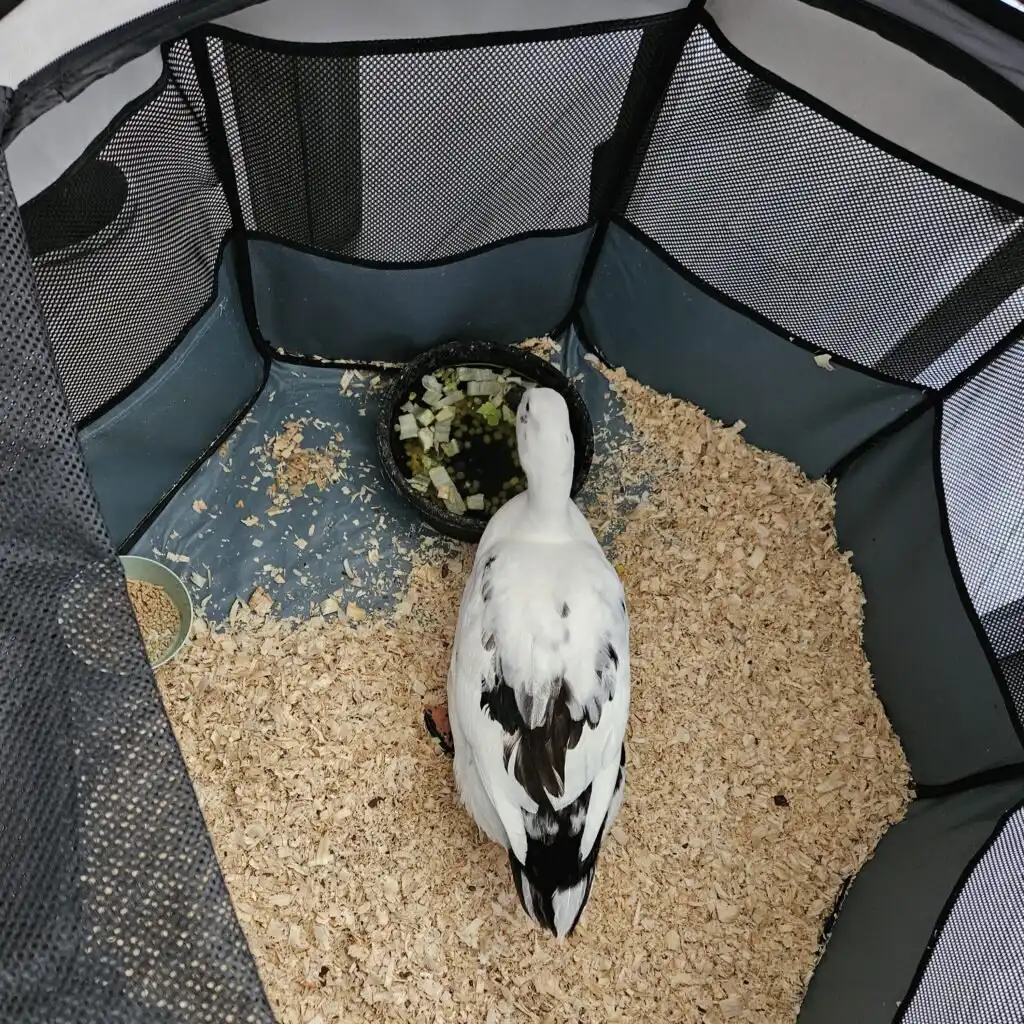
- Wet food or food offered in water to support hydration
- Easily digestible diets, sometimes with adjusted protein levels under veterinary guidance
- Warm, quiet housing to reduce metabolic stress
- Minimizing handling and environmental changes
For some ducks, these measures can significantly improve comfort and extend good-quality time.
What treatment cannot do
It is important to be honest about the limits of intervention. Once a significant portion of kidney tissue is damaged, it cannot regenerate. Treatment may stabilize a duck temporarily, but it does not rebuild lost kidney function.
If a duck continues to decline despite appropriate care, that information is just as important as improvement. It helps guide compassionate decisions rather than prolonging suffering.
With treatment options and supportive care in mind, the final and most difficult question remains: how do we know when treatment is no longer helping, and when letting go becomes the kindest choice?
That is what we will address next.
When Treatment Is No Longer Helping: Making the Hardest Decision
This is the part no duck parent wants to read, but many desperately need. Renal failure is one of those conditions where doing more is not always doing better, and recognizing that moment is an act of love, not failure.
When kidneys can no longer maintain balance in the body, medical support may slow the decline for a time, but it cannot restore what has been lost. At this stage, the focus must shift fully from treatment to quality of life.
Signs that kidney failure may be irreversible
While every duck is different, certain patterns suggest that the body is no longer able to compensate:
- Persistent absence or near absence of urates
- Progressive weakness or inability to stand
- Neurological signs such as tremors, disorientation, or loss of coordination
- Continued decline despite fluids and supportive care
- Refusal of food and water, even with assistance
- Marked weight loss and muscle wasting
- A duck that no longer engages with her environment or flock
When these signs appear together and worsen over time, they often indicate that remaining kidney function is no longer sufficient to sustain comfort.
Assessing quality of life
A helpful way to reframe this decision is to ask a few simple but honest questions:
- Is my duck comfortable for most of the day?
- Does she still experience moments of interest, connection, or rest without distress?
- Are interventions improving her well-being or merely prolonging decline?
- Am I treating because she is benefiting, or because I am not ready to say goodbye?
There are no perfect answers here. Only thoughtful ones.
Why letting go can be the kindest choice
Advanced renal failure is not just a kidney problem. It leads to toxin buildup, electrolyte disturbances, and systemic discomfort that the duck cannot understand or escape. Prolonging life at this stage may also prolong nausea, weakness, and confusion.
Choosing humane euthanasia does not mean giving up on your duck. It is choosing relief from suffering when the body has reached its limit.
As duck parents, we take responsibility not only for keeping our ducks alive, but for protecting them from unnecessary pain. Sometimes, love means knowing when to stop.
A final note to duck parents
If you are facing this decision, please know this:
Renal failure is often silent, complex, and deeply unfair. Missing early signs does not mean you failed your duck. Acting with compassion when there are no good options left means you honored her fully.
In the final section, we will look at risk reduction and prevention, including practical steps that can lower the chances of kidney disease and help you catch problems earlier in the future.
Risk Reduction and Prevention: Protecting Duck Kidney Health
Not all cases of renal failure are preventable, but many risk factors can be reduced with thoughtful management and early awareness. Prevention is less about perfection and more about creating conditions that support kidney health over a duck’s lifetime.
Prioritize hydration every single day
Kidneys depend on adequate water intake to flush waste products safely.
Best practices include:
- Multiple clean water sources available at all times
- Water deep enough for proper bill dunking
- Extra vigilance during heat, illness, or heavy egg-laying periods
- Offering wet food or food in water to boost fluid intake
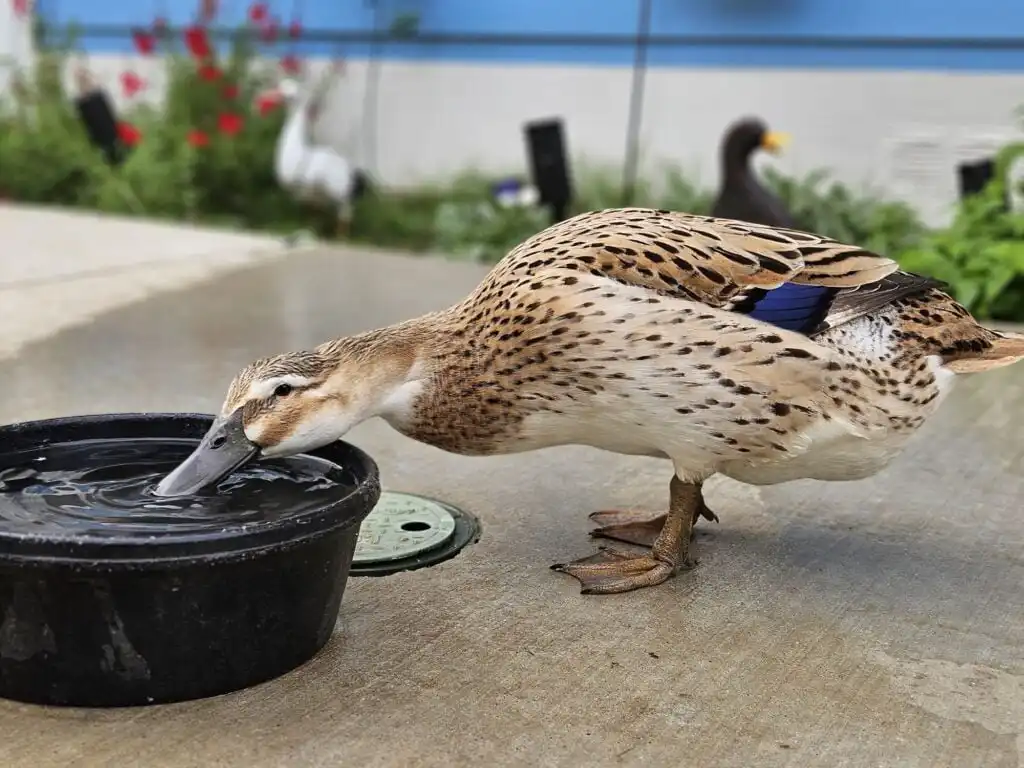
One point that often sparks debate is overnight water access. Some duck keepers restrict water at night out of concern for mess or safety. I am a firm believer that ducks should have access to water 24/7, including overnight. Ducks continue to metabolize, regulate body temperature, and process waste while resting, and denying water during these hours can contribute to dehydration.
This approach is supported by our avian veterinarian and has been reinforced through both clinical experience and long-term observation in our own flock. When managed safely with stable, tip-resistant containers, overnight water access supports kidney function rather than compromising it.
Chronic, low-level dehydration is one of the most underestimated risk factors for kidney stress in ducks, and it is also one of the easiest to prevent.
Create a metal-safe environment
Heavy metals are a well-documented cause of kidney damage in birds.
Key prevention steps:
- Avoid galvanized items, loose wire, old hardware, and flaking metal
- Inspect runs, sheds, and enrichment items regularly
- Be cautious with soil, ash, or debris in older properties
- Use duck-safe hardware cloth and fasteners
If you ever suspect ingestion, early veterinary intervention matters.
Support kidneys through nutrition
A balanced, species-appropriate diet reduces metabolic strain.
Focus on:
- A quality commercial duck feed as the dietary base
- Treats in moderation, especially high-protein items
- Avoiding long-term excessive protein unless medically indicated
- Ensuring adequate access to water whenever food is offered
Diet alone rarely causes renal failure, but it can accelerate decline when kidneys are already stressed.
Fatty Acid Supplementation and Renal Disease in Ducks
In dogs and humans, omega-3 fatty acid supplementation has been shown to reduce the risk of chronic kidney disease and slow its progression. These benefits are linked to inflammation control. Omega-6 fatty acids, such as arachidonic acid, are precursors to pro-inflammatory compounds that can promote ongoing kidney damage through oxidative stress and altered blood flow.
Long-chain omega-3 fatty acids, especially EPA and DHA, appear to be more protective than plant-based omega-3s. These are found mainly in fish, marine, and algal sources. Flaxseed contains omega-3s but is less stable and more prone to oxidation.
In avian medicine, evidence for omega-3 supplementation in renal disease is largely anecdotal. Many commercial bird diets are high in omega-6 fatty acids and relatively low in omega-3s, which may favor inflammation. Diets higher in polyunsaturated fats also require adequate antioxidants to prevent oxidative damage.
For ducks, omega-3s should be viewed as supportive, not therapeutic. Supplementation may help modulate inflammation, but should only be used conservatively and in consultation with an avian veterinarian.
Reduce chronic stress on the body
Repeated physiological stress can push borderline kidney function over the edge.
Common stressors include:
- Frequent egg laying or reproductive disease
- Heat stress or cold exposure
- Recurrent infections
- Long-term medication use without monitoring
Regular health checks help catch problems before they cascade.
Know your duck’s normal baseline
This may be the most powerful preventive tool of all.
Get familiar with:
- Normal droppings and urates
- Typical water intake
- Usual energy levels and posture
- Body condition and keel prominence
Subtle changes are easier to recognize when you know what “normal” looks like for your duck.
Early action changes outcomes
Not every kidney issue can be stopped, but early intervention can slow progression, reduce suffering, and sometimes reverse acute damage. Trust your instincts. If something feels off, it probably is.
Frequently Asked Questions About Renal Failure in Ducks
Can ducks recover from renal failure?
It depends on the cause and how early it is detected. Acute kidney injury, such as from dehydration, heat stress, infection, or toxin exposure, may improve with fast and aggressive treatment. Chronic renal failure, where kidney tissue is permanently damaged, cannot be reversed. In those cases, treatment focuses on slowing progression and maintaining comfort rather than cure.
What do normal duck urates look like?
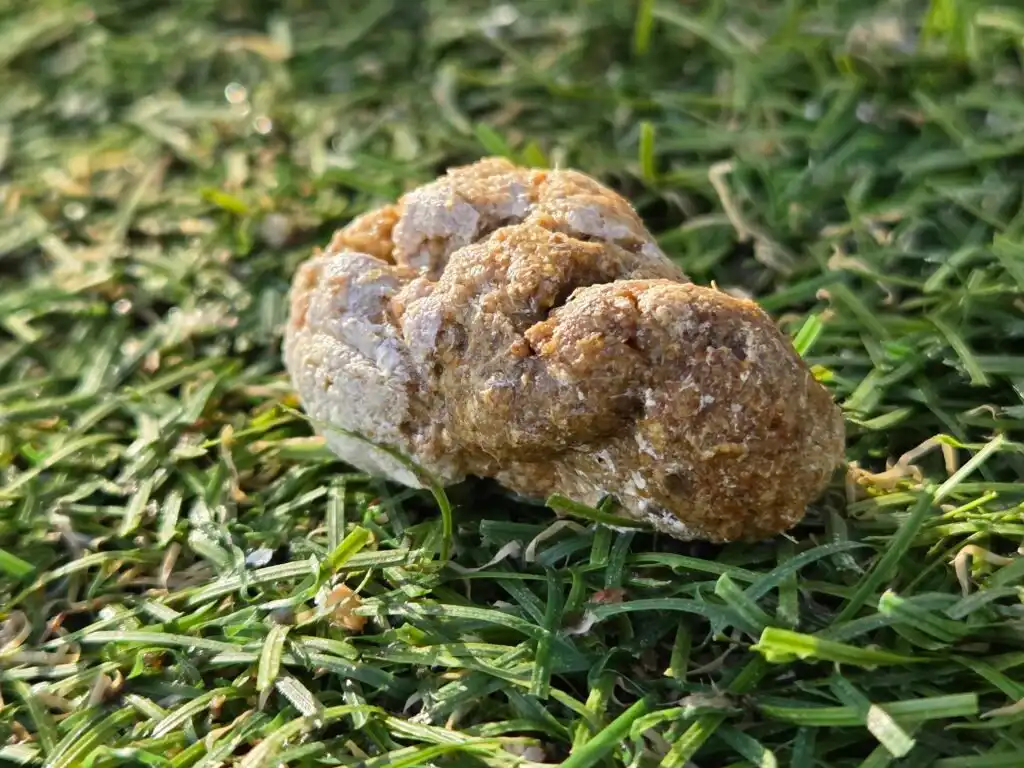
Normal urates are white to cream-colored, pasty or slightly chalky, and attached to otherwise well-formed droppings. Changes such as watery urates, yellow or green discoloration, gritty texture, strong ammonia smell, or complete absence of urates can indicate kidney stress and warrant closer monitoring.
Is renal failure painful for ducks?
Kidney failure itself is not always painful in the traditional sense, but it causes significant discomfort. As toxins and electrolytes accumulate, ducks may experience nausea, weakness, confusion, and systemic distress. Advanced renal failure can severely impact quality of life, which is why comfort-focused decisions are so important.
Can dehydration really cause kidney failure?
Yes. Chronic or repeated dehydration is a major risk factor for kidney damage in ducks. Even mild dehydration, when it happens regularly, places continuous strain on the kidneys. This is why consistent access to clean water, including overnight, is critical for long-term kidney health.
Does high protein cause kidney failure in ducks?
High protein alone does not typically cause renal failure in healthy ducks, but excessive protein can worsen existing kidney disease by increasing nitrogen waste that the kidneys must process. Any dietary adjustments should be made with veterinary guidance, especially in ducks with suspected or confirmed kidney issues.
Why does my duck’s poop smell like ammonia?
A strong ammonia or chemical smell from fresh droppings can indicate abnormal waste processing. This may occur with severe dehydration or advanced kidney dysfunction, though environmental factors can also contribute. When paired with changes in urates or behavior, this smell should be taken seriously.
How is renal failure diagnosed in ducks?
Diagnosis usually involves a combination of clinical signs, history, and bloodwork, particularly uric acid levels and electrolytes. Imaging has limited value for detecting kidney damage itself. Often, renal failure is diagnosed based on overall patterns rather than a single definitive test.
When should euthanasia be considered?
Euthanasia may be the kindest option when a duck shows progressive decline despite treatment, persistent absence of urates, severe weakness, neurological signs, or clear loss of quality of life. This decision is never easy, but choosing comfort when recovery is no longer possible is an act of compassion, not failure.
Can renal failure be prevented?
Not always, but risk can be reduced. Consistent hydration, a metal-safe environment, balanced nutrition, stress reduction, and knowing your duck’s normal baseline all play a role. Early action when something feels off can change outcomes.
Final Thoughts and Next Steps
Renal failure in ducks is complex, quiet, and emotionally heavy. Understanding how kidneys work, recognizing early warning signs, and knowing the limits of treatment empowers you to act with clarity rather than fear.
If there is one takeaway, let it be this:
Good duck care is not about preventing every illness. It is about responding with knowledge, compassion, and respect for your duck’s well-being at every stage.
Next step:
Bookmark this guide, review your setup for kidney risk factors, and pair this information with your Duck Diagnostic Chart so you can quickly recognize changes and act early. If you ever face kidney disease in your flock, you will not be starting from zero.
Further Reading & Resources
- The Science of Duck Poop: What Healthy Droppings Should Look Like
- 16 Common Duck Health Conditions You Should Know About
- 31 Must-have Items for Your Pet Duck First Aid Kit
- Supplements for Ducks: What Your Pet Ducks Really Need
- Ducks and Water: Keeping Your Flock Happy and Healthy
- Essential Nutritional Needs of Ducks: A Complete Overview
Deepen your understanding of avian wellness. Explore the full Duck Health & Anatomy Library for more specialized care guides.
References
- Avian renal disease: pathogenesis, diagnosis, and therapy. Lierz, Michael. Veterinary Clinics: Exotic Animal Practice, Volume 6, Issue 1, 29 – 55
- Clinical Management of Avian Renal Disease. Cojean, Ophélie et al. Veterinary Clinics: Exotic Animal Practice, Volume 23, Issue 1, 75 – 101
- Pollock C. Diagnosis and treatment of avian renal disease. Vet Clin North Am Exot Anim Pract. 2006 Jan;9(1):107-28.
- Merck Veterinary Manual: Kidney and Urinary Tract Disorders of Pet Birds