
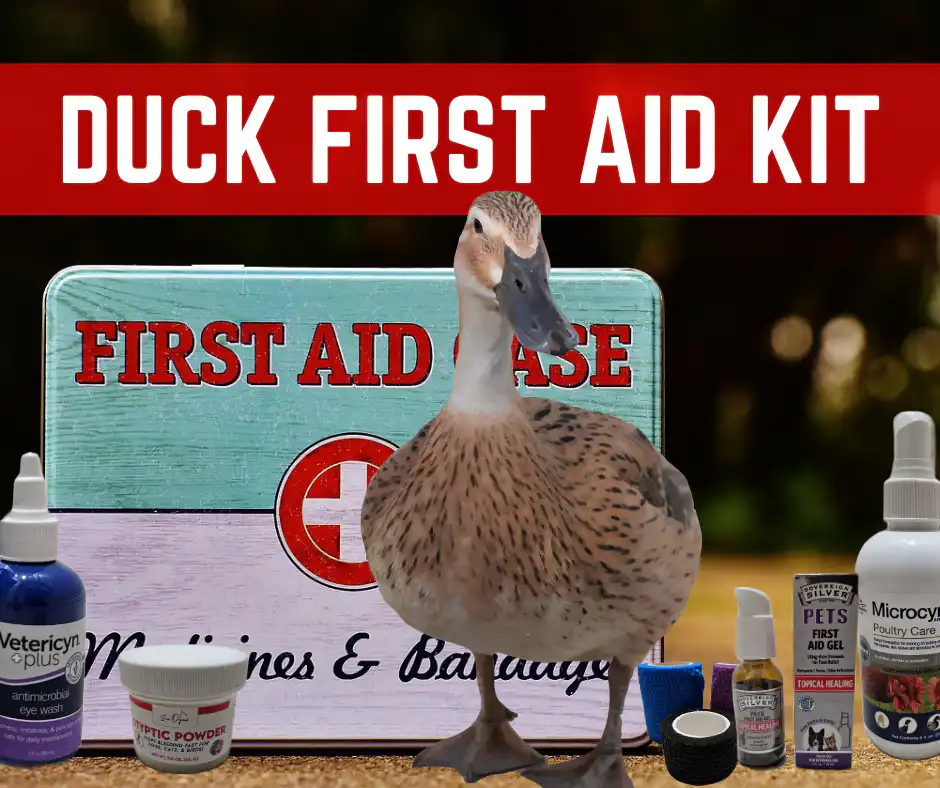
31 Must-have Items for Your Pet Duck First Aid Kit

Last updated: April 3rd, 2026
To keep our research-backed guides free, this site uses ads and affiliate links (earning a small commission at no cost to you). Everything here is created by a duck mom and PhD scientist, combining academic rigor with hands-on experience to provide practical, trustworthy advice for duck keepers everywhere. 🦆 Learn more
I always say this as both a scientist and a duck mom: having a well-stocked first aid kit for your ducks is not optional, it is essential.
Just like with any other pet, things can go wrong quickly. A small cut, a limp, or a sudden change in behavior often happens outside of regular vet hours. In those moments, what you have on hand can make a real difference.
The challenge is that there is no ready-made duck first aid kit you can simply buy. Ducks are often overlooked in the pet market, and many products are designed with chickens or mammals in mind. That means we, as duck keepers, need to be a bit more intentional and build our own kit based on real needs and real experience.
Over the years, I have put together a first aid kit that I rely on regularly for my flock, from minor foot injuries to more urgent situations where stabilization is critical before seeing a vet. These are not random items. Every single product included here is something I have personally used or would confidently use on my own ducks.
To make this as practical as possible, I have organized everything into clear categories so you can quickly find what you need, whether you are building your kit from scratch or upgrading what you already have.
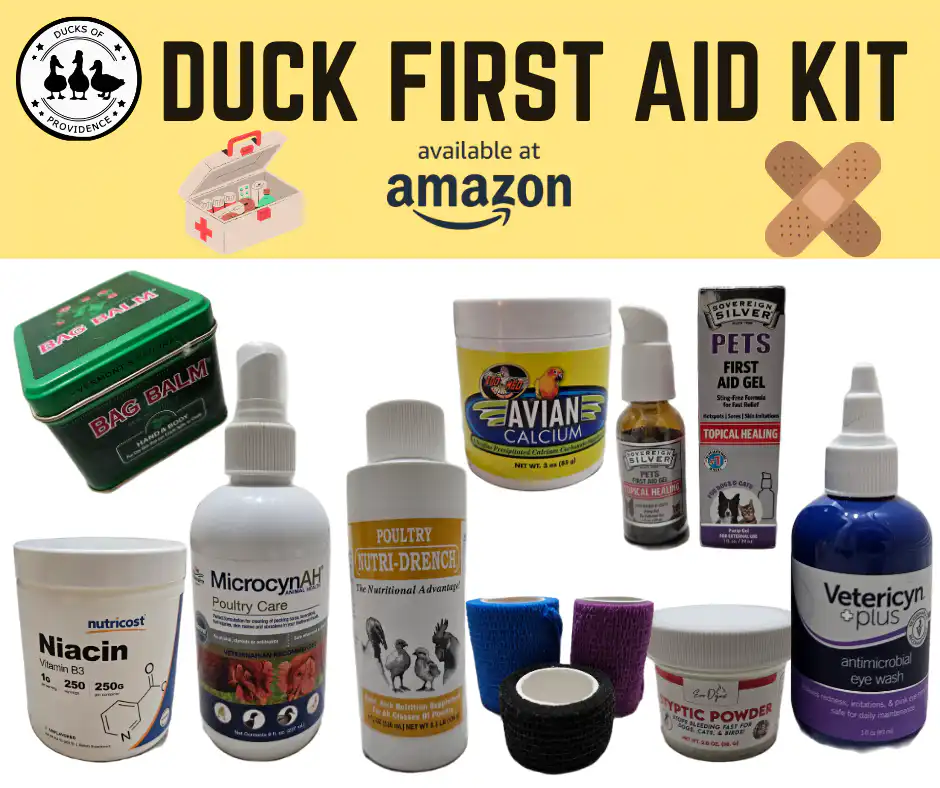
And because I know how overwhelming this can feel, especially in the beginning, I also created a curated list in our Amazon storefront that includes (almost) all of the items mentioned below. This way, you do not have to spend hours researching and second-guessing every product.
Part of the Duck Health & Anatomy Hub, Evidence-based medical resources and anatomical research.
Quick Navigation: Jump to a Section
[hide]
Essentials: Foundational Components of Your Duck First Aid Kit
When something happens to one of my ducks, there is no time to start searching for supplies. Preparation is what turns a stressful situation into a manageable one.
These foundational items are the backbone of your duck first aid kit. They are the things you will reach for first in almost every situation, whether you are dealing with a small cut, a foot issue, or stabilizing a duck before heading to the vet.
Most of these supplies are single-use or time-sensitive, which means they need to be checked and restocked regularly. I make it a habit to go through my kit every few months because the one time you need something is never the time you want to realize it is missing.
1. Veterinary Contact Information
This is, without question, the most important item in your entire kit.
In an emergency, every minute matters. You do not want to be scrolling through Google while holding an injured duck in your arms.
Make sure you have:
- your primary avian vet’s phone number
- the nearest emergency clinic that will see birds
- a backup option in case your regular vet is unavailable
I keep this information:
- printed and inside my first aid kit
- saved in my phone
- and shared with anyone who may help care for my ducks
This small step can save critical time and reduce stress when things escalate quickly.
If you do not yet have an avian vet, I strongly recommend finding one before you need it. A helpful starting point is DuckDVM, which offers a comprehensive directory of veterinarians experienced with ducks and other birds.
2. Sterile Gauze Pads
If there is one item I reach for over and over again in my duck first aid kit, it is gauze pads.
They are simple, inexpensive, and incredibly versatile. Whether I am dealing with a small cut, a bleeding foot, or cleaning a wound, gauze pads are almost always part of the process.
Ducks are surprisingly prone to minor injuries, especially on their feet. Sharp edges, rough surfaces, or even enthusiastic zoomies around the run can lead to small wounds that need immediate attention. Having clean, sterile gauze ready allows you to act quickly and keep the situation under control.
I primarily use gauze pads for:
- Applying gentle pressure to stop bleeding
- Cleaning wounds when combined with a safe antiseptic
- Covering injuries to protect them from dirt and bacteria
- Creating a barrier layer under bandages, especially for foot wraps
One thing I have learned the hard way is that not all gauze is the same. I always choose sterile, non-woven gauze pads, because they are softer and much less likely to stick to the wound. This is especially important for ducks, since removing stuck gauze can reopen healing tissue and cause unnecessary stress.
I also keep multiple sizes in my kit. Smaller pads are great for precise cleaning, while larger ones are helpful for wrapping or covering bigger areas.
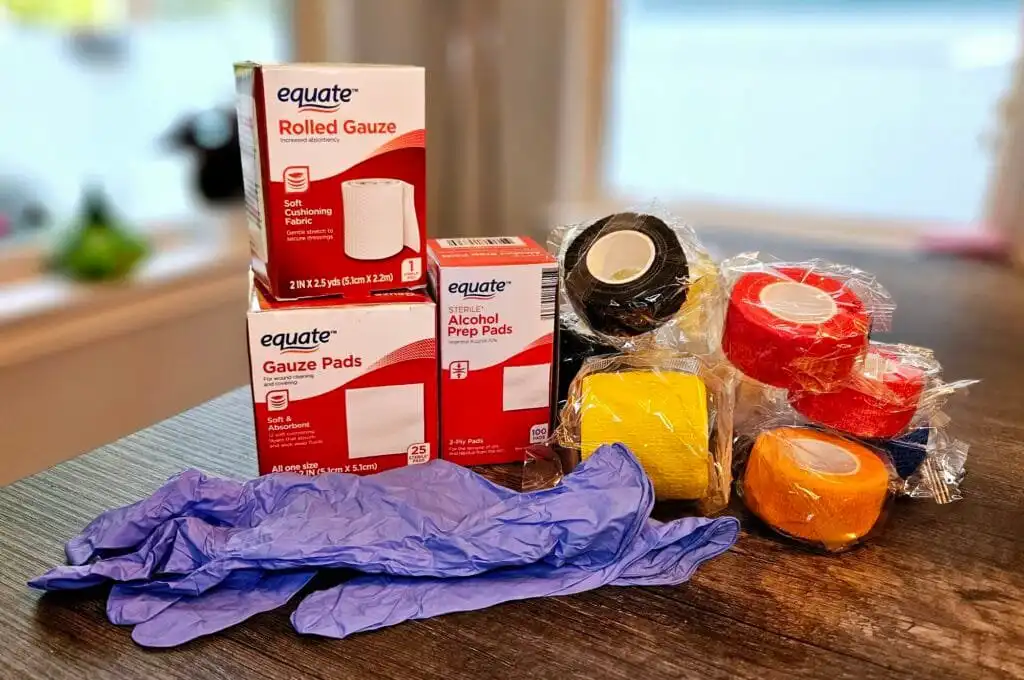
Because gauze pads are single-use, they go quickly. I always keep more than I think I need. Trust me, when you are holding a wiggly duck and trying to manage a wound, the last thing you want is to run out halfway through.
If you check your kit today, ask yourself this: Do I have enough gauze to handle more than one injury at a time? If the answer is no, it is time to restock.
3. Vet Wrap (Self-Adhesive Bandage)
Vet wrap is one of those tools I never want to be without. It makes bandaging ducks so much easier, especially because it sticks to itself and not to feathers.
That alone is a game changer. Ducks already stress easily during handling, and the last thing you want is a bandage that pulls on feathers or causes discomfort when you remove it.
I use vet wrap to:
- Secure gauze pads and dressings in place
- Stabilize minor injuries, especially on the feet and legs
- Create protective foot wraps for conditions like bumblefoot
- Provide light compression when needed
It is flexible, lightweight, and allows for natural movement, which is important because ducks rarely sit still and will absolutely test your bandaging skills within seconds.
One thing I always emphasize is not wrapping too tightly. Ducks have delicate circulation in their feet, and overly tight bandages can do more harm than good. I aim for snug and secure, but never restrictive.
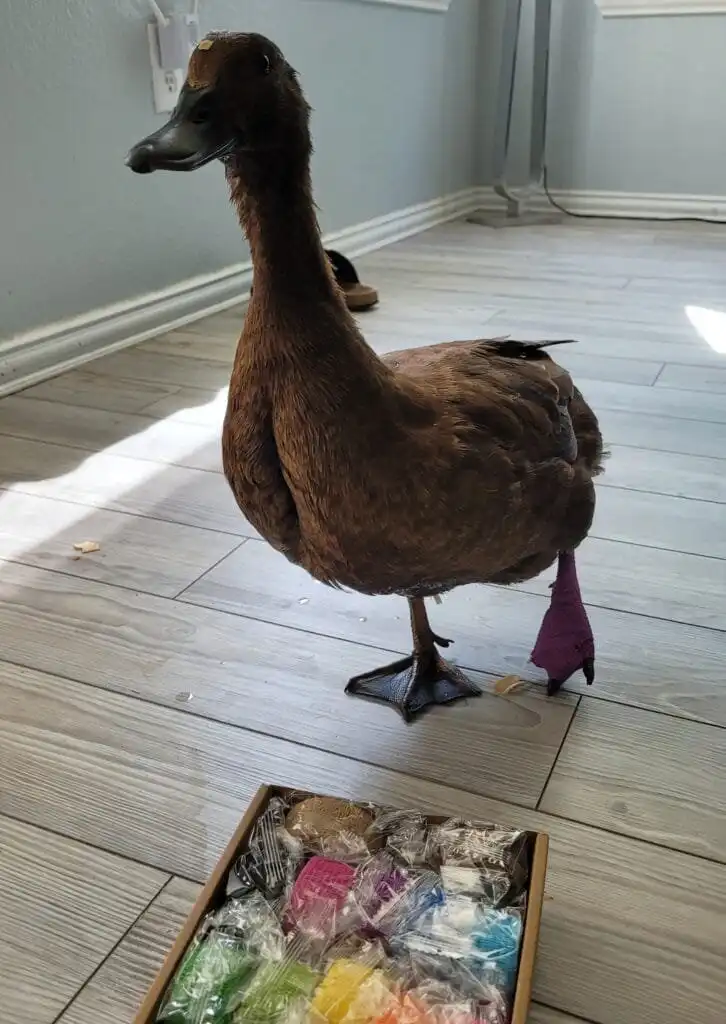
Vet wrap comes in different widths and colors. I always keep 1-inch and 2-inch rolls in my kit. The smaller size is perfect for precise wraps around toes or smaller areas, while the wider roll works better for larger coverage and added stability.
If you have never used it before, practice once or twice before an emergency. It is one of those tools that becomes incredibly intuitive once you get the feel for it.
4. Sterile Saline Solution
If I had to choose one item for safe and effective wound cleaning, it would be sterile saline solution. It is one of the gentlest and most reliable tools in my kit.
Before applying any antiseptic or medication, the first step is always to flush and clean the area. Ducks get into everything. Mud, droppings, and debris can quickly contaminate even a small wound. Saline allows you to remove that contamination without introducing anything harsh.
I use sterile saline for:
- Flushing wounds to remove dirt, debris, and bacteria
- Rinsing eyes if there is irritation or discharge
- Cleaning the nostrils (nares) if they become clogged
- Hydrating dried or stuck debris to make removal easier
What makes saline so valuable is that it is isotonic, meaning it matches the body’s natural fluid balance. In simple terms, it cleans without stinging, drying, or damaging sensitive tissue. That is especially important for ducks, because stress alone can worsen a situation quickly.
I always keep sealed, sterile bottles or single-use vials in my kit. Once opened, larger bottles should be used within a reasonable timeframe to maintain cleanliness. For emergencies, those small single-use pods are incredibly convenient and reduce the risk of contamination.
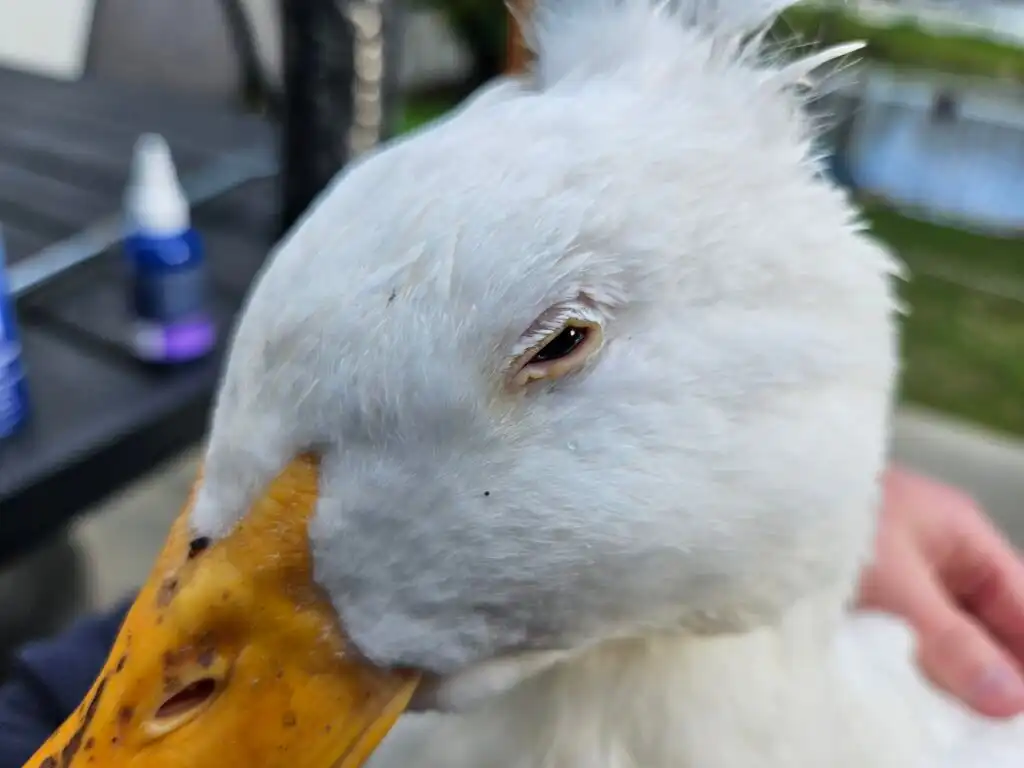
One thing I avoid is substituting saline with tap water unless there is absolutely no other option. While water is better than leaving a wound dirty, it is not sterile and may introduce additional bacteria.
This is one of those items you might not think about often, but when you need it, you really need it.
5. Disposable Gloves
This is one of those items that feels basic, but in practice, disposable gloves are absolutely essential for safe and hygienic care.
Any time I handle a wound, apply medication, or deal with something messy, I put gloves on first. It is not just about protecting myself, it is about protecting my ducks from additional contamination.
Ducks live close to the ground, in water, mud, and everything in between. Their wounds are already at higher risk of infection, so the last thing we want is to introduce bacteria from our hands.
I use disposable gloves for:
- Cleaning and treating wounds
- Applying ointments or medications
- Handling abscesses or infections
- General health checks when something seems off
They also make cleanup much easier and help prevent the spread of bacteria between ducks, which is especially important if you are treating more than one bird.
I prefer nitrile gloves over latex. They are more durable, less likely to tear, and a better option if anyone in your household has latex sensitivities.
Make sure you keep multiple pairs in your kit, not just one or two. In real situations, you often need to change gloves between steps or between ducks.
And here is a small but important habit: always put your gloves on before you start gathering supplies or touching the wound, not halfway through. It keeps the entire process cleaner and more controlled.
It is a simple step, but one that makes a big difference in preventing complications.
6. Puppy Pads (Absorbent Pads)
This might sound like a small detail, but puppy pads are one of the most practical items in my entire setup, especially when you are dealing with a stressed or sick duck indoors.
Whenever I examine one of my ducks or set up a temporary sick bay, I always lay down a puppy pad first. Ducks are, as we all know, incredibly messy, and situations involving illness or injury often come with even less control over droppings.
I use puppy pads for:
- Creating a clean examination surface indoors
- Lining carriers or transport boxes for vet visits
- Setting up a temporary sick bay or recovery area
- Monitoring droppings, which can be an important diagnostic clue
That last point is something I rely on a lot. When a duck is unwell, being able to clearly see changes in droppings can help you track progress or decide when it is time to escalate care.
Puppy pads are absorbent, easy to replace, and help keep your space cleaner and more sanitary. I prefer the larger sizes because they give you more coverage and reduce the chance of mess spreading beyond the pad.
They are also incredibly helpful during stressful situations. When everything feels chaotic, having a clean, controlled surface makes handling your duck much easier and safer.
It is one of those simple tools that quickly becomes a staple once you start using it regularly.
7. Scissors with Rounded Tips
This is one of those tools that seems simple, but the right scissors can make a big difference in both safety and efficiency during first aid.
When you are working with a moving, stressed duck, precision matters. Rounded tip scissors allow you to cut bandages, gauze, or vet wrap without the risk of accidentally poking or injuring your duck’s skin.
I use them for:
- Cutting gauze pads and bandages to size
- Removing old wraps safely, especially around sensitive areas like feet
- Trimming vet wrap quickly while keeping control of the bandage
The rounded tips are key here. Ducks rarely stay still, and even a small unexpected movement can turn a sharp point into a problem. These scissors give you an extra layer of safety and peace of mind.
I also recommend keeping a dedicated pair only for your first aid kit. That way, they stay clean, sharp, and ready when you need them.
It is a small tool, but in the moment, it helps you work faster, safer, and with much more confidence.
8. Tweezers (and Our Student Surgical Set)
Tweezers are one of those tools that you may not use every day, but when you need them, nothing else really replaces them.
I keep a pair in my first aid kit specifically for precision work, especially when dealing with feet. Ducks are constantly walking on all kinds of surfaces, and it is very common for small debris like splinters, thorns, or compacted dirt to get lodged in the skin.
I use tweezers for:
- Removing debris from small wounds
- Extracting splinters or foreign material from the feet
- Handling small pieces of gauze or dressings without contaminating them
- Assisting with bumblefoot care, especially when cleaning out the affected area
Bumblefoot, in particular, is where tweezers become incredibly useful. When treating an abscess, you often need to gently remove compacted material or the characteristic plug. Having a good pair of tweezers allows you to do this with much more control and less trauma to the surrounding tissue.
I prefer fine-tip, stainless steel tweezers that are easy to disinfect between uses. Good grip and precision matter here. Cheap or dull tweezers can slip and make the process more difficult than it needs to be.
In our case, we actually take this one step further and keep a basic student surgical set in our kit. It includes tweezers, scissors, forceps, and other small instruments, all stored together and easy to access.
This has been incredibly helpful for:
- More controlled and precise wound care
- Handling delicate tissue or stubborn debris
- Supporting bumblefoot treatment, where precision really matters
That said, I want to emphasize this clearly. Not every tool in a surgical set should be used casually at home.
Some sets include scalpels or other sharp instruments that are designed for trained use. While they may look convenient, they can cause more harm than good if used incorrectly. I personally stick to the tweezers, scissors, and forceps, and leave anything more advanced to our vet.
If you include a surgical set in your kit:
- Use it for precision support, not invasive procedures
- Always clean and disinfect tools before and after use
- Store it safely so everything stays sterile and organized
As always, if something does not feel straightforward or you are dealing with deeper tissue, that is your cue to involve your veterinarian.
This setup gives you flexibility and precision, while still keeping safety front and center.
9. Syringes Without Needles (Including Tube Feeding Syringes)
Syringes are one of the most practical and frequently used tools in my duck care routine. If you ever need to give medication, fluids, or supplements, having the right syringes on hand makes the process much safer and more controlled.
I keep several needle-free oral syringes in different sizes in my kit. They are essential for:
- Administering liquid medications
- Giving vitamins or supplements
- Providing small amounts of fluids to support hydration
- Delivering precise dosages, which is critical for safety
Ducks can be surprisingly uncooperative when it comes to medication, so having a syringe allows you to control both the amount and the speed of administration. This reduces the risk of aspiration, which is one of the biggest concerns when giving liquids.
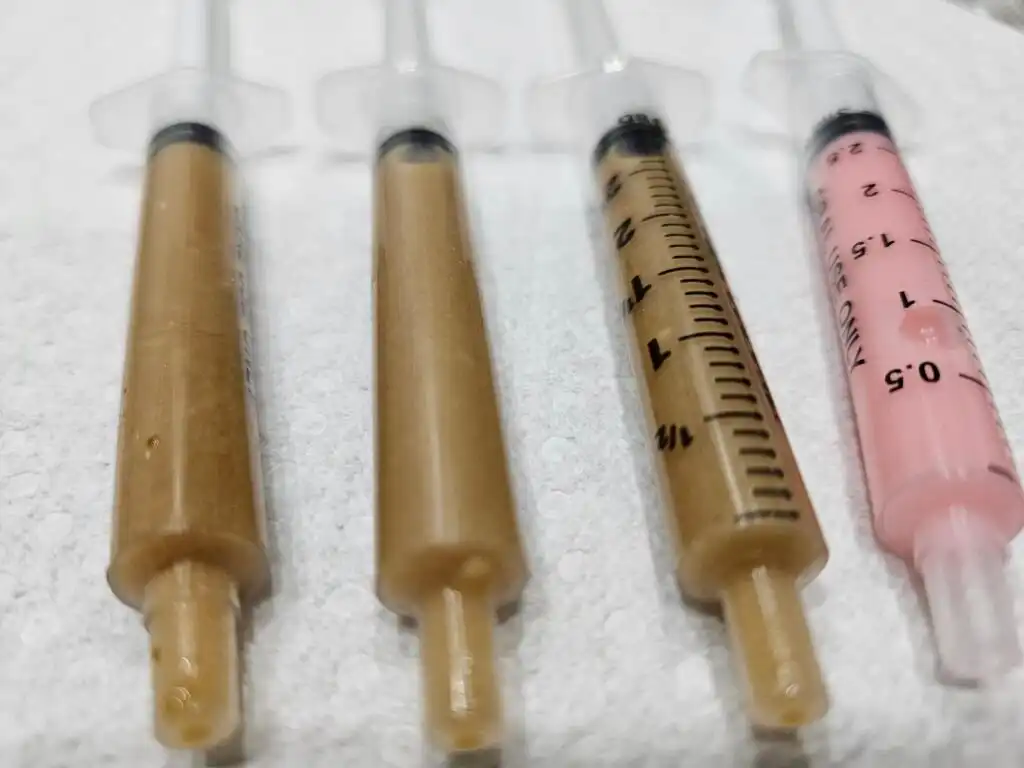
I always approach this slowly and from the side of the bill, allowing the duck time to swallow. Rushing this step can cause liquid to enter the airway, so patience really matters here.
In addition to standard syringes, I also keep tube feeding syringes in my kit. These are larger and designed to attach to feeding tubes when more advanced supportive care is needed.
They can be used for:
- Assisted feeding in ducks that are not eating
- More controlled fluid support in weakened or recovering ducks
That said, tube feeding is not something to attempt without proper guidance. It requires correct technique and anatomical understanding to avoid serious complications. I only use this method when I have clear instructions from a veterinarian.
A few practical tips:
- Keep multiple sizes, typically 10 mL, 30 mL, and 50 mL, for flexibility
- Label syringes if you use them for different purposes
- Rinse thoroughly after use and allow them to dry completely
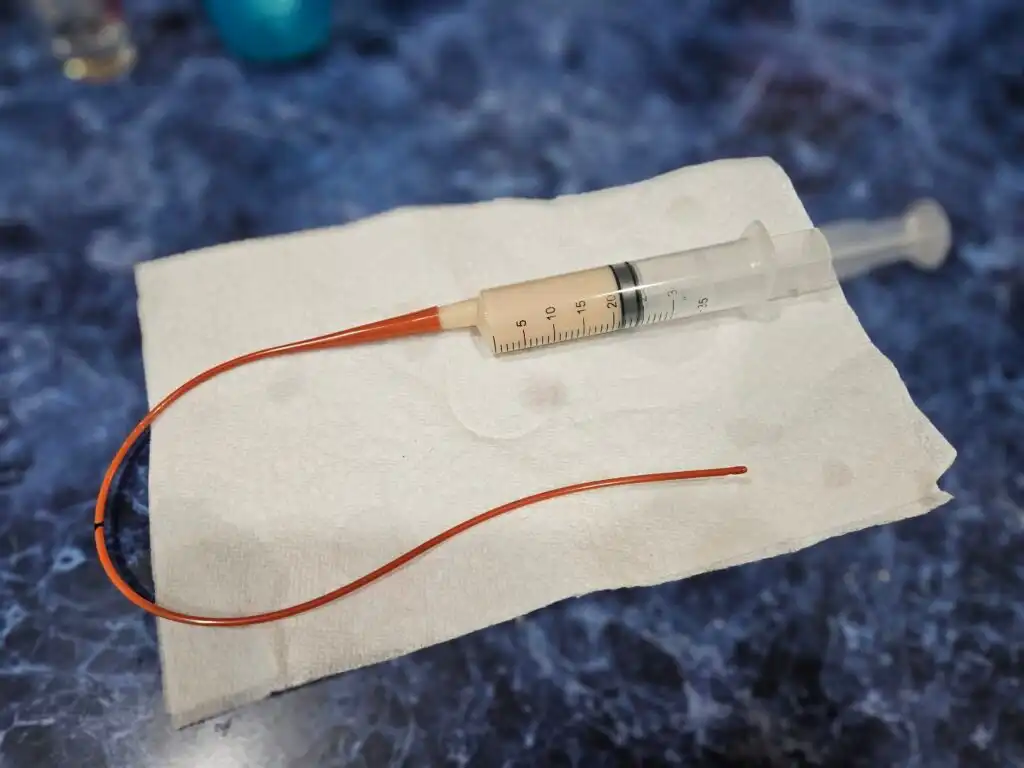
This is one of those categories where preparation really pays off. When a duck needs medication, it is rarely something you can delay, and having the right tools ready makes the entire process smoother for both you and your duck.
For a detailed, step-by-step guide on safe techniques and best practices, be sure to check out my full post on how to safely medicate ducks.
10. Pet Carrier or Transport Box
A secure and well-ventilated carrier is something I consider part of my first aid setup, not just a travel accessory.
When a duck is injured or unwell, the goal is to reduce stress, limit movement, and keep them safe. A proper carrier allows you to do exactly that, whether you are transporting your duck to the vet or creating a temporary recovery space at home.
I use carriers for:
- Safe transport to the veterinarian
- Isolating an injured or sick duck from the flock
- Creating a calm, controlled environment during emergencies
- Short-term monitoring, especially when close observation is needed
From experience, I strongly recommend a hard-sided carrier or transport box. It is sturdier, easier to clean, and provides better protection compared to soft carriers. Ducks can be surprisingly strong and messy, and you want something that can handle both.
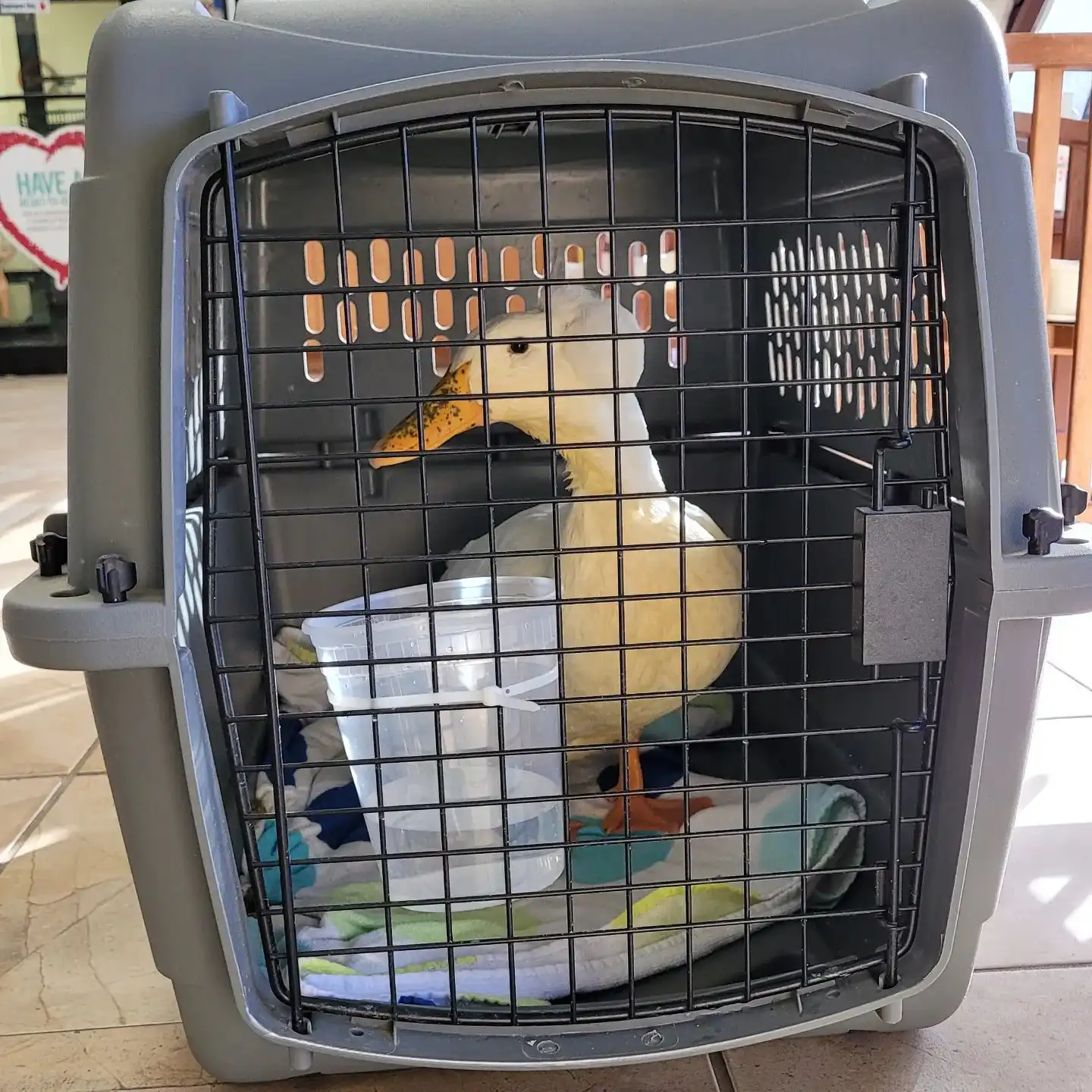
I always line the carrier with puppy pads or towels to absorb moisture and keep the space clean. For longer trips, I bring extra pads to swap out if needed.
Ventilation is key, but so is security. Make sure the openings are large enough for airflow but small enough to prevent escape or injury.
This is one of those items you may not think about until you urgently need it. Having it ready ahead of time can make a stressful situation much more manageable.
11. Duck Health Reference Book
This is one item that often gets overlooked, but I truly believe a good reference book is just as important as the supplies themselves.
In an emergency, it is not only about having the right tools. It is about knowing what to do, when to act, and when to stop and call a vet. Having a trusted resource on hand can help you stay calm and make informed decisions instead of guessing in a stressful moment.
A well-written guide, such as The Ultimate Pet Duck Guidebook, can support you with:
- Recognizing early signs of illness or injury
- Understanding what is normal versus abnormal behavior
- Step-by-step first aid guidance
- Clear indicators for when veterinary care is necessary
What I find especially helpful are books that include visuals and practical explanations, because in real situations, you often need quick clarity, not theory.
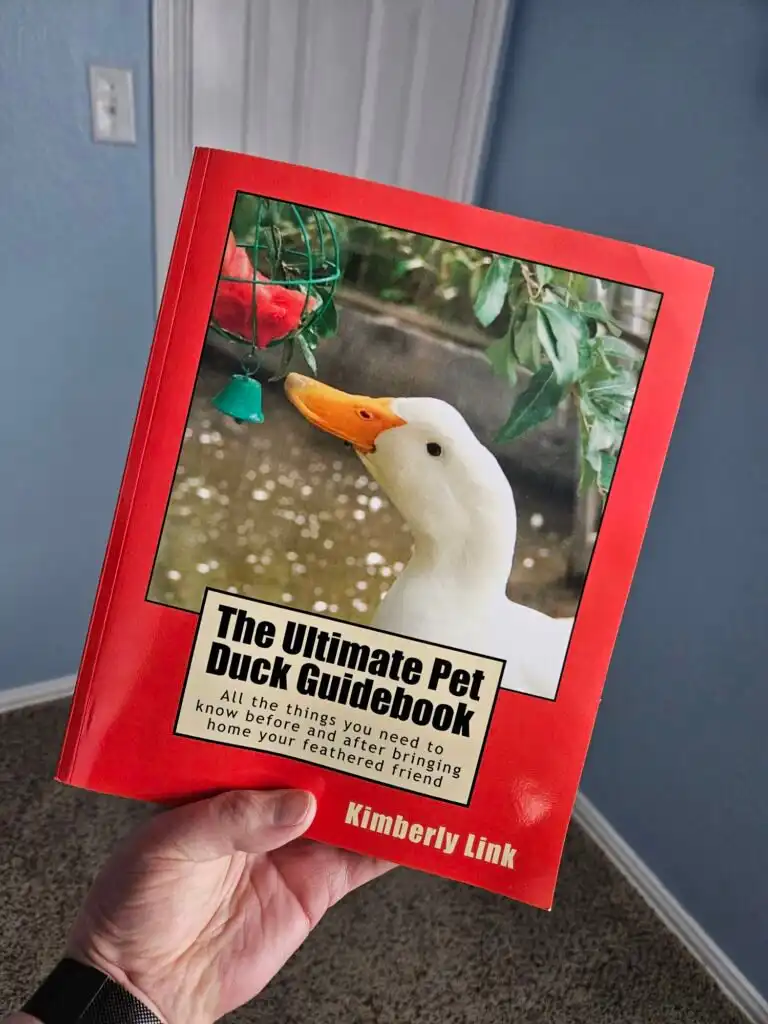
I always recommend keeping your reference either:
- physically in your first aid kit, or
- downloaded and easily accessible on your phone or tablet
Because when something happens, you do not want to start searching the internet and sorting through conflicting advice.
Think of this as your decision-making companion. Your tools allow you to act, but your knowledge ensures that you act correctly.
12. Scale (We Use a Baby Scale)
This is one of my favorite quiet health tools, because weight changes are often the first sign that something is wrong, even before you see obvious symptoms.
Ducks are very good at hiding illness. By the time they look sick, they often already are. Regular weigh-ins give you an objective data point that helps you catch issues early.
I use a scale to:
- Track baseline weight for each duck
- Monitor growth in ducklings
- Detect subtle weight loss or gain, which can indicate illness, reproductive issues, or nutritional imbalances
- Follow recovery progress during or after treatment
We personally use a baby scale, and it works perfectly. It is accurate, easy to clean, and gives enough space for a duck to sit comfortably. Some of my ducks will even just sit there calmly, while others need a little encouragement and a steady hand.
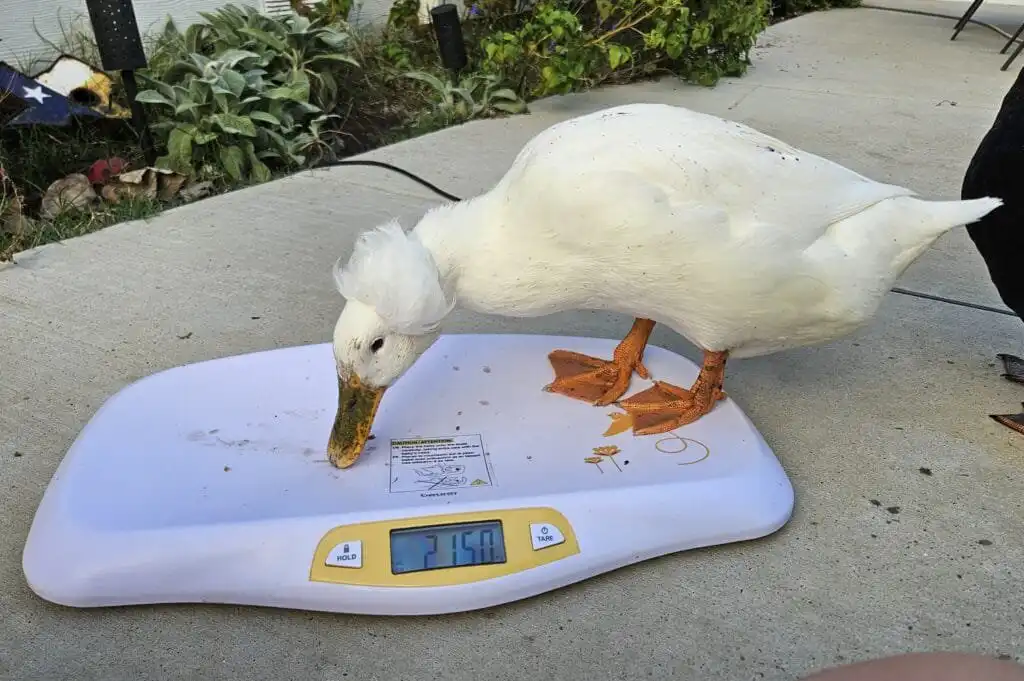
The key here is consistency. I recommend weighing your ducks:
- at regular intervals (once a month) when they are healthy
- more frequently if you are monitoring a concern
What matters most is not the exact number, but the trend over time.
A small but consistent weight loss is often your early warning sign that something needs attention. And catching that early can make a huge difference in outcome.
If you have never tracked your ducks’ weight before, this is a great place to start. It adds a layer of insight that you simply cannot get from observation alone.
13. ICU Setup (We Use Foldable Playpens)
When a duck is sick or injured, one of the most important things you can do is create a controlled, quiet space for recovery.
I like to think of this as a simple at-home ICU. It does not need to be complicated, but it should allow you to monitor your duck closely while reducing stress and preventing further injury.
We personally use foldable playpens, and they have worked incredibly well for our setup. They are easy to store, quick to set up, and give enough space for the duck to rest comfortably without too much movement.
An ICU area should provide:
- Warmth, especially for weak or recovering ducks
- Soft, clean flooring, typically lined with puppy pads
- Easy access to water and food, without requiring much effort
- A calm environment, away from the flock and noise
- Good visibility, so you can monitor behavior and droppings
I usually set this up indoors where I can check on them frequently. Being able to quickly notice changes, whether it is appetite, posture, or droppings, makes a big difference in how fast you can respond.
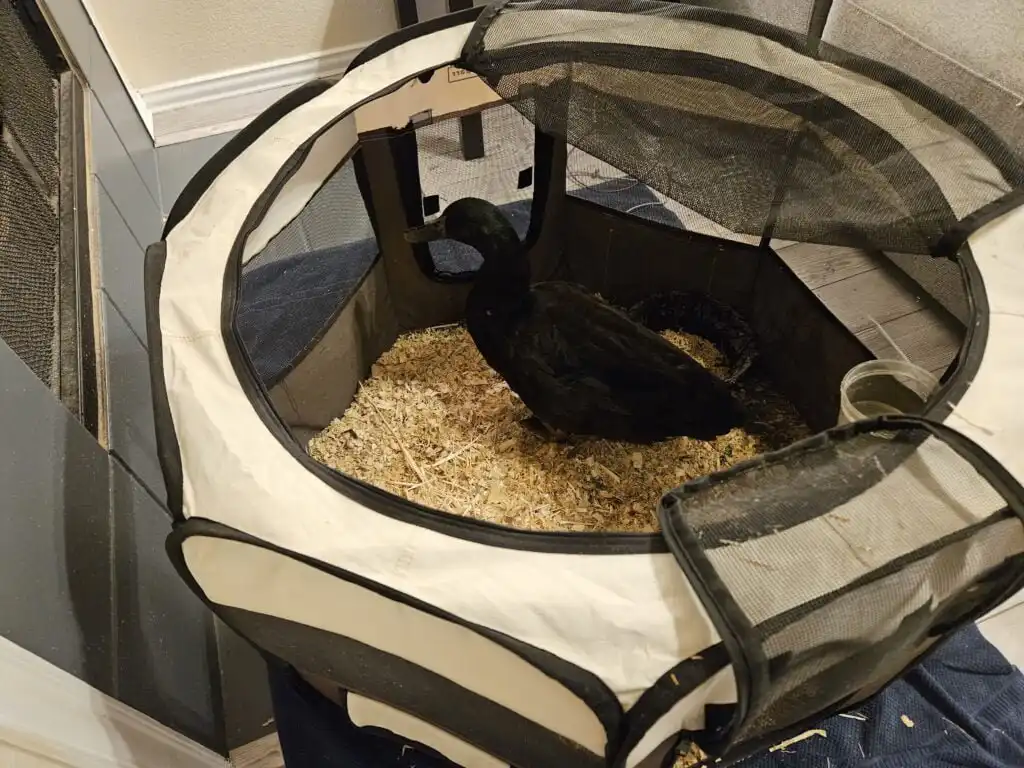
One thing I have learned from experience is that less is more in these situations. The goal is not enrichment or activity. The goal is rest, stability, and recovery.
If you have ever had a duck suddenly decline, you know how valuable it is to have this ready to go. Setting up an ICU space ahead of time means you are not scrambling when your duck needs you most.
It is one of those preparations you hope you never need, but when you do, it can truly make all the difference.
Supplemental Support: Enhancing Duck Health and Vitality
Ducks also require supplements to support their health. Illnesses and diseases can take a toll on their small bodies. Here’s a compilation of the most common types of supplements you should keep readily available as part of your duck first aid kit.
14. Electrolyte Solution:
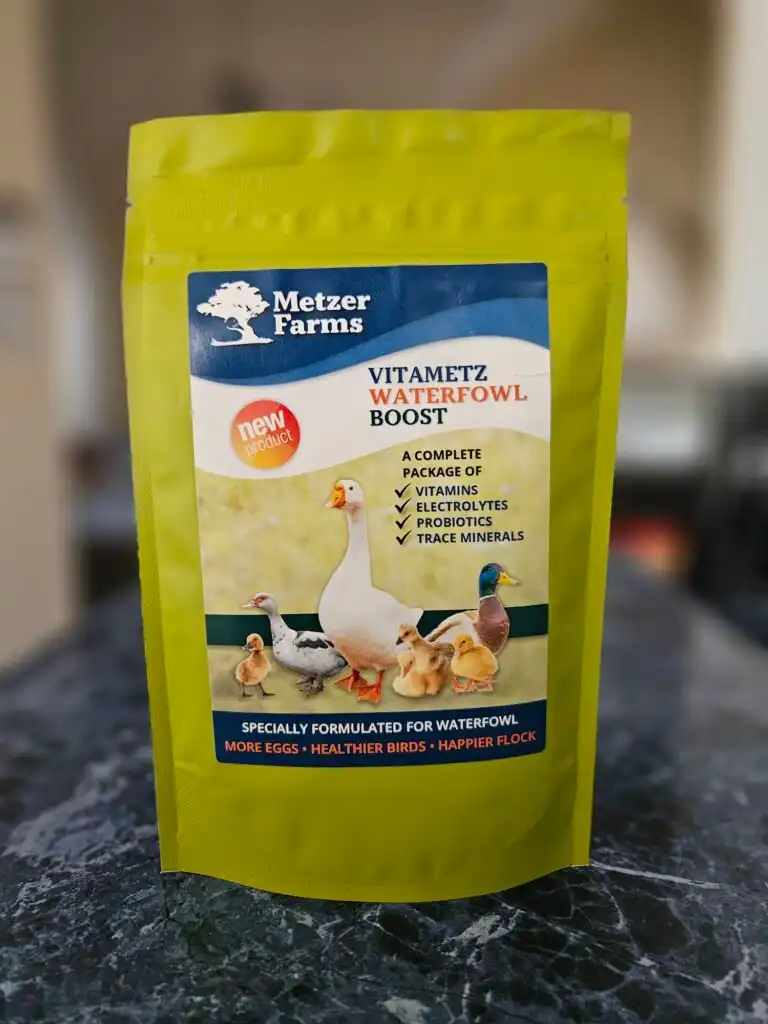
Provides essential nutrients and energy for sick or weak ducks, aiding in their recovery from illness or stress. It’s a concentrated source of vitamins and minerals, offering quick absorption and support for ducks in need of nutritional supplementation. It is also great to give your ducks during a hot summer day to help them stay hydrated. We have different electrolyte solutions we like, Save-a-chick, Hydro-Hen, and VitaMetz.
15. Nutri Drench:
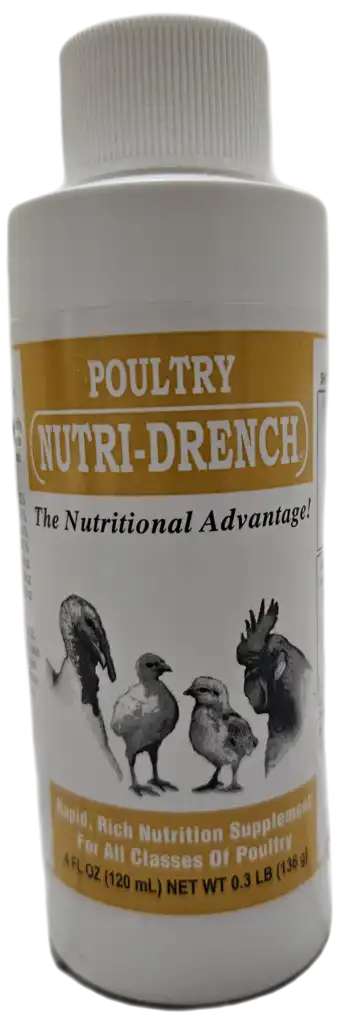
This liquid supplement provides essential nutrients and energy for sick or weak ducks, aiding in their recovery from illness or stress. Nutridrench delivers a quick shot of energy and essential nutrients straight into your ducks’ bloodstream within minutes. It’s packed with vitamins (A, D, and E), trace minerals, amino acids, and glucose—everything your duck needs to fight stress and thrive. We used it for Simon when he lost so much weight after his phallus amputation.
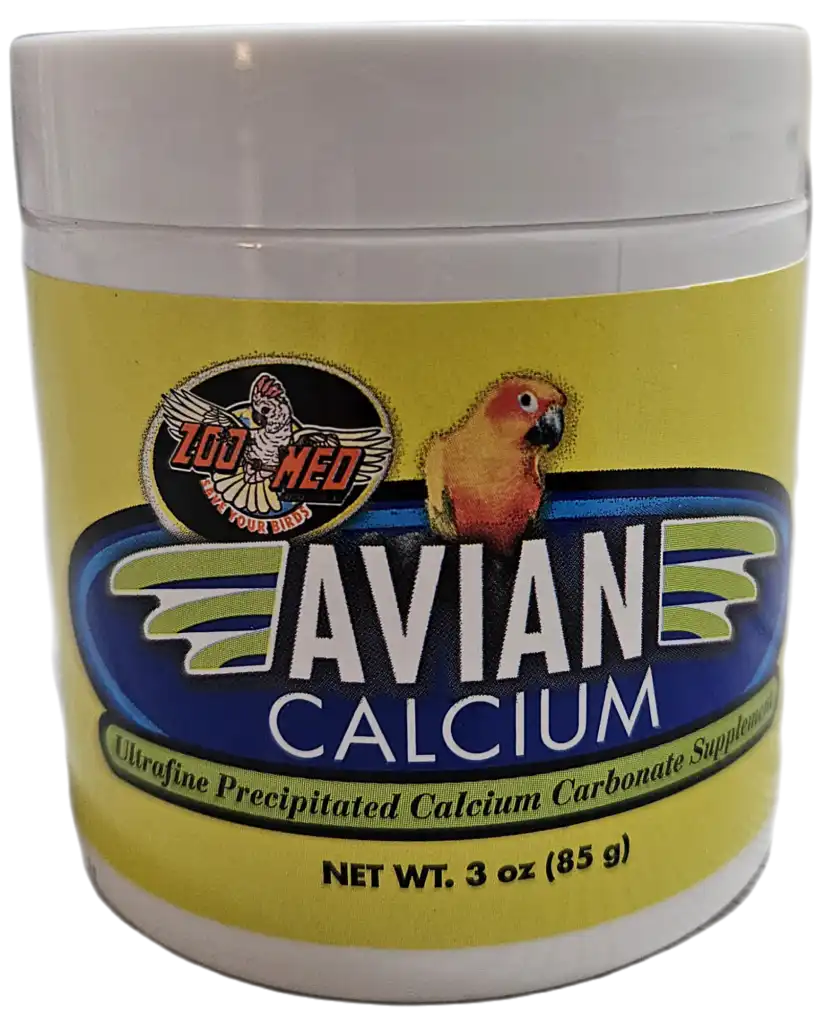
16. Avian Calcium:
Calcium is important for maintaining bone health and egg production in ducks, particularly during periods of growth or laying. A Calcium deficiency can lead to health issues such as soft eggshells or bone deformities, making avian calcium supplements essential for supporting your duck’s overall health and reproductive function.
17. Niacin:
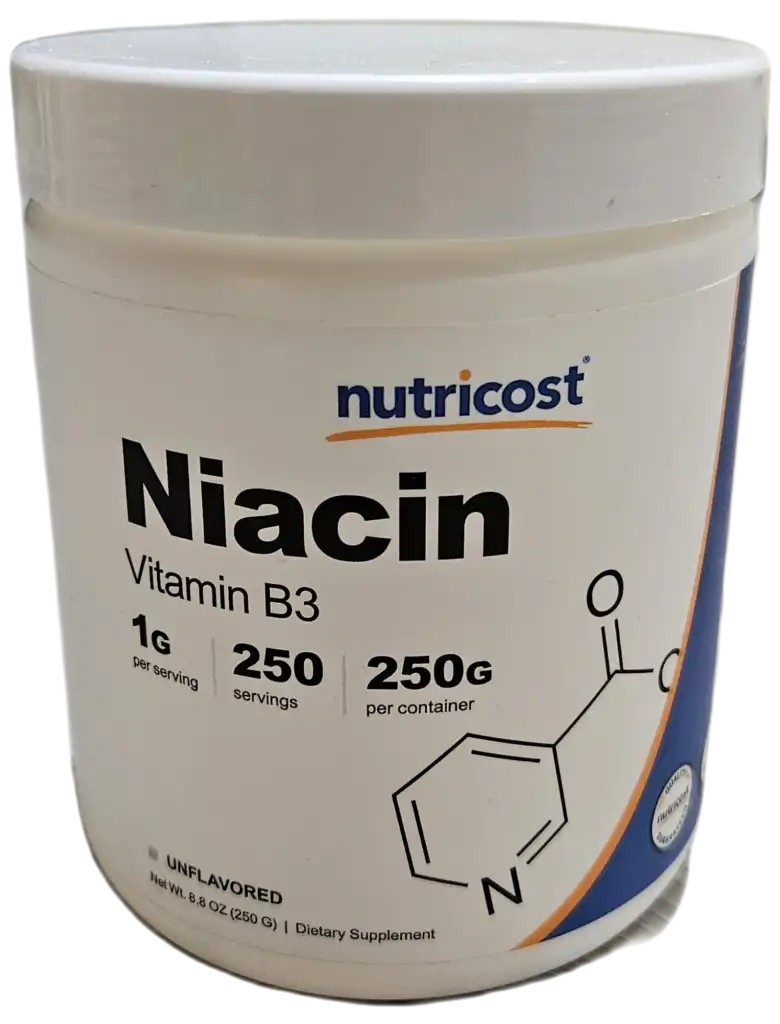
Niacin is essential for preventing niacin deficiency in ducks, promoting healthy growth, and preventing leg problems. It plays a crucial role in duckling development, supporting proper bone and muscle formation and preventing conditions like leg weakness or paralysis. Niacin can be applied to ducks’ food or drinking water. Some people like pure niacin, as we do, and others prefer Brewers Yeast.
Duck Wound Care Essentials and Remedies
Treating wounds is a key part of duck care, especially since our feathered friends can sometimes be a bit clumsy. Plus, dealing with issues like Bumblefoot is all too common in the duck world. Here, we’ll share the products that have been real lifesavers in our journey of duck care.
18. Cornstarch or Styptic Powder:
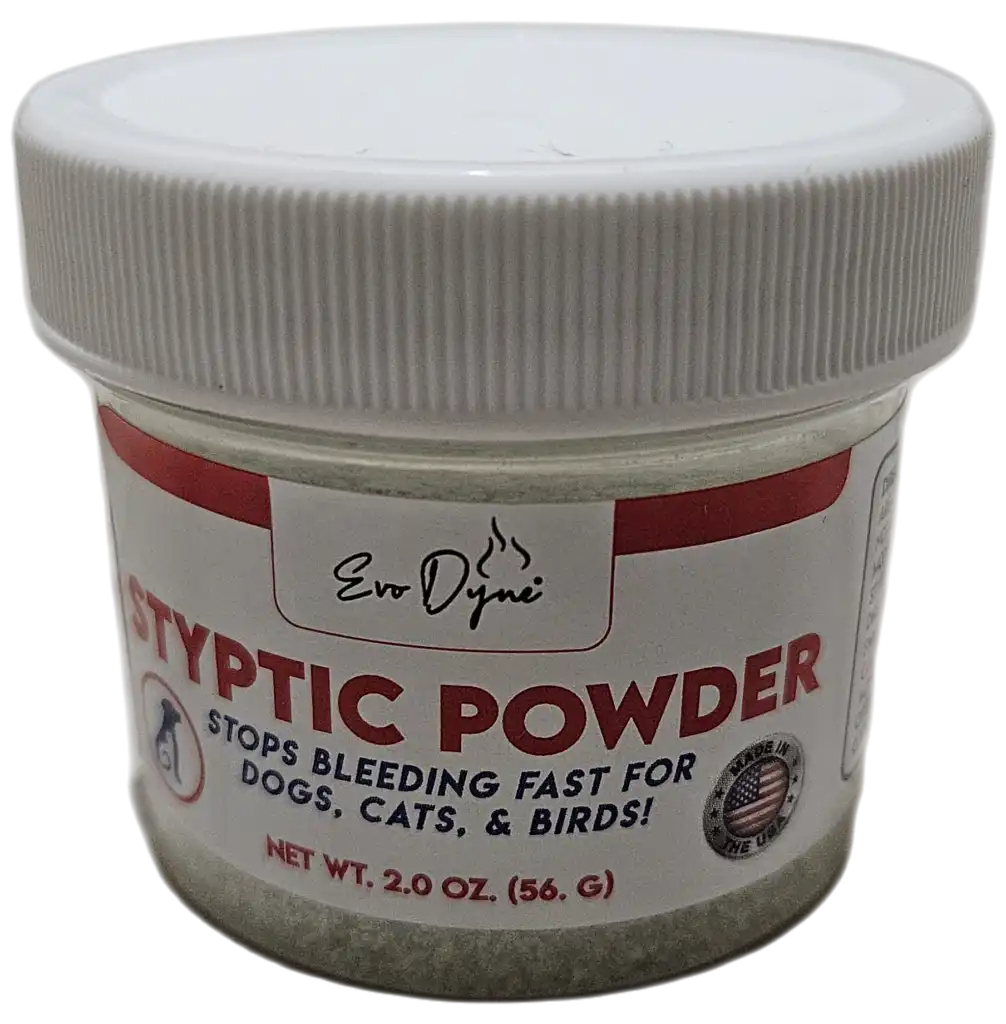
It is quick and effective in stopping minor bleeding from cuts or wounds, essential for swift first aid treatment. Applying a small amount of cornstarch or styptic powder to the affected area helps to promote clotting and prevent excessive bleeding, facilitating faster healing for your duck.
19. Triple Antibiotic Ointment:
It is effective in preventing infection and promoting healing in minor cuts or abrasions on your duck’s skin. It provides a protective barrier against bacteria and contaminants, reducing the risk of complications and facilitating faster recovery for your duck. We love to use it in minor cases of Bumblefoot.
20. Wound Spray:
Specifically formulated wound sprays like Veterycin or Rooster Booster can aid in the healing process of minor wounds and abrasions in ducks. These sprays contain antimicrobial agents that help prevent infection and promote tissue regeneration, supporting your duck’s natural healing process. Also very good in early cases of Bumblefoot.
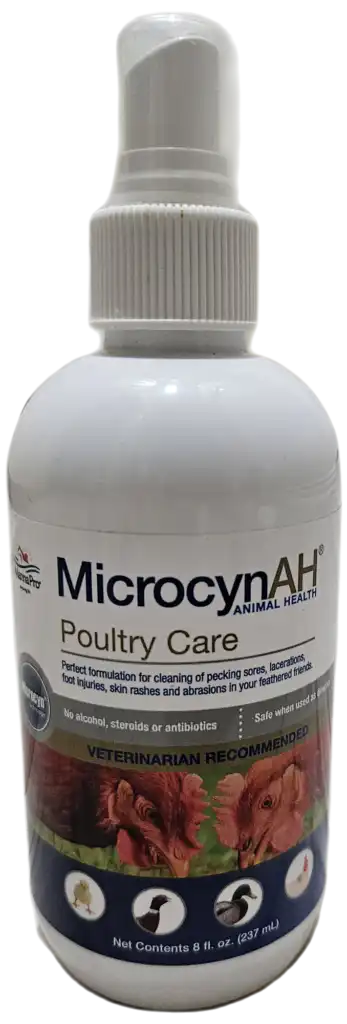
21. Silver Spray or Ointment:
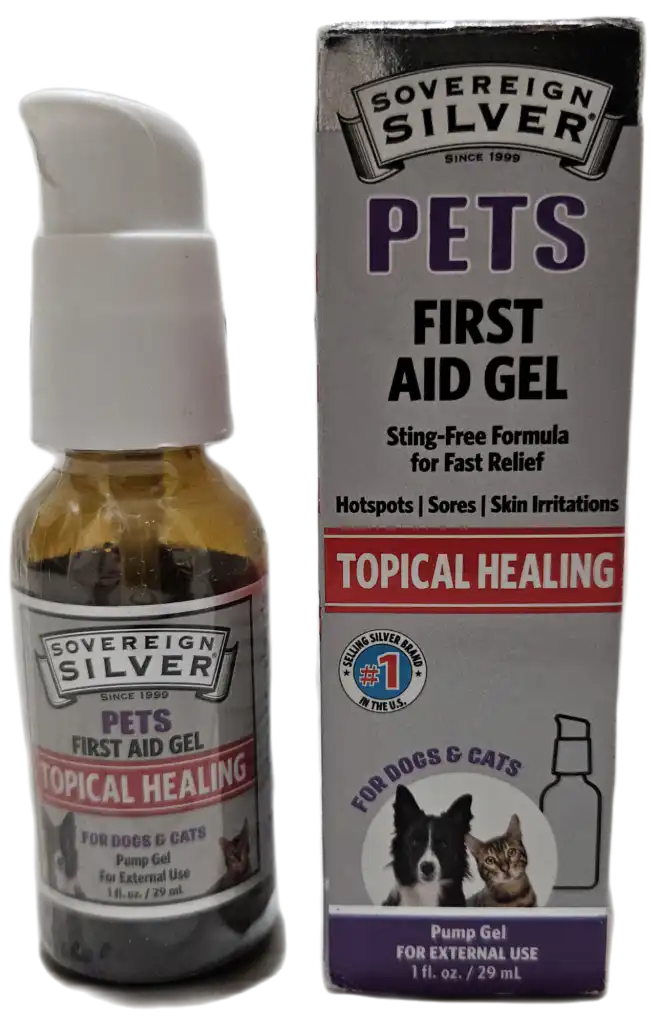
Colloidal silver-based products or PetSilver Wound Spray have antimicrobial properties, aiding in wound healing and preventing infections in ducks. They provide a natural alternative to traditional antibiotics, supporting your duck’s immune system and promoting faster recovery.
22. Epsom Salt Poultice:
This provides additional relief for localized swelling or inflammation in ducks’ feet or joints. Applying an Epsom salt poultice directly to the affected area helps draw out toxins and reduce inflammation, supporting your duck’s recovery from injuries or ailments. It is very useful for stubborn cases of Bumblefoot.
23. Betadine Solution:
Betadine is an antiseptic solution useful for disinfecting wounds and preventing infection in ducks. Dilute betadine solution can be safely applied to cuts, abrasions, or other minor injuries, helping to cleanse the area and promote healing in your duck. We love to use it when our ducks have bumblefoot. Simply prepare a solution in water and soak your duck’s feet for 10 to 15 minutes in it.
24. Chlorhexidine
Chlorhexidine is a potent antiseptic solution widely used for disinfecting wounds and preventing infections in ducks. Its antimicrobial properties make it effective in cleansing wounds and promoting healing, ensuring optimal care for your feathered companions.
25. Bag Balm:
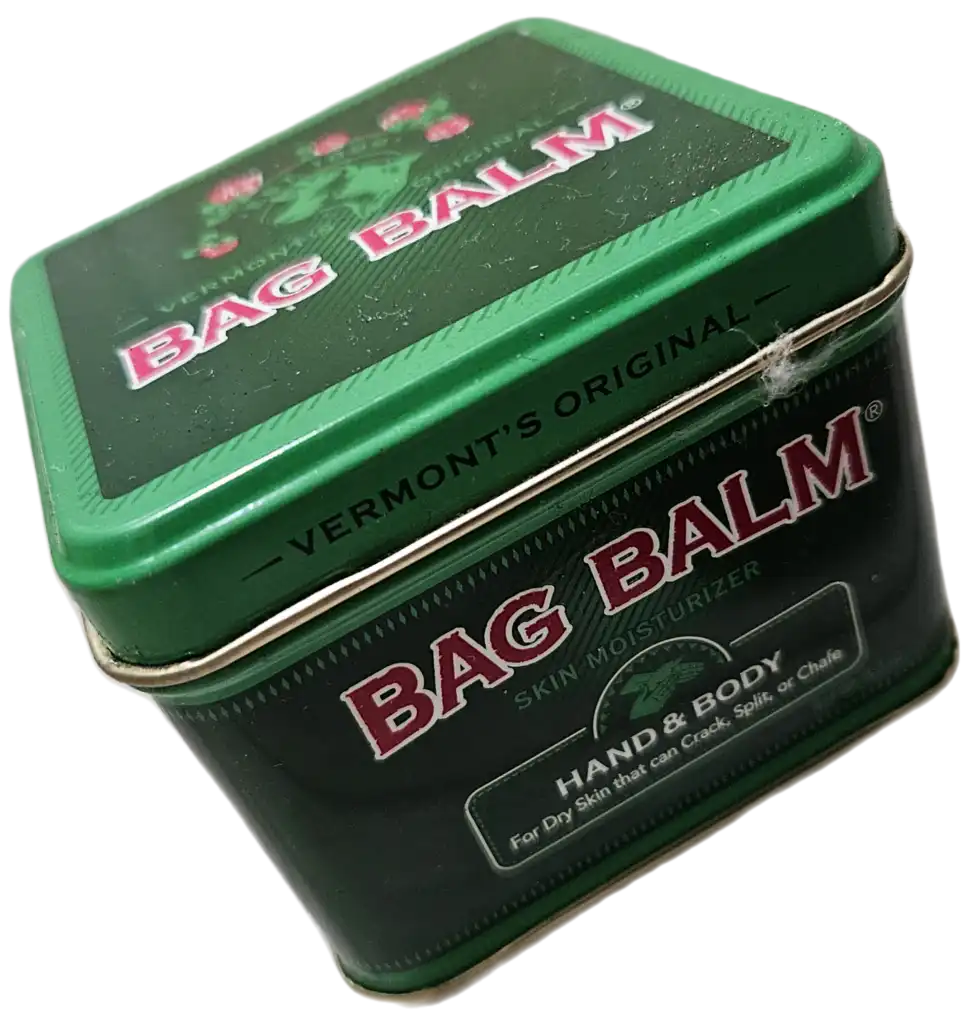
Bag Balm helps soothe and protect ducks’ skin from minor irritations, which is particularly useful for areas prone to dryness or chafing. Its moisturizing properties help prevent dry, cracked skin, promoting comfort and well-being for your ducks.
Miscellaneous Marvels and Must-Haves:
Within this category, you’ll find products that didn’t quite fit into the other sections but are just as crucial to duck care and should not be missed in your duck first aid kit.
26. Lubricant:
Essential for assisting with the gentle manipulation and repositioning of prolapsed tissue in ducks, reducing discomfort and facilitating the treatment process. Applying a lubricant (like KY Jelly Personal Lubricant) to the affected area helps ease the passage of tissue, aiding in the successful reduction of the prolapse while minimizing trauma to the duck.
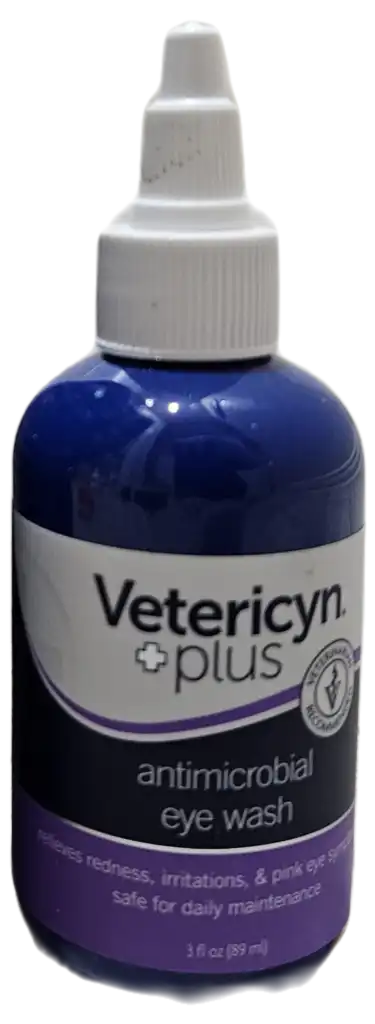
27. Antimicrobial Eye Wash:
Gentle eye washes can effectively clean and soothe your duck’s eyes in case of irritation or debris. Whether it’s dust, pollen, or foreign particles, an antimicrobial eye wash helps flush out contaminants and reduce inflammation, promoting clear and healthy eyes for your duck.
28. Terramycin Antibiotic Ophthalmic Ointment
Terramycin Antibiotic Ophthalmic Ointment is a must-have for your duck first aid kit. This ointment effectively treats eye infections, like conjunctivitis, ensuring your ducks’ eyes stay healthy and clear. Quick and easy to apply, Terramycin helps prevent minor issues from becoming serious problems. Keeping this ointment on hand means you can swiftly address eye issues, ensuring your feathered friends are always in top condition!
29. VetRX:
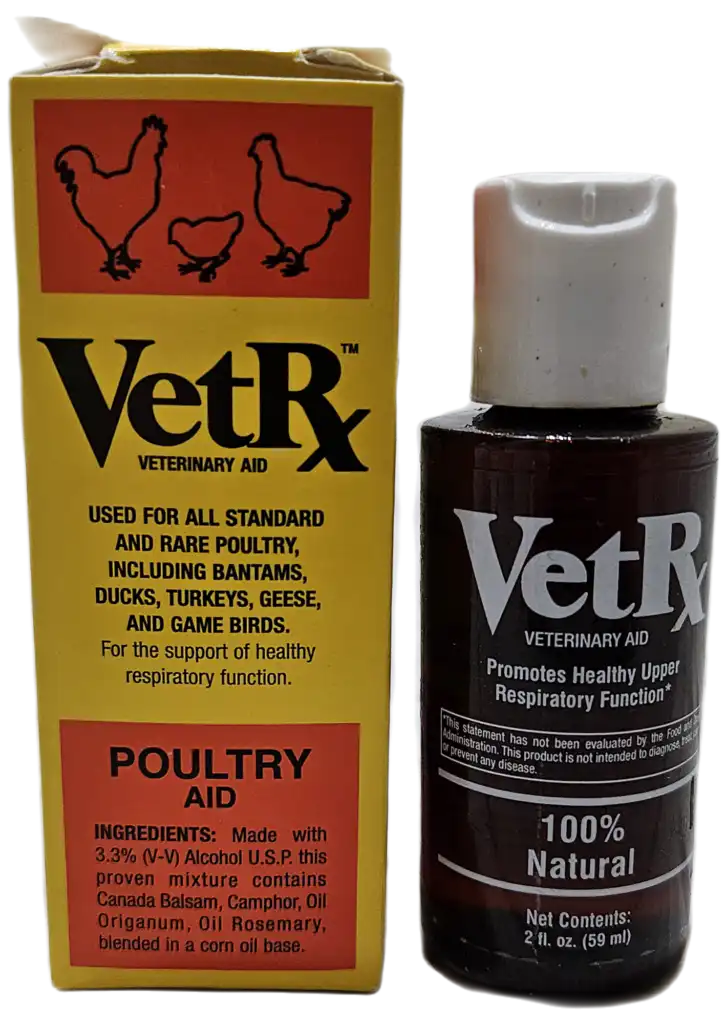
A natural remedy for respiratory issues and minor skin irritations in ducks, providing relief and support for their recovery. VetRX‘s soothing vapors can help alleviate congestion and respiratory discomfort, while its antiseptic properties aid in treating minor skin irritations or abrasions.
30. Epsom Salt:
It can be used in foot soaks to relieve discomfort and swelling in ducks with foot injuries or bumblefoot. Epsom salt‘s anti-inflammatory properties help reduce swelling and pain, promoting comfort and healing for your duck’s feet.
31. Activated Charcoal Powder
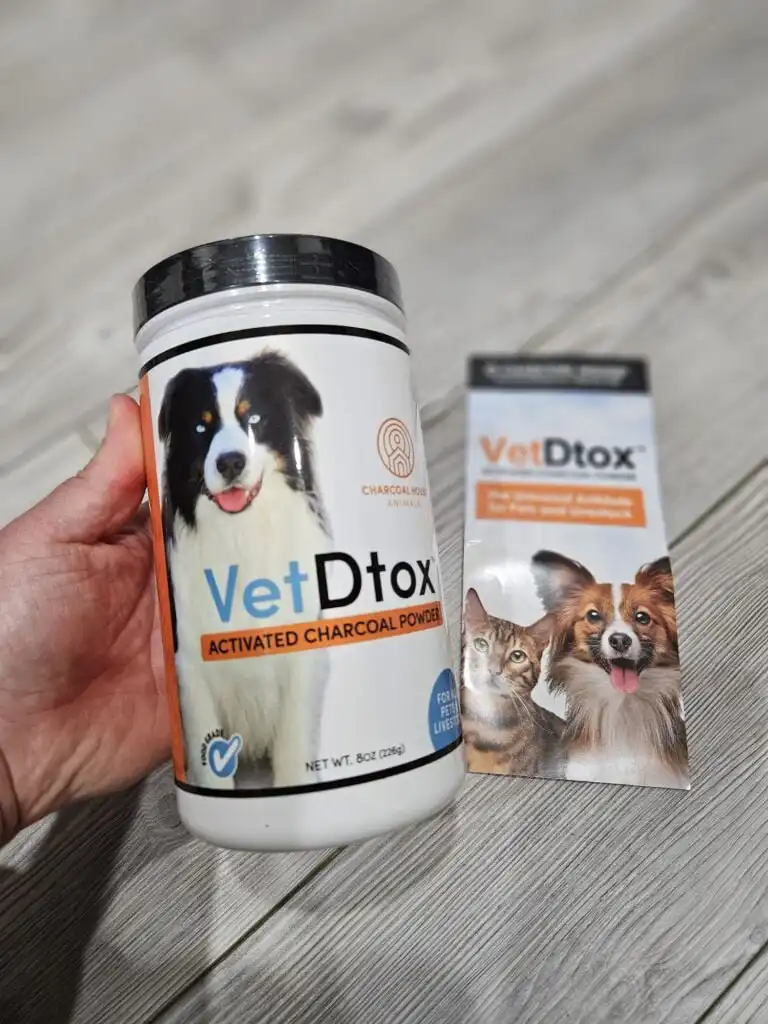
Activated Charcoal Powder is an essential item for your duck first aid kit. It’s highly effective in treating toxin ingestion, as it binds to poisons and prevents them from being absorbed into the bloodstream. Quick to administer and powerful, activated charcoal can be a lifesaver in emergencies, ensuring your ducks stay healthy and safe from accidental poisoning. Keep this handy remedy handy to provide swift and effective treatment whenever needed!
Never use these for your Ducks
- Blue Kote: This is not suitable for ducks due to potential toxicity. While commonly used for wound treatment in other animals, Blue Kote contains ingredients that can be harmful if ingested by ducks, making it unsuitable for use in avian first aid.
- Petroleum-based jelly: It can be harmful to ducks if ingested. While petroleum jelly has various uses in human and pet care, it’s not safe for ducks if ingested, as it can cause digestive issues or respiratory problems. Avoid using petroleum-based products on your ducks to prevent potential harm.
By regularly checking and updating your duck’s first aid kit, you ensure that items haven’t expired and can promptly replace any used supplies. Always consult with a qualified avian veterinarian for guidance on treating your duck’s injuries or illnesses, as they can provide expert advice tailored to your duck’s specific needs. With a well-stocked first aid kit and professional guidance, you’ll be well-equipped to handle any health concerns that arise with your feathered companions, promoting their health, happiness, and well-being.
Now we want to hear from you if we have missed anything important. Let us know in the comments below! ⬇️
Further Reading & Resources
- Bumblefoot in Ducks: Symptoms, Causes, and Treatments
- 15 Common Duck Health Conditions You Should Know About
- How To Conduct A Duck Health Check: A Comprehensive Guide
- Prolapsed Phallus (Penis) in Pet Ducks
- Egg binding and soft-shelled eggs in ducks – everything you need to know
Deepen your understanding of avian wellness. Explore the full Duck Health & Anatomy Library for more specialized care guides.