
The Pet Duck Health & Anatomy Library
Your Guide to Prevention, First Aid, and Flock Wellness
When I first brought Emma, Hertha, and Schnatterinchen home, I quickly realized that ducks have very different medical needs than other pets. After years of hands-on care and a few midnight emergencies, I’ve compiled this library to help you understand your ducks from the inside out. Whether you’re here to learn about duck biology or you’re navigating a specific illness, these resources are designed to give you the confidence to act quickly and keep your flock thriving.
Jump to: Anatomy & Physiology | Illnesses | First Aid & Practical Care | Case Studies
Ducks of Providence is a community-supported resource dedicated to evidence-based duck care. To keep our research-backed guides free for everyone, this site utilizes ads and affiliate links (which may earn us a small commission at no extra cost to you). Everything you find here comes from a real person, a duck mom and PhD scientist, combining academic rigor with the messy, rewarding reality of raising a flock. Your support helps us continue providing practical and trustworthy advice for duck keepers everywhere. 🦆Learn more
Duck Anatomy & Physiology
Understanding your duck’s health begins with understanding how they are built. Ducks are marvels of biological engineering, with specialized respiratory systems, waterproof feathers, and unique heat-exchange feet. In this section, we pull back the curtain on duck science. By learning the why behind their anatomy, like how their eyes see the world or how their digestive system processes food, you’ll be better equipped to spot when something is slightly off before it becomes a major problem.
- Do Ducks Really Need Water All Night? Yes. Here’s Why.
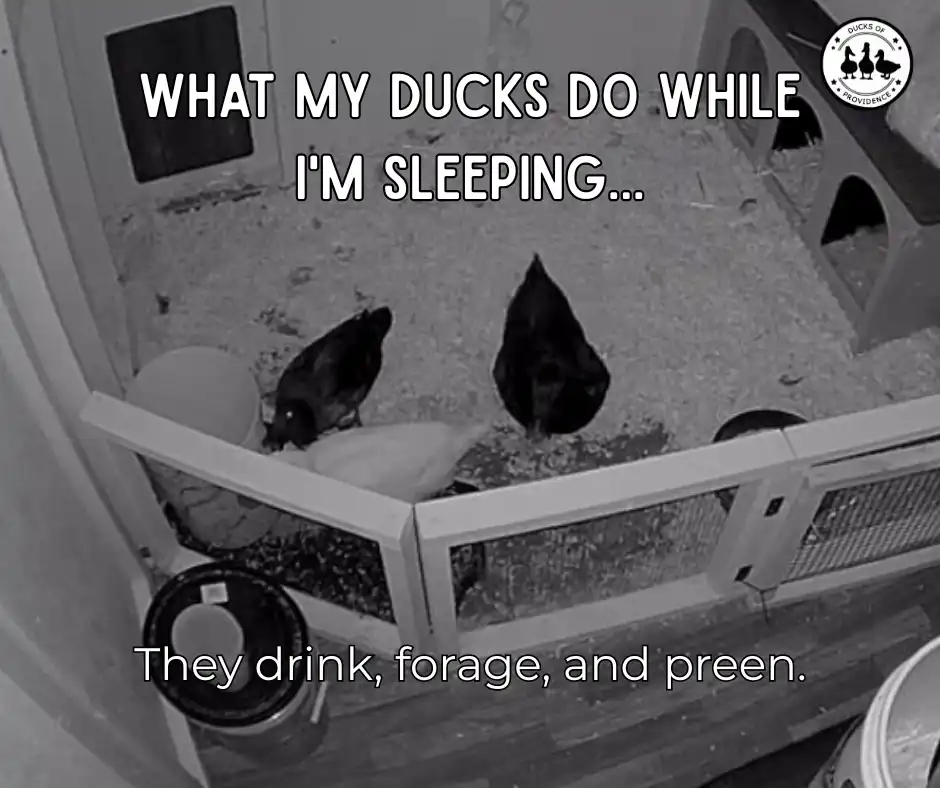 If you’ve ever wondered, “Do ducks need water at night?” the short answer is yes. Pet ducks should have access to clean drinking water 24 hours a day, including overnight. Many people think of water simply as something ducks drink when they’re thirsty. In reality, water is essential to almost every aspect of a duck’s… Read more: Do Ducks Really Need Water All Night? Yes. Here’s Why.
 - Duck Ears: The Hidden Anatomy Behind a Duck’s Amazing Hearing
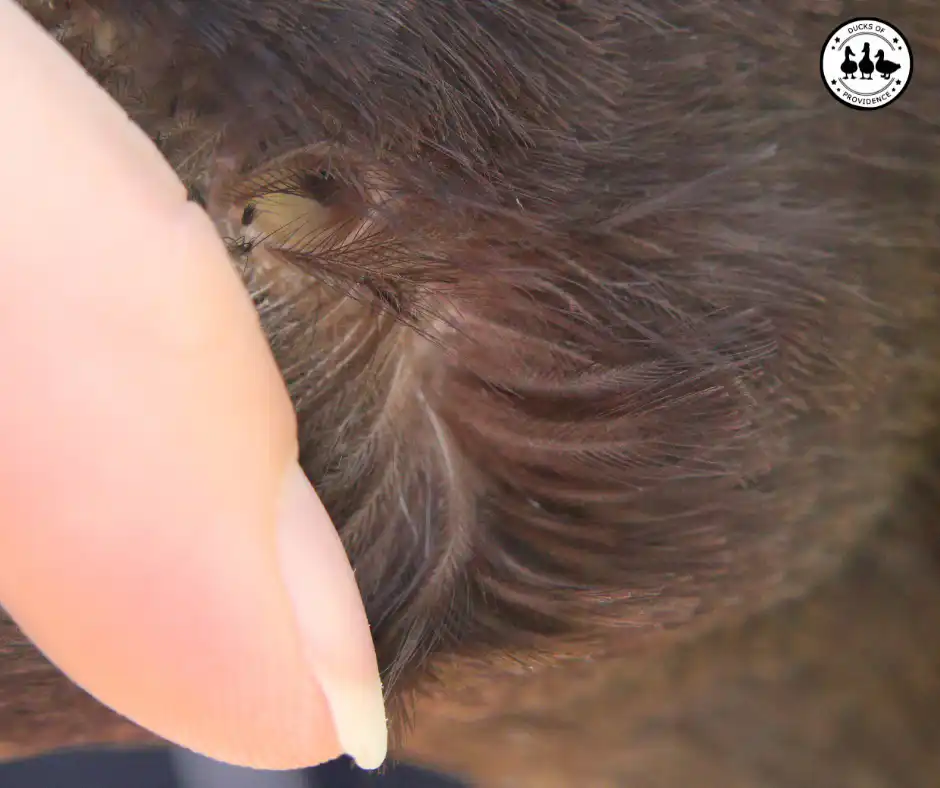 At first glance, ducks seem to have no ears at all. Unlike dogs, cats, or people, there are no visible ear flaps sticking out from the sides of their heads. Yet ducks hear remarkably well. They recognize the voices of flock mates, respond to distant predator calls, communicate with ducklings before they even hatch, and… Read more: Duck Ears: The Hidden Anatomy Behind a Duck’s Amazing Hearing
 - How Ducks Stay Cool: The Science Behind Heat Regulation in Ducks
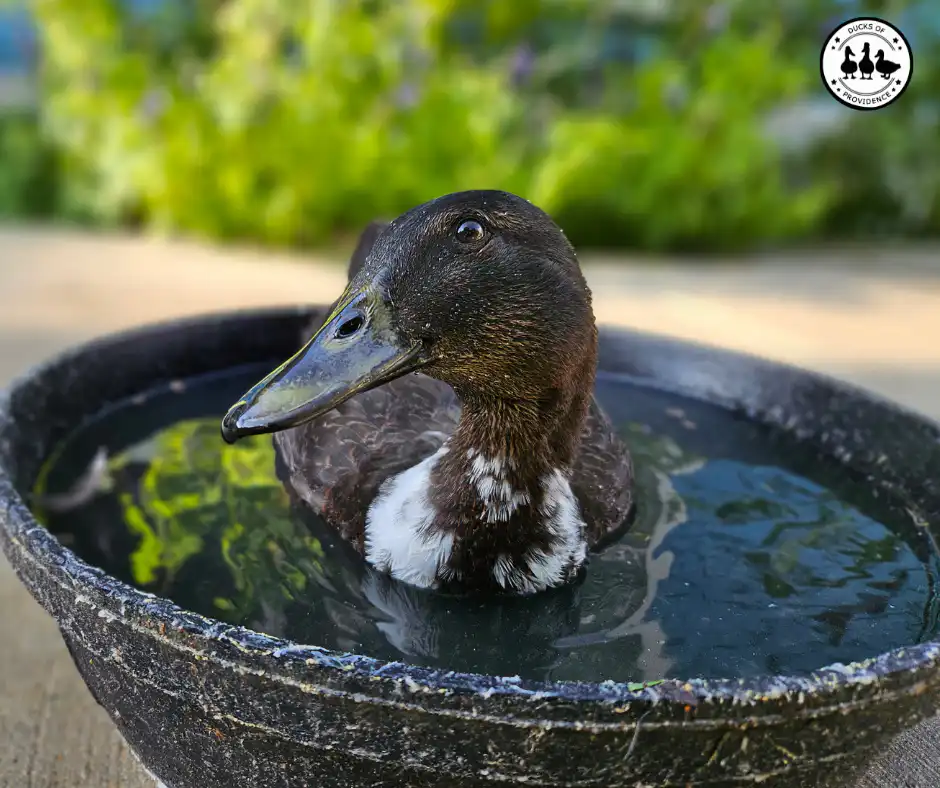 Because ducks are waterfowl, many people assume they naturally handle summer heat without much trouble. After all, ducks love water. They swim, splash, dabble, and seem perfectly content lounging in the sun. But as a duck owner in North Texas, where summer temperatures can easily climb into the triple digits, I can tell you that… Read more: How Ducks Stay Cool: The Science Behind Heat Regulation in Ducks
 - The Circulatory System and Vital Organs in Ducks
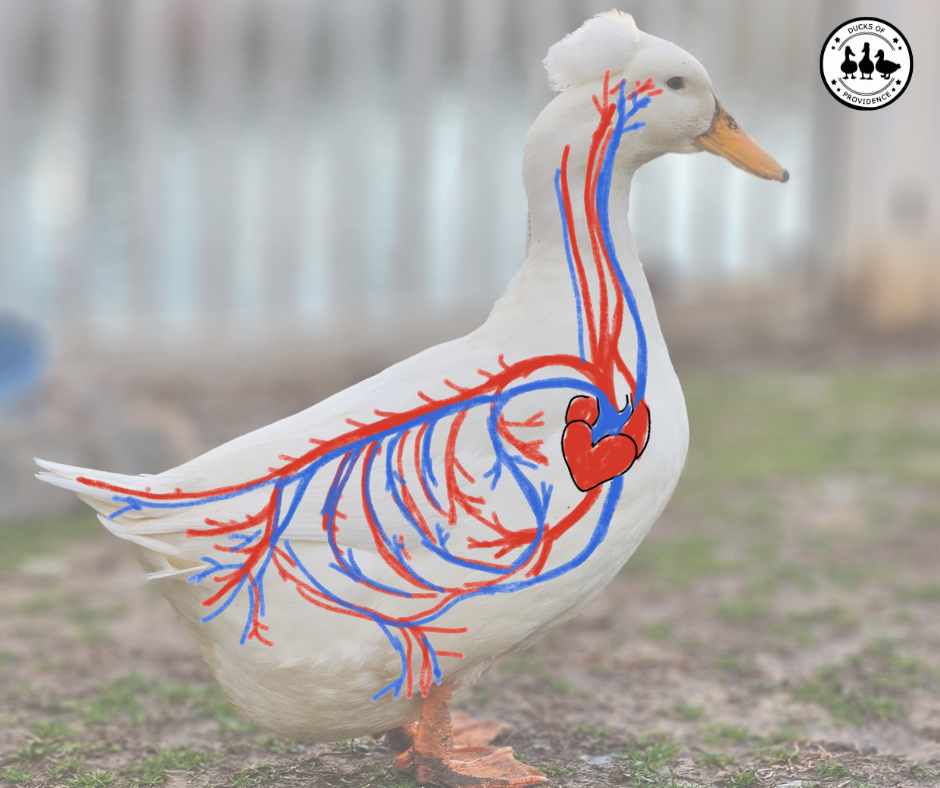 Have you ever looked at your duck and wondered what is happening beneath those feathers? I still remember the first time I sat in the vet’s office holding Emma during one of her early health scares. In that moment, I realized something important. Understanding your duck’s internal systems is not just for veterinarians. It is… Read more: The Circulatory System and Vital Organs in Ducks
Common Illnesses in Ducks & Managing Symptoms
When a duck isn’t acting like themselves, it’s often a race against time. Because ducks are prey animals, they are experts at hiding pain until they are quite sick. This section serves as a diagnostic roadmap for the most common duck ailments, from the classic issues like Bumblefoot and Niacin deficiency to more complex reproductive and neurological conditions. Use these guides to identify red flags, understand causes, and explore the best paths for recovery.
Remember: while I’m a dedicated Duck Mom sharing what I’ve learned, these guides should always complement, not replace, the advice of a qualified avian vet.
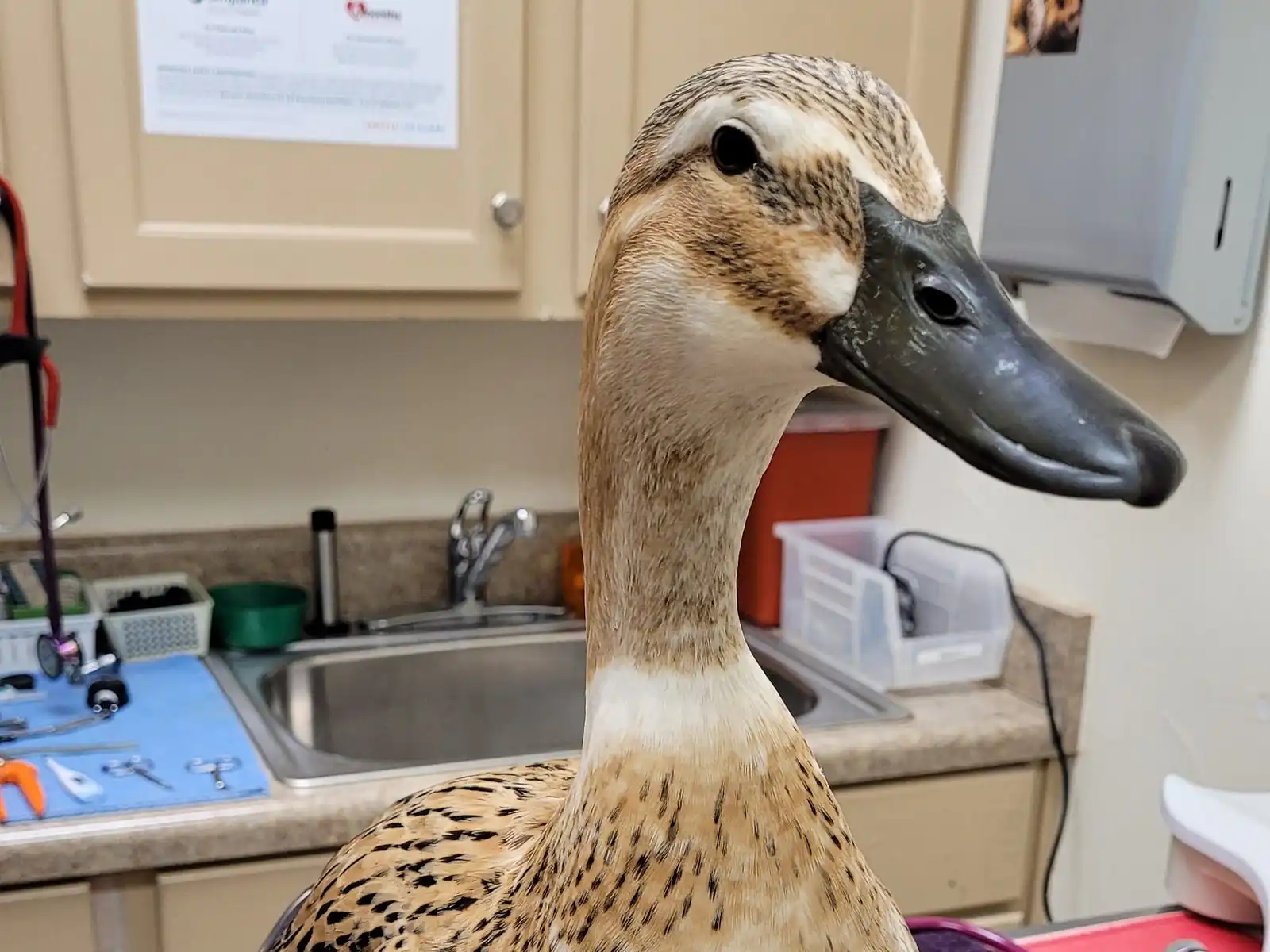
- When Do Ducks Stop Laying Eggs? Duck Henopause and Senior Duck Care
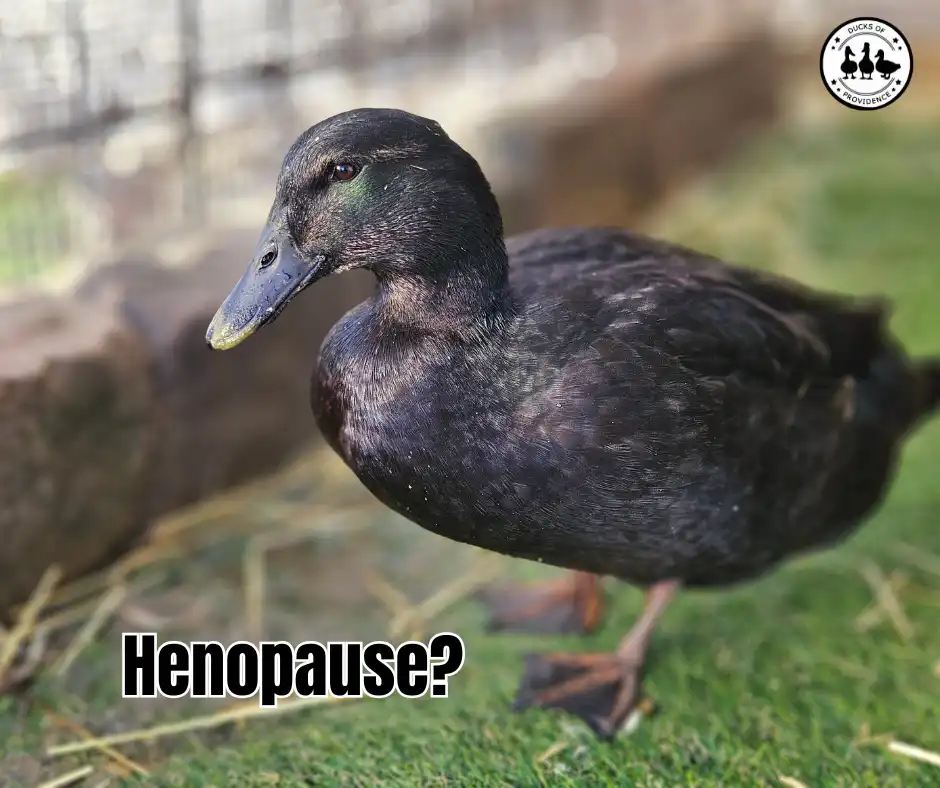 If your older duck has suddenly stopped laying, you may be wondering, when do ducks stop laying eggs? Is she simply entering henopause, or could the change signal a reproductive problem that needs veterinary care? The short answer is that ducks do not stop laying at one predictable age. Most produce the greatest number of… Read more: When Do Ducks Stop Laying Eggs? Duck Henopause and Senior Duck Care
 - Duck Diseases and Illnesses A to Z: A Complete Guide for Duck Owners
 If you keep ducks long enough, sooner or later you will find yourself asking a worrying question: Is my duck sick, and what could be wrong? Ducks can develop everything from relatively common problems such as bumblefoot, parasites, wet feather, and nutritional deficiencies to serious illnesses such as botulism, aspergillosis, avian influenza, reproductive disease, and… Read more: Duck Diseases and Illnesses A to Z: A Complete Guide for Duck Owners
 - Why Is My Duck Sitting Down All the Time? 9 Reasons and When to Worry
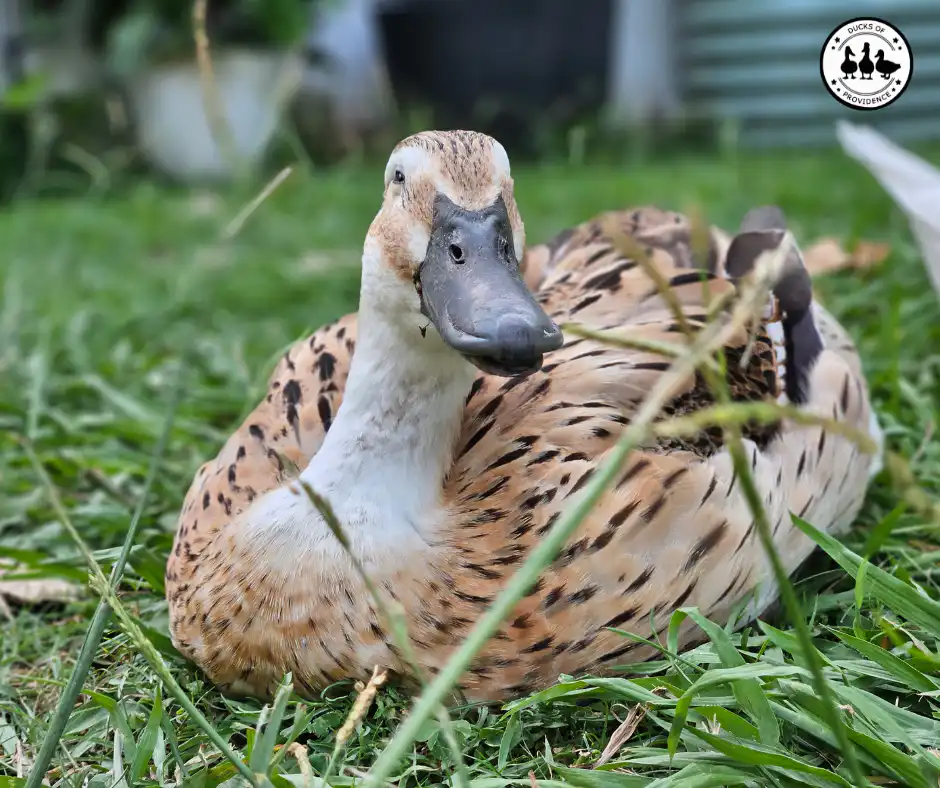 If you have noticed that your duck is sitting down all the time, you may be wondering whether she is simply taking it easy or whether something is wrong. Ducks do spend a surprising amount of time sitting, resting, preening, and simply watching the world go by. In many cases, a duck plopped comfortably on… Read more: Why Is My Duck Sitting Down All the Time? 9 Reasons and When to Worry
 - Why Is My Duck Shaking Its Head? 8 Common Causes
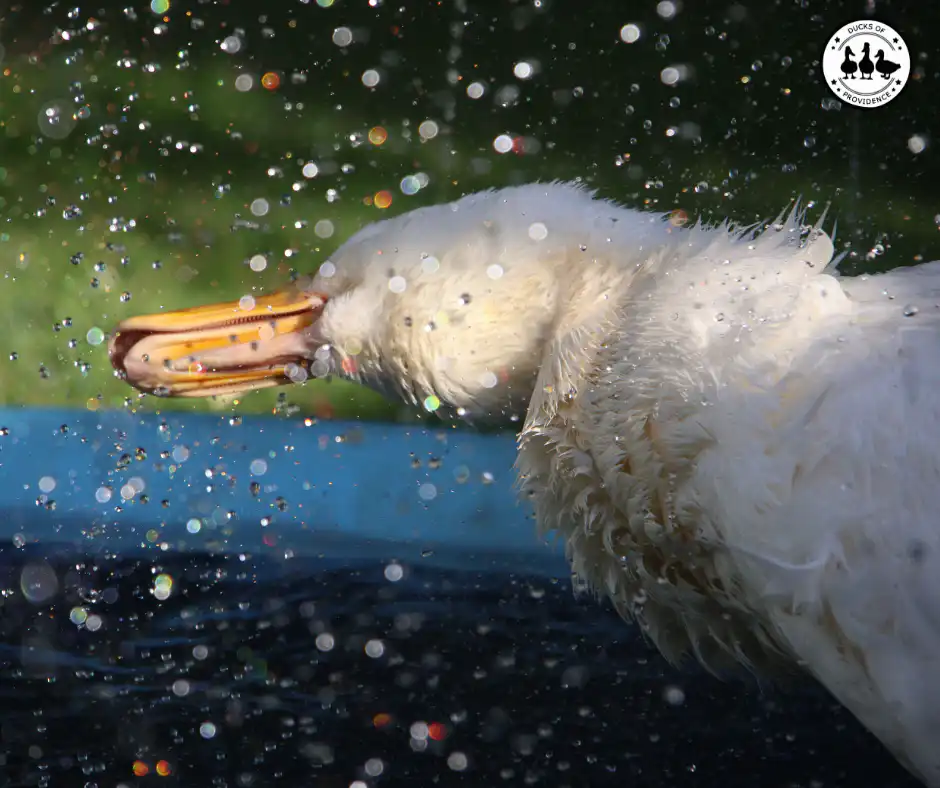 Watching your duck repeatedly shake its head can be alarming. Is it simply clearing its nostrils after a drink, or could it be the first sign of illness? The good news is that head shaking is often completely normal. Ducks frequently shake their heads after eating, drinking, swimming, or preening. However, persistent or excessive head… Read more: Why Is My Duck Shaking Its Head? 8 Common Causes
Duck First Aid & Practical Care
Knowing what is wrong is only half the battle; knowing what to do about it is where the real work happens. This is the practical, hands-on corner of the library. Here, I share the techniques I use in my own flock for safely administering medications, properly bandaging injuries, and performing routine wellness checks. You’ll also find my must-have list for a duck-specific first aid kit so you can be prepared for anything from a predator scrape to a sudden limp.
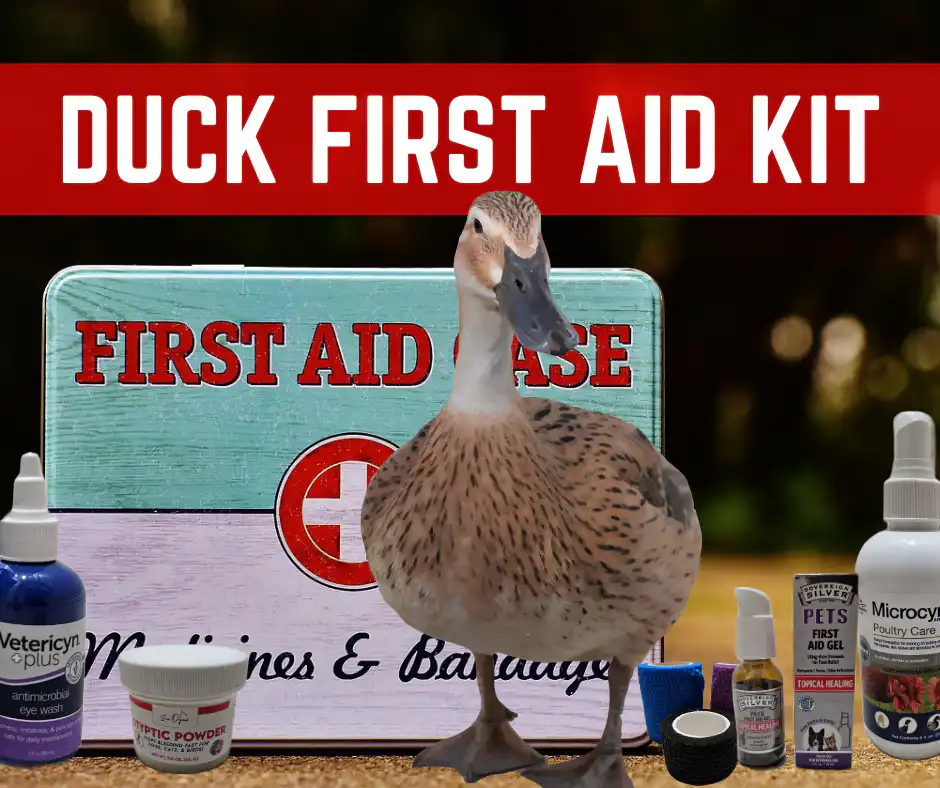
- Signs a Predator Attacked Your Ducks (And What to Do Immediately)
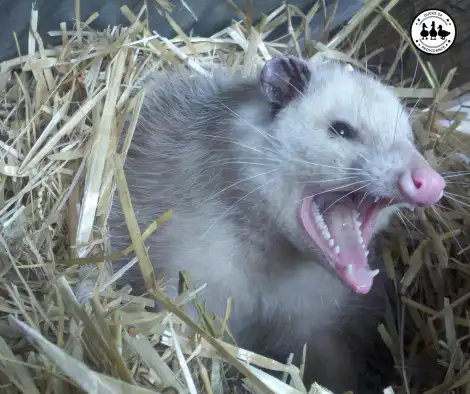 Imagine walking outside one morning to find feathers scattered across your yard, a damaged section of fencing, or one of your ducks hiding silently under a bush. Another duck refuses to stand, while the rest of the flock seems unusually quiet and frightened. In moments like these, it’s natural to wonder: Did a predator attack… Read more: Signs a Predator Attacked Your Ducks (And What to Do Immediately)
 - Pain Management in Ducks: Signs of Pain, Treatment, and Supportive Care
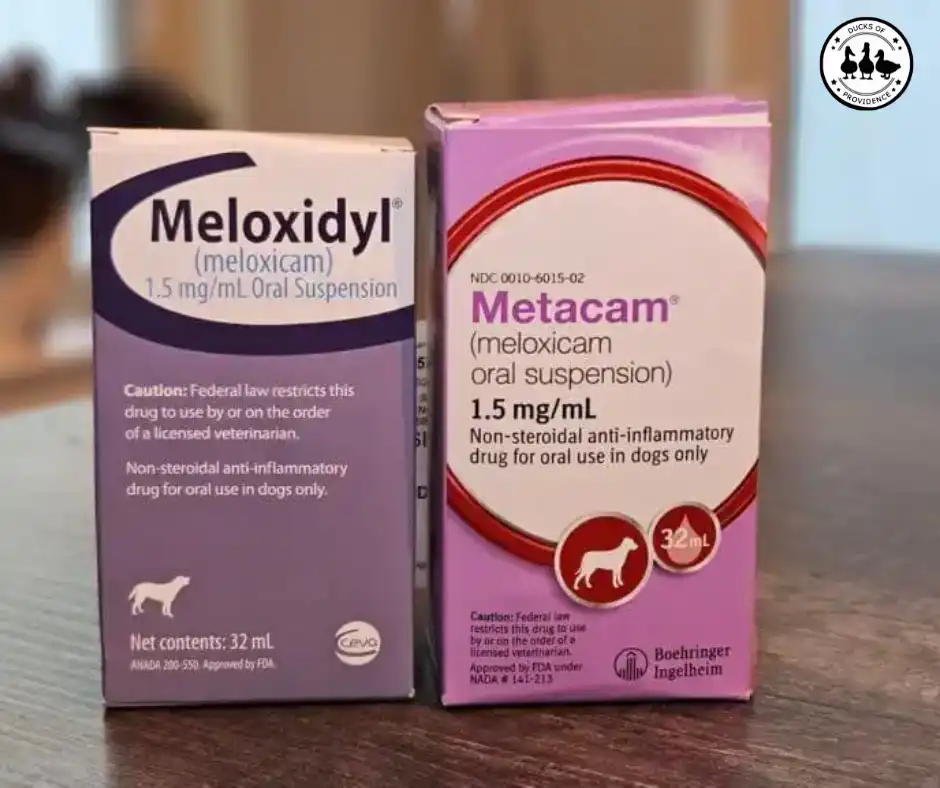 How can you tell if a duck is in pain? Unlike people, ducks cannot point to where it hurts, and they rarely make their discomfort obvious. A duck experiencing significant pain may remain quiet, continue following the flock, or even try to eat when offered a favorite treat. Sometimes, the first clues are surprisingly subtle:… Read more: Pain Management in Ducks: Signs of Pain, Treatment, and Supportive Care
 - When to Take a Duck to the Vet (My Real-Life Checklist)If you keep ducks long enough, you will face this question:“Does my duck need to see a vet, or am I overreacting?” It sounds simple, but in reality, this is one of the hardest decisions we make as duck parents. Ducks are incredibly good at hiding illness. As prey animals, their survival instinct is to… Read more: When to Take a Duck to the Vet (My Real-Life Checklist)
- Is Anesthesia Safe for Ducks? A Duck Owner’s Guide to Veterinary Sedation
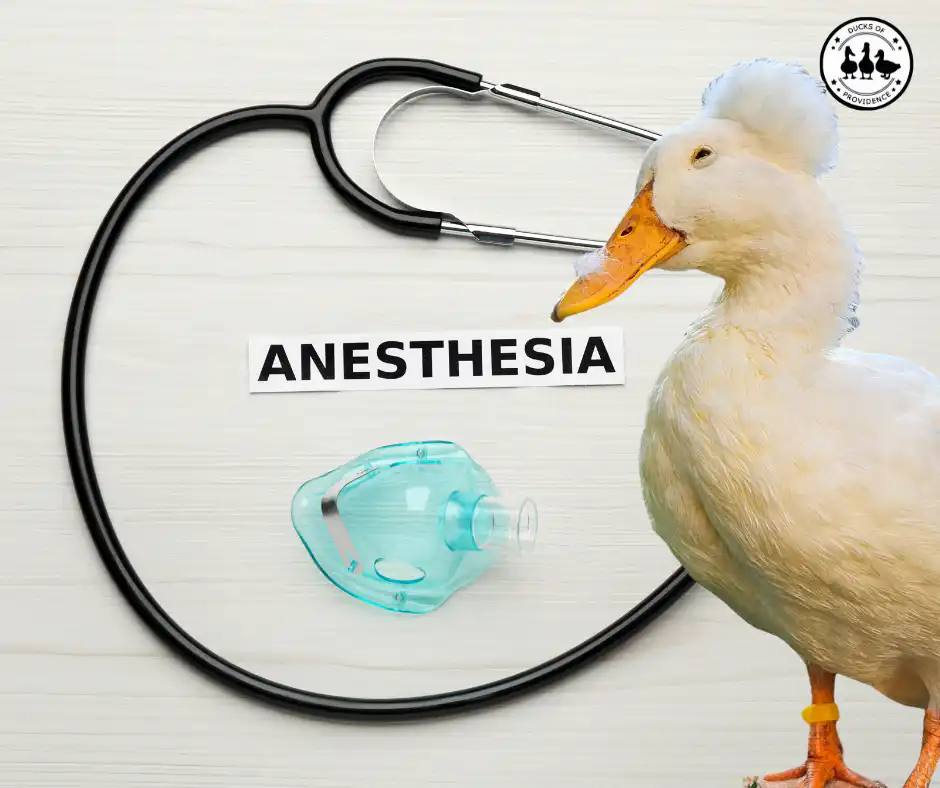 If you share your life with ducks, there may come a moment when a veterinarian recommends anesthesia for a medical procedure. Hearing those words can be unsettling. Ducks are small, sensitive animals, and the thought of putting them under anesthesia naturally raises many questions. You might find yourself wondering: Is anesthesia safe for ducks? What… Read more: Is Anesthesia Safe for Ducks? A Duck Owner’s Guide to Veterinary Sedation
Medical Case Studies
Sometimes, the best way to learn is through the experiences of others. In our Medical Case Studies, I share the raw, unfiltered stories of our own ducks’ health journeys, including the frightening moments with Penny’s egg-binding and Krümel’s various recoveries. These aren’t just stories; they are practical examples of how we applied our knowledge, what the vet recommended, and what the healing process actually looked like in our backyard. I hope these stories offer both hope and a how-to for owners in similar situations.
- Emma’s Prolapse Recovery Journey
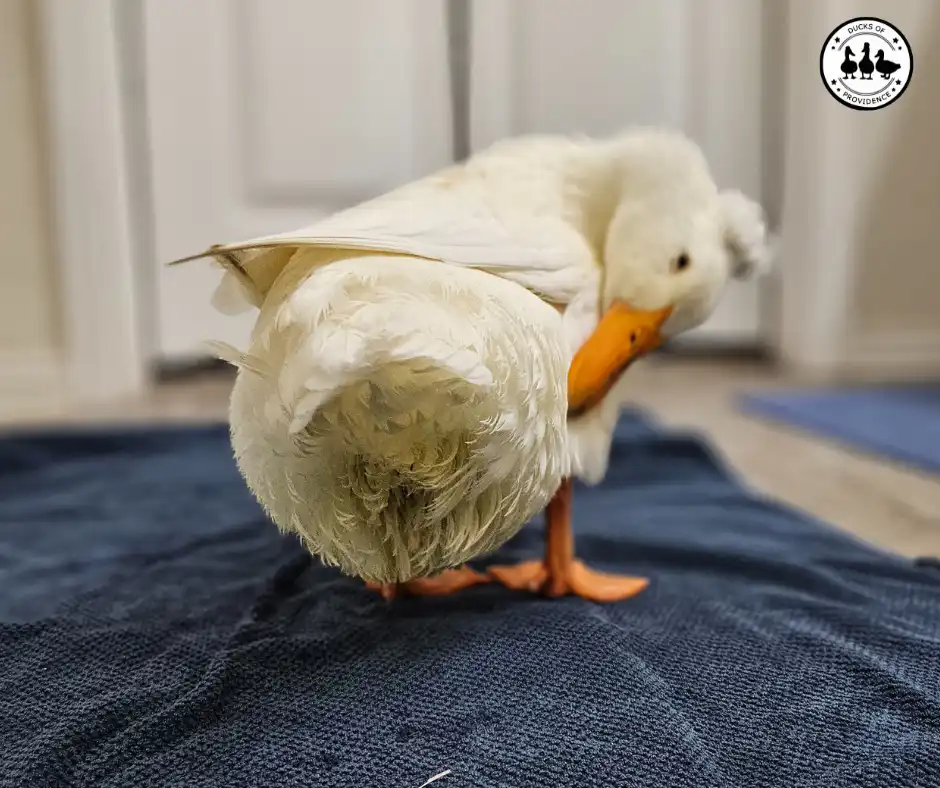 Some stories are hard to write, but they’re important. This is the story of our dear Emma and how we almost lost her to a prolapsed vent. It was one of the scariest moments I’ve faced as a duck mom. Emma isn’t just part of our flock, she’s family. Seeing her in pain and so… Read more: Emma’s Prolapse Recovery Journey
 - Krümel’s Health Journey: A Duck Case Study on Reproductive Issues and Zinc Toxicity
 Today I want to share a detailed update about one of our flock members, Krümel. Over the past months, she has been dealing with several health challenges, and the experience has been both stressful and educational for us. I decided to document her journey because reproductive disorders and metabolic issues are surprisingly common in domestic… Read more: Krümel’s Health Journey: A Duck Case Study on Reproductive Issues and Zinc Toxicity
 - How We Treated Our Egg-Bound Duck Penny (Case Study)
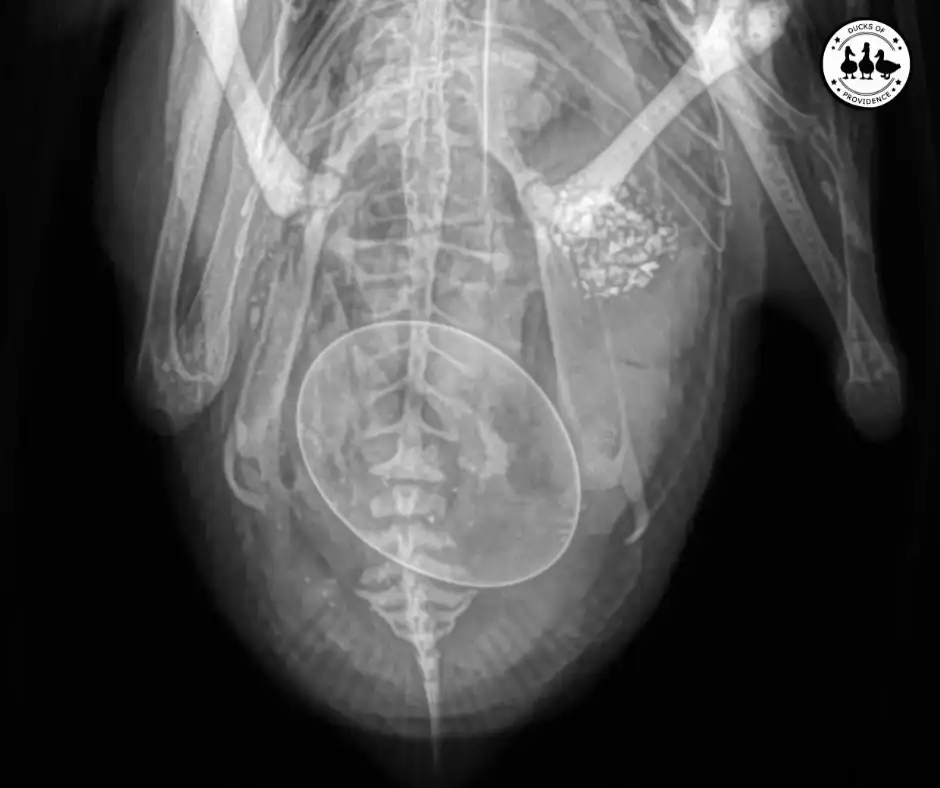 Egg-binding is one of the most serious reproductive emergencies in laying ducks. When a duck cannot pass an egg normally through the oviduct, the condition can quickly become life-threatening if not addressed promptly. Early recognition and veterinary support are critical, as delays can lead to infection, organ damage, or collapse. We experienced this firsthand with… Read more: How We Treated Our Egg-Bound Duck Penny (Case Study)
 - How We Treated the Prolapsed Penis of Our Pet Duck (Case Study)
 Reproductive emergencies in ducks can be alarming, especially when they involve injuries that many duck keepers have never seen before. One of those conditions is a prolapsed phallus, sometimes referred to as a prolapsed penis in drakes. While uncommon, it can quickly become serious if the exposed tissue dries out, becomes traumatized, or develops infection.… Read more: How We Treated the Prolapsed Penis of Our Pet Duck (Case Study)
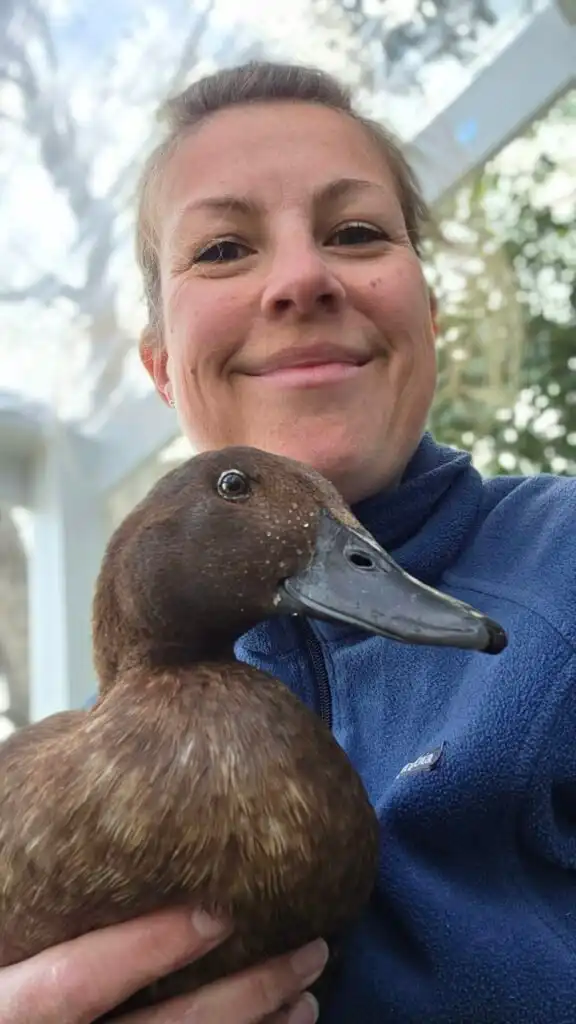
I believe that the best care comes from a combination of diligent daily observation and professional medical expertise. As a scientist, I document our flock’s health journeys with precision, but I am not a doctor. Every guide, chart, and case study on this site is born from my personal experience and research. They are intended to support your learning, but in a medical emergency or for a specific diagnosis, always consult a vet who specializes in waterfowl. Your duck’s life may depend on professional intervention.