Healthy Snacks for Ducks: Safe Treats Your Flock Will Love

Last updated: August 29th, 2026
To keep our research-backed guides free, this site uses ads and affiliate links (earning a small commission at no cost to you). Everything here is created by a duck mom and PhD scientist, combining academic rigor with hands-on experience to provide practical, trustworthy advice for duck keepers everywhere. 🦆 Learn more
Ducks enjoy a wide variety of foods, and offering occasional treats can be a great way to provide enrichment and nutritional variety. However, treats should always complement a balanced diet rather than replace it. Choosing the right snacks can support feather health, digestion, and overall well-being, while the wrong foods may lead to nutritional imbalances or health problems.
Many new duck keepers are surprised by how many different foods ducks can safely enjoy. Fresh vegetables, certain fruits, protein-rich insects, and even some edible plants can make excellent additions to your ducks’ diet when offered in moderation.
At the same time, not every food that seems healthy for humans is safe for ducks. Understanding which treats are beneficial and which should be avoided is an important part of responsible duck care.
In this guide, we will explore a variety of healthy snack options for ducks, including nutritious fruits and vegetables, protein-rich treats, and safe plants your ducks can forage. We will also cover how often treats should be offered and important safety tips to ensure snack time supports, rather than harms, your ducks’ health.
With the right choices, treats can become a fun and enriching part of your ducks’ daily routine while helping maintain a balanced and healthy diet.
Part of the Feeding & Nutrition Hub, Data-backed analysis of duck dietary requirements and foraging behavior.
Quick Navigation: Jump to a Section
[hide]
The Importance of Snacks
Why are snacks important for ducks? Besides being a delightful addition to their diet, snacks serve several crucial roles in your relationship with your ducks.
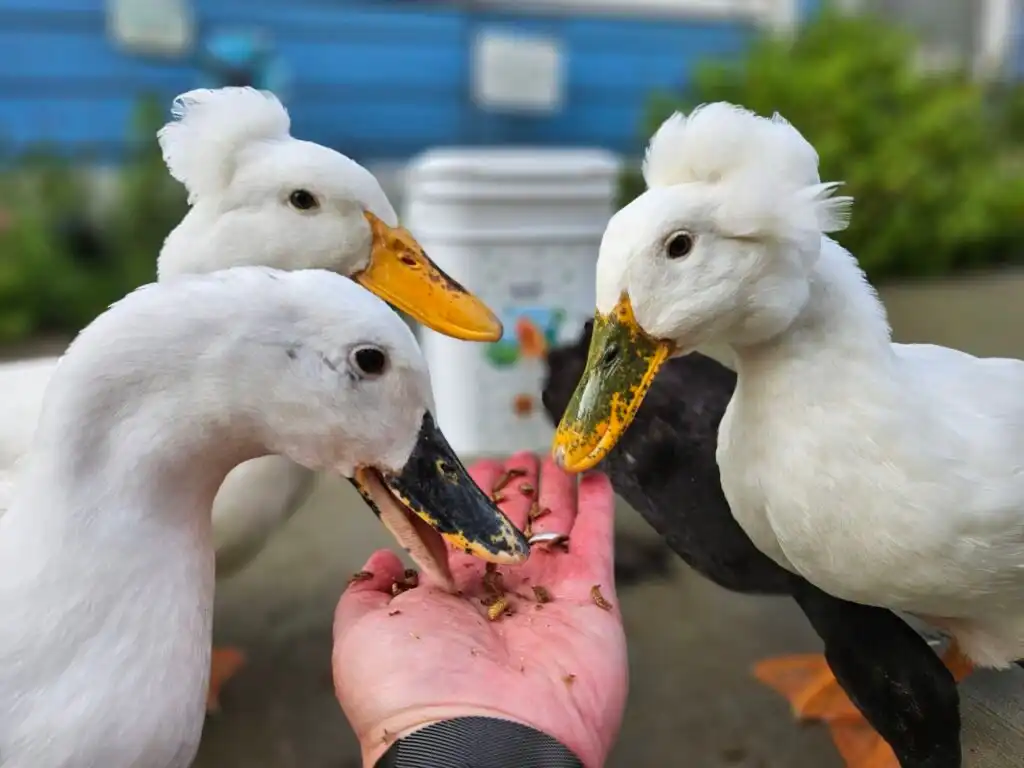
- Bonding and Trust: Offering treats by hand helps your ducks learn to trust you and feel more comfortable around you. Over time, this interaction can create a strong, positive relationship, making your ducks more affectionate and easier to handle. Plus, it’s a wonderful way to observe their personalities up close and enjoy some quacky fun together! (Learn how to get a duck to trust you)
- Training: Snacks are an excellent tool for training your ducks. For example, you can use treats to teach them to come when called or to return to their enclosure. By associating these actions with a tasty reward, your ducks will be more likely to follow your commands, making managing your flock much easier.
- Mental Stimulation: Offering a variety of snacks can also provide mental stimulation for your ducks. They enjoy the challenge of exploring new foods and flavors, which can keep them entertained and engaged. This is especially important if your ducks spend a lot of time in a confined space or during the colder months when they might be less active.
By using snacks strategically, you can enhance your ducks’ overall well-being and ensure they remain happy and healthy members of your flock.
Fruity Delights Your Ducks Will Enjoy
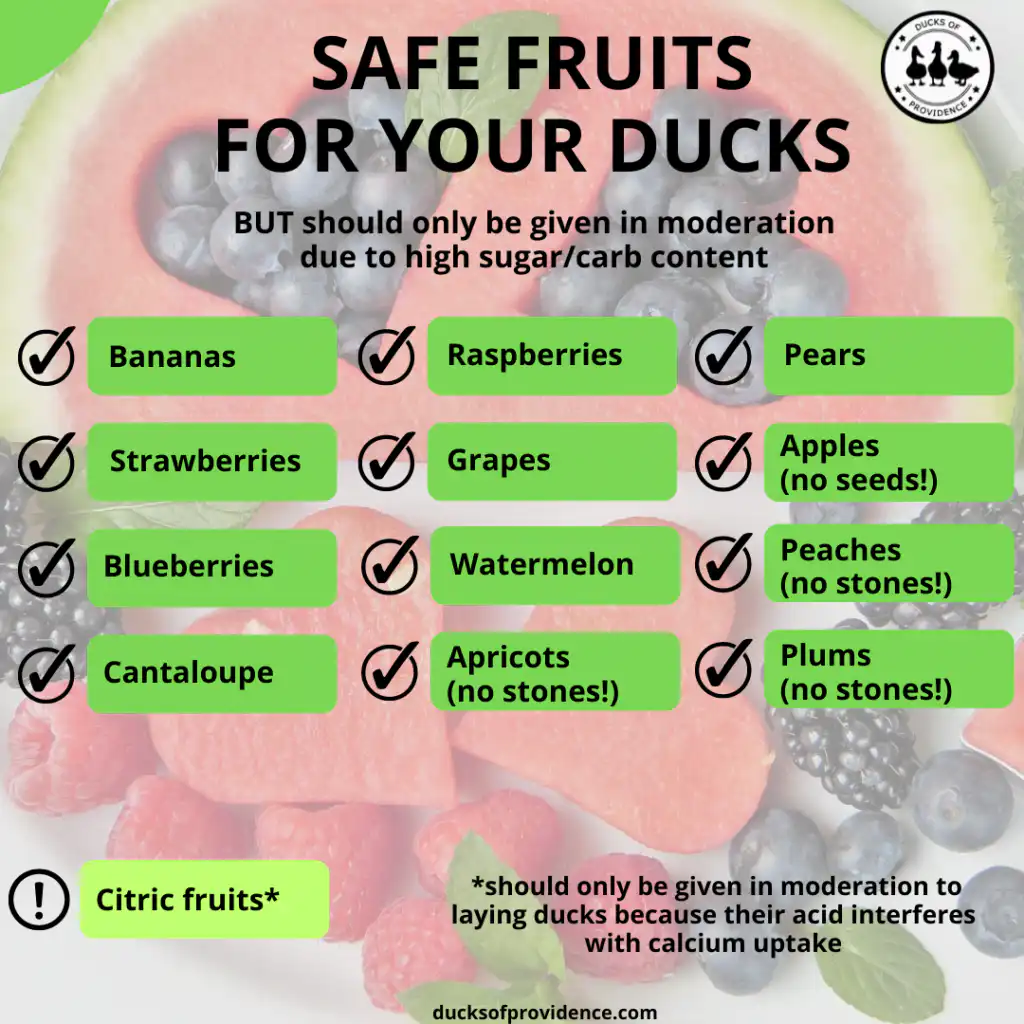
Ducks have a sweet bill for fruits! Fruits are not only delicious but also packed with essential vitamins and minerals that can benefit your ducks’ health, making them healthy duck snacks. However, it’s important to offer fruits in moderation and ensure they are safe for your feathered friends. Here are some quack-tastic choices:
- Berries: Blueberries, strawberries, and raspberries are high in antioxidants and vitamins. To avoid choking, cut them into smaller pieces.
- Apples: Ducks adore apple slices! Just make sure to remove the seeds, as they contain cyanide, which is harmful to ducks.
- Grapes: These little morsels are a favorite. Slice them in half to make them easy to eat.
- Melons: Watermelon, cantaloupe, and honeydew are hydrating and packed with vitamins. Remove the seeds and rind before serving.
- Bananas: Soft and easy to eat, bananas are a great source of potassium. Just peel and slice them for your ducks to enjoy.
- Peaches and Plums: These stone fruits are tasty treats. Be sure to remove the pits and slice them into small pieces.
- Pears: Similar to apples, pears are a sweet and juicy treat. Remove the seeds and core, and cut into manageable pieces.
- Pineapple: This tropical fruit is rich in vitamins but should be given in small amounts due to its acidity. Remove the tough skin and core, and offer small pieces.
- Mango: Another tropical delight, mangoes are packed with vitamins. Remove the pit and skin, and cut into small chunks.
- Cherries: Cherries are a tasty treat, but be sure to remove the pits and cut them into smaller pieces to avoid choking hazards.
Veggie Variety Ducks Love
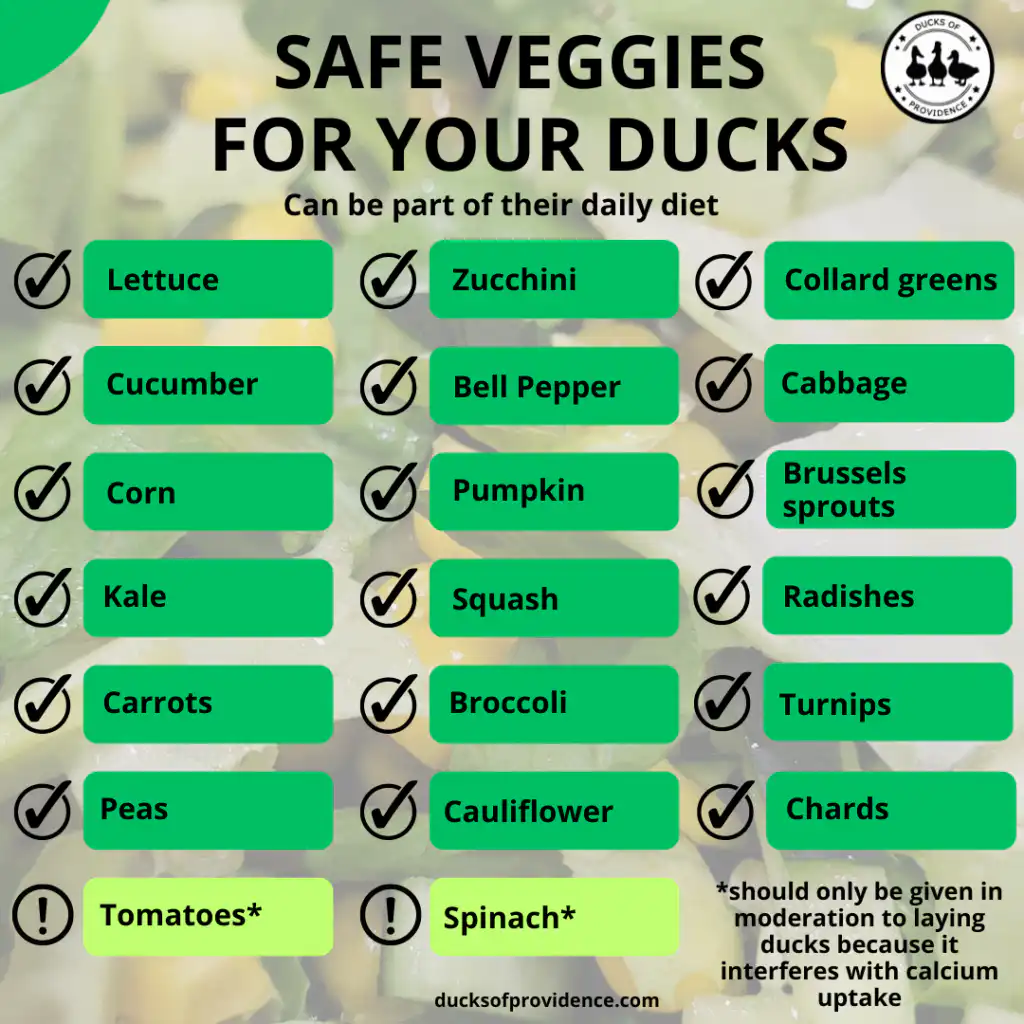
Adding veggies to your ducks’ diet ensures they get essential nutrients. Vegetables are very healthy duck snacks and a fantastic source of vitamins, minerals, and fiber, all of which contribute to the overall health and well-being of your ducks. Here are some veggie favorites that will have your ducks quacking with joy:
- Peas: Fresh or frozen, peas are a nutritious snack. Just pop them out of their pods and watch your ducks devour them! They are rich in protein and vitamins A, B, and C.
- Lettuce: Lettuce is a great addition to your ducks’ diet. Opt for dark, leafy varieties like romaine, which provides more nutrients, compared to iceberg lettuce, which has low nutritional value.
- Spinach: While spinach is rich in iron and vitamins, it should be fed in moderation. Spinach contains oxalic acid, which can interfere with calcium uptake, potentially leading to health issues.
- Cucumbers: These are great for hydration and easy to eat when sliced into small pieces. Cucumbers are also a good source of vitamins K and C.
- Pumpkin and Squash: These can be given raw or cooked. Remove seeds and cut them into manageable pieces. Both are rich in vitamins A and C, which are great for your ducks’ immune system.
- Carrots: Ducks love the crunch of carrots. You can serve them raw, cooked, or grated. Carrots are high in beta-carotene, which is good for eye health.
- Bell Peppers: These colorful veggies are packed with vitamins A and C. Chop them into small pieces for an easy-to-eat snack.
- Zucchini: Another hydrating veggie, zucchini can be served raw or cooked. It’s a good source of vitamins and fiber.
- Sweet Potatoes: Cooked sweet potatoes are a nutritious and delicious snack. They are packed with vitamins A and C, and they also provide a good source of fiber.
- Broccoli: High in vitamins C and K, broccoli can be served raw or lightly steamed. Be sure to chop it into small, manageable pieces.
- Sweet Corn: Ducks love sweet corn! It can be given fresh, canned, or cooked. Just make sure it’s not salted or seasoned. Corn is a good source of carbohydrates and fiber.
- Tomatoes: Fresh tomatoes are a great treat in moderation. They are rich in vitamins A and C. However, avoid feeding ducks green tomatoes or tomato leaves, as they can be toxic.
- Kale: Kale is packed with vitamins A, C, and K. It’s best served in moderation as it can be tough to digest in large quantities.
- Cabbage: Both green and red cabbage are safe and nutritious for ducks. Chop it into small pieces to make it easier for them to eat. Cabbage is rich in vitamins and minerals but should be fed in moderation to avoid digestive issues.
Protein-Packed Snacks
Protein is a vital component of your ducks’ diet, supporting their growth, feather development, and overall health. While their primary source of protein comes from their regular feed, offering additional protein-packed snacks can provide a beneficial boost, especially during molting season or when they are laying eggs. Here are some quacky options that your ducks will love:
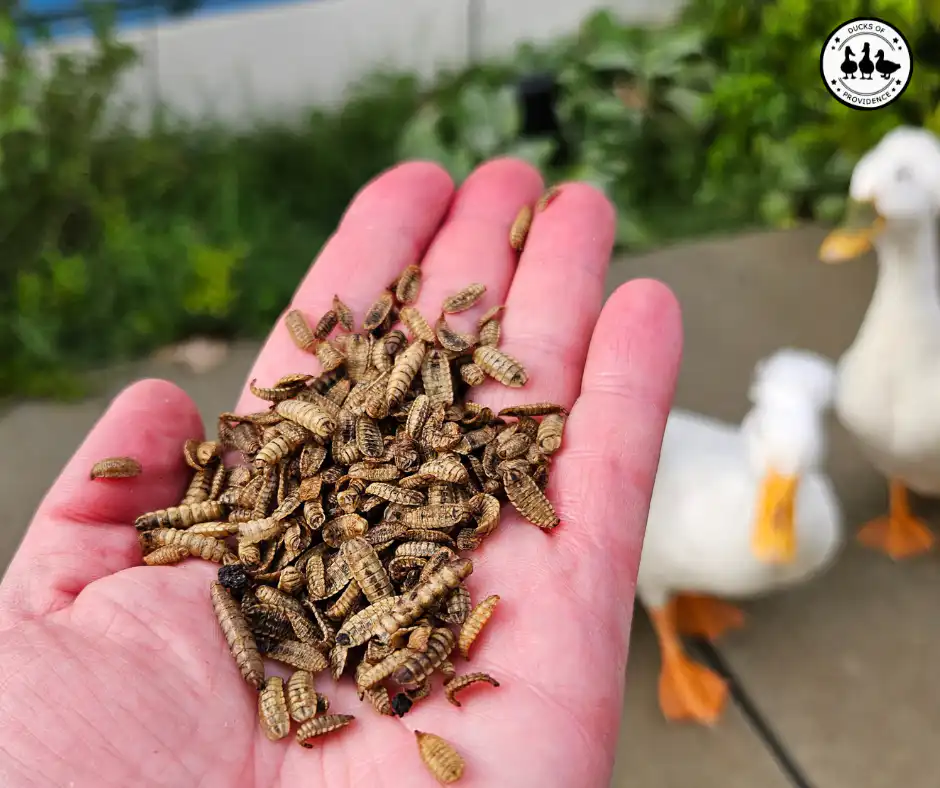
- Mealworms and Grubs: These are a big hit and provide a good protein boost. You can offer them live, dried, or even freeze-dried. Mealworms are particularly high in protein and fat, making them an excellent snack.
- Fish: Small fish, like minnows, are a natural part of a duck’s diet. Be sure they are fresh and free from any harmful substances. You can also offer cooked fish in small amounts, ensuring it’s free from seasonings and bones.
- Cooked Eggs: Believe it or not, ducks can eat cooked eggs. Scramble or hard-boil them and cut them into small pieces. Eggs are a great source of high-quality protein and essential amino acids.
- Earthworms: These are a natural and nutritious snack for ducks. If you have a garden, you might find plenty of these wriggly treats. Just make sure they come from a pesticide-free environment.
- Shrimp: Both fresh and dried shrimp can be offered to ducks. They are rich in protein and can be a tasty treat. Be sure to remove any shells and avoid salted or seasoned varieties.
- Crickets: Like mealworms, crickets are another excellent source of protein. You can offer them live or dried, and your ducks will enjoy the chase!
- Black Soldier Fly Larvae: These larvae are packed with protein and other essential nutrients. They are available dried or live and make a nutritious snack for ducks.
- Quinoa: Cooked quinoa is a high-protein grain that can be offered to ducks. It’s also rich in vitamins and minerals, providing a balanced snack. Should be rinsed and possibly cooked before feeding.
- Cottage Cheese: In small amounts, cottage cheese can be a good source of protein for ducks. Ensure it’s plain and unsalted, as dairy can sometimes be difficult for ducks to digest.
- Chickpeas: Cooked chickpeas (garbanzo beans) are another protein-rich snack. They are also a good source of various vitamins and minerals, such as potassium and B vitamins, which can contribute positively to a bird’s health, but they should be served cooked and in moderation.
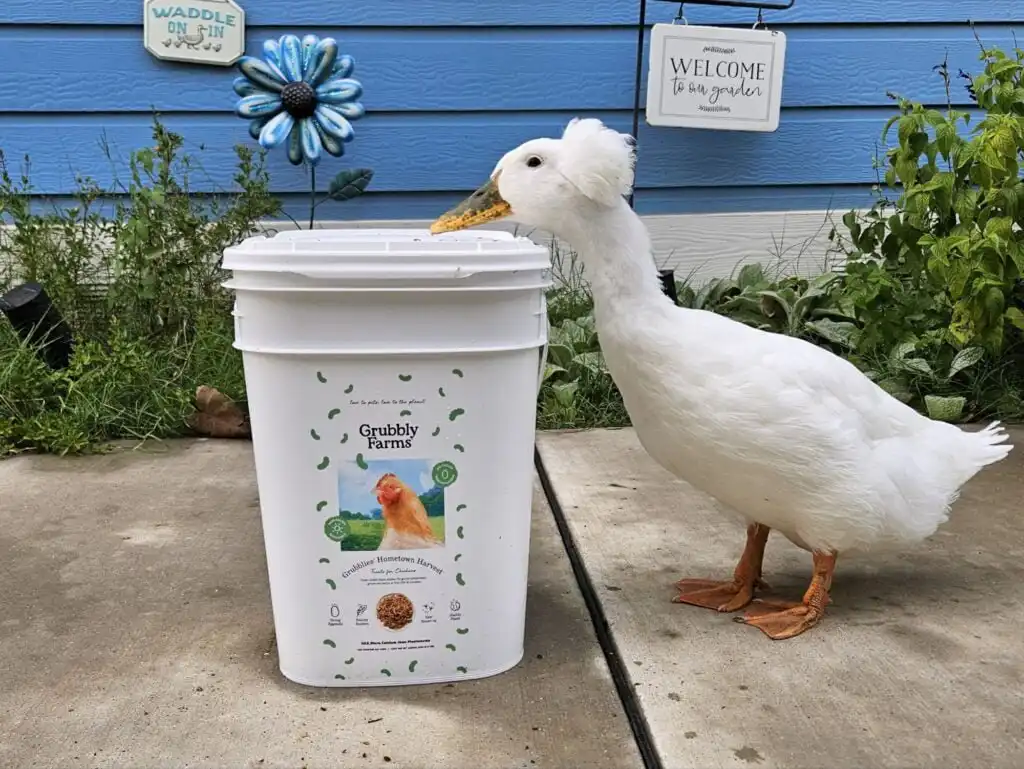
Pro Tip: BSL from Grubbly Farms: For a protein-packed treat your ducks will love, try the BSL (Black Soldier Fly Larvae) from Grubbly Farms. These nutrient-rich larvae are not only a delicious snack but also support your ducks’ health by providing essential proteins, fats, and minerals. Our ducks can’t get enough of them, and we’ve seen a noticeable boost in their energy and overall well-being. Perfect for rewarding good behavior or enhancing their diet, BSLs are a must-have for any duck keeper looking to give their flock a nutritious treat!

Safe Plants for Ducks
Ducks enjoy munching on a variety of plants, which can provide essential nutrients and enrich their environment. Introducing safe, edible plants to your ducks’ diet can enhance their overall health and keep them entertained. Here are some safe and nutritious options:
- Duckweed: As the name suggests, this aquatic plant is a favorite. It’s high in protein and easy for ducks to digest. Duckweed grows quickly, making it a sustainable and cost-effective snack option.
- Dandelion Greens: These are rich in vitamins A, C, and K, as well as calcium and iron. You can feed dandelion greens fresh or dried, and they also have mild anti-inflammatory properties.
- Nasturtiums: Both the leaves and flowers of nasturtiums are safe and nutritious. They are high in vitamin C and have a peppery flavor that ducks seem to enjoy.
- Clover: Clover is a great source of protein, fiber, and minerals. Ducks can eat both the leaves and flowers, and it’s easy to grow in most gardens.
- Plantain (Plantago): This common weed is safe for ducks and is high in vitamins and minerals. Both the leaves and seeds can be fed to ducks.
- Chickweed: Chickweed is a nutritious plant that is high in vitamins and minerals. It’s a common garden weed and can be fed fresh to ducks.
- Comfrey: This leafy green is high in protein, vitamins, and minerals. It should be fed in moderation due to its high alkaloid content.
- Fennel: Fennel greens are safe for ducks and provide vitamins and minerals. The seeds can also be given in small amounts.
- Mint: Mint leaves are a refreshing treat that ducks enjoy. They are high in vitamins and have digestive benefits.
- Basil: Basil leaves are safe and nutritious. They provide vitamins A, C, and K, and have antibacterial properties.
- Marigold: Marigold petals are safe for ducks to eat and are high in antioxidants. They also have anti-inflammatory properties.
- Bee Balm (Monarda): Both the leaves and flowers of bee balm are safe and nutritious for ducks. They are high in vitamins and have antiseptic properties.
- Lamb’s Quarters: Often considered a weed, this plant is high in vitamins A and C, calcium, and protein. Ducks can eat both the leaves and seeds.
- Parsley: Parsley is rich in vitamins A, C, and K, and also provides iron and calcium. It should be given in moderation.
- Thyme: This herb is safe for ducks and provides vitamins A and C. It also has antibacterial and antifungal properties.
- Rosemary: Rosemary is another safe herb that can be fed to ducks. It is rich in antioxidants and has anti-inflammatory properties.
- Sage: Sage leaves are safe and nutritious, offering vitamins A, C, and K. It also has antiseptic and anti-inflammatory benefits.
- Grass: Ducks love to graze on grass, but ensure it is not treated with chemicals or pesticides. Grass provides fiber and is a natural part of their diet.
- Daisies: The flowers and leaves of daisies are safe for ducks to eat and can add variety to their diet.
- Water Lilies: Both the leaves and flowers of water lilies are safe for ducks. They can be a fun and nutritious addition to their pond environment.
Unhealthy Treats to Avoid Feeding Your Ducks
While treating your ducks to a variety of snacks is a great way to keep them happy and healthy, it’s essential to avoid certain foods that can harm them. Here are some treats that should be kept away from your feathered friends:
- Bread: Although ducks love bread, it’s low in nutrients and can lead to serious health problems. Overfeeding bread can cause malnutrition, obesity, and a condition known as “angel wing,” which affects their ability to fly.
- Salty Foods: Foods high in salt, like chips or salted popcorn, can be harmful. Ducks cannot process large amounts of salt, which can lead to kidney damage and dehydration.
- Sugary Foods: Treats like candy, chocolate, and sugary cereals are unhealthy for ducks. They can cause obesity, tooth decay, and digestive issues.
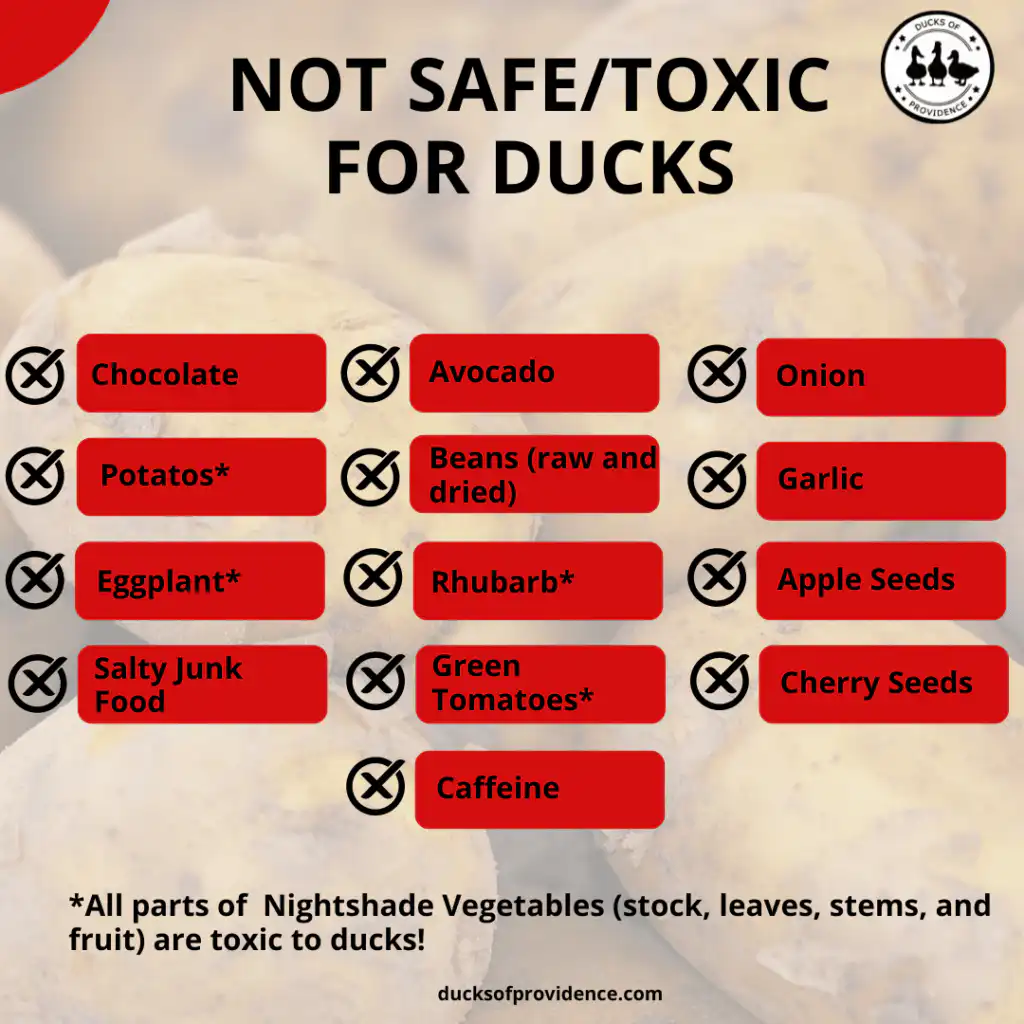
- Avocado: Avocado contains persin, a toxin that can be fatal to ducks. All parts of the avocado, including the flesh, pit, and skin, should be avoided.
- Onions and Garlic: These can cause digestive problems and damage red blood cells, leading to anemia in ducks.
- Citrus Fruits: While some fruits are safe, citrus fruits like oranges, lemons, and limes can cause stomach upset and interfere with calcium absorption.
- Raw Beans: Raw or undercooked beans contain hemagglutinin, a toxin that can be very harmful. Always ensure beans are fully cooked and fed in moderation.
- Junk Food: Processed foods, such as chips, pretzels, and fast food, are high in fats, salts, and artificial additives, which are unhealthy for ducks.
- Alcohol: Even a small amount of alcohol can be toxic to ducks, causing severe health issues or death.
- Caffeine: Found in coffee, tea, and soda, caffeine can be toxic and should be avoided.
- Green Tomatoes and Tomato Leaves: While ripe tomatoes are safe, green tomatoes and the leaves of the tomato plant contain solanine, which is toxic to ducks.
- Moldy or Spoiled Foods: Always check that the food you give to ducks is fresh. Moldy or spoiled food can contain harmful bacteria and toxins.
- Raw Potatoes and Potato Peels: These contain solanine, a toxic compound. Cooked potatoes are safe in moderation, but raw should be avoided.
- Apple Seeds: While apple flesh is safe, apple seeds contain cyanide, which is toxic to ducks. Always remove seeds before offering apples.
Balanced Duck Diet and Moderation
While treats are a fantastic way to bond with your ducks and provide extra nutrition, it’s crucial to remember that they should only complement a well-balanced diet. Ducks thrive on a staple diet of high-quality duck feed, which provides the essential nutrients they need. Treats should only make up a small portion of their overall diet to prevent overfeeding and ensure they maintain optimal health.
Overfeeding snacks, even healthy ones, can lead to nutritional imbalances and health issues. Here are some guidelines to ensure your ducks maintain a balanced diet:
- Portion Control: Treats should be given in moderation. A good rule of thumb is that snacks should make up no more than 10% of your ducks’ total diet.
- Diverse Diet: Provide a variety of snacks to ensure they get a range of nutrients. Relying on a single type of treat can lead to deficiencies.
- Monitor Health: Monitor your ducks’ weight and health. If you notice any changes in their behavior, appetite, or physical condition, consult a vet.
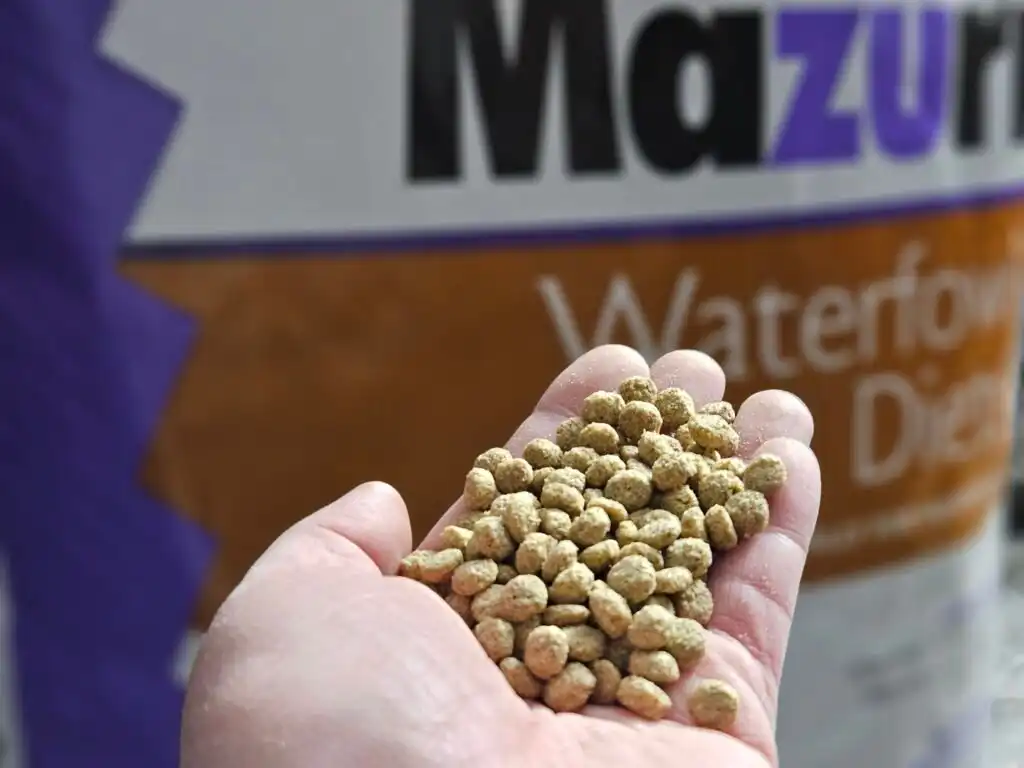
- Quality Feed: Ensure your ducks’ main diet consists of high-quality duck feed that meets all their nutritional needs, like Mazuri Waterfowl Feed.
Snack Safety Tips for Your Ducks
When it comes to keeping your ducks happy and healthy, snacks can play a delightful and beneficial role. But not all treats are created equal, and making sure that what you offer is safe and nutritious is key to ensuring their well-being. Just as you wouldn’t want to give your feathered friends a sugary soda or a greasy chip, it’s crucial to be informed about what makes a snack truly safe for your ducks. By following these essential snack safety tips, you can avoid potential pitfalls and keep your ducks in top quacking condition. Let’s dive into how to offer treats that are both enjoyable and beneficial for your delightful flock!
- Moderation is Key: Treats should only make up a small portion of your ducks’ diet, no more than 10% of their daily intake. Overfeeding treats, even healthy ones, can lead to imbalances and health issues. Stick to a balanced diet of high-quality duck feed as the mainstay of their nutrition.
- Freshness Matters: Always offer fresh snacks. Spoiled or moldy food can harbor harmful bacteria or toxins that can make your ducks sick. Check all fruits, vegetables, and other treats carefully before giving them to your ducks to ensure they are fresh and safe.
- Proper Preparation: Some treats need to be prepared before feeding. For example, fruits should be washed thoroughly to remove pesticides and dirt. Hard vegetables might need to be cut into small, manageable pieces to prevent choking. Cooked items like eggs or fish should be plain, without added salt or seasonings.
- Avoid Overly Processed Foods: Processed and junk foods, including those high in sugar, salt, and fats, should be avoided entirely. They can lead to obesity, digestive issues, and other health problems. Stick to natural, whole foods that are beneficial to your ducks’ health.
- Size and Texture: Cut treats into small, bite-sized pieces to make them easier for ducks to eat and reduce the risk of choking. Avoid giving large chunks or hard foods that may be difficult for them to chew and digest.
- Monitor Reactions: When introducing a new type of treat, start with a small amount and observe your ducks for any adverse reactions. Look for signs of digestive upset, such as changes in stool or behavioral changes. If you notice any negative effects, discontinue the treat and consult a veterinarian if needed.
- Avoid Toxic Plants: Offer only safe plants for ducks. Some common plants are toxic and can cause serious health issues. Always research any new plant before adding it to your ducks’ diet to ensure its safety.
- Clean Feeding Areas: Keep your ducks’ feeding areas clean and free from leftover food that could attract pests or become contaminated. Regularly clean and disinfect feeding dishes and any areas where food is offered to prevent the spread of diseases.
- Water Supply: Always provide fresh, clean water alongside snacks. Ducks need access to water to aid digestion and stay hydrated. Ensure their water source is free from contaminants and regularly replenished.
- Environmental Safety: Ensure that any plants or grass your ducks have access to are not treated with pesticides, herbicides, or other chemicals. These substances can be harmful if ingested. Opt for organically grown plants or those from your garden where you control the use of chemicals.
- Avoid Foods with Harmful Additives: Check the labels of any pre-packaged snacks or treats to ensure they do not contain harmful additives or preservatives. Stick to natural, whole foods whenever possible.
- Supervised Snacking: If you’re introducing a new snack or treat, it can be beneficial to supervise your ducks while they eat. This allows you to ensure they are consuming the treat properly and not encountering any issues.
Treats Done Right
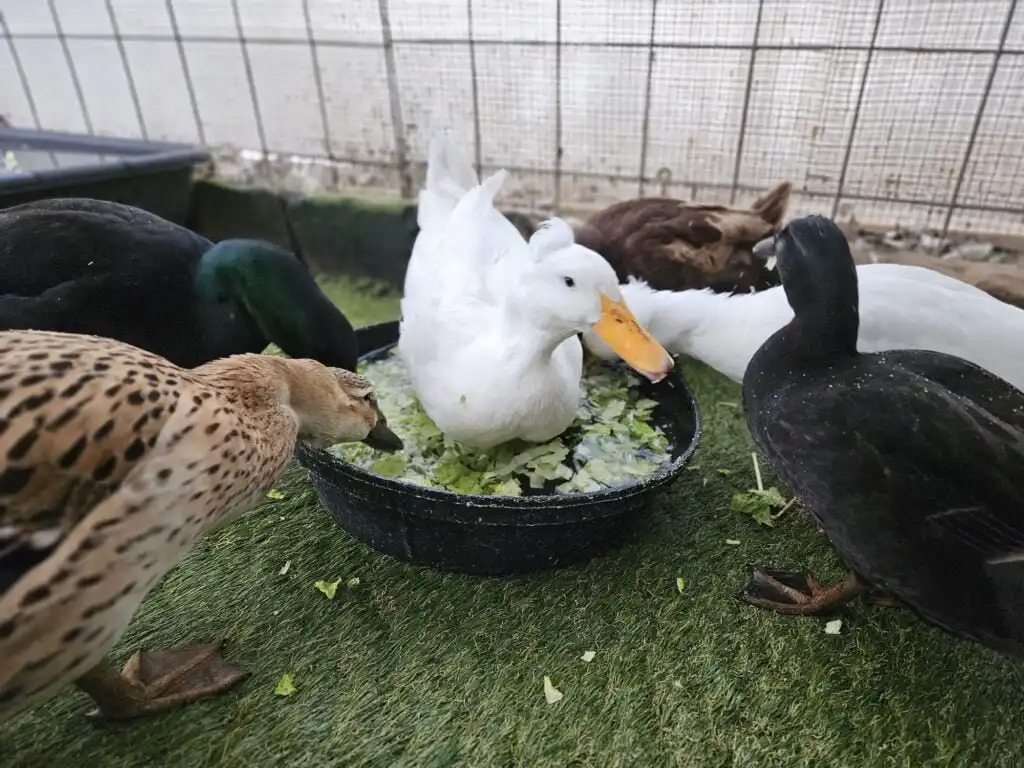
Offering treats to your ducks can be a wonderful way to add enrichment and variety to their daily routine. Watching them eagerly chase a few mealworms or enthusiastically nibble on fresh greens is one of the small joys of duck keeping. At the same time, treats should always remain a supplement to a well-balanced diet, not a replacement for their regular feed.
A good rule of thumb is moderation. Most of your ducks’ nutrition should come from a complete commercial feed formulated for waterfowl. Treats should simply add variety, encourage natural foraging behavior, and provide occasional nutritional boosts.
By choosing safe, healthy options and avoiding harmful foods, you can make snack time both enjoyable and beneficial for your flock. Over time, you will also learn your ducks’ individual preferences, which is part of the fun of caring for these curious and expressive birds.
With thoughtful choices, treats become more than just snacks. They become another way to support your ducks’ health while strengthening the bond you share with them.

Further Reading & Resources
- Essential Nutritional Needs of Ducks: A Complete Overview
- What do Pet Ducks Eat? A Guide to a Healthy and Nutritious Pet Duck Diet
- Duck Nutrition Myths vs. Facts: What Your Flock Really Needs
- Foods Ducks Can and Can’t Eat: The Ultimate Guide for Pet Owners
- How To Get A Duck to Trust You?
- Toxic Plants for Ducks: What You Need to Know
- Mealworms and Grubs for Ducks: Nutrition, Benefits, and Best Brands
- Why Is My Duck Always Hungry? 9 Reasons Ducks Act Starving
Fuel your flock with precision. Visit the Feeding & Nutrition Directory for our latest research on bio-appropriate diets.