
Do Ducks Really Need Water All Night? Yes. Here’s Why.

To keep our research-backed guides free, this site uses ads and affiliate links (earning a small commission at no cost to you). Everything here is created by a duck mom and PhD scientist, combining academic rigor with hands-on experience to provide practical, trustworthy advice for duck keepers everywhere. 🦆 Learn more
If you’ve ever wondered, “Do ducks need water at night?” the short answer is yes. Pet ducks should have access to clean drinking water 24 hours a day, including overnight.
Many people think of water simply as something ducks drink when they’re thirsty. In reality, water is essential to almost every aspect of a duck’s biology. Ducks use it to swallow food, flush debris from their nostrils, maintain healthy feathers through preening, regulate hydration, and carry out many of their normal daily behaviors. These biological needs don’t stop when the sun goes down.
Unlike humans, ducks don’t sleep through the entire night. They regularly wake to eat, drink, forage, and groom themselves, just as they would in the wild.
I know this isn’t the most popular opinion. Providing water overnight means accepting a little extra mess in the coop. But after years of caring for my own flock and watching them on overnight cameras, I’ve seen firsthand that my ducks regularly get up to drink, snack, forage through their bedding, and groom themselves while the rest of the house is asleep. Their behavior mirrors what wild ducks do, and it has reinforced one simple rule in our home: water is always available.
In this guide, I’ll explain the science behind why ducks need water at night, what happens when it isn’t available, and how you can provide overnight water in a way that’s both practical and safe.
Part of the Duck Health & Anatomy Hub, Evidence-based medical resources and anatomical research.
Quick Navigation: Jump to a Section
[hide]
Why Ducks Need Water 24/7
To understand why ducks need water around the clock, it helps to remember one important fact: ducks are waterfowl. Their entire anatomy, physiology, and behavior evolved around living in and around water. While pet ducks no longer migrate or spend their days on natural wetlands, their bodies still function exactly like those of their wild relatives.
Water is not simply something ducks drink when they are thirsty. It is an essential part of how their bodies work every hour of the day.
Ducks Need Water to Eat Safely
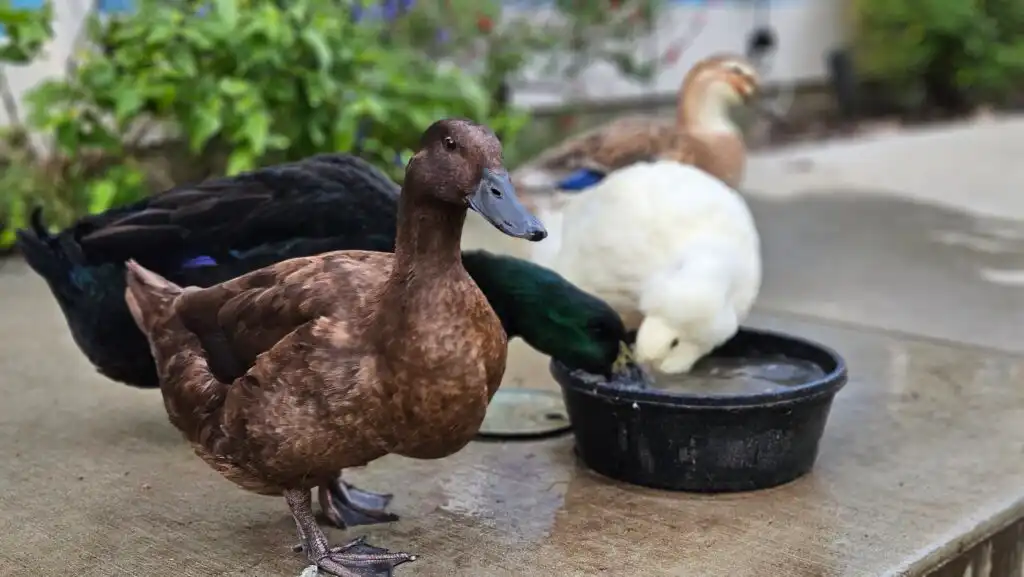
Unlike mammals, ducks do not chew their food. They swallow it whole, and water helps move food from the mouth into the esophagus and onward to the digestive tract.
Whether your ducks are eating pellets, grains, insects, or fresh vegetables, they naturally alternate between taking a bite of food and a sip of water. If you’ve ever watched ducks during mealtime, you’ll notice this constant back-and-forth pattern.
Without water nearby, swallowing dry feed becomes much more difficult and less comfortable.
Water Keeps the Bill and Nostrils Clean
A duck’s bill is an incredibly specialized tool. It contains tiny comb-like structures called lamellae that help filter food from water and mud. As ducks forage, they also collect dirt, dust, bedding, feathers, and bits of food around their bill and inside their nostrils.
Unlike us, ducks cannot simply blow their noses.
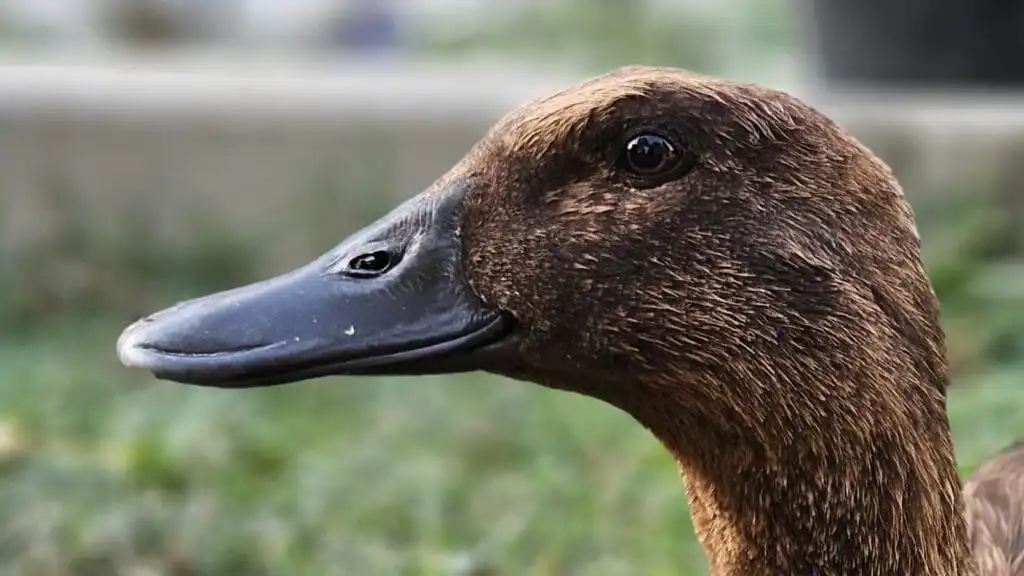
Instead, they repeatedly dunk their bills in water, flushing away debris and keeping their nasal passages open. This helps them breathe comfortably and reduces the buildup of material that could contribute to irritation or infection.
This is one reason I always provide water that is deep enough for my ducks to fully submerge their entire bill, not just take a quick sip.
Water Supports Healthy Preening
Ducks spend a surprising amount of time grooming their feathers, both during the day and throughout the night.
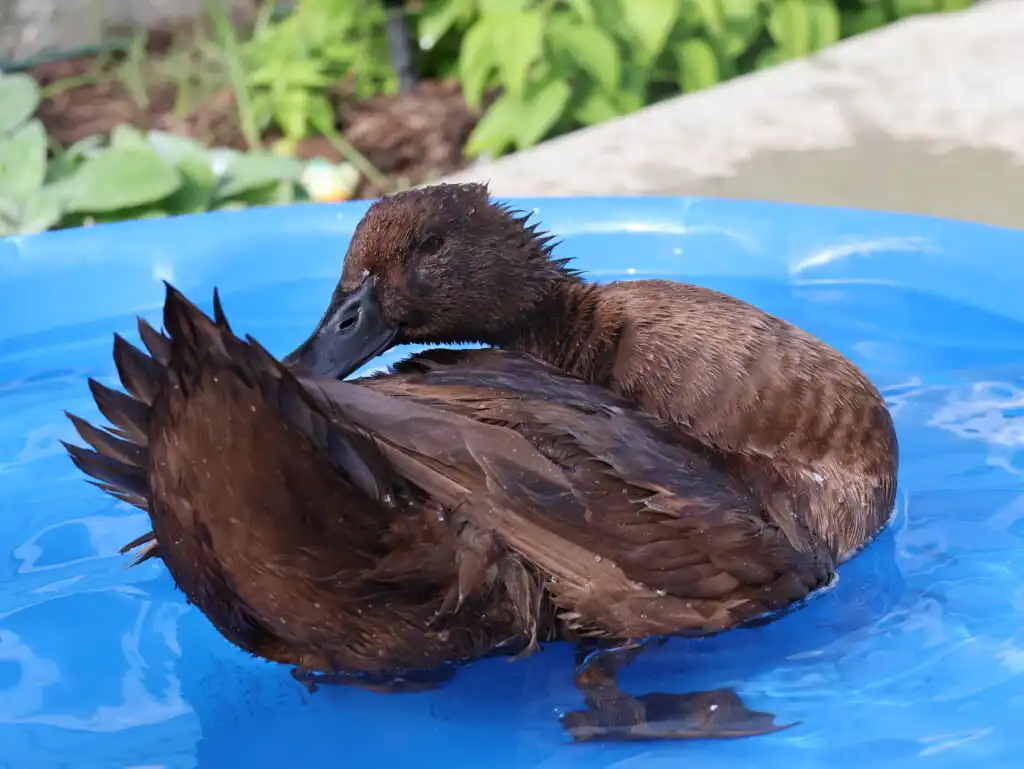
During preening, they use their bills to clean and realign feathers while spreading oil from the preen gland near the base of the tail. This oil helps maintain the waterproofing and insulating properties of their plumage.
Water plays an important role in this process. Ducks frequently rinse their bills while preening to remove dirt, feather debris, and excess oil before continuing their grooming routine.
Healthy feathers are not just about appearance. Proper feather maintenance helps ducks stay warm, dry, buoyant, and protected from the elements.
Hydration Never Stops
Like all animals, ducks continuously lose water through breathing, droppings, and normal metabolic processes. Their kidneys constantly regulate water and electrolyte balance to keep the body functioning properly.
Hydration is especially important because ducks have a naturally high metabolic rate and often continue eating, drinking, and moving around even after dark. During hot summer nights, when temperatures remain high, their water requirements can increase even further.
Water Is a Biological Need, Not a Luxury
Many people think of water as something ducks need only when they’re active. In reality, water is woven into nearly every aspect of duck biology, from eating and breathing to grooming and digestion.
That’s why I don’t think of providing water overnight as an optional convenience. I think of it the same way I think about providing food, shelter, or fresh air. It’s one of the basic necessities that allows ducks to behave naturally and stay healthy, twenty-four hours a day.
What My Ducks Actually Do at Night
One of the biggest reasons people assume ducks don’t need water overnight is because they imagine ducks sleeping soundly from dusk until dawn.
That isn’t what I see.
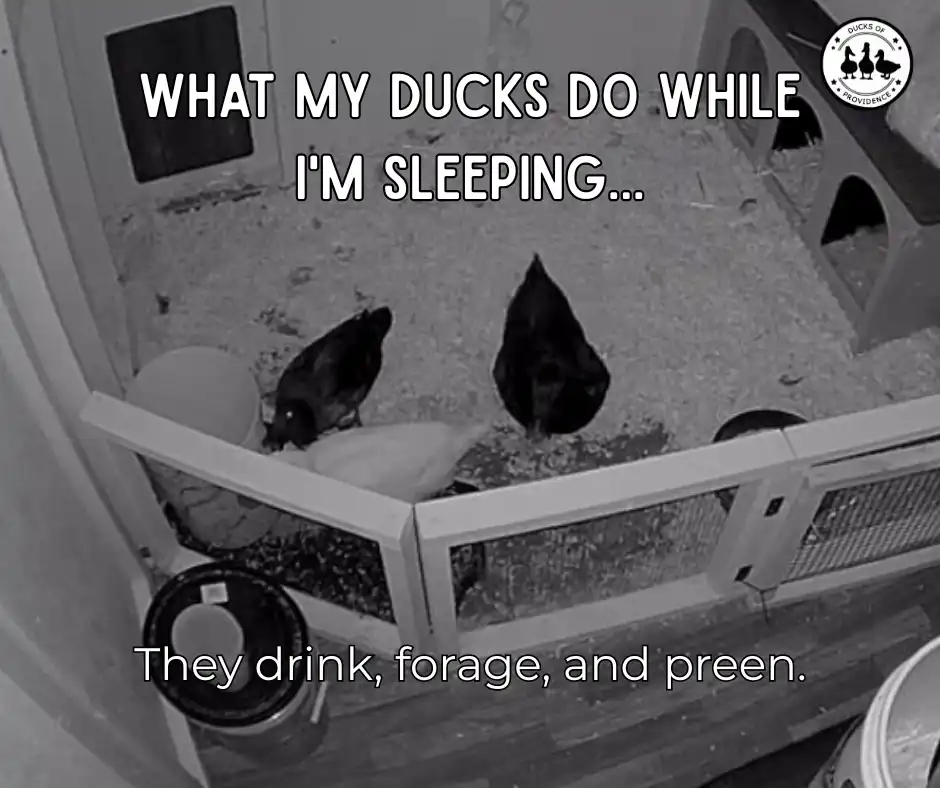
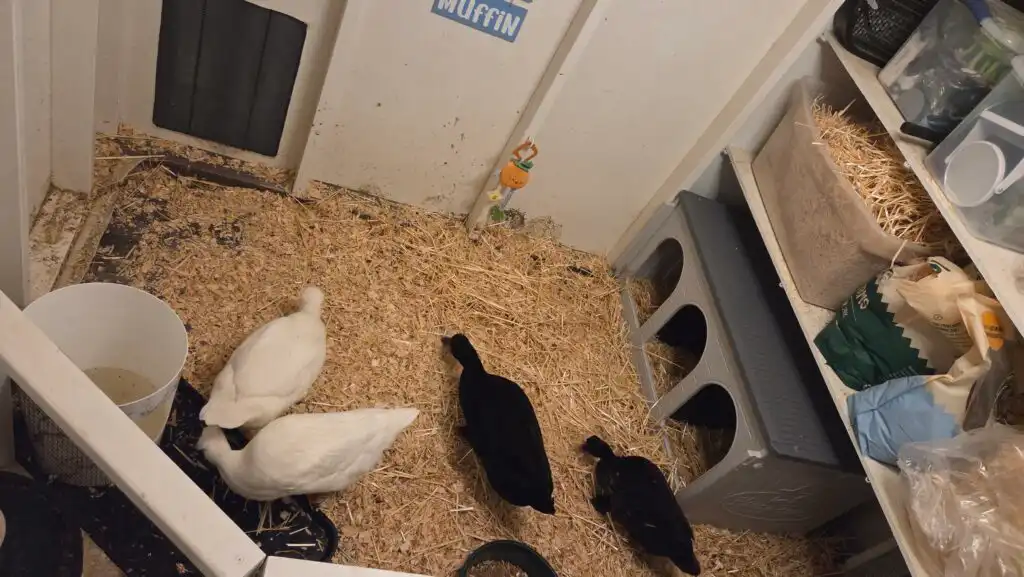
Our ducks’ house is equipped with ring cameras, so I’ve been able to watch their nighttime routine for years. Instead of sleeping continuously, my flock wakes up many times throughout the night. They stretch, change sleeping spots, chat quietly with one another, happily forage through their bedding looking for leftover treats or interesting bits to nibble on, preen, eat a few bites of food, and almost every time, they stop to drink.
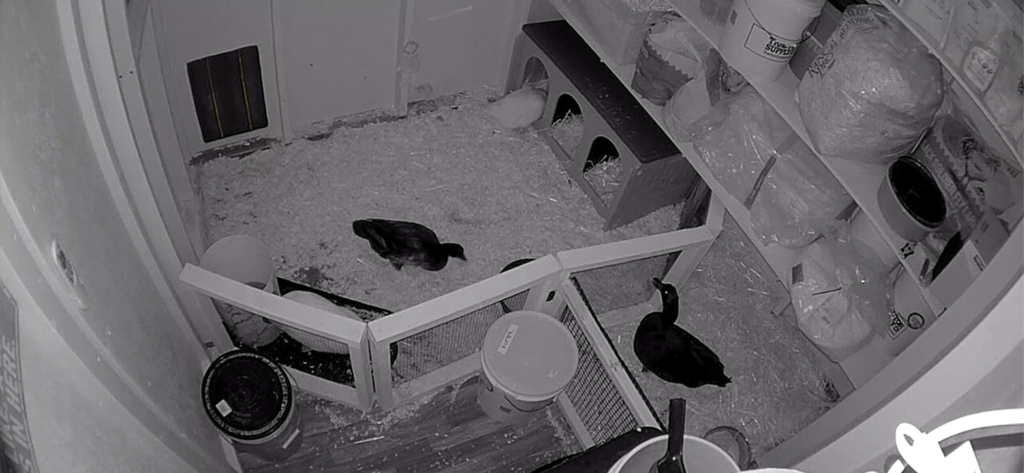
Sometimes one duck gets up first, takes a drink, and settles back down. Other times, one duck moving around starts a chain reaction, and suddenly several ducks are awake, foraging through the bedding, grabbing a midnight snack, taking a drink, and then everyone curls up again.
It isn’t very different from how many of us might wake up for a drink of water during the night.
Ducks Don’t Follow a Human Sleep Schedule
Wild ducks remain alert even while resting. They have evolved to sleep lightly, often taking short naps rather than one long, uninterrupted sleep. This allows them to respond quickly if they detect a predator or another disturbance.
Our pet ducks have retained this behavior. Even though they sleep safely inside a predator-resistant duck house, they still wake periodically throughout the night.
Because they are awake, they naturally continue performing normal behaviors, including drinking, eating, and grooming.
Early Morning Is One of Their Most Active Times
Many ducks become active well before sunrise. In fact, laying ducks often produce their eggs during the early morning hours, and many flocks begin eating and drinking before most of us are even awake.
If water has been removed overnight, those first few hours of activity happen without access to one of their most basic resources.
Every Night Reinforces the Same Lesson
Watching my ducks on camera has completely changed how I think about nighttime care. I no longer see nighttime as a period when ducks simply shut down. Instead, I see it as another part of their daily routine.
They may be quieter than during the day, but they are still living their normal lives. They still drink. They still eat. They still preen.
That’s why our flock always has fresh water available, even while everyone in the house is asleep.
What Happens If Ducks Don’t Have Water at Night?
A healthy adult duck is unlikely to become seriously ill from missing water for a single night. However, regularly removing water overnight forces ducks to go without an essential resource for eight to twelve hours every day, preventing them from carrying out normal behaviors and biological functions.
Over time, this can negatively affect both their comfort and their health.
They May Become Dehydrated
Even while resting, ducks continuously lose water through breathing, digestion, and droppings. If they wake up thirsty during the night, they have no way to replace those fluids.
The risk is even greater during hot summer weather, when nighttime temperatures remain high and ducks lose additional water through panting and evaporative cooling.
Our avian veterinarian has emphasized just how common dehydration is in pet ducks. Unfortunately, they see dehydrated ducks far more often than they would like, many of which simply haven’t had adequate access to fresh water. While dehydration can have many causes, providing clean drinking water at all times is one of the simplest and most effective ways to help prevent it.
Eating Without Water Is Difficult
Many ducks continue eating after dark, especially if feed is available in the coop. Since ducks naturally alternate between eating and drinking, removing water makes swallowing dry feed more difficult and less comfortable.
For this reason, I believe food and water should always go together. If ducks have access to feed, they should also have access to clean drinking water.
Their Bills and Nostrils Can’t Be Properly Cleaned
As ducks forage through bedding overnight, they inevitably pick up dust, bedding particles, feathers, and small pieces of feed. Normally, they simply dunk their bills into water to rinse everything away.
Without water, debris can remain around the bill and inside the nostrils until morning. While this may not cause immediate problems, it prevents ducks from performing one of their most natural and important self-maintenance behaviors.
Overnight Preening Is Interrupted
Preening doesn’t stop when the sun goes down. Ducks frequently groom themselves whenever they wake up, carefully cleaning and rearranging their feathers.
Without water to rinse their bills during preening, this process becomes less effective. Over time, poor feather maintenance can affect waterproofing, insulation, and overall feather condition.
It’s About More Than Survival
Sometimes people ask whether ducks can go one night without water.
The better question is whether they should.
Good duck husbandry isn’t about providing the bare minimum an animal needs to survive. It’s about creating an environment that allows ducks to express their natural behaviors and meet their biological needs around the clock.
For me, that means accepting a little extra cleanup each morning in exchange for knowing my ducks can drink, eat, forage, and care for themselves whenever they choose, day or night.
But They’ll Make a Mess!
Let’s be honest. Ducks and water go together, and where there’s water, there’s usually a mess.
One of the most common reasons people remove water overnight is to keep the coop cleaner. I completely understand the temptation. Ducks love to splash, rinse their bills, and fling water everywhere. If you’ve ever watched one enthusiastically dunk its head into a water bowl, you know exactly what I mean.
The good news is that drinking water doesn’t have to mean swimming water.
A Simple Overnight Water Setup
At night, my ducks don’t have access to their pool or large water tubs. Instead, I use a large bucket with an opening cut into one side. The opening is big enough for my ducks to comfortably submerge their entire bill, but the bucket walls help contain much of the splashing compared to an open bowl or tub.
To catch any spills, I place the bucket inside a shallow plastic tray (shoe tray). If you don’t have a tray, another shallow container, such as a concrete mixing tub or a large storage tote lid, works just as well. It won’t eliminate every splash, but it catches most of the water before it soaks into the bedding.
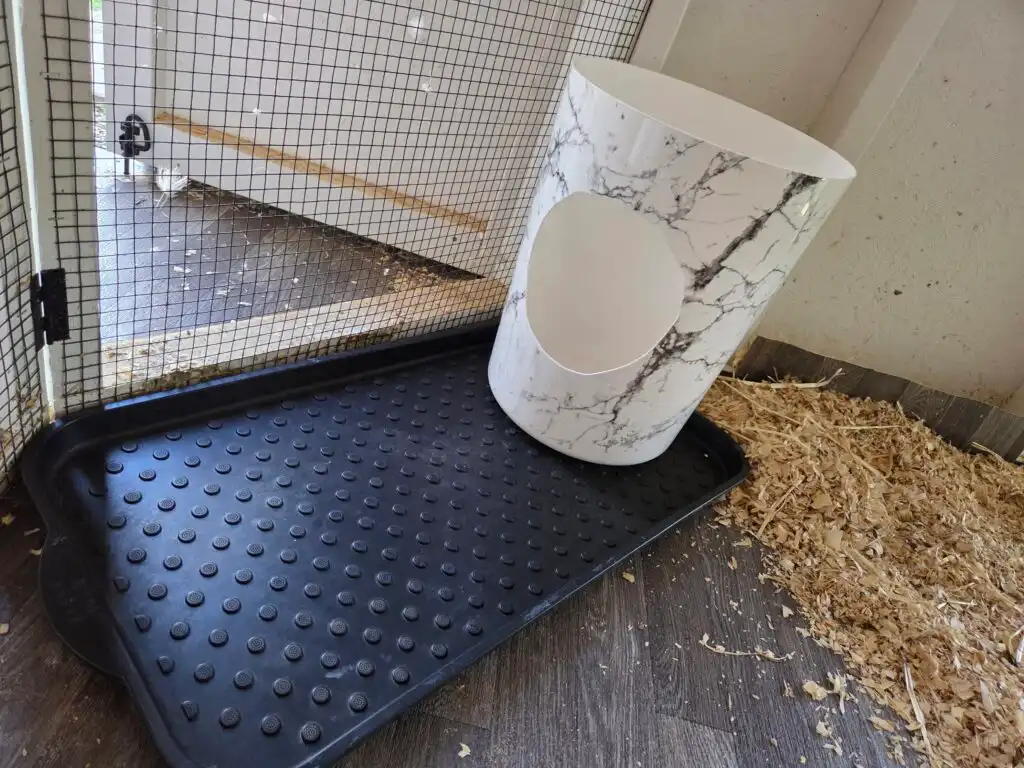
Combined with waterproof flooring, this simple setup keeps the coop much cleaner while still giving my ducks access to fresh water all night long.
I’ve found it to be a great compromise. My ducks can drink, clean their nostrils, and rinse their bills whenever they want, and I only have a quick cleanup to do the following morning.
My Philosophy
I’ve learned that it’s better to clean up a little extra water each morning than to limit one of my ducks’ most basic needs.
After all, ducks don’t know it’s nighttime. If they wake up thirsty, want to rinse their nostrils after foraging through the bedding, or simply feel like having a drink, I want them to be able to do exactly what their bodies were designed to do.
Sometimes the best duck care isn’t the cleanest or the most convenient. It’s the care that lets ducks be ducks.
What About Winter?
Winter doesn’t change a duck’s need for water. It only changes the challenges of providing it.
Even on the coldest nights, ducks still wake up to drink, eat, and clean their bills. Removing water because temperatures drop doesn’t make those biological needs disappear. Instead, the goal is to keep water available without allowing it to freeze.
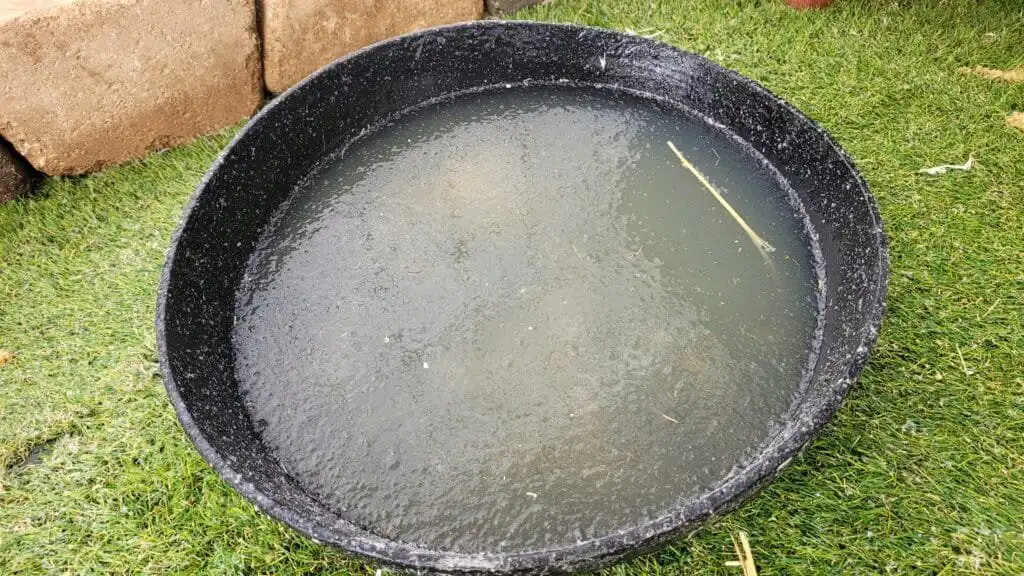
Exactly how you accomplish that depends on your climate.
In milder regions, simply replacing the water before bedtime and again first thing in the morning may be enough. In colder climates, however, you may need to use a heated water bucket, a heated dog bowl, or another safe method to keep drinking water from freezing overnight.
If you use a heated waterer, always choose one designed for outdoor or livestock use, follow the manufacturer’s instructions, and make sure cords are protected from curious bills and chewing rodents.
Our Winter Routine in North Texas
Although North Texas doesn’t experience harsh winters every year, we occasionally get severe cold snaps and winter storms.
When temperatures drop below freezing, I check the ducks’ water more frequently to make sure it remains liquid. During our rare extreme winter weather, I also use a safe heater inside the duck house to keep temperatures above freezing. This not only helps prevent the water from freezing but also provides a more comfortable environment for the flock during unusually cold nights.
The important takeaway is that I never remove water simply because it’s cold. Instead, I adapt my setup so my ducks can continue drinking whenever they need to.
Whether it’s 105°F in the middle of summer or below freezing during a winter storm, my goal stays the same: fresh, clean water should always be available.
Water Is Even More Important During Summer
If there’s one season when I pay extra attention to my ducks’ water, it’s summer.
Here in North Texas, overnight temperatures often stay above 80°F (27°C), and during heat waves, they may not drop below 90°F (32°C). That means my ducks don’t get much relief after the sun goes down.
On hot nights, ducks continue losing water through normal body functions and by panting (open-mouth breathing) to help dissipate heat. Even if they’re resting, they can become dehydrated more quickly than they would during cooler weather.
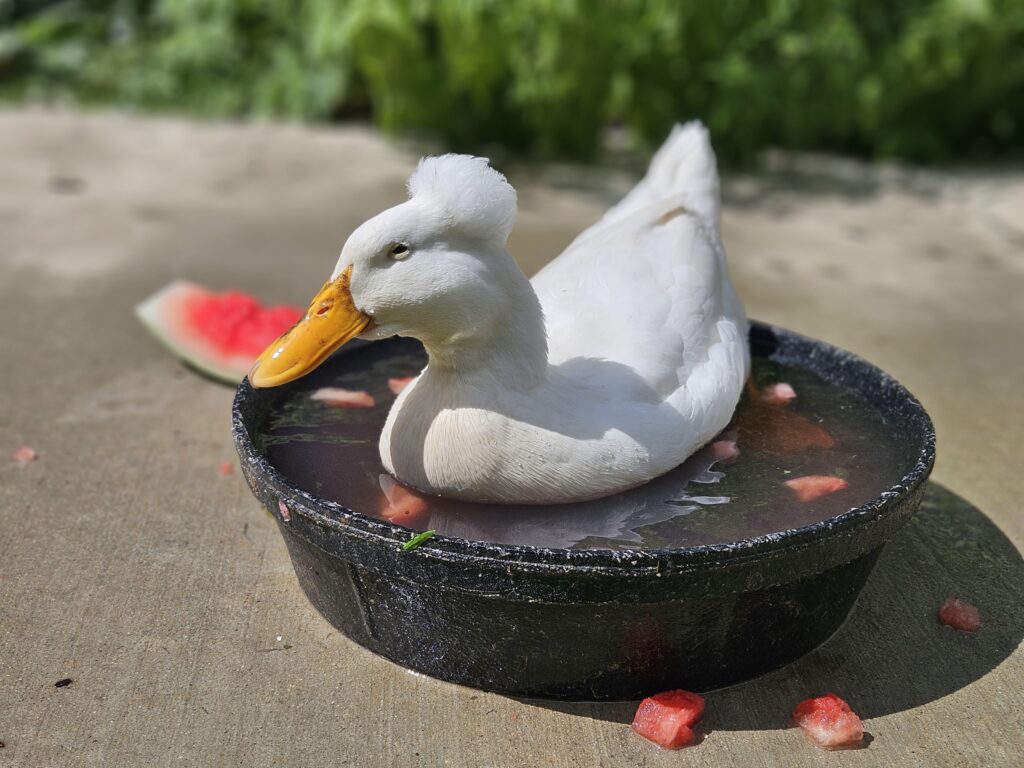
This is why I make sure my ducks always have access to plenty of fresh, cool drinking water overnight. It’s one of the simplest ways to help them stay hydrated during prolonged periods of extreme heat.
Summer Water Tips
During the hottest months, I also make a few adjustments to help keep my flock comfortable:
- Refill their nighttime water with fresh, cool water before bed.
- Check that everyone has easy access to the water station.
- Replace water more frequently if it becomes warm or dirty.
- Make sure the duck house has good ventilation and airflow.
- Use fans to circulate air during hot nights.
- Continue offering shade, pools, and multiple water stations throughout the day.
During extended heat waves, we go even further. We run fans in both the duck house and the run, use a misting system, offer ice cubes and frozen treats, refresh their pool and drinking water more often, and sometimes even bring our ducks inside to enjoy the air conditioning for a few hours during the hottest part of the day.
The hotter the weather, the more important hydration becomes. Providing water 24/7 isn’t just about supporting natural behaviors. During summer, it can be an important part of helping ducks safely regulate their body temperature and avoid heat-related illness.
If you live in a hot climate, be sure to read my complete guide on keeping ducks cool during summer, where I share all of the strategies we use to help our flock stay comfortable through the Texas heat.
Frequently Asked Questions
Can ducks go one night without water?
A healthy adult duck will likely survive a single night without water, but that doesn’t mean it’s good husbandry. Ducks are biologically adapted to drink, eat, preen, and clean their bills throughout the day and night. Regularly removing water prevents these natural behaviors and can contribute to dehydration, especially during hot weather.
Do ducks drink water while they sleep?
Ducks don’t sleep continuously like many people imagine. Instead, they wake up several times throughout the night. During these periods of activity, they often drink, eat, forage through their bedding, preen, and then go back to sleep. Our overnight cameras capture this behavior almost every night.
Should ducks have water if they have food overnight?
Yes. If ducks have access to dry feed, they should also have access to fresh drinking water. Ducks naturally alternate between eating and drinking, using water to help swallow their food. Feeding dry pellets without water nearby is not recommended.
How deep should a duck’s water be at night?
The water should be deep enough for ducks to fully submerge their entire bill. This allows them to rinse their nostrils, clean their bill, and swallow food properly. A shallow dish or nipple waterer designed for chickens is usually not sufficient.
Should ducklings have water overnight?
Yes, ducklings also need continuous access to fresh drinking water. However, their water should be shallow enough to prevent accidental drowning while still allowing them to dip their bills. Young ducklings should always be supervised around deeper water until they are older and fully feathered.
Is it okay to remove water to keep the coop dry?
While removing water may reduce overnight mess, it also prevents ducks from meeting their normal biological needs. A better solution is to modify your setup by using a spill-resistant water container, waterproof flooring, absorbent bedding, or a catch tray beneath the water station.
Do wild ducks have access to water at night?
Yes. In nature, ducks have access to water whenever they need it, day or night. They don’t stop drinking, preening, or foraging after sunset. Providing continuous access to water allows pet ducks to express these same natural behaviors.
Can ducks become dehydrated overnight?
Most healthy ducks won’t become dangerously dehydrated after a single night without water. However, routinely withholding water increases the risk of dehydration over time, particularly during hot weather, illness, egg laying, or whenever ducks are eating dry feed. Our avian veterinarian has shared that dehydration is one of the more common problems they see in pet ducks, making constant access to fresh water an important part of preventive care.
Putting Duck Biology First
One of the best ways to become a better duck owner is to stop asking what ducks can tolerate and start asking what they truly need.
Yes, ducks can survive a night without water. But that’s a very different question from whether they should have to.
Everything we know about duck anatomy, physiology, and natural behavior points to the same conclusion: ducks are designed to have access to water throughout the day and night. They drink, forage, preen, and clean their bills whenever the need arises, not according to our schedules.
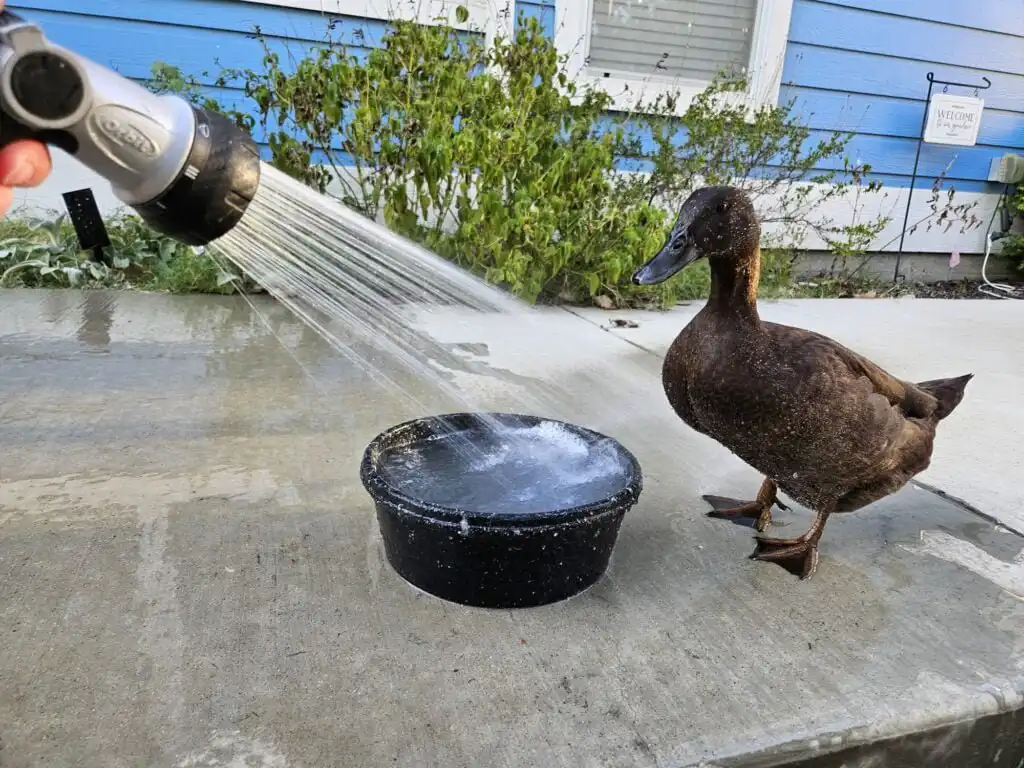
Providing water overnight may mean a little more cleanup in the morning, but for me, that’s a small price to pay for knowing my flock can express their natural behaviors and meet one of their most basic biological needs whenever they choose.
At Ducks of Providence, our guiding principle is simple: we try to adapt our care to fit the duck, not expect the duck to adapt to our convenience. That’s why, whether it’s the middle of a Texas heat wave, a freezing winter storm, or a quiet night in between, my ducks always have fresh water waiting for them.
Sometimes the best duck care isn’t the easiest. It’s simply the care that lets ducks be ducks.
Further Reading & Resources
- Duck Bill Anatomy: How a Duck’s Bill Works
- Duck Digestive System Anatomy
- How Ducks Sleep: Brain Hemispheres, Posture, and Safety
- Ducks and Water: How Much They Need, Why It Matters, and How to Manage It Safely
- How I Manage Water, Mud, and Duck Chaos Without Losing My Mind (Real-Life Setup That Actually Works)
- Our New Duck Shed: How We Built an 8×8 ft Shed and Turned It Into the Perfect Duck House
Deepen your understanding of avian wellness. Explore the full Duck Health & Anatomy Library for more specialized care guides.