
Is Anesthesia Safe for Ducks? A Duck Owner’s Guide to Veterinary Sedation

To keep our research-backed guides free, this site uses ads and affiliate links (earning a small commission at no cost to you). Everything here is created by a duck mom and PhD scientist, combining academic rigor with hands-on experience to provide practical, trustworthy advice for duck keepers everywhere. 🦆 Learn more
If you share your life with ducks, there may come a moment when a veterinarian recommends anesthesia for a medical procedure. Hearing those words can be unsettling. Ducks are small, sensitive animals, and the thought of putting them under anesthesia naturally raises many questions.
You might find yourself wondering: Is anesthesia safe for ducks? What exactly happens during the procedure? And why is it necessary in the first place?
The reality is that anesthesia is a routine and essential part of modern avian veterinary care. It allows veterinarians to examine, diagnose, and treat conditions that would otherwise be impossible to manage safely. Procedures such as wound repair, bumblefoot surgery, fracture stabilization, or internal diagnostics require the duck to remain still and free from pain.
For ducks, anesthesia is typically based on inhalant gases such as isoflurane or sevoflurane combined with carefully selected sedatives and pain medications. When planned and monitored by a veterinarian experienced with birds, these protocols allow procedures to be performed safely while minimizing stress for the duck.
At the same time, anesthesia is never completely without risk. Birds have unique physiology, including a very efficient respiratory system and high metabolic rate, which means anesthetic depth can change quickly. Careful monitoring, temperature support, and appropriate drug choices are therefore critical.
As duck keepers, understanding how anesthesia works helps us have more informed conversations with our veterinarians and make confident decisions when our ducks need medical care.
Part of the Duck Health & Anatomy Hub, Evidence-based medical resources and anatomical research.
Quick Navigation: Jump to a Section
[hide]
- Why Ducks Sometimes Need Anesthesia
- Why Anesthesia in Ducks Is Different From Mammals
- The Two Main Types of Anesthesia Used in Ducks
- Which Anesthesia Is Used for Different Procedures?
- How Ducks Are Monitored During Anesthesia
- Pain Management During and After Surgery
- The Risks of Anesthesia in Ducks
- Why Home Anesthesia Is Not Recommended
- What Recovery Looks Like
- What Happens Step by Step When Your Duck Goes Under Anesthesia at the Vet
- From My Perspective as a Duck Keeper
- Duck Anesthesia FAQ
- Final Thoughts
- Further Reading & Resources
- References
Why Ducks Sometimes Need Anesthesia
In many situations, a veterinarian cannot safely perform a procedure on a fully conscious duck. Even calm and well-socialized ducks may struggle or panic when they are restrained, especially if they are in pain. Because ducks have powerful wings and strong legs, sudden movement during a medical procedure can quickly lead to injury for both the bird and the veterinary team.
Anesthesia allows veterinarians to perform procedures safely, accurately, and without causing unnecessary stress or pain. It keeps the duck still, reduces fear and discomfort, and allows the veterinarian to focus on careful treatment rather than managing a struggling patient.
In addition, some diagnostic procedures require the duck to remain completely motionless. Even small movements can interfere with imaging or delicate surgical work.
Common reasons a duck may require anesthesia include:
• Bumblefoot surgery to remove infected tissue and clean the wound
• Predator wound repair such as suturing deep lacerations
• Tumor or lump removal for both diagnostic and therapeutic purposes
• Fracture repair or orthopedic stabilization after injuries
• Egg binding treatment or reproductive surgery
• Endoscopy to examine internal organs
• Diagnostic imaging such as radiographs when the duck cannot remain still
• Foreign object removal if something has been swallowed
• Placement of hormone implants used to manage chronic reproductive problems
Sometimes anesthesia is also recommended for thorough physical examinations in ducks that are extremely stressed or difficult to handle. Sedation allows the veterinarian to examine the bird carefully without causing panic or injury.
While the word anesthesia can sound intimidating, in many of these cases it actually makes the procedure safer and less traumatic for the duck. Proper anesthesia ensures that the bird does not experience pain and that the veterinarian can perform the necessary treatment with precision.
Why Anesthesia in Ducks Is Different From Mammals
One of the most important things for duck owners to understand is that birds are not simply small mammals. Their anatomy and physiology are very different from animals like dogs and cats, and those differences significantly affect how anesthesia must be managed.
Because of these unique characteristics, avian anesthesia requires specialized knowledge, equipment, and careful monitoring throughout the entire procedure.
A Highly Efficient Respiratory System
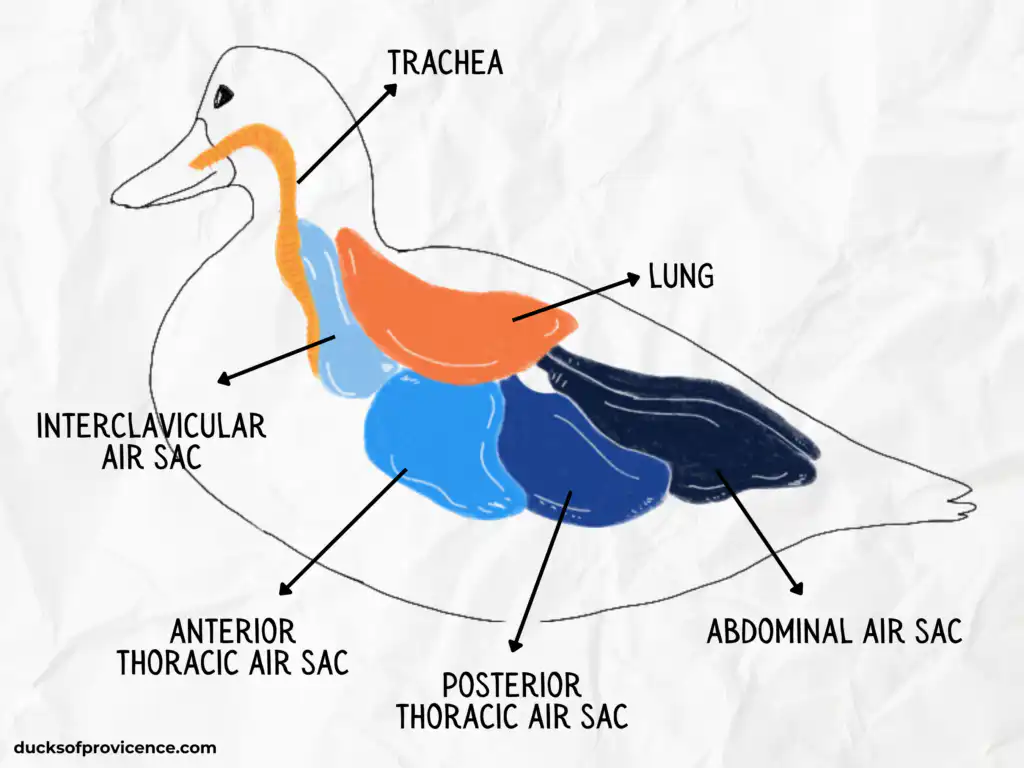
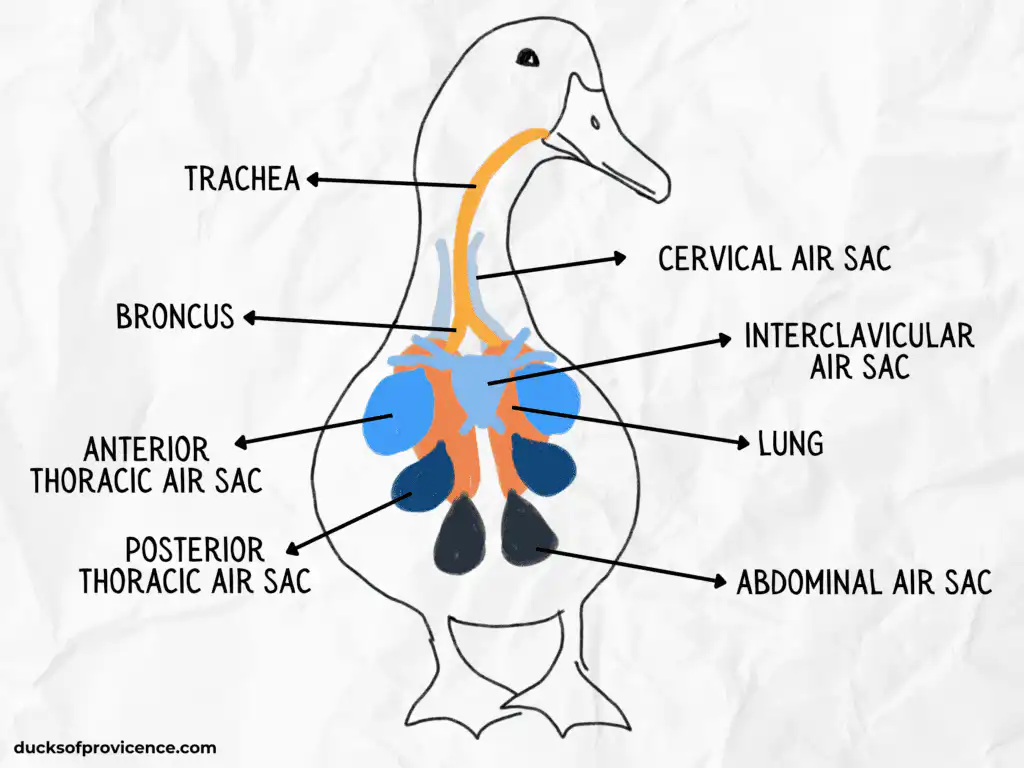
Birds have one of the most efficient respiratory systems in the animal kingdom. Instead of the simple lung structure seen in mammals, birds have rigid lungs connected to a system of air sacs that move air through the respiratory tract in a continuous flow.
This system allows birds to extract oxygen very efficiently, but it also means that anesthetic gases can take effect very quickly. Changes in anesthetic depth can occur rapidly, sometimes within seconds. A duck may move from light sedation to a deeper plane of anesthesia faster than expected if the anesthetic concentration is not carefully controlled.
Because of this rapid response, veterinarians must constantly adjust anesthetic levels and closely monitor breathing.
Air Sacs and Ventilation
In addition to their lungs, birds have multiple air sacs distributed throughout the body cavity. These structures help move air through the lungs and play a major role in respiration.
During anesthesia, however, these air sacs can also contribute to respiratory challenges. Birds under anesthesia may become hypoventilated, meaning they are not breathing deeply or frequently enough. This can lead to elevated carbon dioxide levels if ventilation is not supported.
Veterinarians often address this by:
• closely monitoring breathing
• adjusting anesthetic depth
• providing assisted ventilation when necessary
In some surgical procedures, especially those involving the airway, veterinarians may even use air sac cannulation to deliver oxygen and anesthetic gases directly through the air sac system.
Complete Tracheal Rings
Another key difference involves the bird’s trachea. Unlike mammals, birds have complete tracheal cartilage rings rather than flexible C-shaped rings.
Because of this structure, veterinarians typically use uncuffed endotracheal tubes when intubating birds. Inflatable cuffs that are commonly used in mammals could damage the delicate tracheal lining in birds.
Intubation still provides excellent airway control, but must be done with equipment designed specifically for avian patients.
Higher Metabolic Rate
Ducks and other birds have very high metabolic rates, meaning their bodies process oxygen, medications, and anesthetic agents quickly.
This has several implications during anesthesia:
• drugs may act rapidly
• anesthetic depth can change quickly
• recovery often occurs faster than in mammals
However, the high metabolic rate also means birds are less tolerant of prolonged fasting. Unlike dogs or cats, birds are typically not fasted for long periods before anesthesia because their energy reserves are limited.
Body Temperature Regulation
Birds also have higher normal body temperatures than most mammals. Ducks typically maintain body temperatures around 40–42°C (104–108°F).
During anesthesia, however, birds lose heat very quickly because of:
• their small body size
• reduced muscle activity
• exposure during surgical procedures
Hypothermia is one of the most common challenges during avian anesthesia. Even with external heat support, body temperature often drops steadily during procedures.
For this reason, veterinary teams routinely use:
• heating pads
• warmed fluids
• warm air circulation systems
Maintaining proper body temperature is critical because hypothermia can slow recovery and worsen cardiovascular depression.

Stress Sensitivity in Birds
Another major consideration is that birds are highly sensitive to stress. Ducks in particular can become very distressed during restraint or transport.
Stress can cause:
• elevated heart rate
• rapid breathing
• increased metabolic demand
Premedication with sedatives such as midazolam helps reduce this stress response and allows for a smoother transition into anesthesia.
Why These Differences Matter
All of these physiological differences mean that avian anesthesia must be carefully tailored to the species and individual patient.
Veterinarians experienced with birds take these factors into account by:
• using inhalant anesthetics that allow rapid adjustments
• combining drugs for balanced anesthesia
• carefully monitoring respiration and heart function
• actively managing body temperature throughout the procedure
For duck owners, the key takeaway is that avian anesthesia requires specialized expertise, but when performed correctly by experienced veterinarians, it is a safe and effective way to provide medical care that would otherwise not be possible.
The Two Main Types of Anesthesia Used in Ducks
Veterinarians generally rely on two main categories of anesthesia in ducks: inhalant anesthesia and injectable medications. In most cases, these methods are not used alone but are combined into what veterinarians call balanced anesthesia.
Balanced anesthesia means that several drugs with different roles are used together. One medication may provide sedation, another provides pain relief, and an inhalant gas maintains the level of unconsciousness needed for the procedure. This approach allows veterinarians to use lower doses of each drug, which improves overall safety and stability during anesthesia.
In ducks and other birds, inhalant anesthesia forms the core of most anesthetic protocols, while injectable drugs are typically used for premedication or additional pain control.
Inhalant Anesthesia
Inhalant anesthesia is considered the standard of care in avian medicine, especially for surgical procedures. The anesthetic is delivered as a gas that the duck breathes through a mask or an endotracheal tube.
The two gases most commonly used are:
• Isoflurane
• Sevoflurane
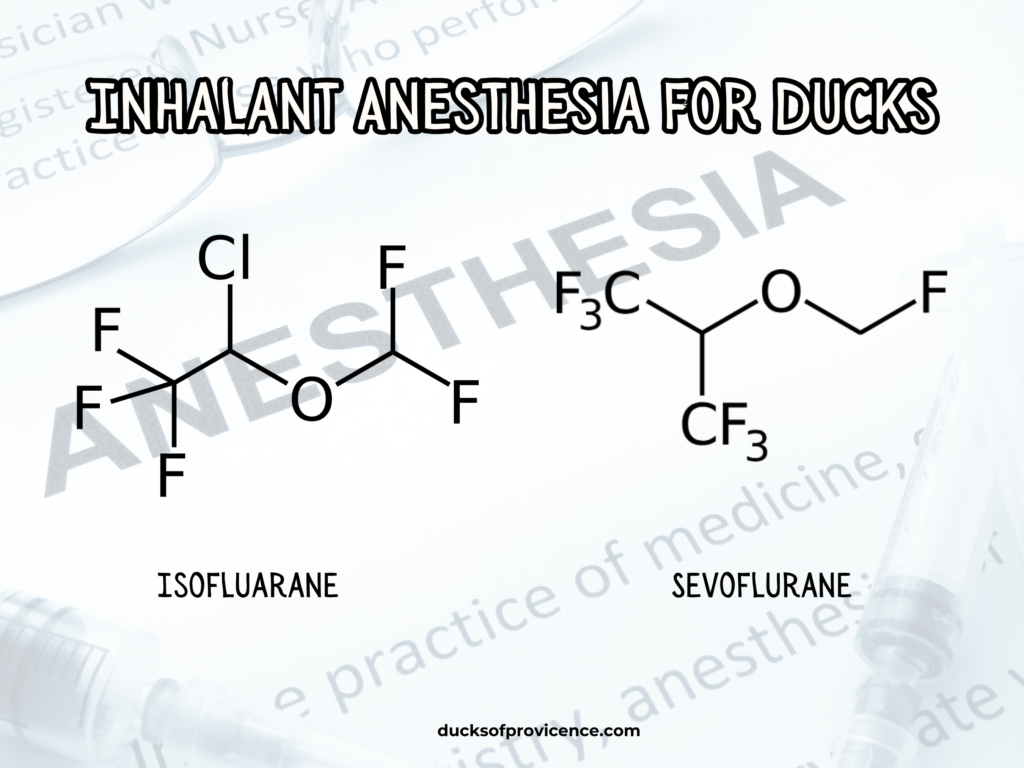
These anesthetics are mixed with oxygen and delivered through a veterinary anesthesia machine. One of the biggest advantages of inhalant anesthesia in birds is that the depth of anesthesia can be adjusted very quickly. If the veterinarian needs the duck to be slightly deeper or lighter under anesthesia, the concentration of gas can be changed almost immediately.
Because birds have extremely efficient respiratory systems, inhalant anesthetics tend to work rapidly. Once the anesthetic gas is discontinued, recovery usually begins within minutes.
Isoflurane is widely used and well studied in birds. It provides reliable anesthesia and good cardiovascular stability, though induction and recovery can be slightly slower than with newer agents.
Sevoflurane has lower blood and tissue solubility, which means it often produces faster induction and smoother recovery. For short procedures or medically fragile birds, some veterinarians prefer sevoflurane because it allows very precise control over anesthetic depth. However, it is more expensive and may not be available in every clinic.
Injectable Sedatives and Premedication
Before inhalant anesthesia begins, veterinarians often administer injectable sedatives and analgesics. This step is called premedication.
Premedication serves several important purposes:
• reducing stress and anxiety
• improving pain control
• allowing smoother induction of anesthesia
• lowering the amount of inhalant anesthetic required
One of the most commonly used sedatives in birds is midazolam, a benzodiazepine that provides calming effects, muscle relaxation, and moderate sedation with minimal impact on the cardiovascular system. A major advantage of midazolam is that it can be reversed with a drug called flumazenil, allowing veterinarians to quickly reduce sedation if necessary.
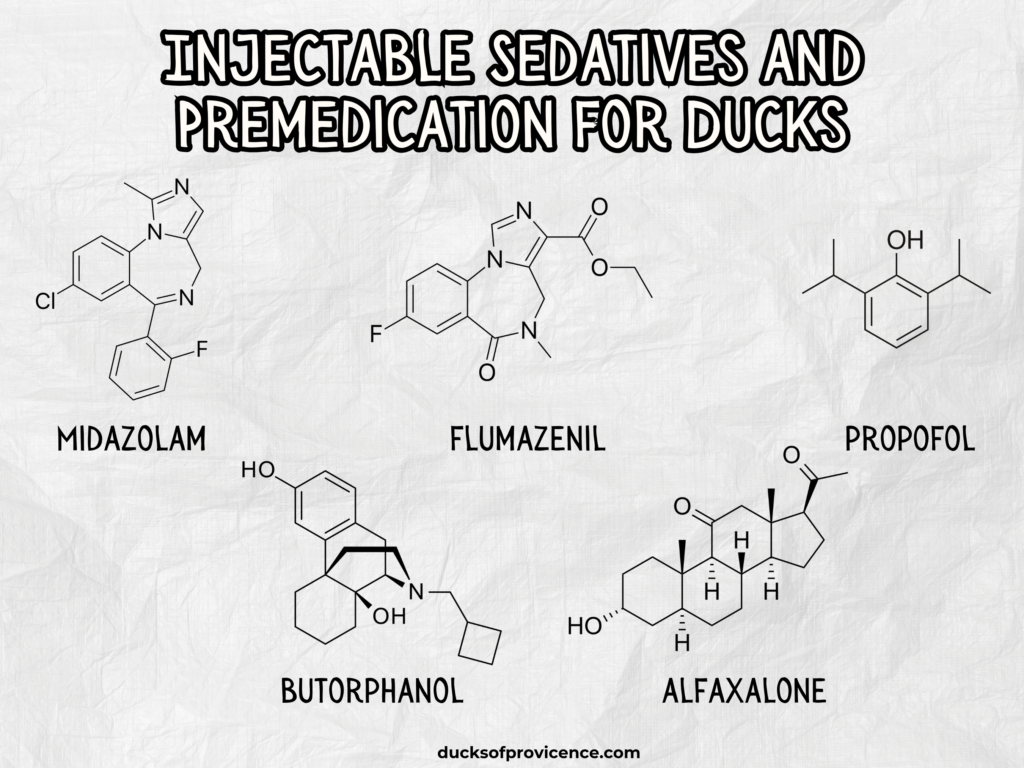
Premedication is often combined with an opioid such as butorphanol, which provides pain relief and deepens the sedative effect. This combination helps keep ducks calm during handling and improves comfort during and after procedures.
In some specialized settings, veterinarians may also use intravenous induction agents such as propofol or alfaxalone. These drugs can produce very rapid induction of anesthesia, but must be used cautiously in birds. Studies in ducks have shown that certain dosing protocols can cause significant cardiorespiratory depression if not carefully monitored. For this reason, these drugs are usually reserved for situations where advanced monitoring and trained staff are available.
By combining inhalant anesthesia with carefully chosen injectable medications, veterinarians can create a stable and well-controlled anesthetic plan tailored to the individual duck and the procedure being performed.
Which Anesthesia Is Used for Different Procedures?
Veterinarians choose protocols based on procedure length, pain level, and the duck’s overall health.
| Procedure Type | Typical Anesthesia Approach |
|---|---|
| Physical exam, radiographs | Midazolam ± butorphanol sedation or brief mask anesthesia |
| Minor wound treatment | Sedation plus short inhalant anesthesia |
| Small lump removal | Premedication + inhalant anesthesia with local block |
| Bumblefoot surgery | Premedication, intubation, inhalant maintenance, pain control |
| Egg binding surgery | Balanced anesthesia with inhalant gases and analgesia |
| Fracture repair | Full inhalant anesthesia with regional nerve blocks |
This balanced approach reduces stress and improves stability during procedures.
How Ducks Are Monitored During Anesthesia
Once a duck is under anesthesia, careful monitoring becomes one of the most important parts of the procedure. Birds can move between different depths of anesthesia relatively quickly, and their small body size means that changes in breathing, heart rate, or temperature can occur rapidly.
For this reason, avian veterinarians and their teams continuously observe the duck throughout the entire procedure. Monitoring allows them to adjust anesthetic levels, support breathing if necessary, and respond quickly if any problems arise.
Monitoring Breathing and Oxygenation
Respiration is one of the most critical parameters during avian anesthesia. Ducks under anesthesia may experience hypoventilation, meaning their breathing becomes slower or shallower than normal.
The veterinary team closely observes:
• respiratory rate
• depth of breathing
• chest movement
• airflow through the anesthesia circuit
Because birds rely on continuous airflow through their lungs and air sacs, maintaining proper ventilation is essential. If breathing becomes too slow or shallow, veterinarians may provide assisted ventilation, often called intermittent positive pressure ventilation.
This gently pushes oxygen into the lungs and helps maintain normal gas exchange.
Monitoring Heart Rate and Circulation
Heart function is another important indicator of how well a duck is tolerating anesthesia.
Veterinary teams typically monitor:
• heart rate
• pulse quality
• mucous membrane color
In some clinics, specialized equipment may also be used, including:
• Doppler blood flow monitors to assess circulation
• electrocardiography (ECG) to evaluate heart rhythm
Changes in heart rate can signal that the duck is too deeply anesthetized, experiencing stress, or reacting to surgical stimulation. Continuous monitoring allows veterinarians to adjust the anesthetic depth accordingly.
Reflex Monitoring
In addition to electronic monitoring, veterinarians assess the duck’s reflex responses to determine the depth of anesthesia.
Common reflex checks include:
• toe pinch reflex
• eyelid or corneal reflex
• muscle tone
These responses help the veterinary team determine whether the duck is in the appropriate plane of anesthesia for the procedure being performed. If reflexes become too strong or disappear completely, adjustments to anesthetic levels may be necessary.
Temperature Management
Maintaining body temperature is a major challenge during avian anesthesia. Ducks naturally have a high body temperature, typically around 40 to 42°C (104 to 108°F), but they can lose heat rapidly when anesthetized.
Several factors contribute to heat loss during surgery:
• reduced muscle activity
• exposure of body surfaces
• small body mass
• the cooling effect of anesthetic gases
Because hypothermia can slow recovery and worsen cardiovascular depression, veterinary teams actively support temperature regulation throughout the procedure.
Common warming methods include:
• heated surgical tables
• warming pads
• warm air circulation devices
• warmed intravenous fluids
Even with these measures, cloacal temperature often drops steadily during anesthesia, which is why temperature monitoring remains important throughout the procedure.
Adjusting Anesthesia Throughout the Procedure
Monitoring is not a passive process. The veterinary team continuously uses the information gathered from breathing, heart rate, reflexes, and temperature to adjust the anesthesia in real time.
If the duck becomes too deeply anesthetized, the concentration of inhalant gas may be reduced. If surgical stimulation increases heart rate or movement, the anesthetic depth may be increased or additional pain medication may be given.
This constant adjustment helps maintain a stable and safe anesthetic plane, allowing the procedure to proceed while minimizing risk to the duck.
A Team Effort
During most procedures, one member of the veterinary team focuses specifically on anesthesia and monitoring while the veterinarian performs the surgery or diagnostic procedure. This dedicated attention ensures that the duck’s vital functions are observed continuously.
For duck owners, it can be reassuring to know that anesthesia is not simply administered and left unattended. Instead, the veterinary team is actively monitoring and supporting the duck at every stage of the procedure.
Pain Management During and After Surgery
Modern veterinary medicine places a strong emphasis on effective pain management, and this is just as important for ducks as it is for dogs, cats, or other animals. For many years, pain in birds was underestimated, but research and clinical experience have clearly shown that birds experience pain and benefit greatly from appropriate analgesia.
Today, veterinarians use a multimodal pain management approach, meaning several types of medications may be combined to control pain at different levels. This strategy improves comfort for the duck while also reducing the amount of general anesthetic required during surgery.
Providing adequate pain relief not only improves welfare but also supports faster healing, better appetite, and smoother recovery after a procedure.
Opioids
Opioids are commonly used in birds for managing moderate to severe pain.
One of the most frequently used drugs in avian medicine is butorphanol. This medication provides both analgesia and mild sedation, making it useful during the perioperative period.
Veterinarians may administer butorphanol:
• before anesthesia as part of the premedication protocol
• during surgery to maintain analgesia
• after surgery to help control postoperative discomfort
Butorphanol is generally considered safe in birds and is widely used across many avian species, including ducks.
Nonsteroidal Anti-Inflammatory Drugs (NSAIDs)
For longer-lasting pain control after surgery, veterinarians often prescribe nonsteroidal anti-inflammatory drugs (NSAIDs).
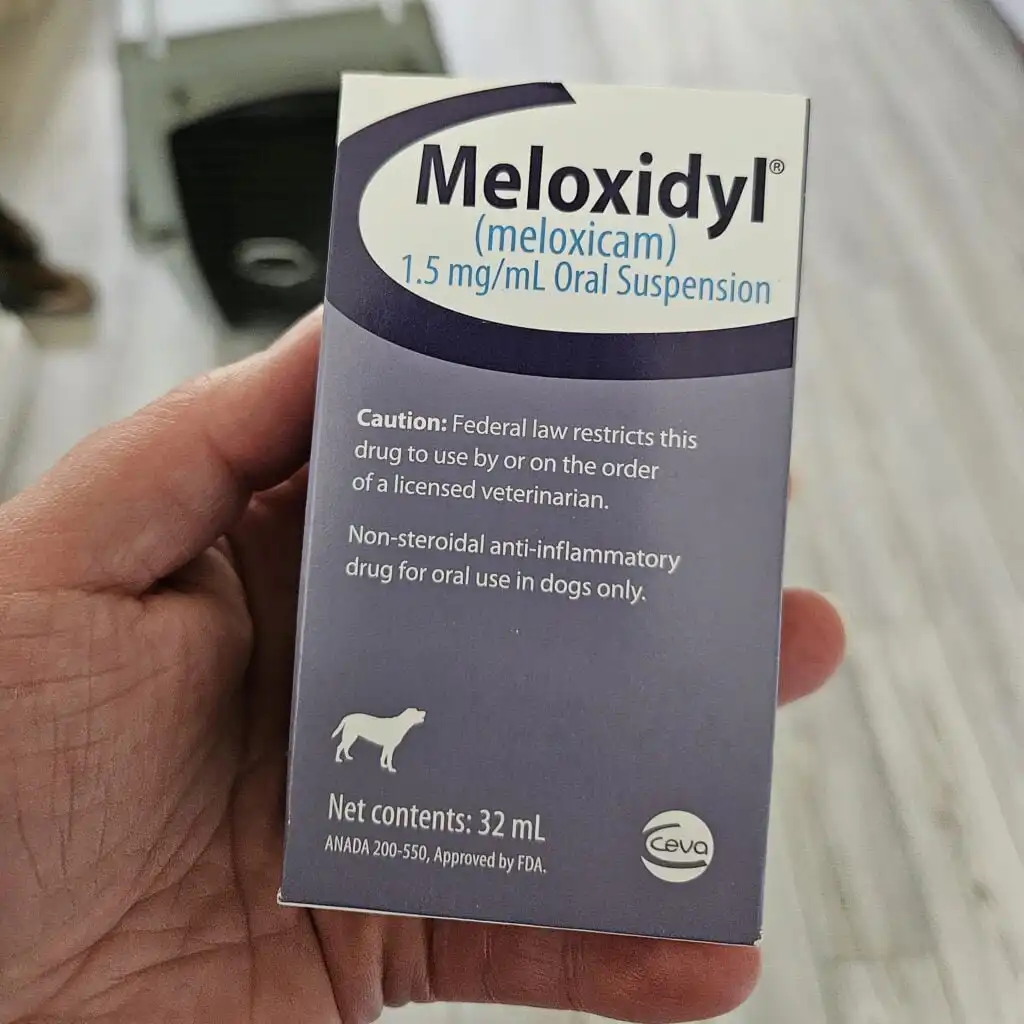
The most commonly used NSAID in birds is meloxicam.
Meloxicam helps reduce:
• inflammation
• swelling
• postoperative pain
It is frequently used for several days following procedures such as wound repair, orthopedic surgery, or bumblefoot treatment. Dosage and duration are carefully adjusted based on the duck’s species, body weight, and overall health.
NSAIDs provide important background pain control and are often combined with other medications for optimal comfort.
Local Anesthetics
Local anesthetics are another valuable tool in avian surgery. These medications are applied directly around the surgical area to block nerve signals and prevent pain from reaching the brain.
Common local anesthetics used in birds include:
• lidocaine
• bupivacaine
Veterinarians may inject these medications around the incision site or perform small nerve blocks depending on the procedure.
Local anesthesia offers several benefits:
• reduces the amount of general anesthesia required
• improves comfort during the procedure
• provides pain relief that continues after surgery
For example, during bumblefoot surgery or small mass removals, local anesthetic infiltration can significantly improve postoperative comfort.
Balanced Pain Control
Using multiple pain control methods together allows veterinarians to provide more effective and safer pain relief.
A typical pain management plan for a surgical duck may include:
• an opioid such as butorphanol before or during surgery
• local anesthetics at the surgical site
• NSAIDs such as meloxicam during recovery
By addressing pain through several pathways, veterinarians can maintain good comfort while avoiding excessive doses of any single drug.
Pain Management at Home
After surgery, duck owners may need to continue administering medications at home. Veterinarians often provide instructions for oral or injectable medications, depending on the treatment plan.
During recovery, it is helpful to monitor the duck for signs of discomfort, such as:
• reduced appetite
• lethargy
• reluctance to move
• abnormal posture
Most ducks begin to feel better quickly once pain is well controlled, and many resume eating and normal behaviors within a short period of time.
Providing proper pain management both during and after surgery plays a crucial role in ensuring a smooth and successful recovery for your duck.
The Risks of Anesthesia in Ducks
Although anesthesia is an essential tool in avian medicine, it is important to understand that no anesthetic procedure is completely risk-free. Ducks and other birds have unique physiology that can make anesthesia more challenging than in many mammals.
That said, when anesthesia is carefully planned and performed by an experienced avian veterinarian using appropriate monitoring and equipment, it is generally considered safe and routine in clinical practice. Understanding the potential risks helps duck owners have informed conversations with their veterinarians and prepare appropriately if a procedure becomes necessary.
Respiratory Depression and Hypoventilation
One of the primary concerns during avian anesthesia is respiratory depression. Anesthetic drugs can slow breathing or reduce the depth of respiration, which may lead to hypoventilation, meaning the bird is not exchanging enough air.
Because ducks rely on a complex respiratory system that includes lungs and air sacs, even small changes in breathing can affect oxygen and carbon dioxide levels in the body.
If breathing becomes too shallow or irregular, veterinarians may provide assisted ventilation, which gently pushes oxygen into the lungs to maintain normal gas exchange.
Careful monitoring of respiratory rate and breathing effort helps veterinary teams detect these issues early and respond quickly.
Cardiovascular Effects
Some anesthetic drugs can also influence the cardiovascular system. Inhalant anesthetics such as isoflurane and sevoflurane may cause dose-dependent decreases in blood pressure and heart function if the anesthetic depth becomes too deep.
Changes in heart rate can also occur during surgery due to:
• surgical stimulation
• stress responses
• the bird’s natural reflexes
Waterfowl may occasionally exhibit a diving reflex, a natural response that slows the heart rate when the face or bill is stimulated. This reflex can occur during certain procedures or when the airway is manipulated.
Veterinarians account for these responses by closely monitoring heart rate and adjusting anesthetic depth as needed.
Hypothermia
Hypothermia, or a drop in body temperature, is one of the most common complications seen during avian anesthesia.
Ducks lose heat rapidly for several reasons:
• small body mass
• reduced muscle activity while anesthetized
• exposure of body surfaces during surgery
• the cooling effect of anesthetic gases
Even with active warming methods, body temperature often declines steadily during anesthesia.
Hypothermia can cause several problems, including:
• slower drug metabolism
• delayed recovery from anesthesia
• worsened cardiovascular depression
For this reason, maintaining body temperature through heating pads, warm air systems, or warmed fluids is a critical part of anesthesia management in birds.
Drug Sensitivity and Narrow Safety Margins
Birds can sometimes be more sensitive to certain anesthetic drugs than mammals. Research studies in ducks have shown that some injectable anesthetic protocols, particularly when used without adequate monitoring or ventilation support, can lead to significant cardiorespiratory depression.
In some experimental settings, drugs such as propofol or alfaxalone have produced serious complications when administered at inappropriate doses or infusion rates.
These findings highlight an important principle in avian anesthesia: there is often a narrower margin between effective and excessive drug levels compared to many mammalian species.
This is one reason why inhalant anesthesia, which can be adjusted quickly and precisely, is widely preferred for birds.
Increased Risk in Sick or Compromised Birds
The overall health of the duck plays a major role in anesthetic safety. Birds that are already ill or weakened may have a higher risk of complications.
Factors that can increase anesthetic risk include:
• dehydration
• severe infections
• respiratory disease
• organ dysfunction
• extreme age or very young birds
• poor body condition
Because birds tend to hide signs of illness, veterinarians often recommend pre-anesthetic examinations or blood testing before major procedures. These tests help identify underlying health issues and allow the anesthetic plan to be adjusted accordingly.
Stress and Handling
Stress itself can also influence anesthesia safety. Ducks that are extremely frightened or agitated during transport or handling may experience elevated heart rate and respiratory rate before anesthesia even begins.
Premedication with sedatives such as midazolam helps reduce this stress response and allows the bird to transition into anesthesia more calmly.
Minimizing stress before and during the veterinary visit can improve overall stability during the procedure.
Understanding the Overall Risk
While these risks are real, it is important to keep them in perspective. Veterinary teams are trained to anticipate and manage these challenges through careful monitoring, temperature control, and appropriate drug selection.
For most ducks undergoing routine procedures at an avian veterinary clinic, anesthesia proceeds smoothly and without complications.
For duck owners, the most important step in reducing anesthetic risk is choosing a veterinarian experienced in avian medicine and discussing any health concerns about the duck before the procedure.
Why Home Anesthesia Is Not Recommended
Occasionally duck owners ask whether sedation or anesthesia can be performed at home for small procedures. This question often comes up when dealing with issues such as bumblefoot care, wound treatment, or diagnostic imaging. While the idea of avoiding a stressful veterinary visit may seem appealing, anesthesia in ducks should never be attempted outside of a proper veterinary setting.
Even medications that appear relatively mild can have powerful effects on a bird’s respiratory and cardiovascular systems. Ducks have a very efficient respiratory system and high metabolic rate, which means anesthetic drugs can act quickly and unpredictably if they are not carefully controlled.
What might look like a small adjustment in dose can sometimes cause significant respiratory depression, apnea, or cardiovascular instability. Without the ability to monitor and support the duck properly, these complications can become life threatening very quickly.
Another important factor is that anesthesia is not simply about giving a drug and waiting for it to wear off. Safe anesthesia requires continuous monitoring and the ability to respond immediately if something changes.
In a veterinary clinic, the team has access to specialized equipment such as:
• oxygen supply and anesthetic machines
• endotracheal tubes for airway control
• monitoring devices for heart rate and respiration
• warming systems to prevent hypothermia
• equipment to assist ventilation if breathing slows
• emergency medications and reversal agents
These tools allow veterinarians to detect problems early and intervene before they become dangerous.

In addition, veterinarians calculate drug doses carefully based on the duck’s exact weight, species, health status, and the type of procedure being performed. What may be safe for one bird could be inappropriate for another.
Even sedation protocols that are sometimes described as “light” can still cause complications. Drugs such as benzodiazepines or opioids may lead to temporary apnea or excessive sedation if the duck reacts differently than expected. In a clinical environment, veterinarians can respond quickly by providing oxygen, stimulating breathing, or administering reversal agents.
Attempting anesthesia at home also creates challenges with temperature management. Ducks lose body heat rapidly while sedated, and hypothermia is one of the most common complications during avian anesthesia. Veterinary clinics use warming devices and temperature monitoring to prevent dangerous drops in body temperature.
For duck owners, the safest approach is to view anesthesia as a medical procedure that requires trained professionals and specialized equipment. Even if the procedure itself seems minor, the anesthetic component carries risks that should only be managed in a veterinary setting.
When possible, working with a veterinarian who has experience in avian or exotic animal medicine ensures that your duck receives the safest care. While a veterinary visit may feel stressful in the moment, it provides the environment and expertise needed to manage anesthesia safely and effectively.
What Recovery Looks Like
Recovery from anesthesia is an important phase of the procedure and is closely monitored by the veterinary team. Fortunately, one advantage of inhalant anesthesia in birds is that recovery is often relatively quick once the anesthetic gas is discontinued.
Because inhalant anesthetics such as isoflurane and sevoflurane leave the body through the lungs, ducks usually begin to wake within minutes after the anesthetic is turned off. However, the speed and quality of recovery can vary depending on the length of the procedure, the medications used, and the duck’s overall health.
Immediate Recovery at the Veterinary Clinic
After the procedure is completed, the anesthetic gas is gradually reduced and then stopped. The duck is usually kept in a quiet, warm recovery area while the veterinary team monitors the return of normal reflexes and breathing.
During this phase, the team typically observes:
• breathing pattern and respiratory rate
• heart rate and circulation
• body temperature
• alertness and reflex responses
• the duck’s ability to hold its head upright
If the duck was intubated, the endotracheal tube is removed once the bird regains enough reflexes to protect its airway.
Because birds lose heat quickly during anesthesia, temperature support often continues during recovery. Warming pads or heated air systems may be used until the duck’s body temperature begins to return to normal.
Returning to Normal Awareness
As the anesthetic wears off, ducks typically progress through several stages of recovery. At first they may appear quiet and slightly uncoordinated. Gradually they begin to lift their head, adjust their posture, and respond more normally to their surroundings.
Many ducks begin preening or looking around shortly after waking. Others may remain calm and sleepy for a longer period depending on the medications used.
Before sending a duck home, veterinarians generally ensure that the bird can:
• sit upright without difficulty
• maintain stable breathing
• show normal reflex responses
• remain warm and alert
Once these criteria are met, the duck is usually considered safe for discharge.
Recovery at Home
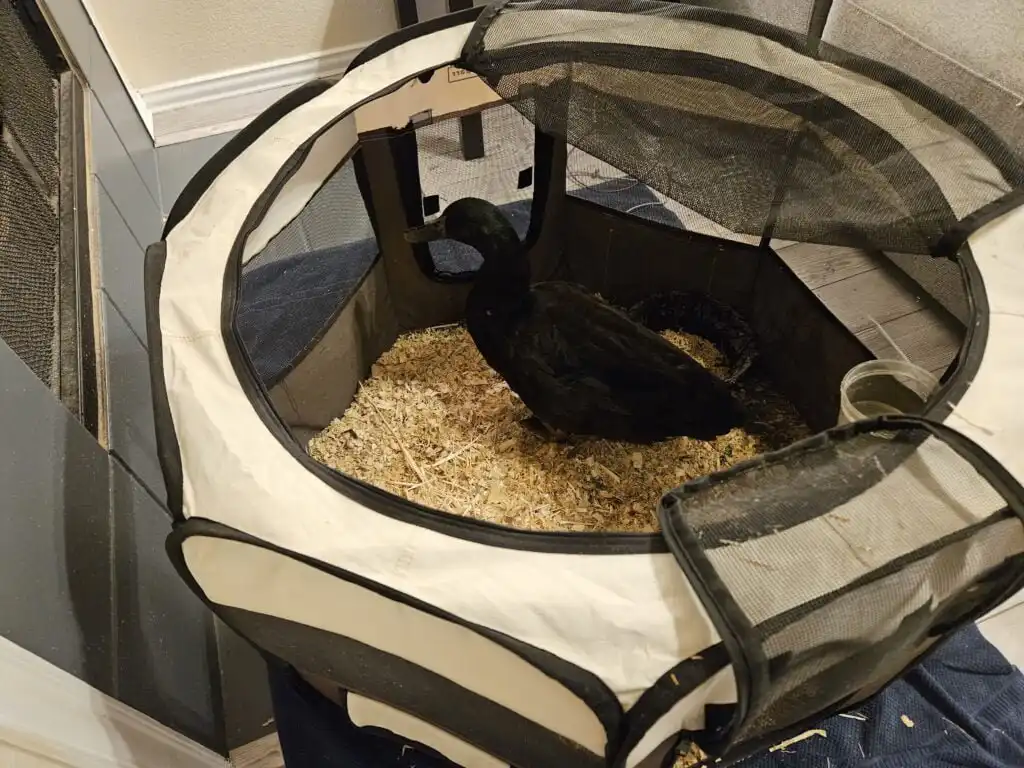
When the duck returns home, it is helpful to provide a quiet and comfortable recovery environment. Even though the bird may appear awake, the effects of anesthesia and pain medications can still linger for several hours.
Owners are often advised to:
• keep the duck in a calm, warm area away from the rest of the flock
• limit activity and avoid stressful handling
• ensure easy access to water and food
• monitor droppings, appetite, and behavior
Depending on the procedure, the veterinarian may prescribe medications such as pain relievers or antibiotics that need to be administered during recovery.
What Is Normal After Anesthesia
Many ducks recover smoothly and begin returning to normal behavior within a relatively short time. It is common for ducks to appear slightly tired or quieter than usual for the rest of the day after anesthesia.
Some ducks resume eating quite quickly, while others may take several hours before showing interest in food. As long as the duck gradually becomes more alert and begins drinking or eating within a reasonable timeframe, this is typically considered normal.
When to Contact Your Veterinarian
Although complications are uncommon, it is important to monitor your duck carefully after any anesthetic procedure.
You should contact your veterinarian if you notice:
• difficulty breathing
• persistent weakness or inability to stand
• lack of interest in food or water for an extended period
• excessive bleeding or swelling at the surgical site
• unusual lethargy or abnormal behavior
Prompt communication with the veterinary team can help address any concerns quickly.
Supporting a Smooth Recovery
Good recovery care plays an important role in the overall success of a procedure. Providing warmth, minimizing stress, and following your veterinarian’s instructions for medications and wound care will help your duck heal properly.
In most cases, ducks recover well from anesthesia and return to their normal routines within a short time, especially when the procedure is performed by an experienced avian veterinarian and followed by attentive care at home.
What Happens Step by Step When Your Duck Goes Under Anesthesia at the Vet
For many duck owners, the most stressful part of anesthesia is simply not knowing what happens behind the clinic doors. While every veterinary hospital may have slightly different routines, avian anesthesia generally follows a clear and carefully monitored process.
Understanding these steps can help make the experience feel far less mysterious.
1. Pre-Anesthetic Examination
Before any anesthesia is given, the veterinarian will first evaluate your duck’s overall health.
This usually includes:
• checking weight and body condition
• listening to the heart and lungs
• examining the eyes, nares, and mouth
• evaluating hydration status
• reviewing recent health history
In some cases, the veterinarian may recommend blood work or imaging before anesthesia, especially if the duck is older or has underlying health concerns.
These tests help identify potential risks and allow the veterinarian to adjust the anesthetic plan if needed.
2. Premedication and Sedation
Once the procedure is approved, the veterinary team typically administers premedication drugs. These medications reduce stress and make the induction of anesthesia smoother.
A common combination in birds includes:
• midazolam, which provides sedation and muscle relaxation
• butorphanol, which provides pain relief and additional calming effects
This step helps the duck relax and lowers the amount of inhalant anesthetic gas required later.
Another advantage is that midazolam can be reversed with flumazenil, allowing veterinarians to quickly reduce sedation if needed.
3. Induction of Anesthesia
After sedation begins to take effect, the duck is placed under general anesthesia.
This is usually done using inhalant anesthetic gases, most commonly:
• isoflurane
• sevoflurane
The gas is delivered through a small mask placed over the duck’s bill. Oxygen flows through the system at the same time.
Because birds have extremely efficient respiratory systems, anesthesia often takes effect very quickly, sometimes within a minute or two.
4. Intubation and Airway Control
For many procedures, especially surgeries, the veterinarian will place an endotracheal tube into the duck’s trachea.
Birds have complete tracheal rings, so uncuffed tubes are typically used.
Intubation provides several important advantages:
• keeps the airway open
• allows precise delivery of anesthetic gas
• reduces anesthetic gas exposure for staff
• allows assisted ventilation if needed
In some advanced procedures, particularly involving the airway, veterinarians may instead use air sac cannulation to deliver anesthesia.
5. Monitoring During the Procedure
Once anesthesia is established, the veterinary team continuously monitors the duck’s condition.
Common monitoring parameters include:
• heart rate
• respiratory rate
• reflex responses
• mucous membrane color
• body temperature
Some clinics may also use specialized equipment such as:
• Doppler blood pressure monitors
• ECG
• capnography
Because birds lose heat quickly, warming devices are often used during procedures.
These may include:
• heated surgical tables
• warm air systems
• warmed fluids
Maintaining body temperature is extremely important because hypothermia can slow recovery and increase anesthetic risks.
6. Pain Control During Surgery
Modern avian anesthesia includes strong emphasis on pain management.
Veterinarians may use several layers of pain control, including:
• opioids such as butorphanol
• NSAIDs such as meloxicam
• local anesthetic injections around the surgical site
Local anesthetics like lidocaine or bupivacaine can significantly reduce the amount of general anesthesia required and improve comfort during recovery.
7. Recovery From Anesthesia
Once the procedure is complete, the anesthetic gas is turned off and the duck begins to wake up.
One advantage of inhalant anesthesia is that recovery tends to be rapid.
Most ducks start regaining awareness within a few minutes.
During recovery, the veterinary team carefully monitors:
• breathing
• alertness
• ability to hold the head upright
• body temperature
When the duck is stable and able to sit or stand normally, it can usually return home.
8. Postoperative Care
After anesthesia, your veterinarian will provide specific instructions for recovery at home.
These may include:
• keeping the duck warm and quiet
• limiting activity for several days
• administering medications such as pain relievers or antibiotics
• monitoring appetite and droppings
Many ducks begin eating again fairly quickly after anesthesia, though this can vary depending on the procedure performed.
With proper care and monitoring, most ducks recover smoothly and return to normal behavior within a short period of time.
Next Step
If you ever find yourself facing a surgical decision for your duck, don’t hesitate to ask your veterinarian about their anesthetic protocol, monitoring equipment, and recovery plan. A knowledgeable avian veterinarian will be happy to walk you through the process and ensure the safest possible care for your feathered companion.
From My Perspective as a Duck Keeper
Like many duck owners, my first real experience with anesthesia in ducks was filled with anxiety. You hear so many warnings online that anesthesia in birds is dangerous, and when it is your own duck, those concerns suddenly feel very real.
The first time one of my ducks needed anesthesia was Hertha, when she developed a severe case of bumblefoot that required surgical treatment. At that point, I had read a lot about the potential risks of anesthesia in birds, and the idea of putting her under for surgery made me extremely nervous. I remember dropping her off at the clinic and worrying the entire time until the veterinarian called with an update.
Thankfully, the procedure went smoothly. Hertha recovered well from anesthesia and was back home the same day. That experience was a turning point for me because it showed me how much careful planning and monitoring go into avian anesthesia when it is performed by an experienced veterinarian.
Over the years, several of our ducks have needed procedures that involved sedation or anesthesia.
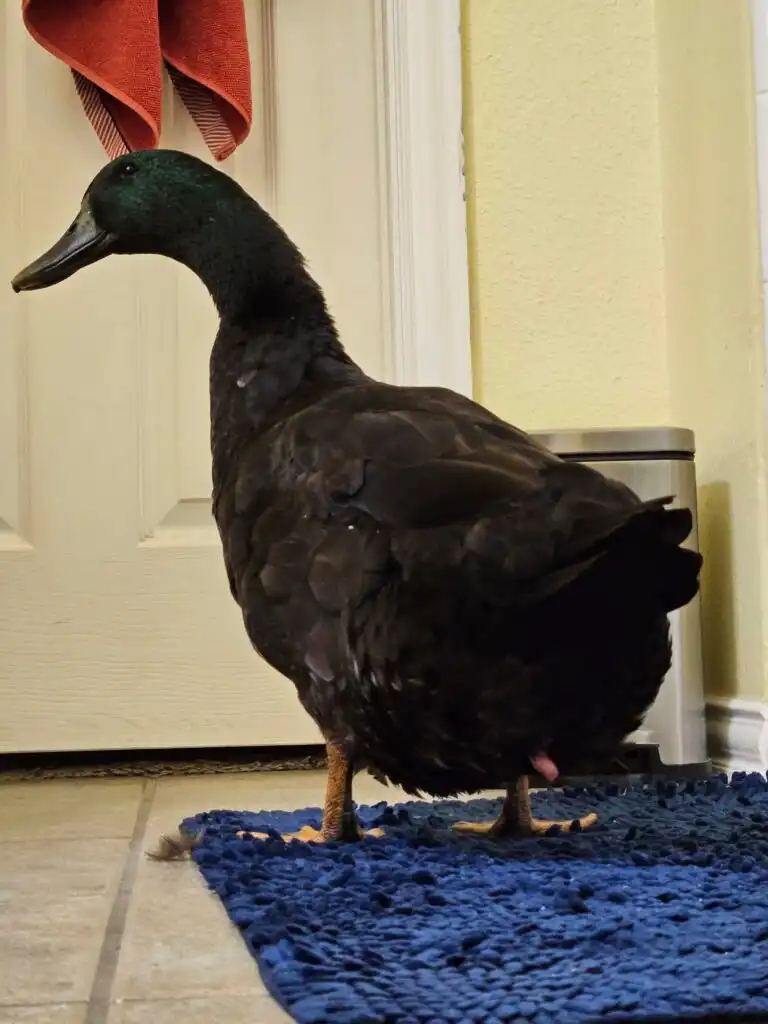
One of the more complicated cases involved Simon, our drake. He developed a prolapsed phallus, which first required a procedure to secure the tissue and prevent further injury. Unfortunately, the problem returned later, and the veterinary team ultimately had to amputate the phallus to prevent repeated trauma and infection. Both procedures required anesthesia so the veterinarian could work safely and minimize pain.
Another one of our ducks, Emma, also experienced a prolapse that needed veterinary intervention. In her case, the veterinarian was able to reposition and secure the tissue. Again, anesthesia was necessary to perform the procedure properly and without causing distress.
We have also had several situations where our ducks needed radiographs. Imaging often requires the bird to remain perfectly still in specific positions, which is very difficult for a conscious duck. Light sedation or brief inhalant anesthesia allows the veterinary team to obtain clear images quickly and safely.
Looking back, these experiences helped me understand that anesthesia is not something veterinarians recommend lightly. It is used when the benefits of treating a condition clearly outweigh the risks. Each time one of our ducks underwent a procedure, the veterinary team carefully explained the plan, monitored the duck closely, and supported them throughout recovery.
As a duck keeper, those experiences helped build trust in the process. While it is always a little nerve wracking to hear that your duck needs anesthesia, I have also seen firsthand how modern avian veterinary care can safely perform procedures that greatly improve a duck’s health and quality of life.
Duck Anesthesia FAQ
Is anesthesia safe for ducks?
When performed by an experienced avian veterinarian using proper monitoring equipment, anesthesia is generally considered safe. However, all anesthetic procedures carry some level of risk.
How long does anesthesia last in ducks?
With inhalant anesthesia, ducks usually begin waking within minutes after the gas is discontinued. Full recovery often occurs within 30 to 60 minutes depending on the procedure.
Do ducks need to fast before anesthesia?
Unlike mammals, birds should not be fasted for long periods because of their high metabolic rate. Your veterinarian will provide specific instructions.
What anesthetic do vets usually use for ducks?
Most veterinarians use inhalant anesthesia with isoflurane or sevoflurane, often combined with injectable sedatives such as midazolam and butorphanol.
Can ducks die under anesthesia?
While rare, complications can occur, especially in sick birds or during complex procedures. Careful monitoring greatly reduces these risks.

Final Thoughts
Hearing that your duck needs anesthesia can feel overwhelming at first. Ducks are deeply loved members of the flock, and it is completely natural to worry about their safety during a medical procedure. Many duck owners have heard that anesthesia in birds can be risky, which can make the decision even more stressful.
At the same time, anesthesia is a critical tool in modern avian veterinary medicine. Without it, veterinarians would not be able to safely perform many of the procedures that are necessary to diagnose and treat health problems in ducks. Surgeries such as bumblefoot treatment, fracture repair, wound closure after predator attacks, or reproductive procedures would be extremely painful and nearly impossible to perform safely on a conscious bird.
Advances in avian medicine over the past decades have greatly improved anesthetic safety. Veterinarians today have access to inhalant anesthetics that allow rapid control over anesthetic depth, improved monitoring equipment, and better pain management strategies than ever before. When these tools are combined with proper training and careful planning, anesthesia can be performed safely in most ducks.
That said, every duck is an individual. Age, underlying health conditions, hydration status, and the type of procedure being performed all influence anesthetic risk. This is why veterinarians carefully evaluate each bird beforehand and tailor the anesthetic plan to the specific situation.
As duck keepers, there are also ways we can support our ducks through the process. Choosing a veterinarian experienced in avian medicine, following pre-procedure instructions, and providing a calm recovery environment at home can all make a meaningful difference in the outcome.
While the idea of anesthesia may always carry some concern, it is important to remember that veterinarians recommend it because it allows them to treat conditions that would otherwise continue to cause pain, infection, or long-term health problems.
In many cases, anesthesia is not the danger but rather the key that allows a duck to receive the care it needs to heal and return to a healthy life with the flock.
If your veterinarian ever recommends anesthesia for one of your ducks, take the time to ask questions, discuss the plan, and understand the monitoring and recovery process. Having that conversation can provide reassurance and help you make the best possible decision for your feathered companion.
Further Reading & Resources
- Finding a Duck-Savvy Vet: Tips for Pet Duck Owners
- The Duck Respiratory System: Airways, Lungs, and Air Sacs in Detail
- Duck Anatomy: A Complete Guide for Pet Owners
- 16 Common Duck Health Conditions You Should Know About
- 31 Must-have Items for Your Pet Duck First Aid Kit
- Duck Diagnostic Chart: Vital Signs, Tests, and What Your Duck’s Poop Is Telling You
Deepen your understanding of avian wellness. Explore the full Duck Health & Anatomy Library for more specialized care guides.
References
- Molter C, Escobar A, Schroeder C. Backyard Poultry and Waterfowl Sedation and Anesthesia. Vet Clin North Am Exot Anim Pract. 2022 Jan;25(1):163-180. doi: 10.1016/j.cvex.2021.08.004.
- Improve Veterinary Education: Avian anaesthesia – a guide for general practitioners
- Lafeber: Common Anesthetic Protocols for Avian Patients
- AAVAC: PRACTICAL AVIAN ANAESTHESIA
